CIDRZ and CNRS Hosts an Intensive Immunology Training to Boost Africa’s Scientific Capacity

CIDRZ Supports MOH to Expand Chronic NCDs Care with New PEN Plus Clinic in Chipata.
August 7, 2025
CIDRZ Highlights Success of Integrated Screening models in combatting Lung Diseases in Kafue.
August 12, 2025
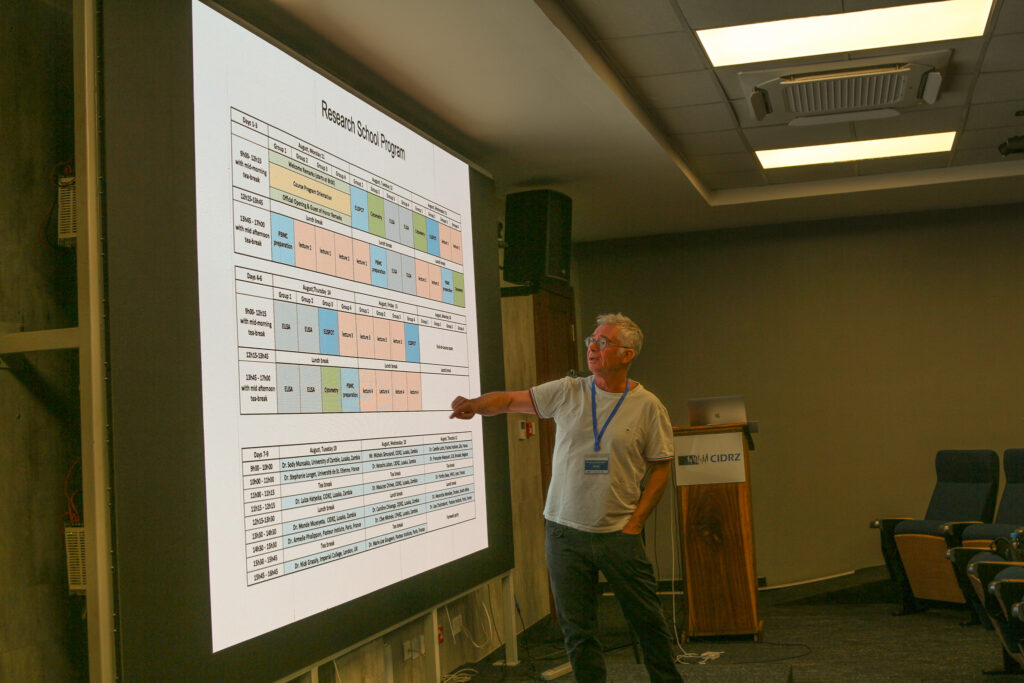
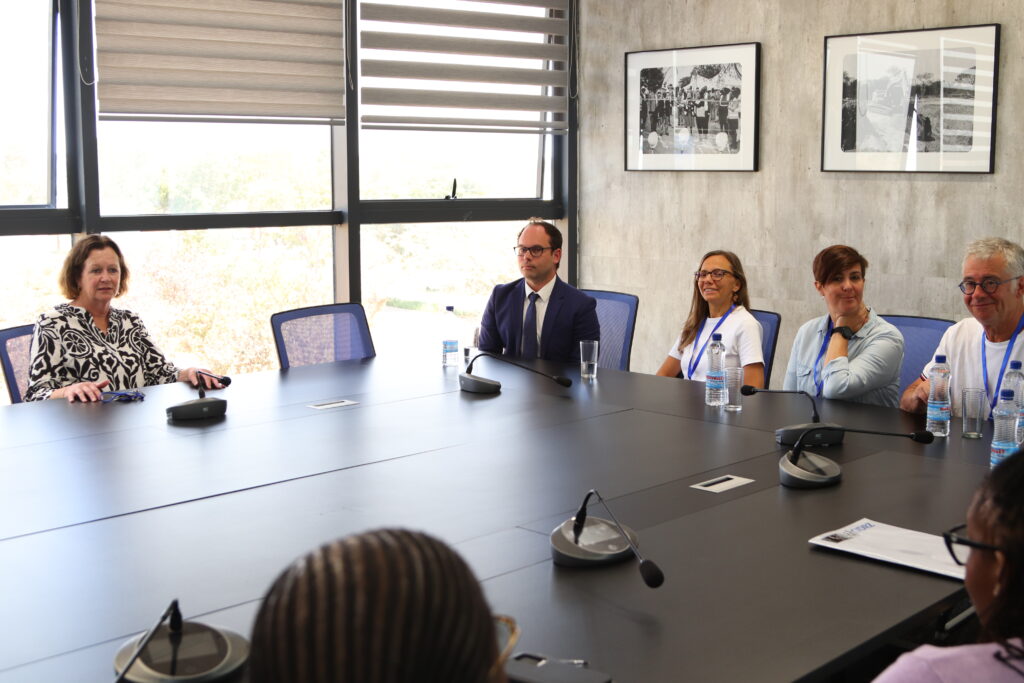
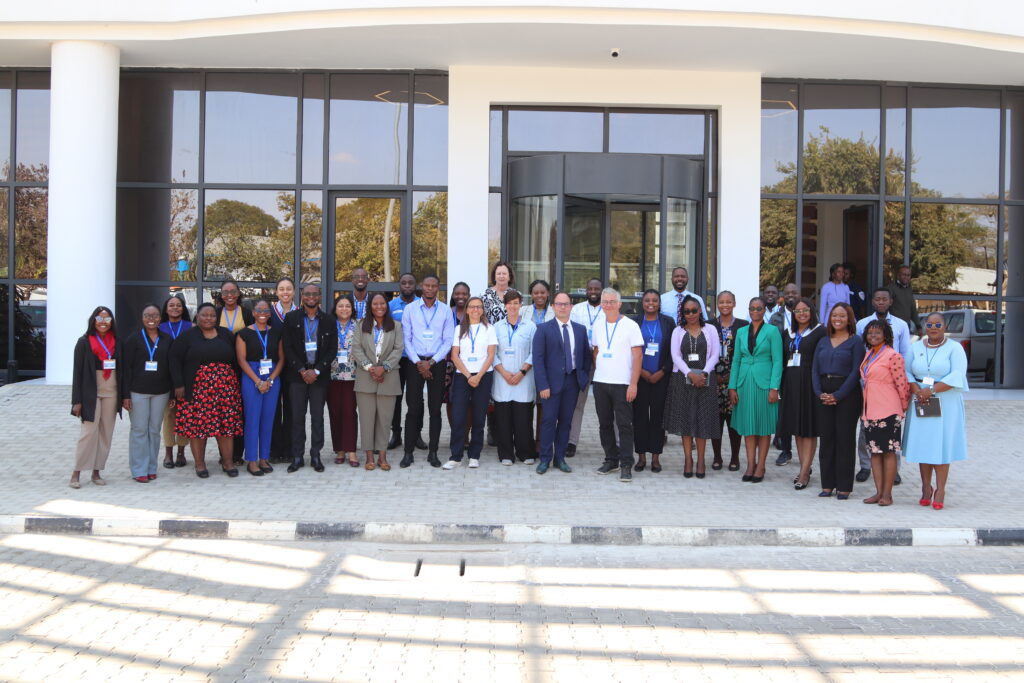
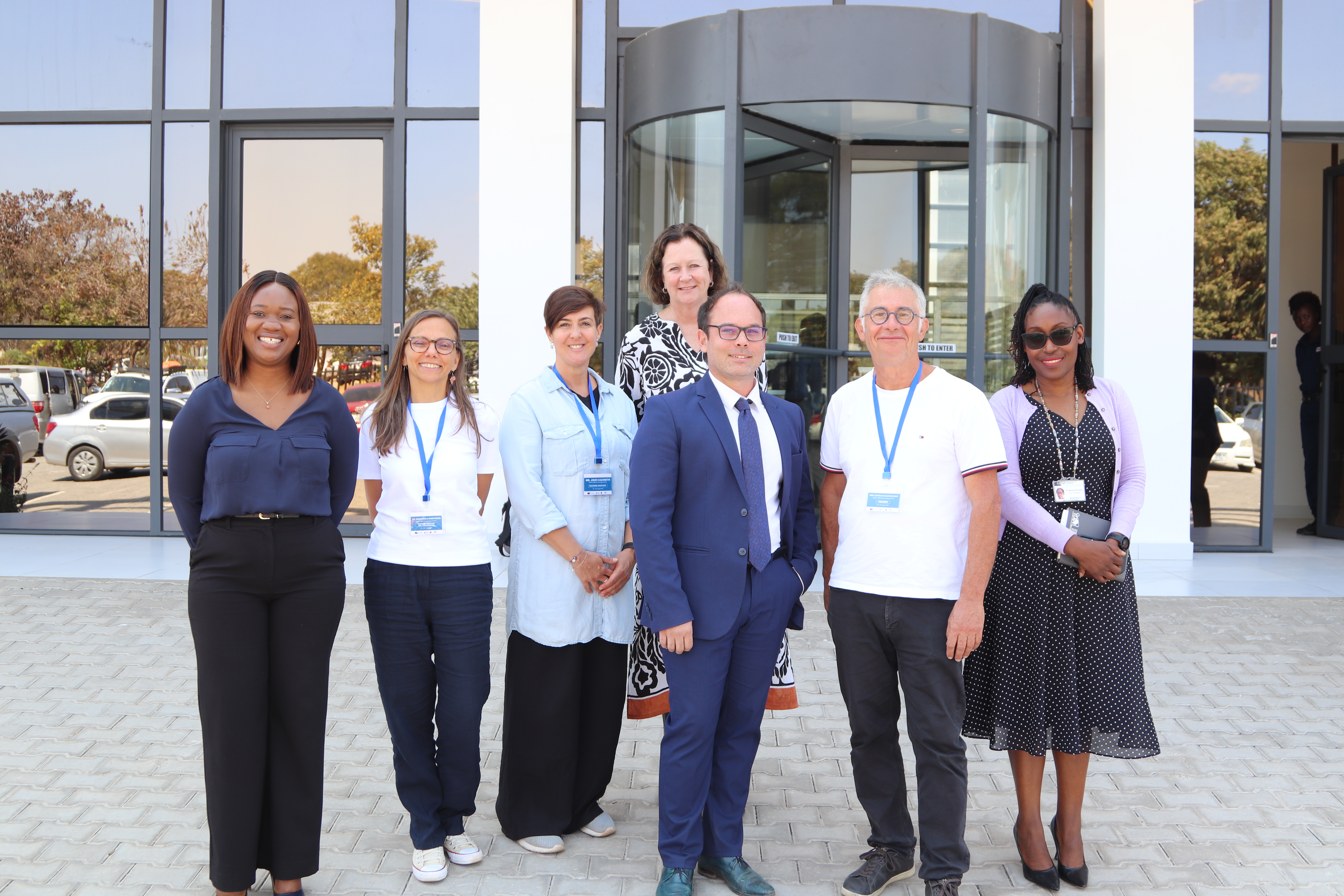
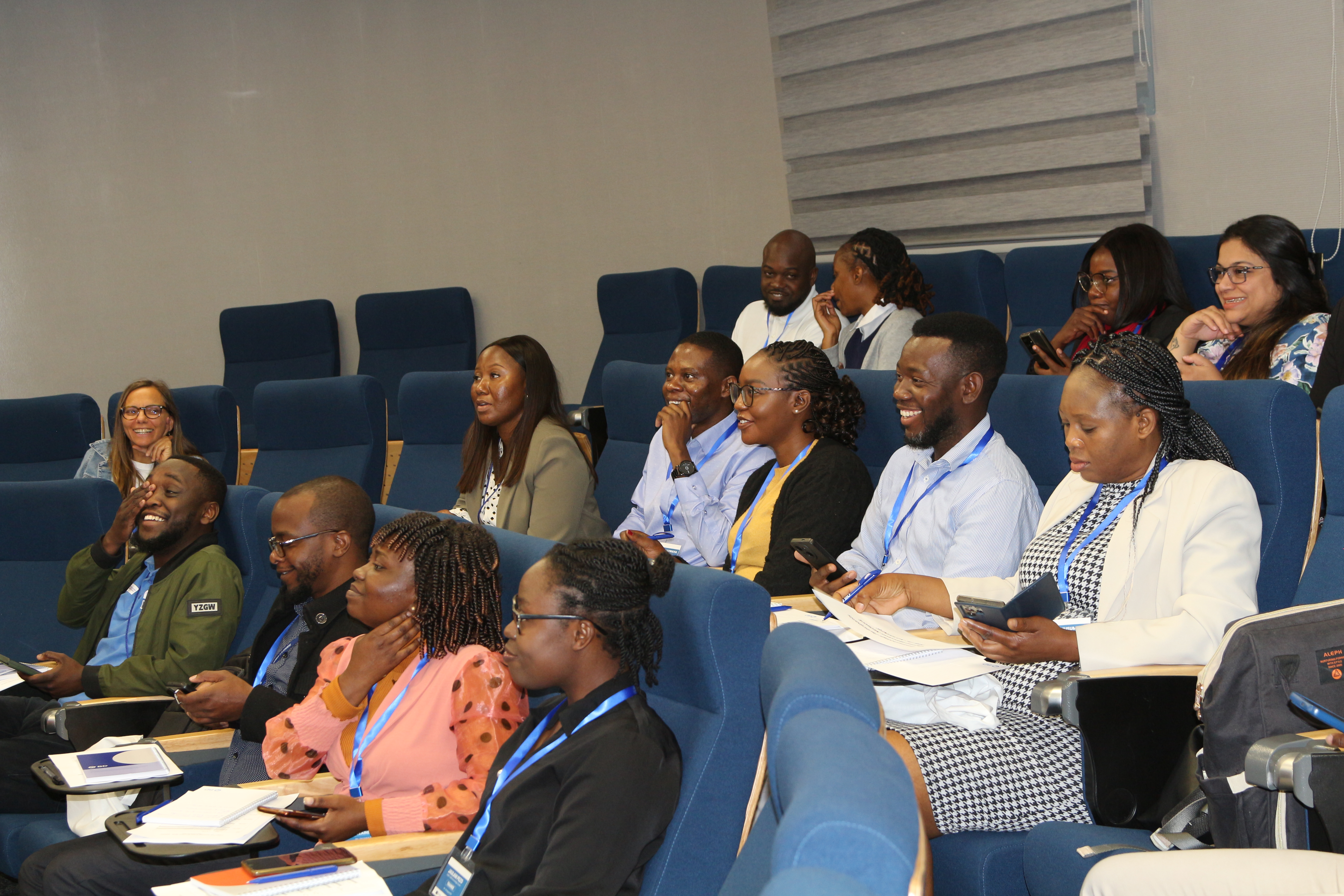
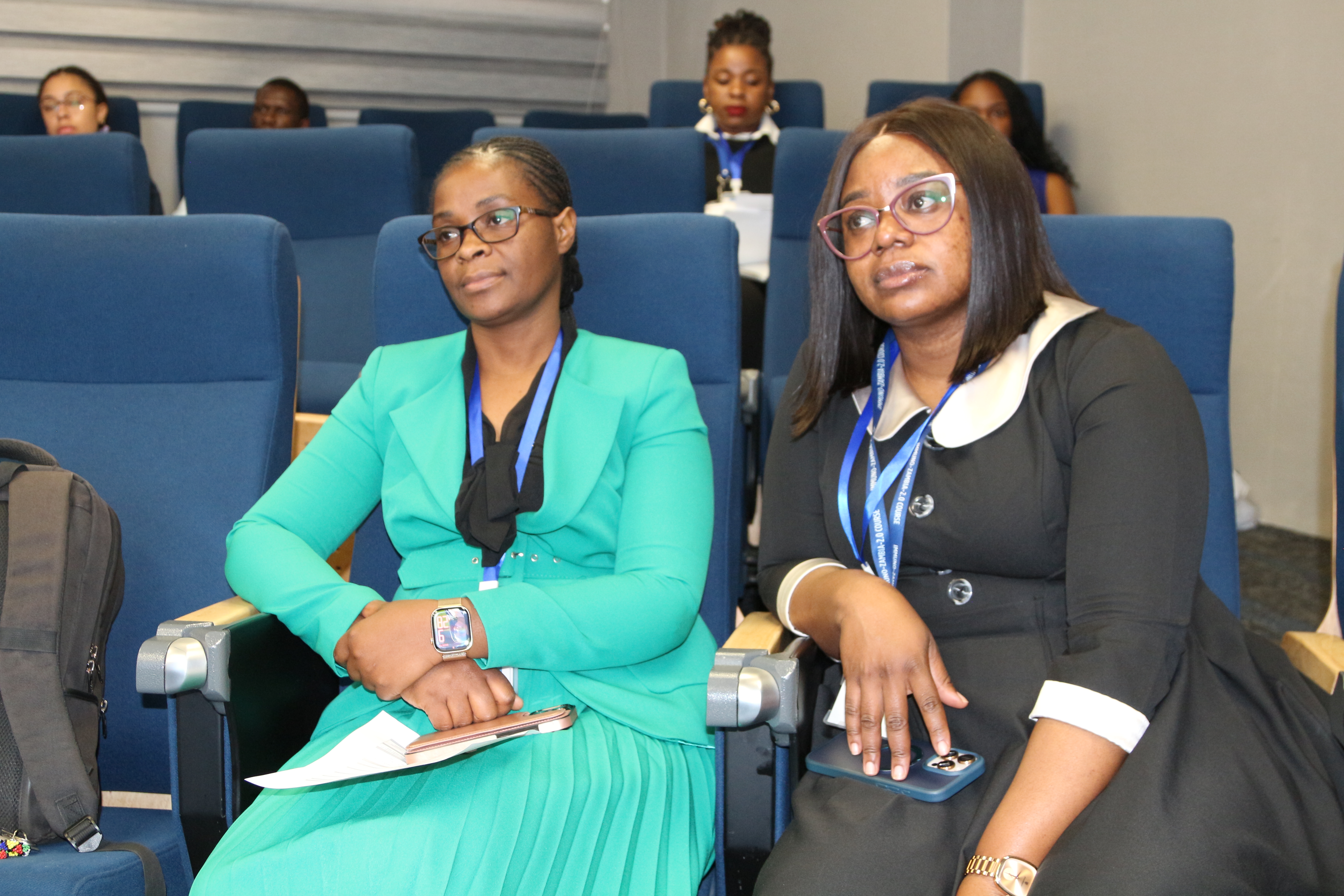
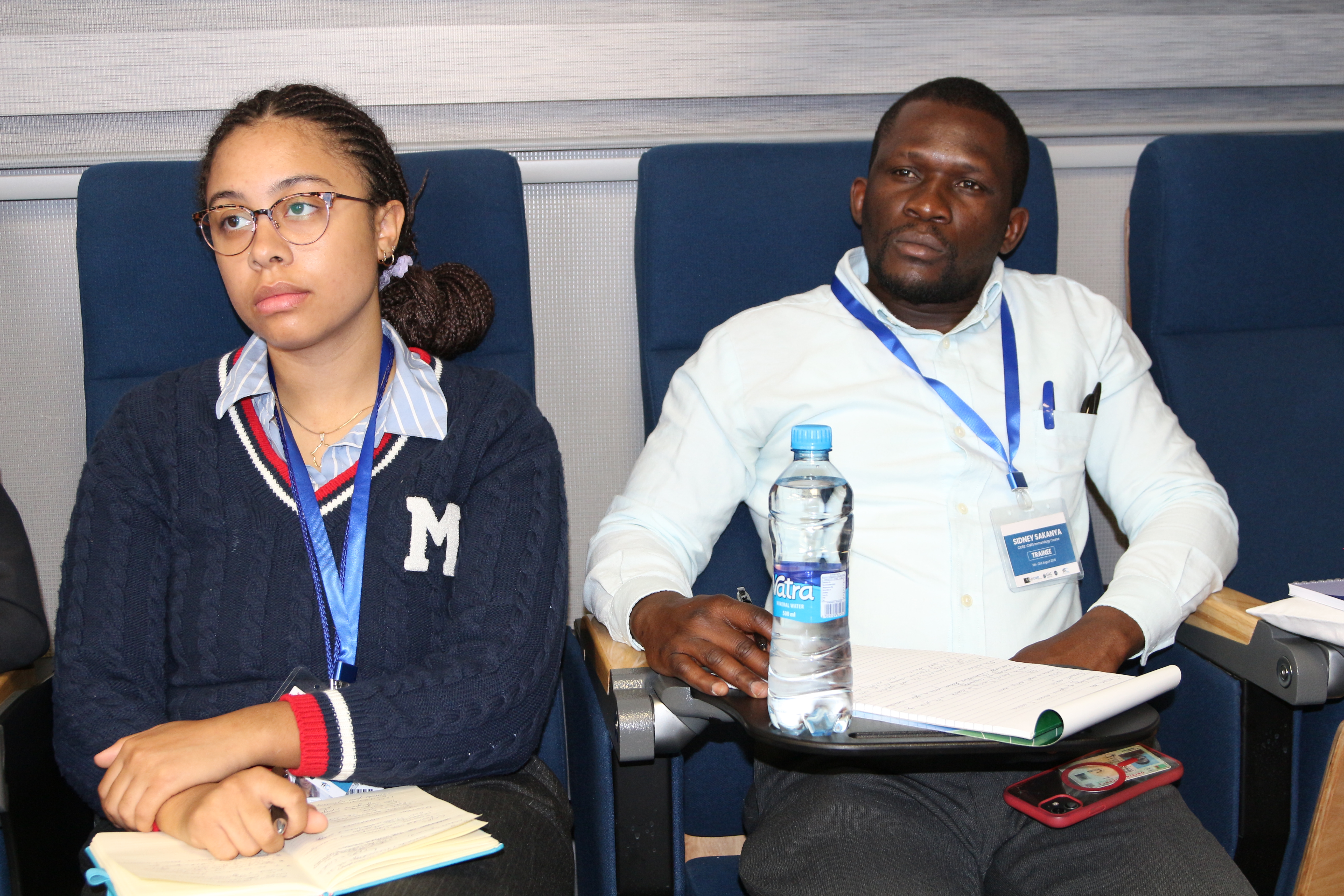
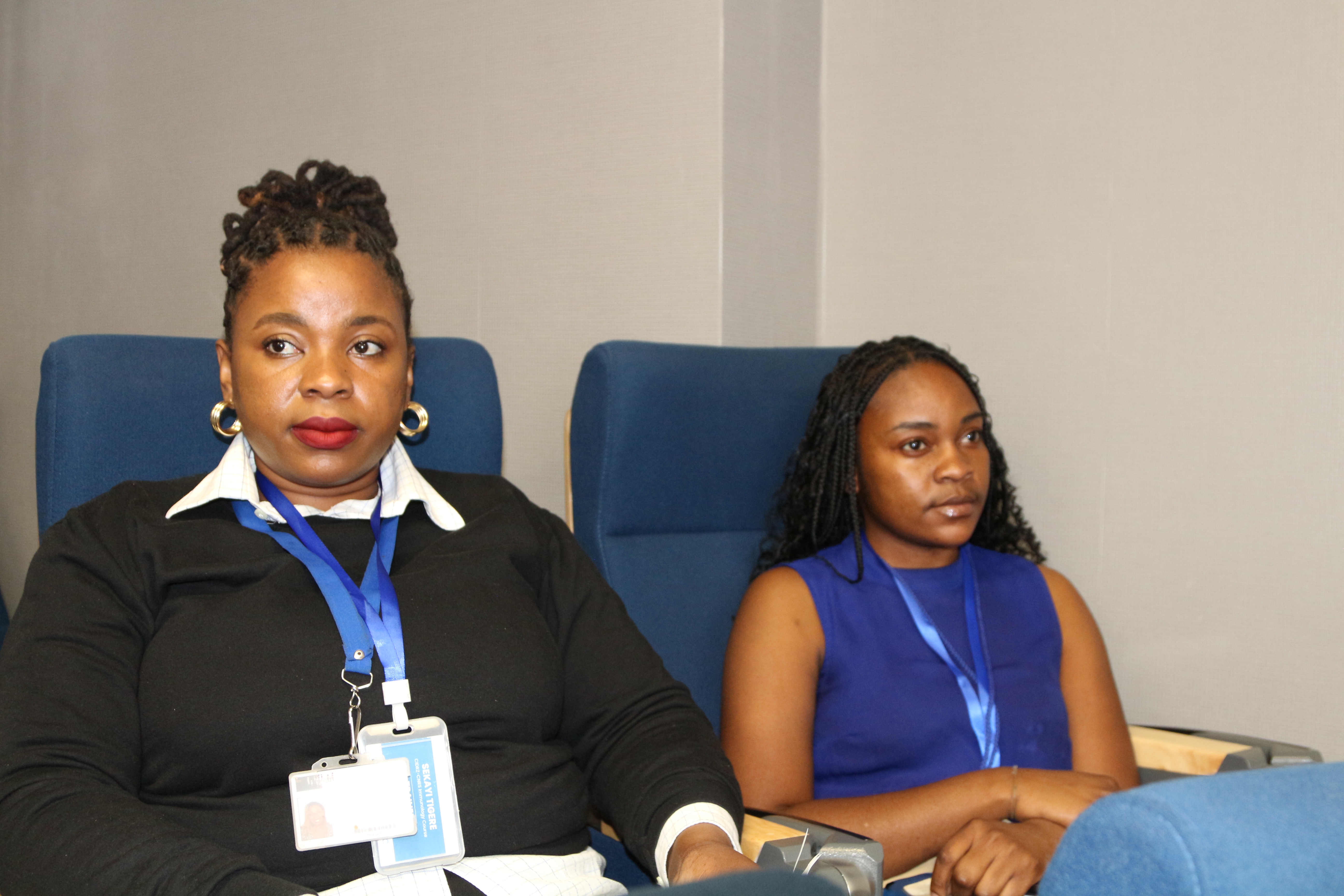
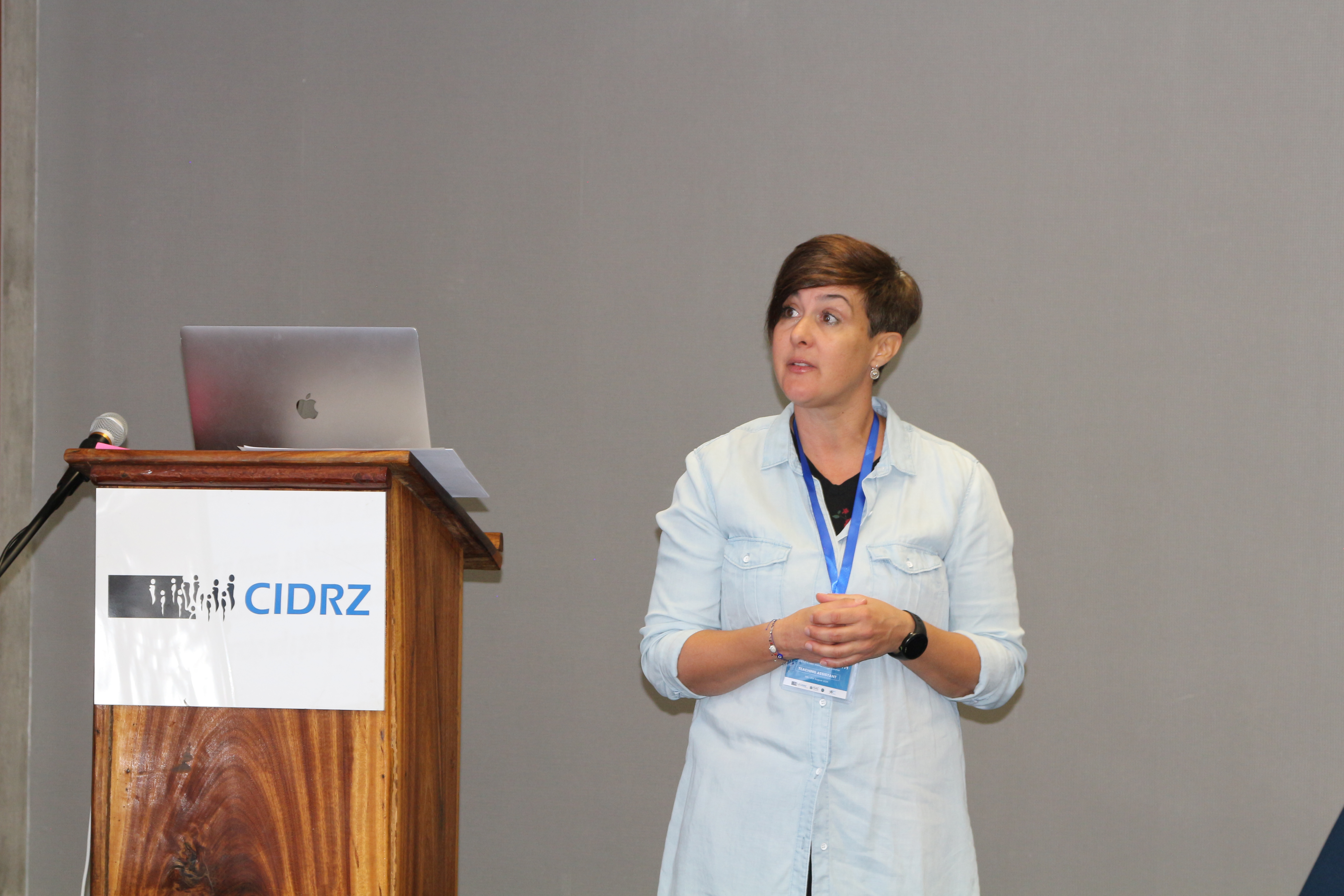
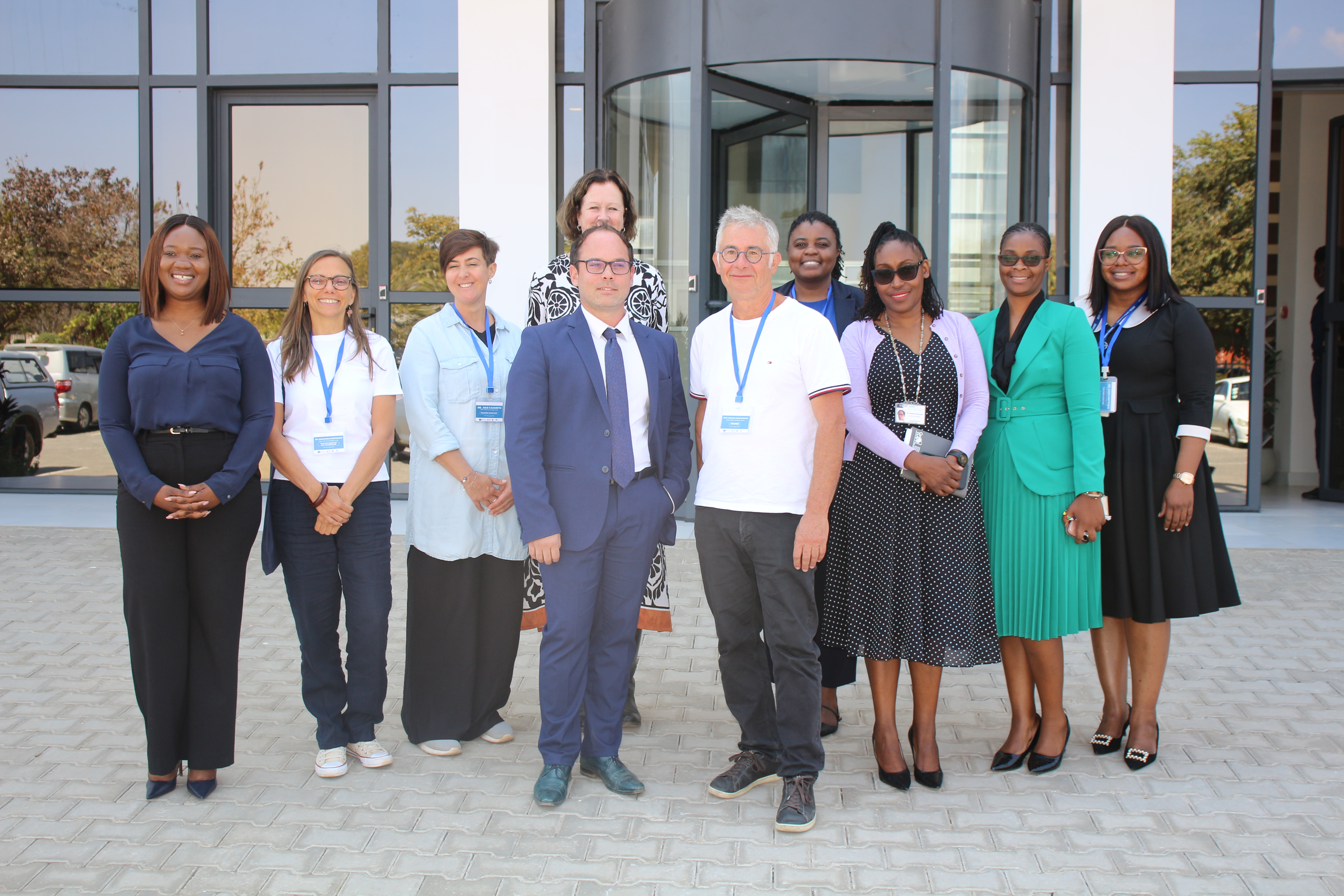
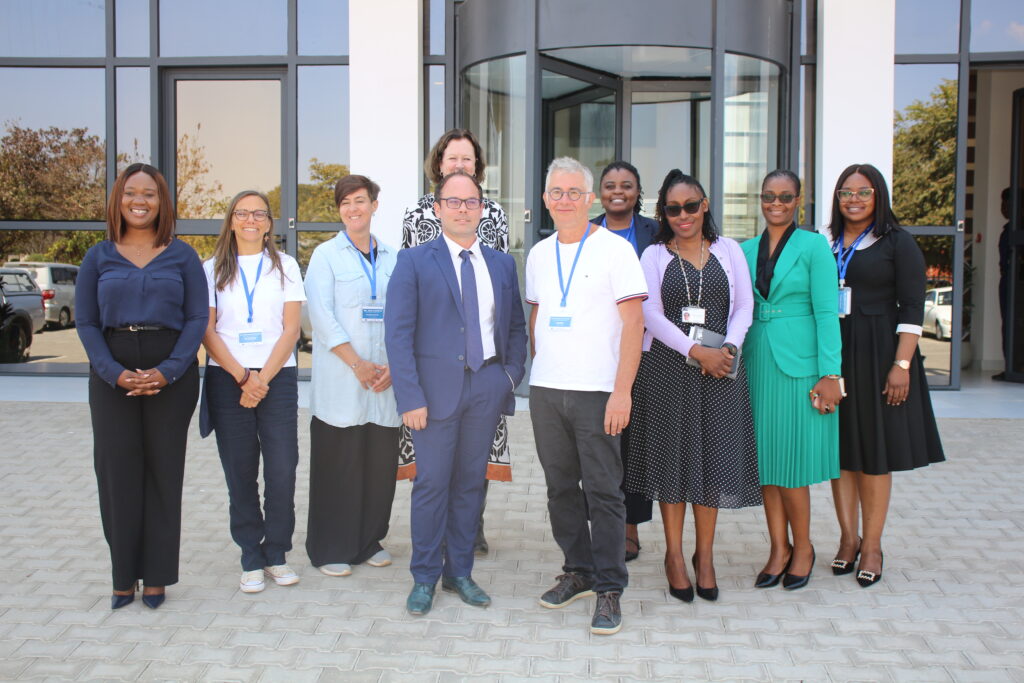
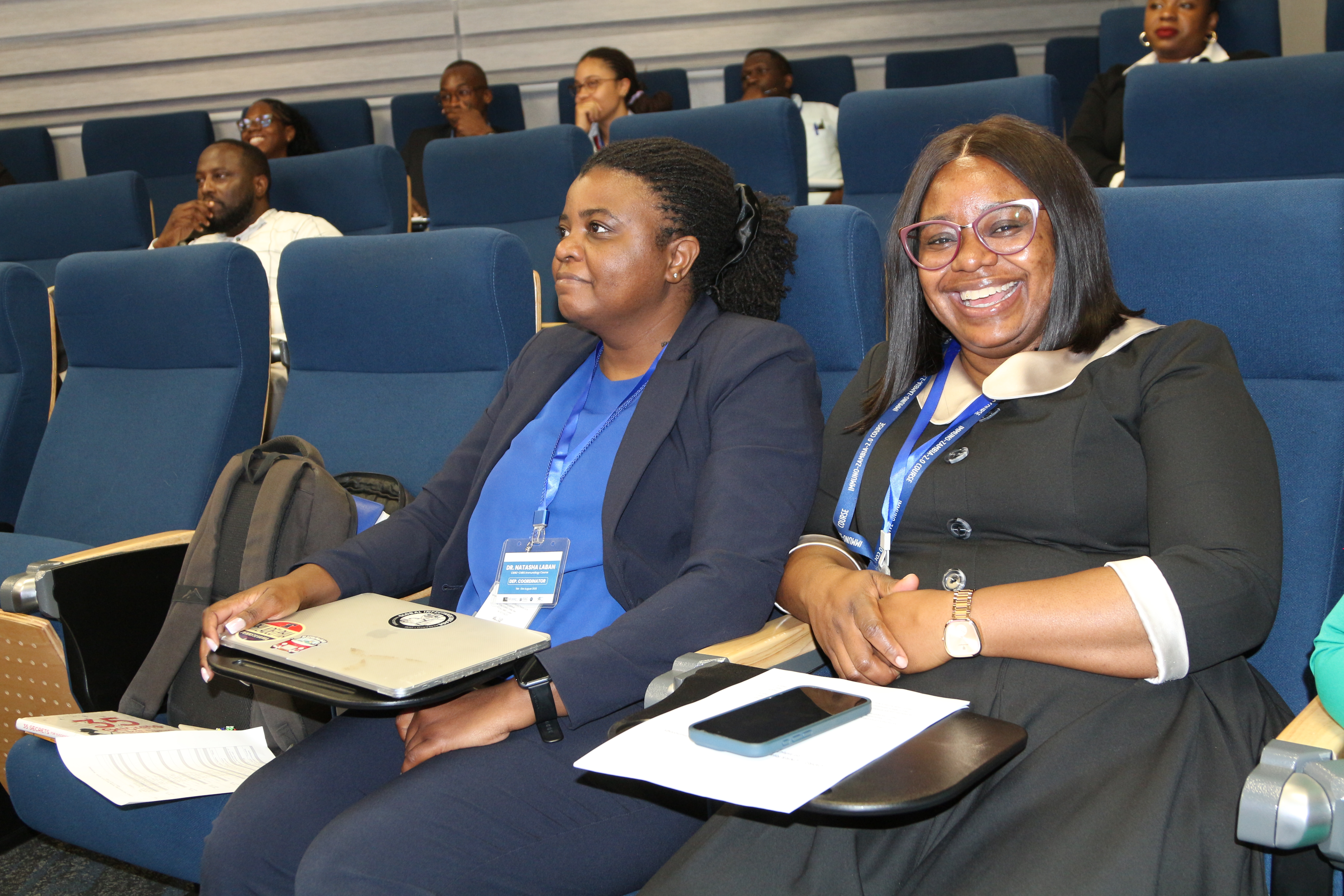
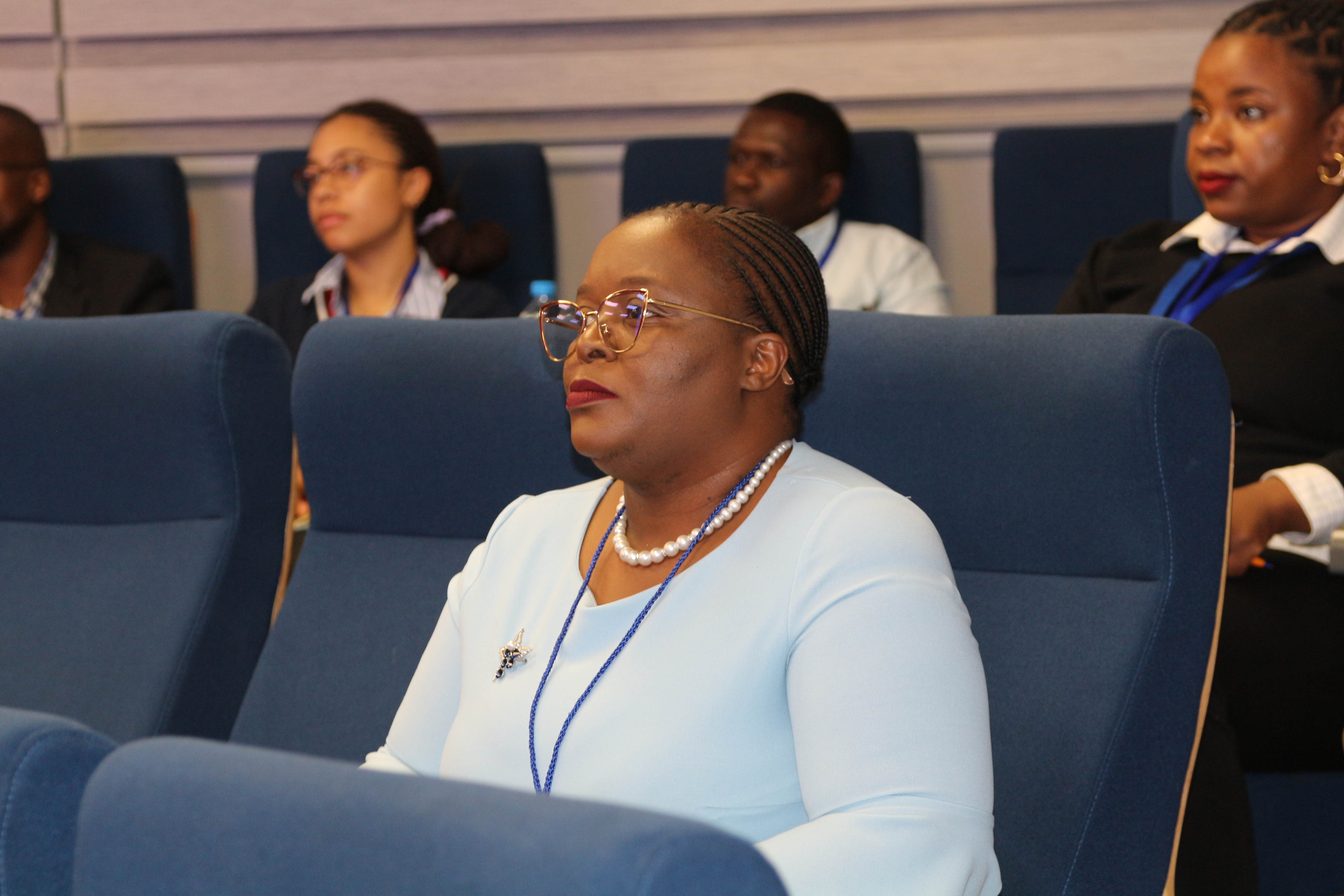
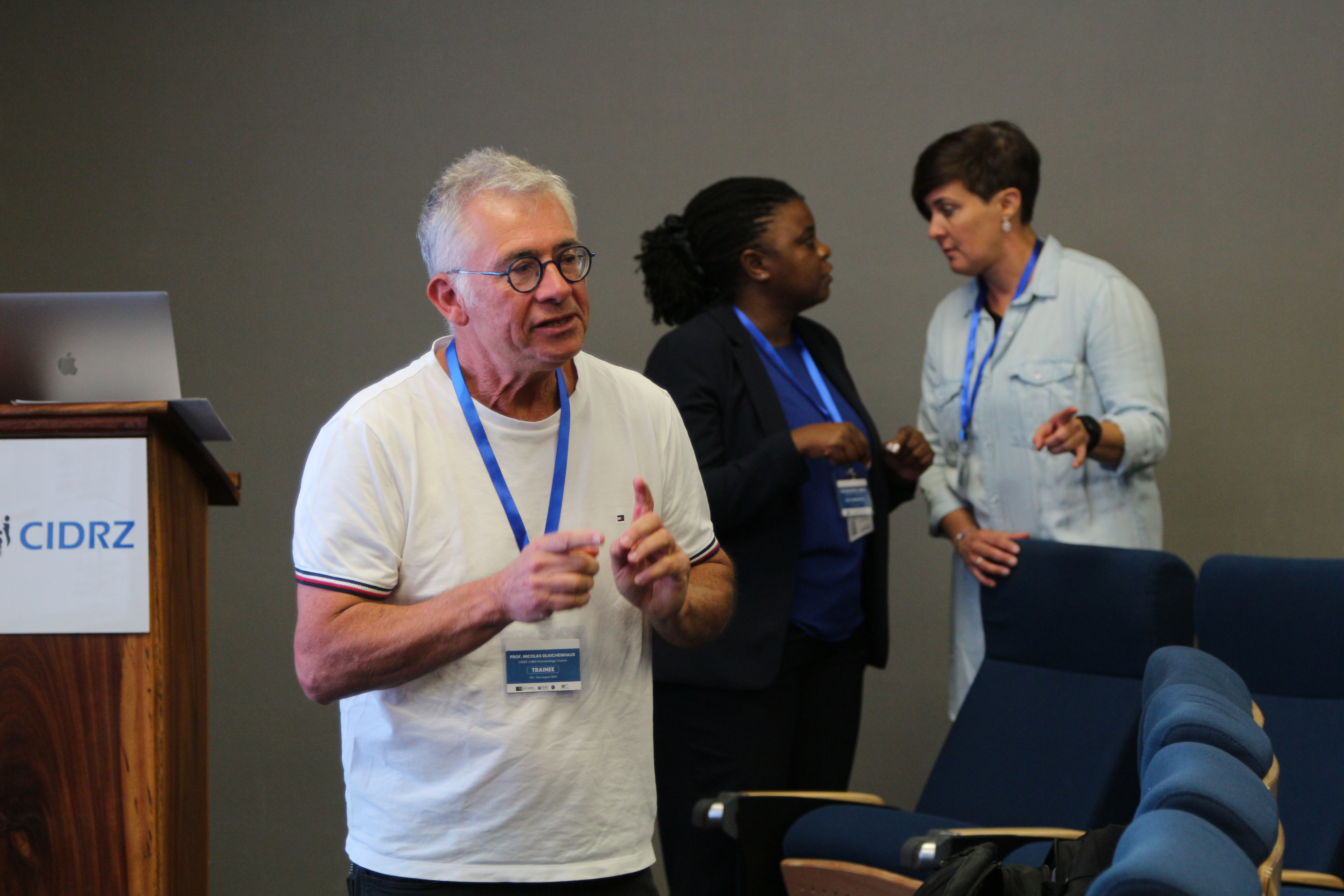
The Centre for Infectious Disease Research in Zambia (CIDRZ) and France’s Centre National de la Recherche Scientifique (CNRS) today, commenced an exclusive, fully immersive immunology training programme to boost Africa’s scientific capacity.
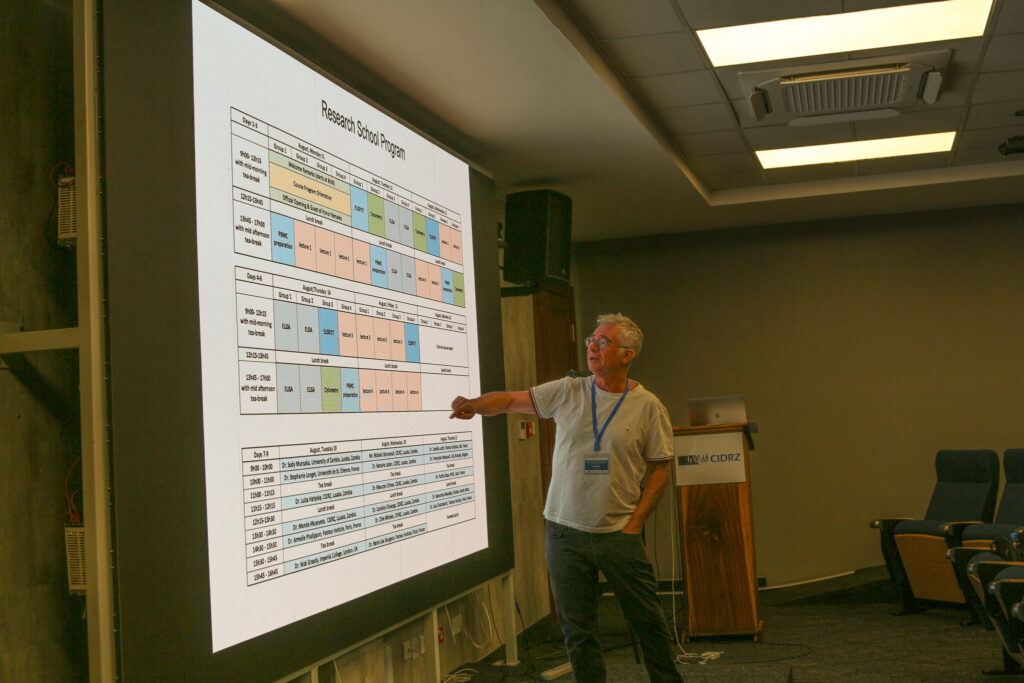
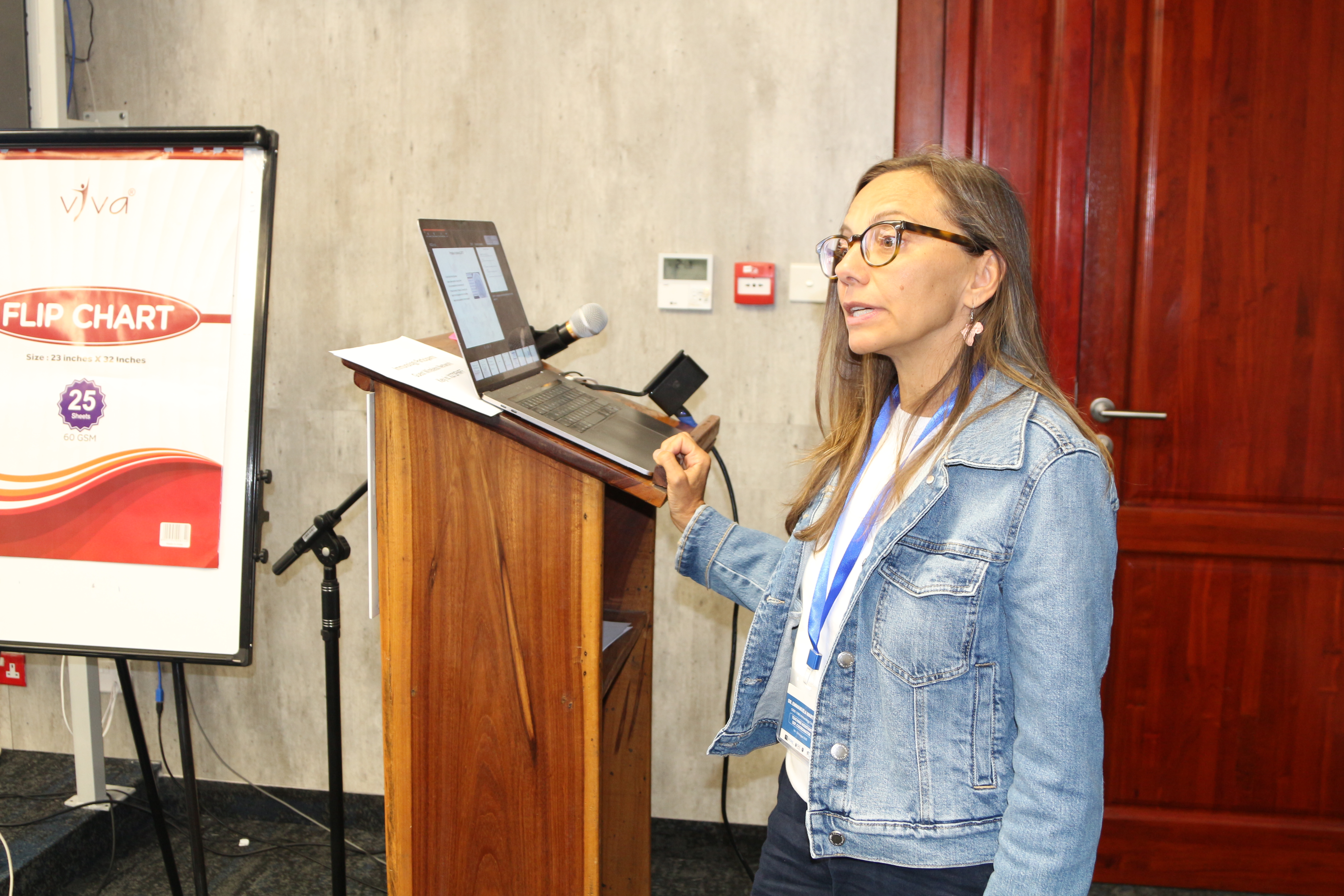
The two-week Residential Research School, scheduled for August 11-22, 2025, at CIDRZ head office in Lusaka, combines expert-led lectures on the fundamentals of immunology with hands-on laboratory training in ELISA, ELISpot, and Flow Cytometry techniques.
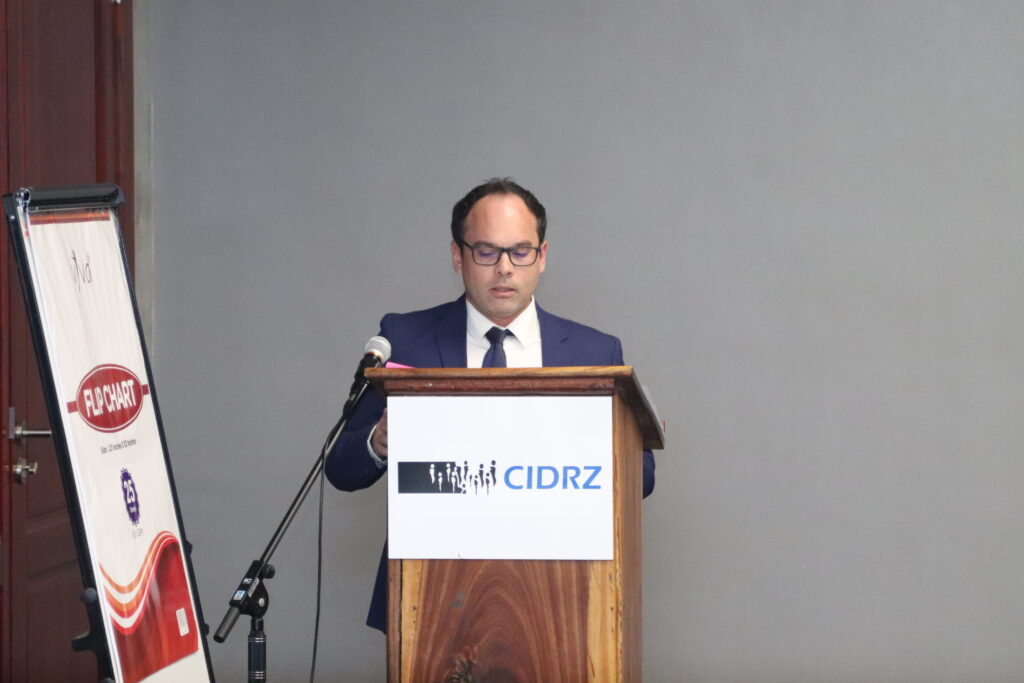
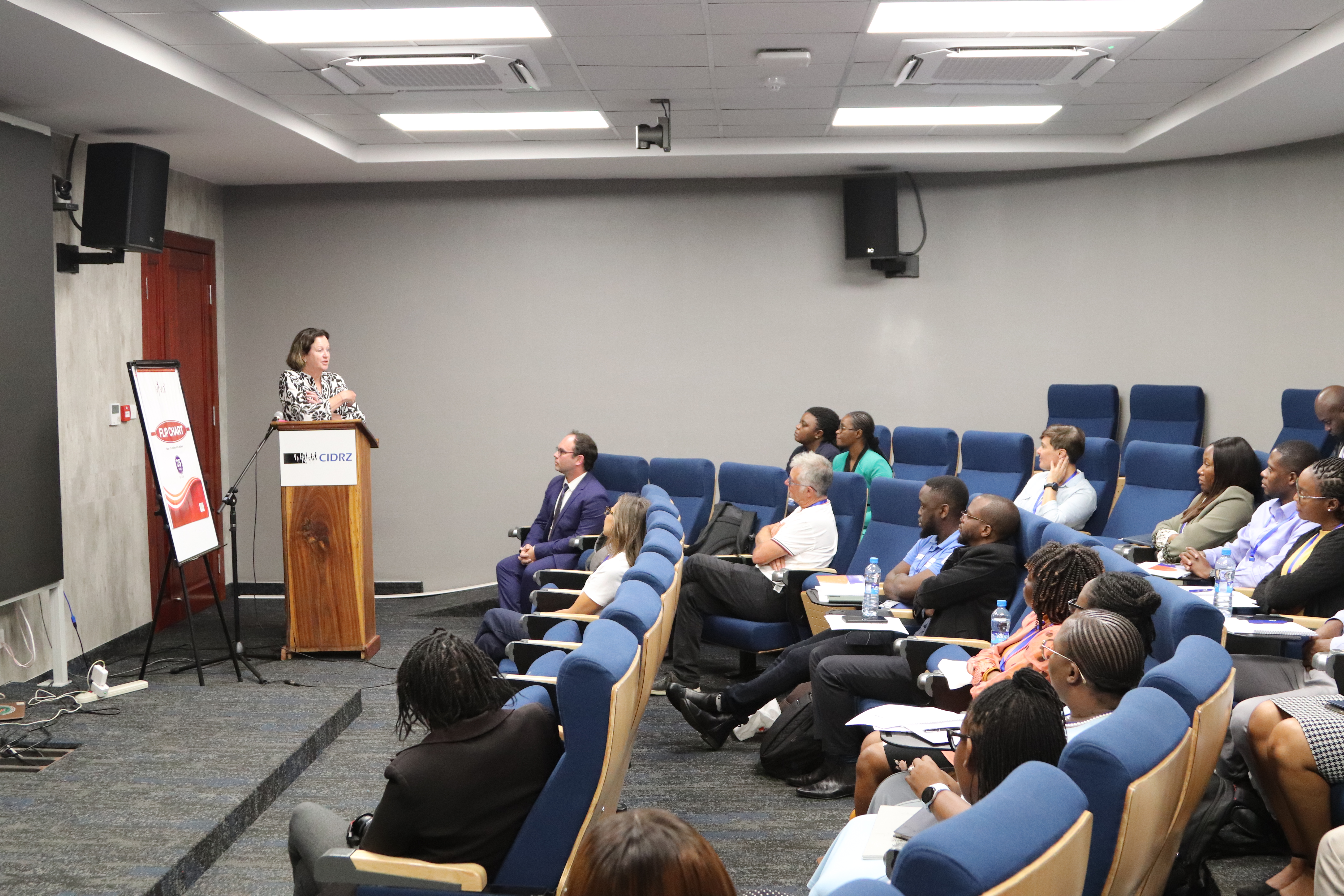
Speaking at the official opening of the Residential Research School, French Deputy Ambassador to Zambia, Charles Dubois, hailed the initiative as a powerful example of international scientific cooperation that embodies the universal values of dialogue, sharing, and collaboration.
“In its essence, science knows no borders, and cooperation between researchers from different countries powerfully illustrates its values of dialogue, sharing, and universality,” Ambassador Dubois said.
He applauded the programme for bringing French and African experts together to strengthen research and training capacity in immunology and infectious diseases, describing the initiative as having “exceeded expectations.”
Ambassador Dubois also highlighted the urgency of sustaining such partnerships amid Zambia’s underfunded health sector and the global challenges facing science today.
“I would like to congratulate you and thank you for your presence and commitment to immunology and the fight against infectious diseases. Your dedication will be a precious contribution to the field. We hope that this school will be an opportunity not only to learn but also to build connections among researchers and continents,” he said.
The Deputy Ambassador reaffirmed France’s continued support for developing quality training programmes and fostering scientific cooperation under its Multi-Year Collaboration Plan with Africa, launched in 2022.
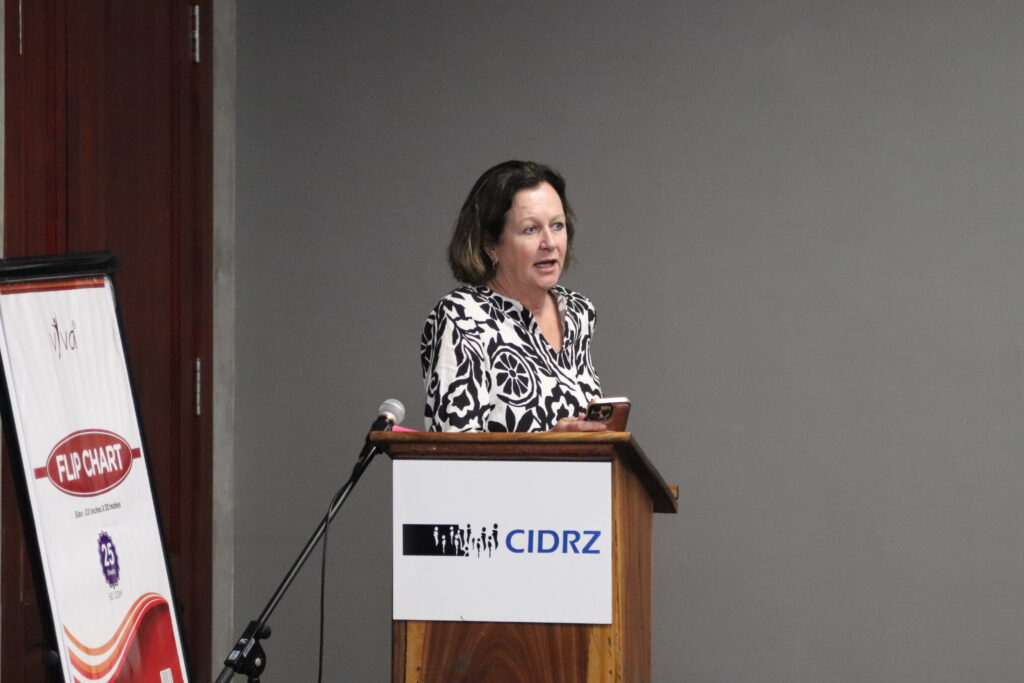
Meanwhile, CIDRZ Acting CEO Dr Carolyn Bolton said the CNRS Immunology course will advance research capacity in the country and region.
“The CNRS Immunology Course aims to train Zambian students and researchers in key immunology laboratory techniques and theoretical principles, to foster collaboration and strengthen immunology research across the African region,” she said.
Dr Bolton noted that while immunology has not historically been a strong focus for CIDRZ, it presents significant opportunities for growth.
She also appreciated the value of partnerships in achieving scientific impact.
“We are a brotherhood and sisterhood, working together. We are one. We are a village. What affects us will affect the rest of the world, and what affects the rest of the world will affect us, as we have seen here in Zambia,” she said.
And CIDRZ Chief Scientific Officer Dr Monde Muyoyeta said the Intensive Immunology Training programme is a timely initiative as CIDRZ moves to strengthen its Basic Science and Immunology Research capacity.
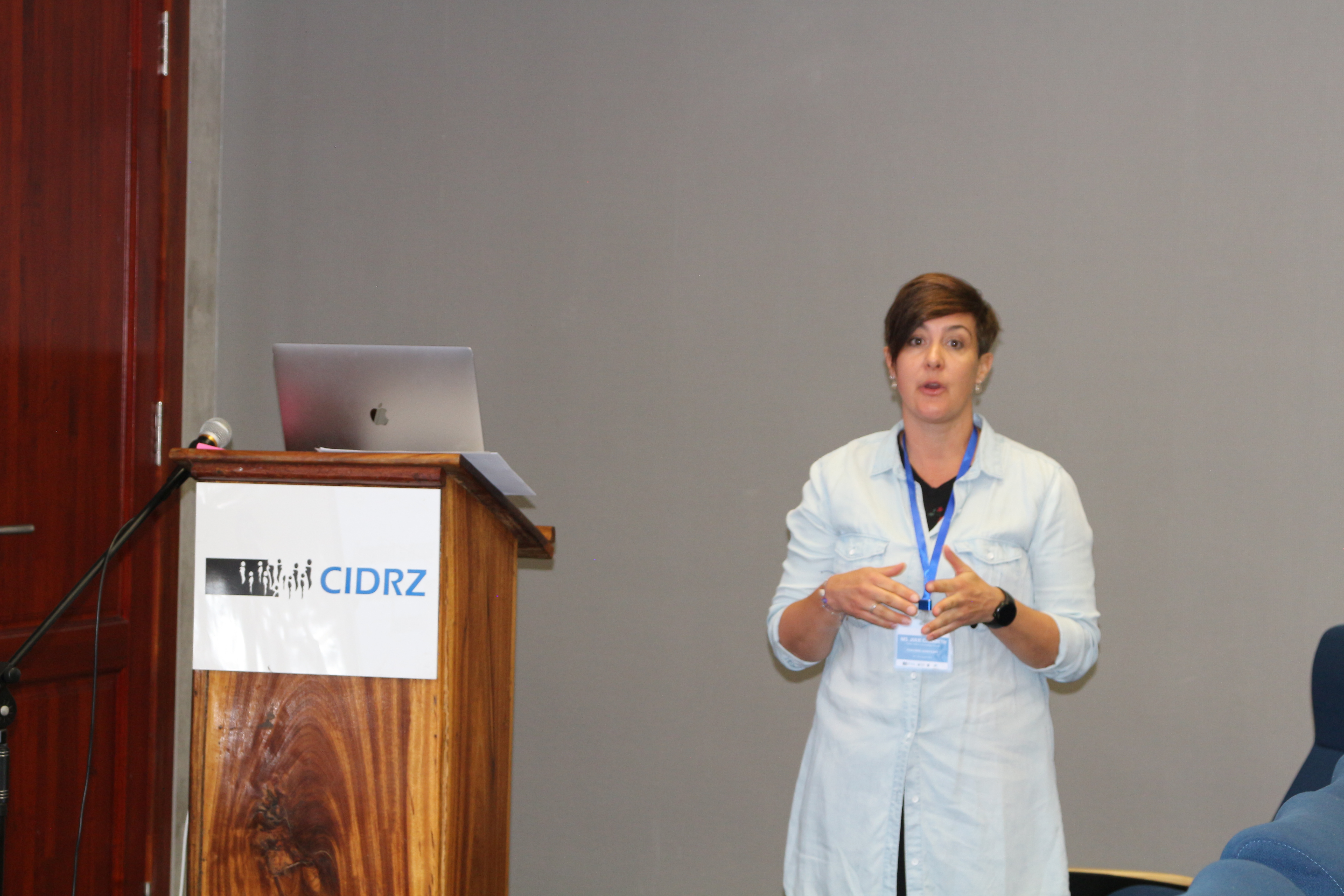
The French Cytometry Association (AFC) is proud to contribute to the success of this important training initiative in Zambia by providing financial support and enriching it with a dedicated cytometry course delivered by Julie Cazareth. Through these actions, the AFC reaffirms its commitment to fostering high-quality education and advancing cytometry as a key technology for research, diagnosis, and innovation worldwide.

Related posts
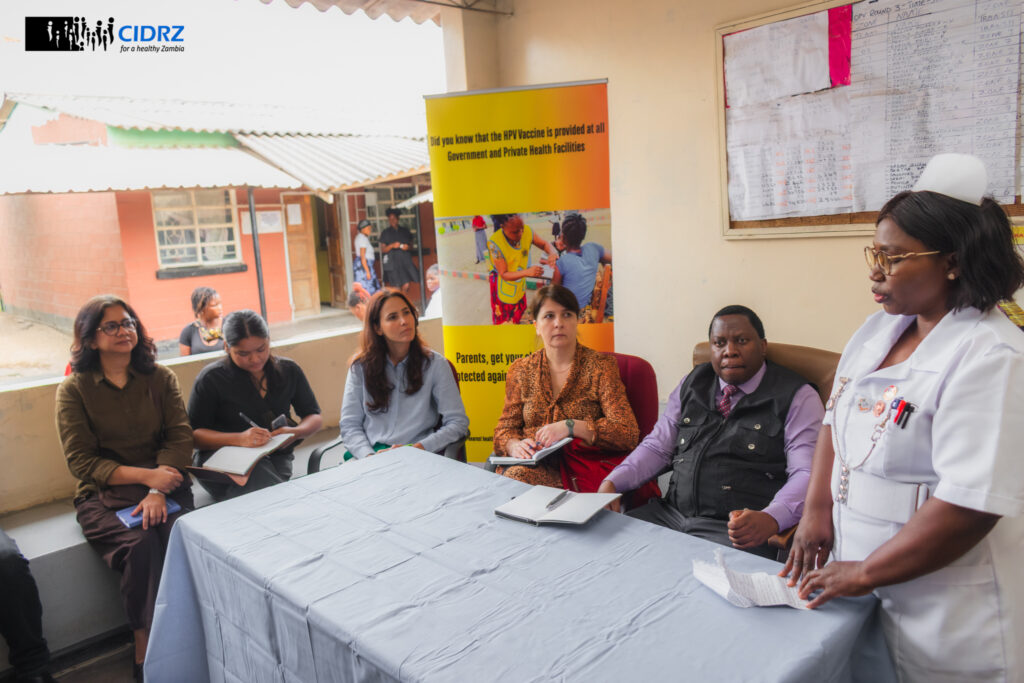
The Gavi delegation, led by Senior Country Manager Jamilya Sherova, joined the national Expanded Programme on Immunisation (EPI) team, led by Dr Jacob Sakala, as they listened to a briefing from the Ngombe Urban Health Centre Medical Superintendent during a visit to observe immunisation service delivery.