CIDRZ, Ministry of Health Train HIV Specialists in Advanced PrEP Delivery to Strengthen Prevention Efforts.

CIDRZ, Ministry of Health, and U.S. Department of State Strengthen HIV Prevention Through PrEP and PEP Training.
April 21, 2026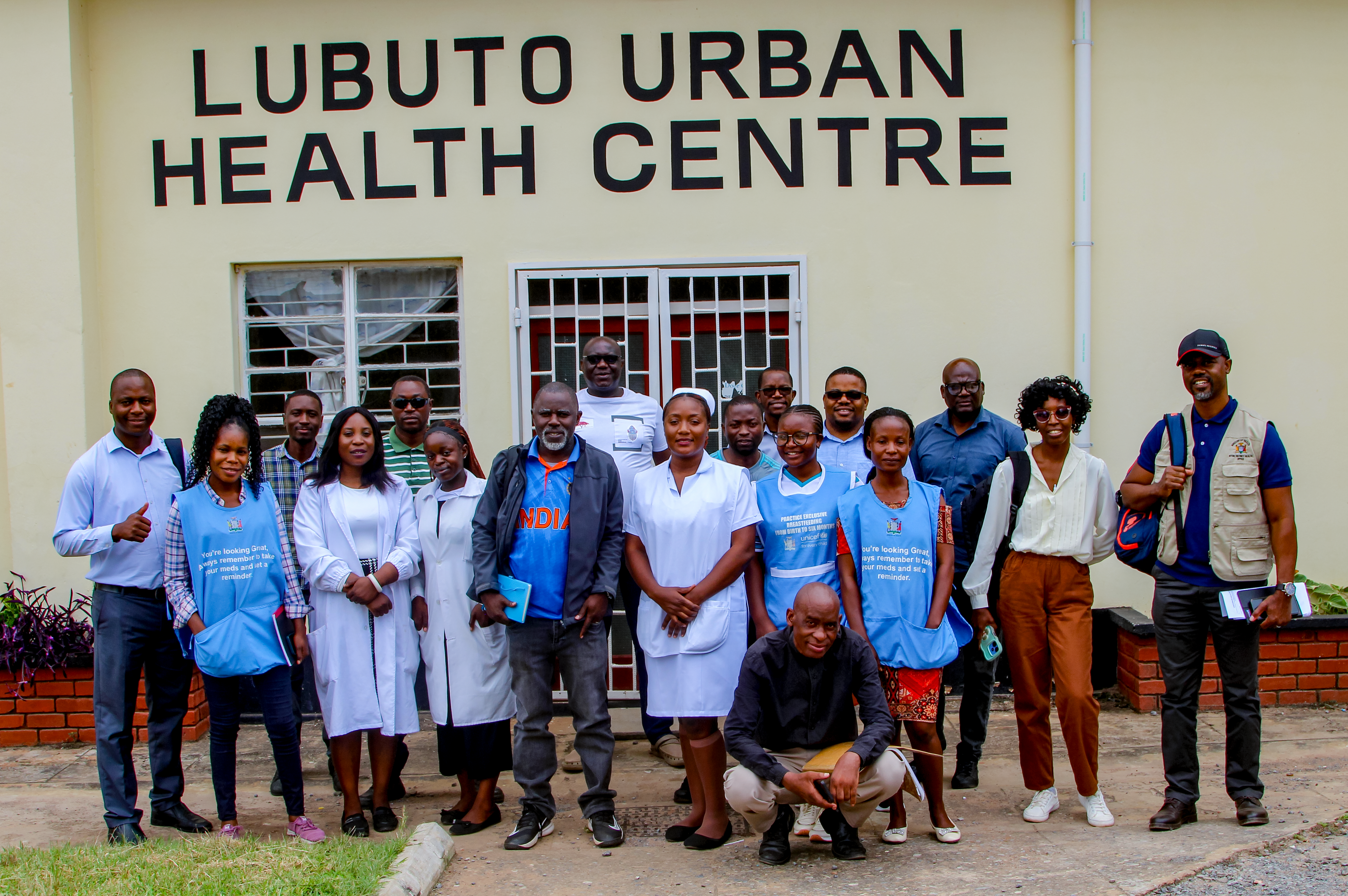
CIDRZ, MoH Take HIV Training to the Field to Improve Service Delivery.
April 24, 2026CIDRZ, Ministry of Health Train HIV Specialists in Advanced PrEP Delivery to Strengthen Prevention Efforts.

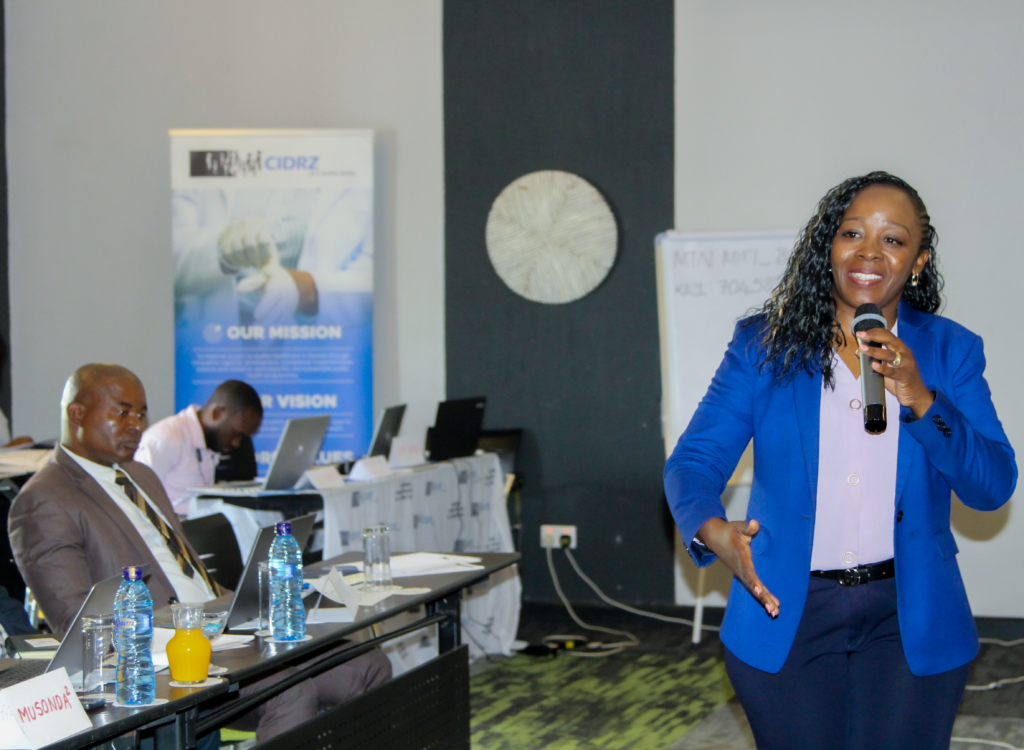
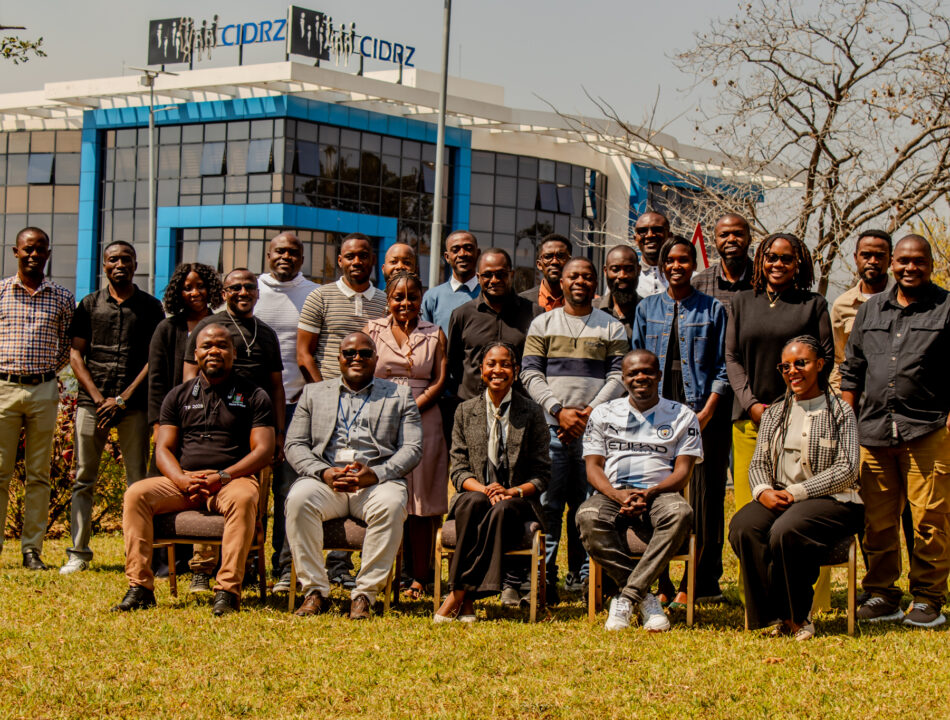
To strengthen HIV prevention efforts, the Controlling HIV Epidemic Project (CHEP), under the Centre for Infectious Disease Research in Zambia (CIDRZ), in collaboration with the Ministry of Health and with financial support from the United States Department of State, conducted a six-day Training of Trainers (ToT) workshop on the delivery of different pre-exposure prophylaxis (PrEP) products.
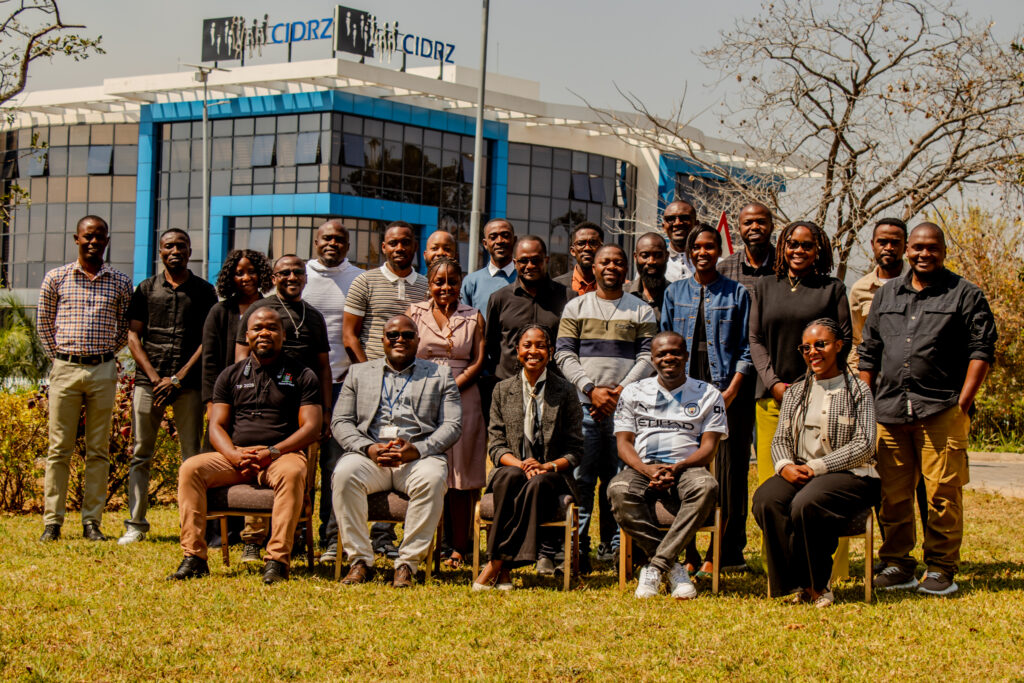
The training which was held in Ndola, brought together HIV healthcare specialists from CIDRZ, the Copperbelt Provincial Health Office, Ndola Teaching Hospital, Copperbelt District Health Offices, and the United States Department of State. Participants were drawn from Eastern, Western, Lusaka, and Copperbelt provinces.
The training was officially opened by Copperbelt Provincial Health Director, Dr Charles Mwinuna, and focused on equipping participants with the skills required to deliver combination HIV prevention services. Particular emphasis was placed on oral PrEP, Cabotegravir (2-month injectable PrEP), Lenacapavir (6-month injectable PrEP), and the Dapivirine Vaginal Ring (DVR), a long-acting, user-controlled PrEP product designed to reduce the risk of acquiring HIV during vaginal sex.
Meanwhile, Dr Paul Mwale, Copperbelt Provincial Advanced HIV Disease (AHD) and Injectable PrEP Coordinator under the Ministry of Health, led a session outlining the mandate of the HIV Prevention Programme, which aims to achieve epidemic control and end AIDS by 2030.
He highlighted national targets, including reducing new HIV infections from 28,000 to 15,000 by 2026 and increasing PrEP uptake among key and priority populations to 220,000 annually, emphasising the need for accelerated efforts to meet both national and global goals.
In another session, Dr Monica Chibesakunda, CIDRZ’s HIV Testing and Prevention Lead, trained participants on HIV testing services, stressing their role in both preventing new infections and linking individuals to care.
She emphasised adherence to national HIV testing guidelines for PrEP initiation and the importance of providing tailored prevention services based on individual risk.
Other sessions covered demand generation for PrEP, scheduling PrEP clinical visits, managing beneficiaries who missed appointments, switching beneficiaries between PrEP products, pharmacovigilance, and comprehensive data documentation.
The training also addressed the link between Gender-Based Violence (GBV), Intimate Partner Violence (IPV), and HIV risk. Facilitators underscored the importance of integrating GBV and IPV screening into HIV services to support comprehensive, client-centred care.
The workshop concluded with participants committing to cascade the knowledge gained and strengthen HIV prevention services, contributing to Zambia’s goal of ending AIDS as a public health threat by 2030.