Infectious Disease Response Goes Digital

Where Play Meets Purpose: Warriors Finding Strength on the Field at Camp Tuli Bonse
August 17, 2026
CIDRZ Hosts Uganda’s R2D2 TB Network and Kebera Diagnostics Laboratories for Knowledge Exchange
August 21, 2026

When an infectious disease breaks out, effective coordination matters more than anything.
This is why the Centre for Infectious Disease Research in Zambia (CIDRZ) and its partners have developed a digital platform designed to strengthen the coordination and management of infectious disease outbreaks in Zambia.
“Called the Zambia Emergency Bridge for Response Application (ZEBRA), the platform will help public health teams better understand disease outbreaks and coordinate response efforts more effectively and efficiently,” notes Danny Sinyange, a Public Health Specialist at the Zambia National Public Health Institute (ZNPHI).
Developed in collaboration with ZNPHI and public health partners, ZEBRA complements existing surveillance systems by providing a coordinated, user-friendly digital solution where outbreak information, response activities, teams and tasks can be managed in one place.
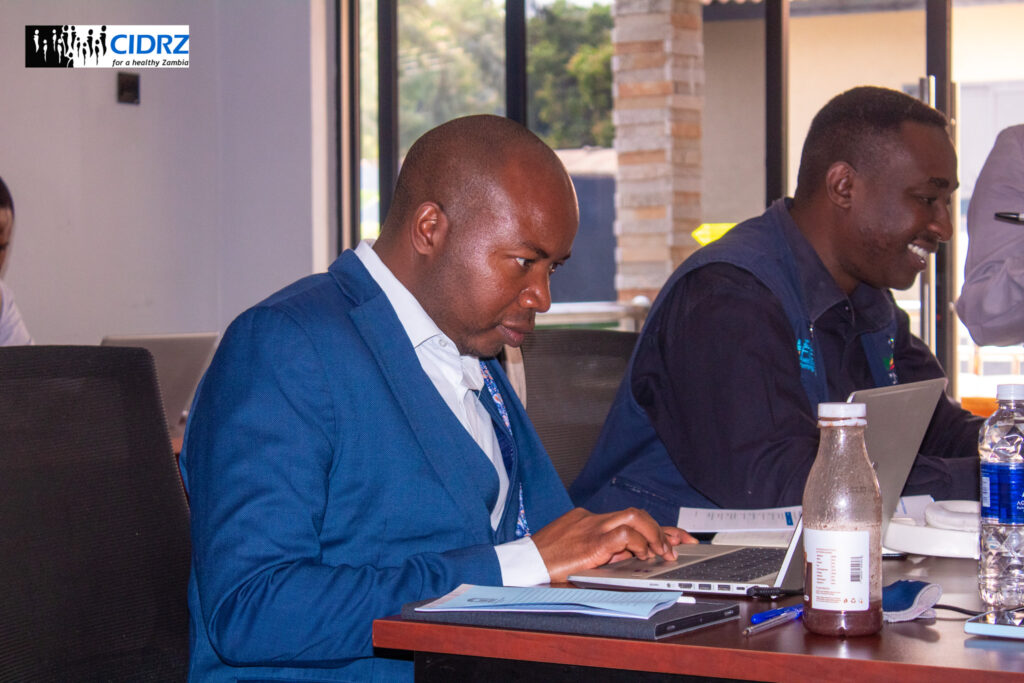
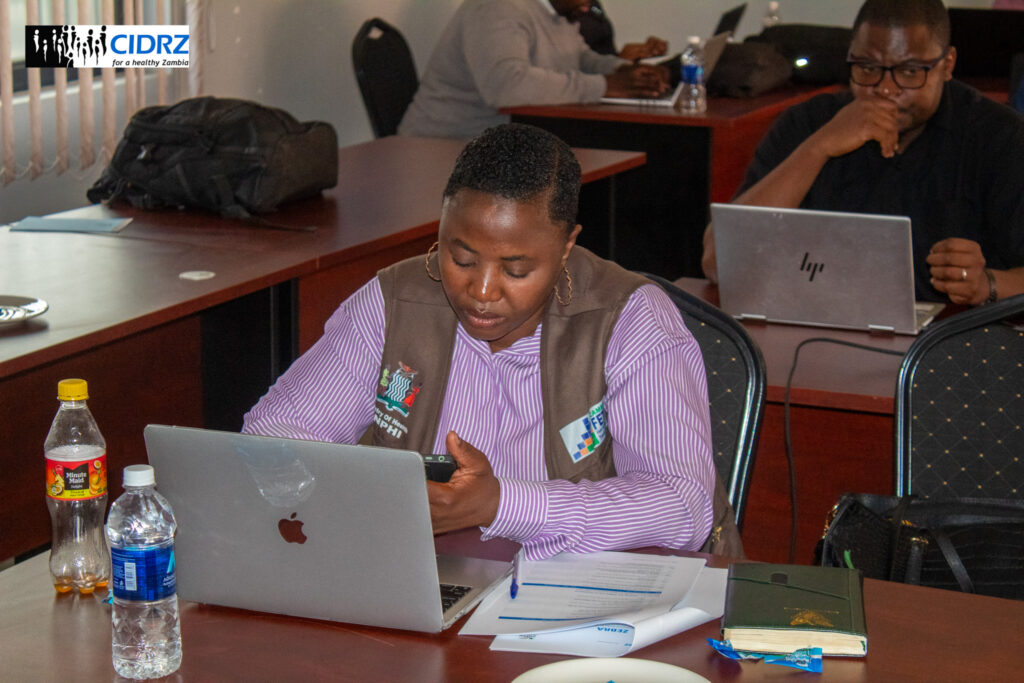
As part of the platform’s co-creation process, CIDRZ and ZNPHI are conducting a two-day User Acceptance Testing (UAT) Workshop in Kafue. “The workshop gives end users an opportunity to evaluate the platform in a controlled environment, provide feedback and confirm that it addresses the practical challenges public health teams face when coordinating responses to public health emergencies,” says Evans Nkole, a Software Engineer at CIDRZ.
Beyond addressing coordination gaps during disease outbreaks, ZEBRA also promotes a more paperless approach to public health response. By digitising key coordination processes, the platform contributes to efforts to reduce paper use and support greener, more sustainable ways of working.
CIDRZ supports the development and implementation of ZEBRA by providing technical expertise in digital health and systems development, helping translate public health needs into a practical, user-centred solution.
ZEBRA is funded by Resolve to Save Lives (RTSL), a nonprofit global health organisation that works with partners worldwide to create solutions to deadly health threats.