CIDRZ AND ZNPHI Strengthening Cholera Surveillance Through Genomics Training

CIDRZ Participates in 10th Ecumenical Pharmaceutical Network Biennial Forum
October 16, 2026
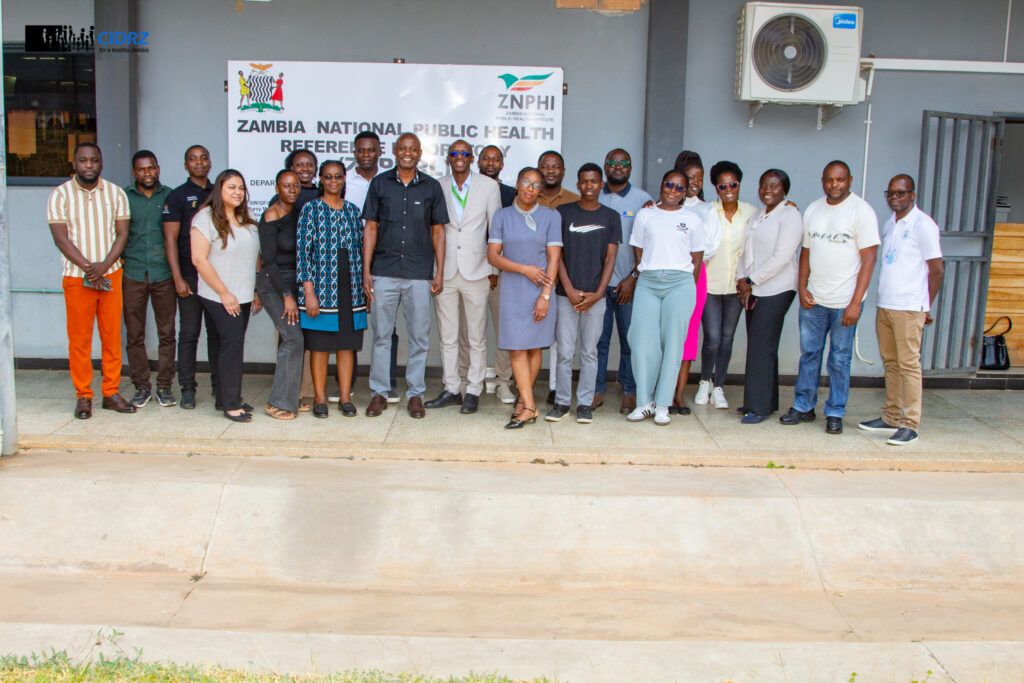
Understanding how cholera spreads and how the bacteria change over time is important for responding to outbreaks and protecting communities. Genomic surveillance helps scientists track the bacteria responsible for cholera, identify changes that may affect treatment and generate information to guide public health decisions. Building these skills is especially important as cholera outbreaks continue to affect countries across Southern Africa.
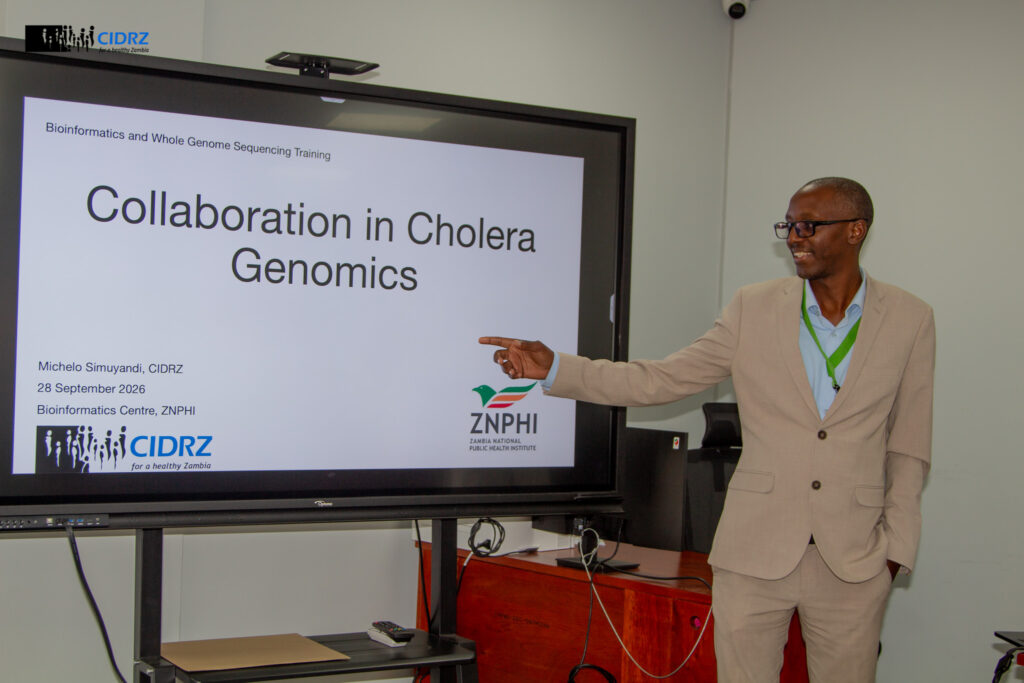
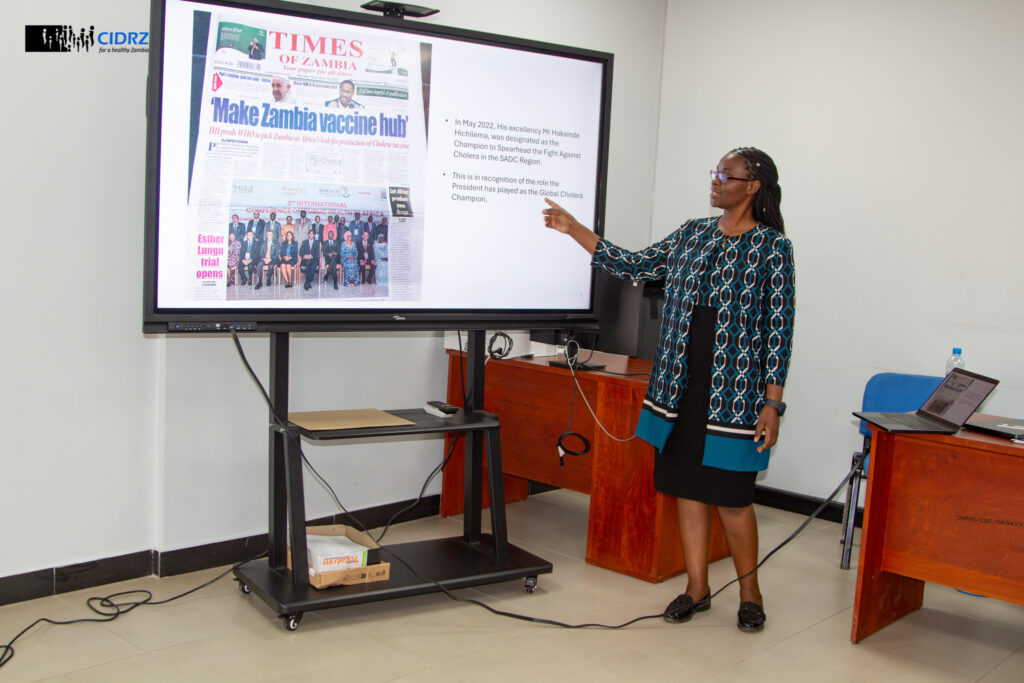
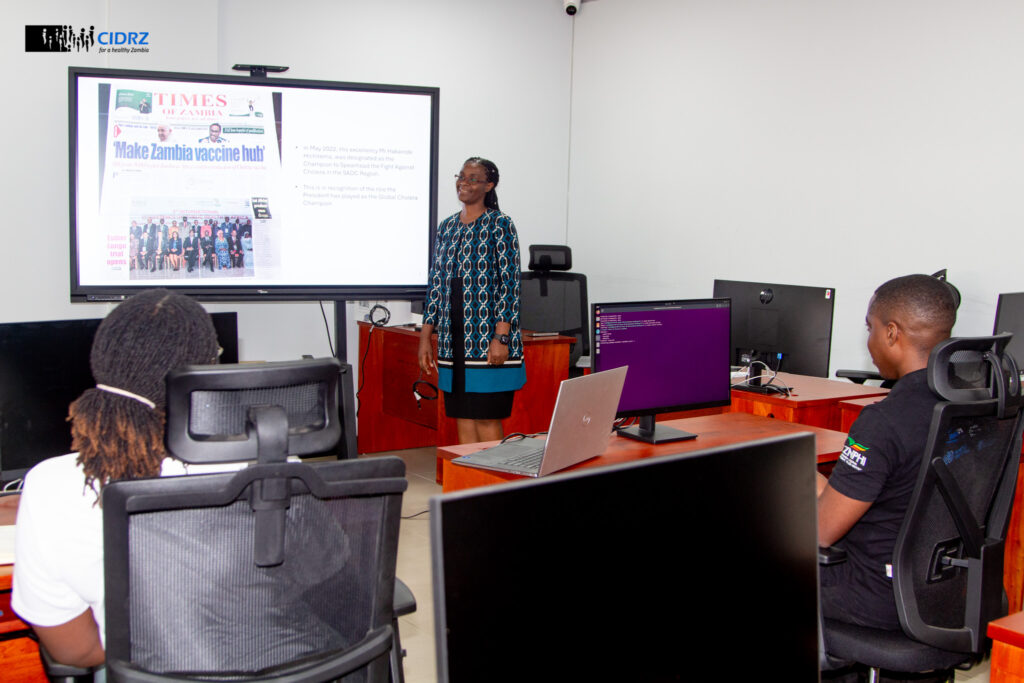
To strengthen this capacity, the Centre for Infectious Disease Research in Zambia (CIDRZ), in collaboration with the Zambia National Public Health Institute (ZNPHI), and with support from the Wellcome Trust and the Gates Foundation, hosted a training in Cholera Genomic Surveillance: Bioinformatics and Whole Genome Sequencing.
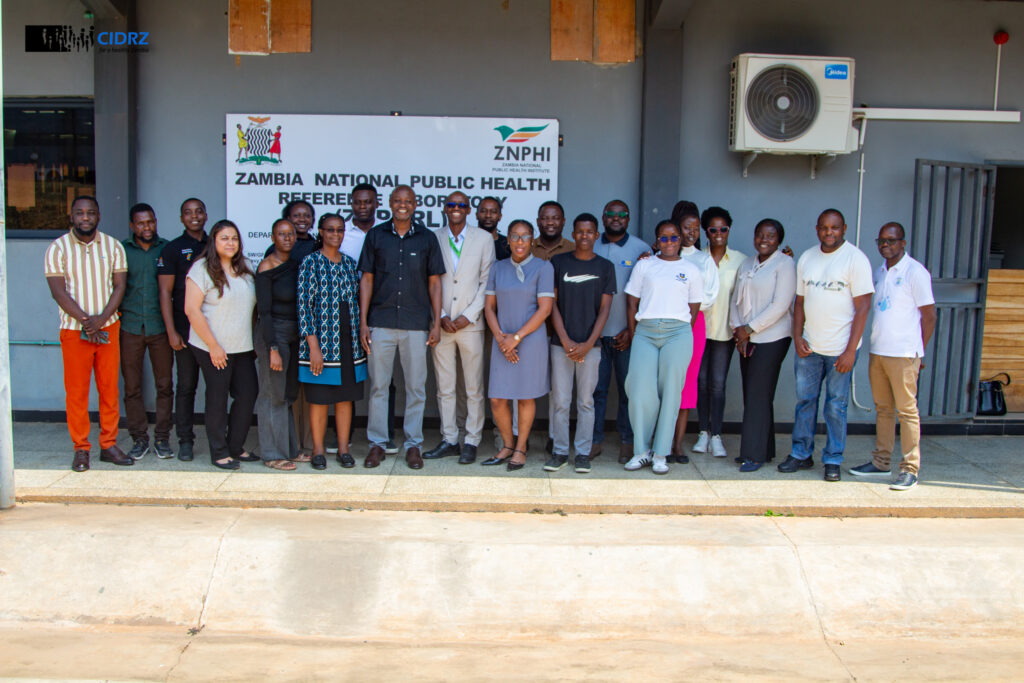
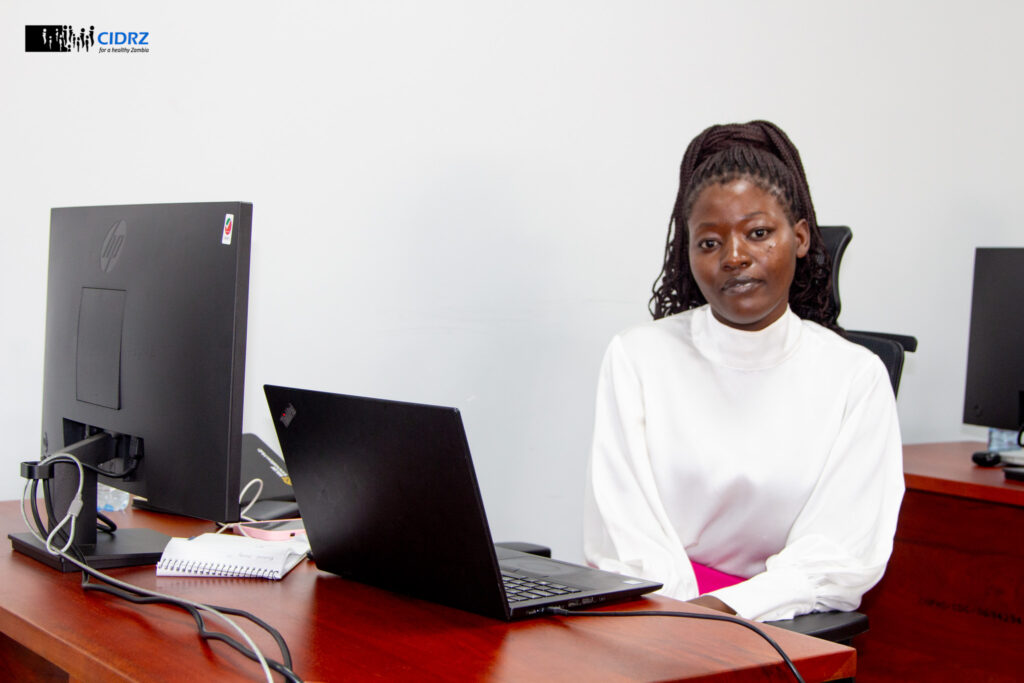
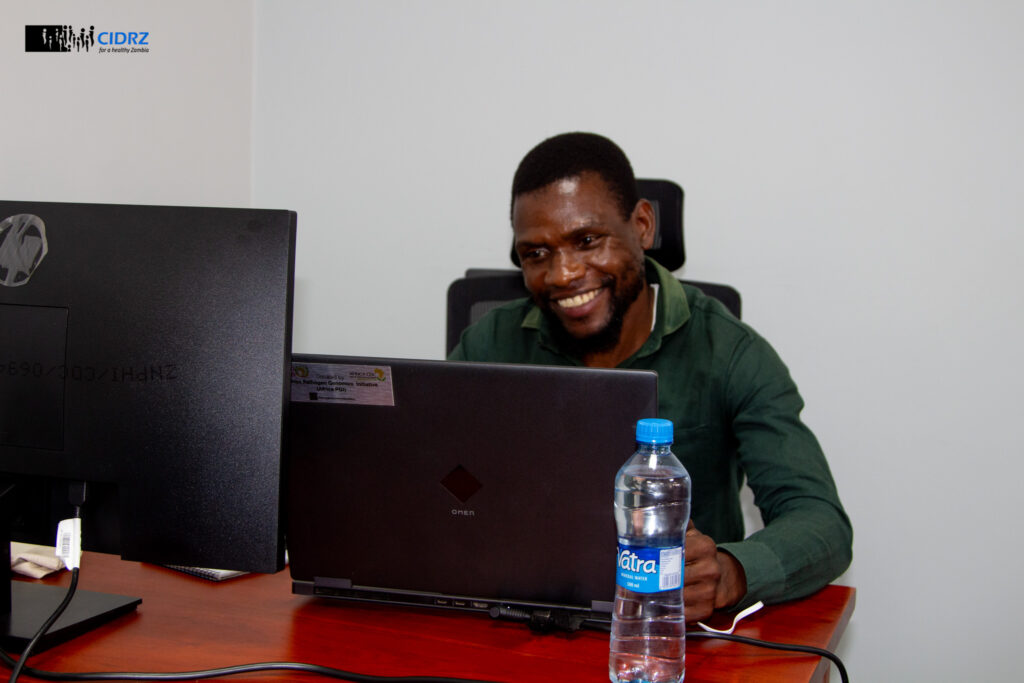
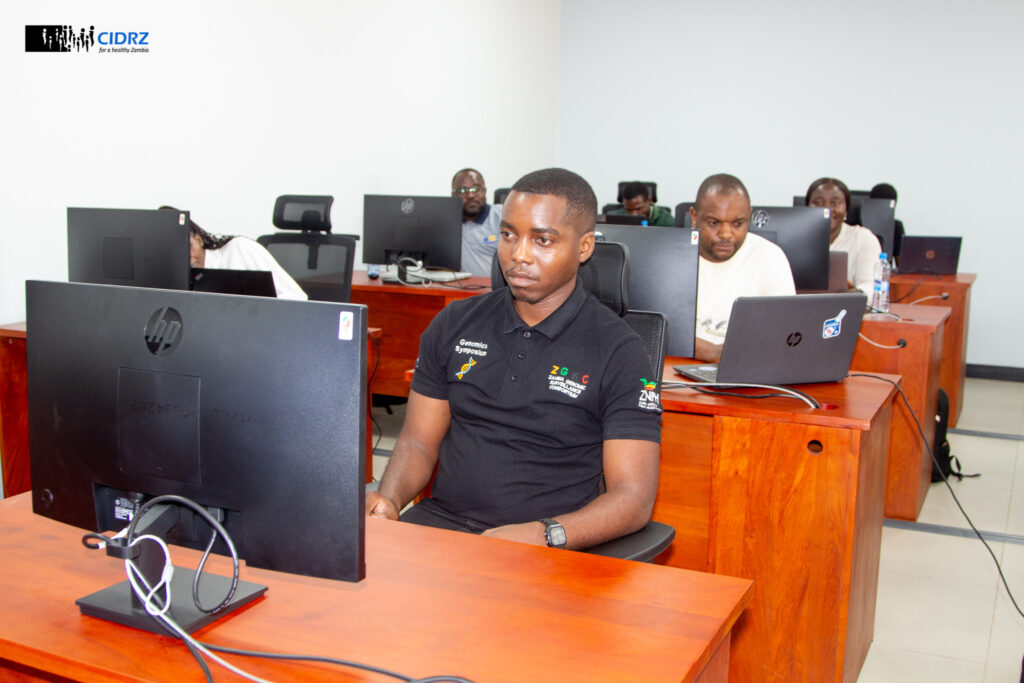
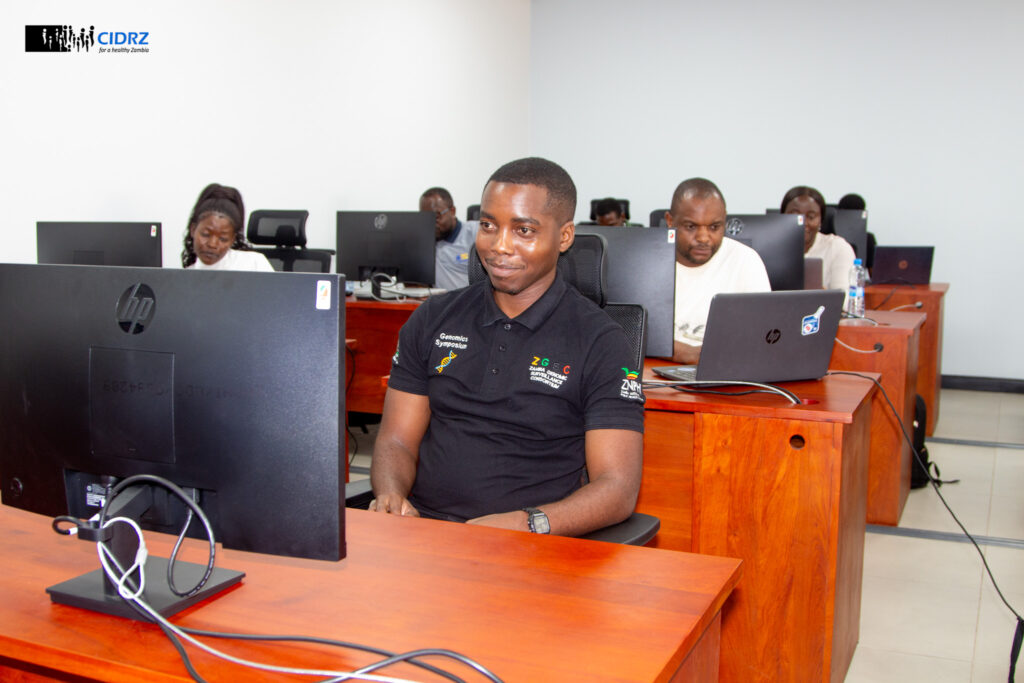
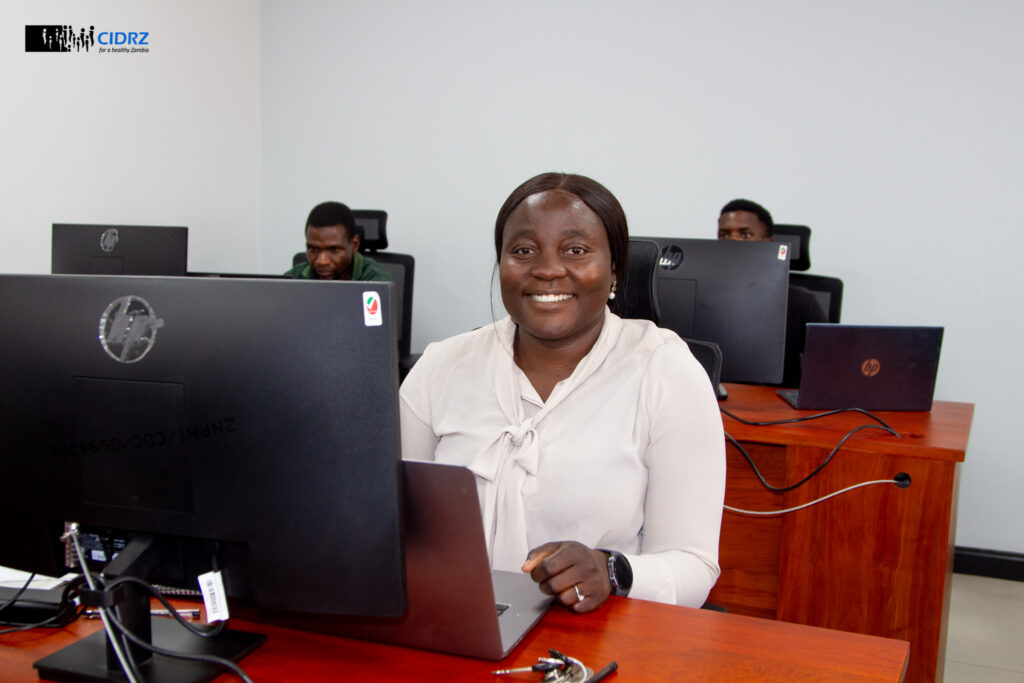
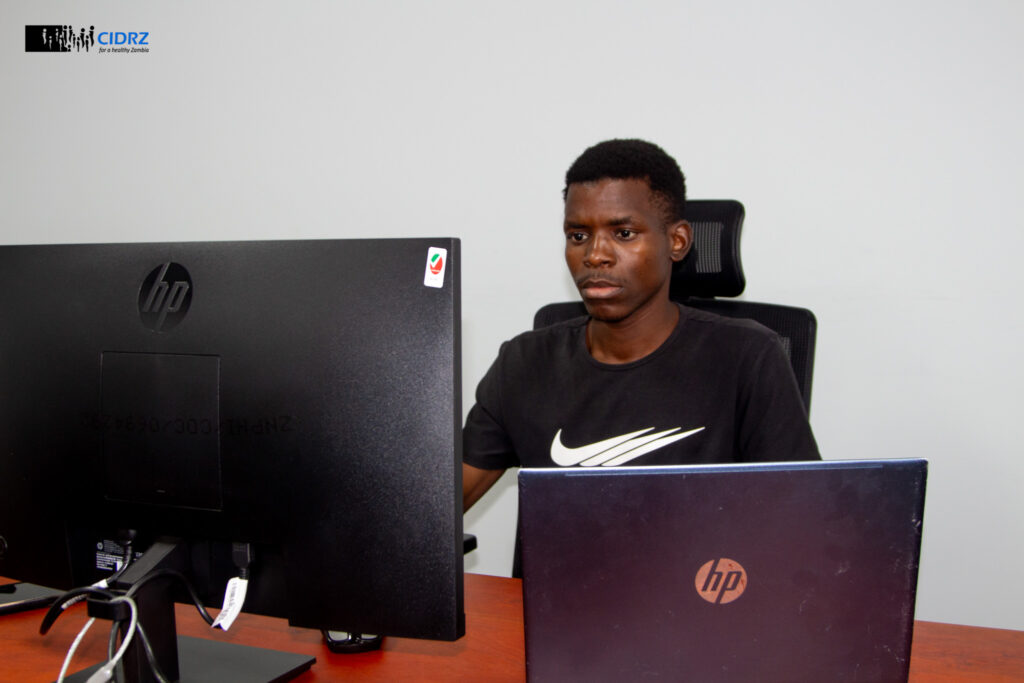
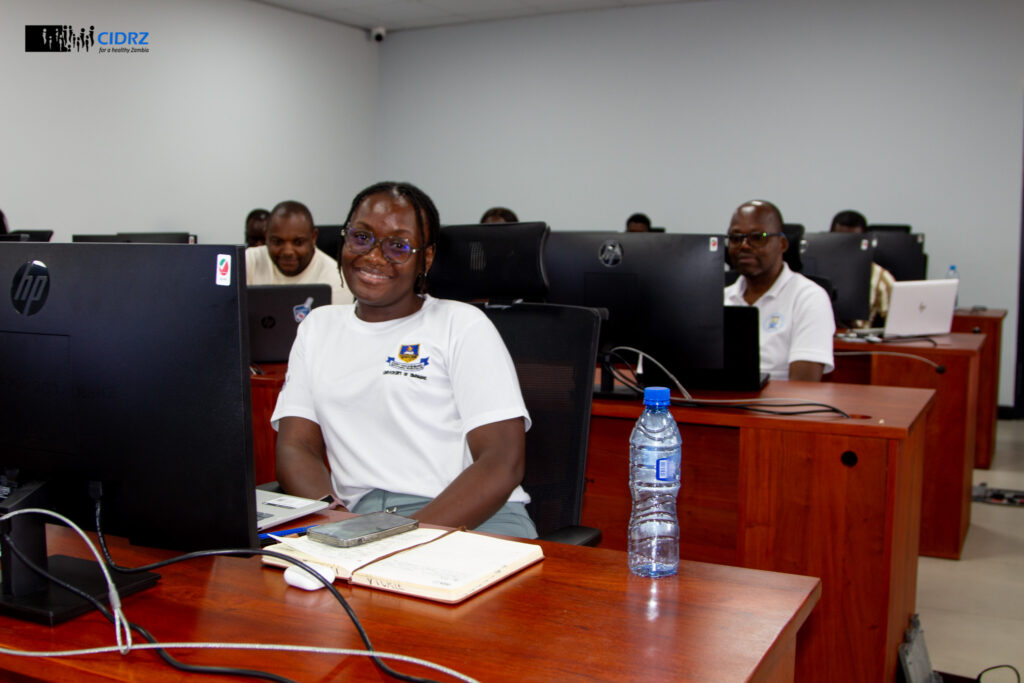
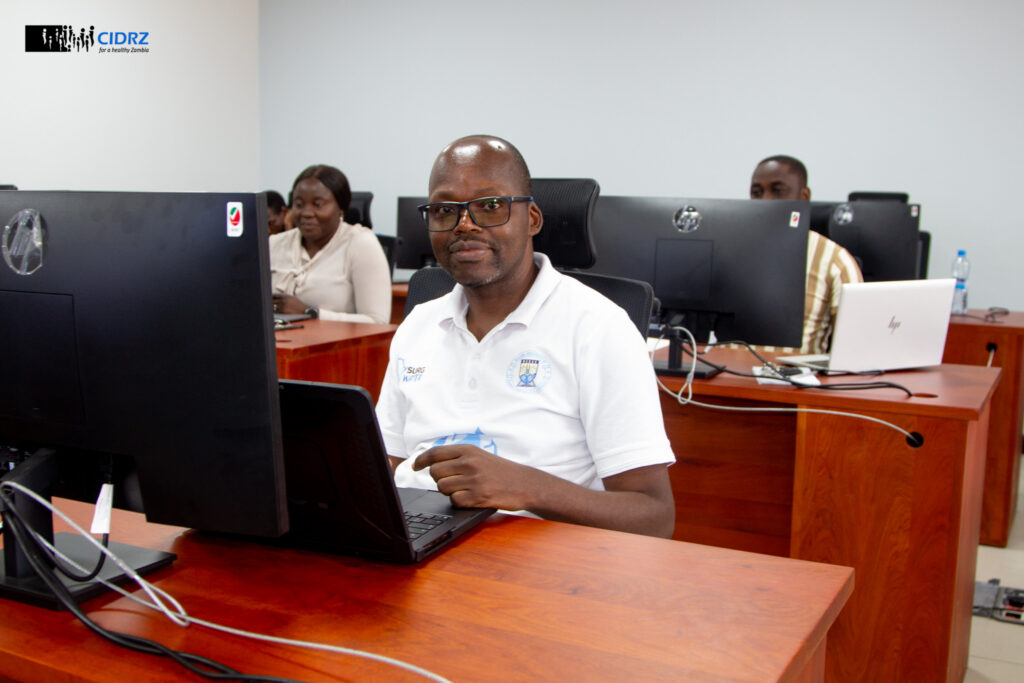
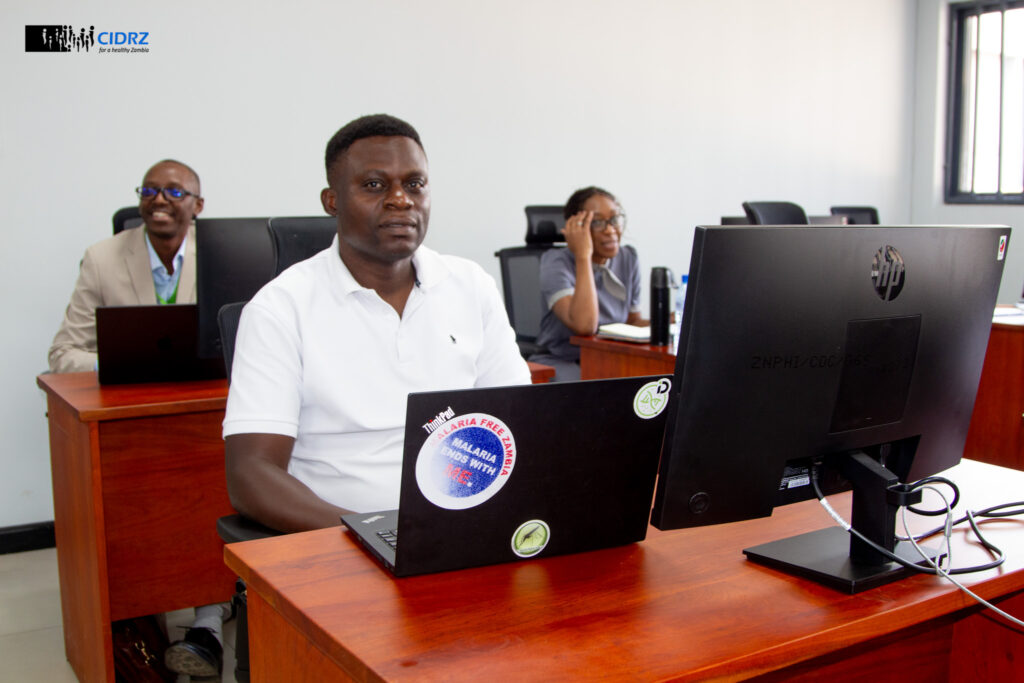
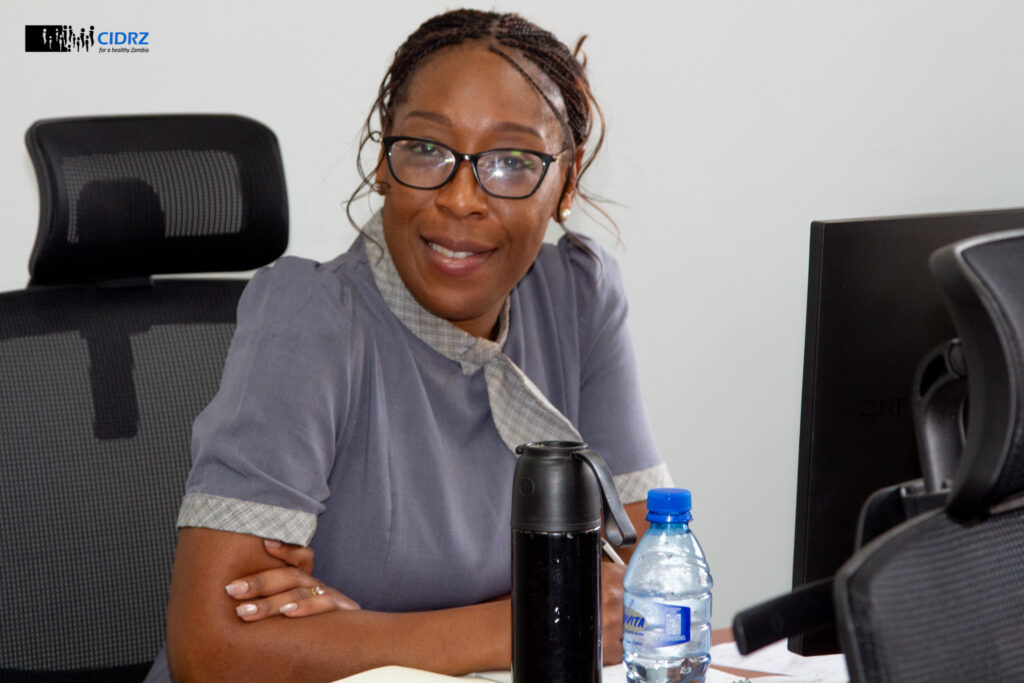
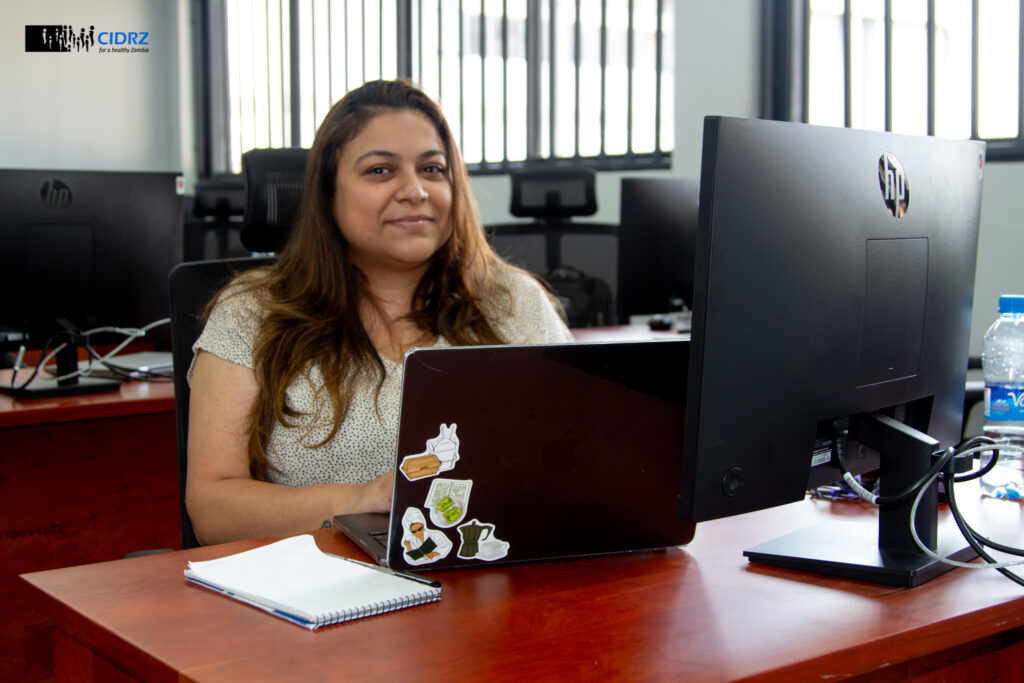
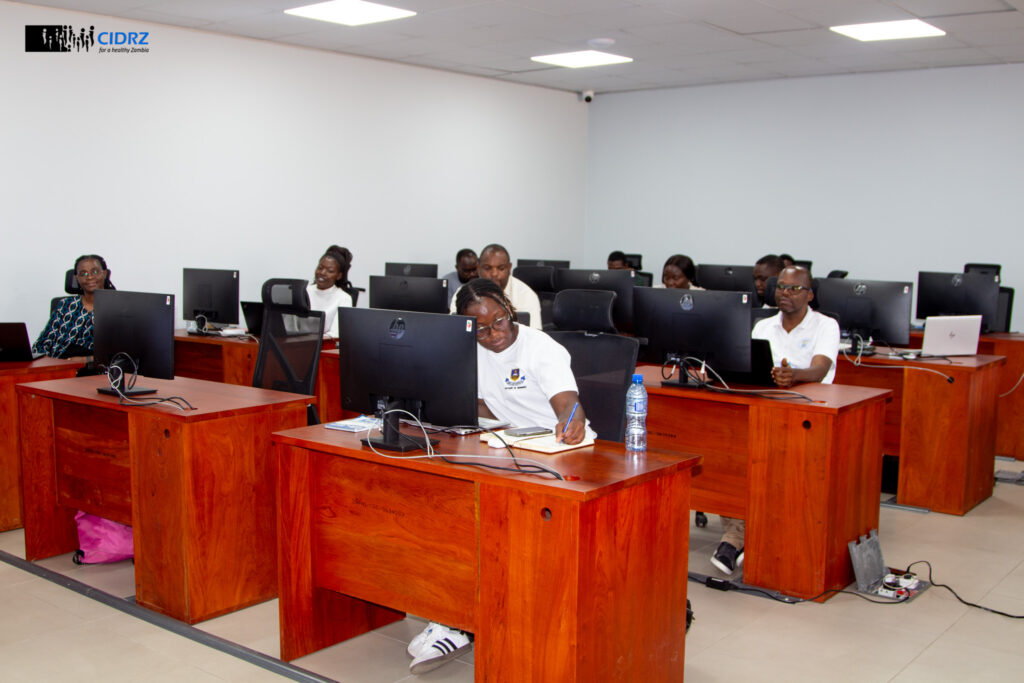
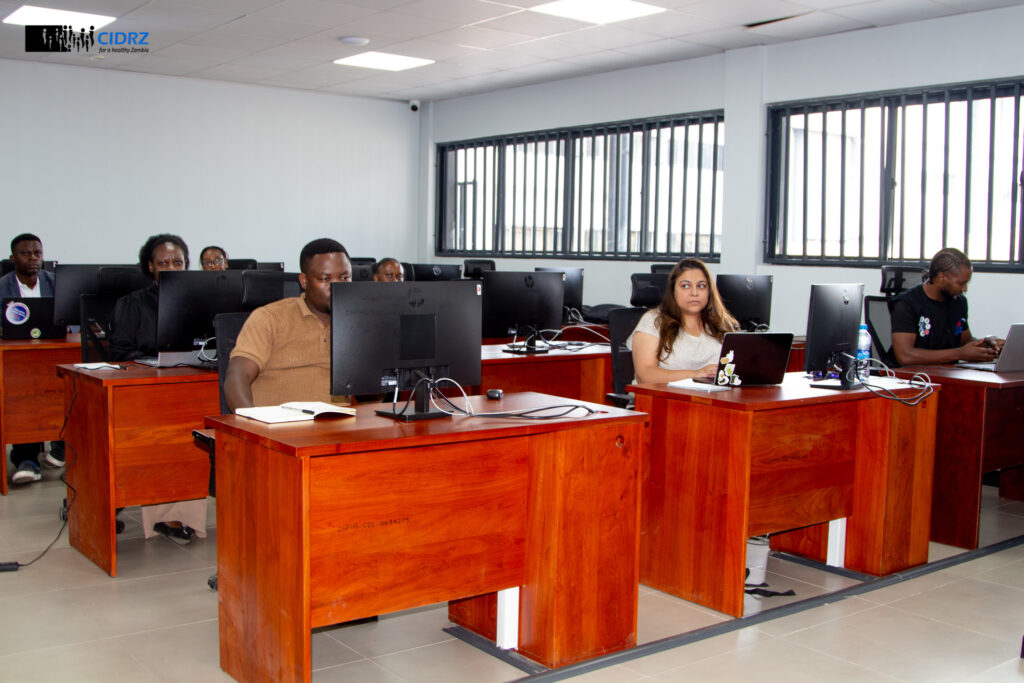
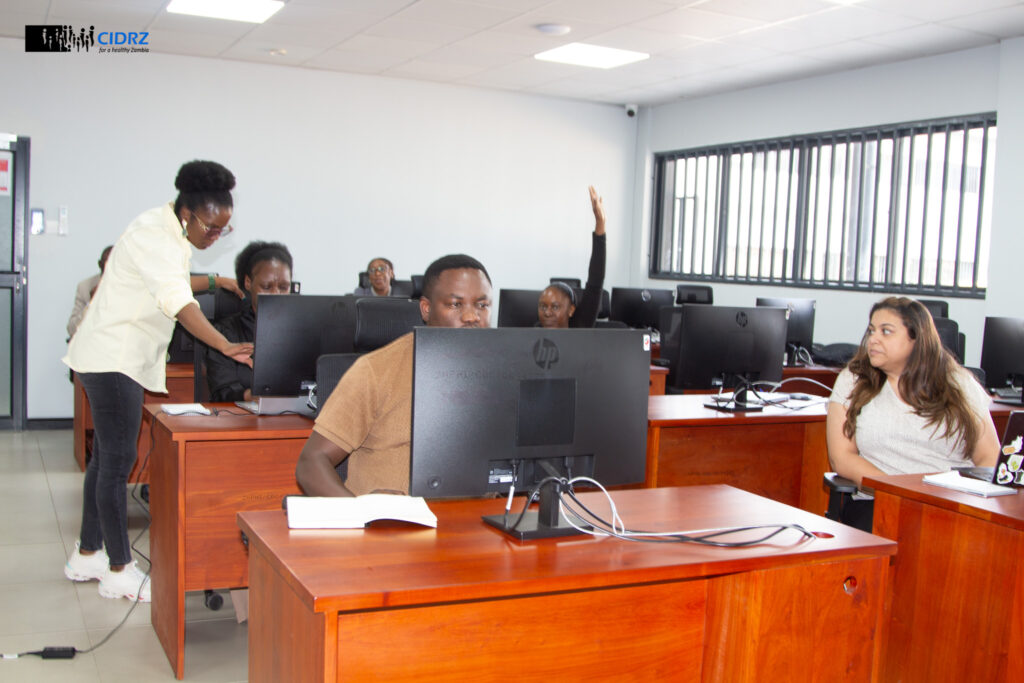
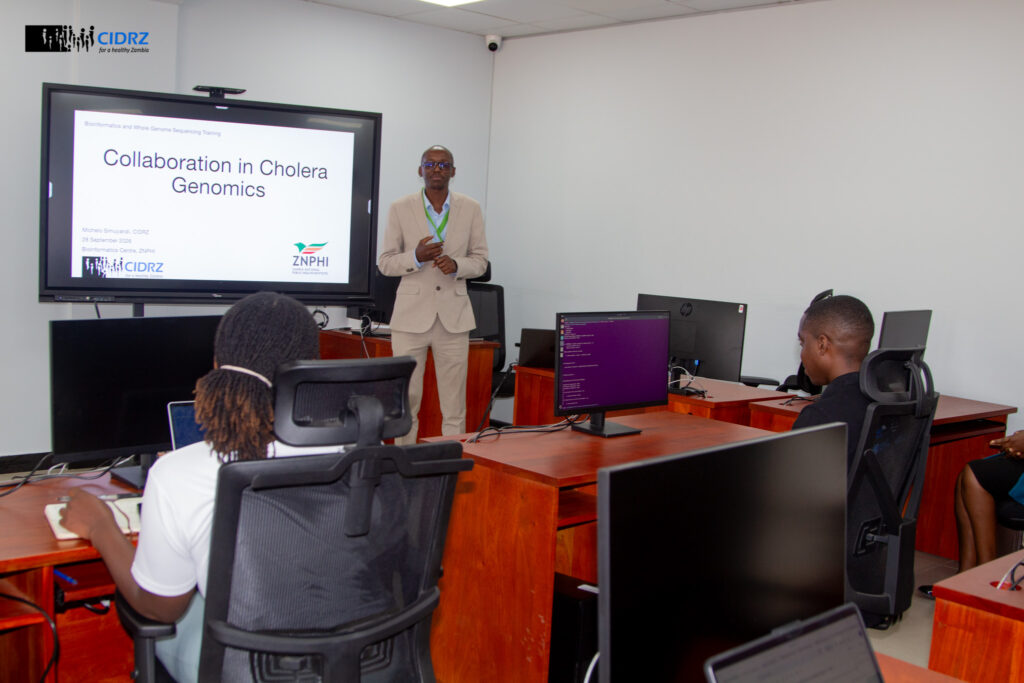
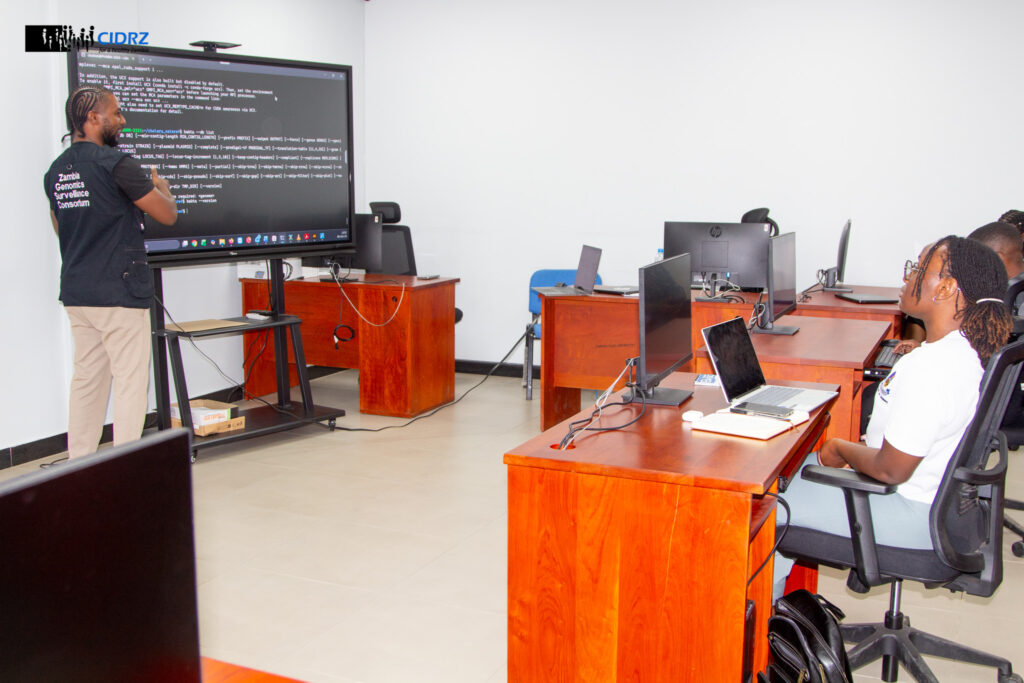
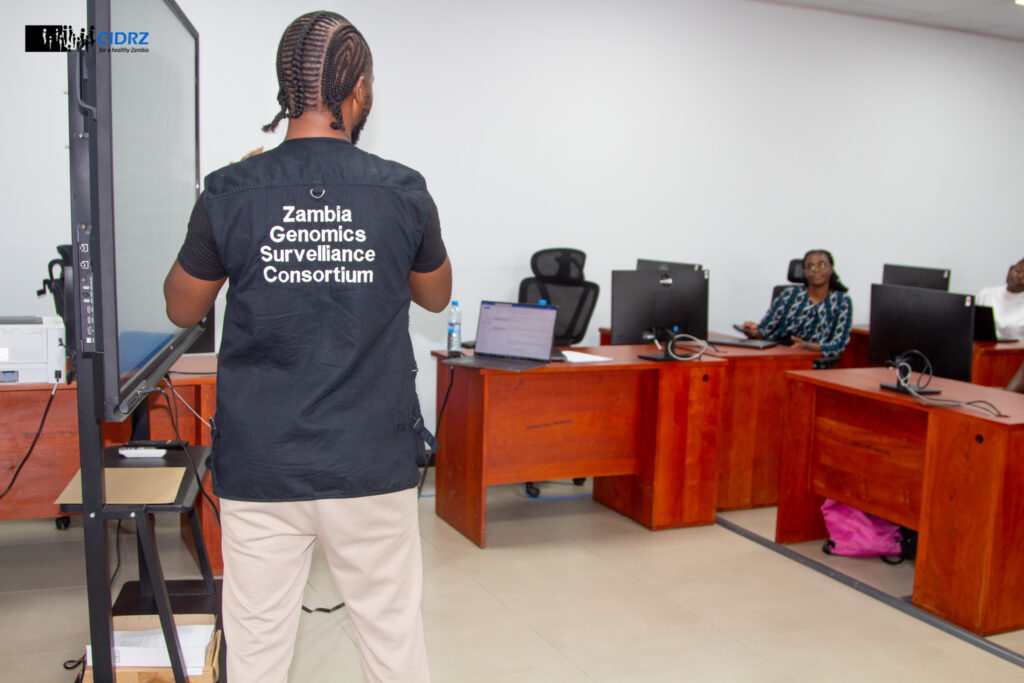
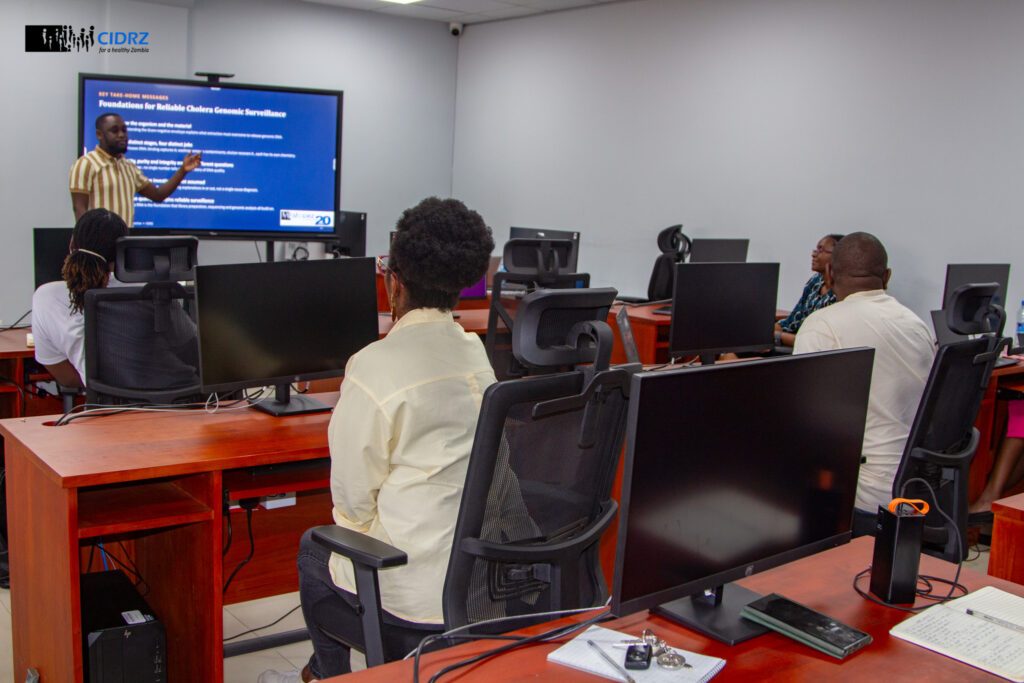
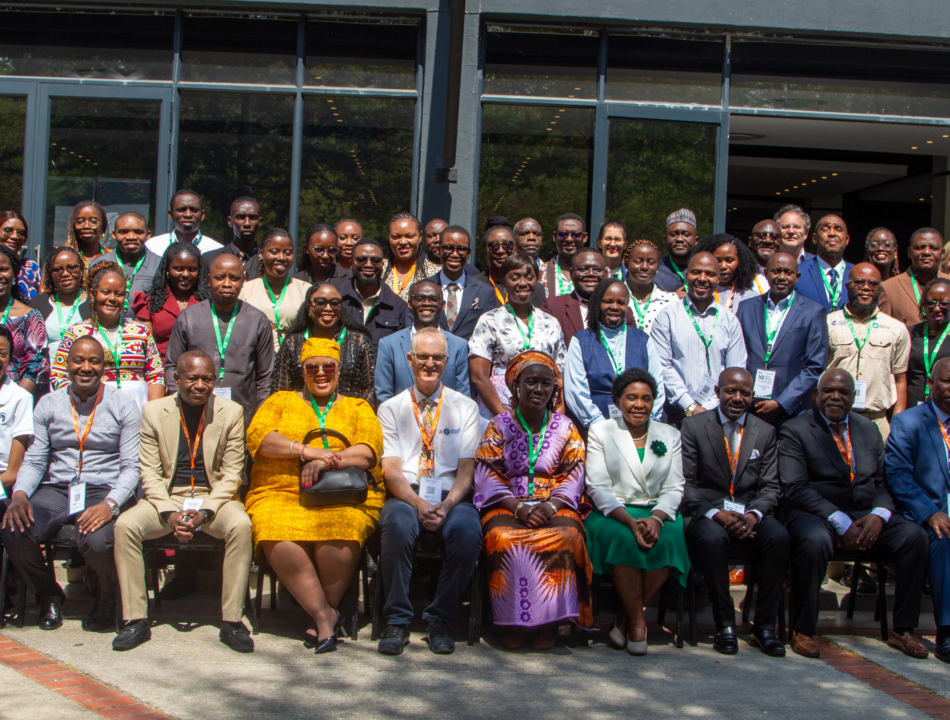
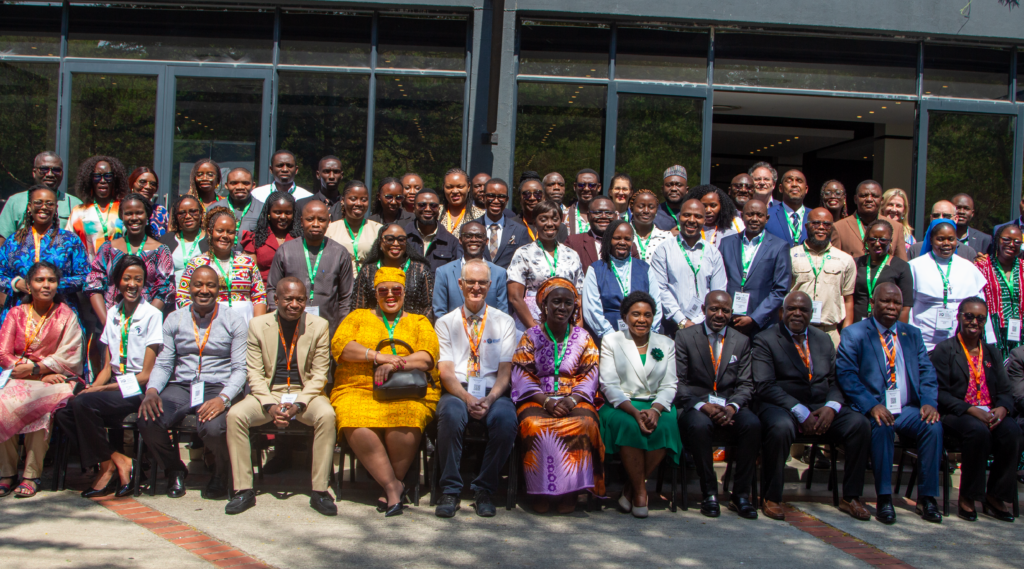
The training, which was held at the Zambia Genomics Surveillance Consortium Bioinformatics ZNPHI Reference Laboratory from 28 September to 7 October 2026, brought together 17 participants from Zambia, Malawi and Zimbabwe.
The group included laboratory technologists, clinicians, epidemiologists and molecular biologists from institutions working in public health, research and laboratory services.
Participants from Zambia represented ZNPHI, CIDRZ, the Churches Health Association of Zambia (CHAZ), Macha Research Trust and the Copperbelt University.
Meanwhile, the regional participants came from Kamuzu University of Health Sciences in Malawi, the University of Zimbabwe, and the National Microbiology Reference Laboratory in Zimbabwe.
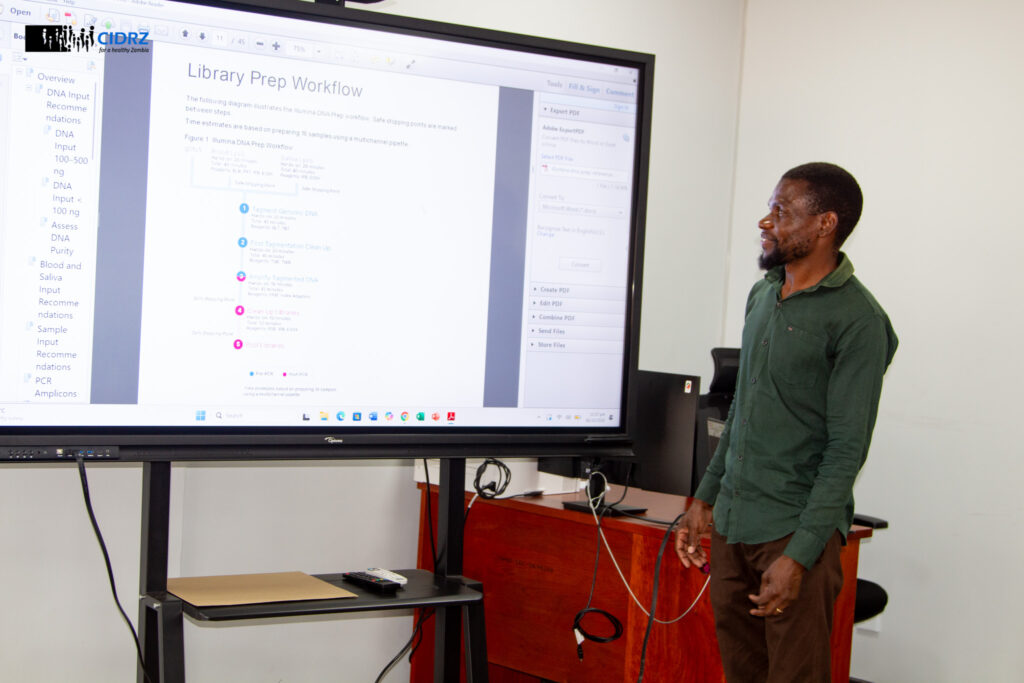
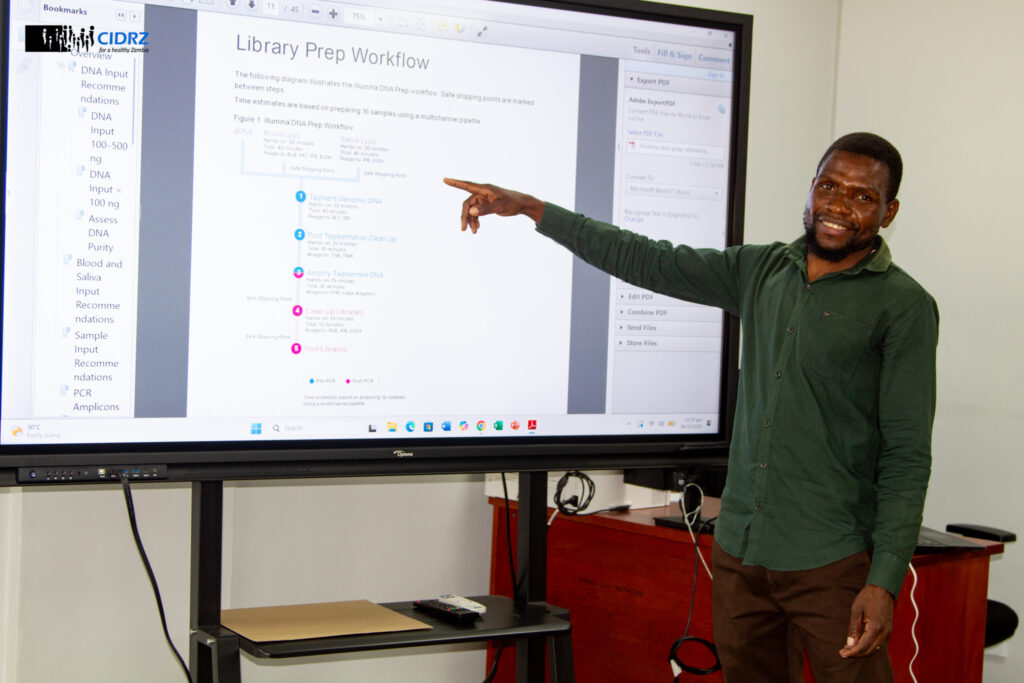
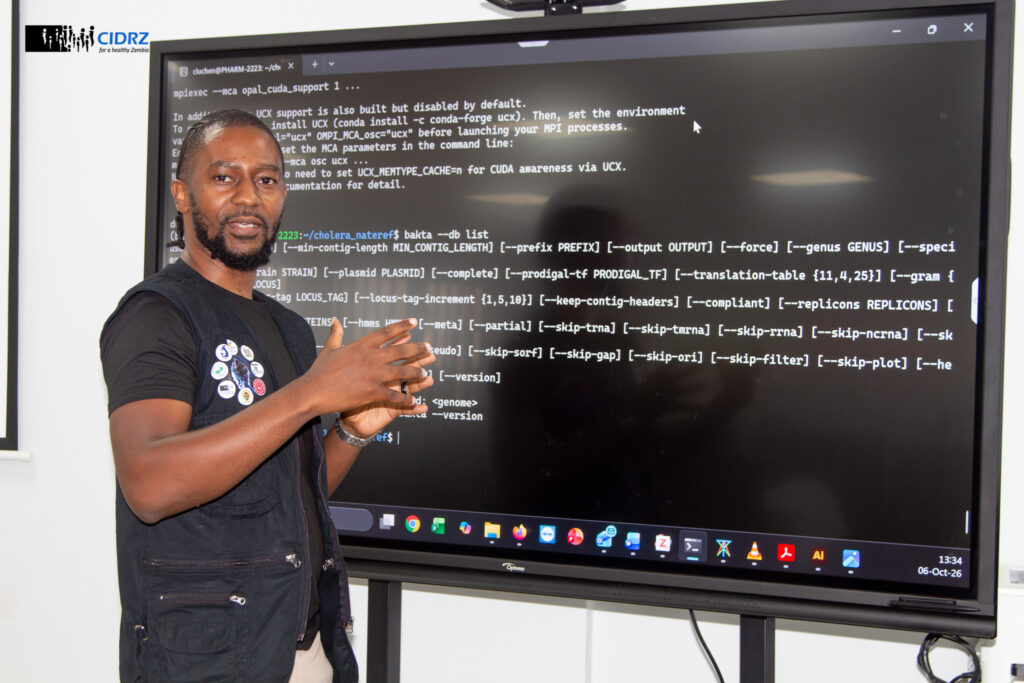
The training combined laboratory practice with computer-based analysis, giving participants experience across the whole genomic sequencing process.
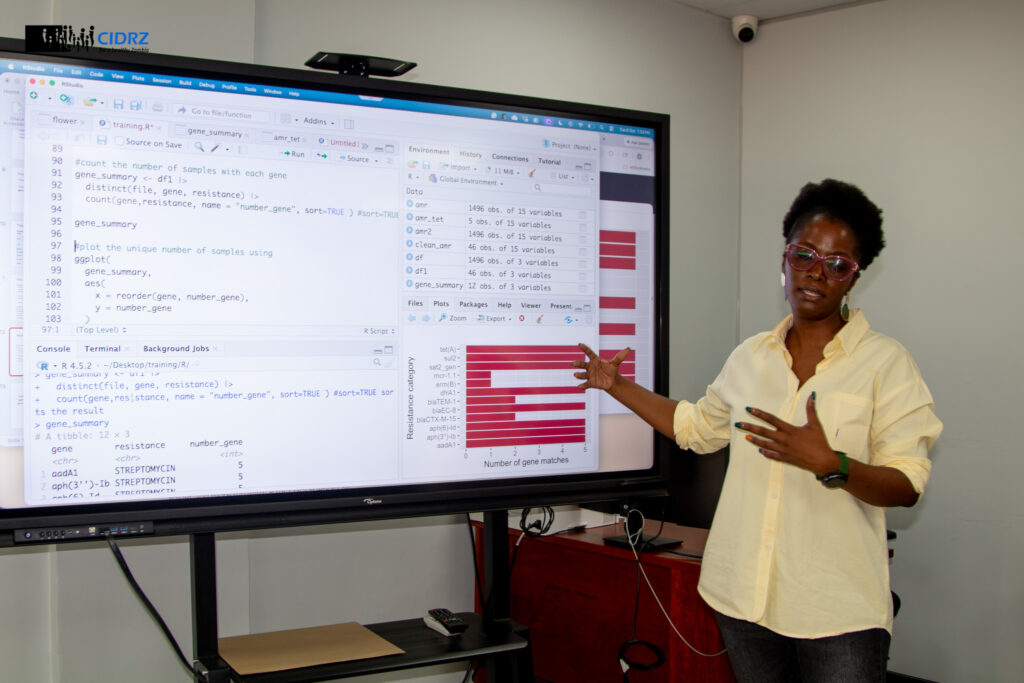
They learned how to prepare samples for sequencing in the laboratory and to analyse the resulting data using genome assembly, variant calling, phylogenetics, and antimicrobial resistance detection. These skills can help researchers understand how cholera strains are related, monitor how they spread and identify changes that may influence treatment.
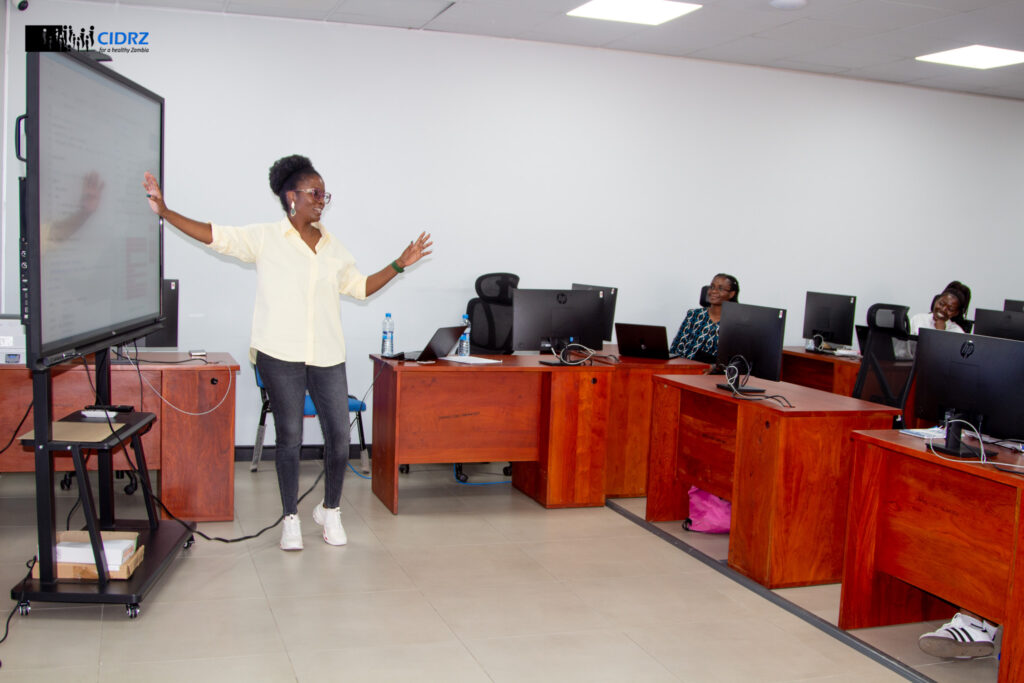
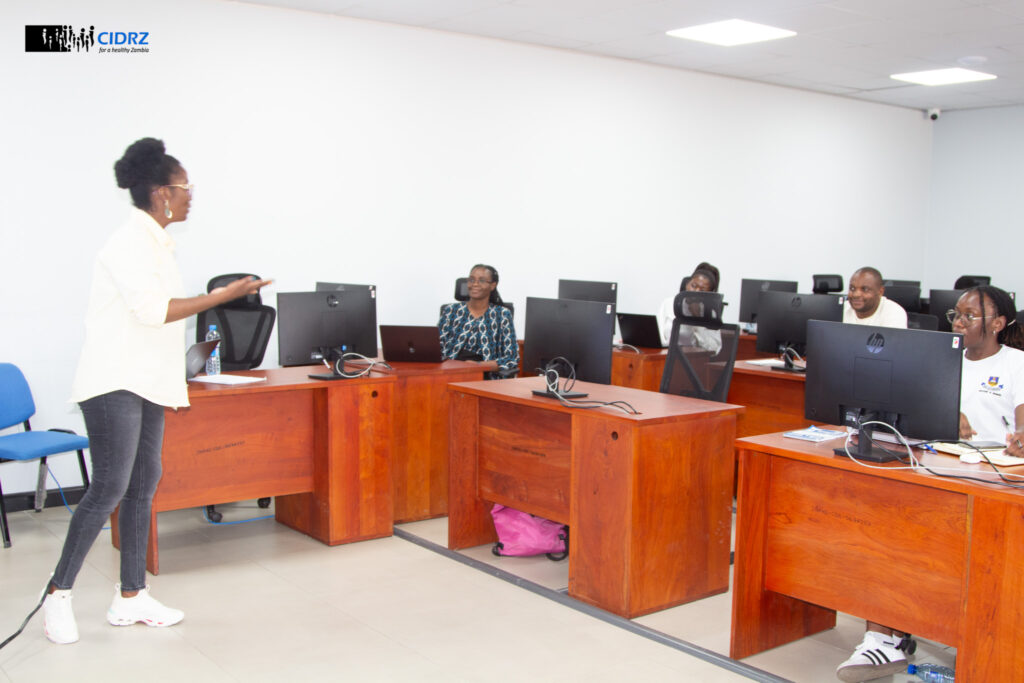
The sessions were facilitated by CIDRZ bioinformaticians Charlie Chaluma Luchen and Mwelwa Chibuye, alongside Genomics Specialist Dr Kennedy Chibesa.
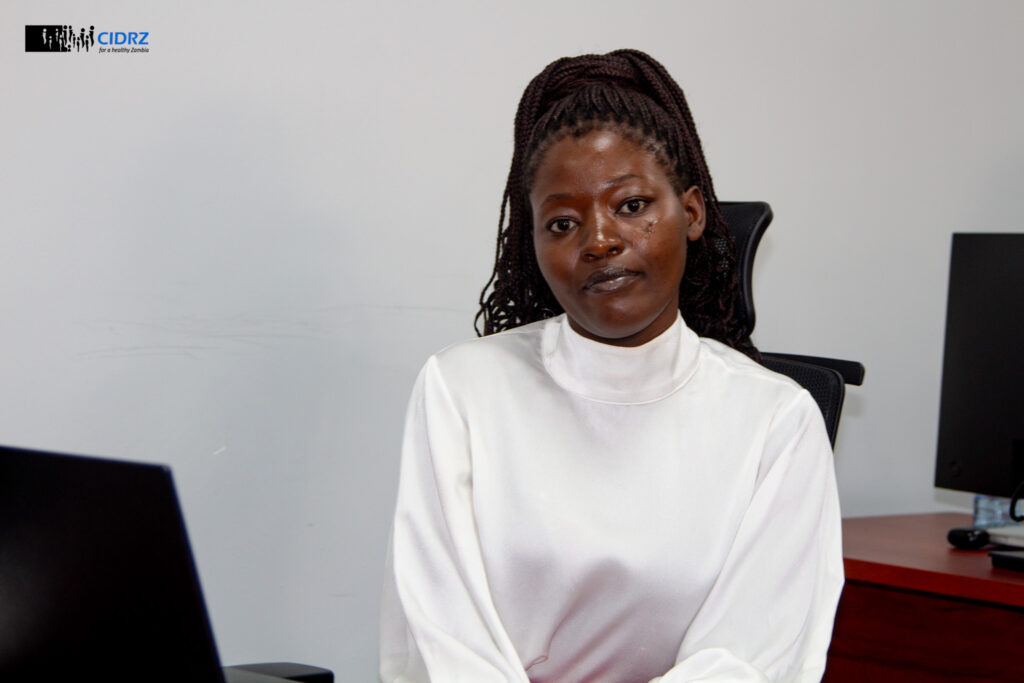
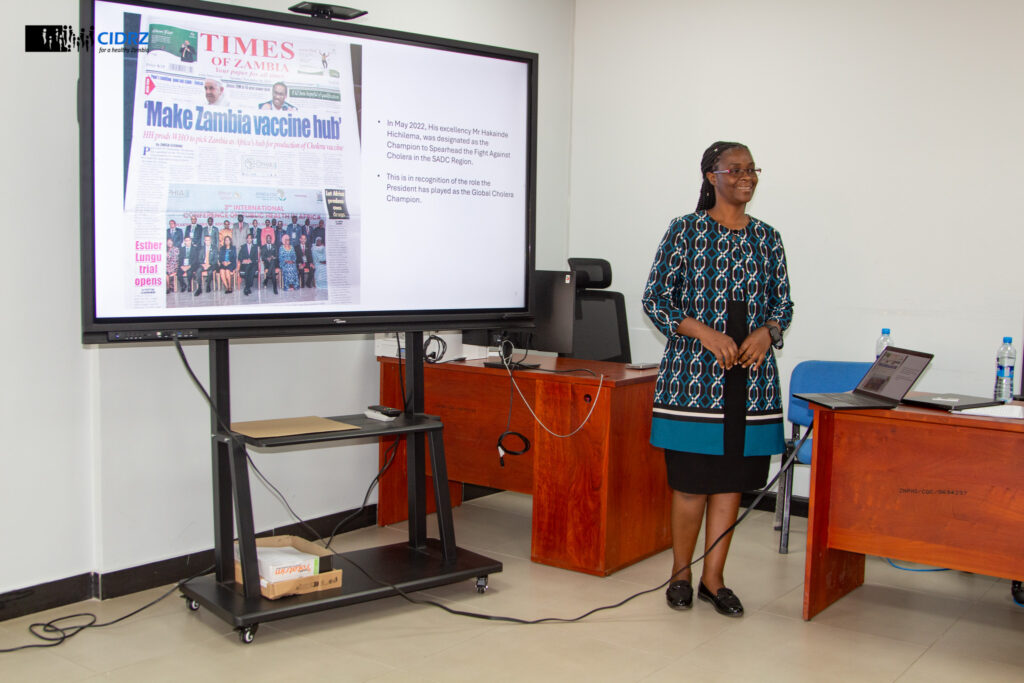
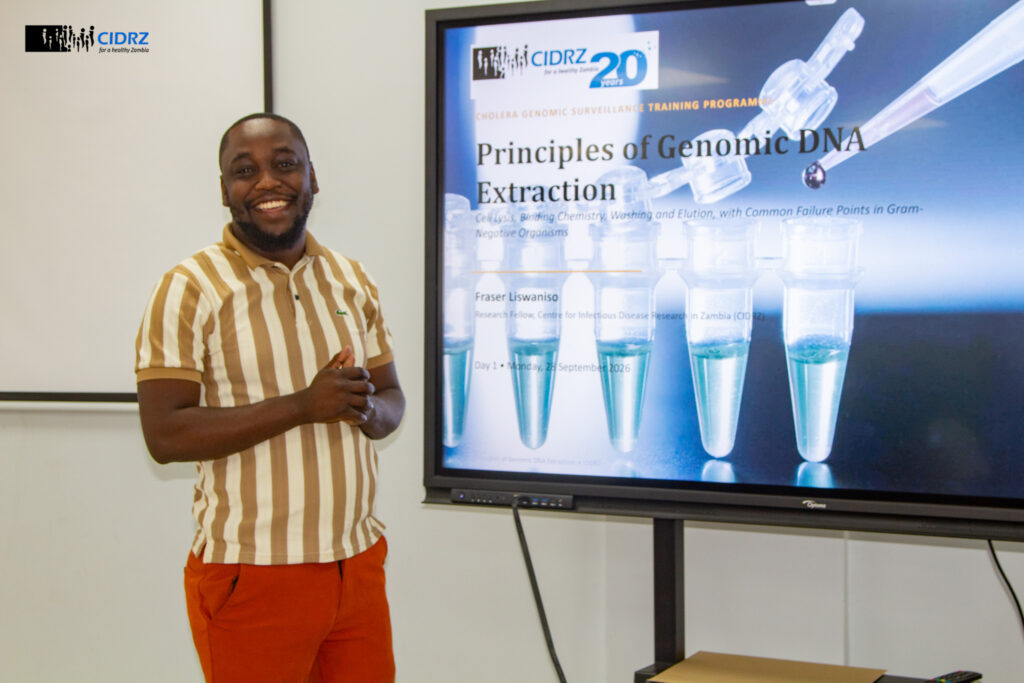
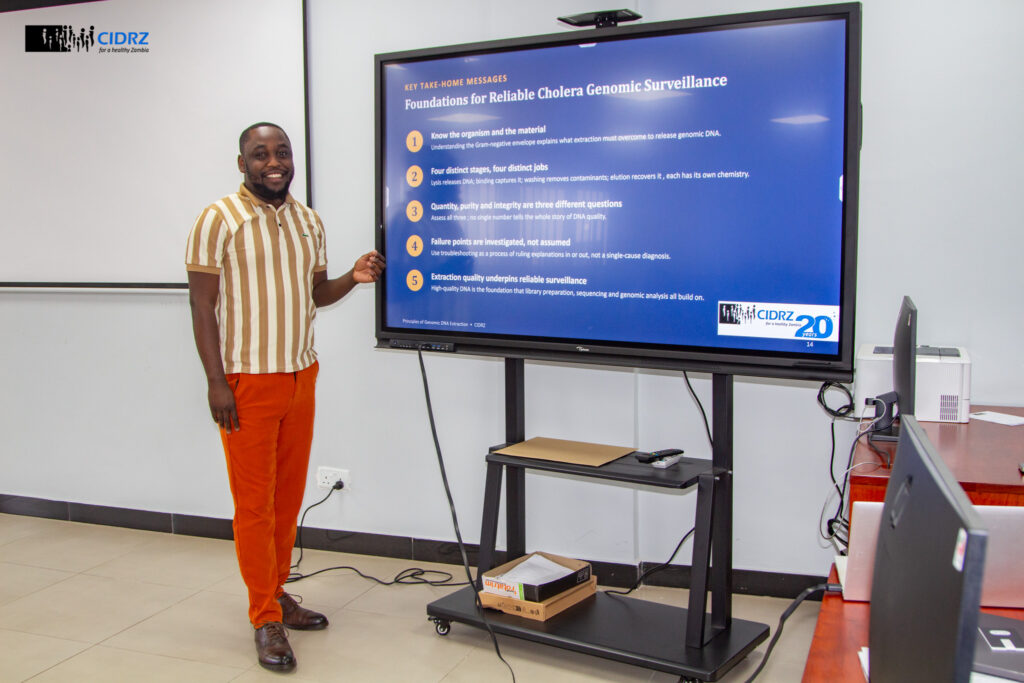
The other facilitators included Joseph Mutale from ZNPHI, who led the wet-laboratory sessions. Dr Nathaniel Lucero Matteson of Harvard Medical School joined virtually to share insights into emerging genomic profiling tools, while Harriet Ng’ombe delivered a lecture on the biology of Vibrio cholerae, the bacterium that causes cholera. Additional presentations were given by Fraser Liswaniso, Michelo Simuyandi and Dr Caroline Chisenga, the study’s Principal Investigator.
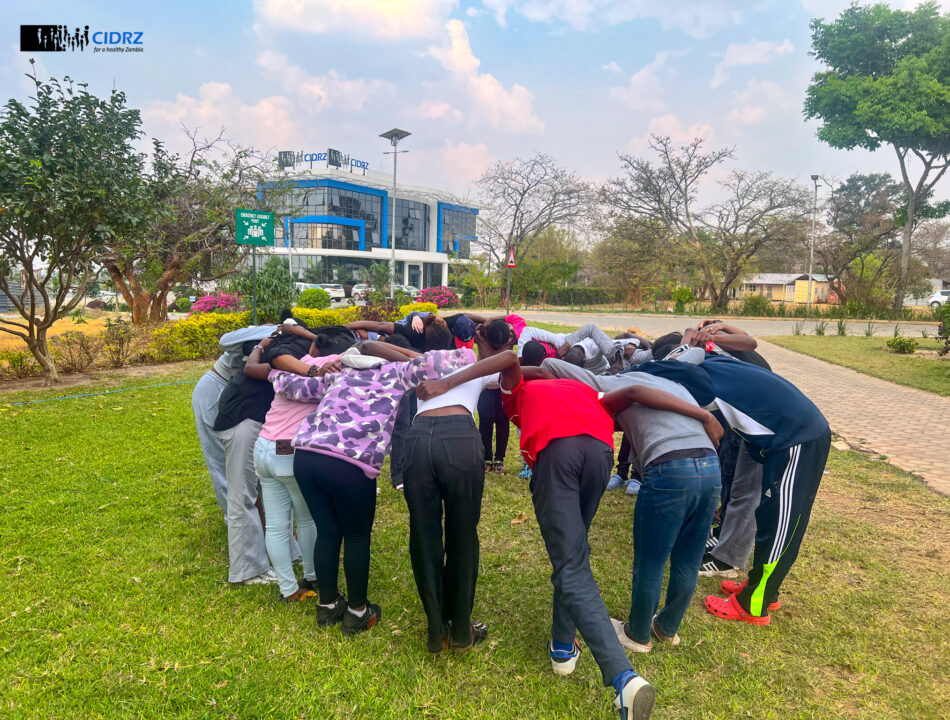
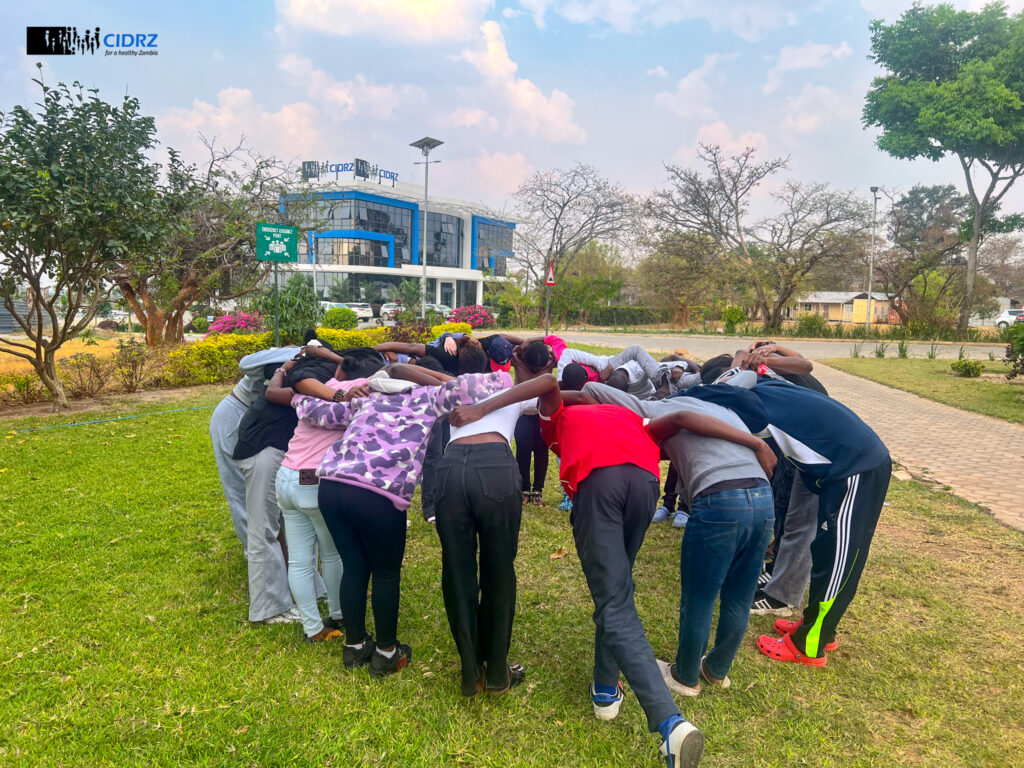
Beyond the technical skills, the training provided an opportunity for professionals from the three countries to share knowledge and strengthen working relationships. Such collaboration is important because infectious diseases do not stop at national borders, and understanding how pathogens move between communities and countries can support more coordinated responses.
By strengthening local expertise in whole genome sequencing and bioinformatics, the training helps build the capacity needed to investigate cholera outbreaks, generate timely disease intelligence, and inform public health action. It also supports stronger regional collaboration, helping Zambia and its neighbours improve their ability to detect, understand and respond to future outbreaks.