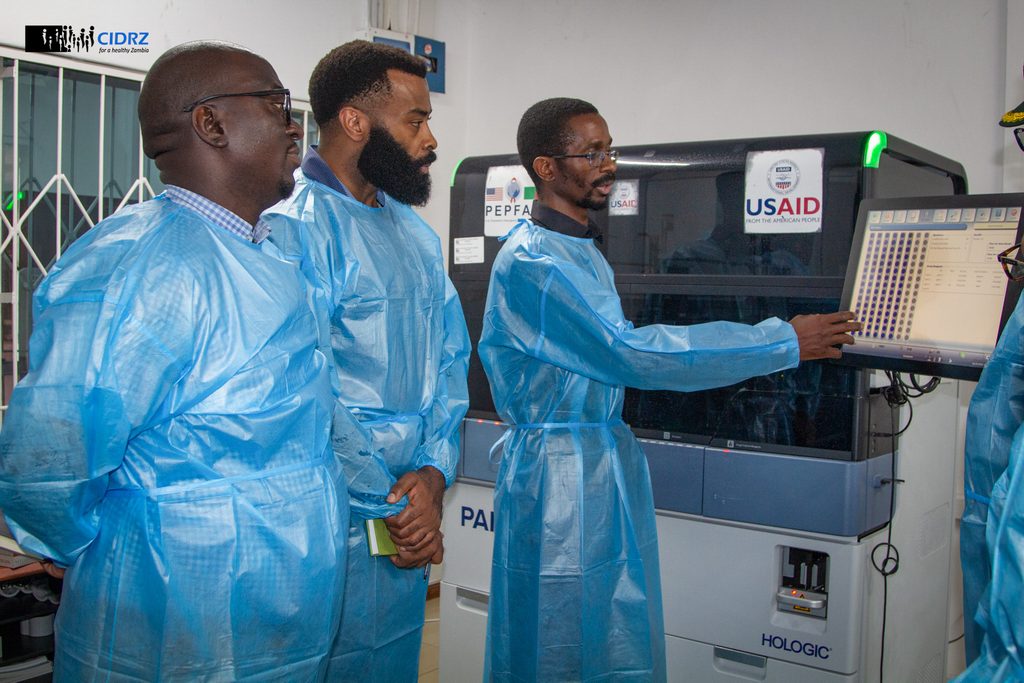
Programme Review Visit to Livingstone PCR Laboratory Highlights How Digital Integration Can Speed Up Test Results
November 11, 2026
PEN-Plus Expands Access to Specialised Care for Severe Non-Communicable Diseases
November 13, 2026Programme review at ZNS Choma Rural Health Facility highlights progress in digital health integration and identifies priority areas for improvement

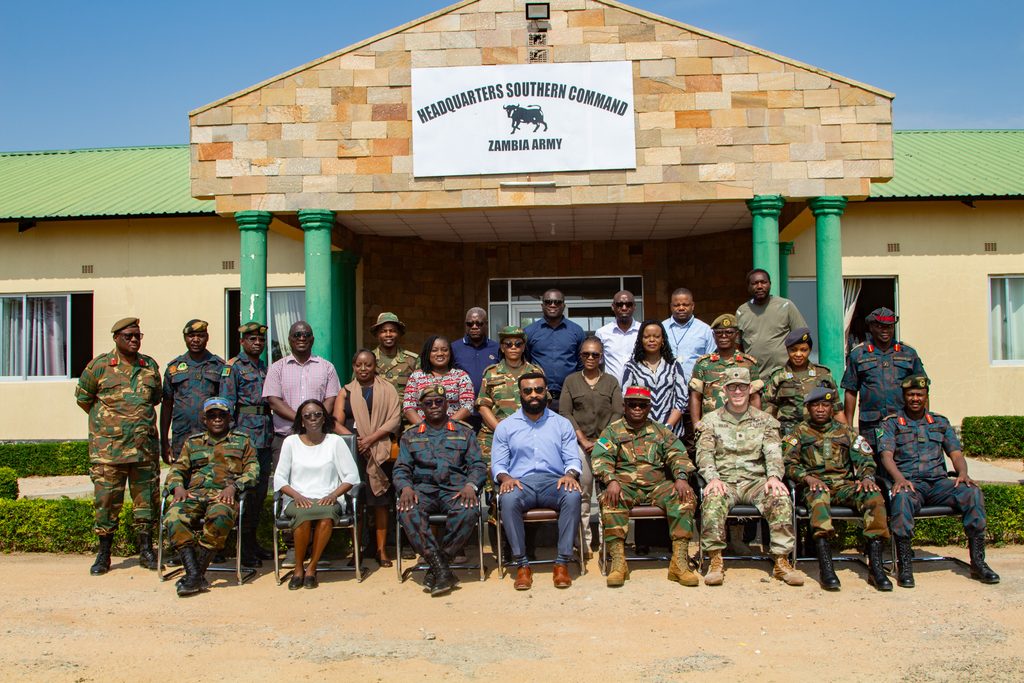
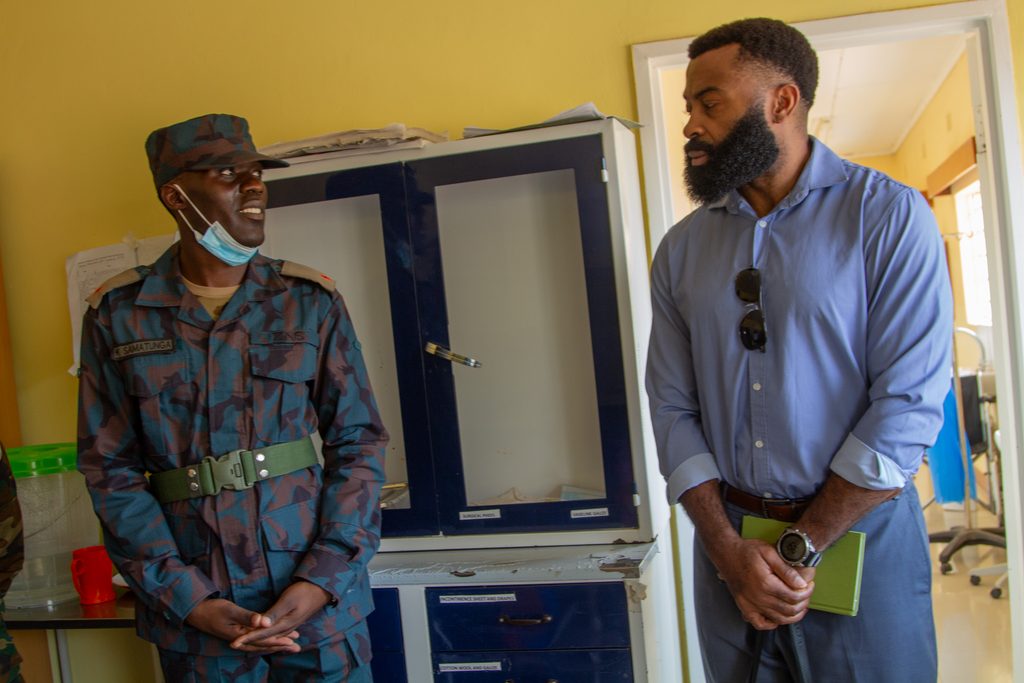
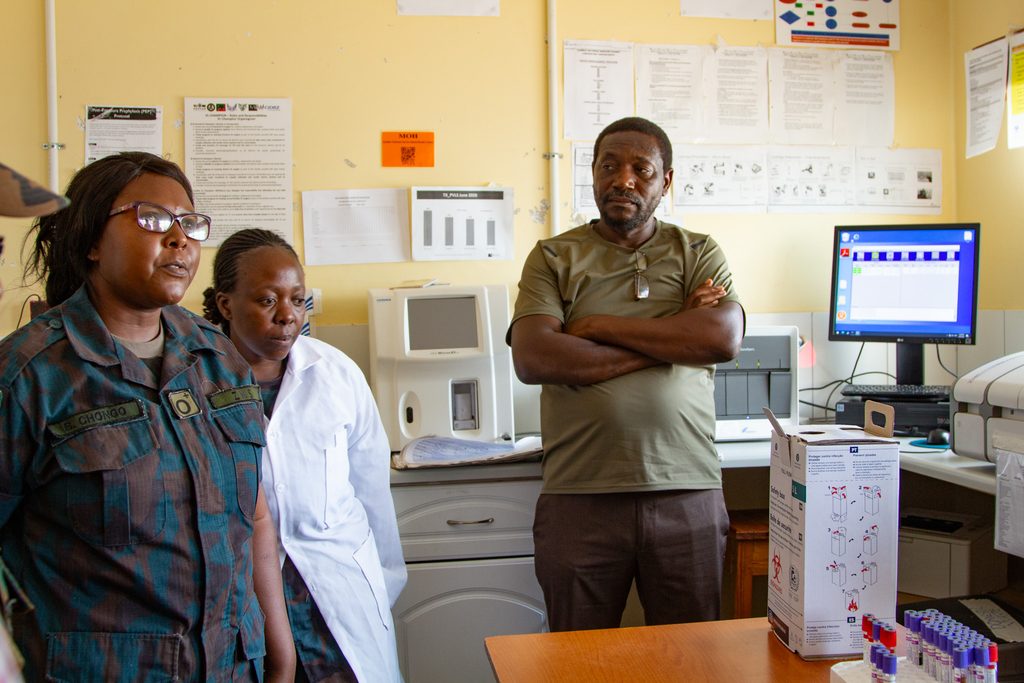
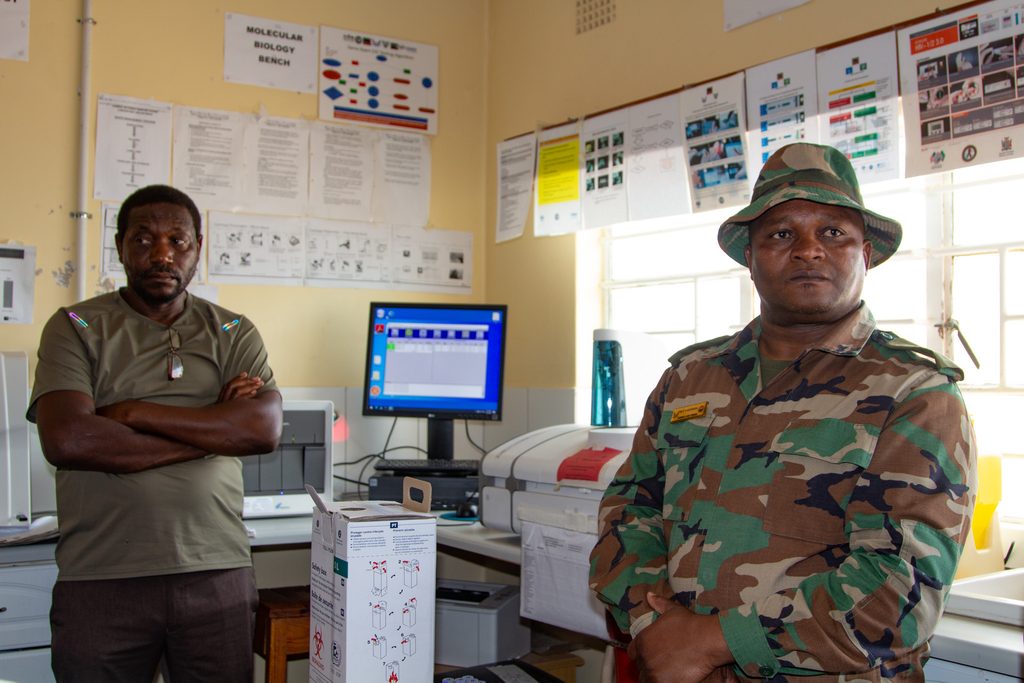
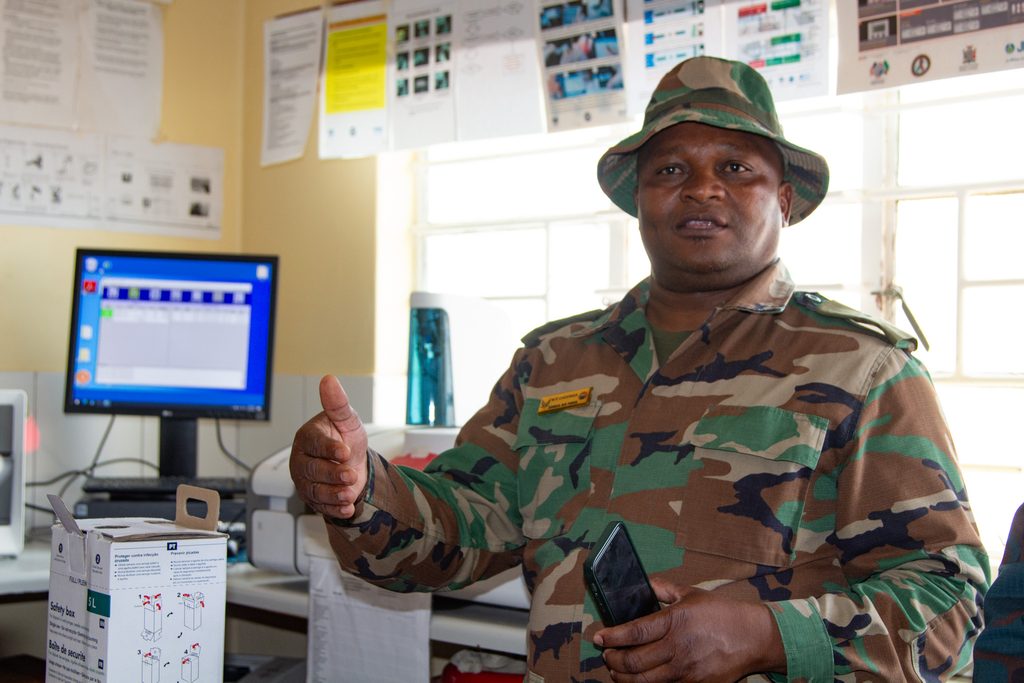
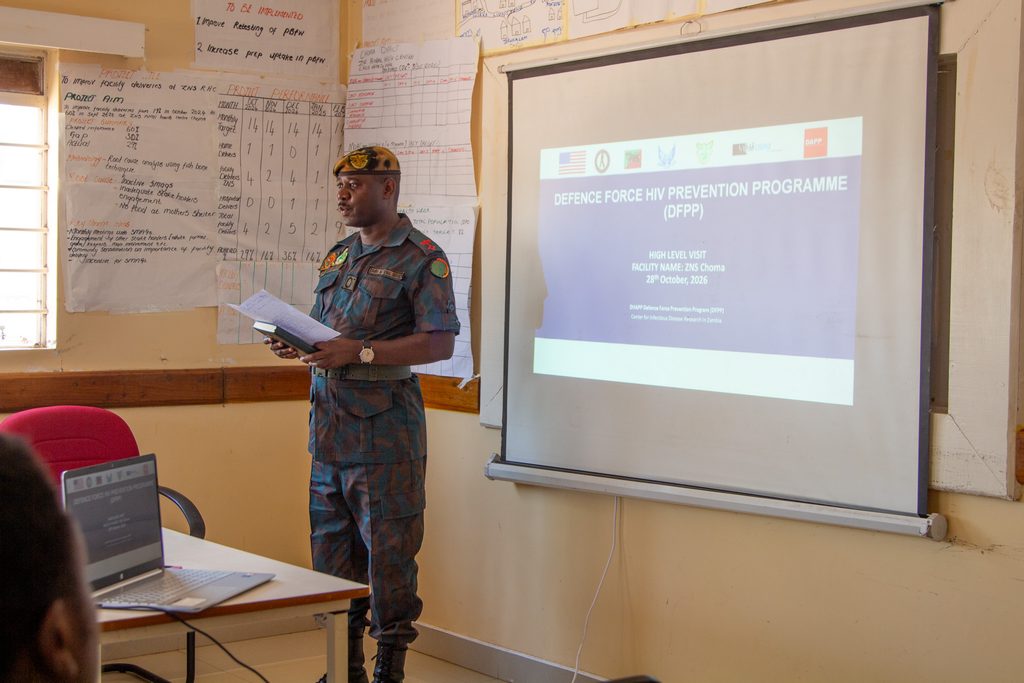
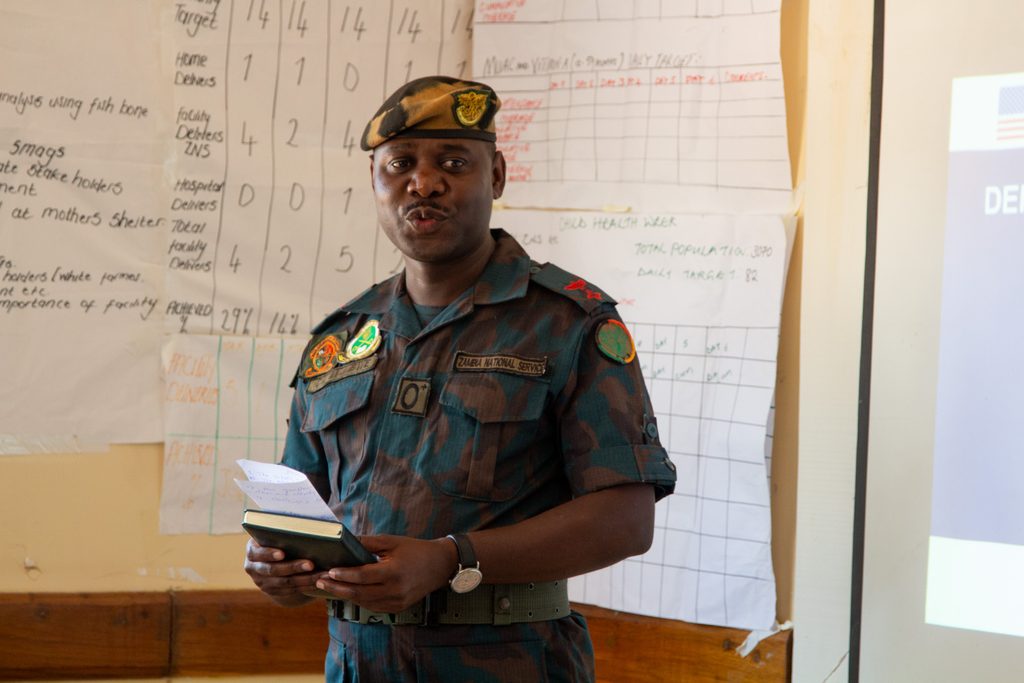
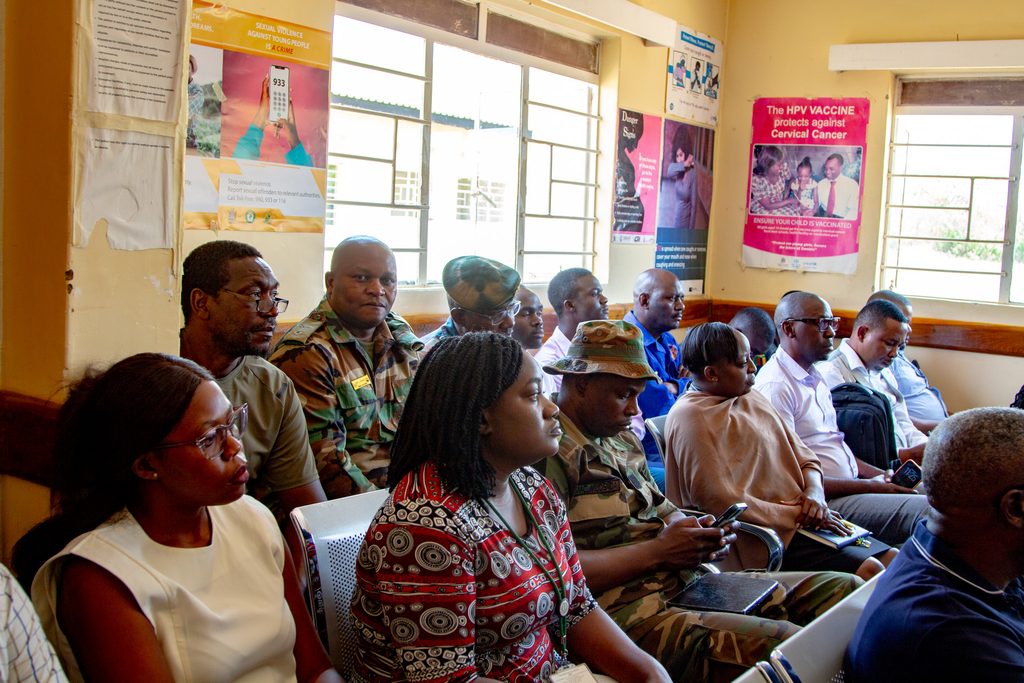
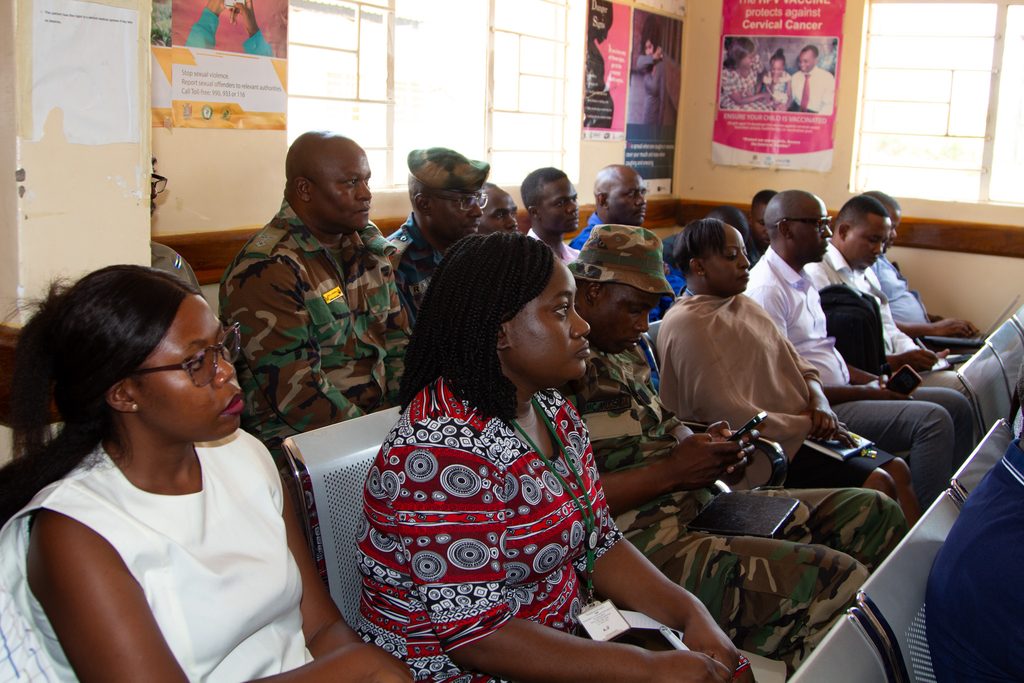
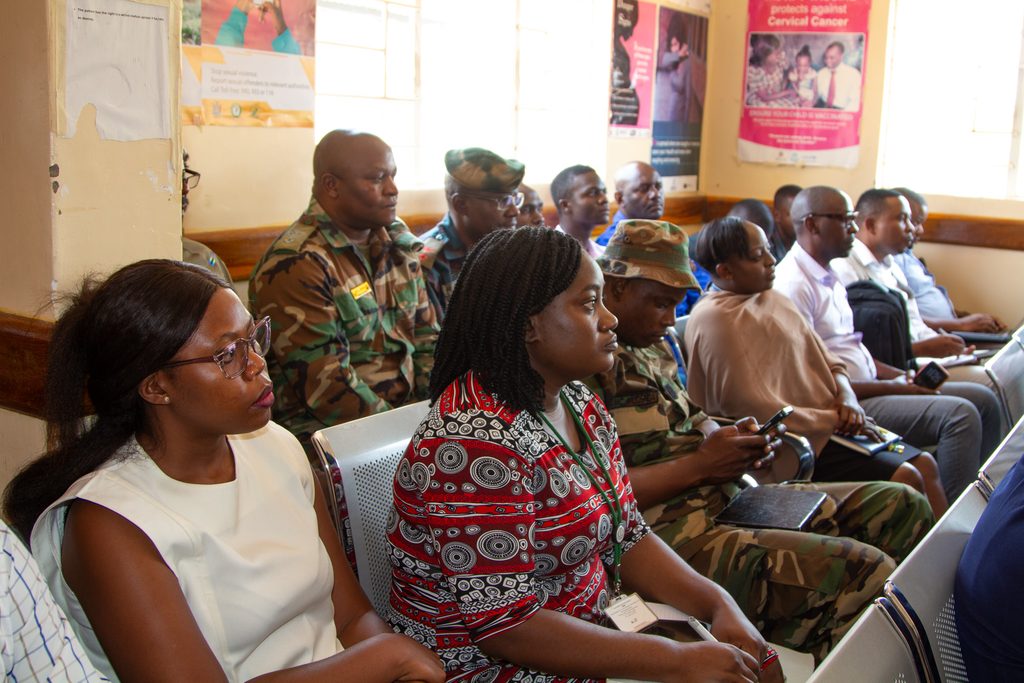
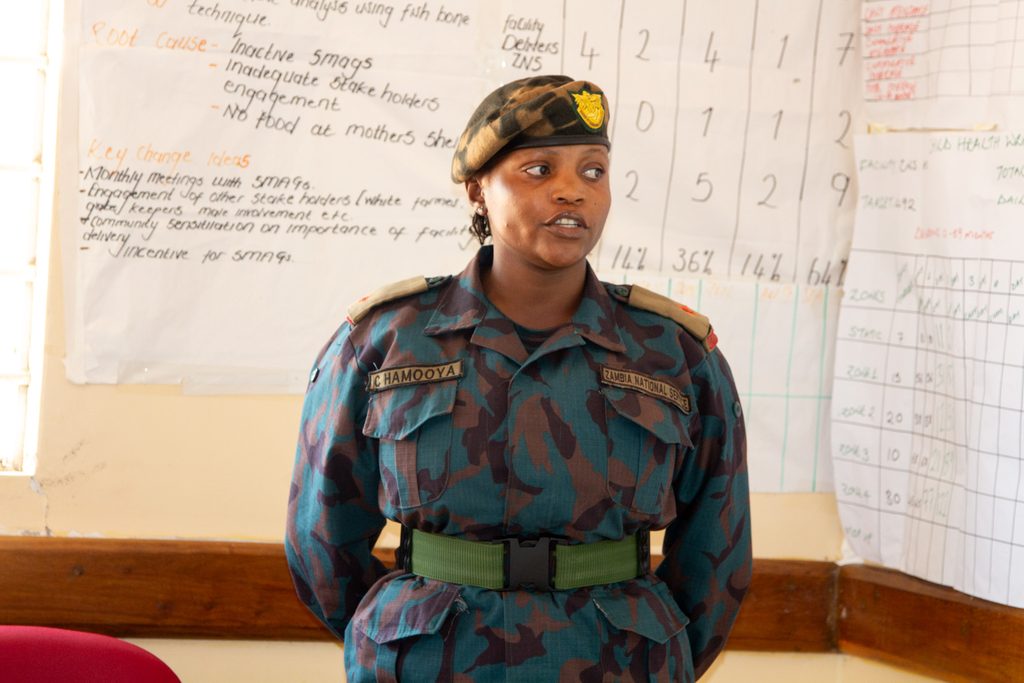
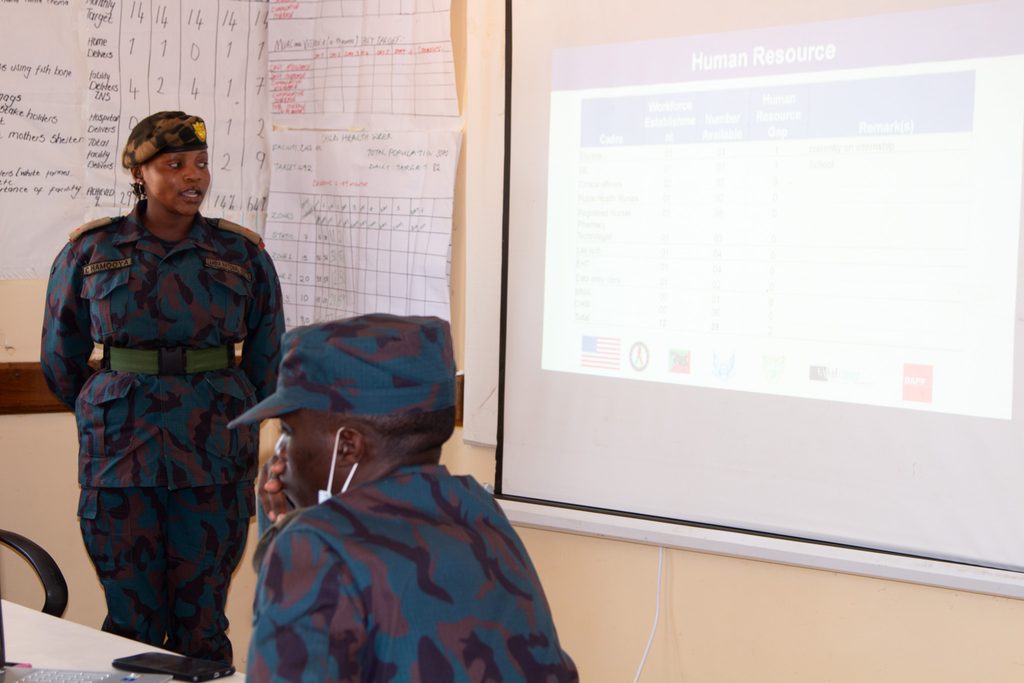
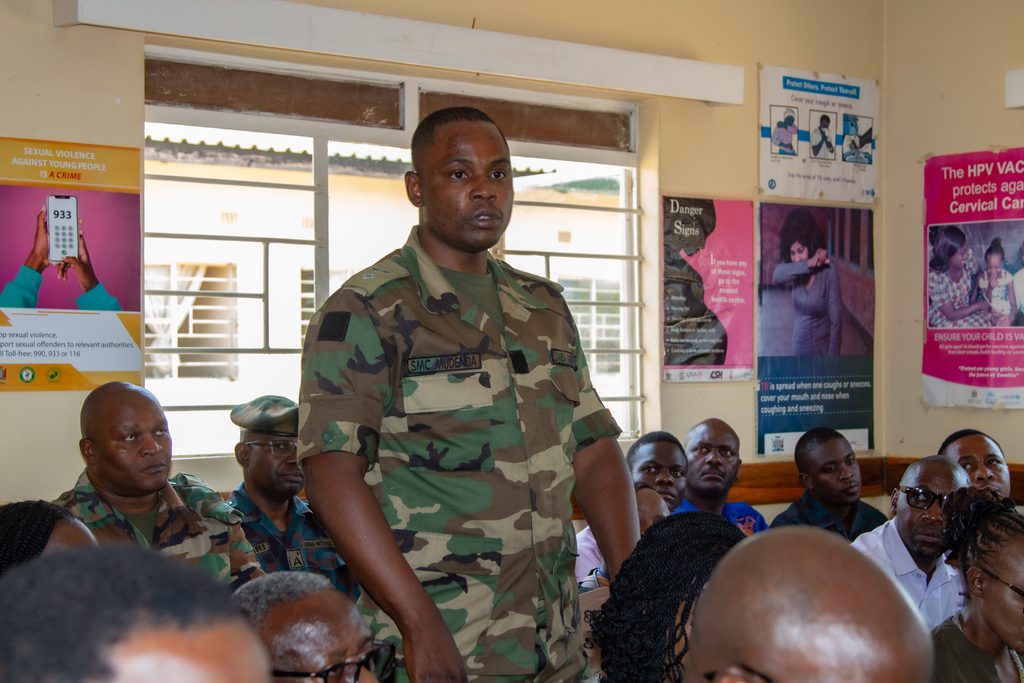
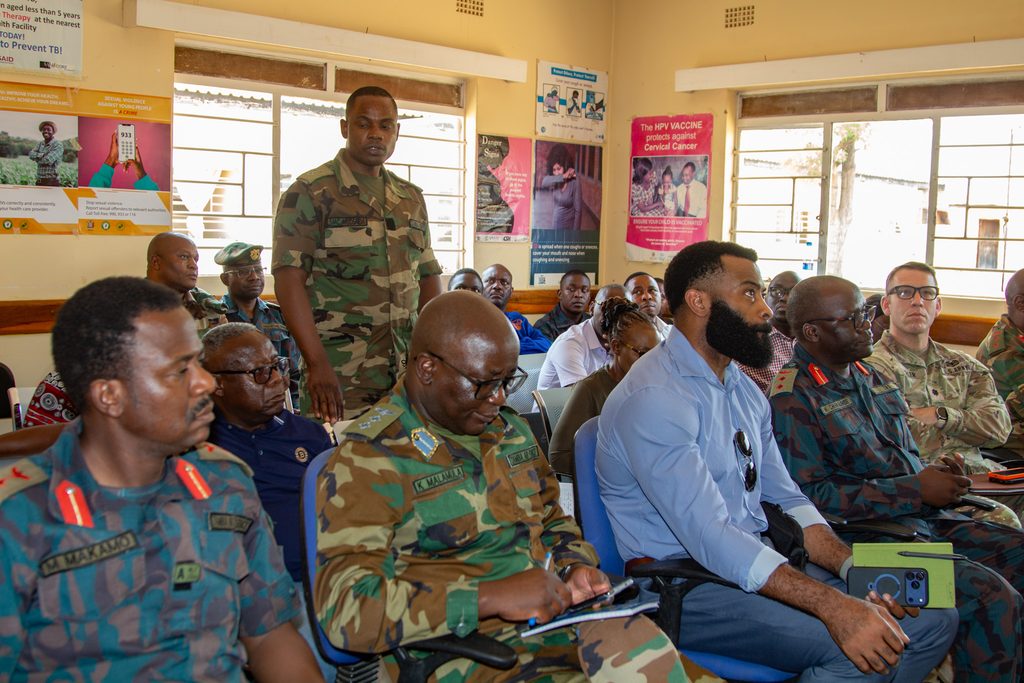
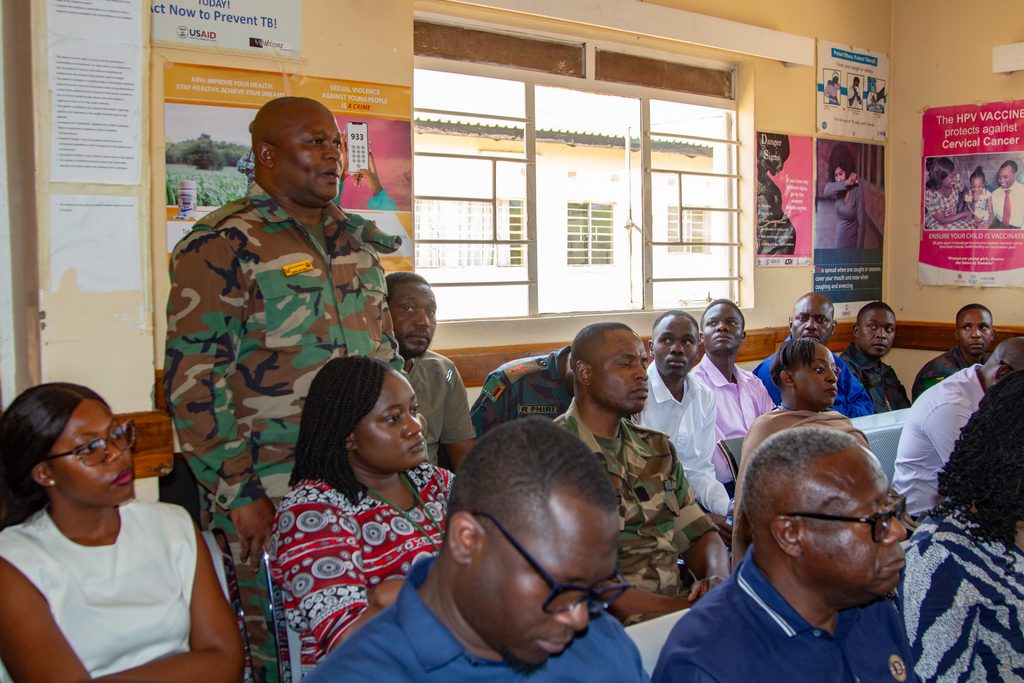
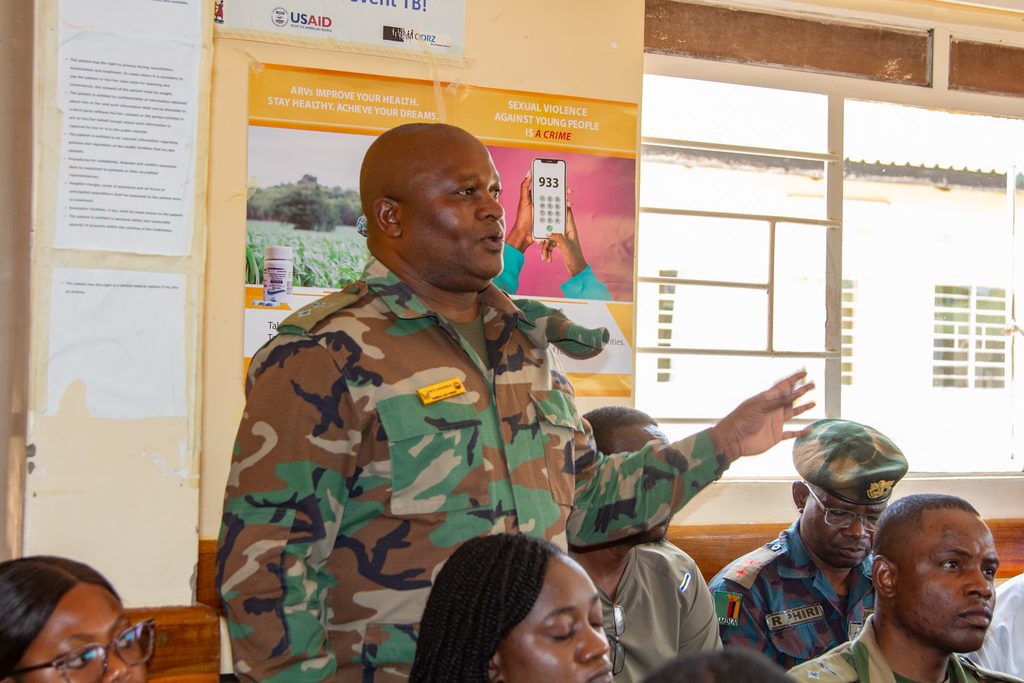
Strong HIV services depend not only on access to treatment but also on reliable digital systems, functional equipment and adequate healthcare infrastructure. A recent programme review visit to the Zambia National Service (ZNS) Choma Rural Health Facility in Southern Province highlighted progress in service delivery and identified areas that need further attention.
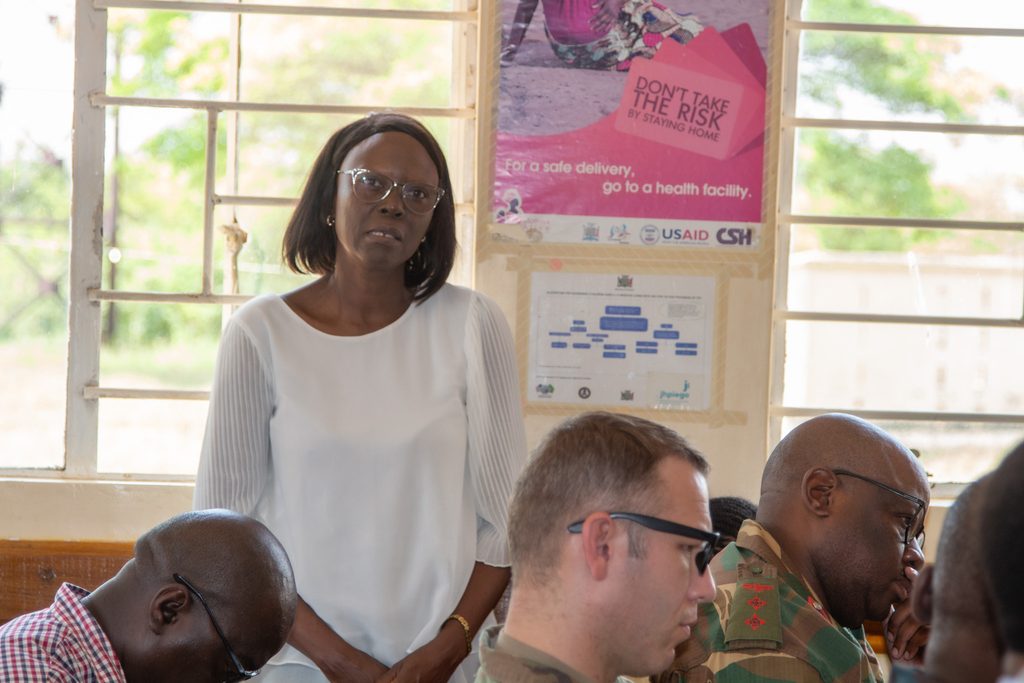
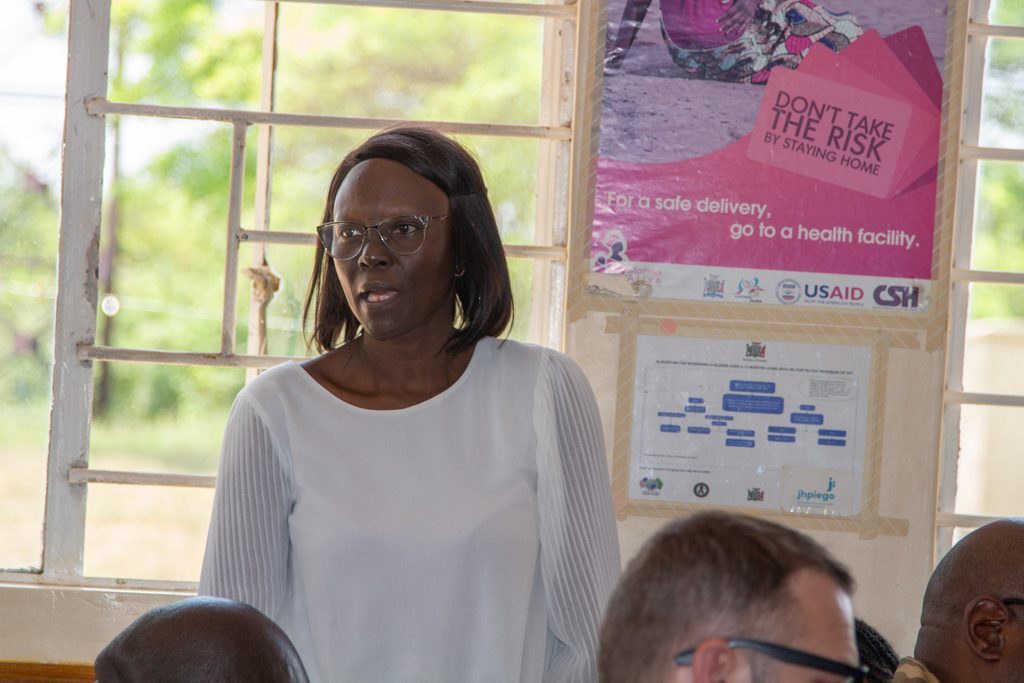
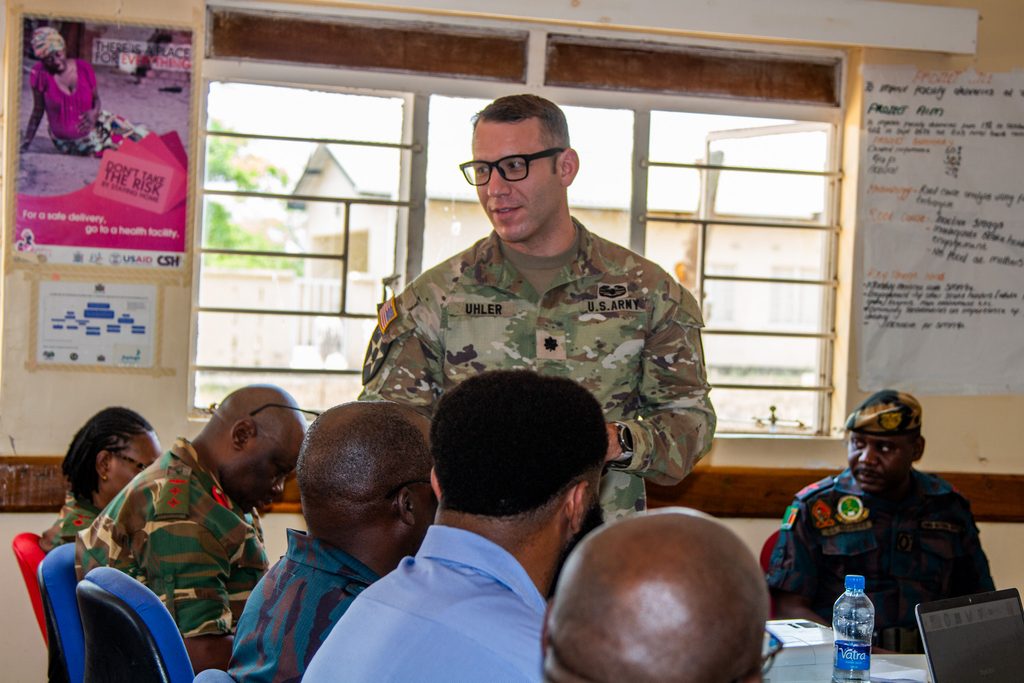
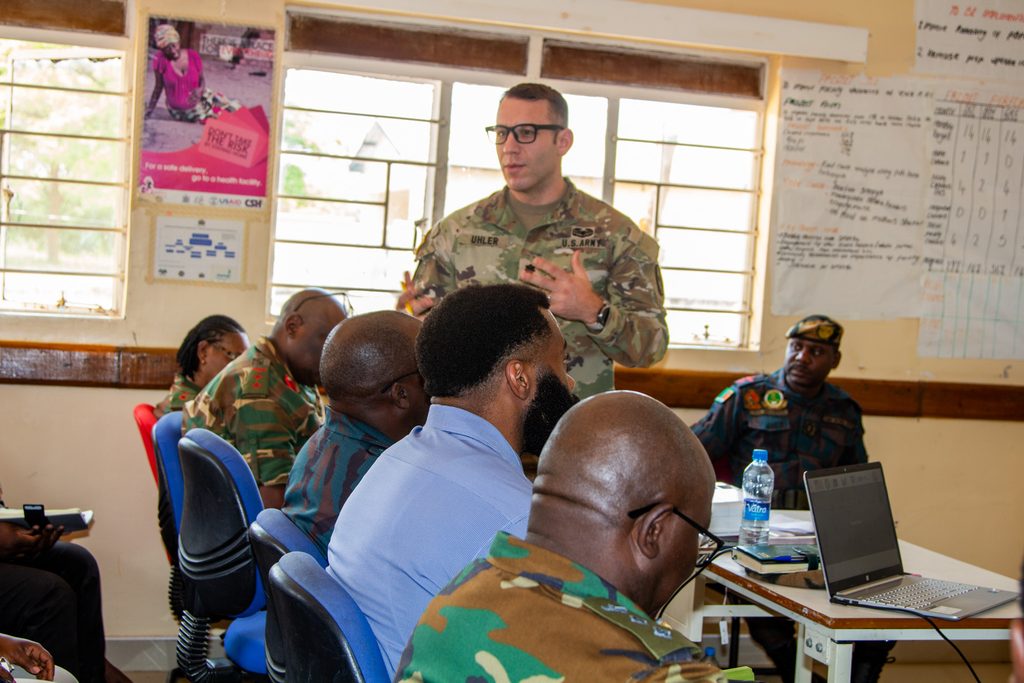
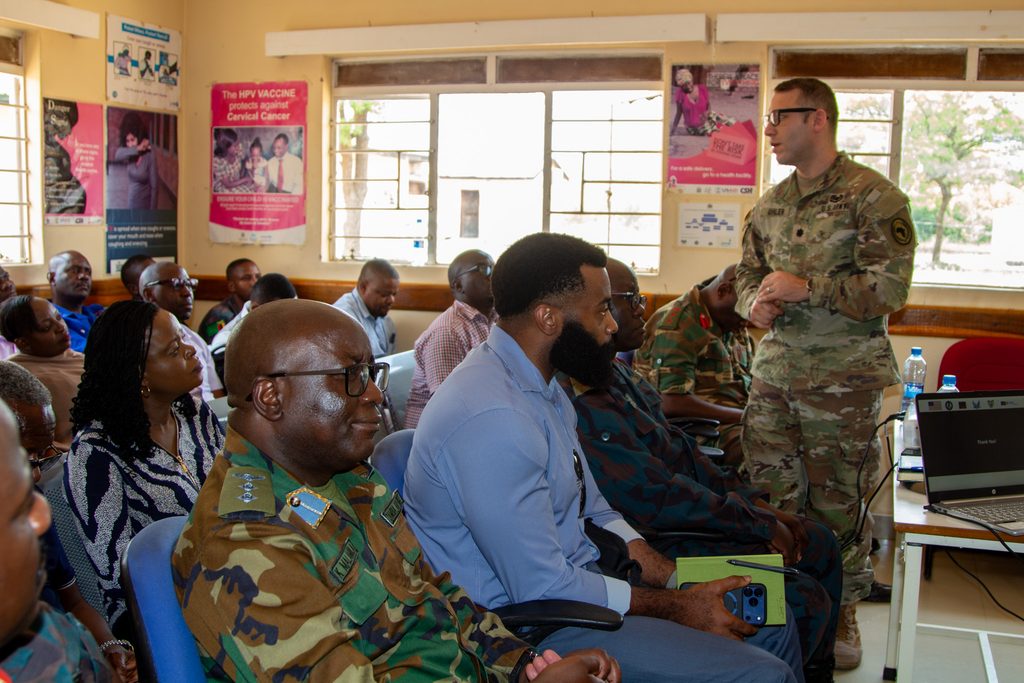
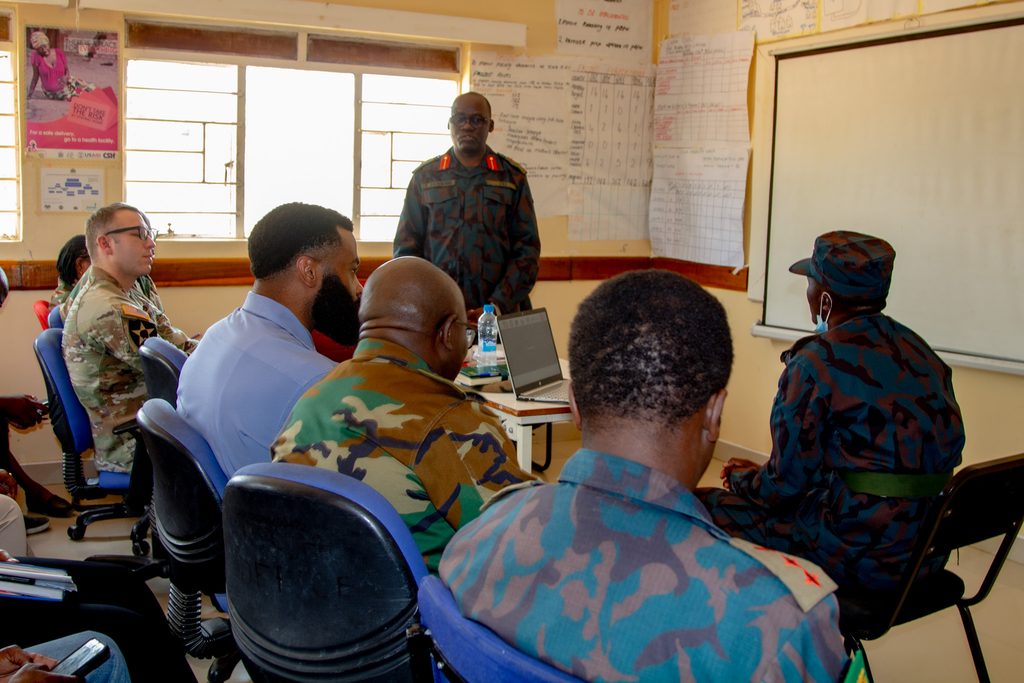
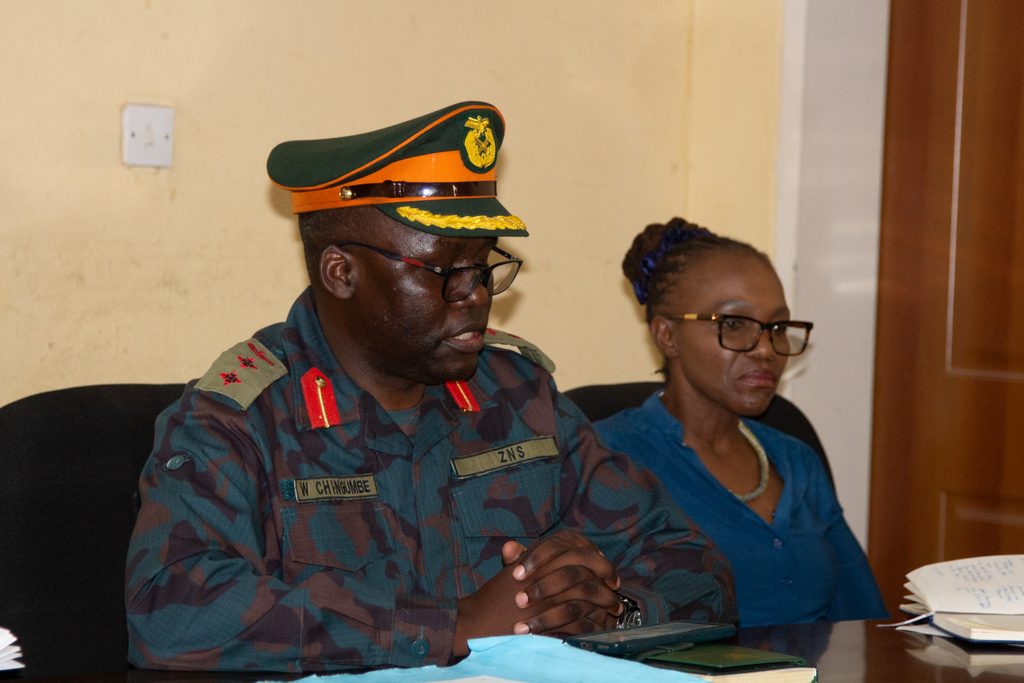
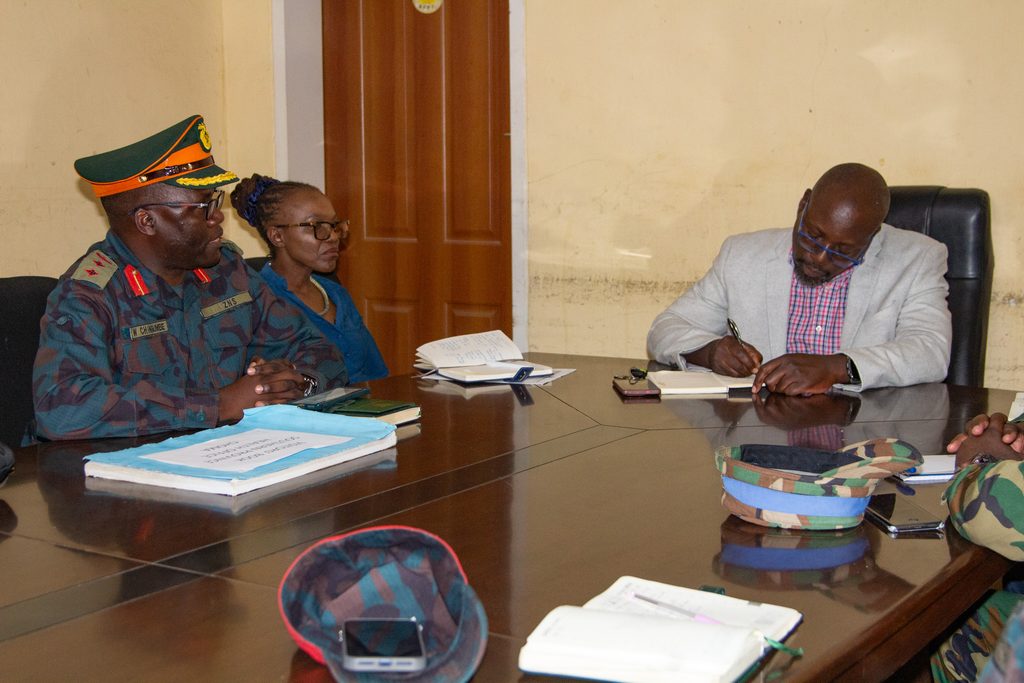
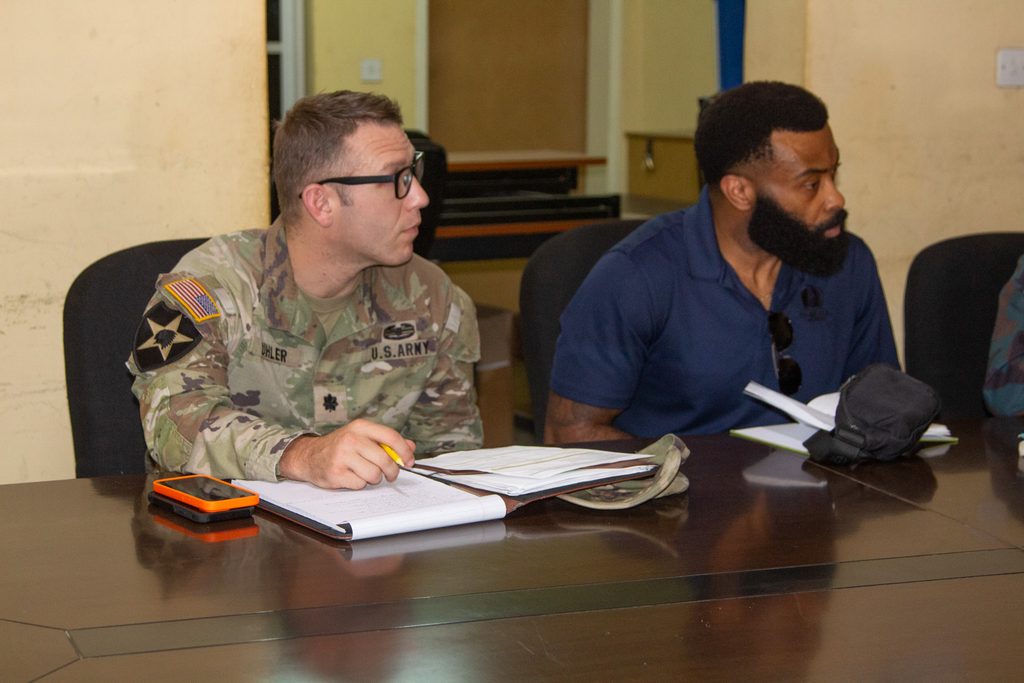
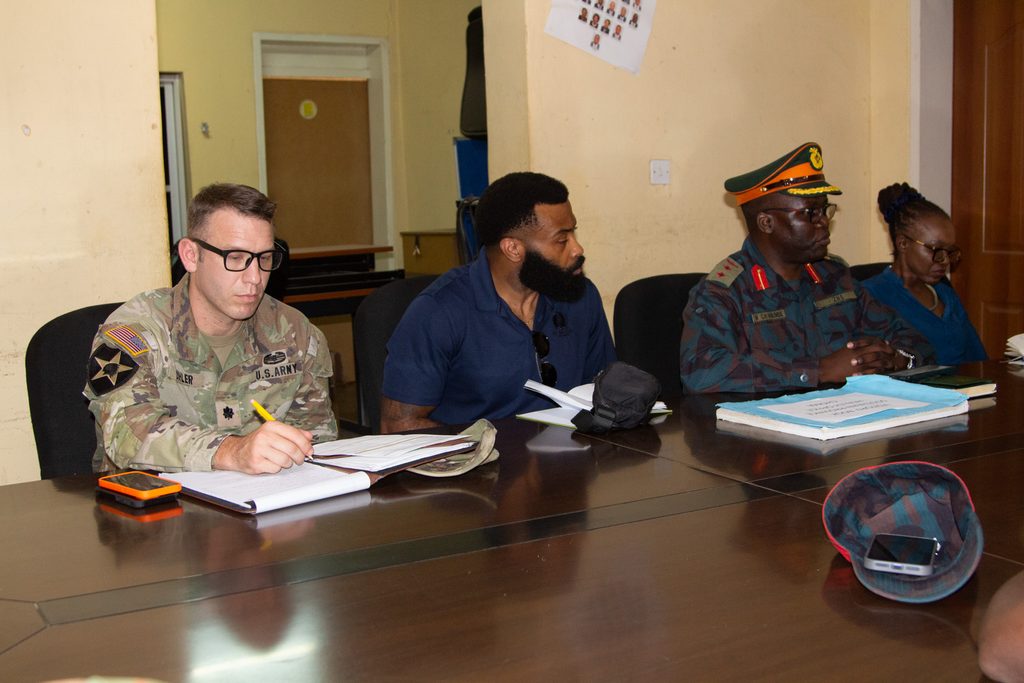
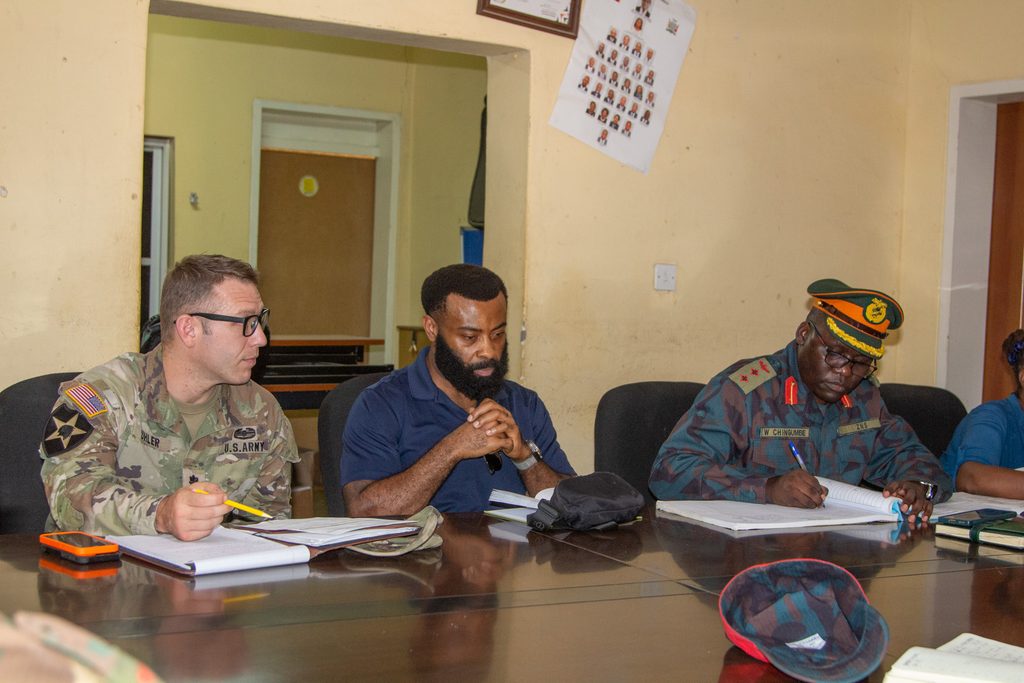
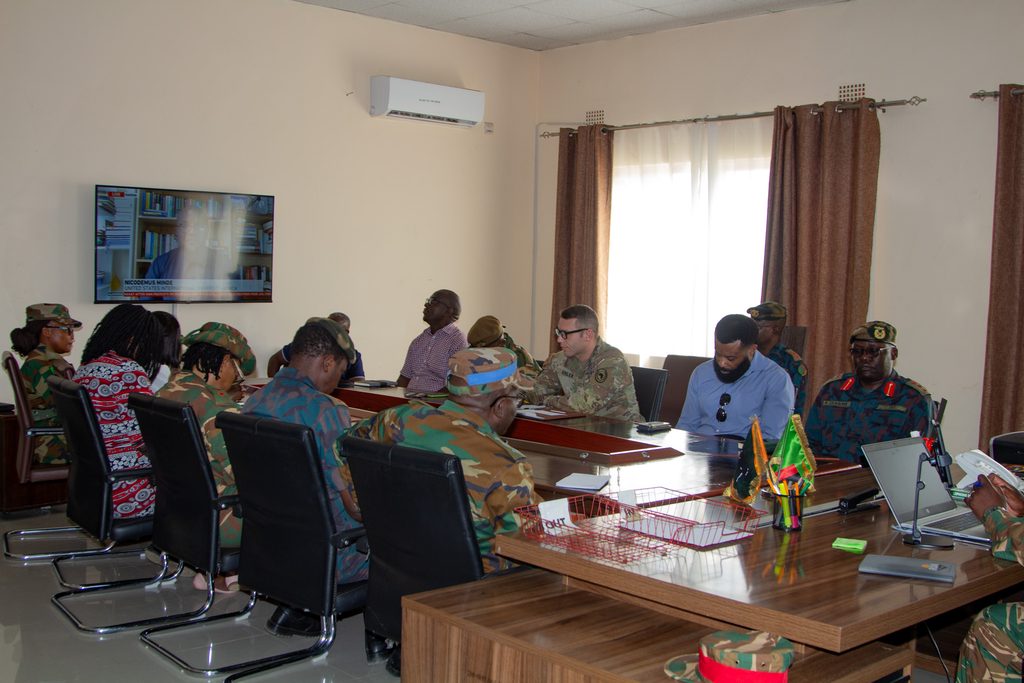
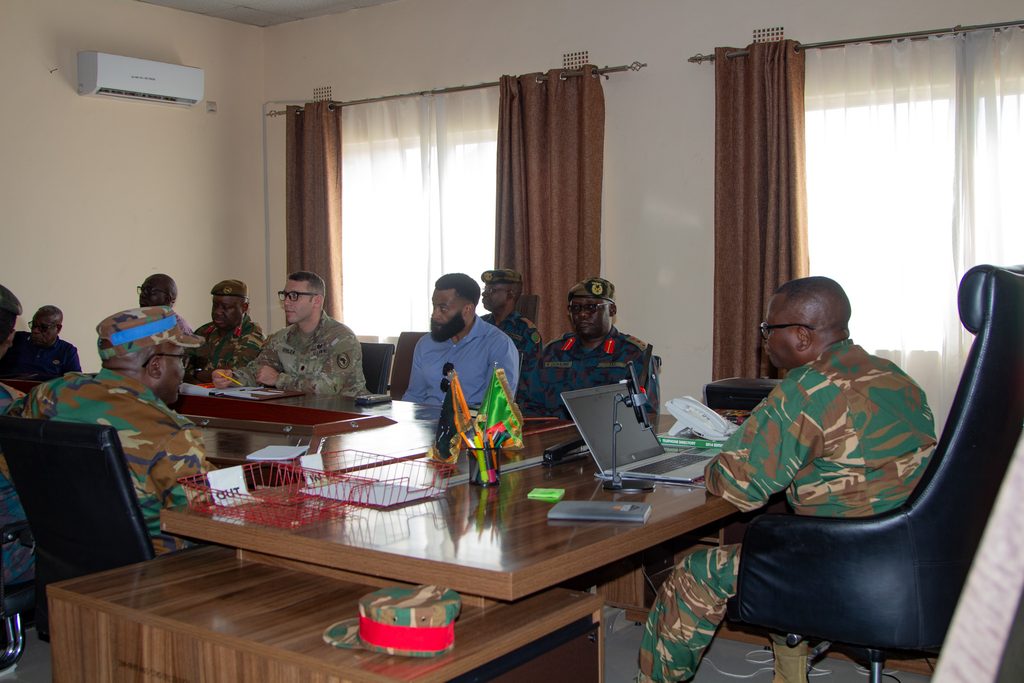
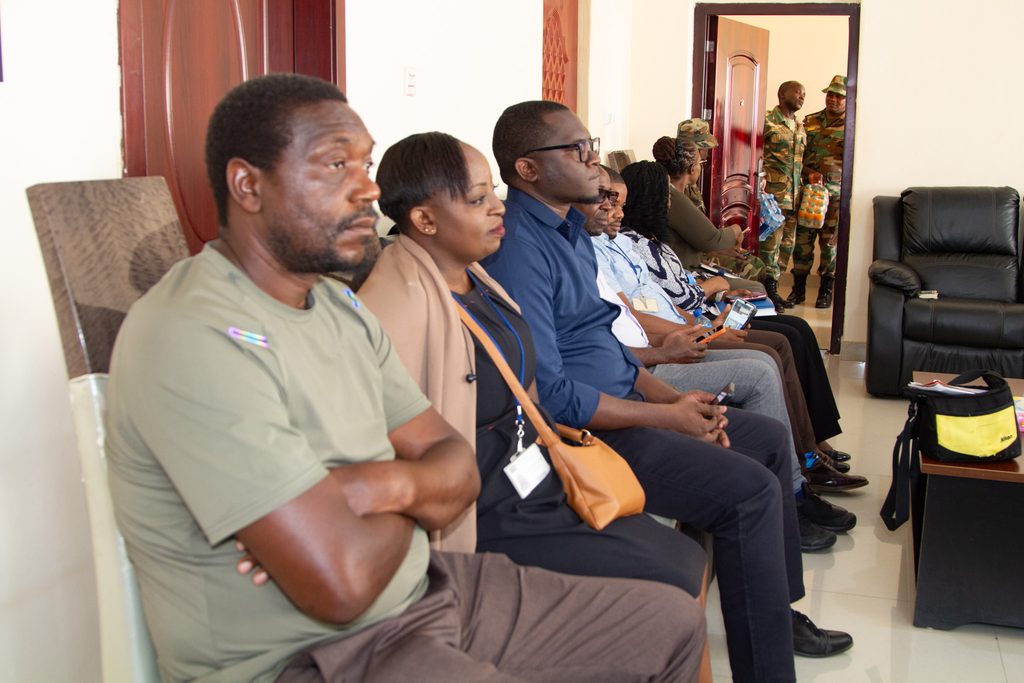
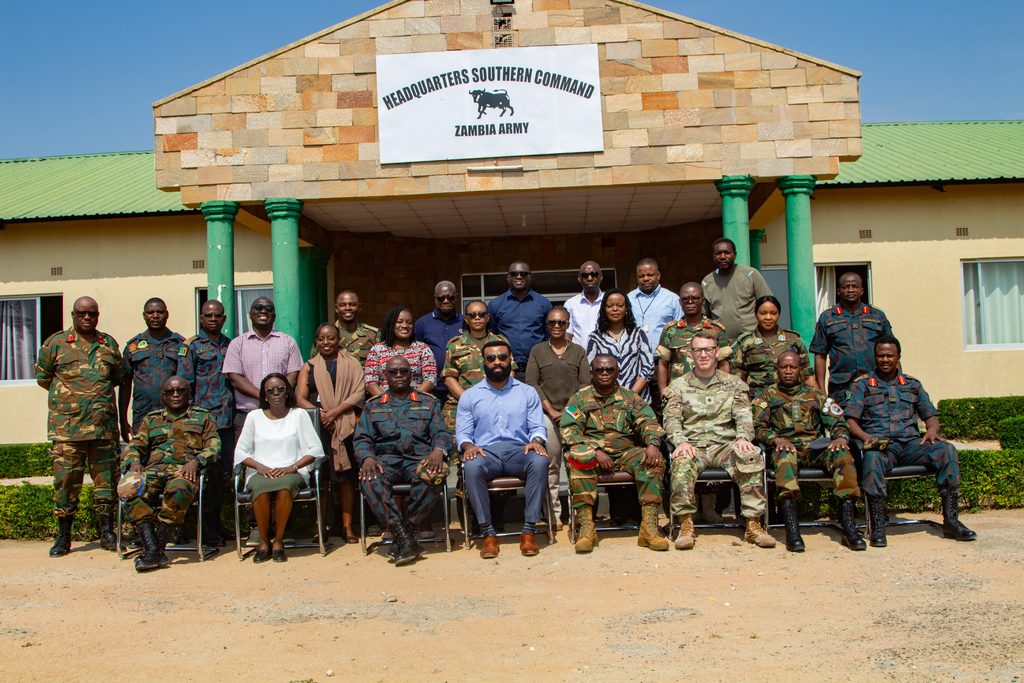
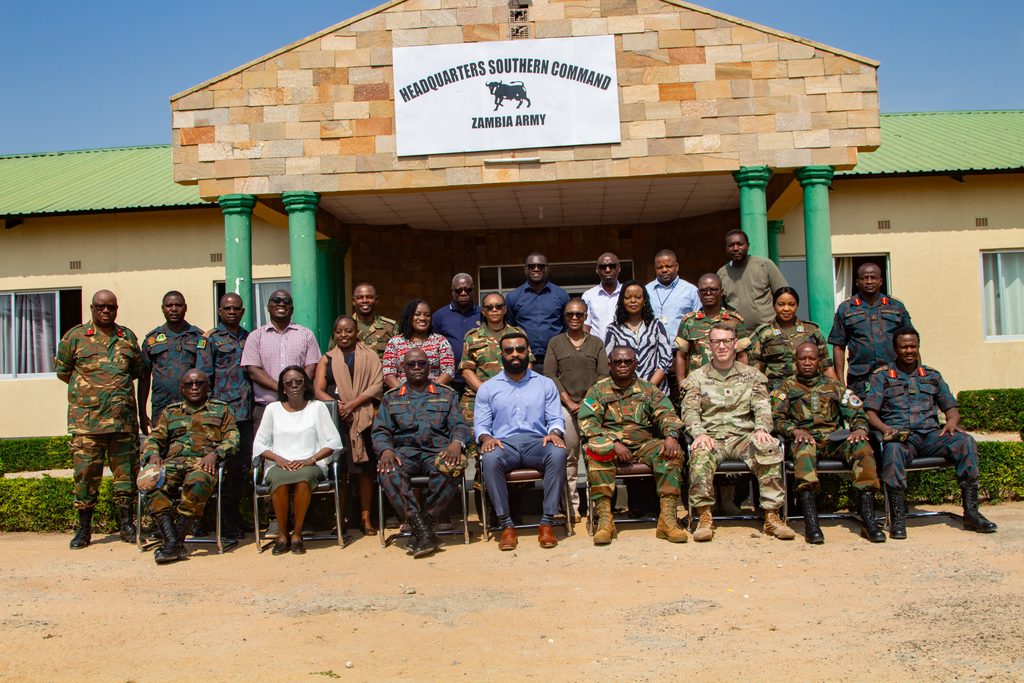
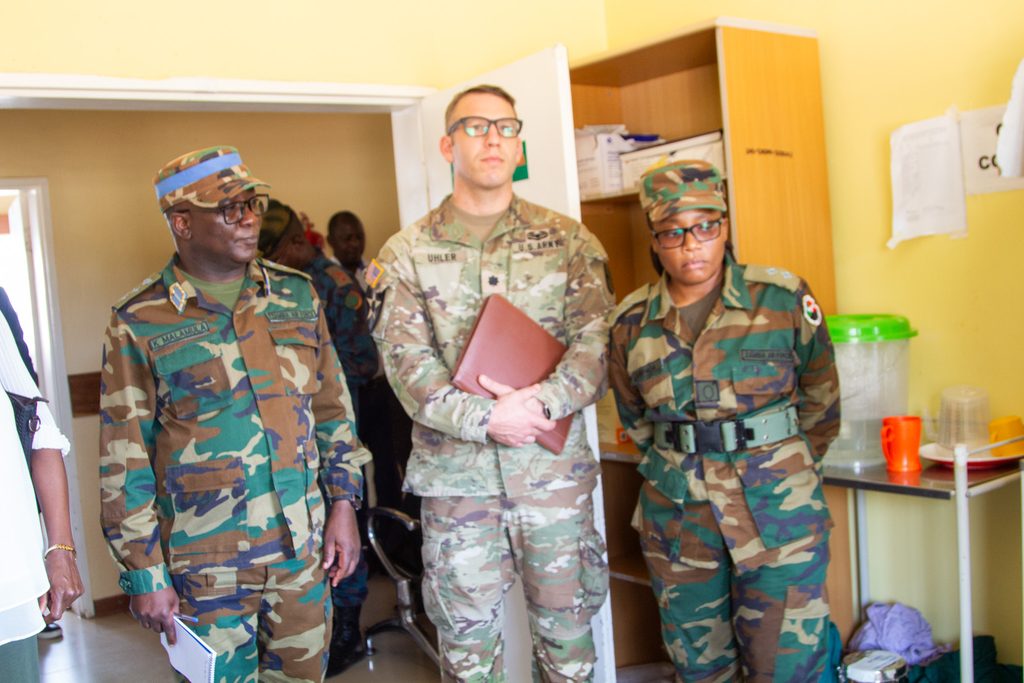
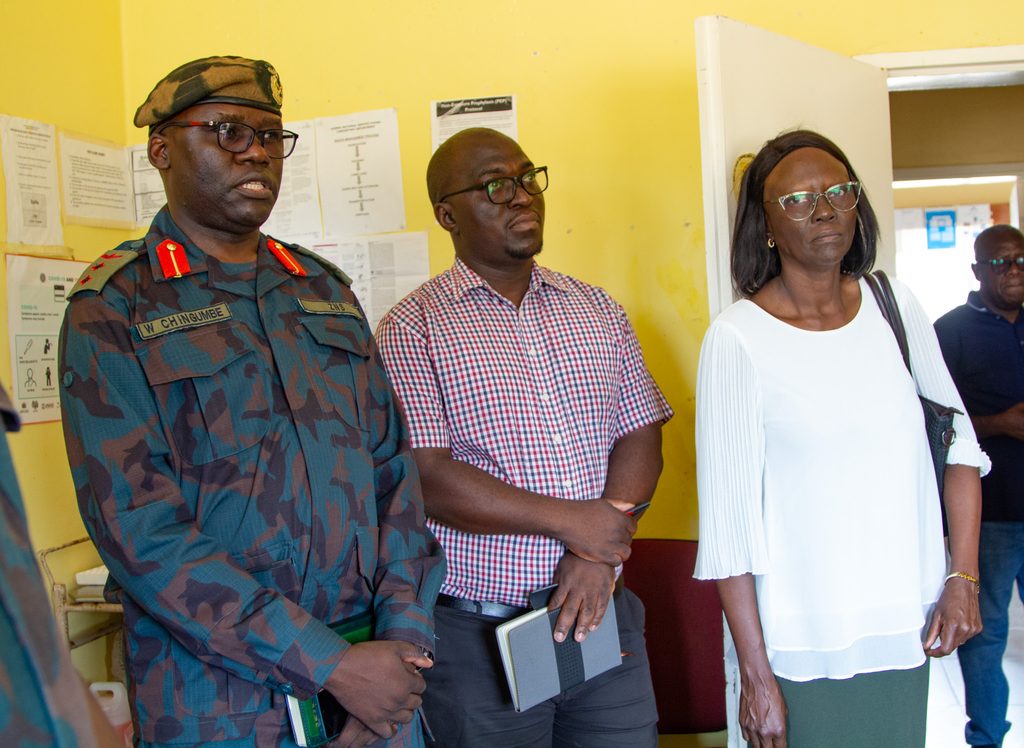
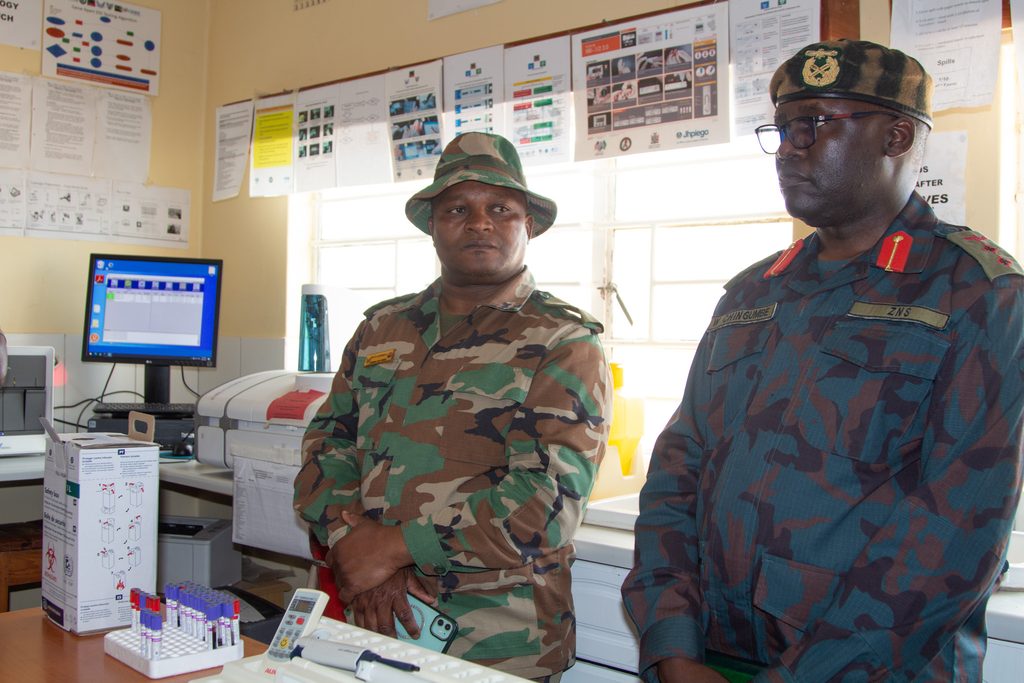
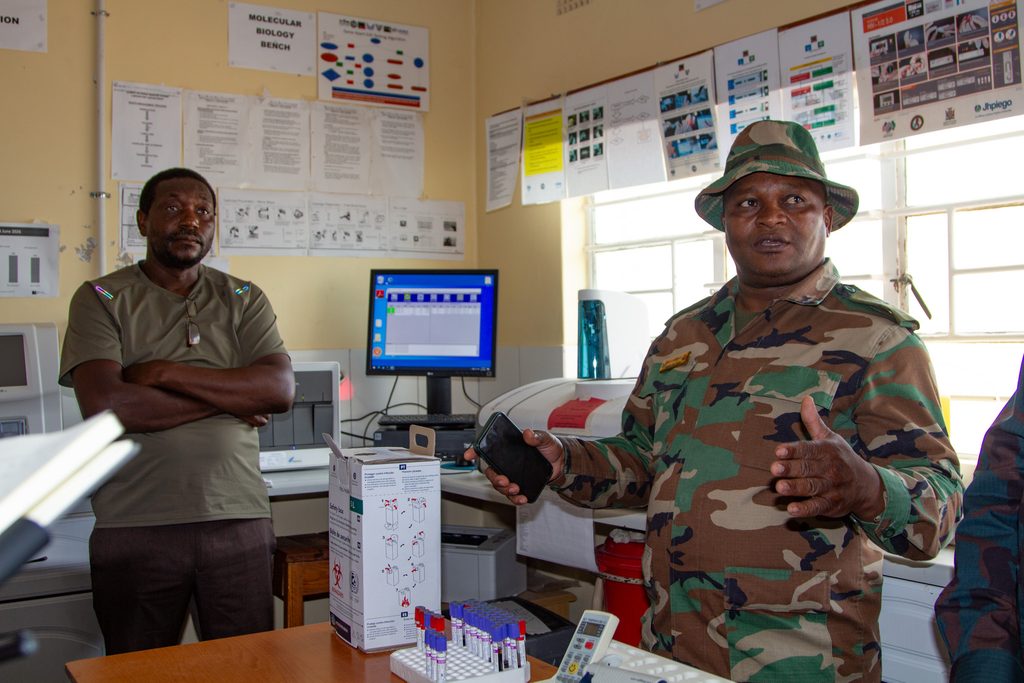
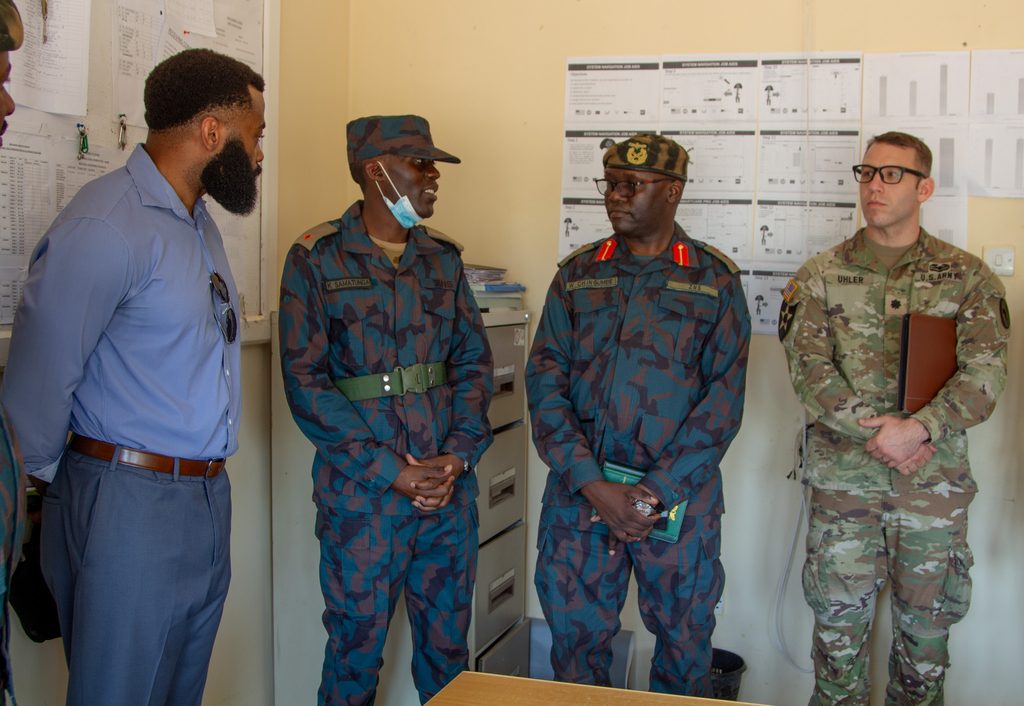
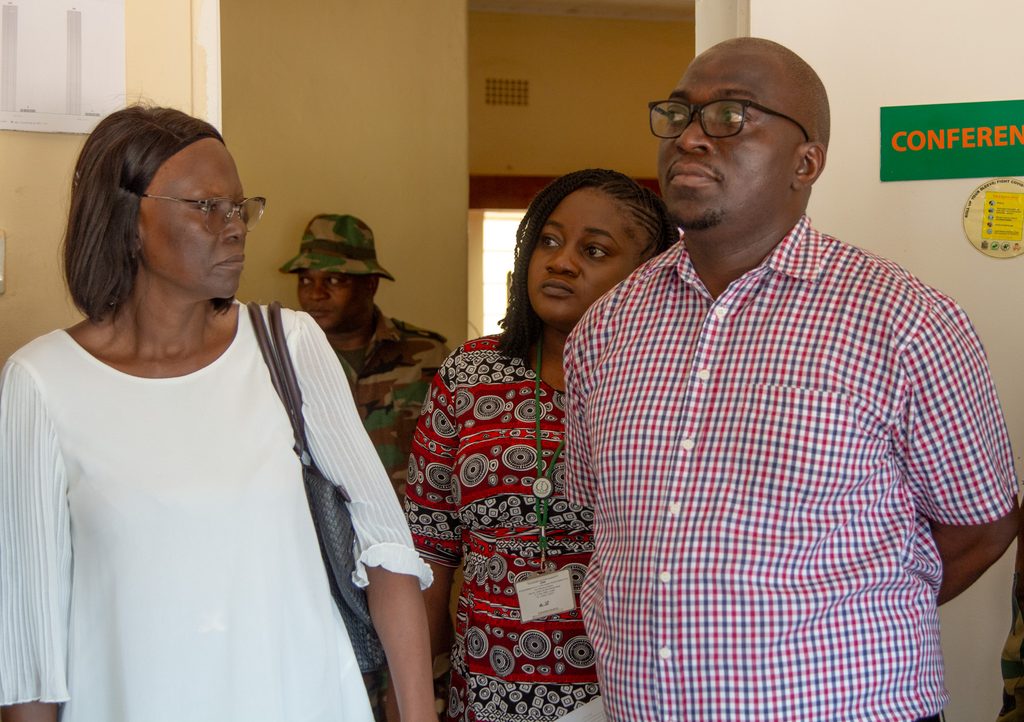
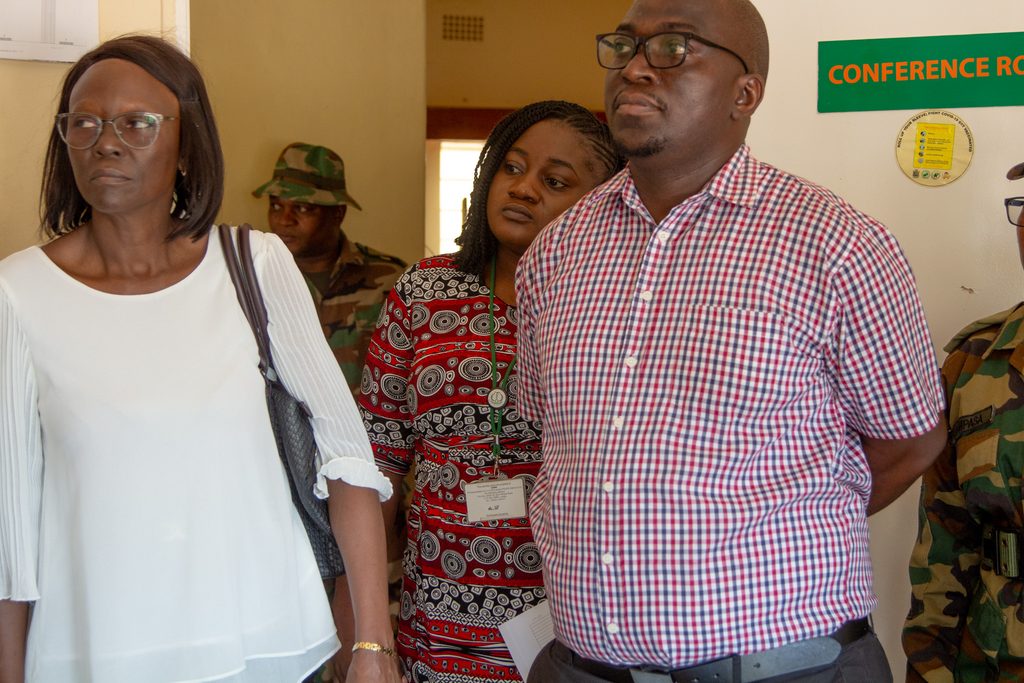
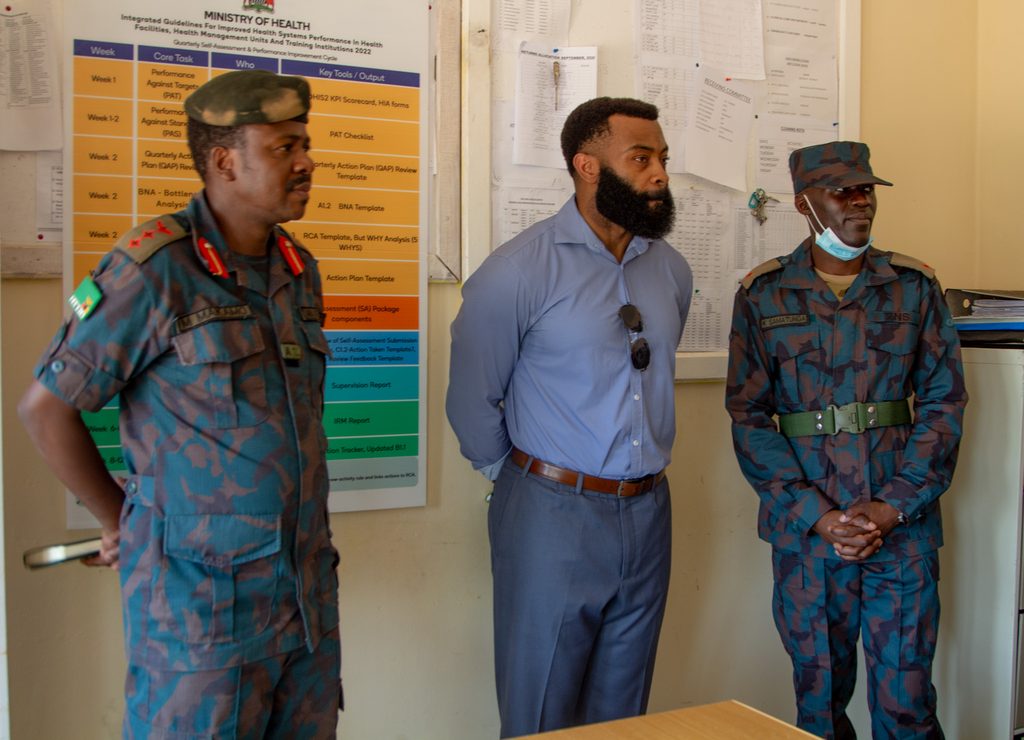
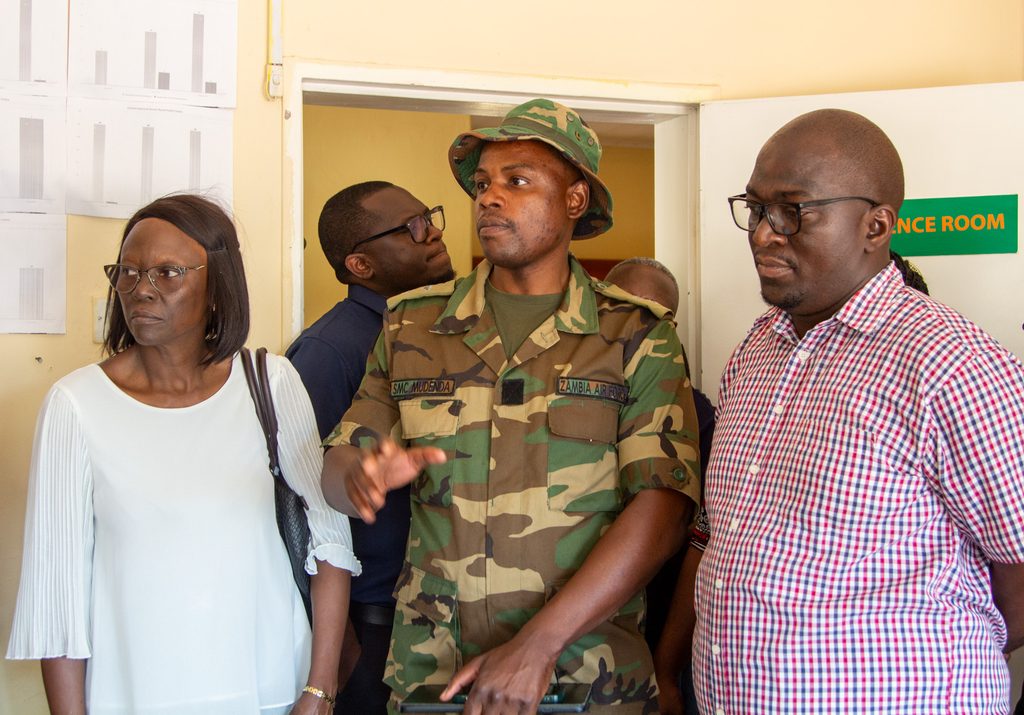
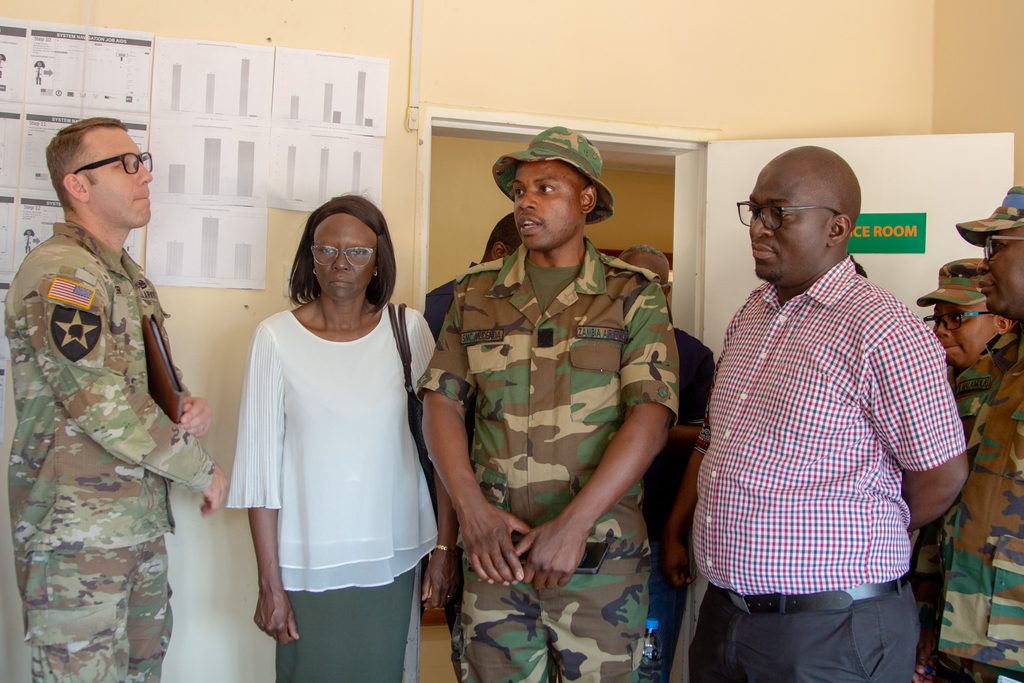
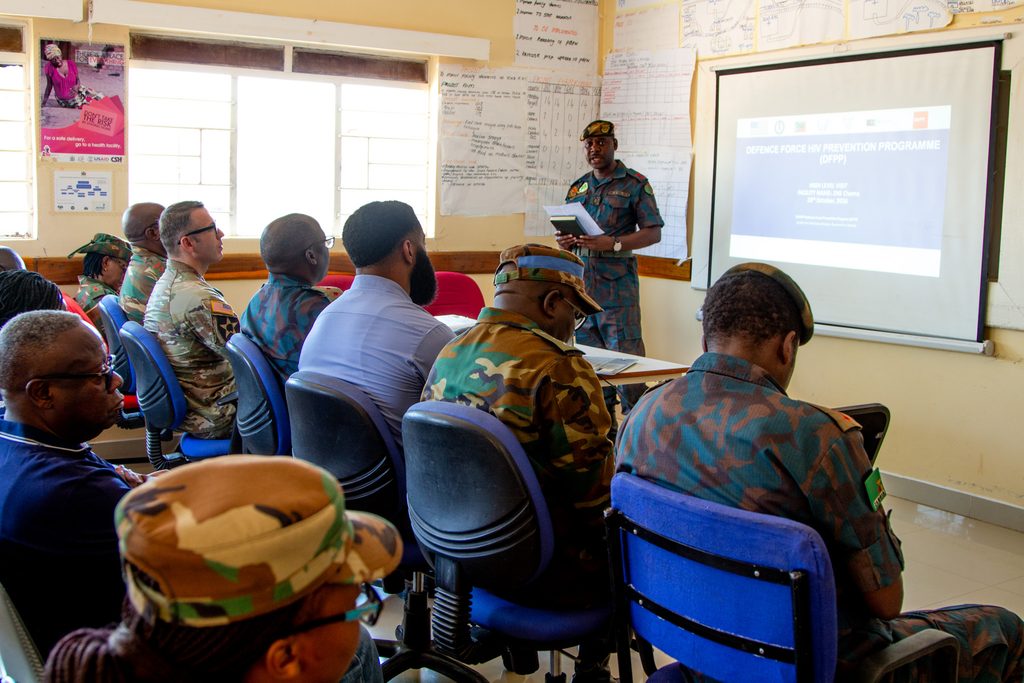
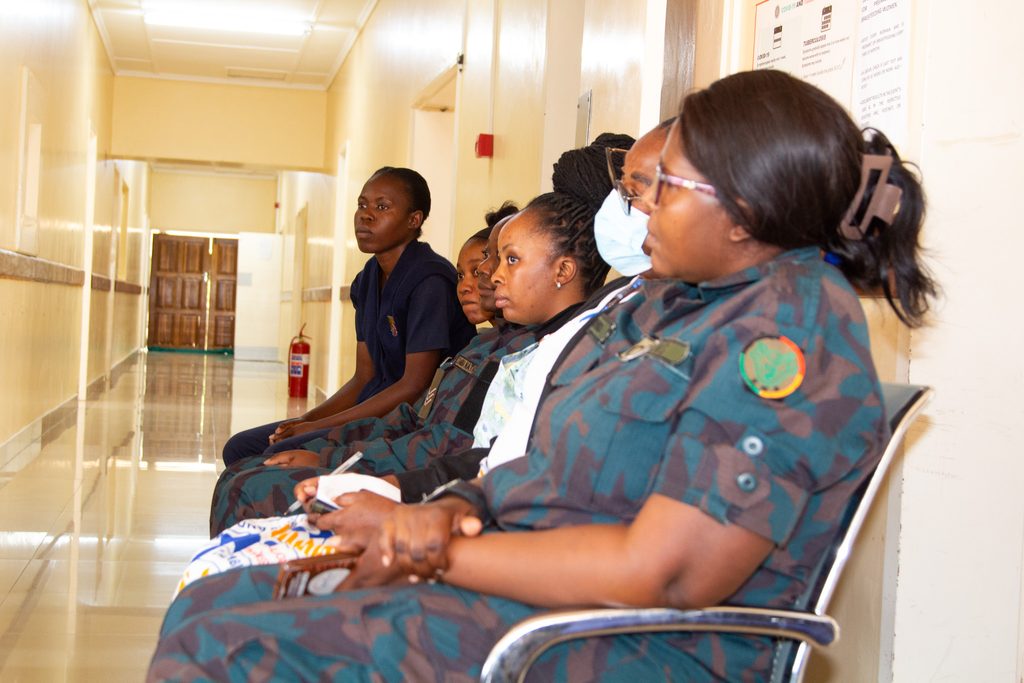
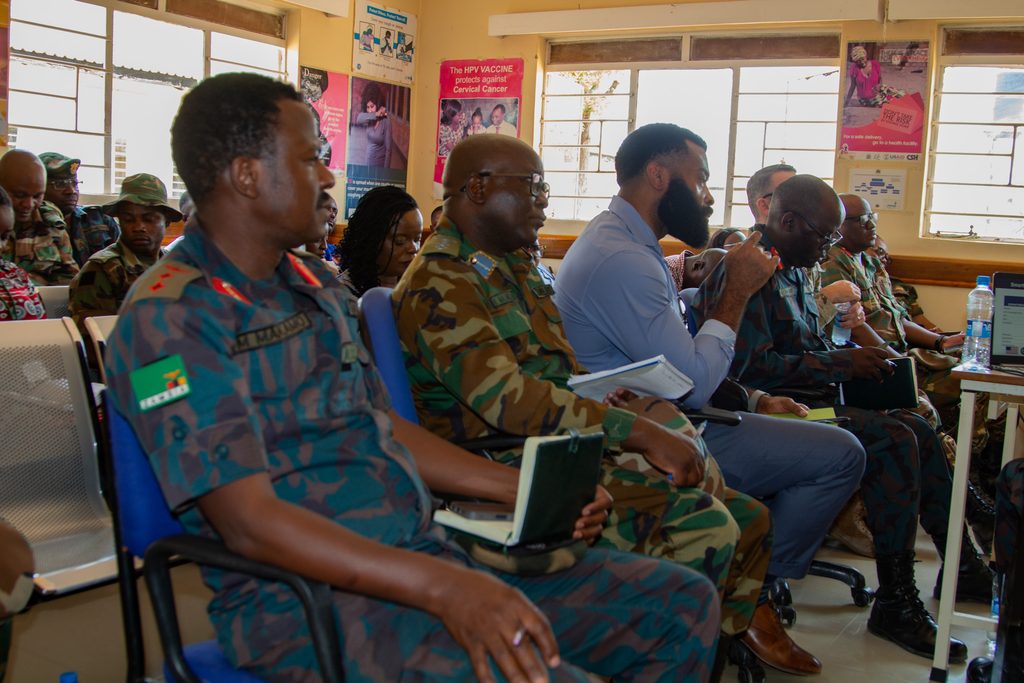
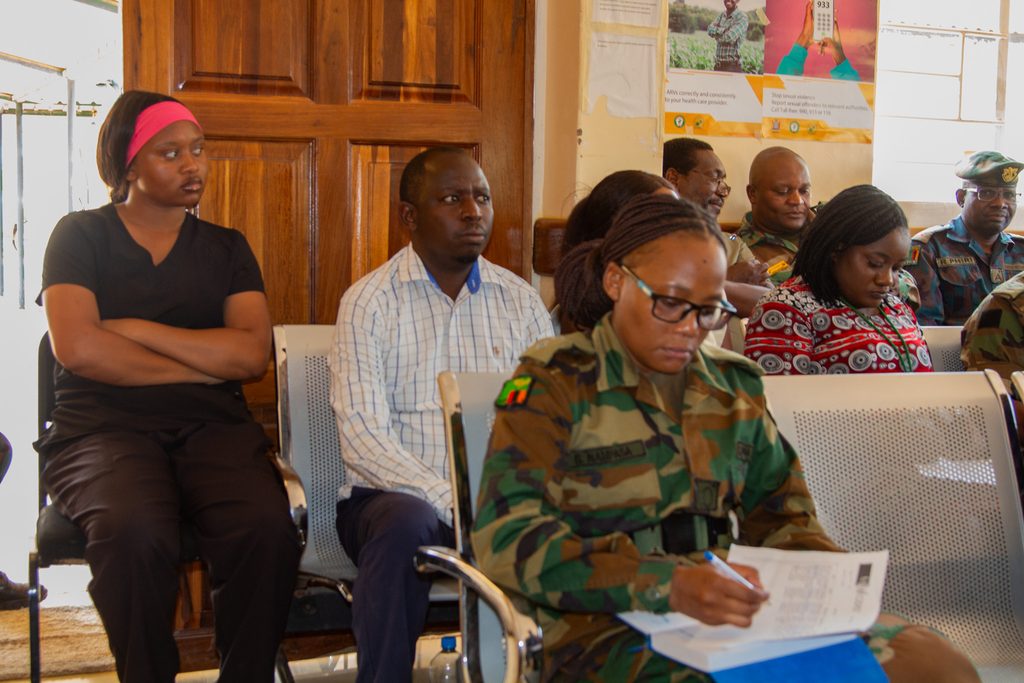
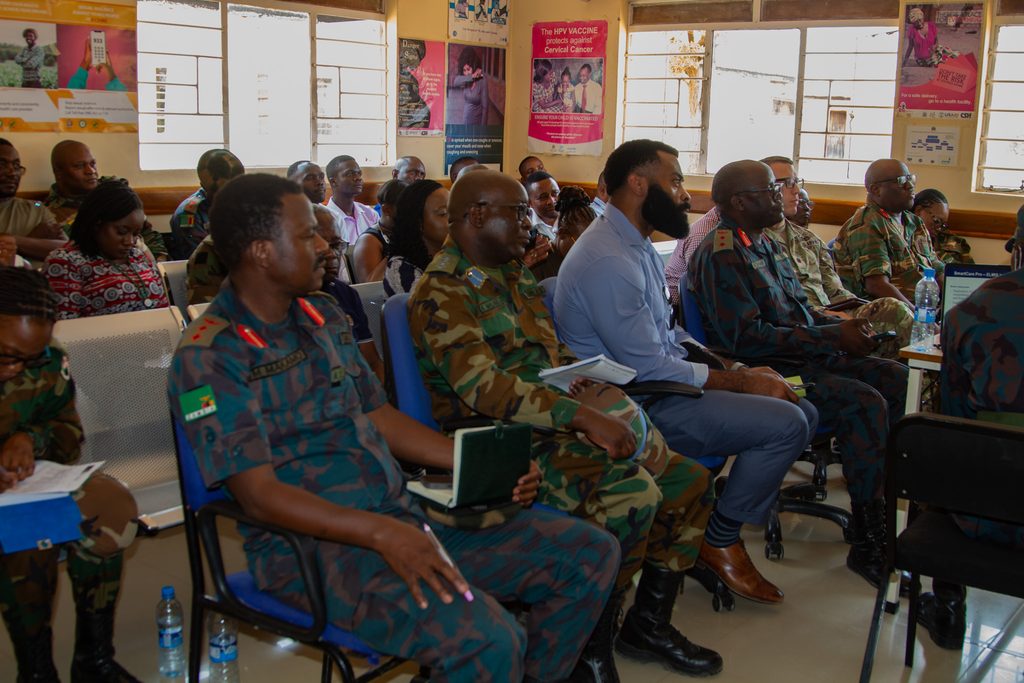
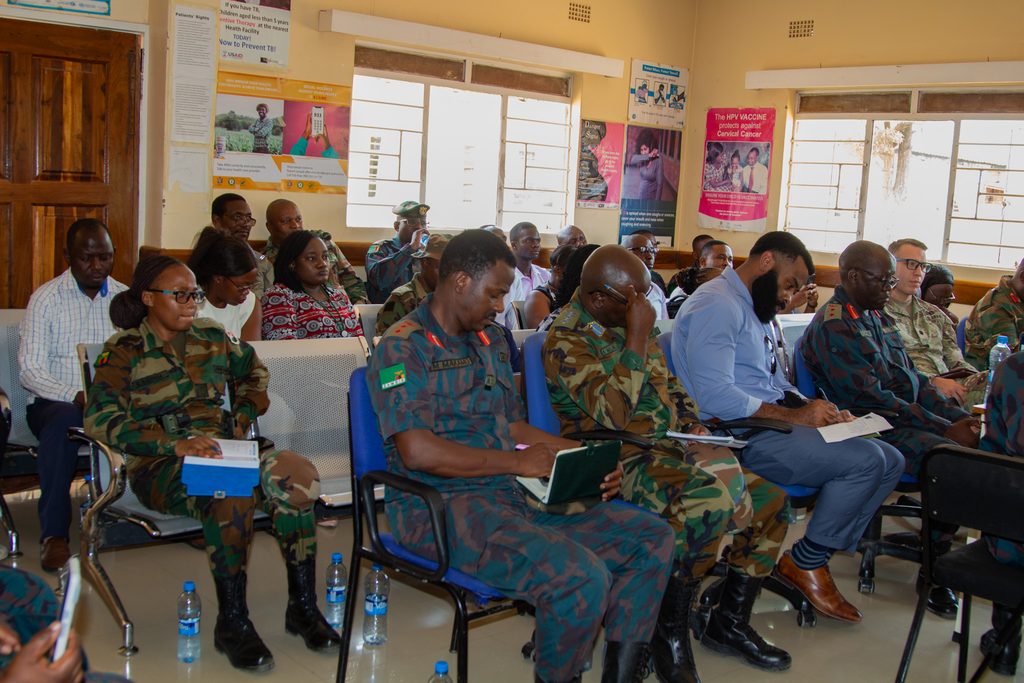
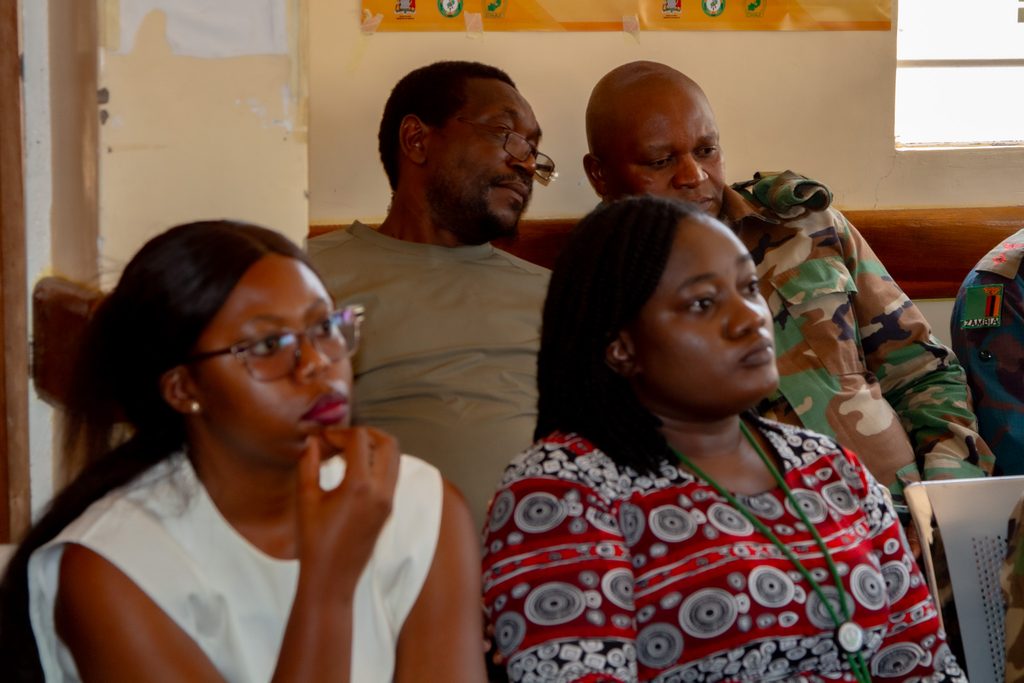
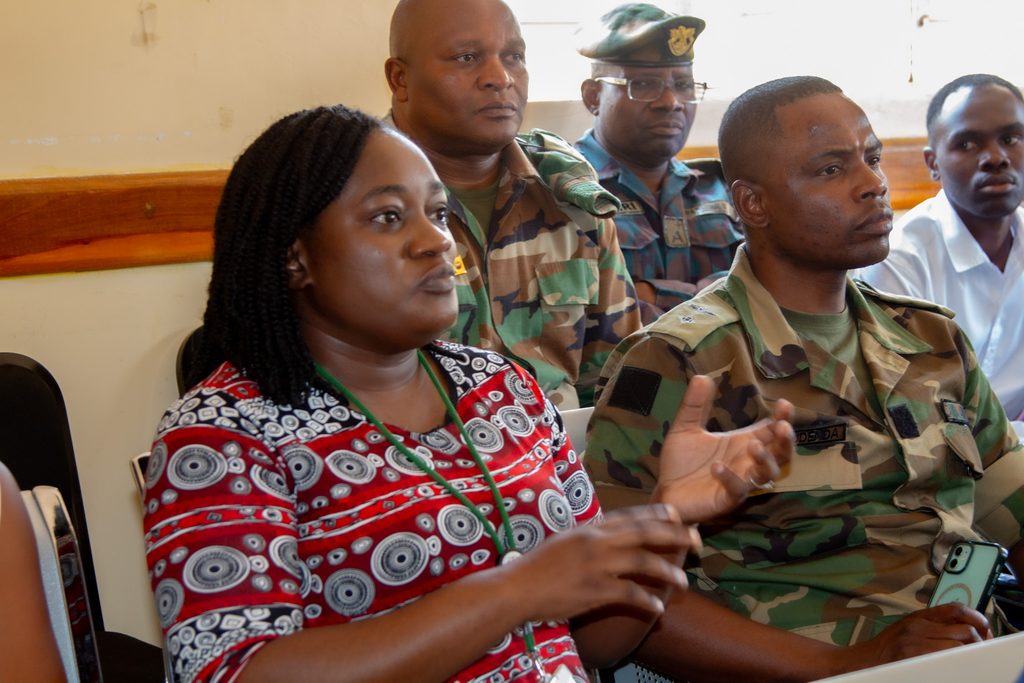
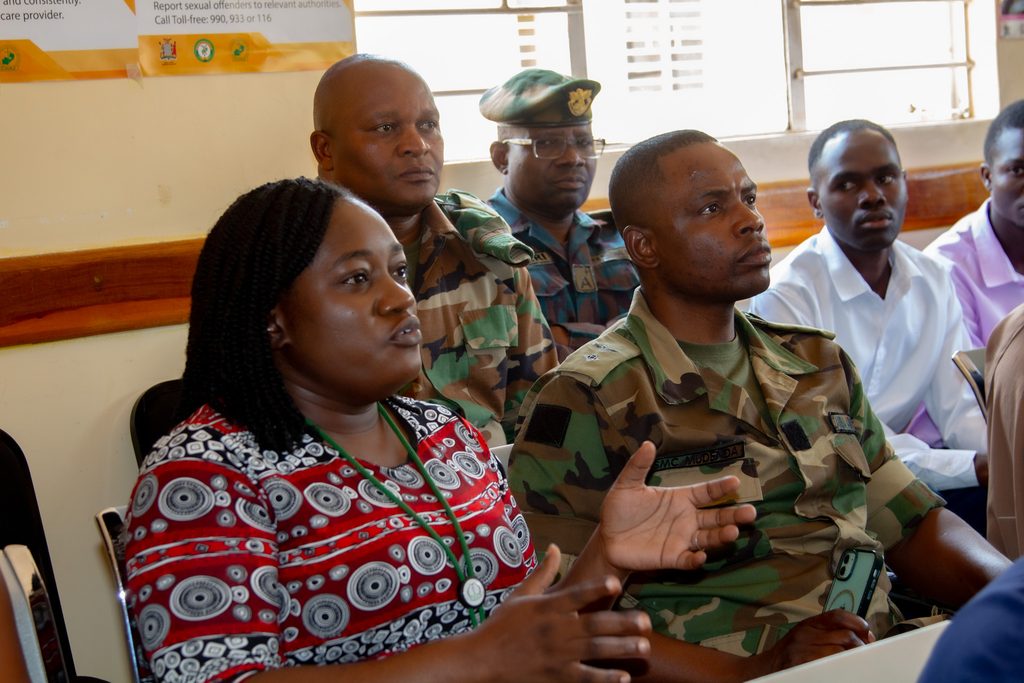
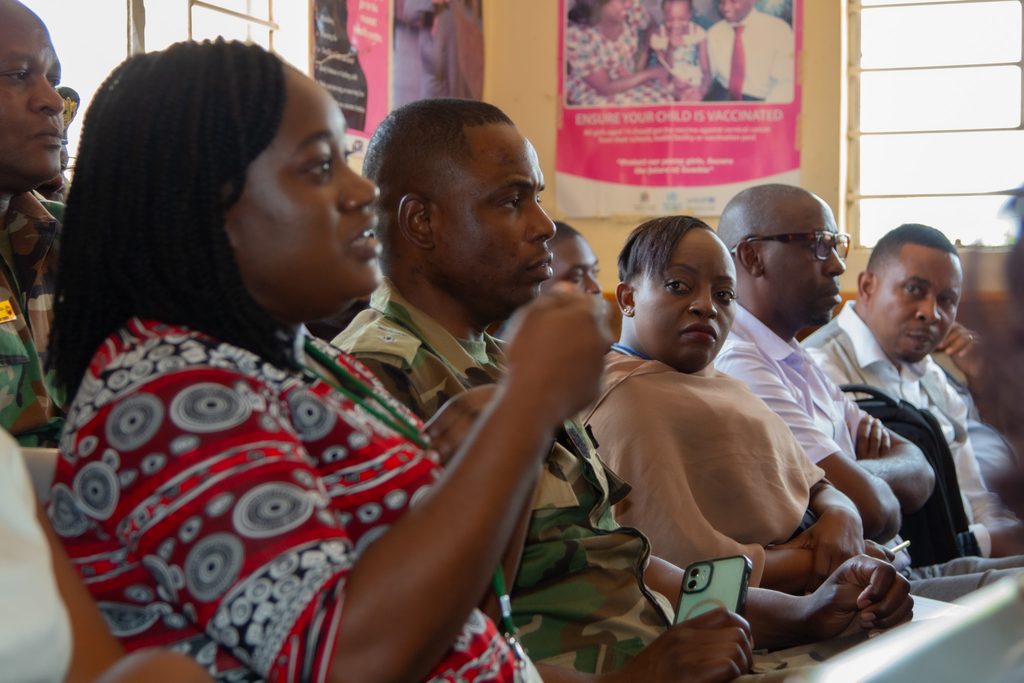
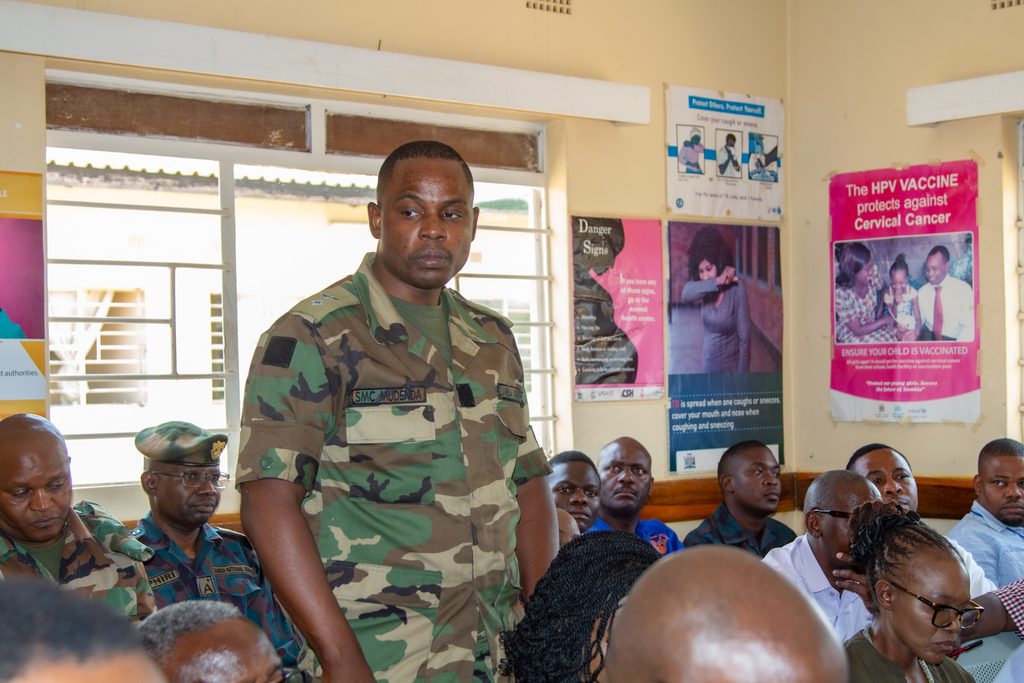
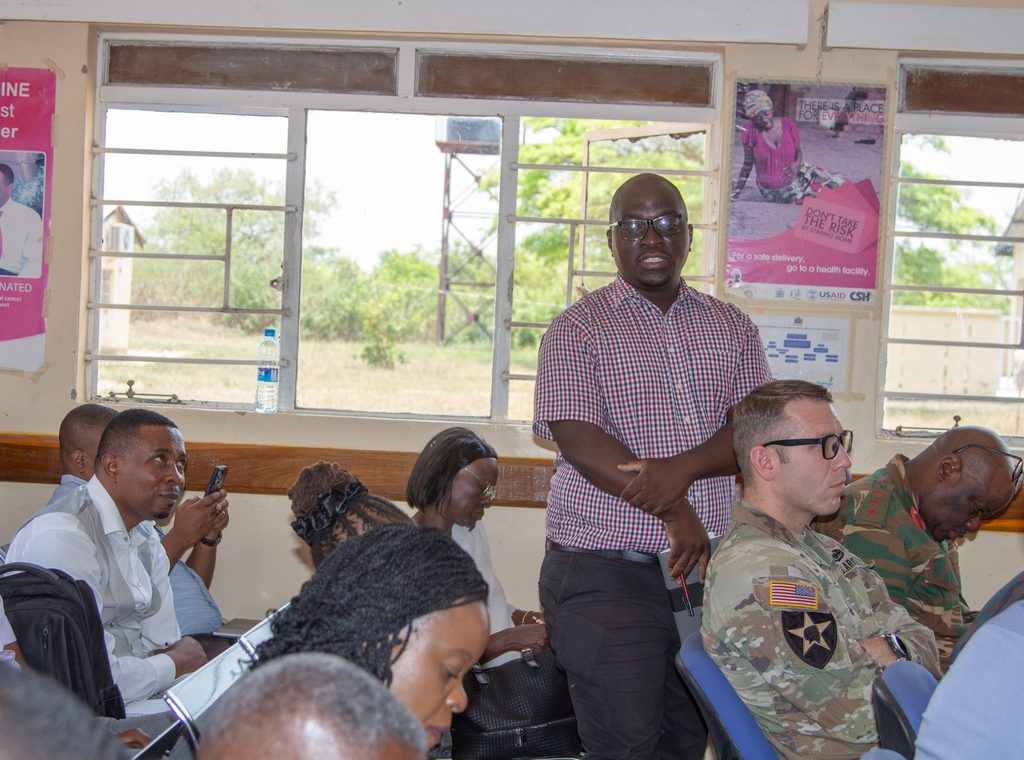
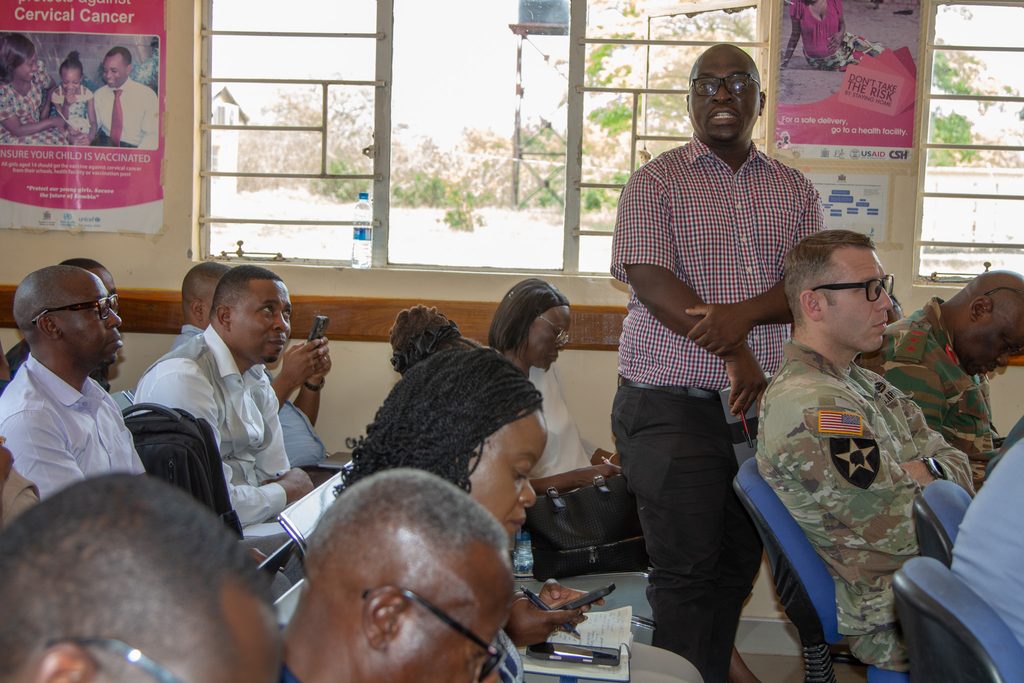
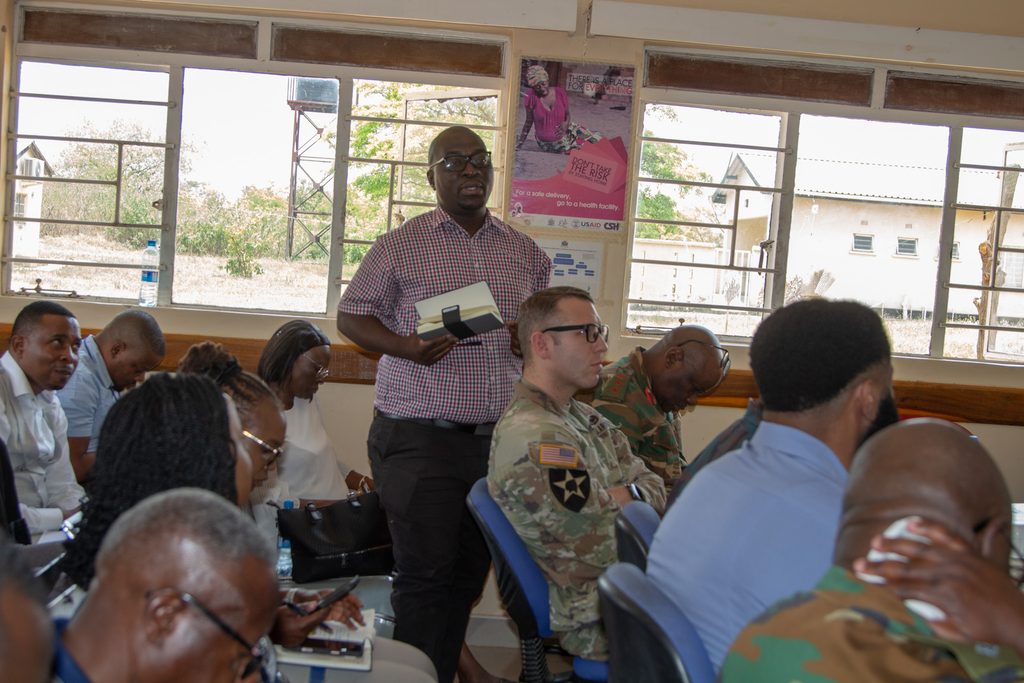
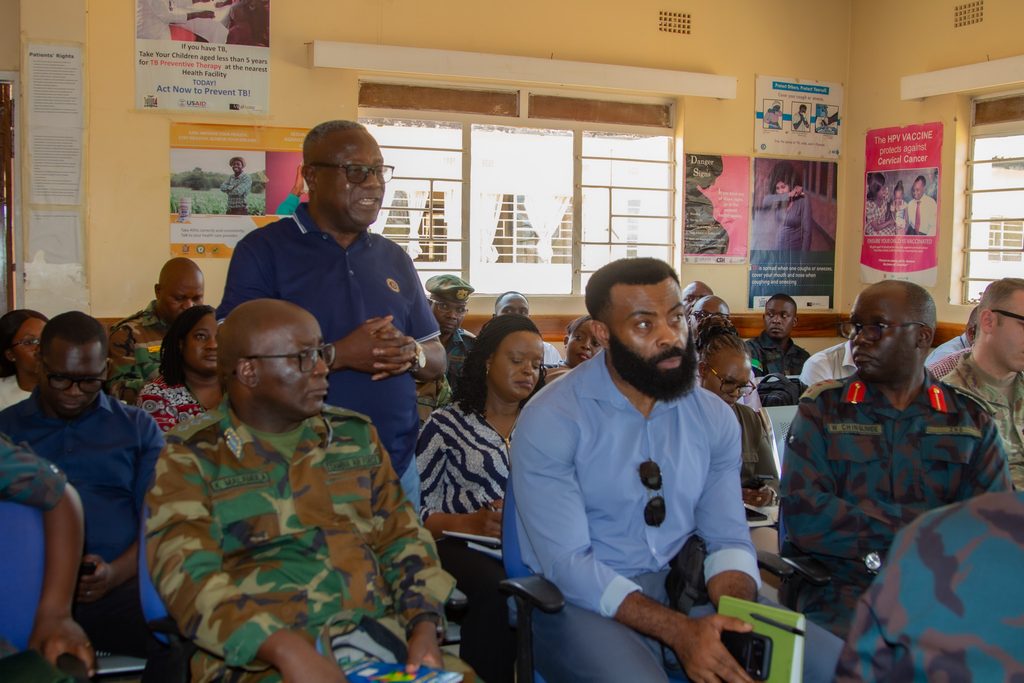
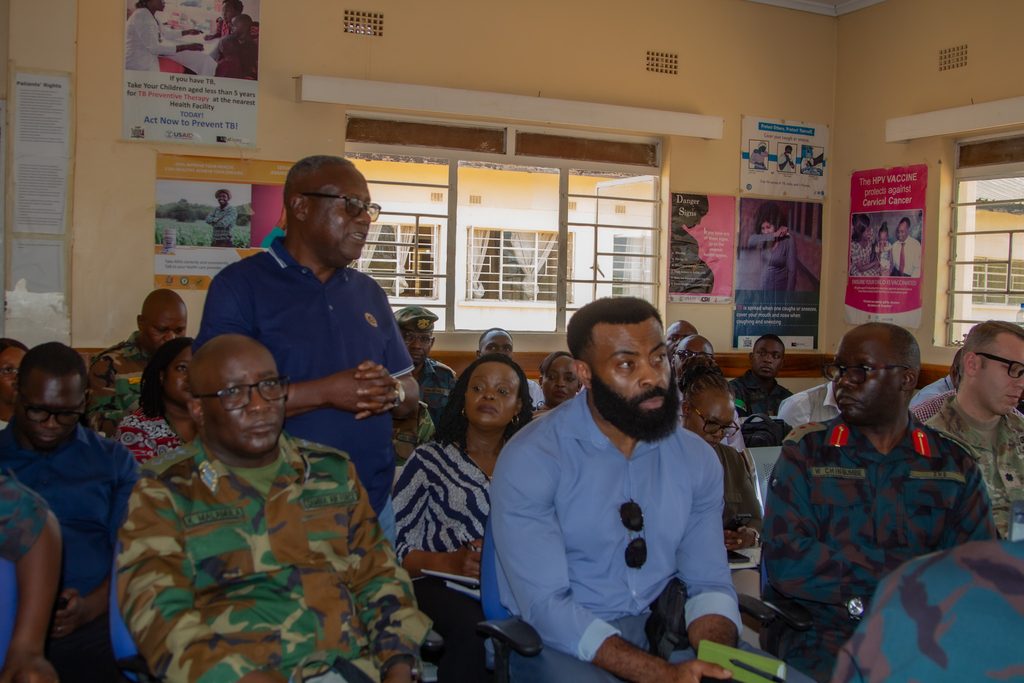
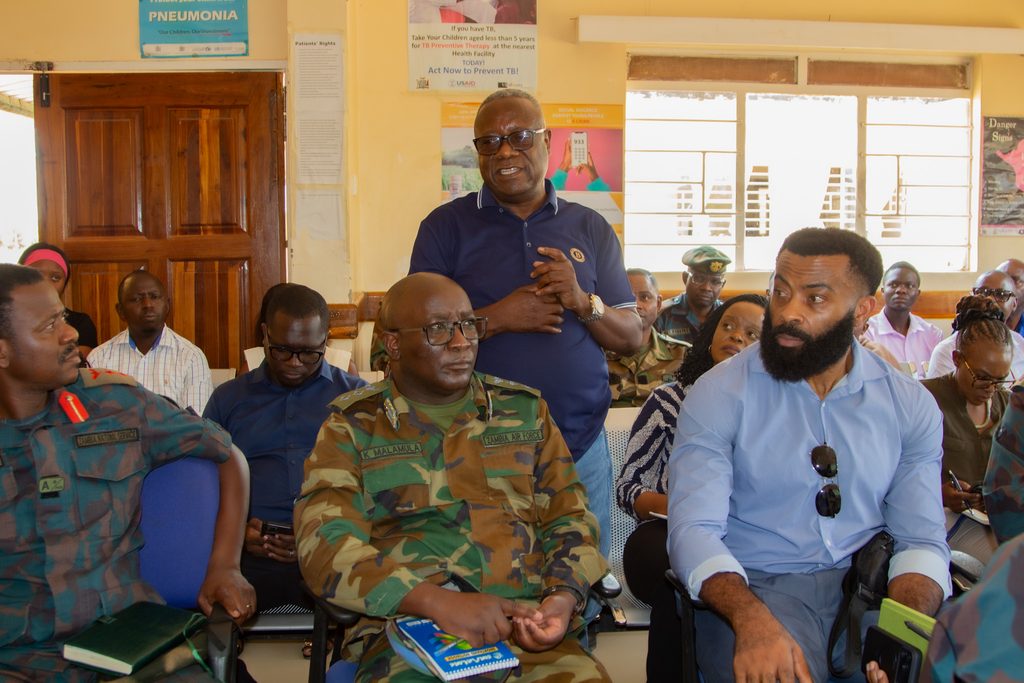
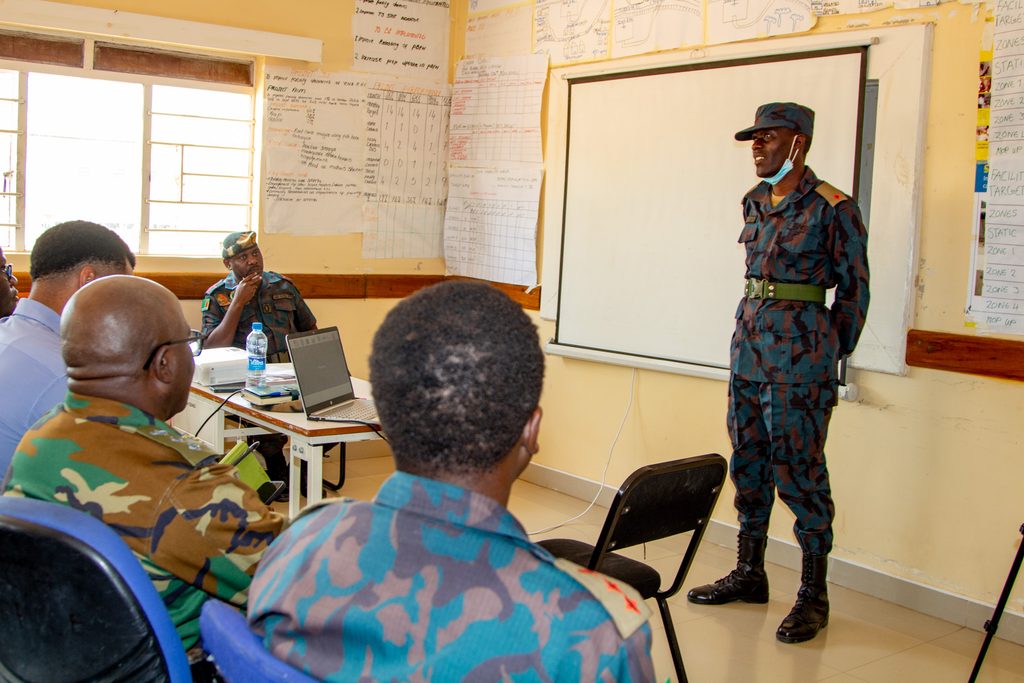
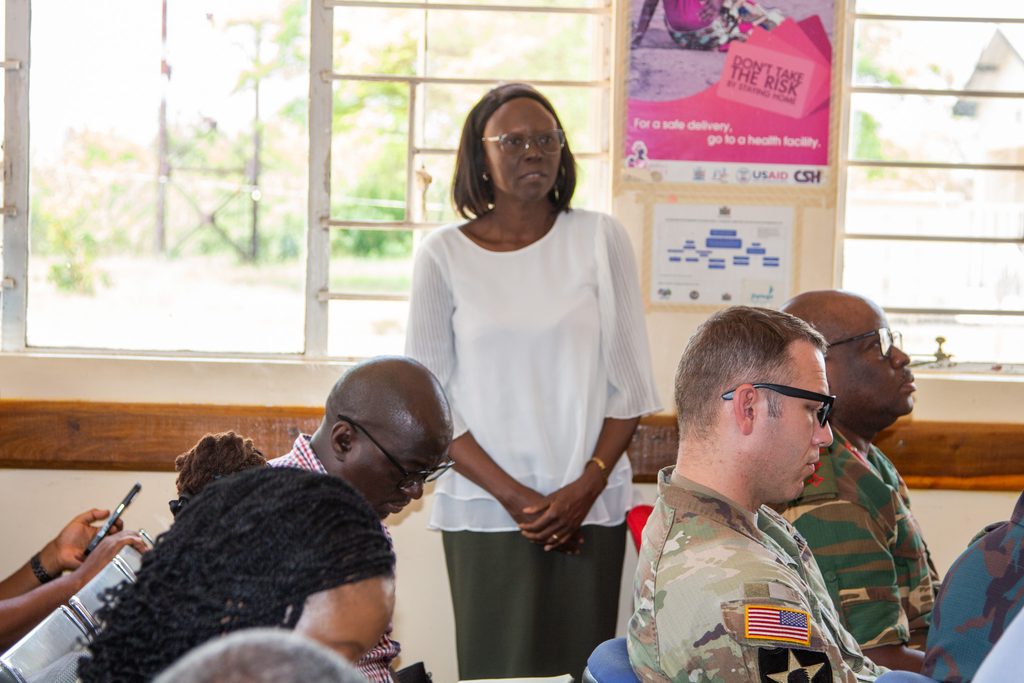
The delegation included representatives of the Defence Force of Zambia (DFZ), the Centre for Infectious Disease Research in Zambia (CIDRZ) and the United States Department of War HIV/AIDS Prevention Program (DOW/DHAPP). They visited the facility to assess programme performance, review digital health systems and identify opportunities to strengthen service delivery.
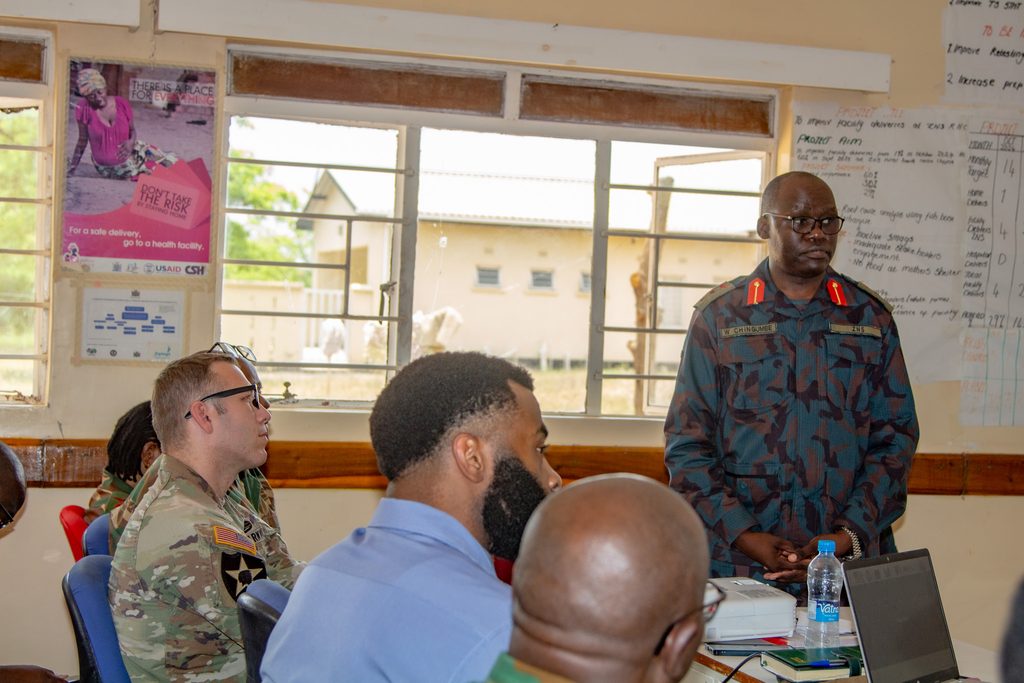
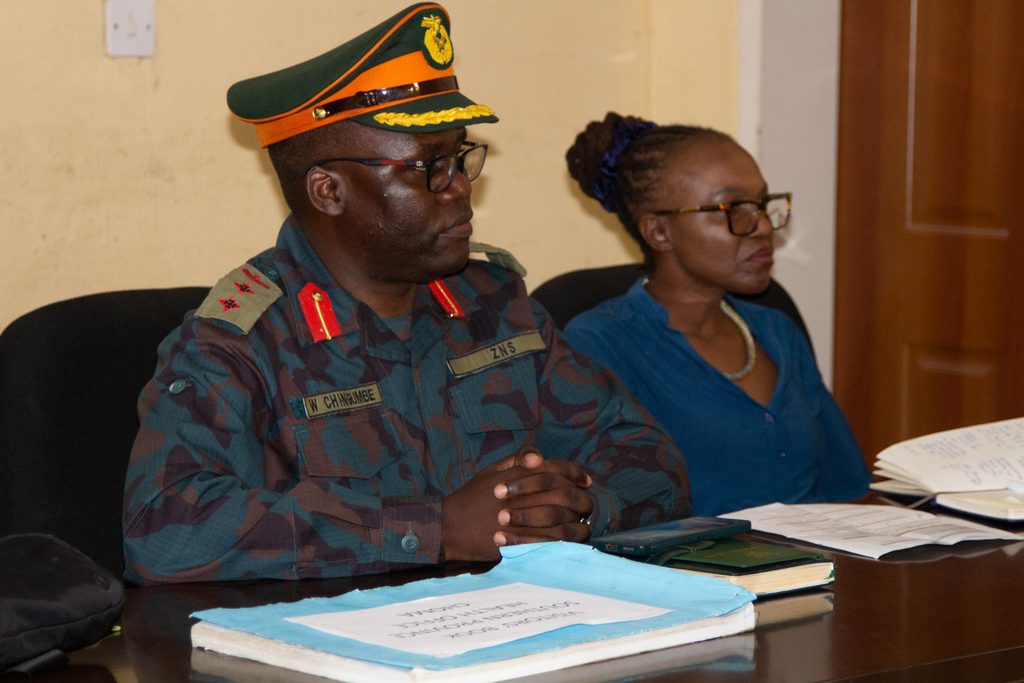
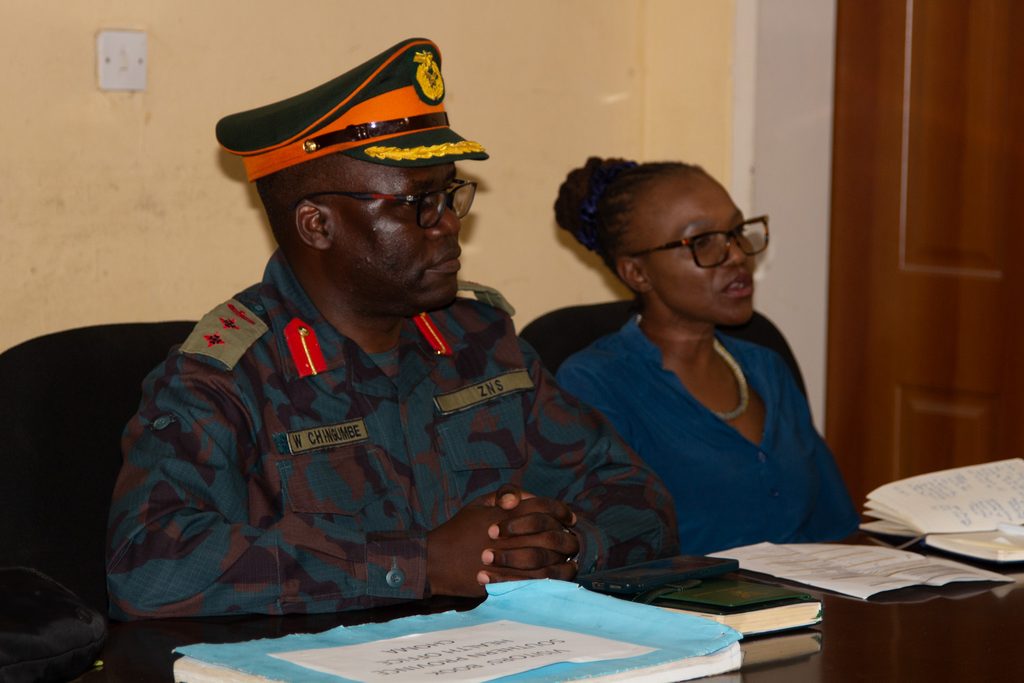
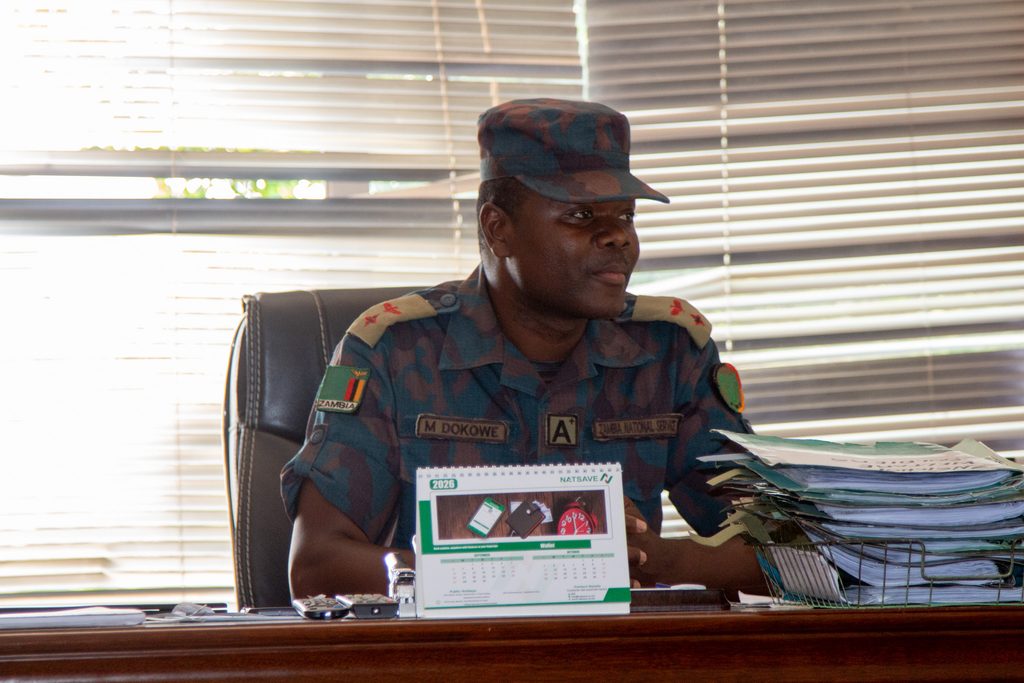
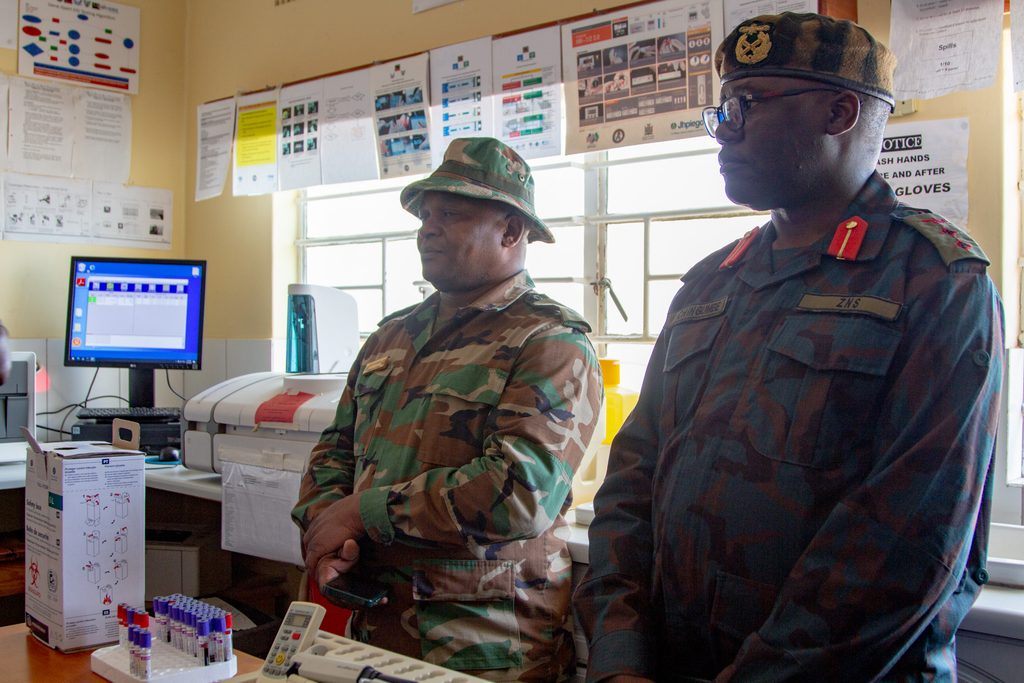
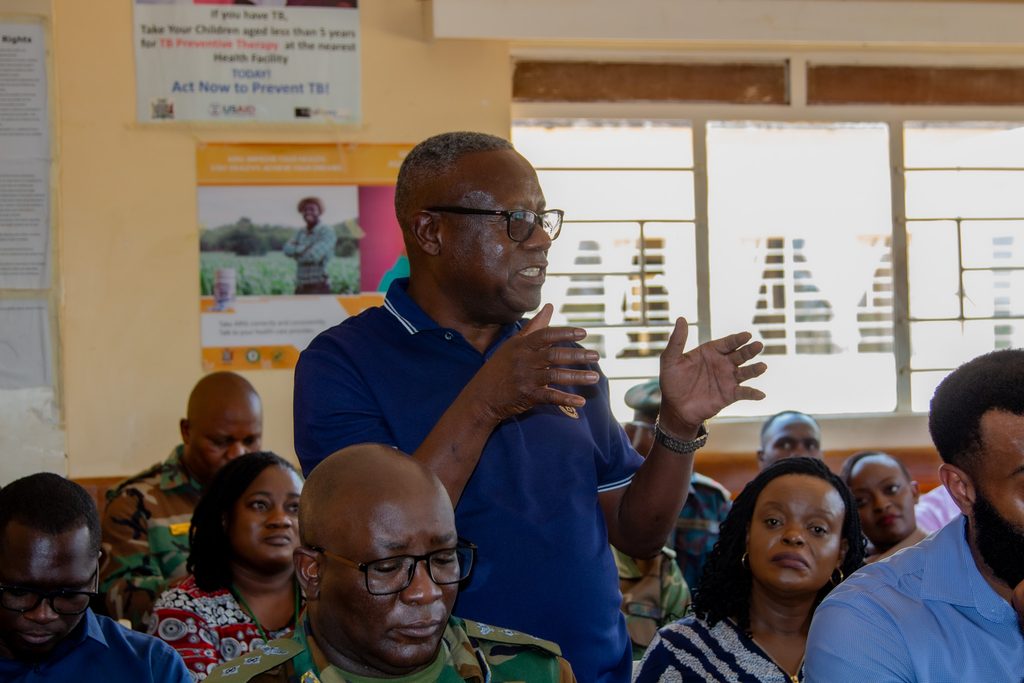
Leading the delegation, Defence Force Medical Services Director Dr Wamunyima Chingumbe said the visit was an opportunity to assess progress, recognise the efforts of healthcare workers and identify challenges affecting service delivery.
Progress in digital health and service delivery
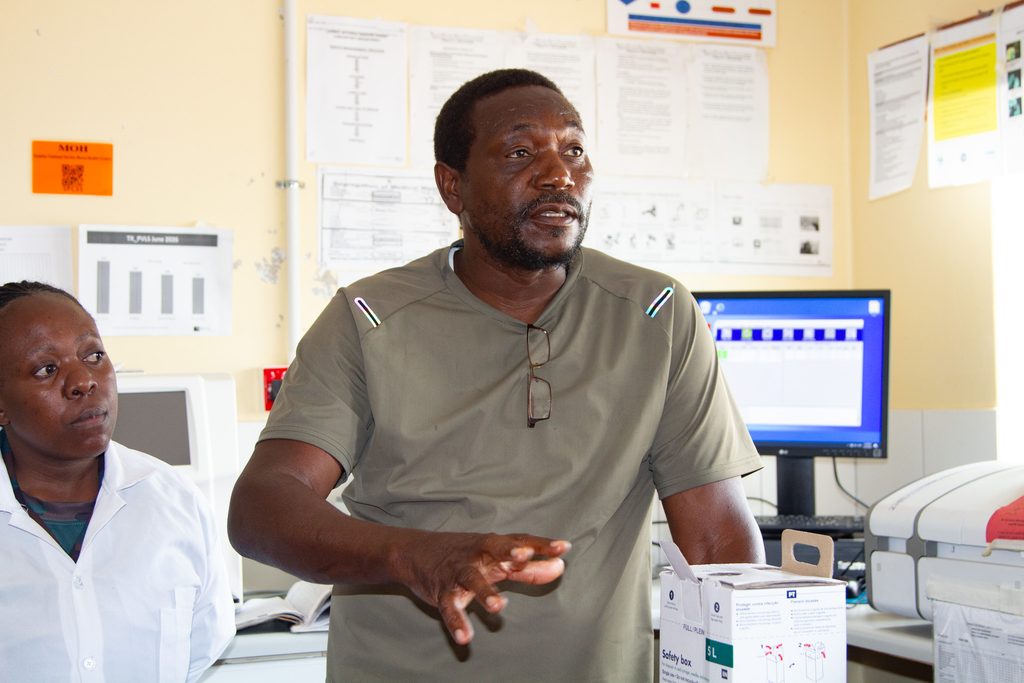
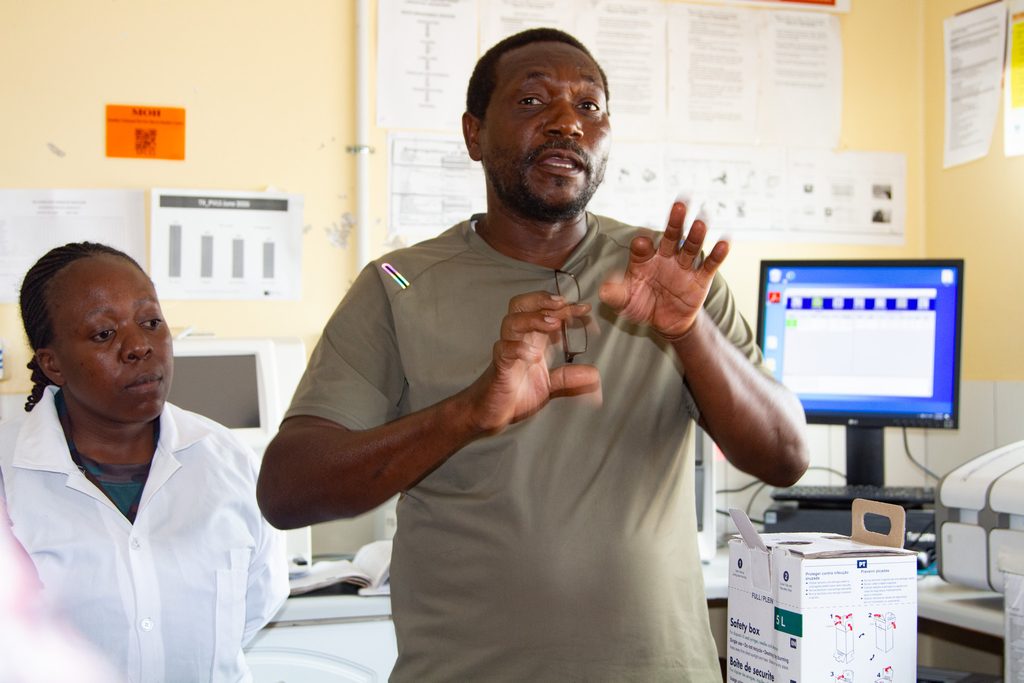
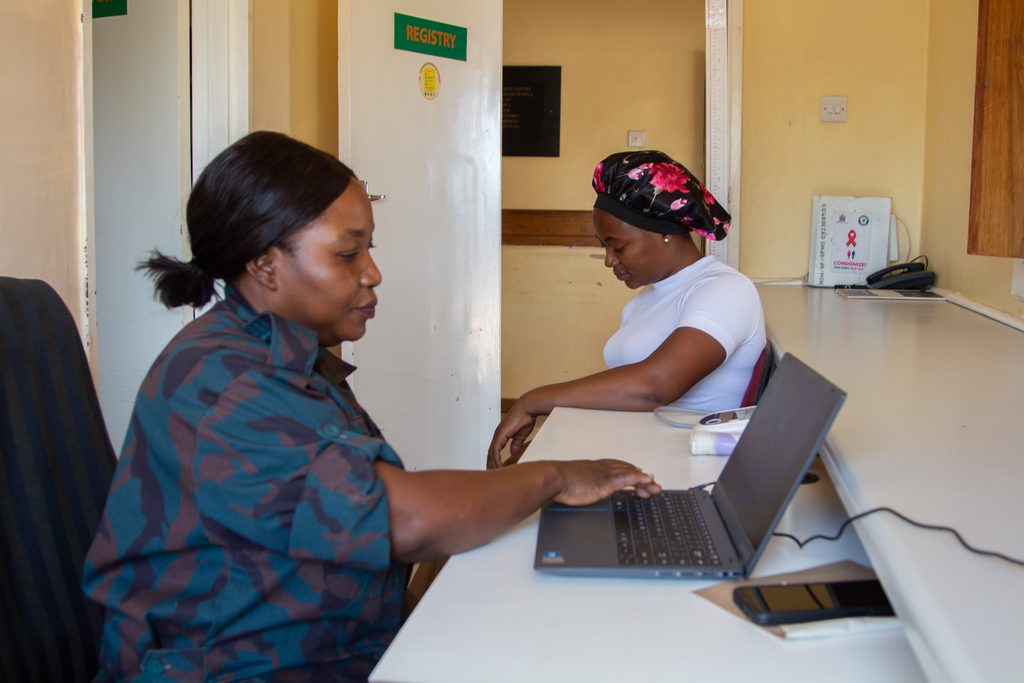
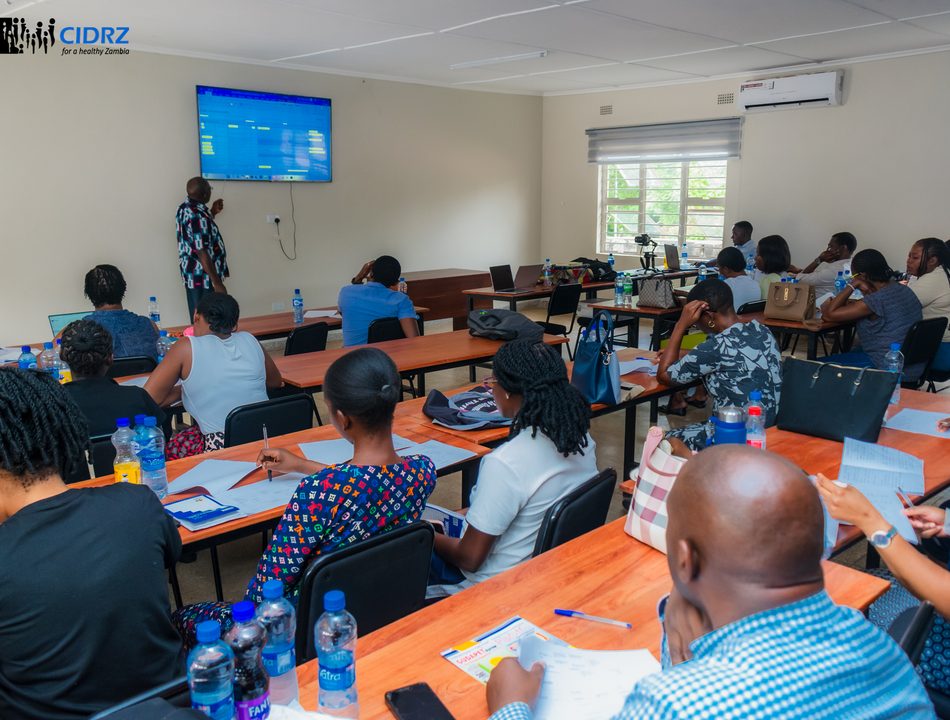
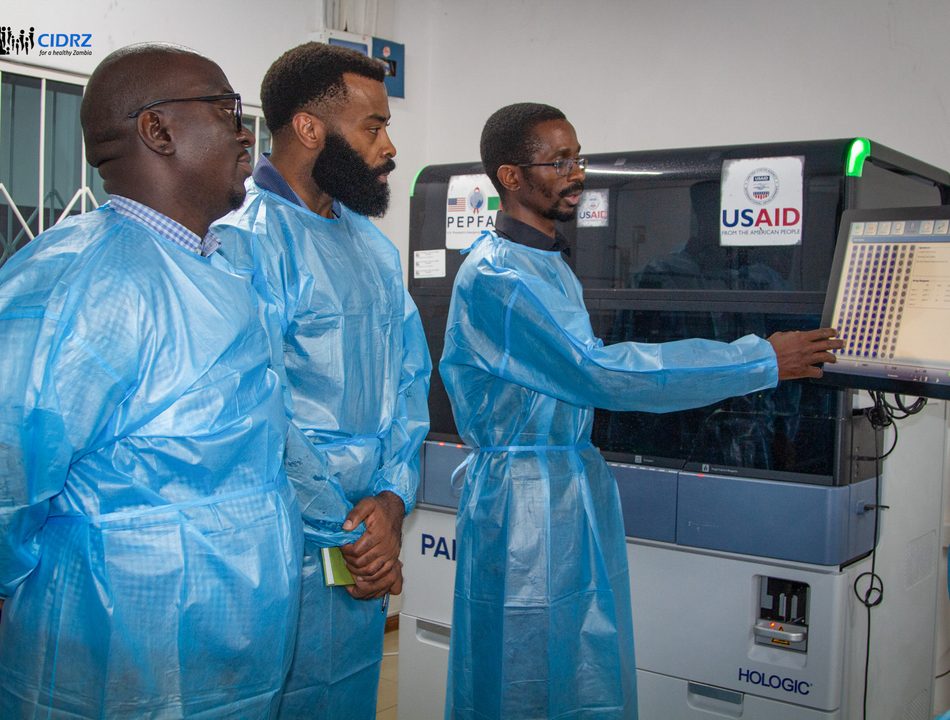
The review found encouraging progress in treatment outcomes, electronic medicine dispensing and laboratory workflows. SmartCare Pro, the Electronic Logistics Management Information System (eLMIS) and DISA now work together, improving medication dispensing, laboratory processes and viral load tracking. Solar backup systems and Starlink connectivity have also strengthened the facility’s ability to keep essential services running.
Dr Chingumbe commended the facility team for the progress made in strengthening service delivery.
Zanga Musakuzi, Principal Pharmaceutical Data Analyst and National Coordinator, said he was satisfied with the quality of the facility’s data and the progress made in integrating digital health systems. He noted that these improvements were strengthening accountability and supporting more effective health information management.
Partnership in action
Beyond the improvements in digital systems, the visit allowed partners to see how programme investments and technical support were turning into practical improvements at the facility.
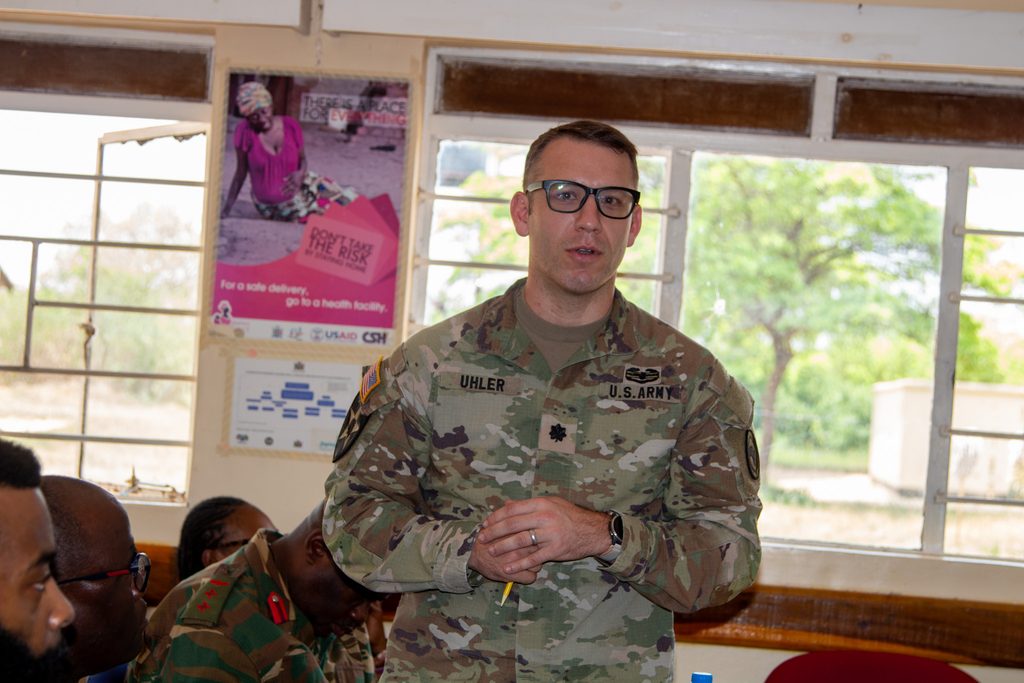
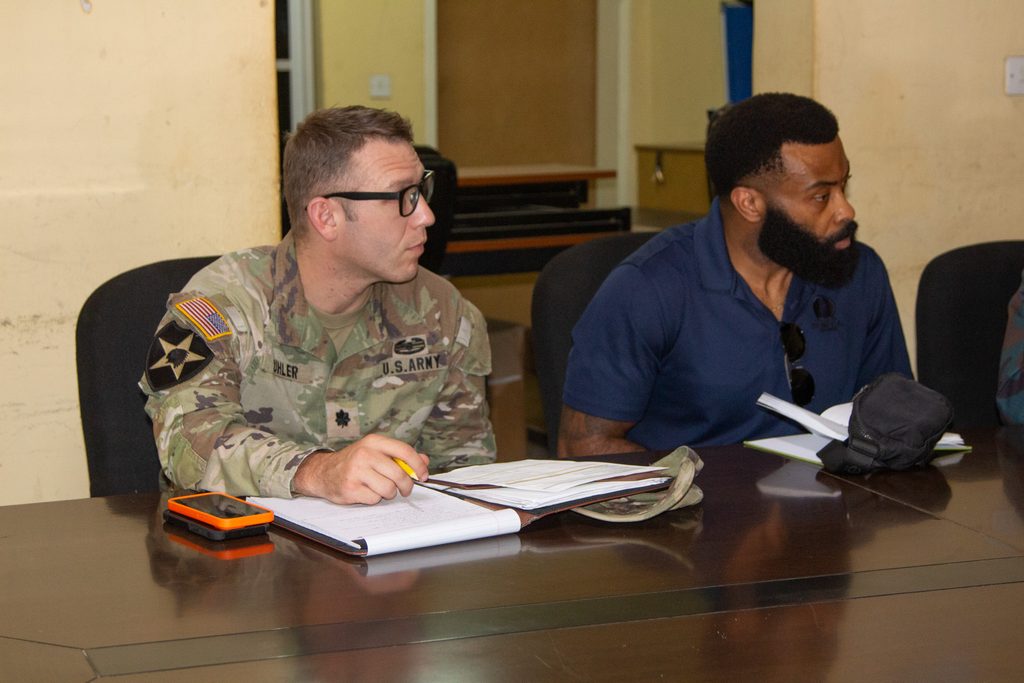
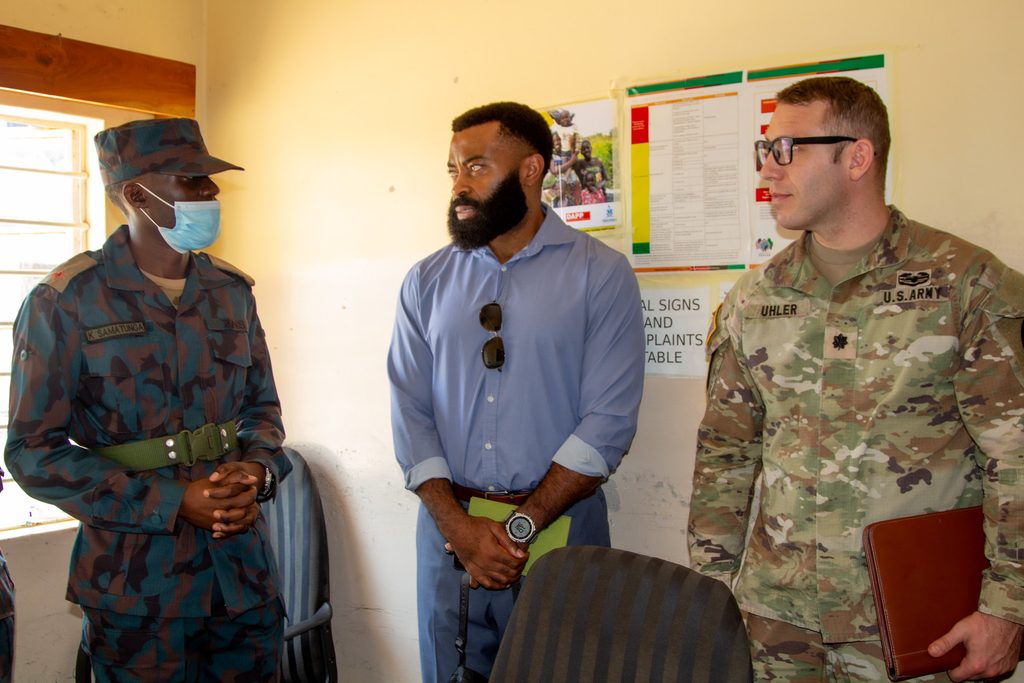
Lt Col Gene Uhler, representing the Office of the Chief of the United States Military Group at the US Embassy in Zambia, welcomed the progress and expressed satisfaction with the work on the ground. He said seeing the improvements first-hand demonstrated the value of the ongoing partnership.
Dr Mwangelwa Mubiana-Mbewe, Director of the DOW/DHAPP Project at CIDRZ, thanked the American people for their continued support. She said their contributions had played an important role in strengthening HIV services and improving healthcare delivery across facilities.
Challenges and the way forward
The review also identified operational challenges that need attention. These include delays in synchronising electronic dispensing transactions, limited connectivity and gaps in viral load data management.
In response, Dr Chingumbe urged healthcare workers to promptly escalate operational issues and follow up consistently, so that problems are resolved quickly, and services remain continuous and of good quality.
Through the Defence Force HIV Prevention Programme (DFPP), CIDRZ continues to strengthen HIV prevention, testing, care and treatment services. It works in collaboration with Defence Force Medical Services and with support from DOW/DHAPP.