Zambia’s Vaccine Experts Convene to Review Immunisation Schedule and Measles Vaccine Strategy

CIDRZ Showcases HIV Innovations and Evidence at IAS 2025 in Kigali, Rwanda
July 24, 2025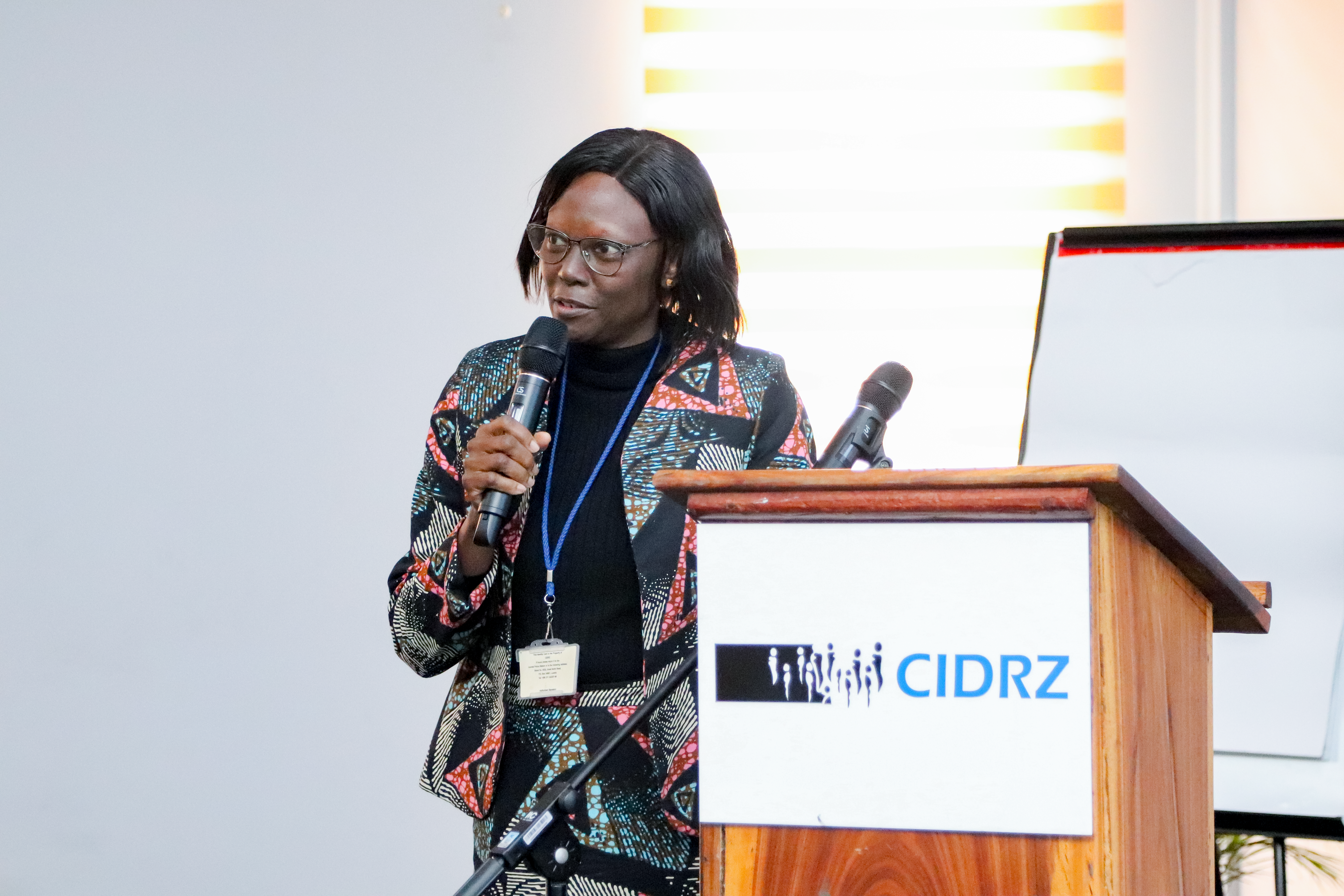
CIDRZ Hosts DOD/DHAPP Delegation to Strengthen Health Collaboration.
July 28, 2025Zambia’s Vaccine Experts Convene to Review Immunisation Schedule and Measles Vaccine Strategy


The Zambia Immunisation Technical Advisory Group (ZITAG), established in 2016 to advise the Ministry of Health on vaccines and immunisation, has convened a cricial meeting to review critical evidence and develop updated, science-based recommendations focusing on measles vaccine timing and enhanced protection for children living with Sickle Cell Disease (SCD).
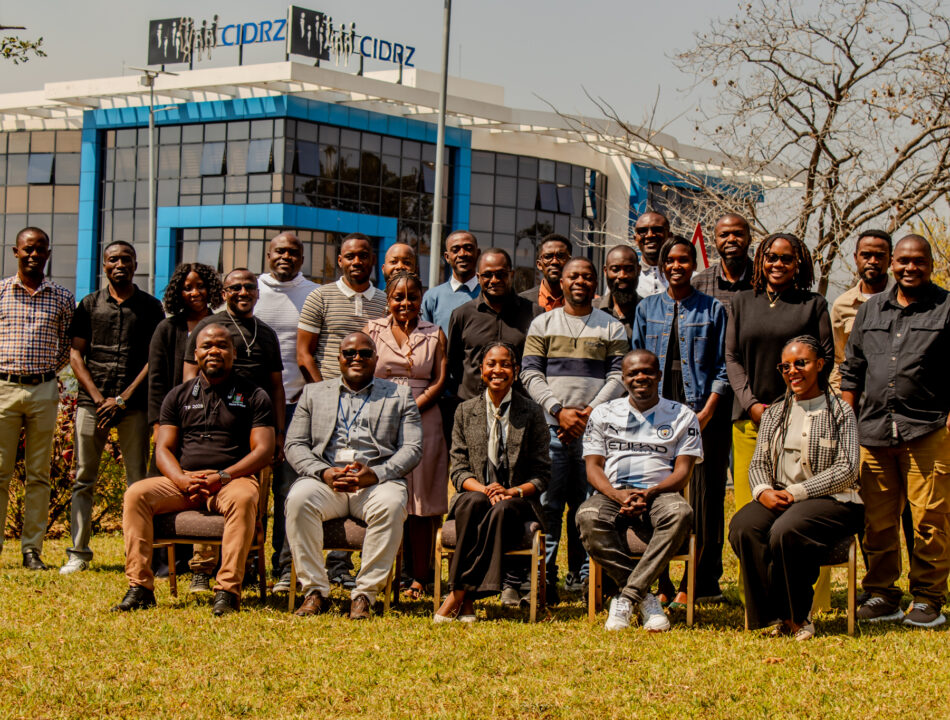
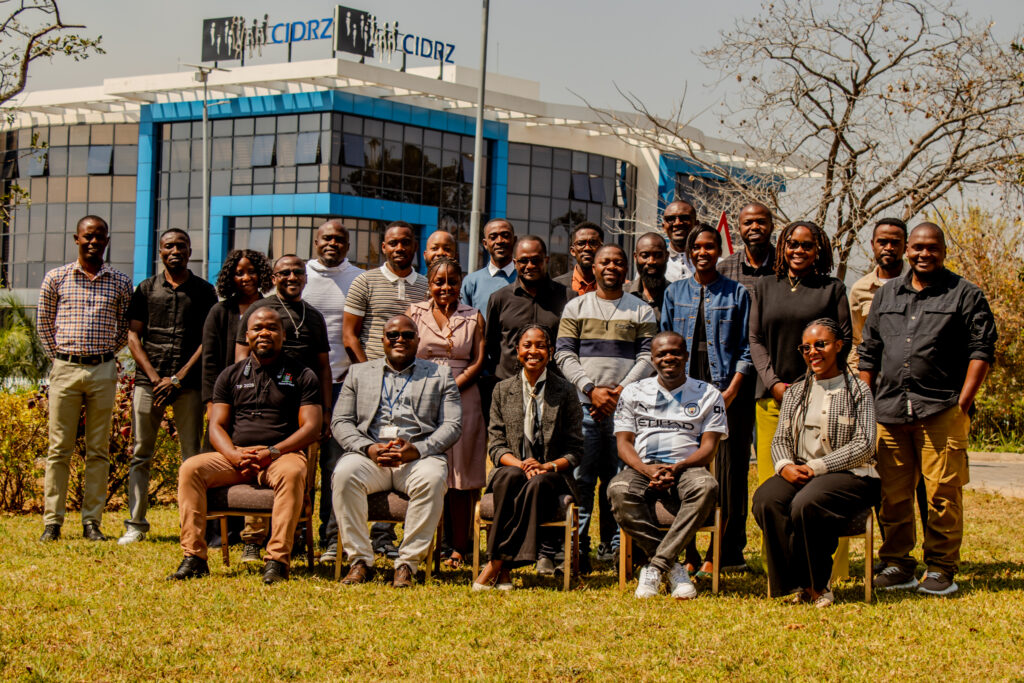
The three-day meeting, held from 16 to 18 July at CIDRZ Head Office in Lusaka, brought together paediatricians, epidemiologists, public health specialists, vaccinologists, ethicists, and other experts from ZITAG’s Immunisation and Measles Working Groups.
The experts are reviewing both local and international scientific evidence to inform updates to Zambia’s national immunisation programme and under-five immunisation records.
Dr Musaku Mwenechanya, Consultant Paediatrician and Senior Medical Superintendent at the University Teaching Hospitals Children’s Hospital and Chairperson of ZITAG, highlighted two key priorities driving the discussions, reassessing the timing of measles vaccination and strengthening protection for children with Sickle Cell Disease.
“We have noticed, especially from a very recent outbreak, that babies as young as six months are getting measles. This is unusual, as the current vaccine schedule starts at nine months based on the assumption that maternal antibodies offer protection until then,” said Dr Mwenechanya while adding, “We are now reviewing whether to recommend starting measles vaccination earlier, potentially at six months, to better protect infants.”
He further added that the group is also reviewing vaccine strategies for children with Sickle Cell Disease, a highly prevalent condition in Zambia.
“Sickle cell patients are extremely vulnerable to infections, which are the leading cause of hospital admissions among them. We are assessing if there are specific vaccines that can be introduced into the routine schedule to reduce infections, hospital stays, and related complications,” said Dr Mwenechanya.
He explained that vaccine recommendations must be based on solid research to ensure safety and effectiveness, calling vaccines one of the greatest public health breakthroughs.
Dr. Mwenechanya also acknowledged the role of the Centre for Infectious Disease Research in Zambia (CIDRZ) in supporting ZITAG’s work.
“CIDRZ has been very helpful in ensuring that meetings like this happen. They are an important partner in making sure our work is sound and that we provide the right recommendations to government.”
Meanchile, CIDRZ Programme Coordinator for Primary Care/Health Systems Strengthening, Rabecca Chitundu, echoed CIDRZ’s long-standing support, noting that the organisation has been a key technical and financial partner in supporting ZITAG’s operations since 2018.
She added that the measles working group is specifically evaluating the current Measles-Rubella (MR) vaccine schedule offered during routine immunisation, while the Immunisation schedule working group is deliberating on the vaccination schedule for children living with sickle cell in Zambia.
The outcomes of this meeting are expected to inform future vaccine and immunisation policy decisions and enhance protection for vulnerable communities across Zambia.