CIDRZ Hosts DOD/DHAPP Delegation to Strengthen Health Collaboration.

Zambia’s Vaccine Experts Convene to Review Immunisation Schedule and Measles Vaccine Strategy
July 24, 2025
The United States Government Calls for Sustainability of HIV Gains Amid Funding Cuts.
July 29, 2025
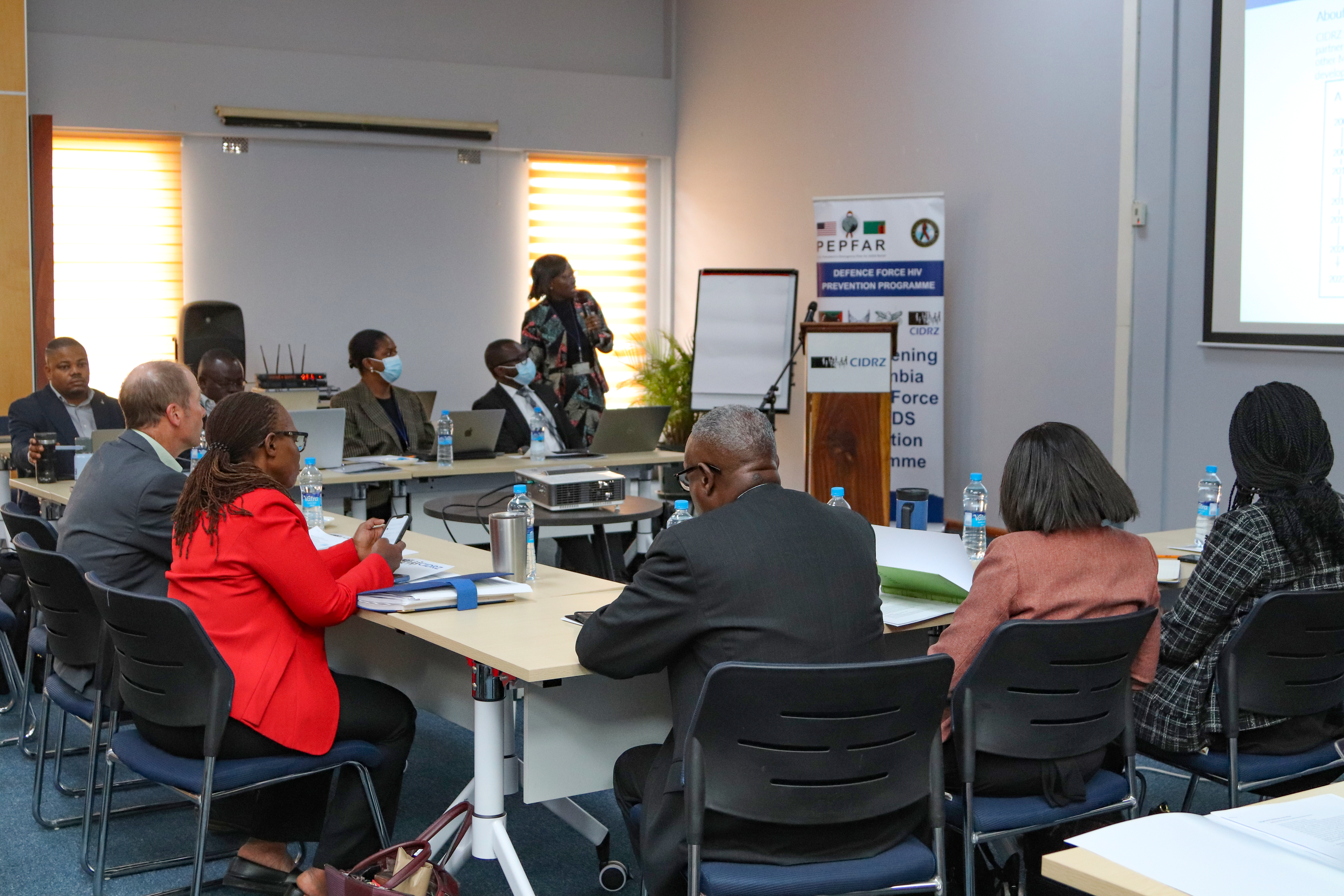
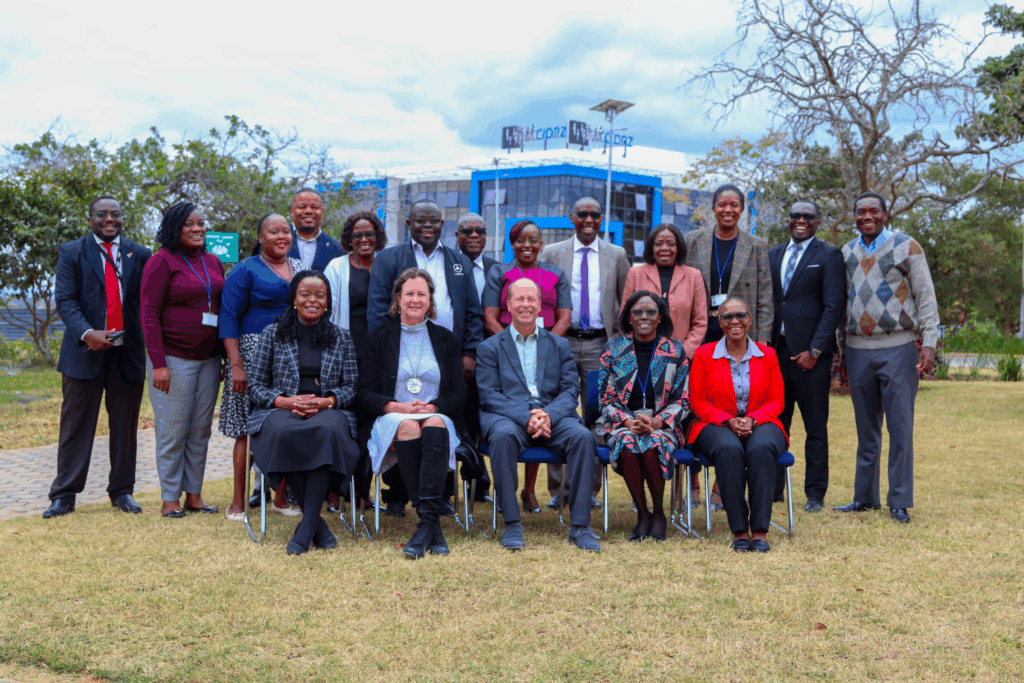
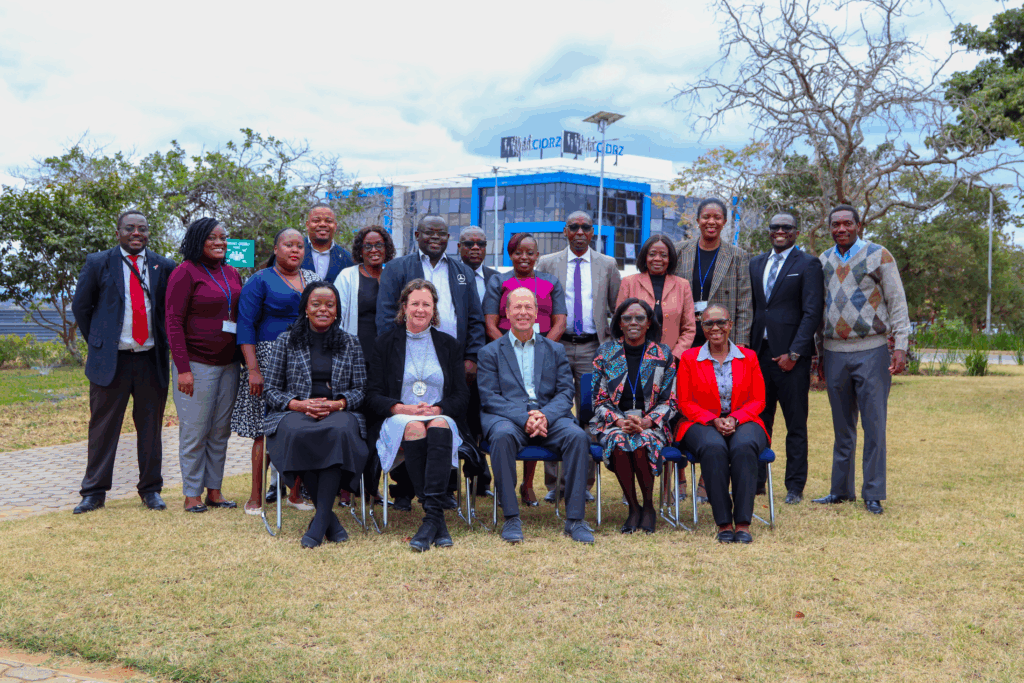
The Centre for Infectious Disease Research in Zambia (CIDRZ) recently hosted a delegation from the Department of Defence/Defence Force HIV/AIDS Prevention Project (DOD/DHAPP), a key component of the U.S. President’s Emergency Plan for AIDS Relief (PEPFAR).
The visit focused on supporting the Zambian Ministry of Defence and Ministry of Health in promoting sustainability, cost-sharing, programme efficiency, and the prioritisation of critical health initiatives.
As a long-standing implementing partner, CIDRZ used the visit to showcase its progress since its inception in 2001.
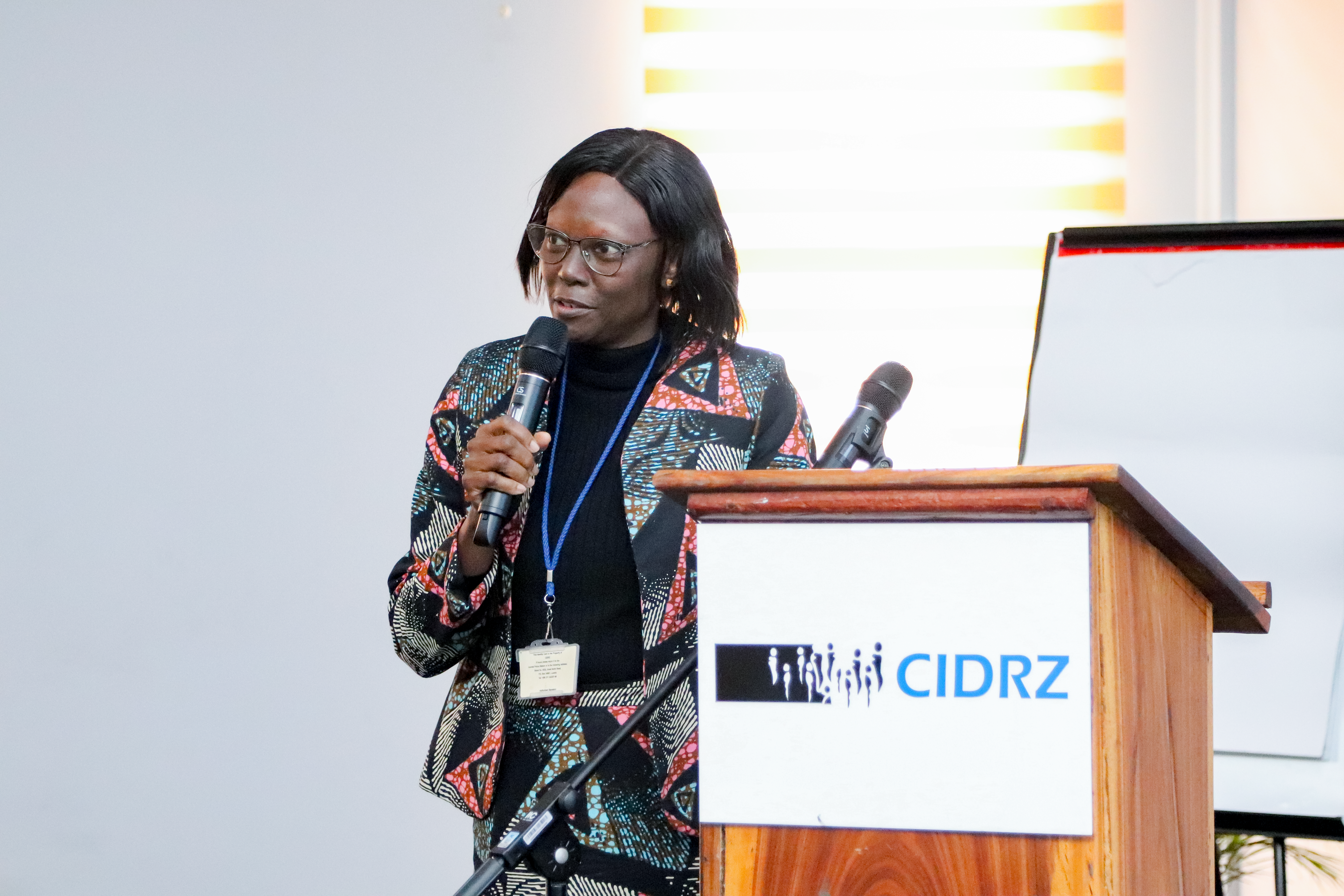
Acting Chief Executive Officer Dr Carolyn Bolton-Moore in a presentation delivered on her behalf by Dr Mwangelwa Mubiana-Mbewe reaffirmed the organisation’s mission to improve healthcare access through innovation, capacity building, and sustainable programming.
Meanwhile Dr Mwangelwa Mubiana-Mbewe, Director of the DOD/DHAPP project at CIDRZ, highlighted CIDRZ’s growth from a small research initiative to one of Zambia’s leading health non-governmental organisations (NGOs).
“Initially focused on HIV research, CIDRZ has grown to provide comprehensive health services, conduct scientific research, and train healthcare professionals across the country. Our programmes now cover HIV/AIDS, pediatrics and adolescent health, maternal care, and health systems strengthening — all guided by a data-driven approach to improve care delivery,” said Dr Mubiana.
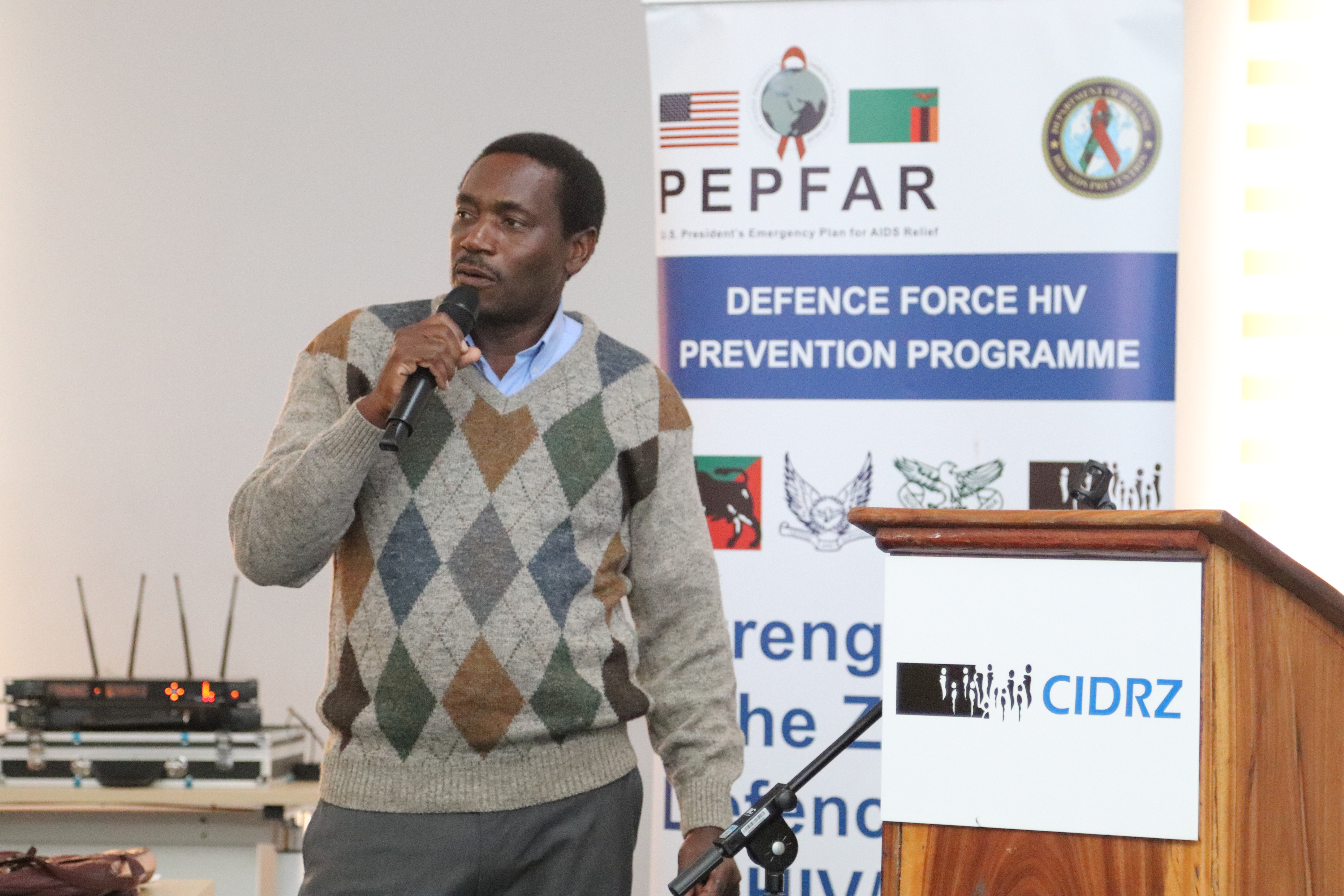
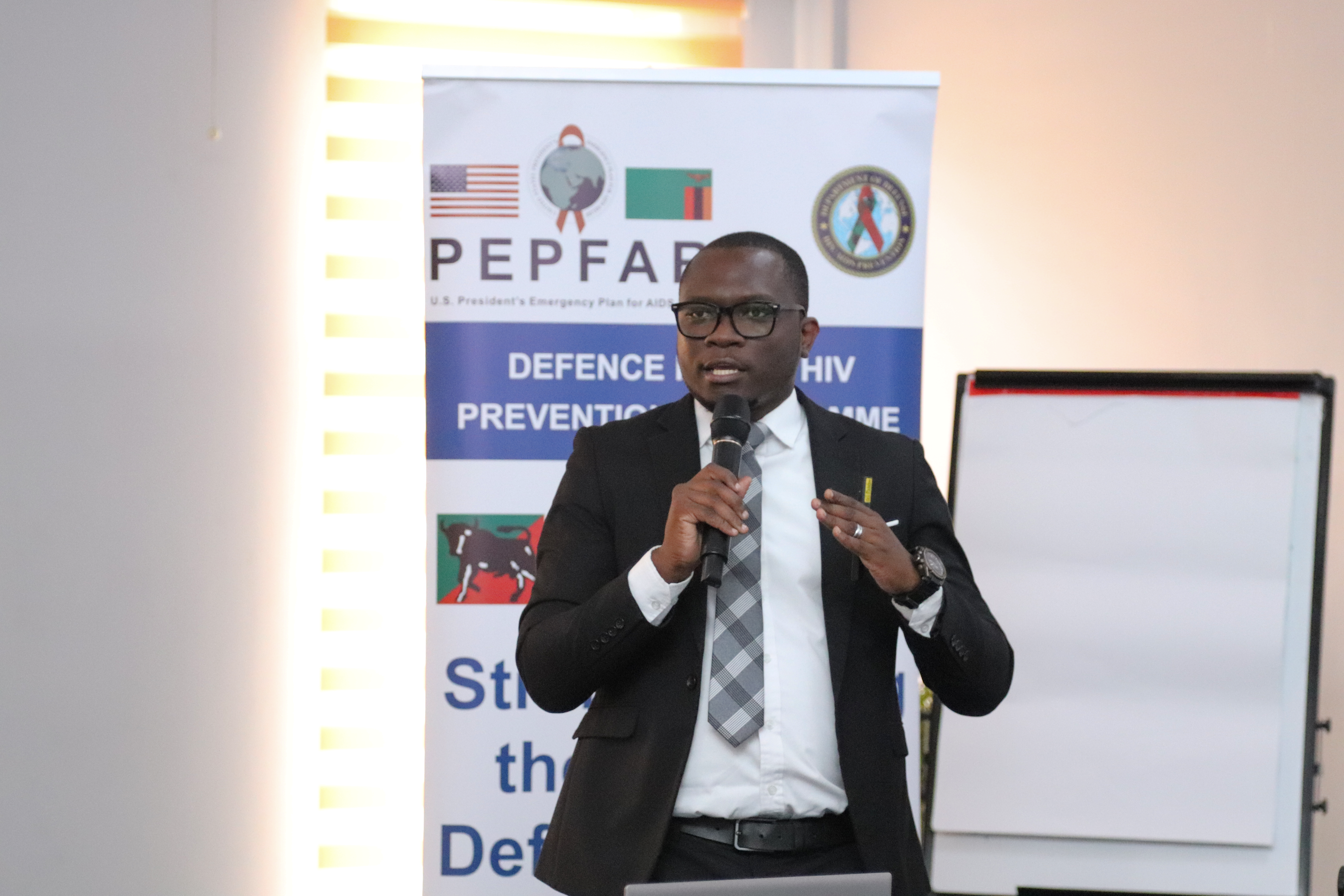
Mr. Clement N Moonga, the Deputy Director who is also the Team Lead for the Health Systems Strengthening component of the DOD/DHAPP project, underscored the importance of community health interventions, particularly through capacity-building platforms such as the Extension of Community Healthcare Outcomes (ECHO) that allow healthcare workers to share knowledge on managing HIV and TB treatment programmes in an ‘All learn and All Teach’ approach, where everyone has an opportunity to share experiences as well as learning from others.
In addition, Chilufya Hachaambwa, a Prevention Specialist at CIDRZ, explained that the organisation uses a combination of facility-based and community-based HIV testing strategies to reach more people, especially women and children. Efforts include tracing individuals who have defaulted from care and supporting them to resume treatment.
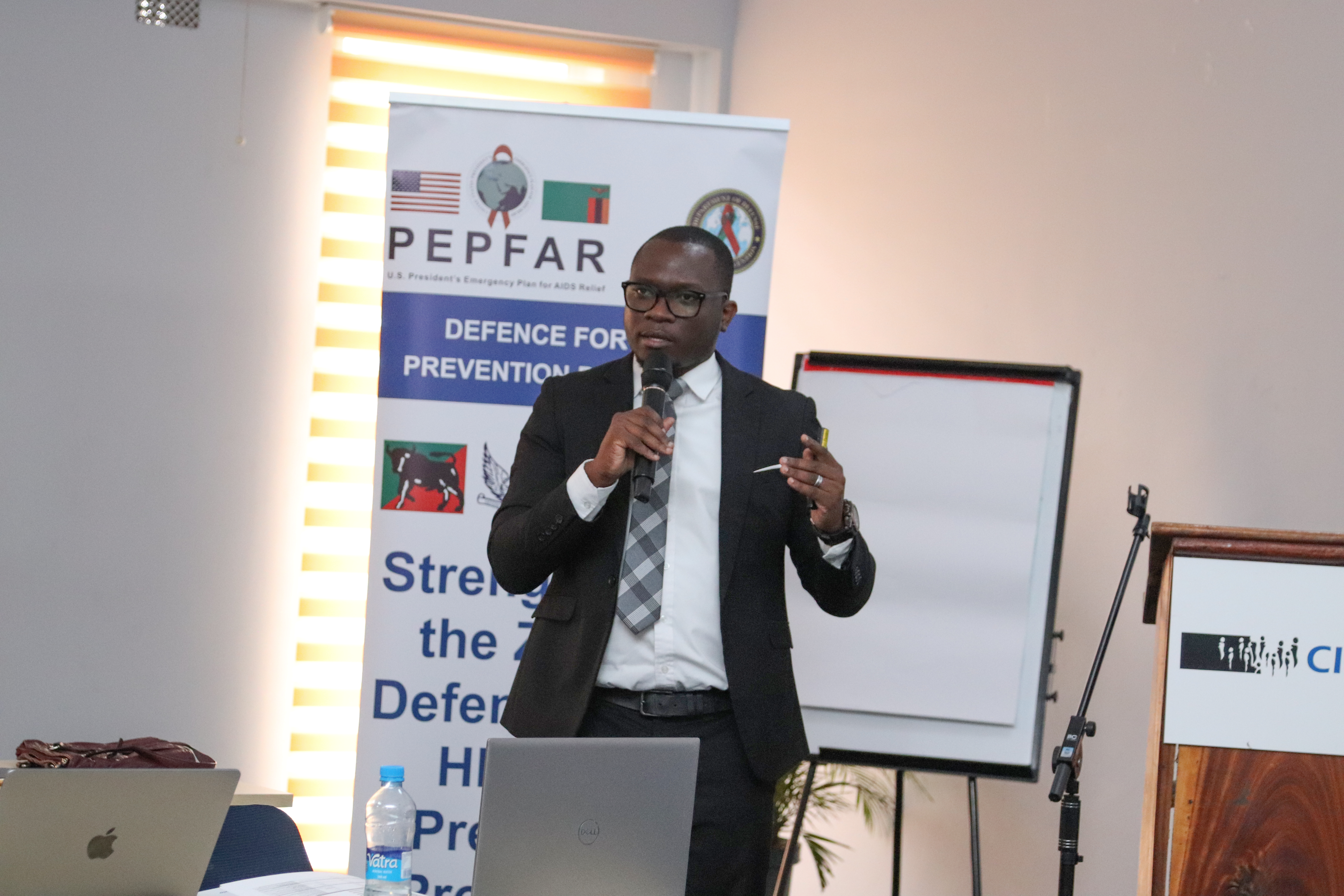
Meanwhile, Dr Michael Kabongo, the Clinical Team Lead, highlighted the organisation’s commitment to continuity of HIV care despite challenges such as stock-outs and data inconsistencies linked to the transition to the SmartCare system. Through consistent follow-ups, patient tracking, and system enhancements, CIDRZ ensures high treatment coverage and quality care.
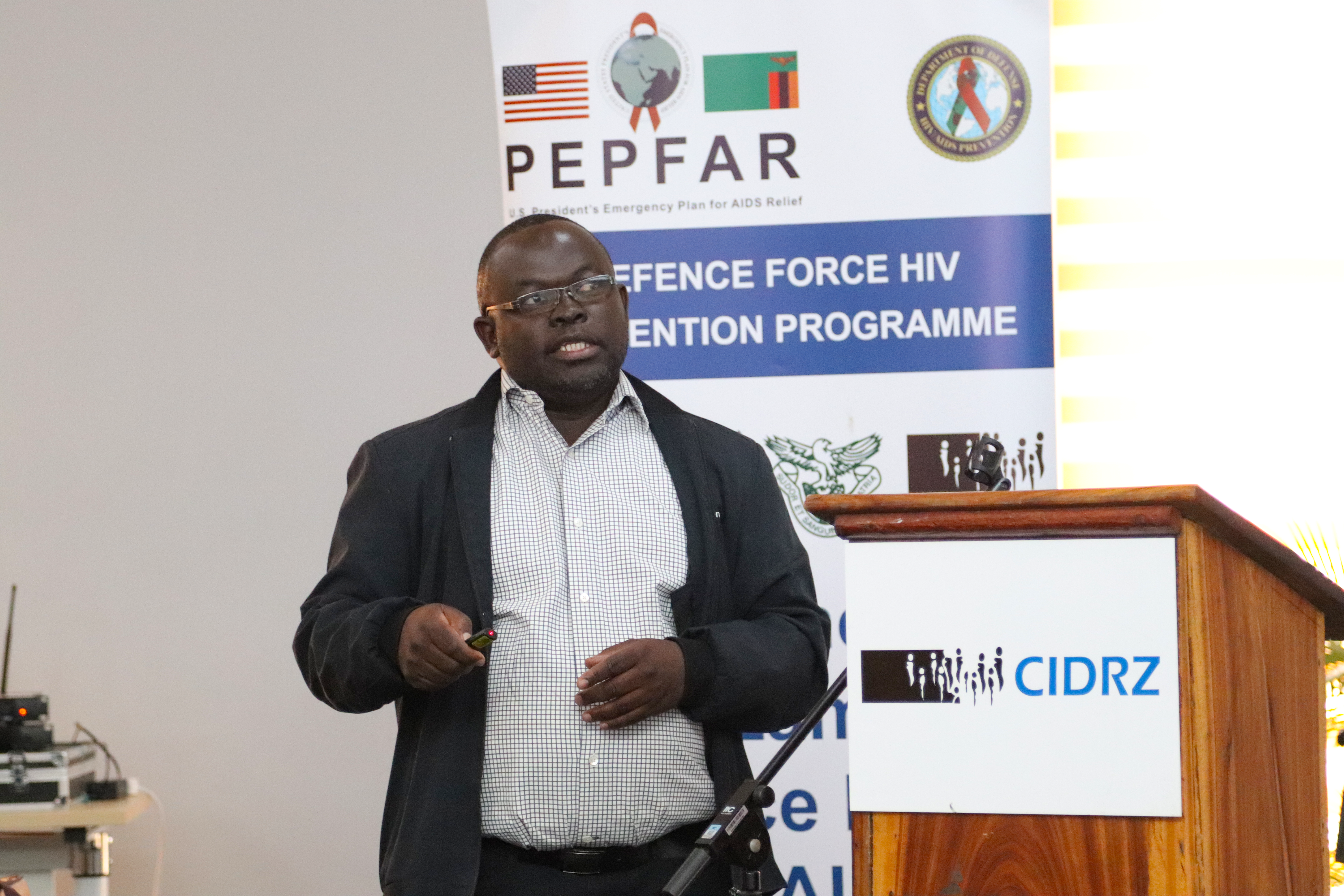
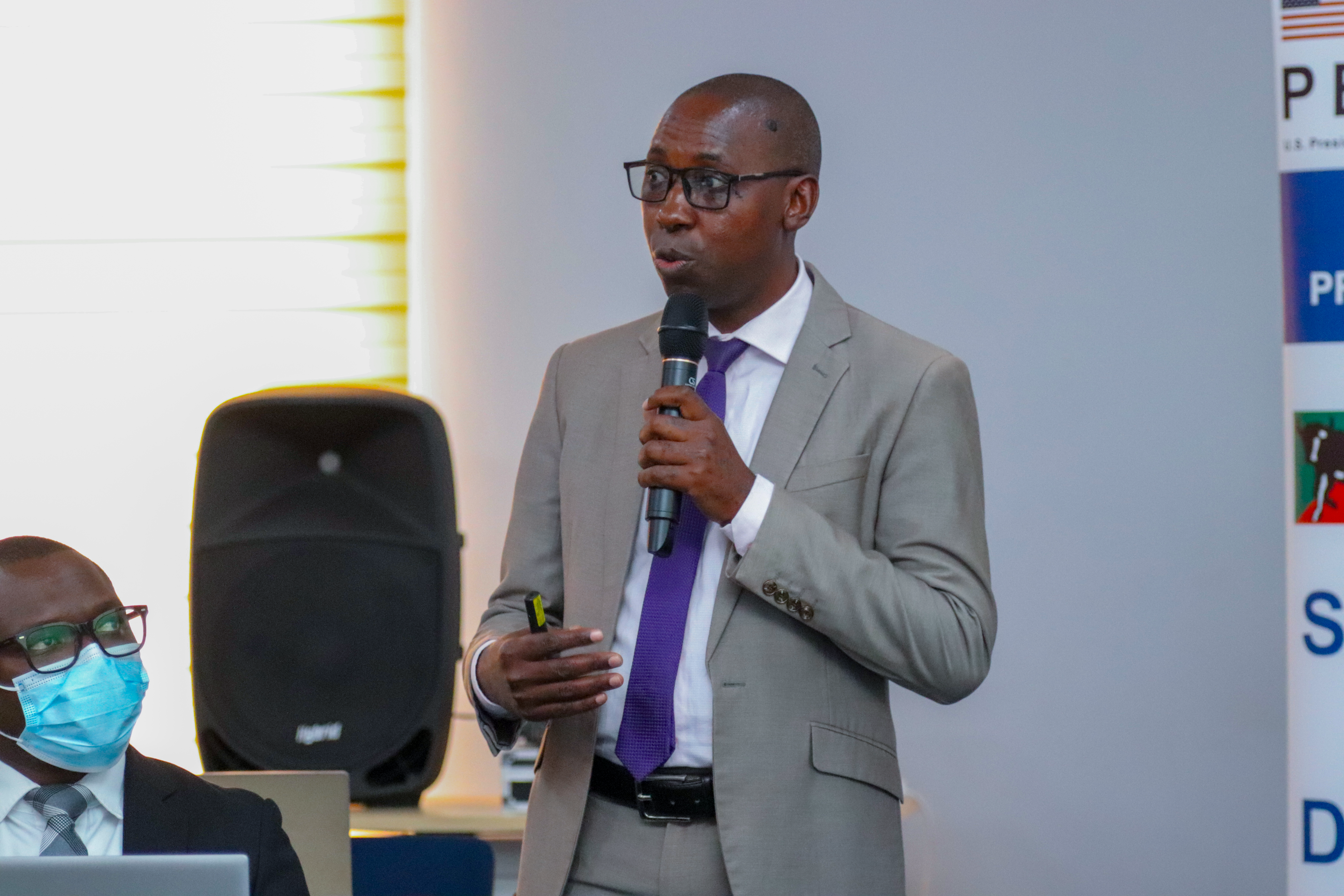
On the supply chain front, Mr. Muhau Mubianathe Supply Chain Advisor, gave an overview of how Defence Forcesupply chain system interfaces with the national supply chain system and how it benefits from that collaboration. He emphasised CIDRZ’s role in ensuring the uninterrupted availability of HIV commodities through systems strengthening.
Betty Chipungu, Paediatrics and RMNCH Specialist, reported steady progress in maternal and HIV-related services, especially for pregnant and breastfeeding women. She noted increased access to antenatal and HIV care, and the expansion of peer support platforms where women share experiences, encourage adherence, and support one another.
These community structures have proven effective in improving service uptake and retention.
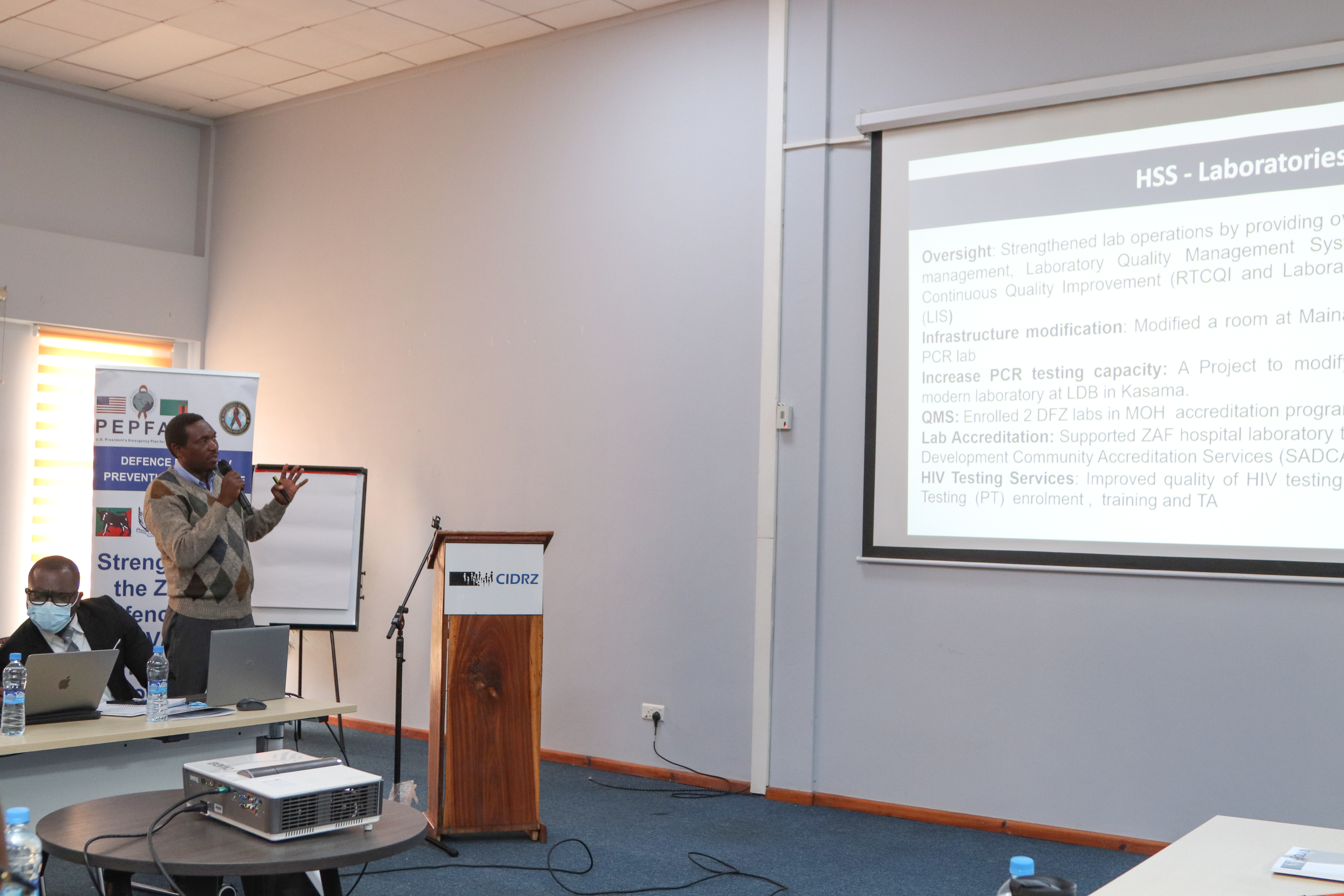
During a review meeting, Mr. Danny Sulwe, Laboratory Systems Specialist under the DOD/DHAPP project, emphasized the need for a strong Quality Management System (QMS) to support laboratory accreditation by 2026. He explained that while lab result accuracy is strong, documentation and information flow remain as areas needing improvement. Notably, the number of facilities enrolled in the accreditation programme has grown from 90 to 158, with a 91% pass rate.
Proficiency testing and training interventions are also being scaled up to ensure consistent lab performance. A significant upgrade involving the migration of 16,000 US stock items is underway.
Edah Lifuka, DHAPP/DOD PEPFAR Zambia Programme Manager, reflected on the program’s evolution—from emergency response to sustainability and now towards country-led implementation.
Ms Lifuka said, recent global developments, including the closure of USAID and the scaling back of some USAID programs, have prompted a strategic shift.
“Key HIV treatment programs have been transferred to the U.S. State Department under a new Memorandum of Understanding (MOU), accompanied by significant budget cuts and reduced commodity support”, she said.
Ms Lifuka added that in light of these changes, the DOD/DHAPP programme is now prioritising essential HIV services for both military and civilian populations, adding that Dr Braden Hale, Chief of the Department of Defense HIV/AIDS Programmes’ visit aimed to assess sustainability plans, support programme restructuring, and strengthen partnerships with military counterparts.