Ministry of Health, CIDRZ Commissions 4th PEN-Plus Clinic in Ndola to Improve Severe and Chronic Care for Non- Communicable Diseases

Zambia National Service Hospital Strengthened Through U.S. Support Under PEPFAR.
July 30, 2025
CIDRZ’s PEN-Plus Expansion Brings Hope as Chifubu Clinic Open: Drawing Lessons from Prior Successes.
August 1, 2025
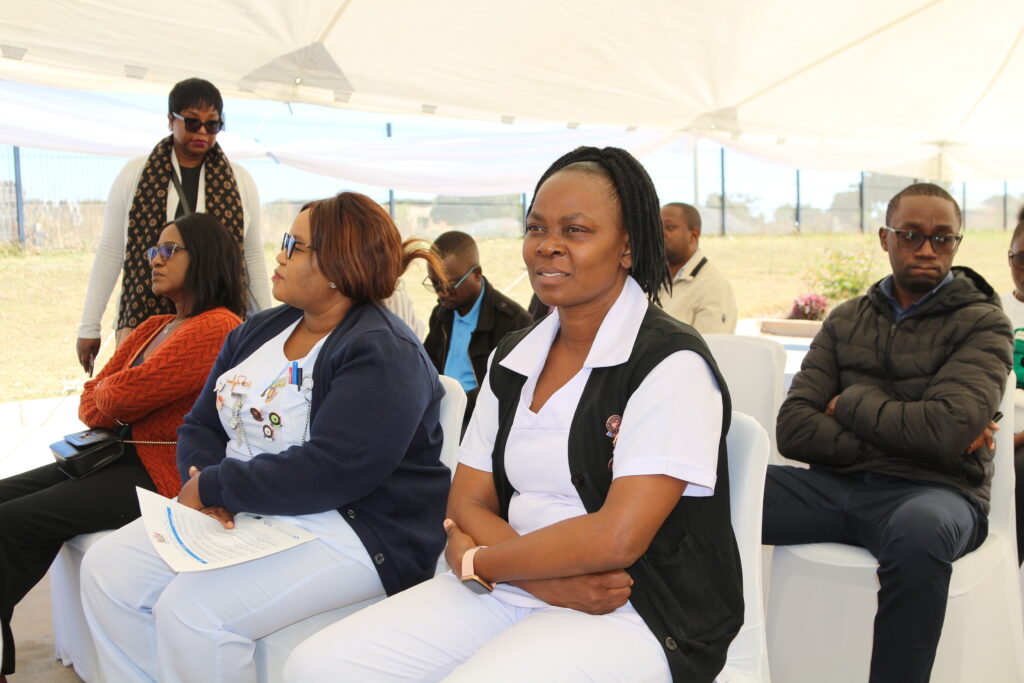
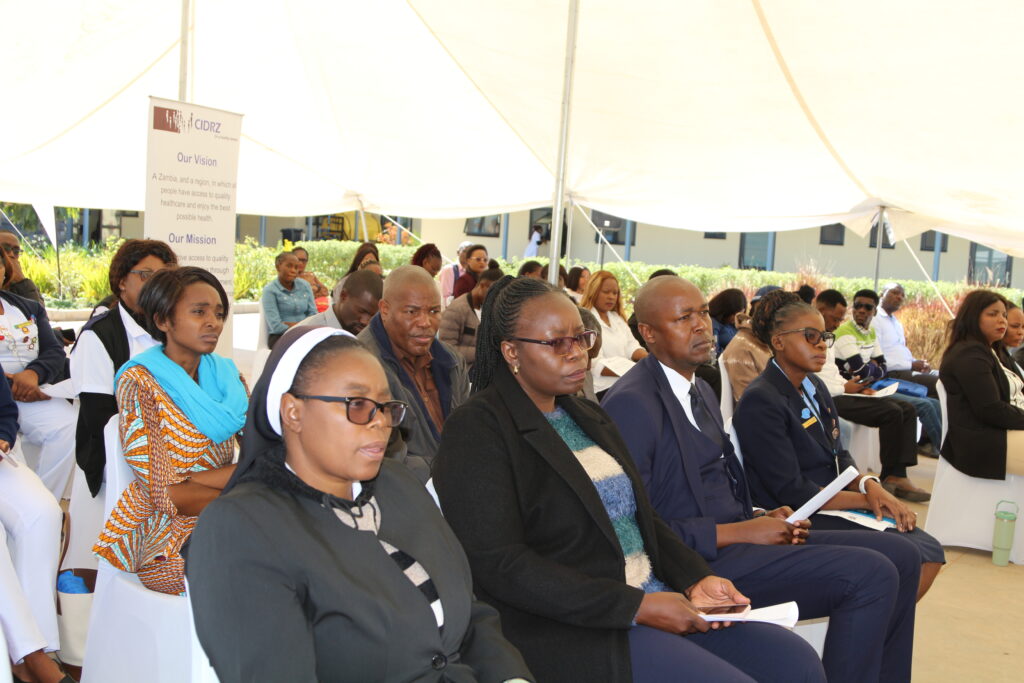
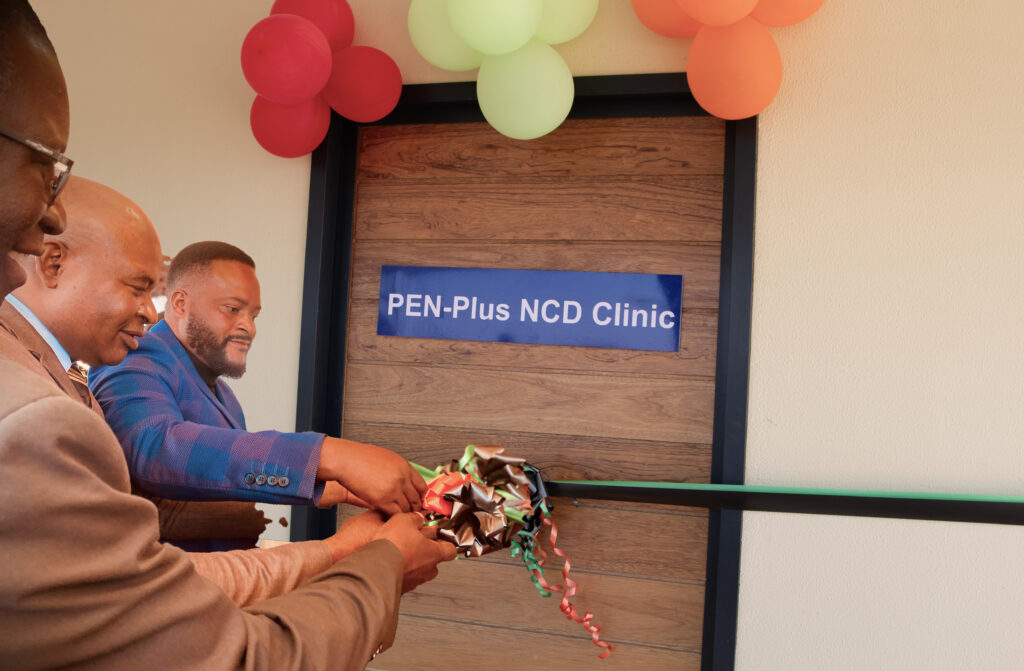
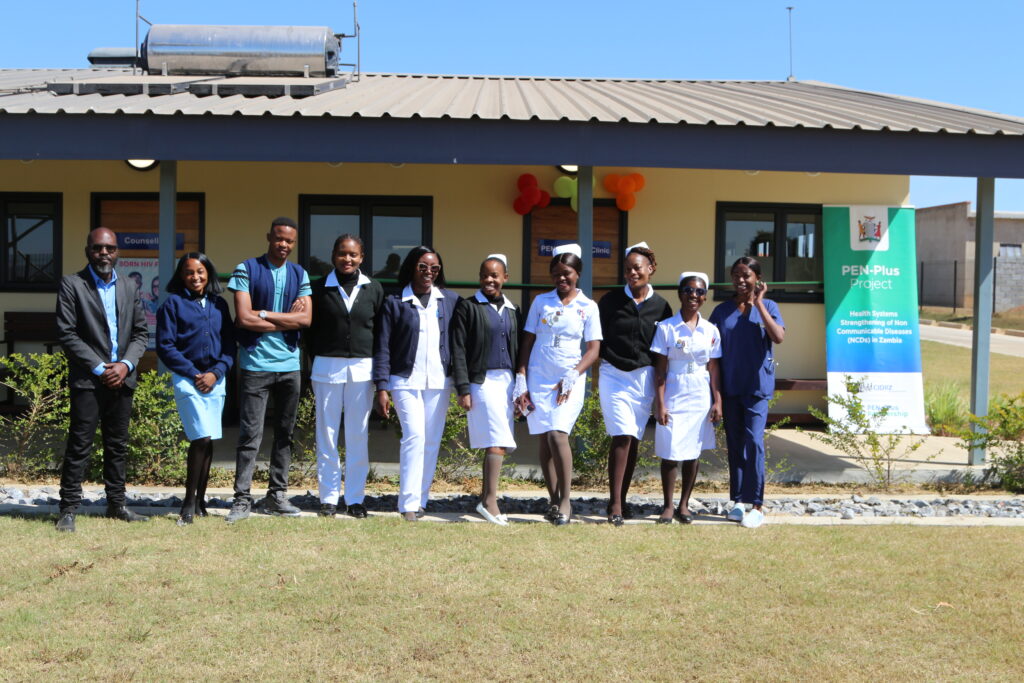
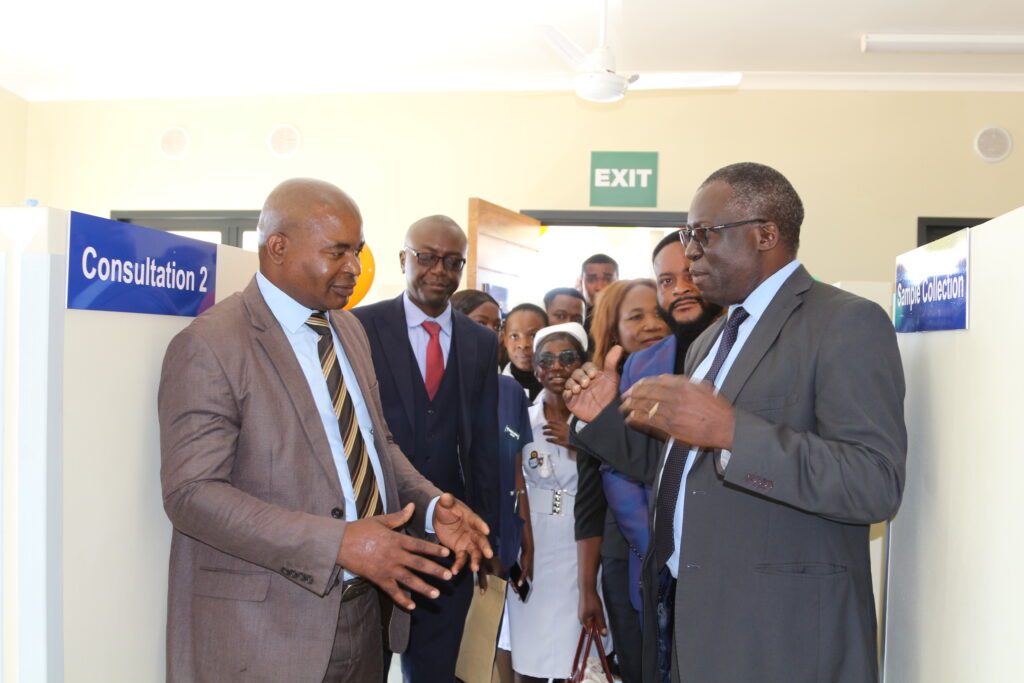
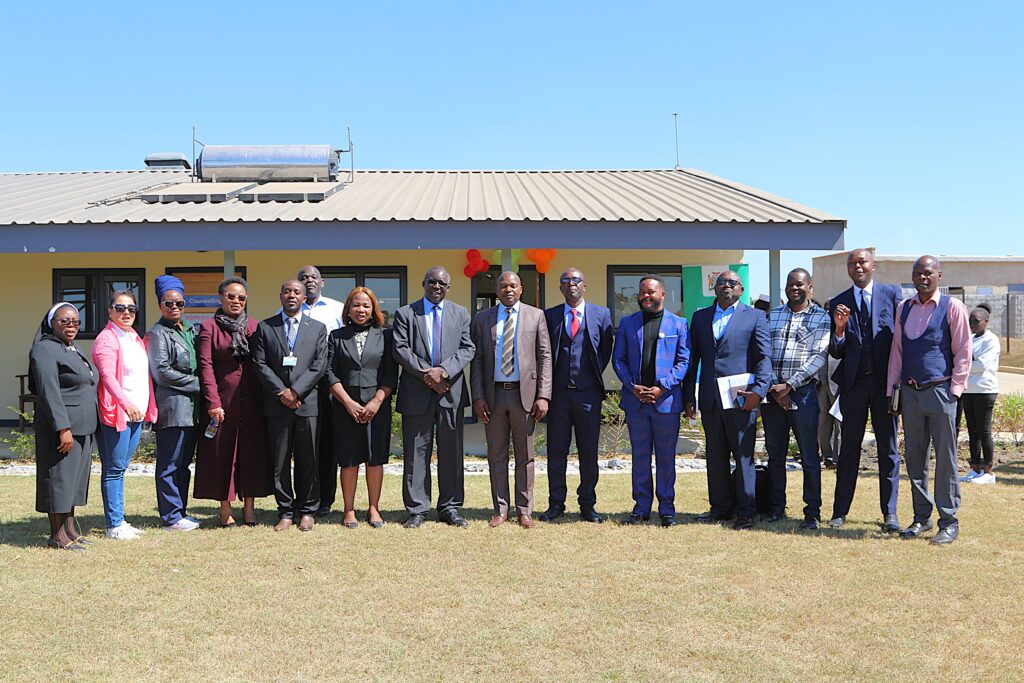
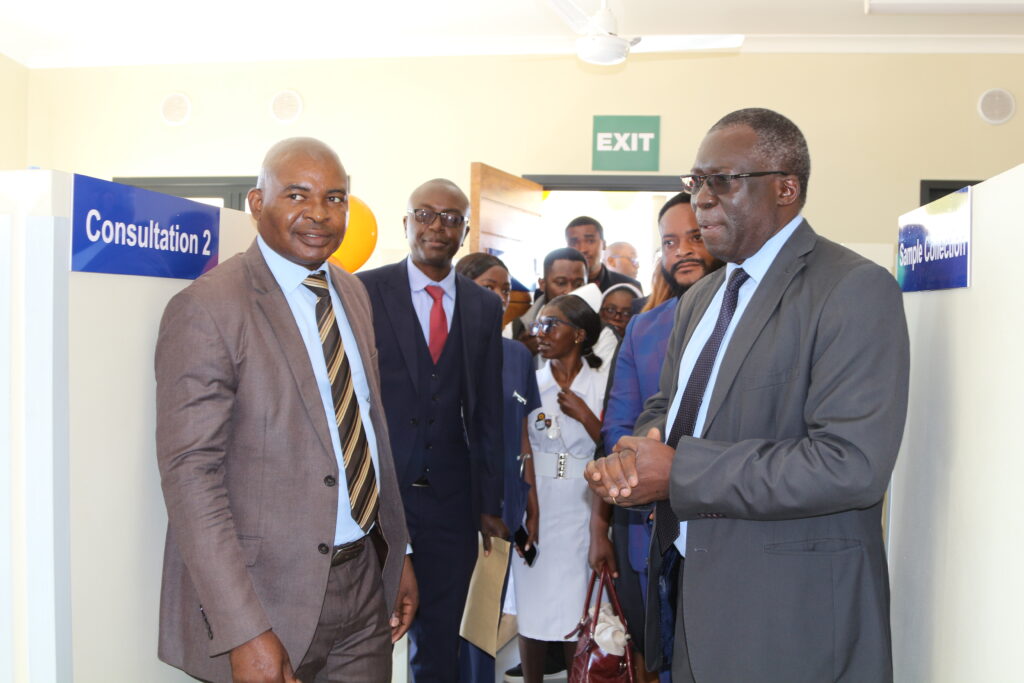
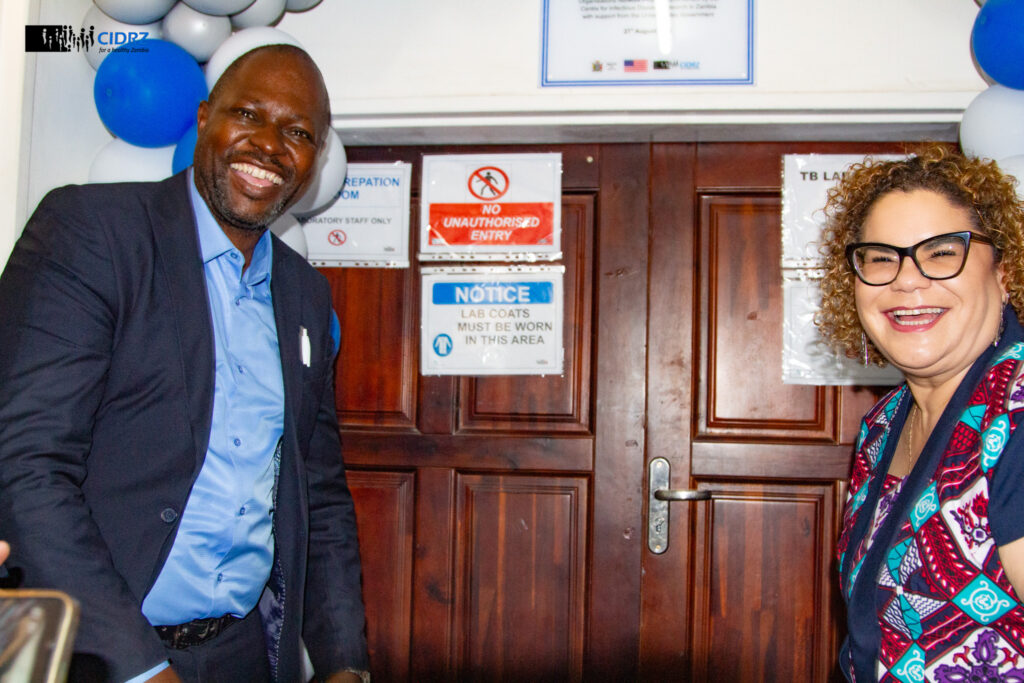
The Ministry of Health (MoH) in partnership with the Centre for Infectious Disease Research in Zambia (CIDRZ) and with support from the Scottish Government, has officially commissioned the fourth PEN-Plus clinic at Chifubu Level 1 Hospital in Ndola, marking a significant milestone in Zambia’s ongoing efforts to decentralise care for severe and chronic non-communicable diseases (NCDs).
The PEN-Plus initiative is an integrated chronic care model designed for intermediate-level facilities. It builds on the World Health Organization’s Package of Essential Non-communicable Disease Interventions (WHO-PEN), and specifically targets conditions such as sickle cell disease, diabetes, hypertension, epilepsy, cancers, and chronic lung and kidney diseases.
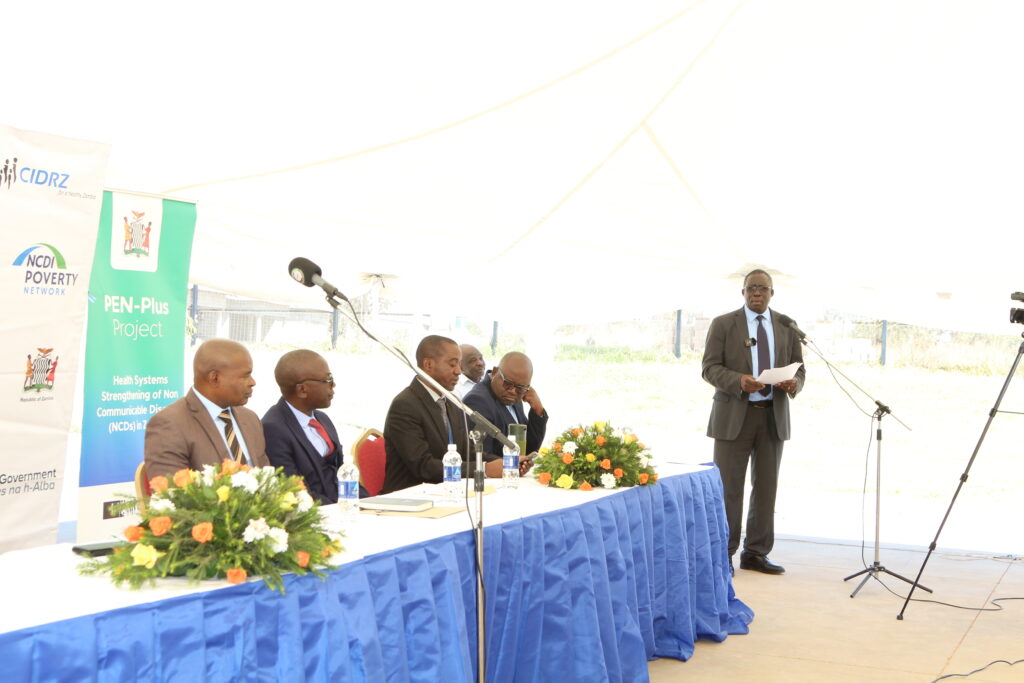
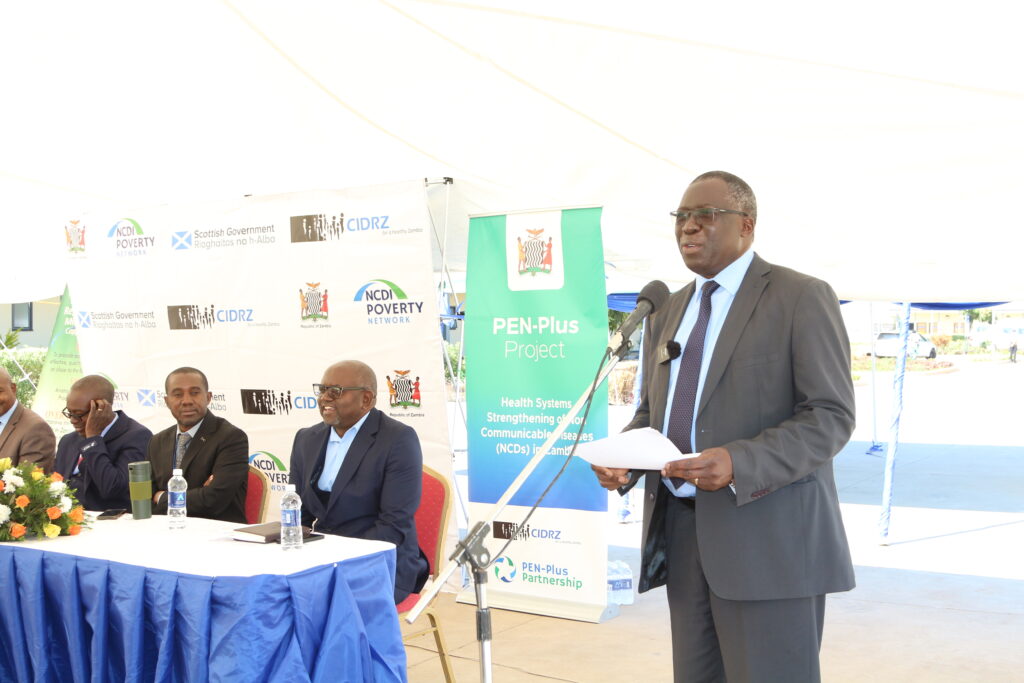
Officiating at the launch, Ministry of Health Permanent Secretary for Technical Services, Dr. Kennedy Lishimpi, described the PEN-Plus initiative as a pivotal step forward in the collective efforts to strengthen Zambia’s response to NCDs at the community level.
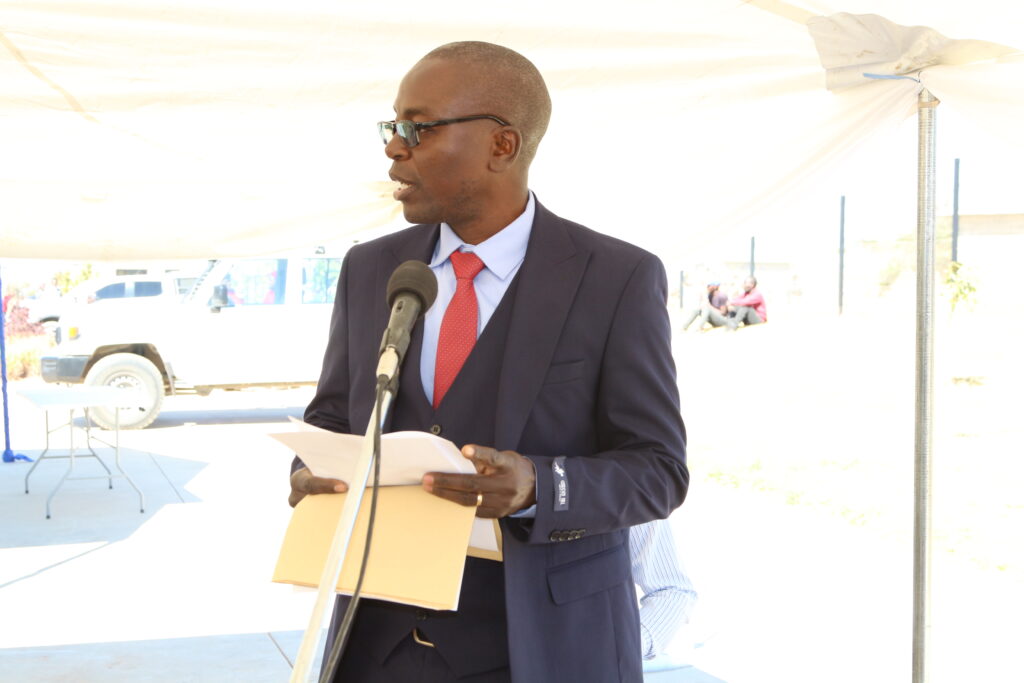
In a speech read on his behalf by Clinical Care Specialist from Copperbelt Provincial Health Office, Dr Elijah Kabelenga, Dr Lishimpi stated that most patients with severe NCDs in Zambia still present to hospitals late, when their conditions are already advanced making treatment more difficult and outcomes less favourable.
“This clinic is not just a facility it is a commitment to equity in healthcare. The PEN-Plus model empowers district hospitals and other first-level referral facilities to detect and manage severe NCDs early, saving lives and reducing long-term complications,” he said.
Dr Lishimpi noted that Zambia’s health burden is transitioning rapidly from infectious diseases to NCDs, creating a dual challenge for the healthcare system.
“NCDs are now rapidly becoming the primary causes of disability and untimely death in our country. If we do not act decisively, they will seriously hinder our ability to achieve our social, health, and economic goals,” he said.
Dr Lishimpi also called on healthcare workers to take ownership of the PEN-Plus clinic by taking good care of the facility and ensuring the facility’s resources are fully utilised to benefit the entire community.
CIDRZ- PEN Plus Principal Investigator, Prof. Fastone Goma, applauded the collaboration with the MoH, noting that the establishment of the fourth PEN-Plus clinic is the result of a shared commitment to addressing long-standing gaps in NCD care within Zambia’s primary health system.
He said that CIDRZ, with the support the Scottish Government, is committed to strengthening the Ministry of Health’s capacity to address the NCD burden facing our country.
“The PEN-Plus initiative was initiated in response to the significant gaps identified in our primary healthcare system’s ability to manage NCDs in Zambia. According to the WHO-PEN survey conducted in 2017, almost all health facilities were found to be below the minimum acceptable standards in the management of NCDs,” said Prof. Goma.
He further outlined the tangible contributions the initiative has made toward building local capacity and improving service delivery at district level.
“We have trained over 150 healthcare workers including nurses and clinical officers through didactic sessions, clinical attachments, and mentorship. We have also supplied clinics with essential tools such as ultrasound, INR, and ECG machines to ensure quality care,” he said.
Prof. Goma said that the PEN-Plus model is about long-term transformation of healthcare at the community level, an initiative that will continue to provide specialised chronic care close to the communities.
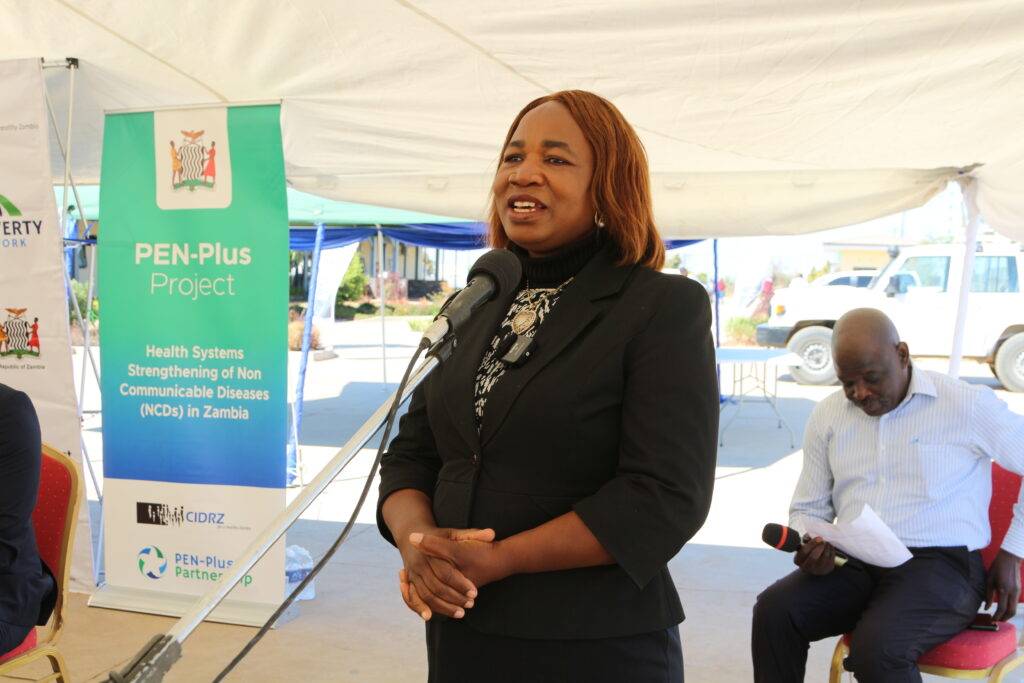
Ndola District Health Director, Dr. Lilian Nyendwa, described the launch of the PEN-Plus clinic as a significant moment in the district’s healthcare journey.
“This is a very important day for us. We are optimistic that this initiative will lead to a reduction in mortality rates related to chronic conditions that the district has been grappling with,” he said.
Meanwhile, Chifubu Level 1 Hospital Superintendent Dr. Simon Mukosai, expressed gratitude for the establishment of the PEN-Plus clinic, describing it as a major milestone in the services being offered to patients with non-communicable diseases in Ndola District.
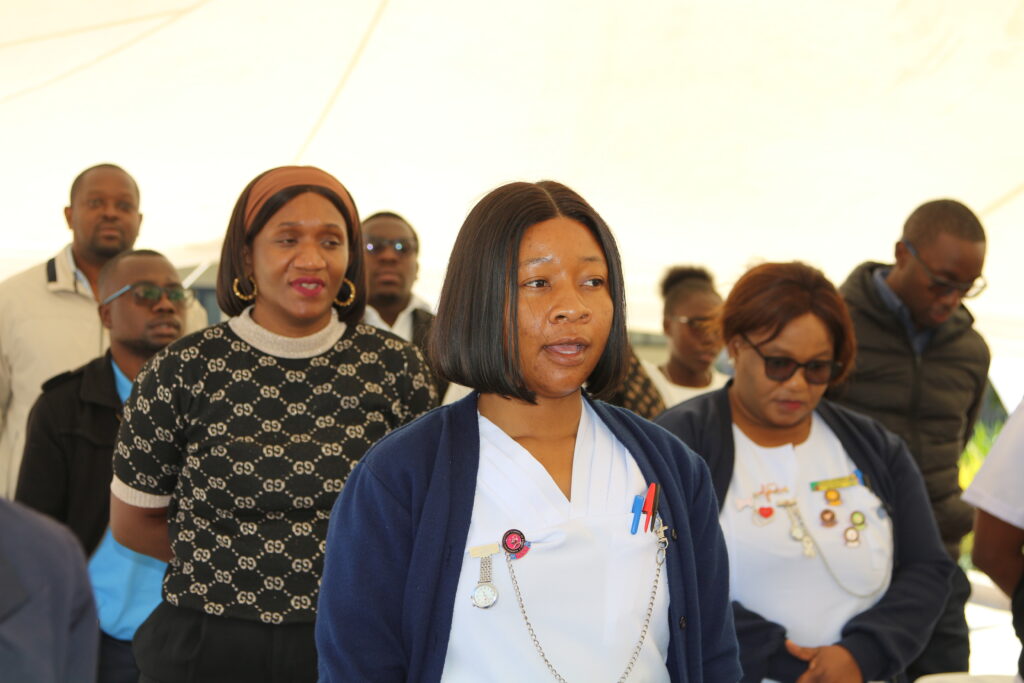
“This launch would not have been possible without the support we received from the Ministry of Health. Prior to the launch, twenty healthcare workers underwent both theoretical and practical orientation. These are well-trained and capable of handling the diagnosis and treatment of chronic conditions,” he said.
Kawama Ward Councillor under Chifubu Constituency, Francis Kabwe, expressed appreciation on behalf of the community, describing the PEN-Plus clinic as a major step forward in improving access to specialised care for chronic conditions.
“We are grateful to our donor and all partners who made sure this clinic was brought to our doorstep here in Chifubu. It is a huge step forward for our community. For a long time, many residents have struggled to access specialised care for chronic illnesses, and this clinic brings hope and relief to countless families,” he said.
Since its inception, CIDRZ has established three PEN-Plus clinics in Matero, Mwachisompola, and Kapiri Mposhi. With the launch of Chifubu Level 1 Hospital, the model now expands to a fourth site, strengthening Zambia’s response to severe NCDs.