CIDRZ, Ministry of Health Intensify Targeted HIV Testing Efforts in Lusaka to Close Case Identification Gaps.

CIDRZ Highlights Success of Integrated Screening models in combatting Lung Diseases in Kafue.
August 12, 2025
Solidarity and Learning Take Centre Stage at #CampTuliBonse2025.
August 20, 2025
The Centre for Infectious Disease Research in Zambia (CIDRZ), in collaboration with the Ministry of Health through the Lusaka Provincial Health Office (LPHO), is intensifying efforts to enhance HIV testing strategies in Lusaka Province, in line with Zambia’s national commitment to achieving the UNAIDS 95-95-95 targets.
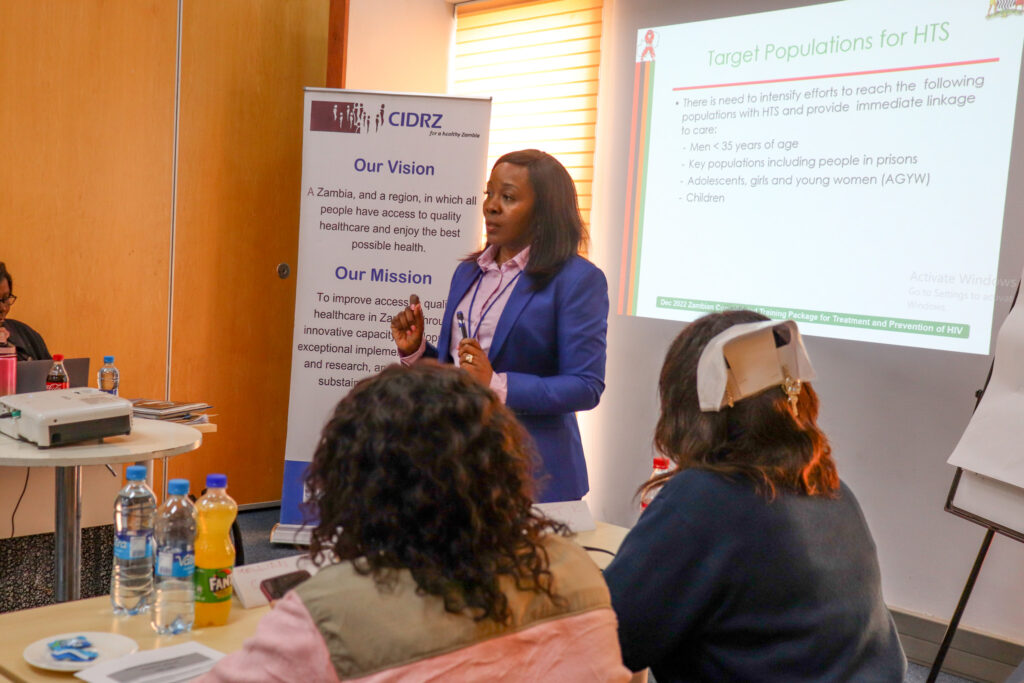
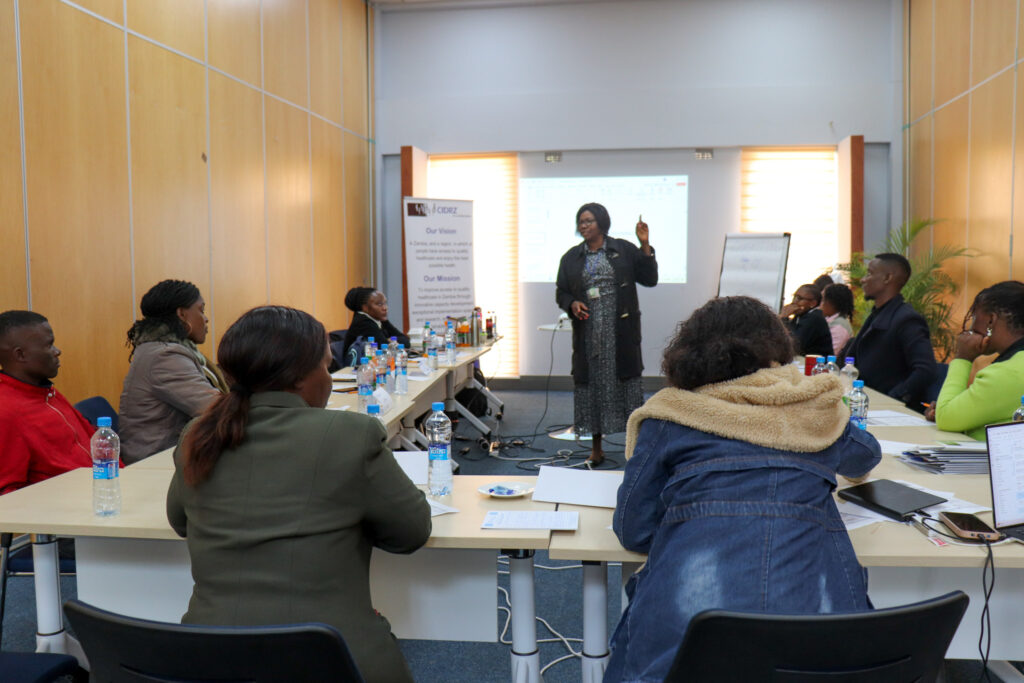
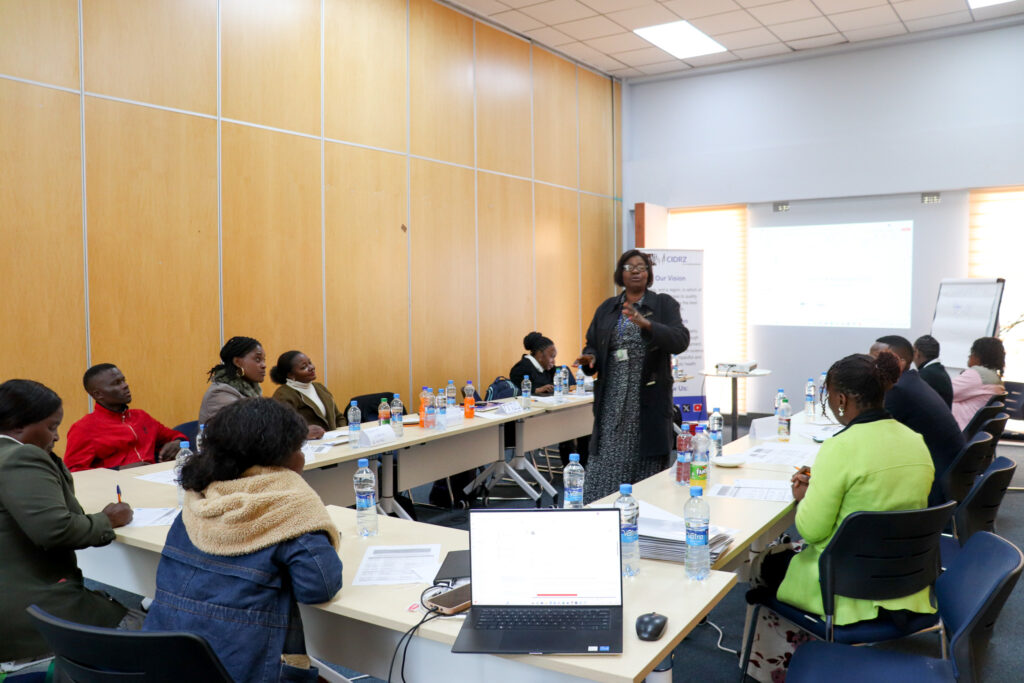
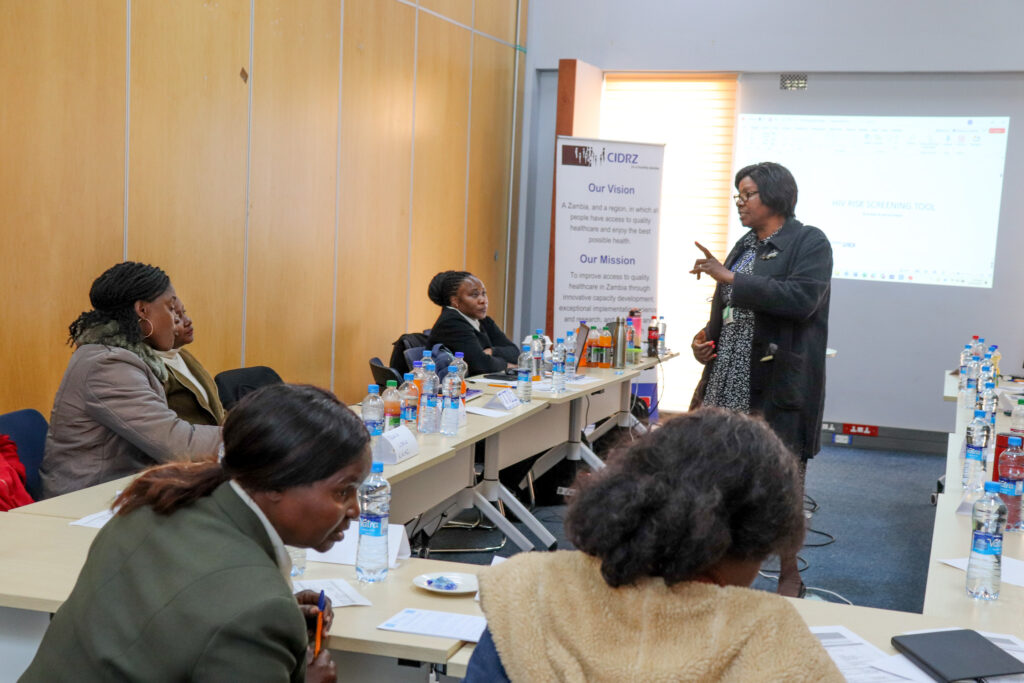
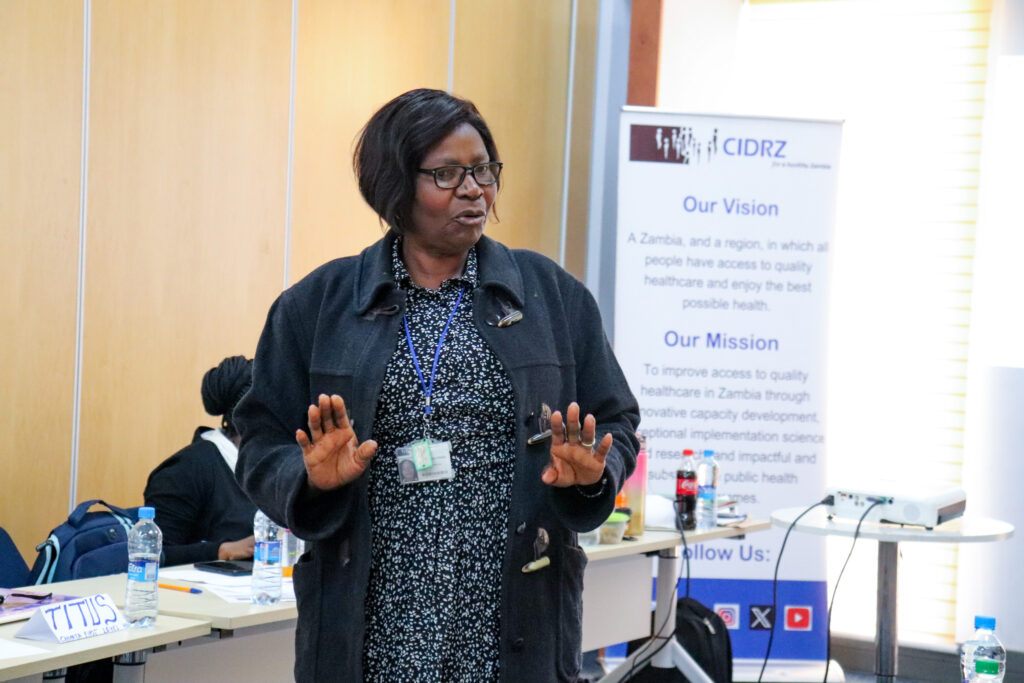
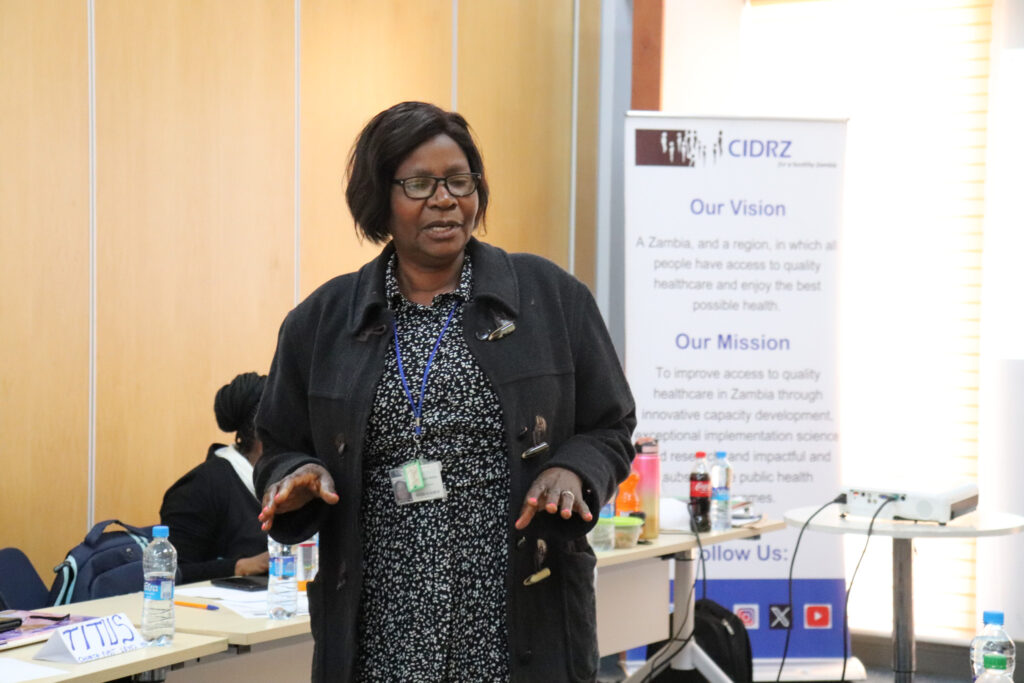
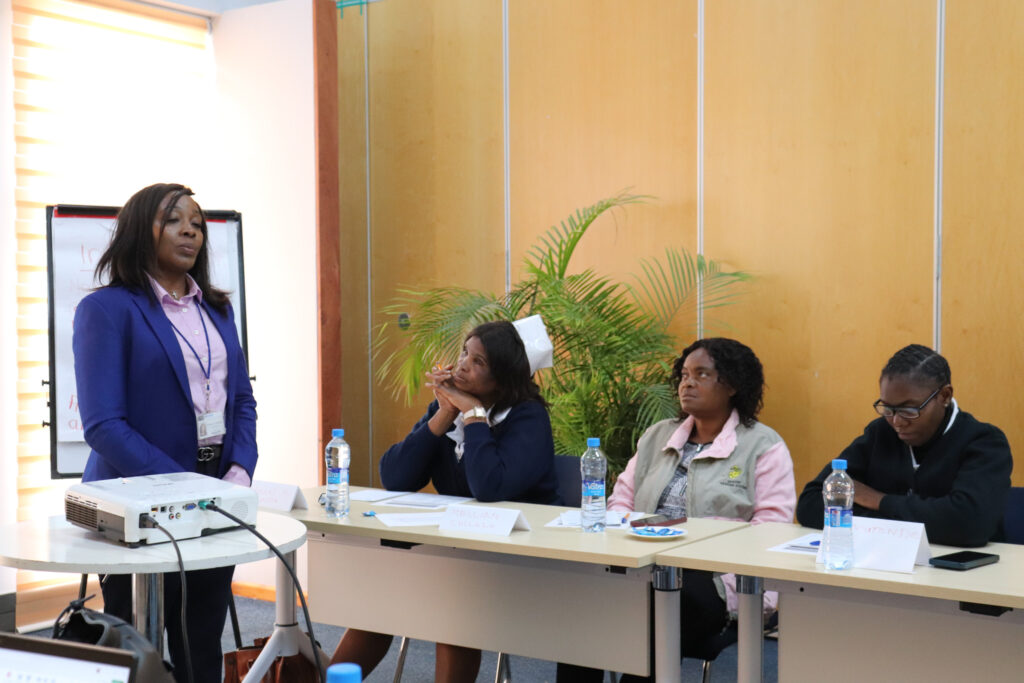
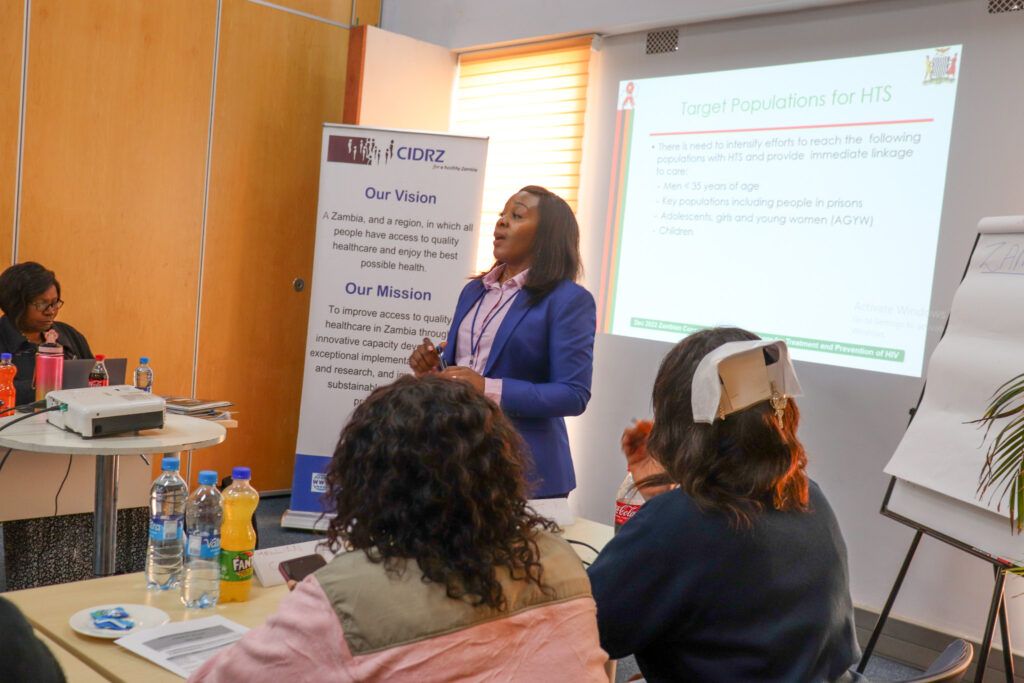
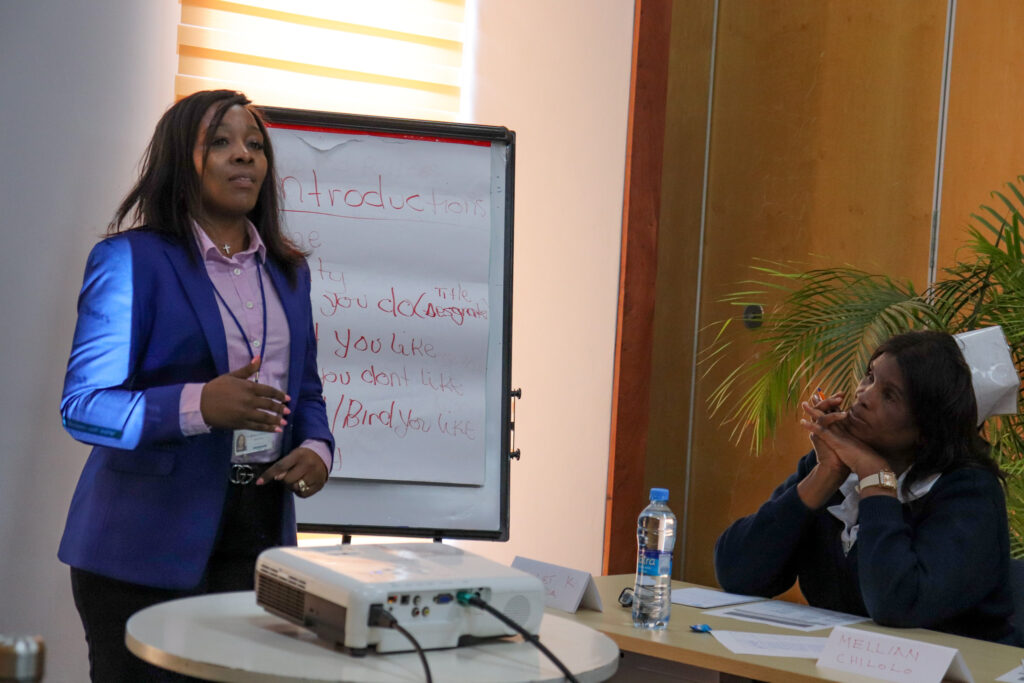
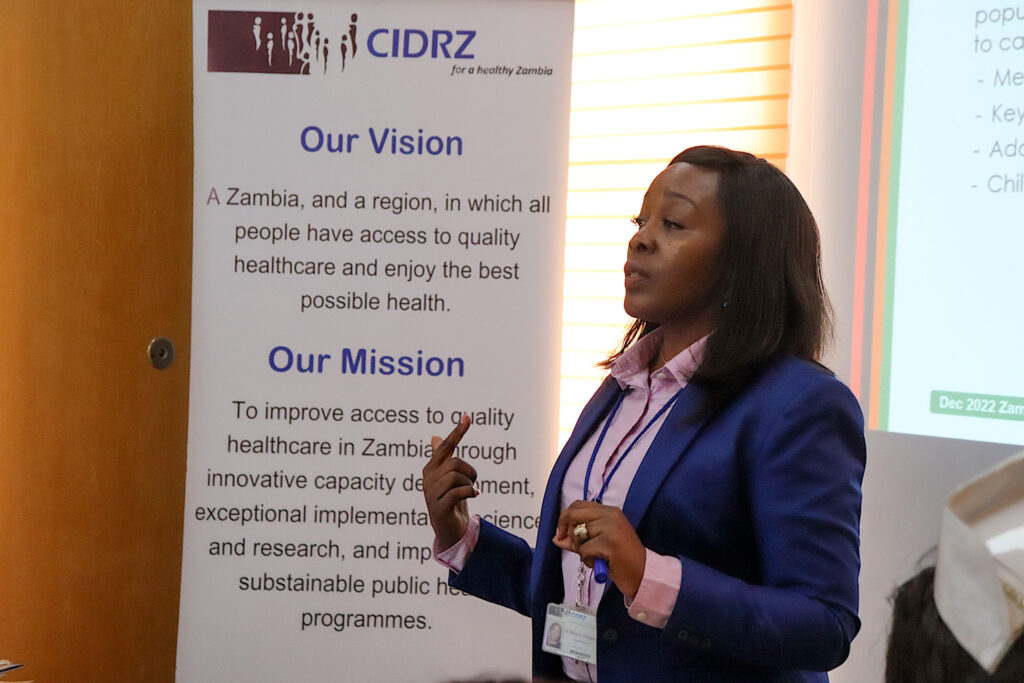
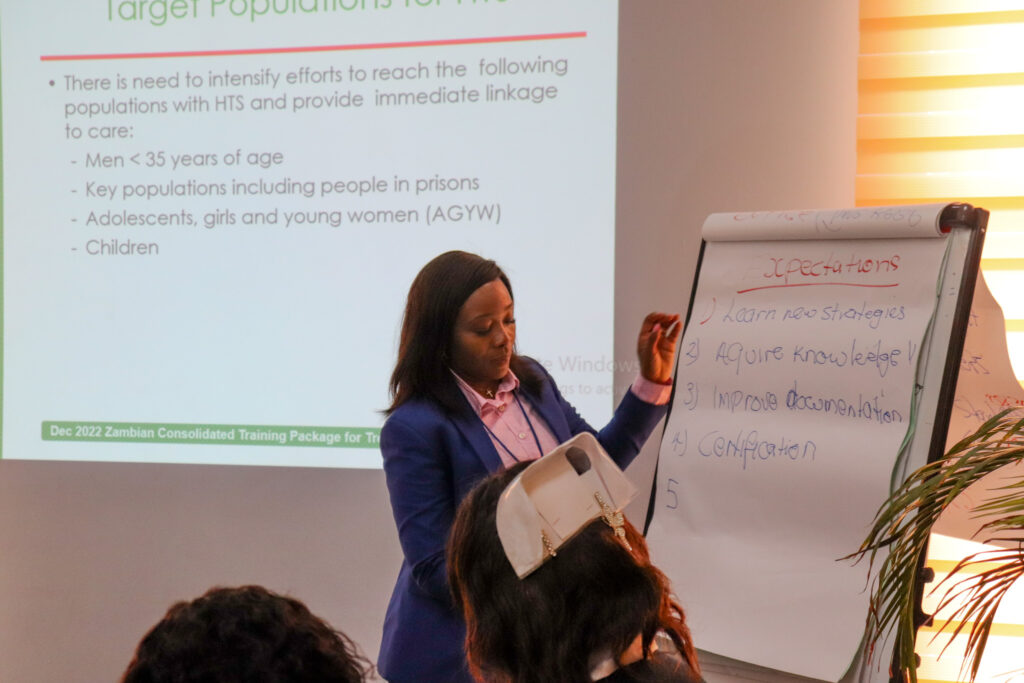
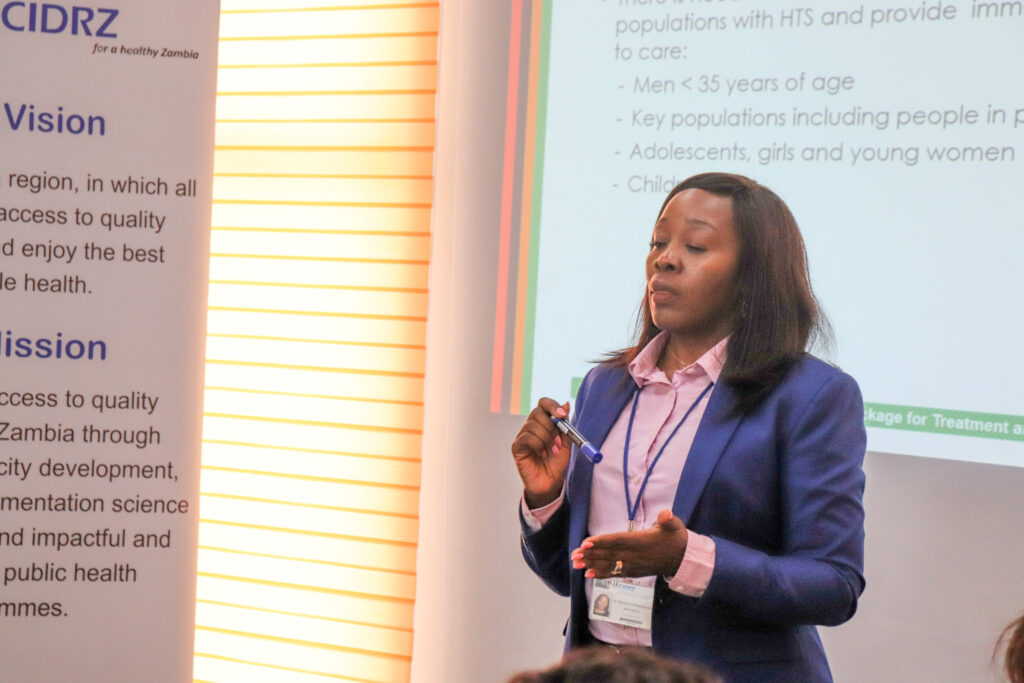
During a Targeted HIV Testing training recently held in Lusaka, Dr Monica Chibesakunda, CIDRZ’s HIV Testing and Prevention Lead under the PROUD-Z project, expressed concern about the remaining gap in HIV case identification in the province.
Dr Chibesakunda highlighted missed opportunities in some service delivery areas, where clients were not screened for the risk of HIV acquisition or offered an HIV test.
She stressed that HIV testing services are voluntary and that there is a need for a public health and human rights-based approach, where testing is accessible, available, acceptable and of high quality.
“HIV testing must be guided by the WHO’s 5Cs: Consent, Confidentiality, Counselling, Correct results, and Connection to care. “It is not just about testing, it is about protecting dignity and ensuring that services are delivered without discrimination,” Dr Chibesakunda said.
Dr Chibesakunda, who facilitated part of the training, echoed the importance of strengthening HIV Testing Services (HTS) as a gateway to HIV prevention, treatment, care, and support.
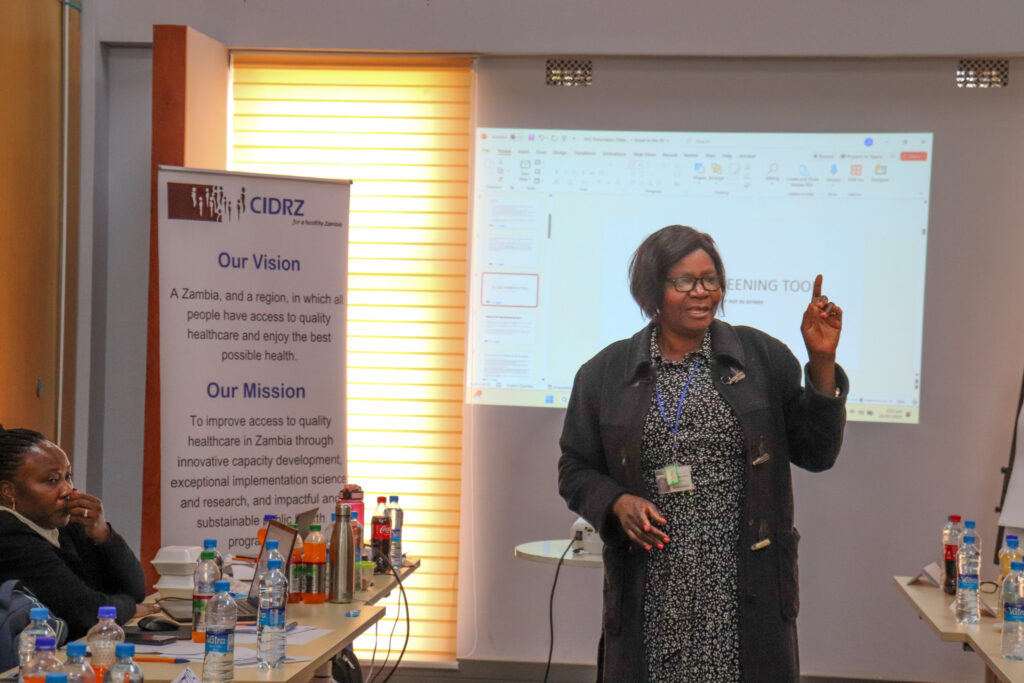
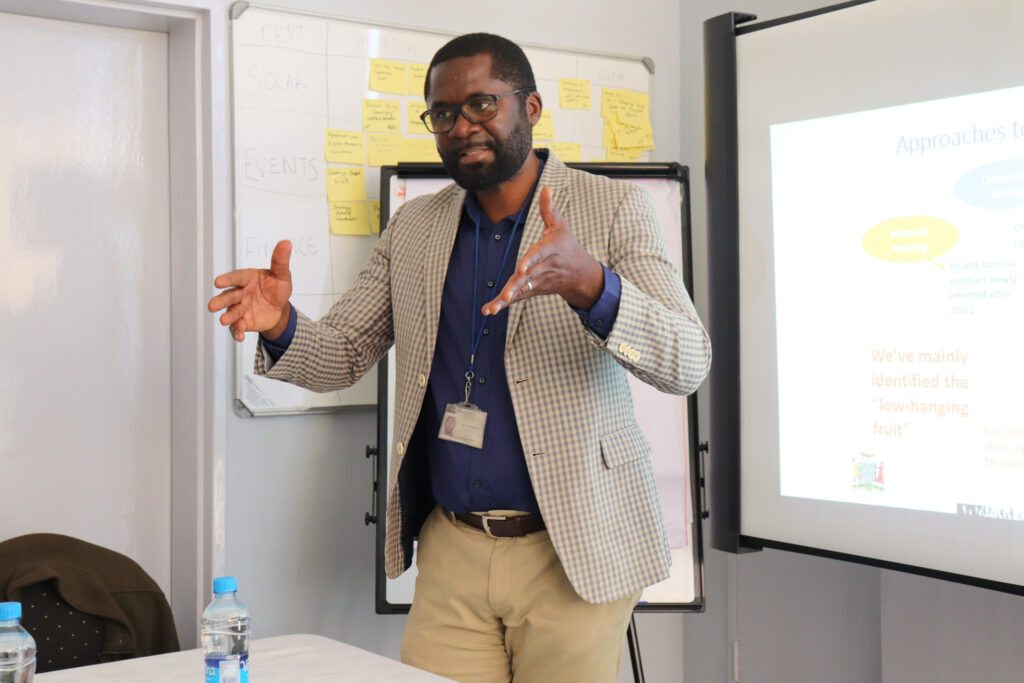
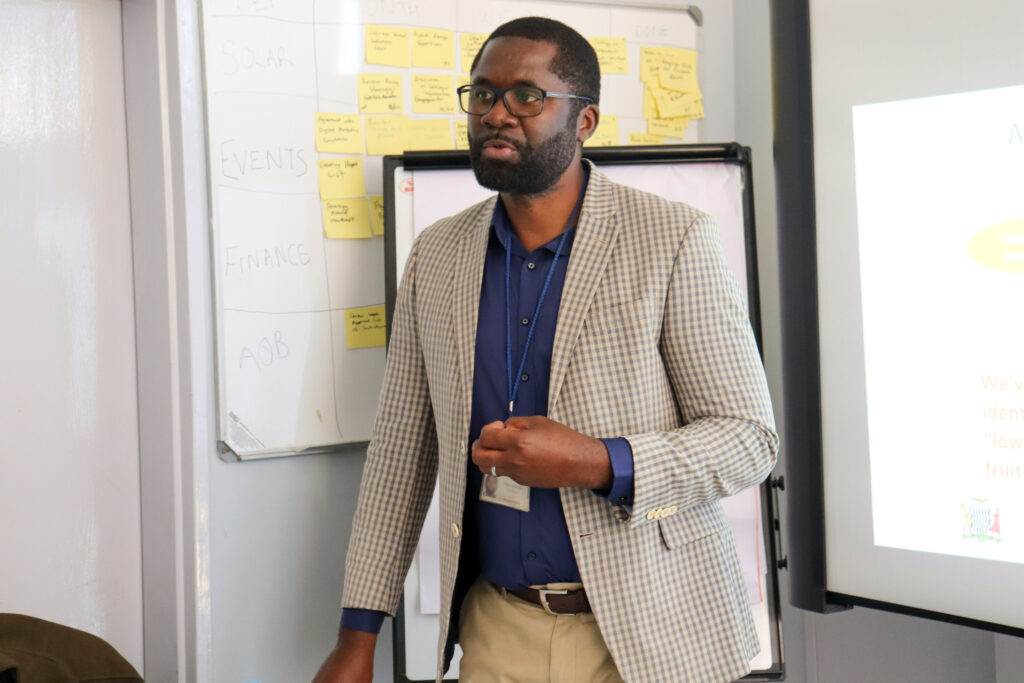
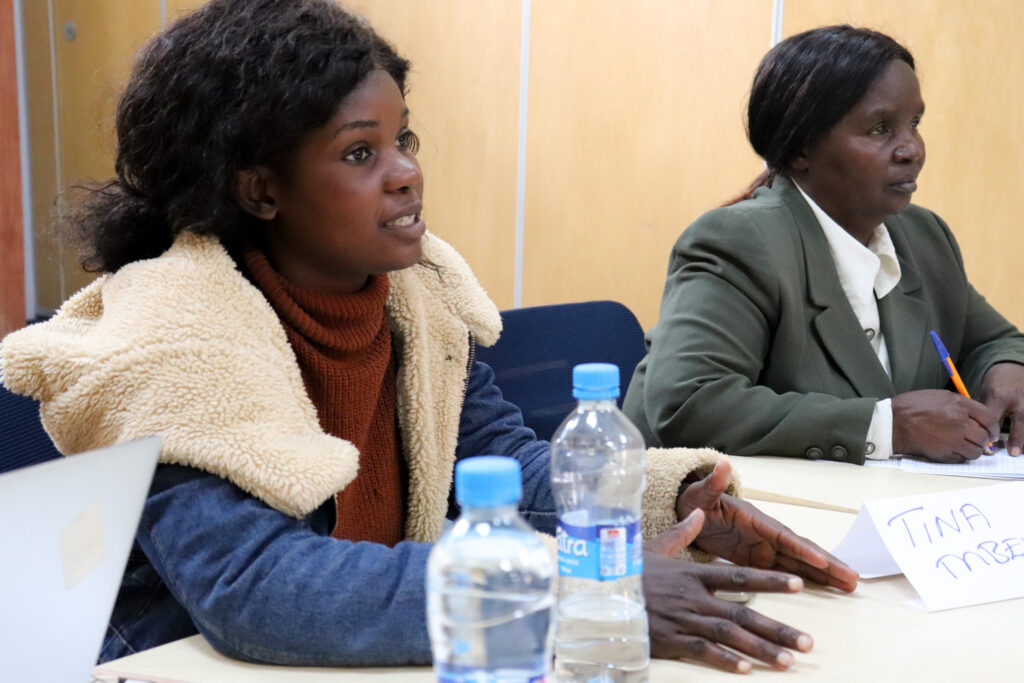
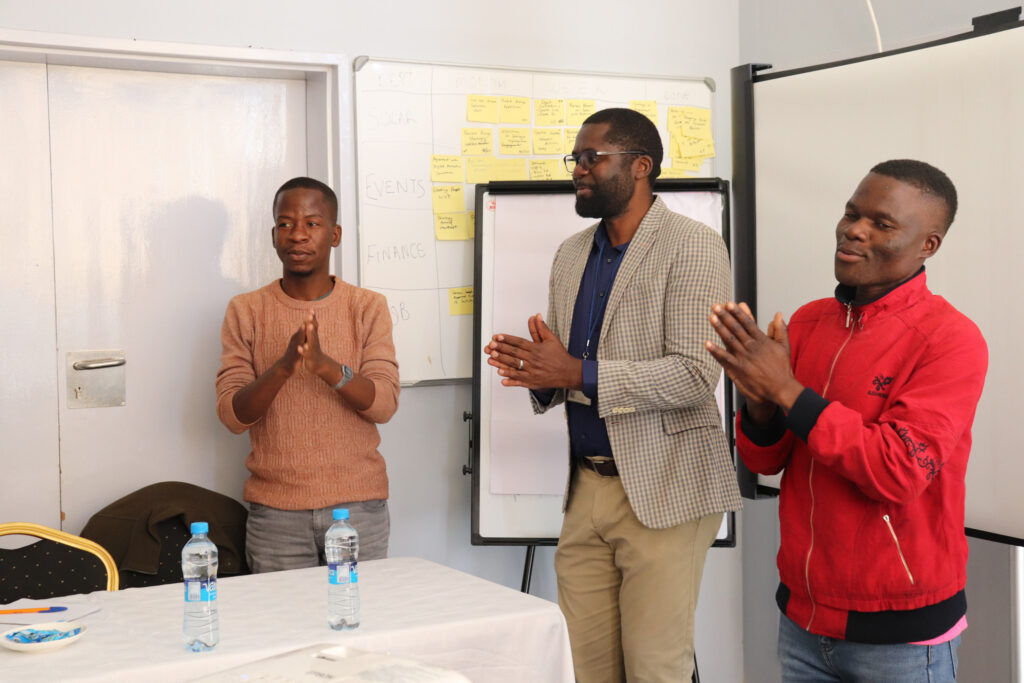
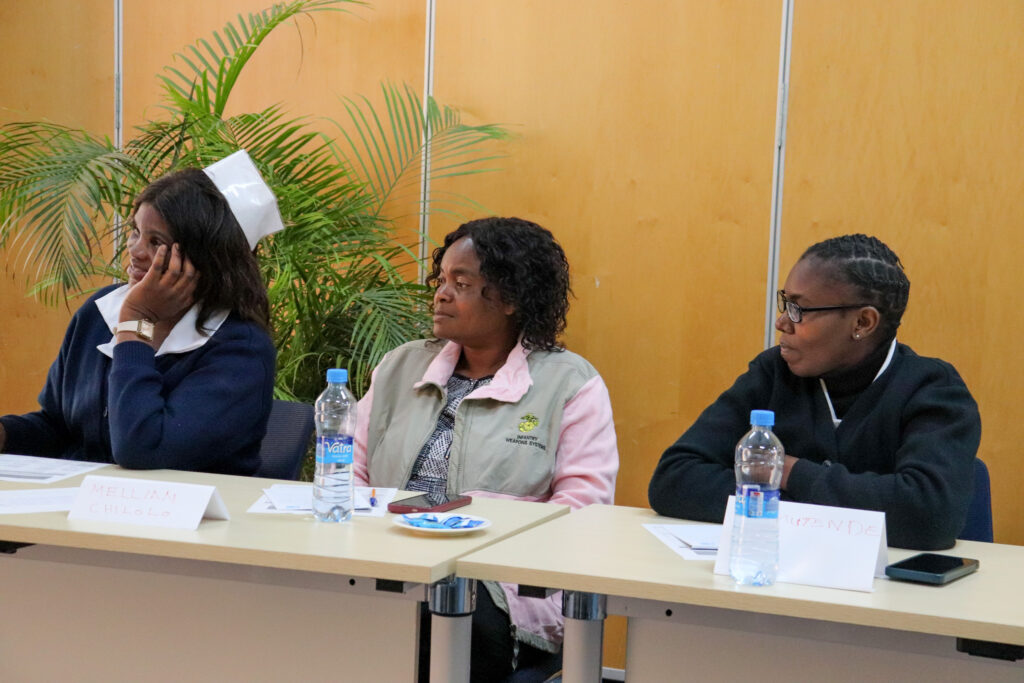
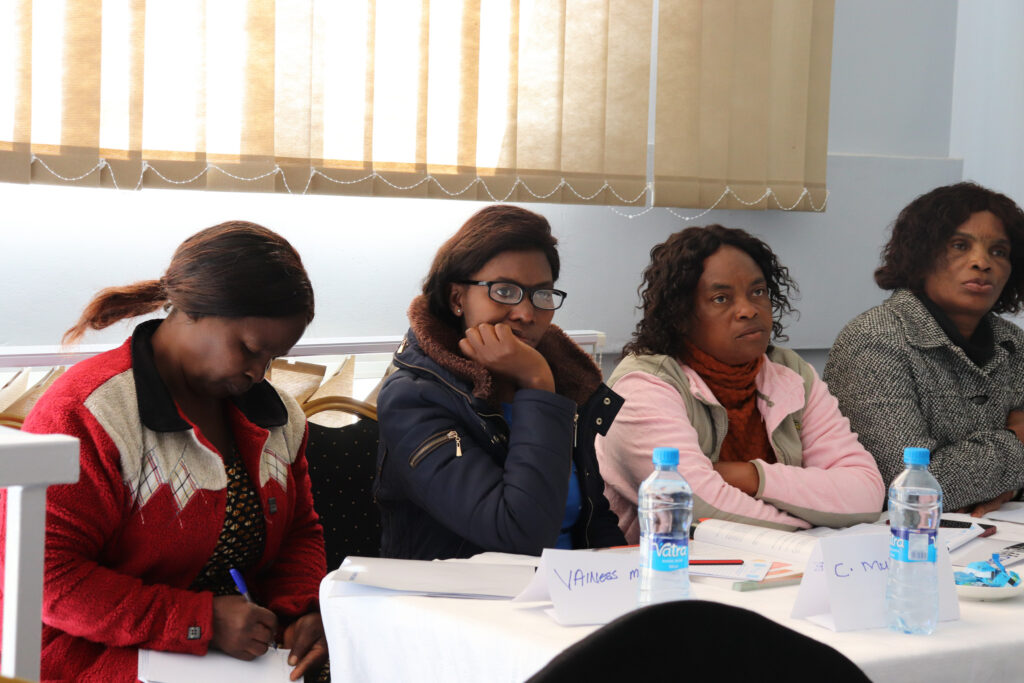
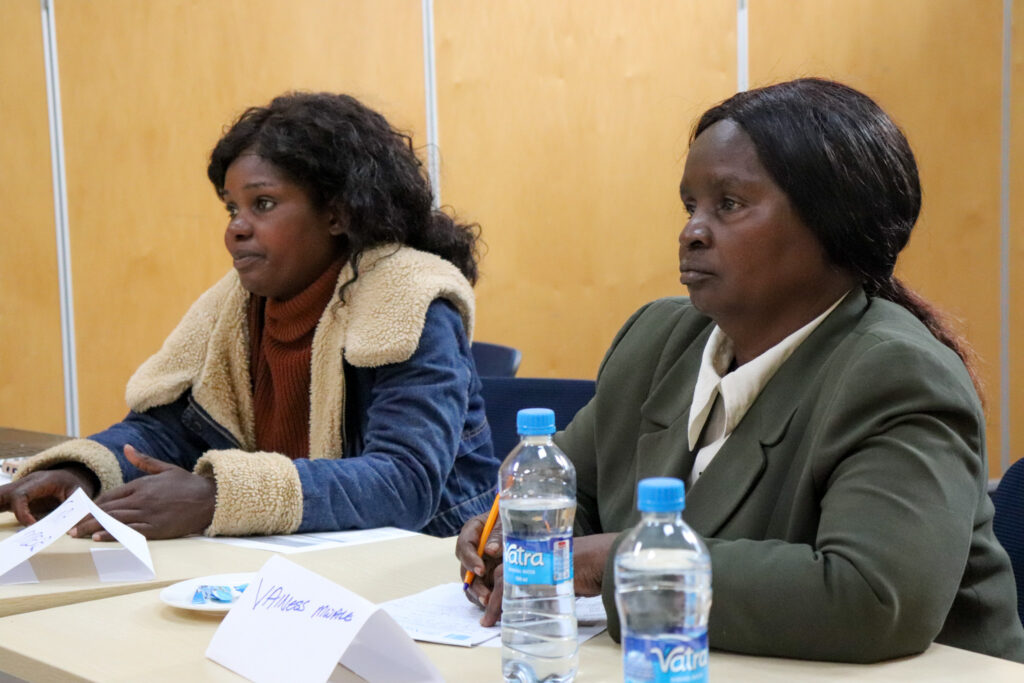
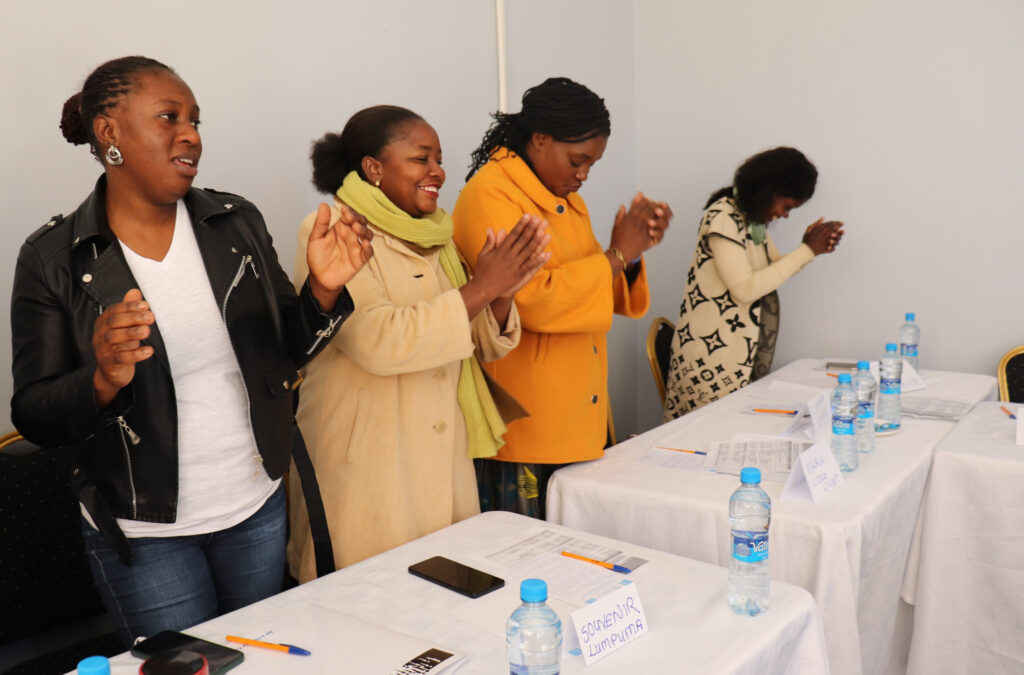
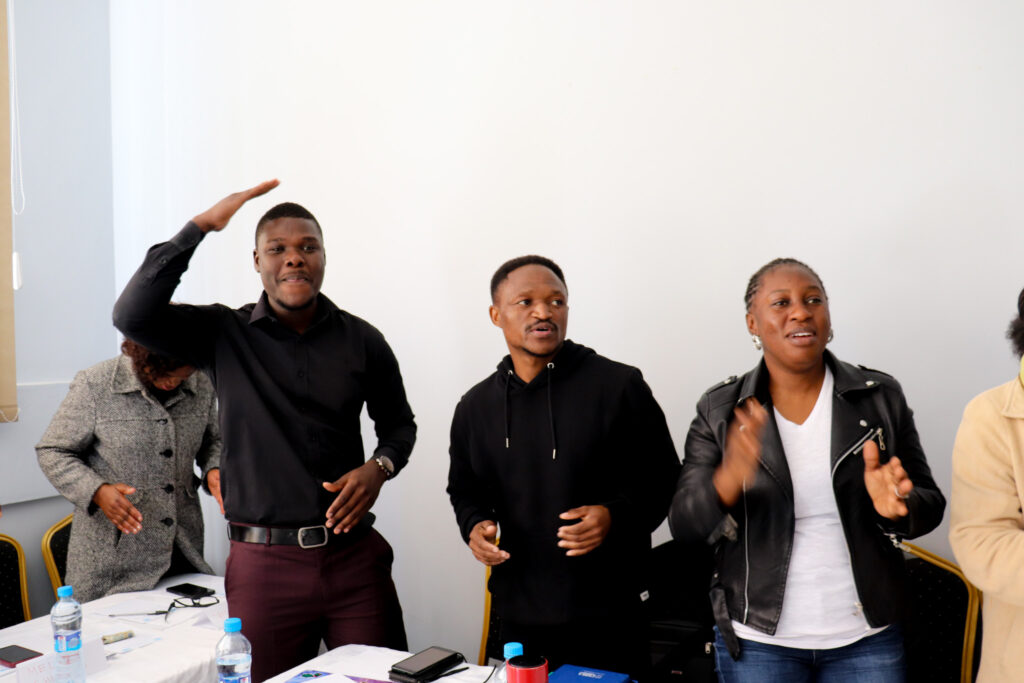
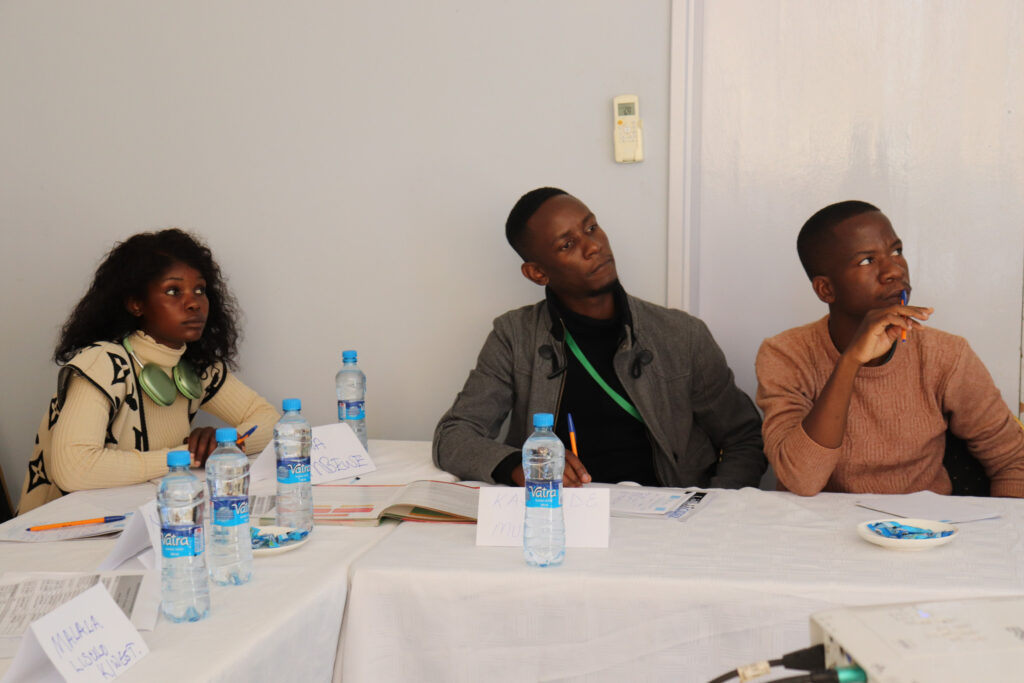
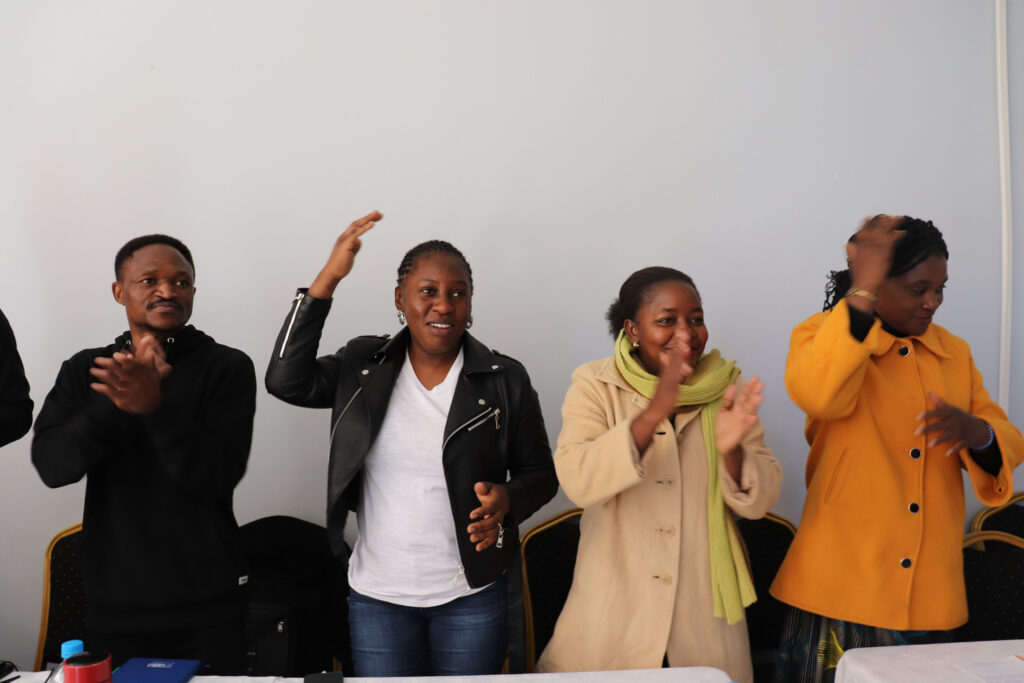
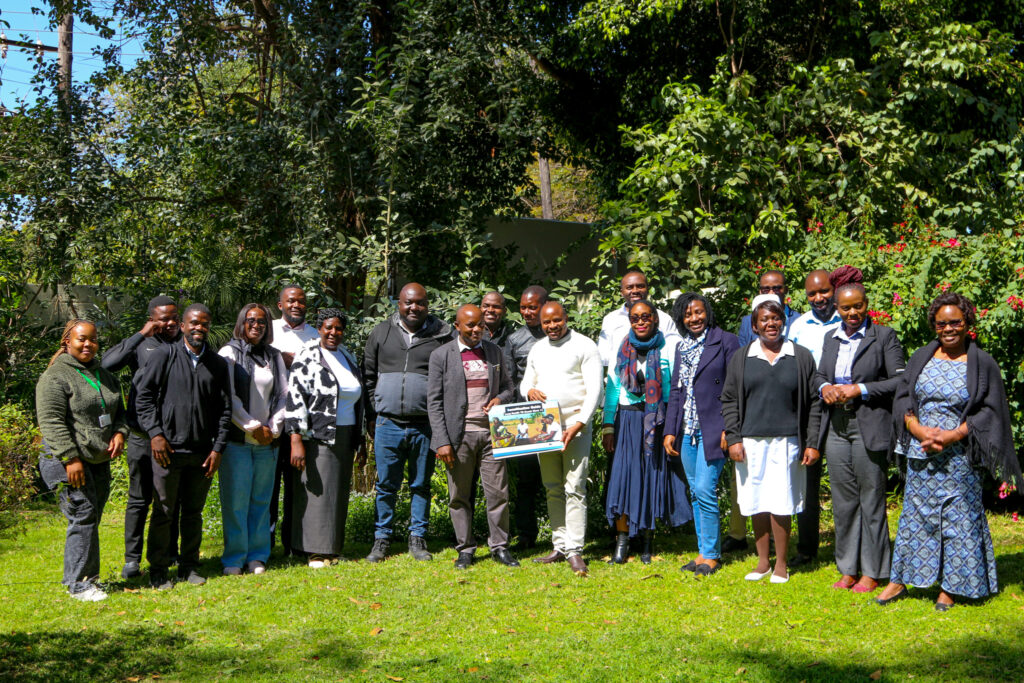
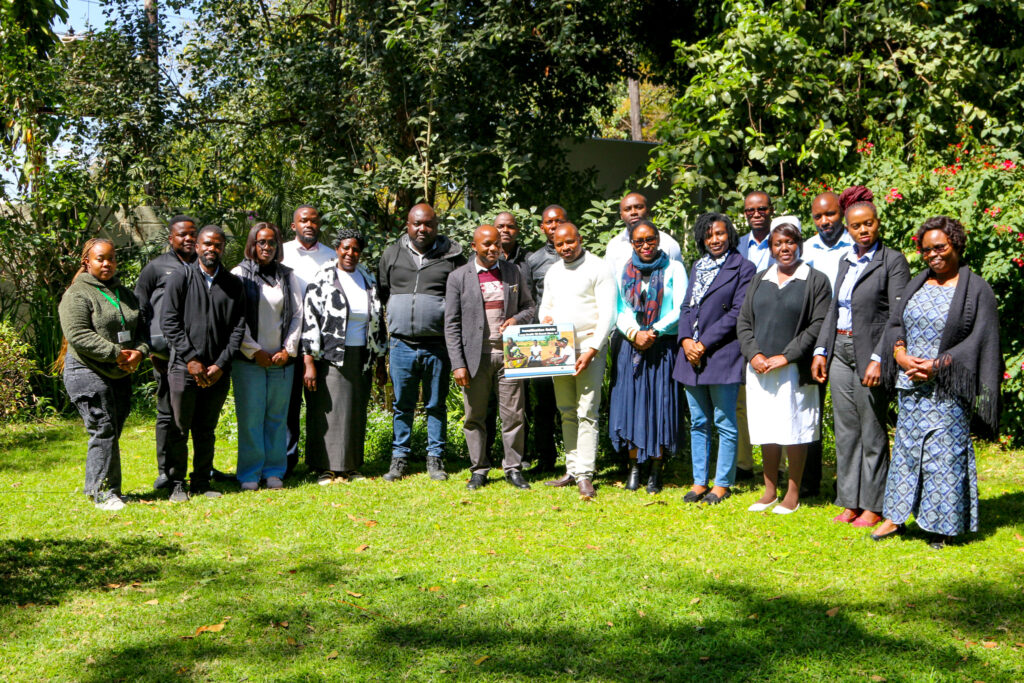
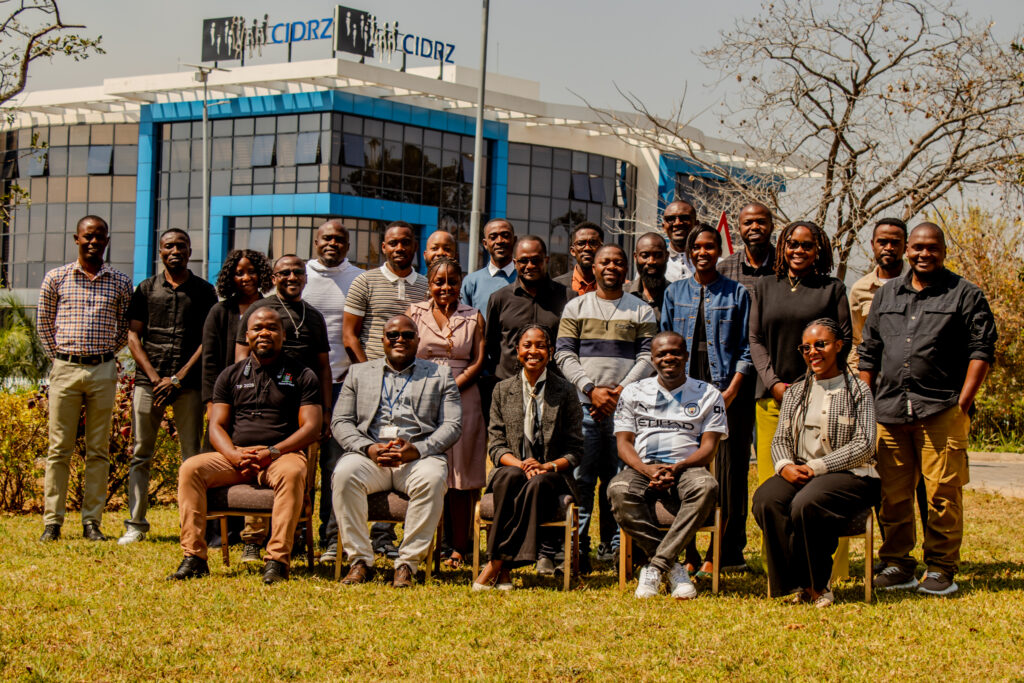
The training brought together health professionals from across Lusaka, including nurses, monitoring & evaluation officers, psychosocial counsellors, and peer supporters, all working to strengthen targeted testing strategies for high-risk and underserved populations.
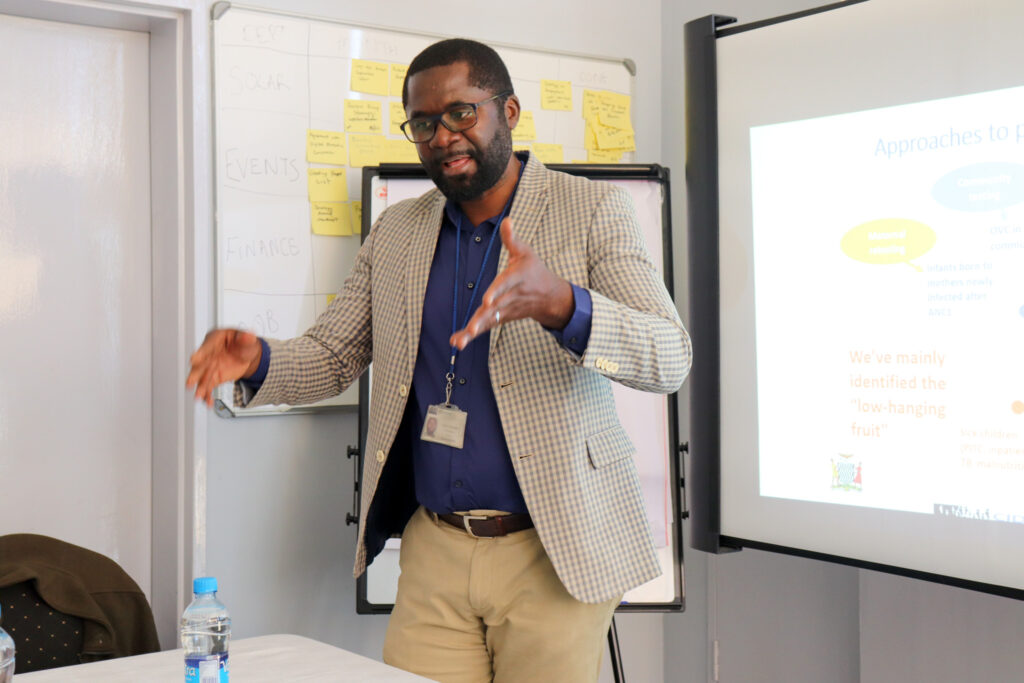
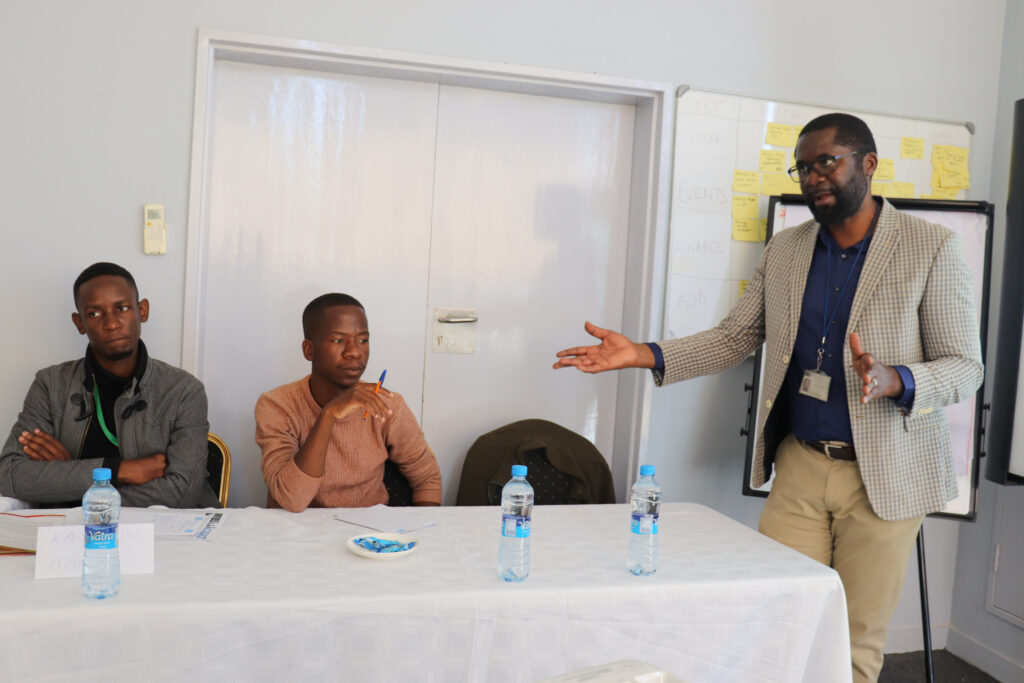
Among the participants was Vainess Mwale, a psychosocial counsellor from George Health Facility, who appreciated the training for expanding her knowledge and refining her approach to client care and targeted HIV testing.
She praised the session on index testing, a strategy that involves tracing and testing close contacts of people living with HIV and expressed a strong commitment to applying the new skills in her daily work and sharing them with colleagues.
“I have learned how to identify better and follow up with children who may have been missed. This training has broadened my scope, and I will not remain the same. I am returning to my facility with a renewed sense of responsibility,” she said.
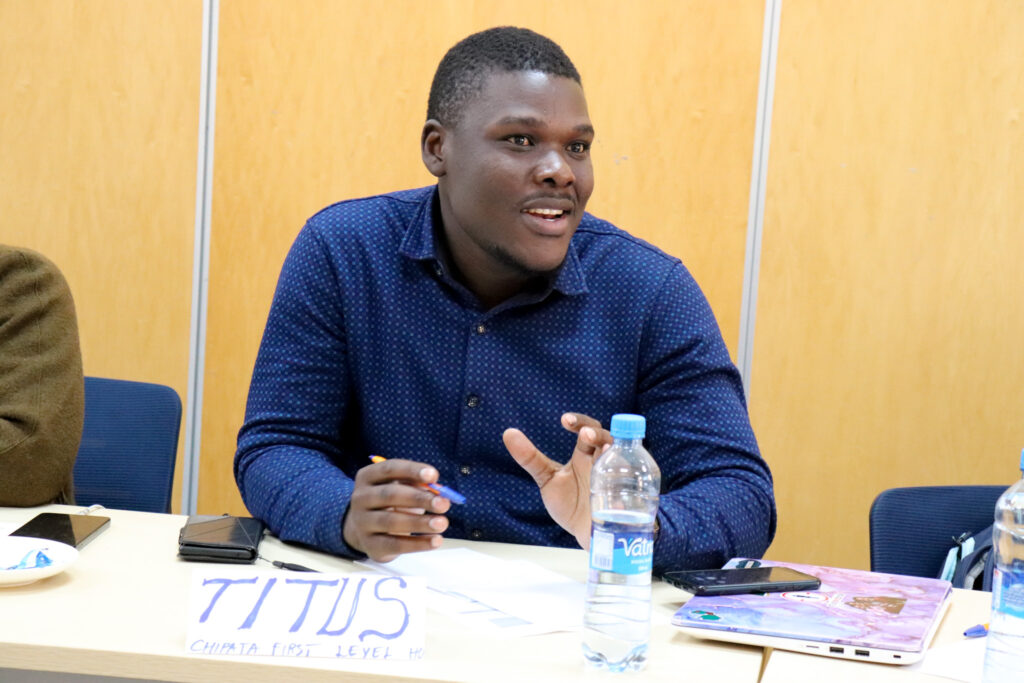
And Titus Sinyangwe, an adolescent peer supporter from Chipata Level 1 Hospital, highlighted the importance of prioritising young people aged 35 and below who are often the most vulnerable due to high-risk behaviours and limited access to accurate health information.
“I have learned that targeted testing means focusing on those most at risk, particularly young people aged 20-24 years engaged in high-risk behaviours such as unsafe sex, substance abuse, and limited access to information, who must be at the centre of our testing strategies, unlike in the past when we tested everyone without a clear approach,” he said.
He added that the knowledge gained was not just for him, but something he intended to share with his colleagues at his facility, emphasising the need for collective action.