Zambia Launches 2025 HIV Prevention Symposium to Accelerate, Sustain, and Innovate HIV Response

CIDRZ Enhances Molecular Research Capacity with Installation of the HybriSpot Auto-12 System.
November 26, 2025Ministry of Health, UN Agencies and Partners Convene 2025 National HIV Prevention Symposium in Lusaka.
November 27, 2025
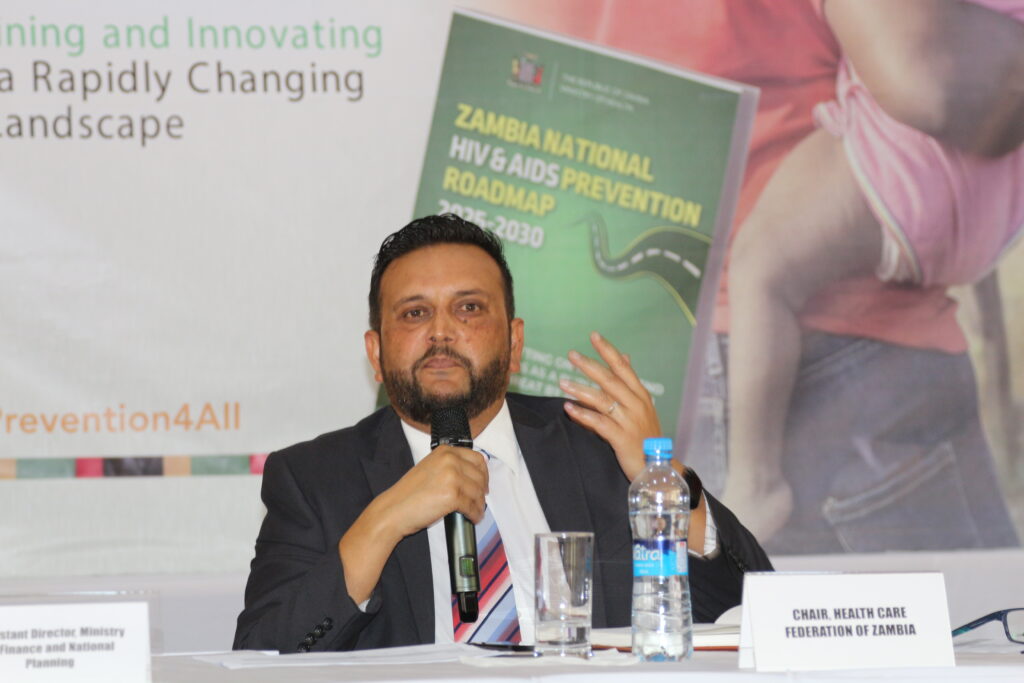
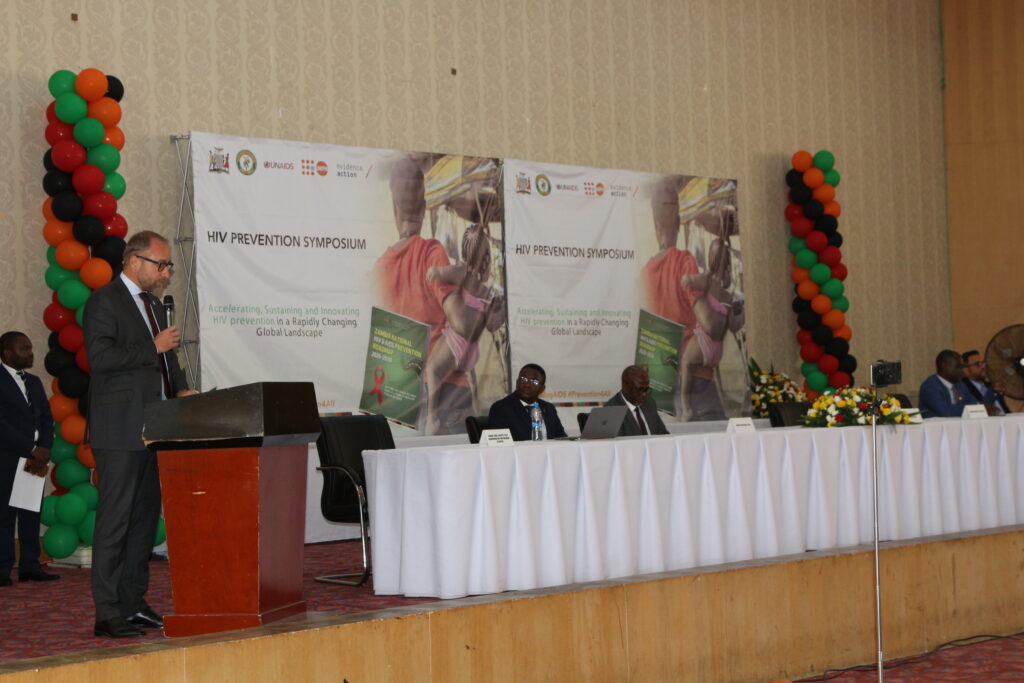
Zambia has today officially opened the two-day national 2025 HIV Prevention Symposium in Lusaka under the theme “Accelerating, Sustaining, and Innovating HIV Prevention in a Rapidly Changing Global Landscape.”
The symposium organised by the Ministry of Health (MOH) through the National HIV/AIDS/STI/TB Council (NAC), in collaboration with the United Nations in Zambia through UNAIDS and UNFPA, Evidence Action, and other partners including CIDRZ, aims to address emerging HIV prevention challenges, strengthen integrated responses, and accelerate progress toward ending HIV as a public health threat.
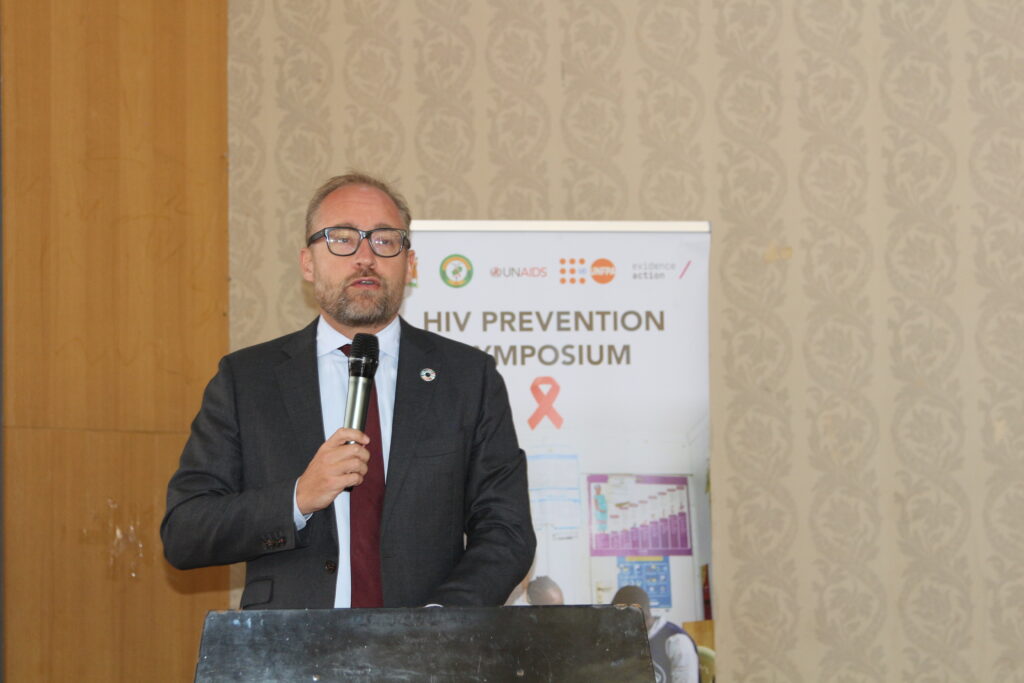
Opening the symposium, UNFPA Country Representative Mr Seth Broekman stressed the urgent need to integrate HIV prevention with sexual and reproductive health and rights (SRHR) services and those addressing sexual and gender-based violence (SGBV).
He highlighted the risks faced by adolescent girls and young women, describing the “triangle of harm” as pregnancy, gender-based violence, and HIV, which affects 13% of Zambian girls aged 10-19.
“Fragmented care is inefficient, ineffective, and unjust. We cannot end AIDS or achieve universal health coverage without tearing down the walls between HIV, SRHR, and gender-based violence services. When we strengthen the health system for one, we strengthen it for all,” Broekman said.
He outlined four key pillars to fully integrate HIV prevention within comprehensive SRH services, as strongly advocated by UNFPA, UNAIDS, and partners, including (i) HIV prevention in primary care, (ii) life skills and health education, (iii) rights-based and gender-transformative approaches, and (iv) service linkages for people living with HIV (PLHIV).
Mr Broekman also called for sustained investment in HIV prevention, scaling up integrated SRH/HIV services, strengthening health workforce capacity, and prioritising youth through rights-based, stigma-free, and inclusive healthcare.
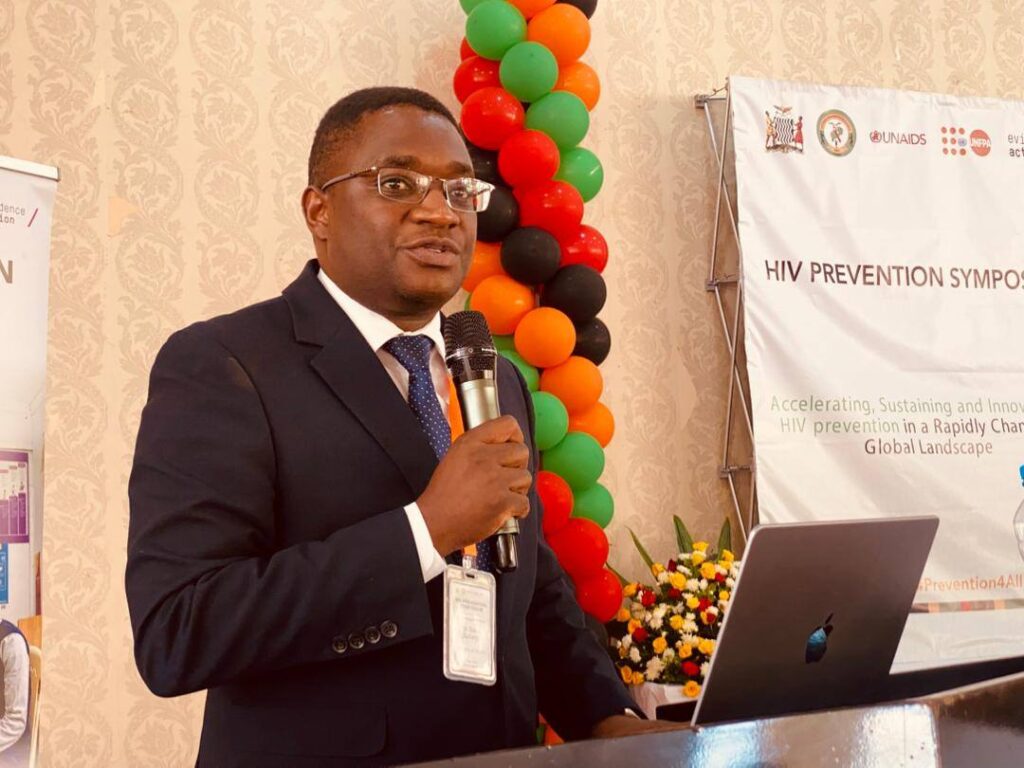
Welcoming delegates, Dr Kebby Musokotwane, Director General at the National HIV/AIDS Council, said the symposium’s theme reflects the urgent need to adapt to evolving challenges in HIV prevention.
“In this rapidly changing world, we cannot rely on yesterday’s solutions to solve today’s emerging realities. We must accelerate what works, sustain what saves lives, and innovate boldly to close the prevention gap,” Dr Musokotwane said.
Dr Musokotwane urged delegates to strengthen community-led models, embrace digital and data-driven approaches, expand equitable access to combination prevention, and ensure that deliberations translate into ‘real progress and lasting impact toward an AIDS-free generation.
Meanwhile, the Ministry of Health’s Director of Infectious Diseases, Professor Loyd Mulenga, outlined the objectives of the symposium, emphasising the need to accelerate evidence-based, innovative, and sustainable HIV prevention strategies in Zambia.
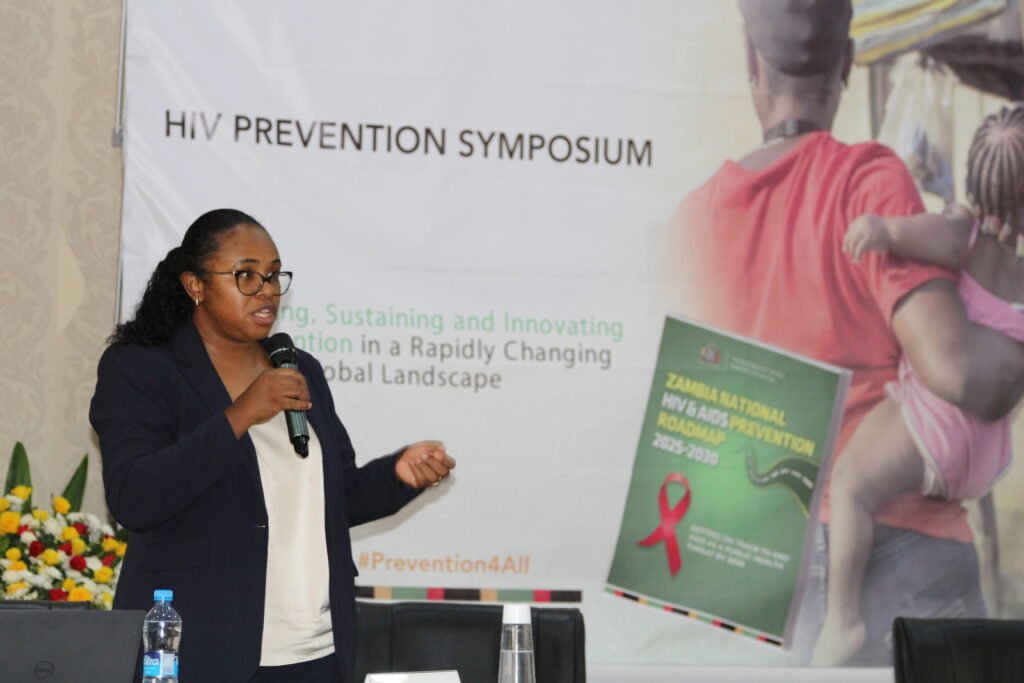
Speaking on behalf of Professor Mulenga, Dr Suilanji Sivile, HIV Technical Advisor at the Ministry of Health, emphasised the importance of multi-stakeholder and multi-sectoral collaboration, policy advocacy, and strengthened accountability mechanisms to reduce HIV infections nationwide.