CIDRZ Joins World AIDS Day 2025 Commemorations

CIDRZ Highlights Progress in Scaling Up PrEP for Pregnant and Breastfeeding Women at 2025 National HIV Prevention Symposium
November 28, 2025
Advancing Zambia’s Animal Health Systems Through the Zambia Fleming Fund Country Grant.
December 2, 2025
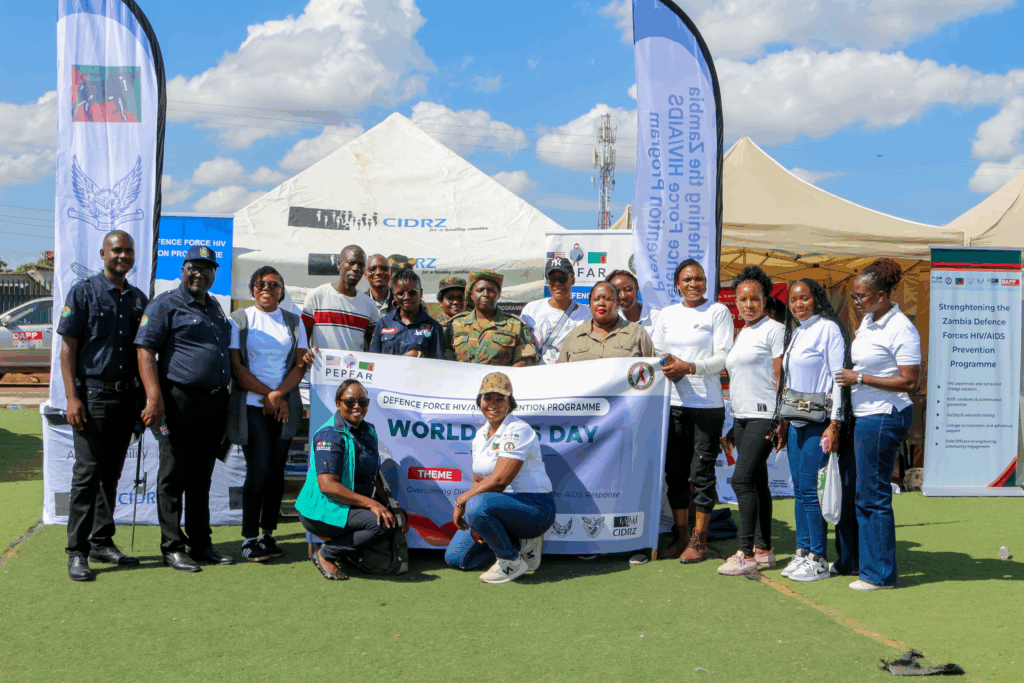
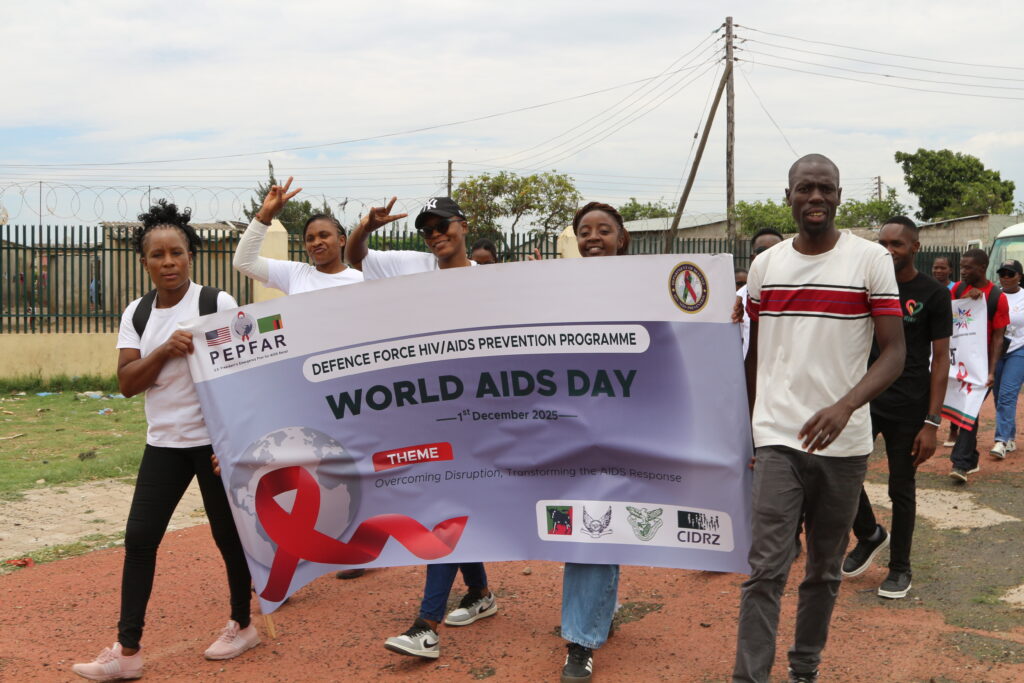
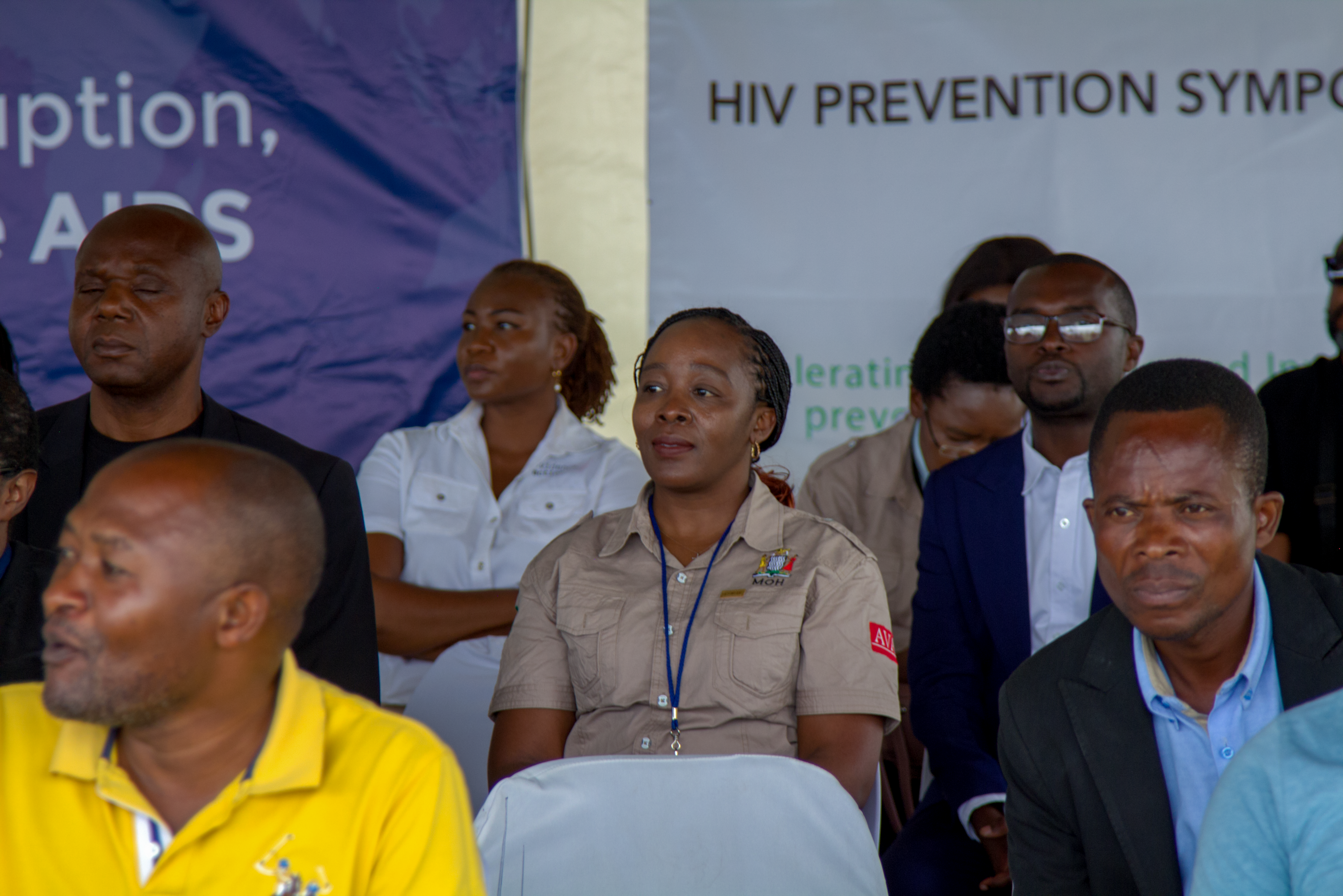
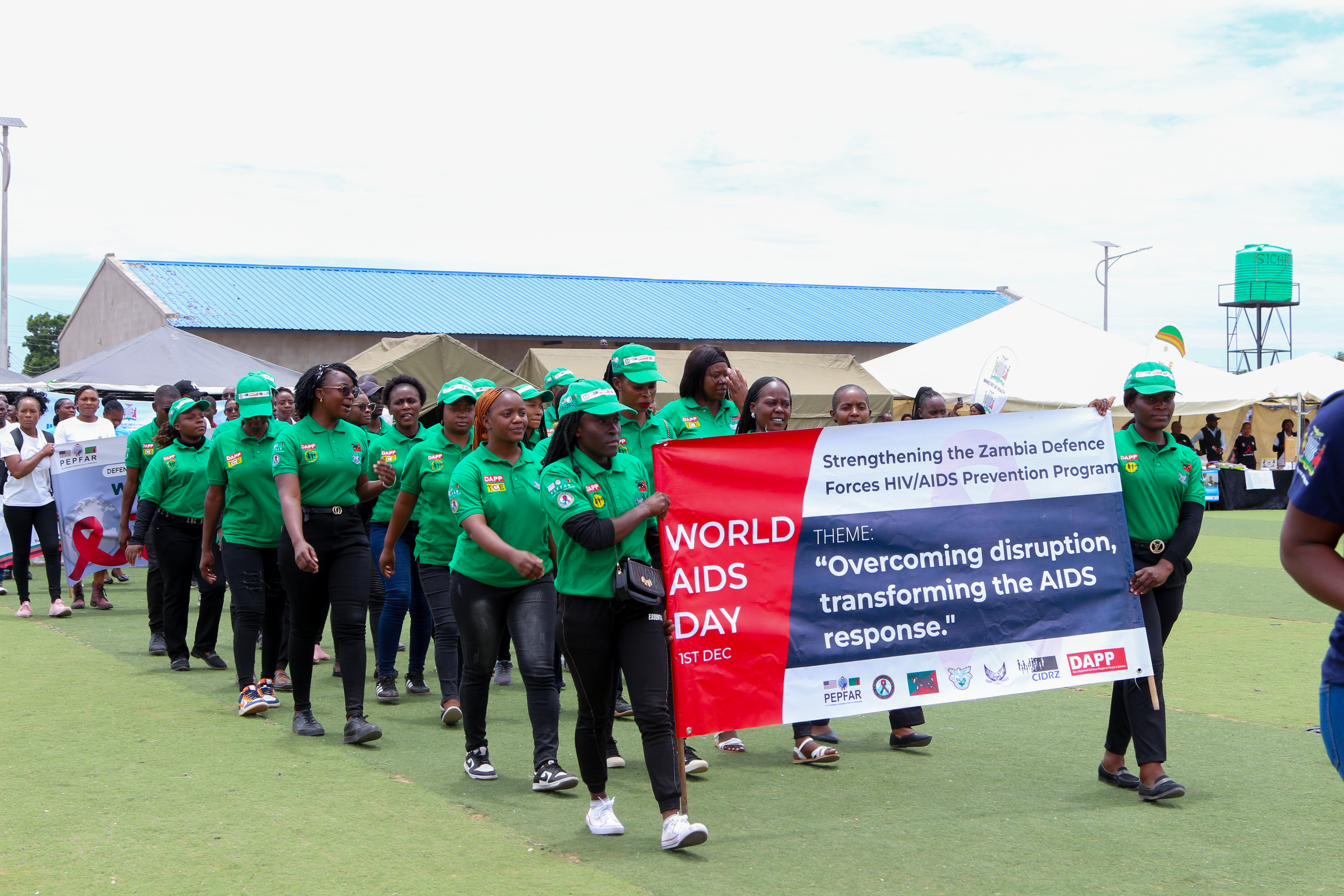
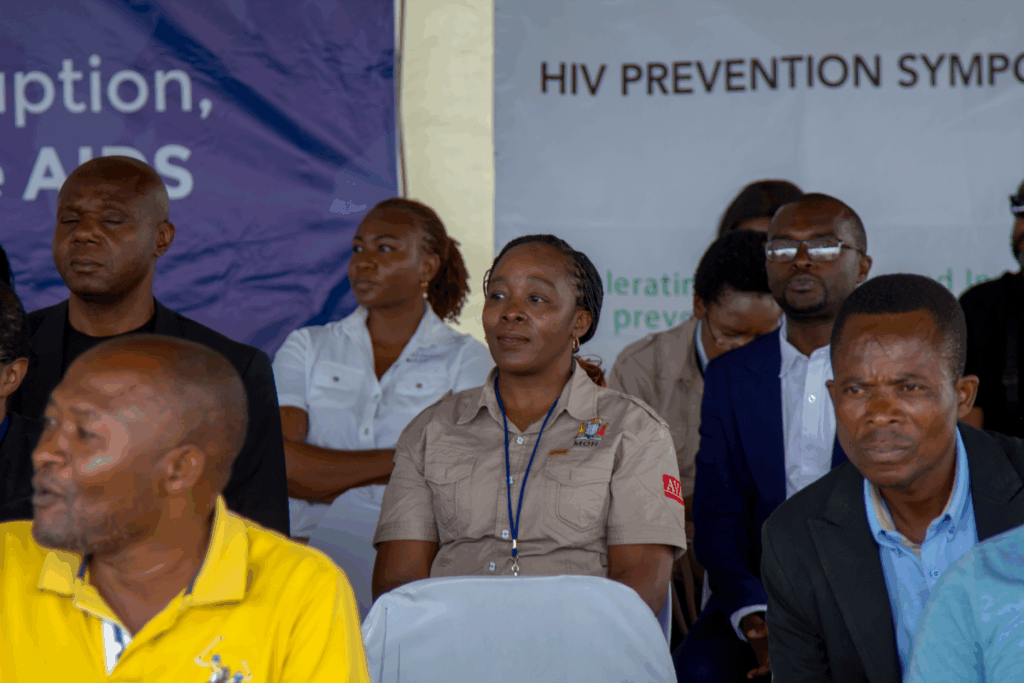
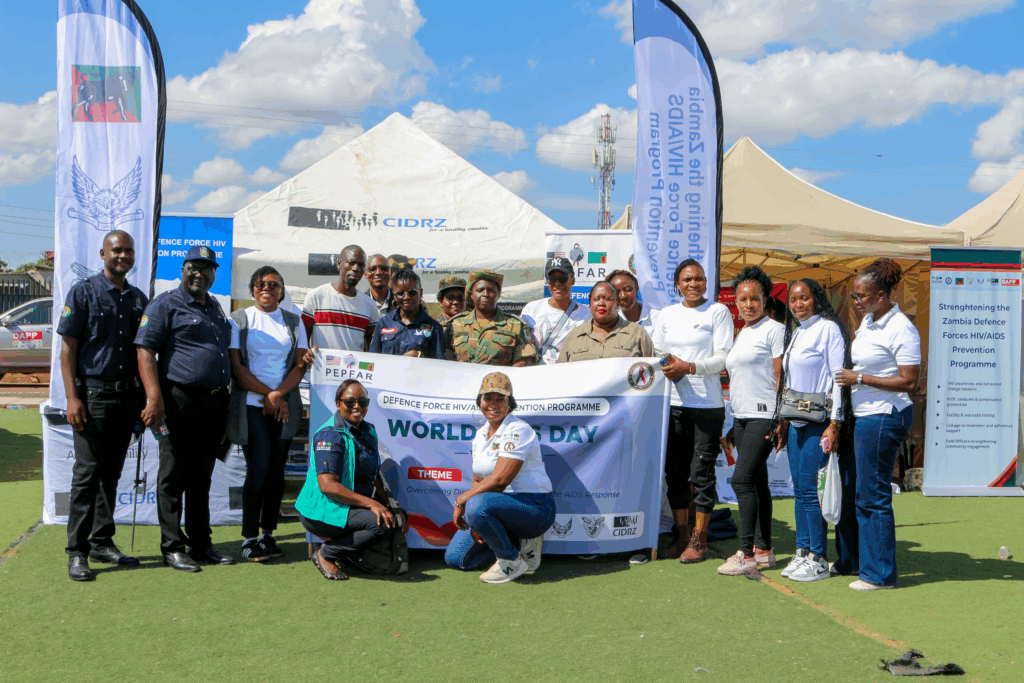
CIDRZ today joined the global community in commemorating 2025 World AIDS Day under the theme “Overcoming Disruption, Transforming the AIDS Response”. The national commemorations held in Lusaka’s Chawama Compound brought together the Government, its partners, and the community in reaffirming their commitment to end the AIDS pandemic despite disruptions in global public health financing.
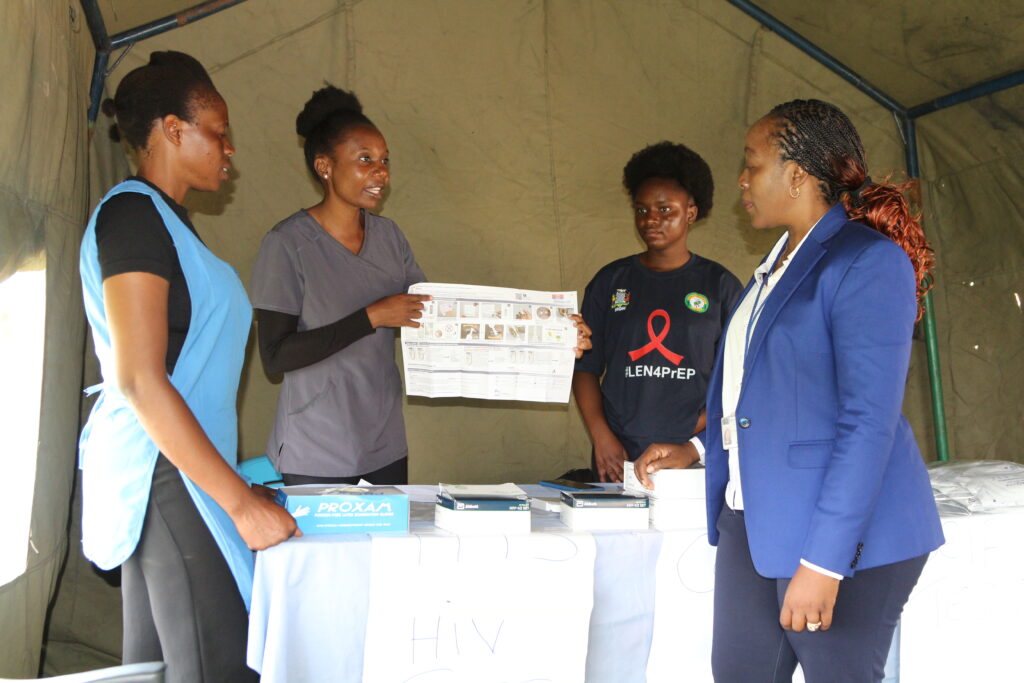
CIDRZ used the event to sensitise the public on the importance of HIV prevention measures, regular testing, and access to treatment.
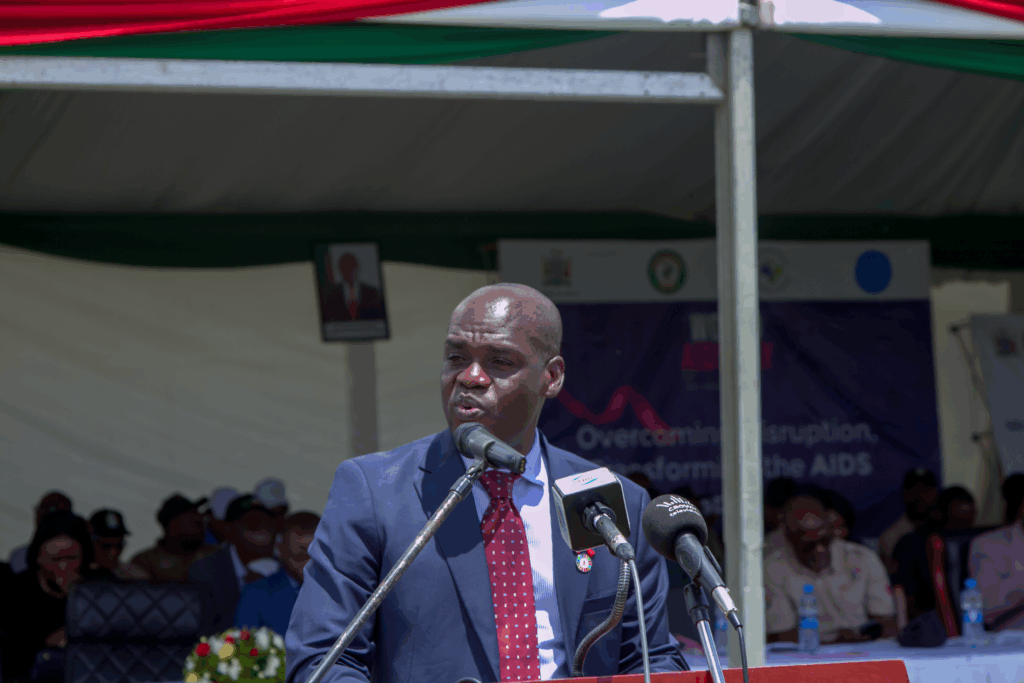
Speaking during the commemorations, Minister of Health Dr Elijah J Muchima said World AIDS Day 2025 is a moment for Zambia to reaffirm its commitment to ending AIDS, stressing that while the country has made significant progress, the #HIV response must now adapt, innovate, and transform to withstand global disruptions and protect the gains achieved.
“New HIV infections in Zambia have reduced by 52 percent, from 63,000 in 2010 to about 30,000 in 2025, while AIDS-related deaths have declined by 40 percent, from 25,000 to approximately 15,000 lives lost each year,” he said.
Dr Muchima said the country was determined to safeguard hard-won gains despite global funding disruptions.
“AIDS is not over, and a transformative approach is required,” Dr Muchima said. “We must turn disruption into a driver of innovation, resilience, and transformation.”
And United Nations Resident Coordinator Beatrice Mutali, represented by UNAIDS Country Director Mr Isaac Ahemesah, said that while the world has made significant progress in the past two decades, the global HIV burden remains high.
“We still have over 40 million people living with HIV globally. New HIV infections remain at 1.3 million per year, which is far above the global target of 500,000 that we had aimed to reach by 2025.”
During the commemorations, the Minister of Health also officially launched lenacapavir, a long-acting injectable option for HIV pre-exposure prophylaxis (PrEP), describing it as a game-changer for young people and other vulnerable populations.
In addition, the Minister also unveiled the Zambia 2025–2030 HIV Prevention Roadmap, which outlines five strategic pillars aimed at reducing new HIV infections to 15,000 by 2030. The roadmap complements expanded HIV testing, prevention of mother-to-child transmission, differentiated ART delivery, and strengthened community-based services.