Zambia Disseminates Findings of the 2022–2026 TB National Strategic Plan End-Term Review

Brian Shinaka: A 17-year journey of dedication at CIDRZ
December 8, 2025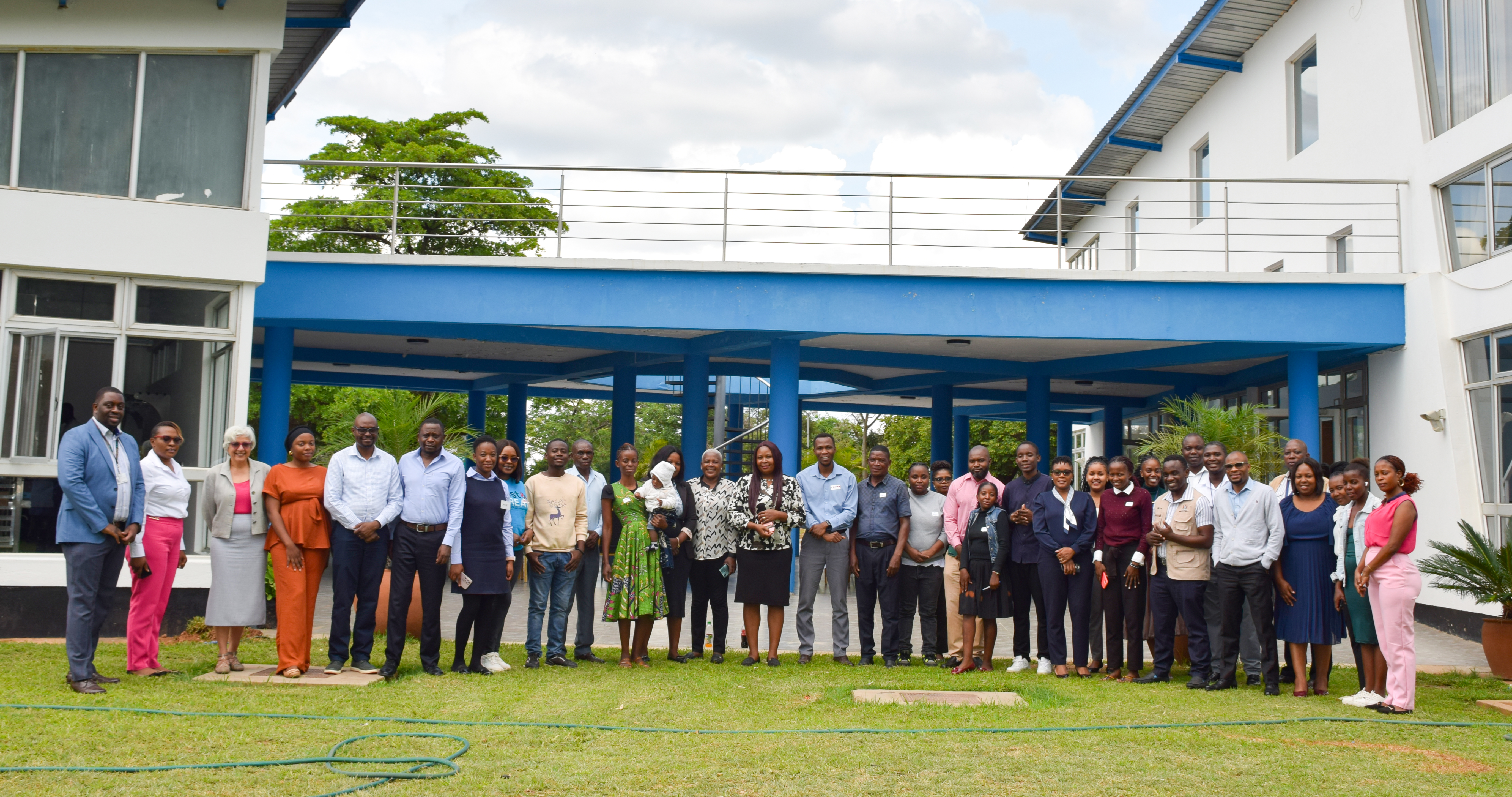
CIDRZ, MoH Successfully Hold Human-Centred Design Workshop on Person-Centred Approaches to Address Viremia
December 10, 2025Zambia Disseminates Findings of the 2022–2026 TB National Strategic Plan End-Term Review

The Ministry of Health (MoH) has expressed concern over the high number of deaths caused by tuberculosis (TB) in Zambia, which causes about 5,000 deaths every year, making it one of the deadliest diseases in the country.
Speaking during a meeting convened by the Ministry of Health, CIDRZ, and other partners to disseminate findings from the Tuberculosis End-of-Term Programme Review, Ministry of Health Permanent Secretary for Technical Services, Dr Kennedy Lishimpi, said that TB remains one of the top 10 causes of morbidity and mortality in Zambia.
Dr Lishimpi, who was represented by the MoH Director of Public Health Director, Dr Matilda Kakungu Simpungwe, stated that despite significant efforts, Zambia remains among the top 30 countries globally with the highest TB burden.
“We have made significant strides by reducing TB incidence from 391 per 100,000 population in 2015 to 272 per 100,000 population in 2024,” Dr Lishimpi explained while adding that, “TB mortality rate has also drastically reduced from 115 per 100,000 in 2015 to 38 per 100,000 in 2024.”
The Permanent Secretary, however, stressed that despite the decline in TB deaths noted in the country, TB still remains one of the deadliest diseases in the country compared to other diseases the country has been experiencing.
Meanwhile, Dr Mushota Kabaso from the National TB and Leprosy Programme under the MoH led the meeting in discussing the country’s TB epidemiological profile.
Dr Kabaso revealed that 58% of people suffering from TB face a risk of being driven into poverty because of the direct and indirect costs associated with a TB diagnosis and treatment, despite diagnosis and treatment being free in Zambia.
Furthermore, Dr Nkem Chukwueme, an external consultant on the end-term programme review, noted that while COVID-19 had been declared a national public health emergency, with Zambia recording approximately 4,000 deaths over a period of about three years, this is still far less than the deaths attributed to TB in Zambia.
“In this day and age, it is unacceptable to have such a large number of people dying from TB, and the country needs to consider declaring TB a public health emergency as well,” she said.
During the meeting, stakeholders also assessed the effectiveness of interventions across the health system and discussed practical ways to enhance support. A key point of consensus was that significant progress was achieved through coordination, innovation, and resilience at both national and sub-national levels.
Other points of discussion included the need for the National TB program to strengthen the domestic funding base and have clearer, longerterm commitments from private sector resource mobilisation, especially in view of the declining donor funding, Political commitment which was acknowledged as a driving force behind recent gains in Zambia and the need for greater investment in Tuberculosis Preventive Therapy (TPT) for both HIV-positive and HIV-negative populations to reducing new TB infections.
Participants also highlighted the need for a multisectoral accountability framework that clearly defines the roles of key ministries, including Housing and Urban Development, Community Development and Social Services, Labour and Social Security, Mines and Mineral Development, and Home Affairs and Internal Security, recognising that effective TB control depends on addressing the broader social determinants that shape where people live, work, and access care.
The Tuberculosis End-of-Term Programme Review meeting brought together senior government officials, international and local partners, non-governmental organisations, civil society organisations, and private sector representatives to reflect on Zambia’s performance on the targets set in the current national TB strategic plan and the progress toward eliminating TB by 2030.
The lessons from the End-Term Review will inform the development of the 2027-2031 strategic plan and help shape the architecture of future support in ending TB.
Key partners present during the meeting included the National Tuberculosis and Leprosy Programme, the United States Department of State, the Centers for Disease Control and Prevention (CDC), the Global Fund and the World Health Organisation.
Other participants included several representatives from Provincial Health offices, along with organisations such as CIDRZ, ZAMBART, CHAZ, ZATULET, KNCV, and the Healthcare Federation of Zambia.