CIDRZ Participates in First Continental Conference on Demographic Dividend and Reproductive Health.

CIDRZ, DFMS Partner with MOH to Revise Zambia’s HIV Treatment and Prevention Guidelines.
April 8, 2026
Evidence Action and CIDRZ Survey Shows High Syphilis Screening and Treatment in ANC, Highlights Need for Improved Counselling and Provider Training.
April 10, 2026CIDRZ Participates in First Continental Conference on Demographic Dividend and Reproductive Health.

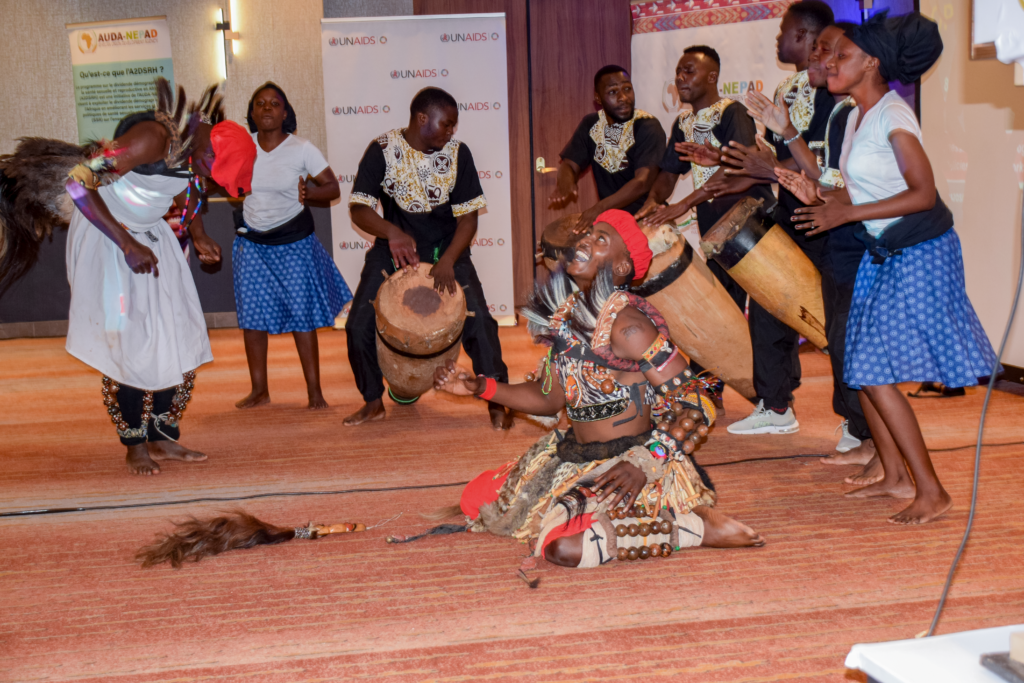
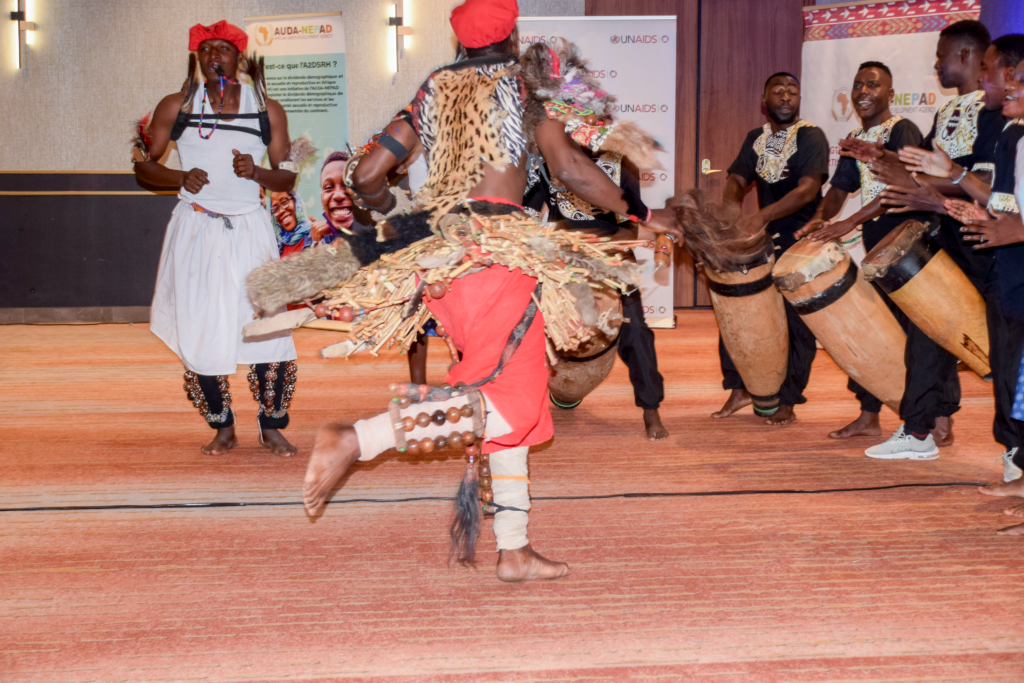
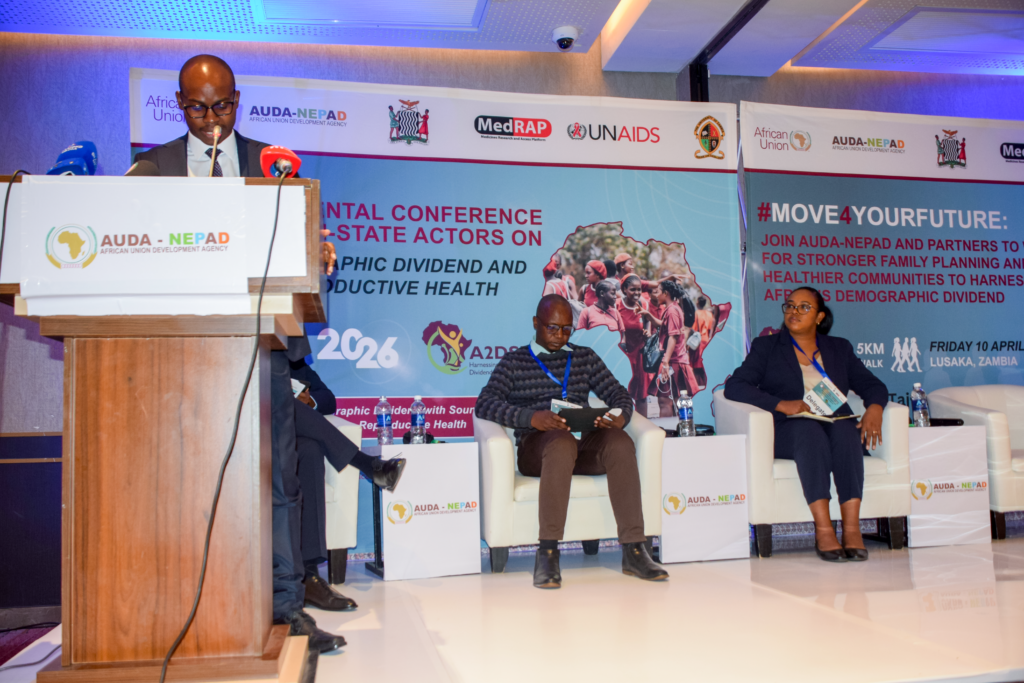
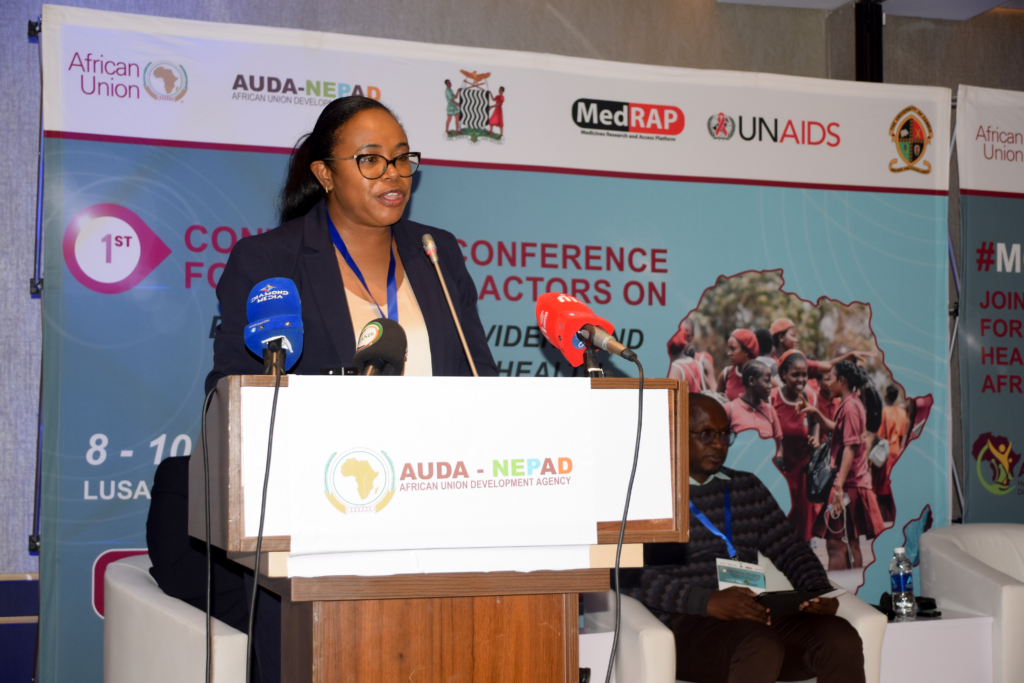
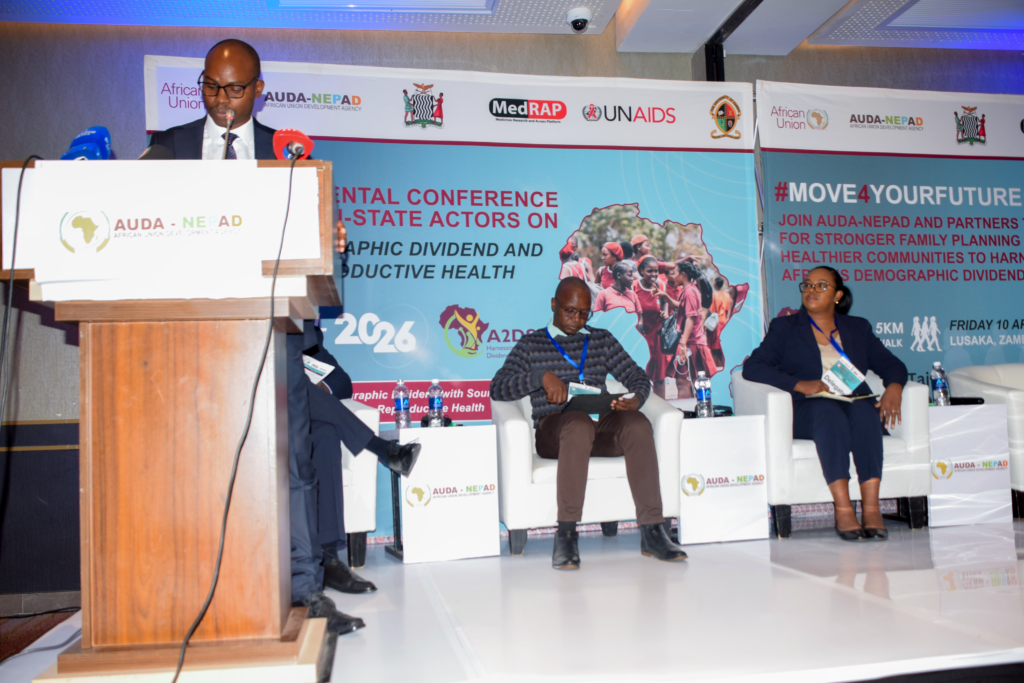
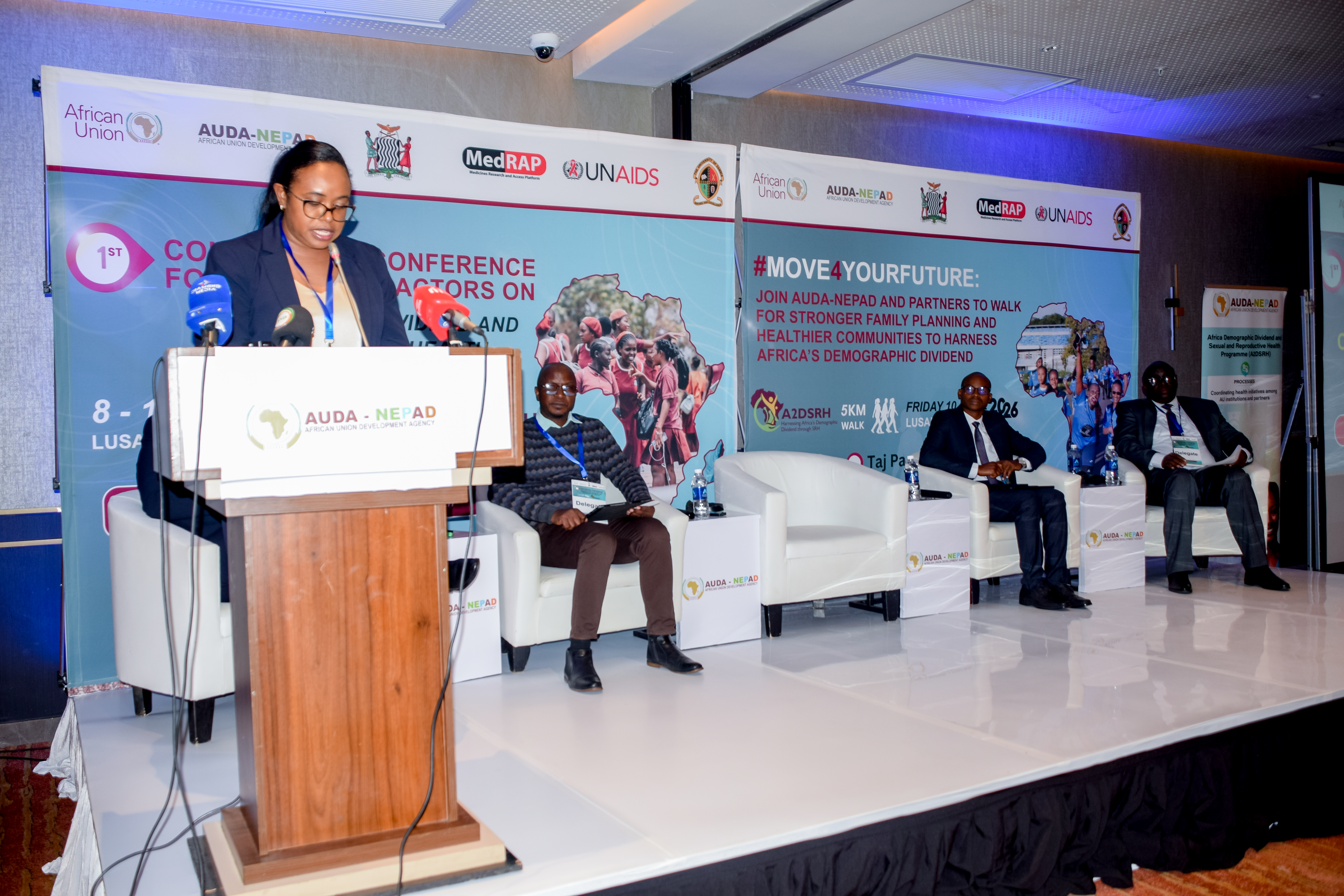
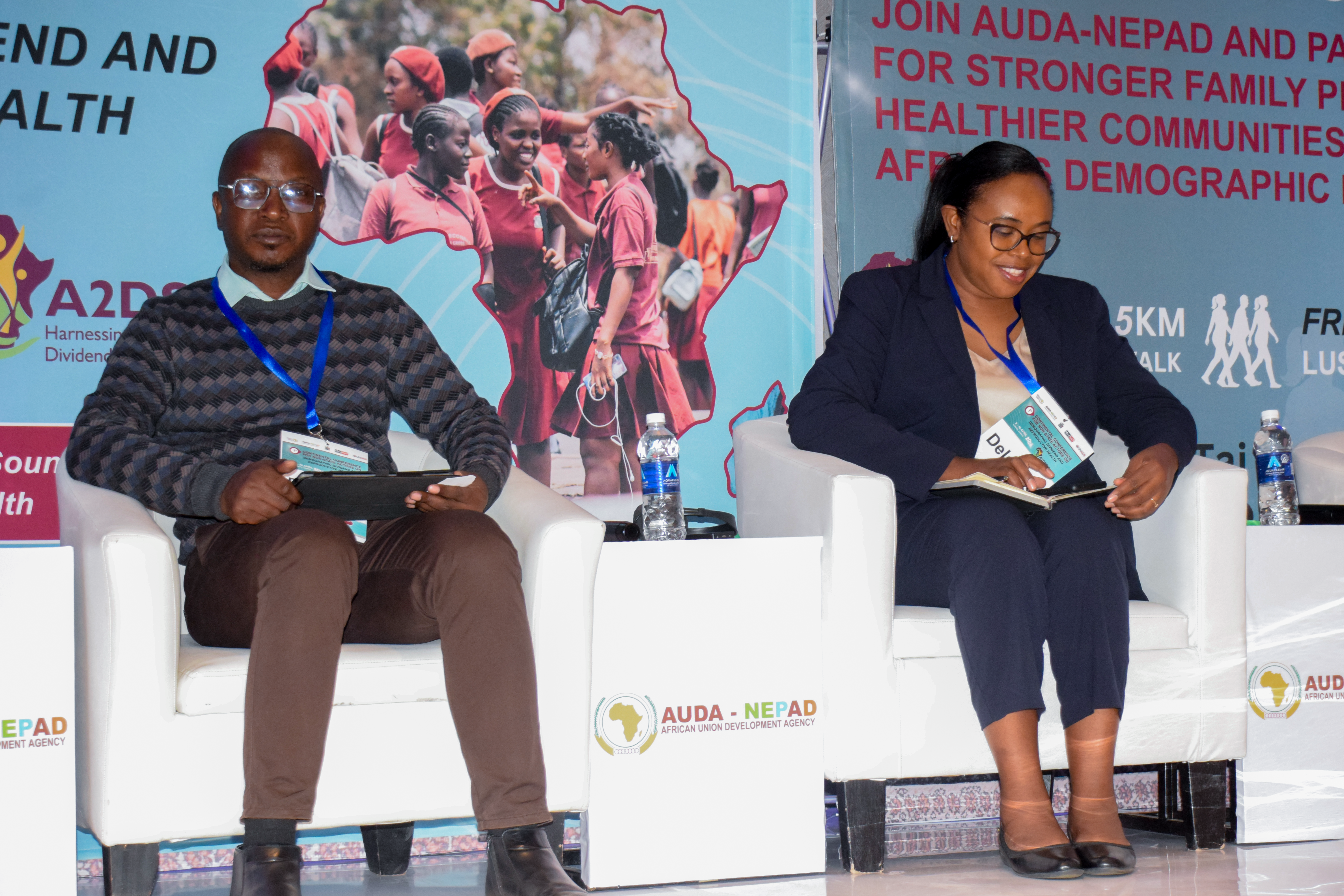
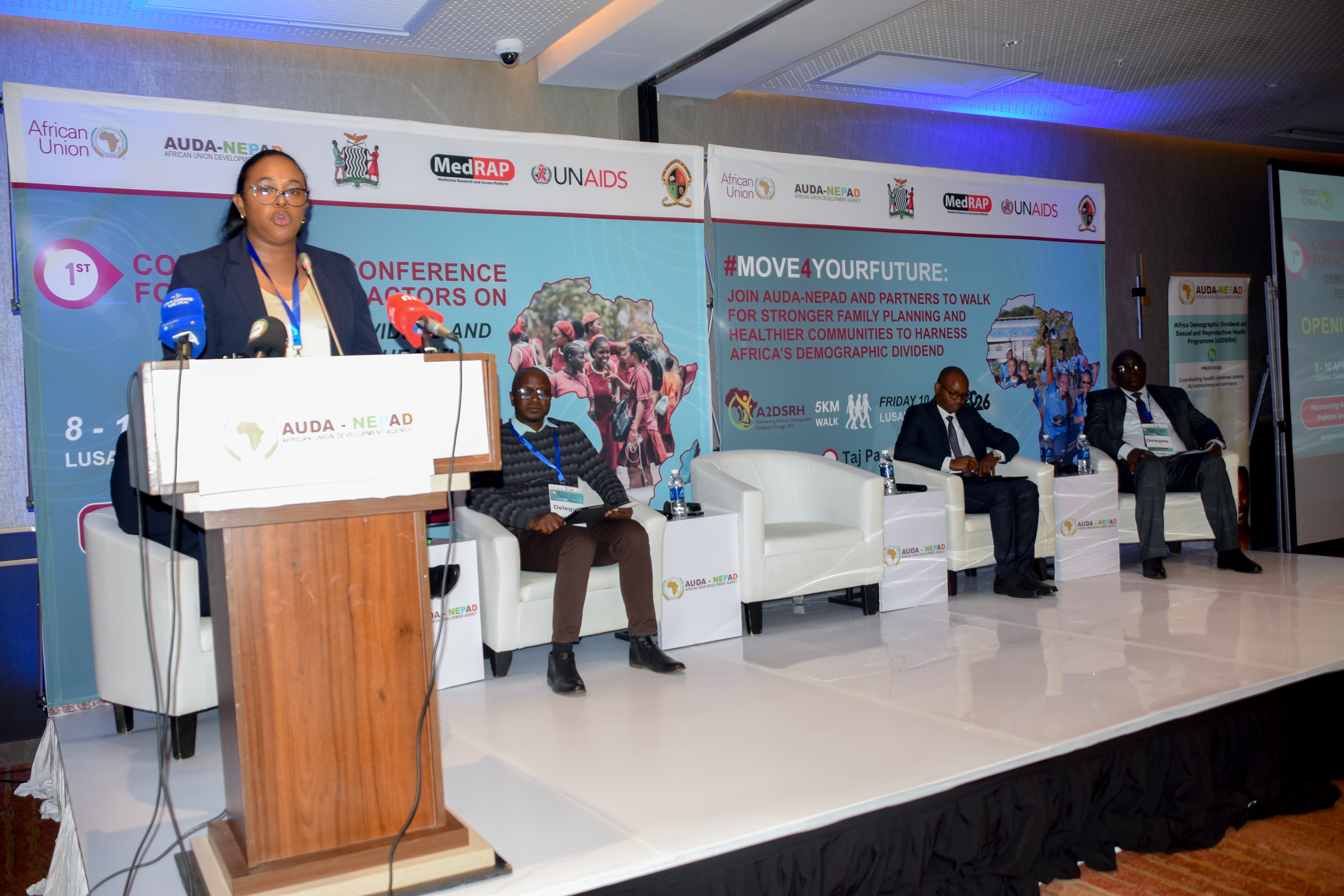
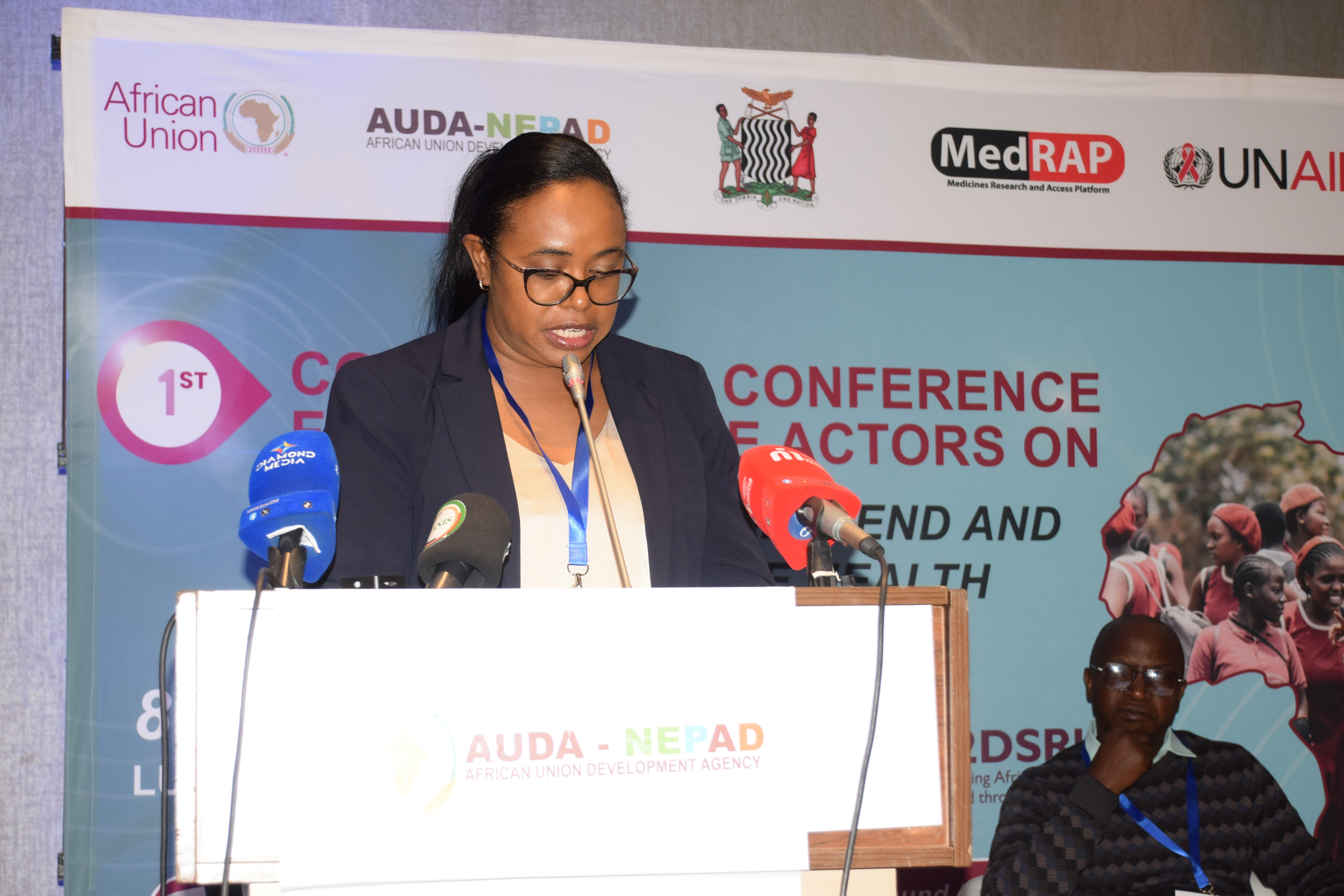
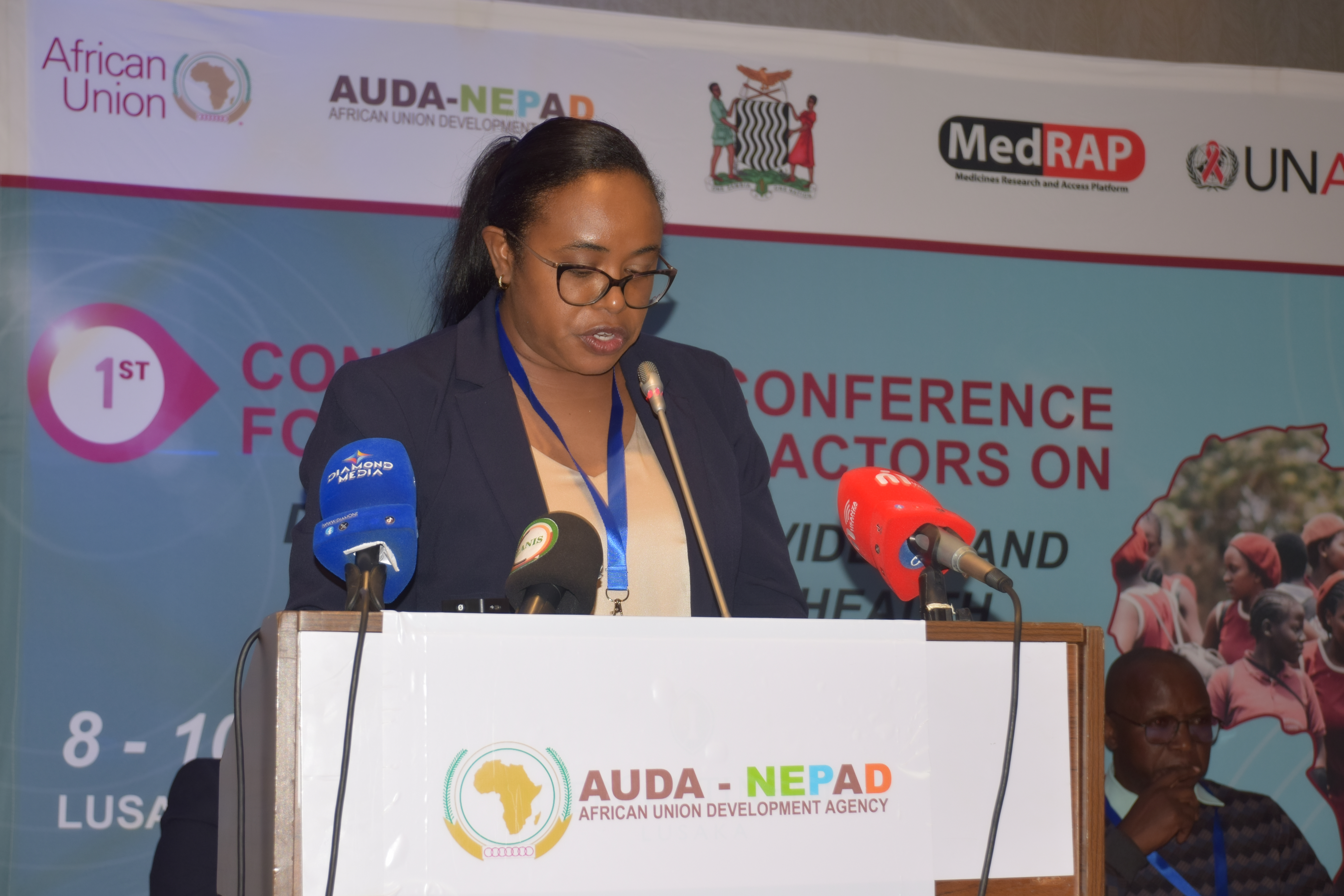
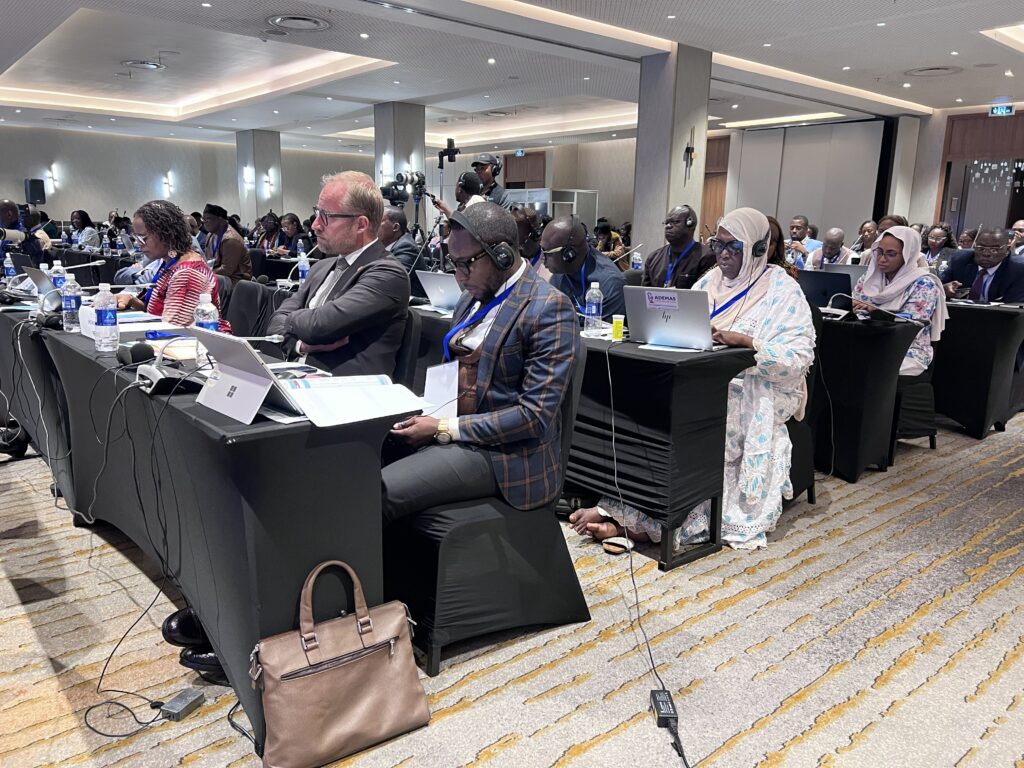
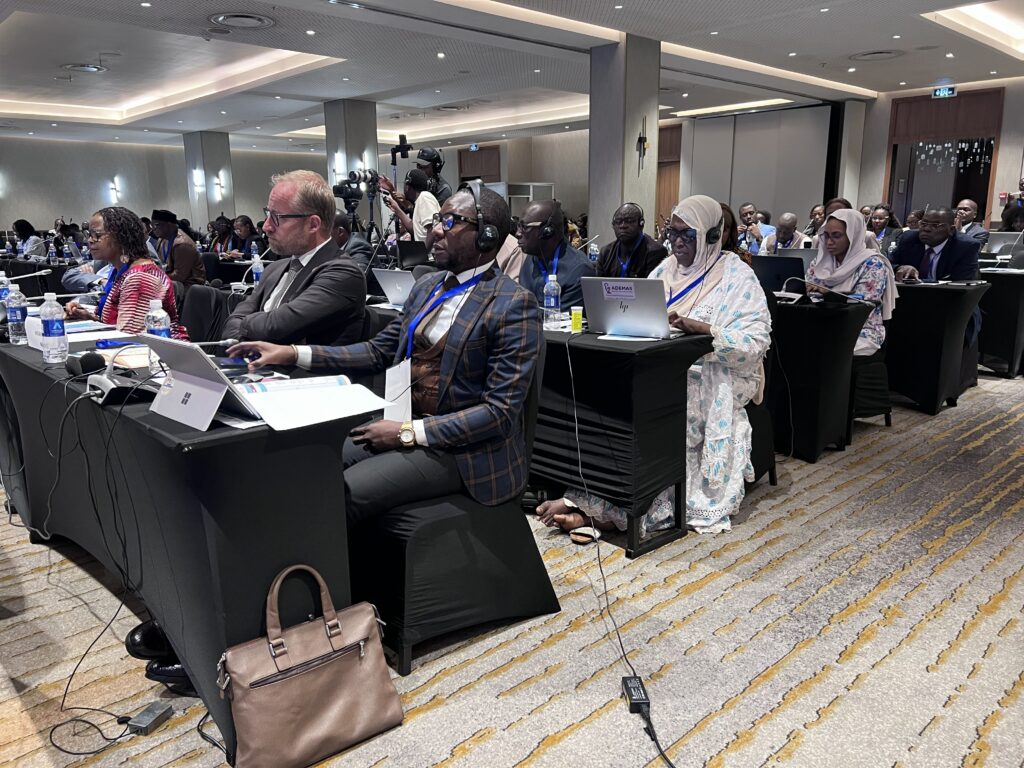
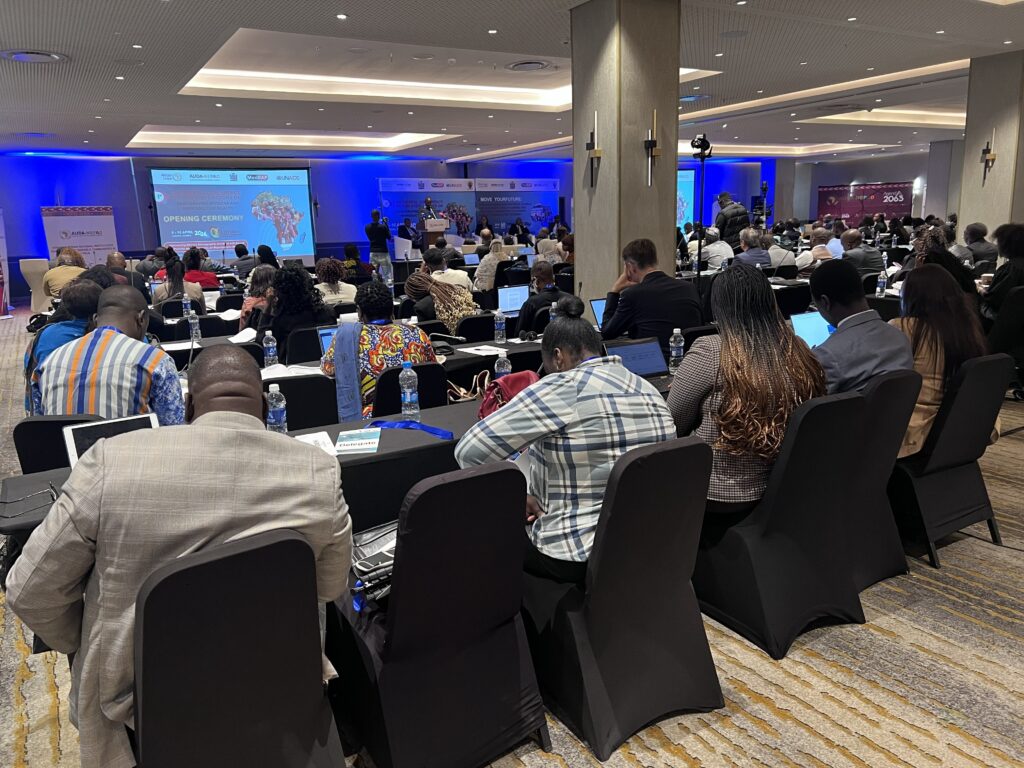
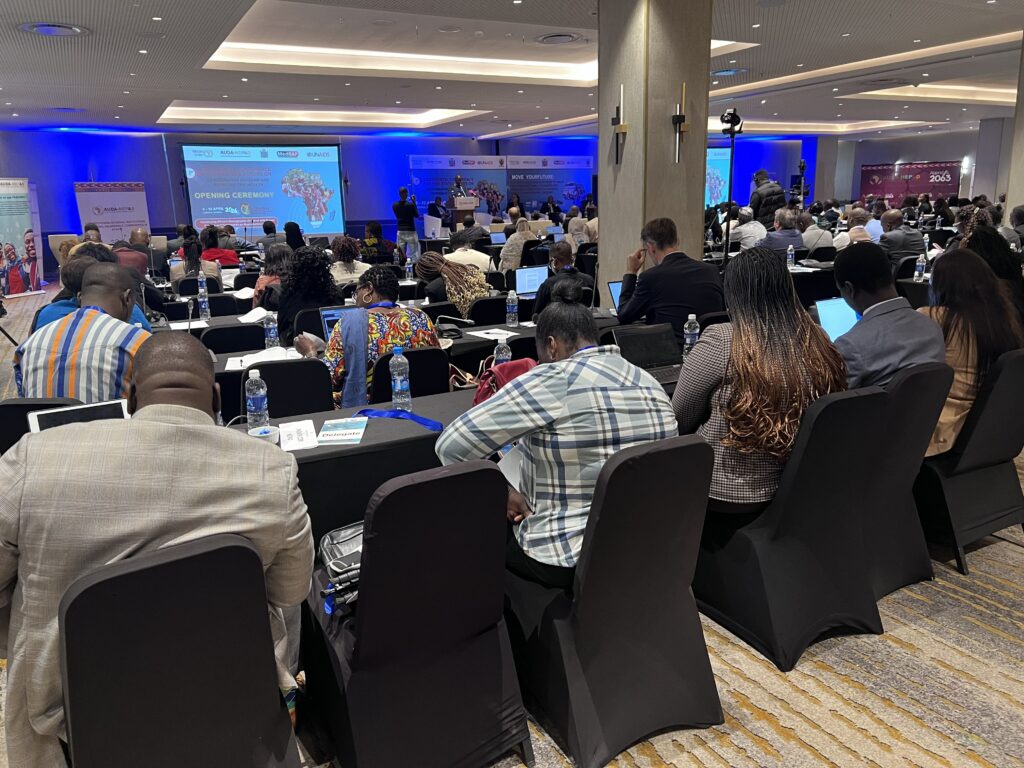
The Centre for Infectious Disease Research in Zambia (CIDRZ) has joined over 250 delegates from across Africa at the 1st Continental Conference for Non-State Actors (NSAs) on Demographic Dividend and Reproductive Health, currently taking place from 8 to 10 April in Lusaka, Zambia.
The three-day conference has been organized by the African Union Development Agency (AUDA – NEPAD) in partnership with the African Union Commission, Medicines Research and Access Platform (MedRAP),UNAIDS and the University of Zambia.
The meeting aims to mobilize non-state actors, faith-based organizations, development partners, and private sector players to accelerate Africa’s demographic dividend through coordinated policy advocacy, programme alignment, South-South knowledge sharing, and strengthened social protection initiatives.
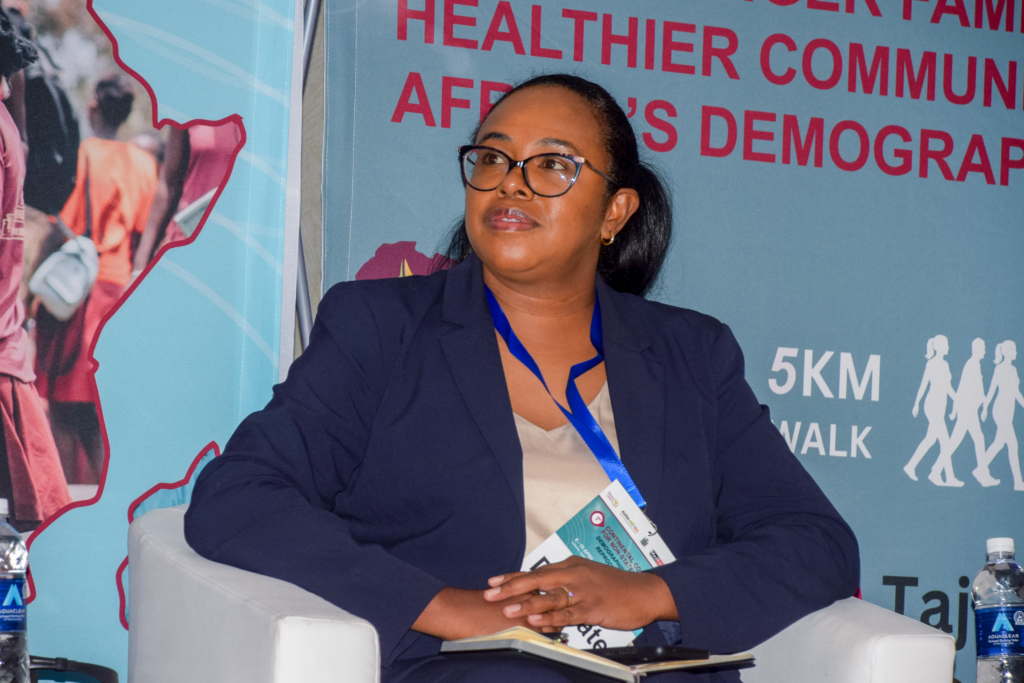
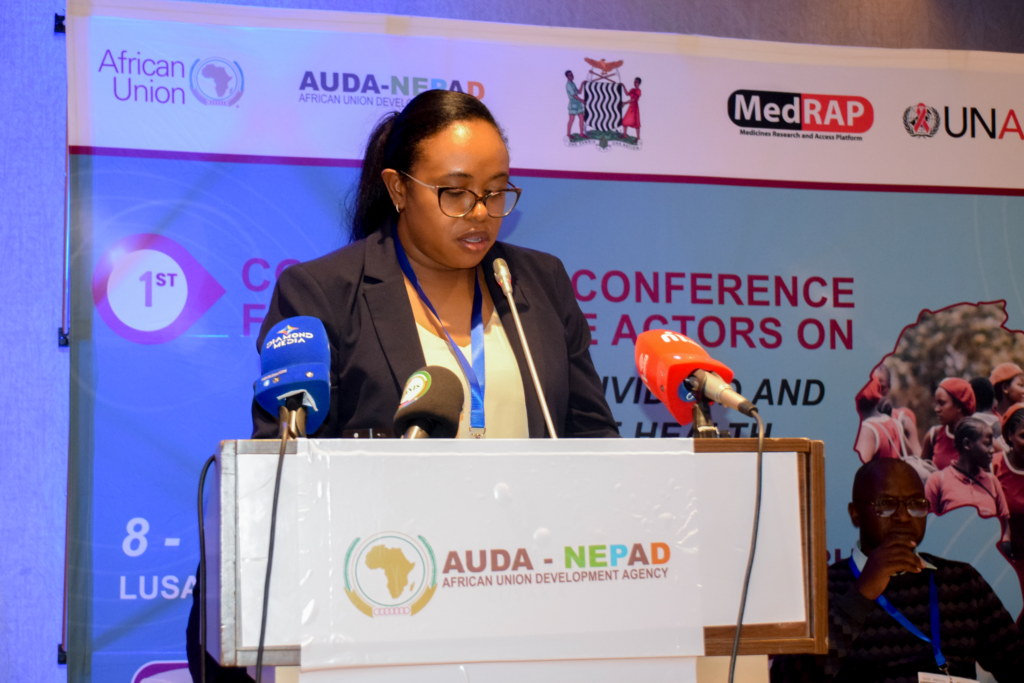
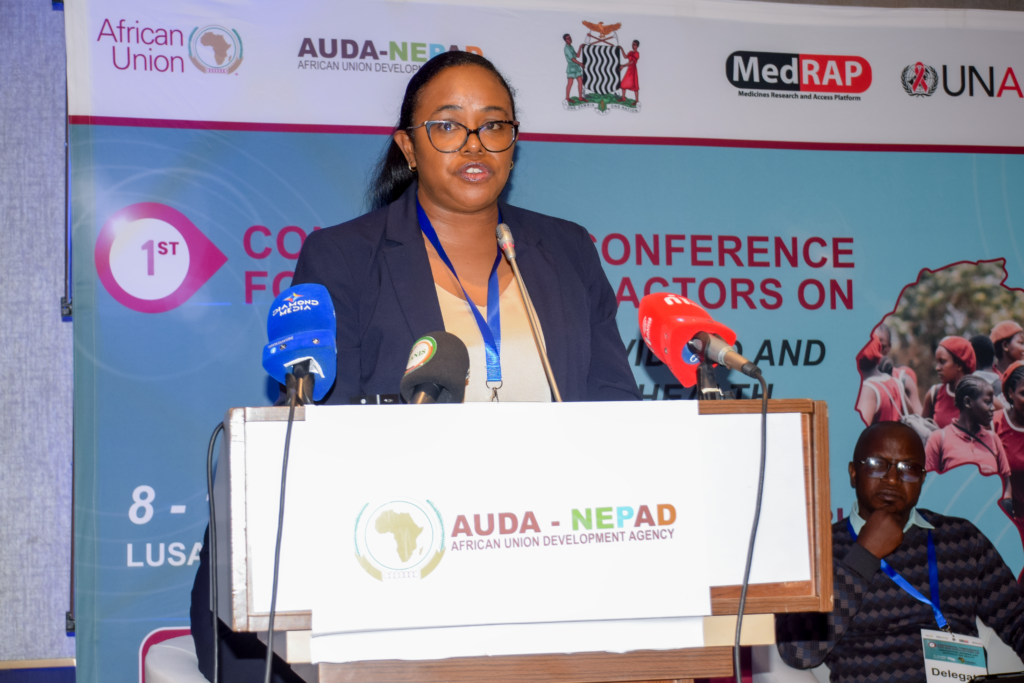
Dr Natalie Vlahakis represented CIDRZ and delivered a presentation highlighting key achievements, including CIDRZ’s active role in advancing sexual and reproductive health. She emphasised the importance of investing in these areas to unlock Africa’s demographic potential. Dr Vlahakis noted that achievements like prioritizing sexual and reproductive health, protecting women’s and girls’ rights, and expanding youth-responsive services position CIDRZ as a leader in leveraging the continent’s youthful population.
Dr Vlahakis explained that harnessing the demographic dividend aligns with Africa’s development aspirations under Agenda 2063.
She identified health and well-being as a critical pillar for achieving this goal, stressing the need to address health systems challenges, especially in sexual and reproductive health, HIV prevention, and maternal care.
Dr Vlahakis outlined reproductive health priorities necessary for Agenda 2063, including reducing maternal and neonatal deaths, preventing unsafe practices, and improving newborn survival.
She underscored the need for accessible, equitable family planning services.
Other priorities include improving adolescent health, expanding integrated HIV and STI services, and increasing access to prevention and treatment options.
Dr Vlahakis highlighted the need to address barriers to care and ensure continuous service delivery including during crises.
She further highlighted regional collaboration efforts, noting contributions through the Southern African Development Community (SADC) and its partnership with the African Union Development Agency (AUDA), as well as through cooperating and development partners such as the United Nations Population Fund (UNFPA) and the World Health Organization (WHO).
Dr Vlahakis outlined additional initiatives being funded through SADC, including catalytic funding for projects led by non-state actors in sexual and reproductive health and HIV prevention, technological innovations, cross-border collaboration, and support for local health product development.
Other collaborative efforts highlighted include community-based task-shifting of reproductive health services, South-South cooperation initiatives, and capacity-building programmes that have already increased modern contraceptive use, empowered community health workers, promoted male engagement, and integrated comprehensive sexuality education curriculum. In addition, notable achievements by regional actors also include improvements in fistula care and expanded support for girls’ education through scholarships.
Dr Vlahakis also outlined five priorities to strengthen reproductive health for Africa’s future, which included expanding youth-friendly sexual and reproductive health services, bringing HIV prevention to scale, and enhancing protection of women’s and girls’ rights. She also pointed to progress in family planning, maternal care, and adolescent health through stronger primary health systems.
She concluded by emphasising the need to link health investments to education, gender equality, and opportunities, with youth and women-led accountability, and stressed the importance of being part of this transformative agenda, to define and model the Africa we want.