Evidence Action and CIDRZ Survey Shows High Syphilis Screening and Treatment in ANC, Highlights Need for Improved Counselling and Provider Training.
CIDRZ Participates in First Continental Conference on Demographic Dividend and Reproductive Health.
April 9, 2026
CIDRZ’s Cynthia Phiri Mubanga Joins Africa CDC’s African Volunteers Health Corps
April 13, 2026
Evidence Action in partnership with the Centre for Infectious Disease Research in Zambia (CIDRZ), conducted the 2025 Comprehensive Facility Survey (CFS) to assess the performance of the Ministry of Health’s efforts to address gaps in syphilis screening and treatment services during antenatal care (ANC). The survey, which is the primary programme, monitoring activity, measured screening and treatment coverage across trained facilities.
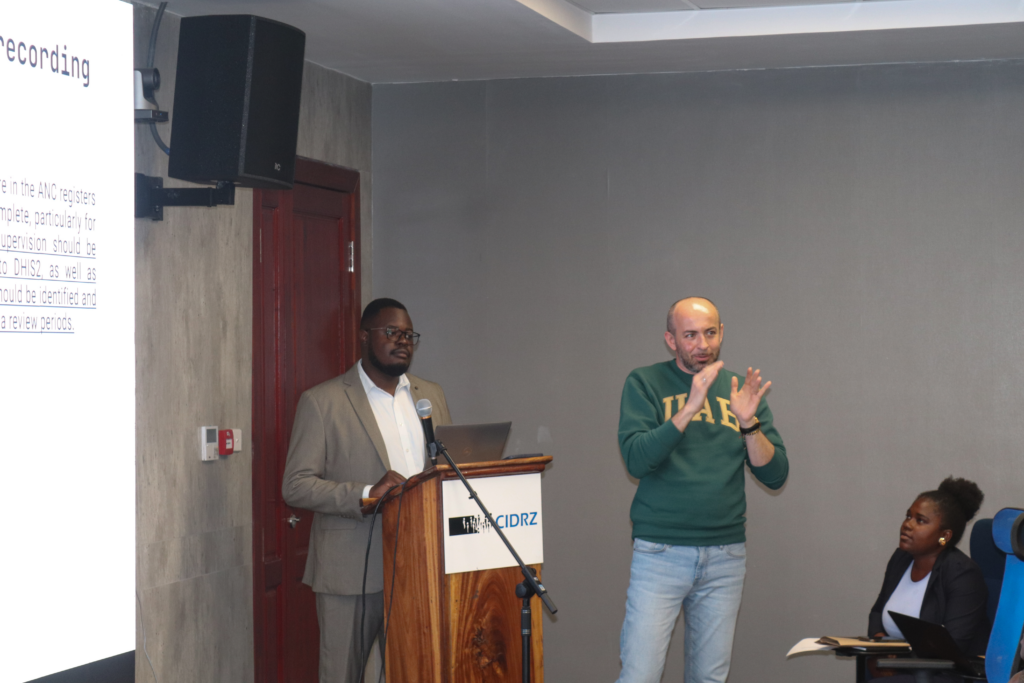
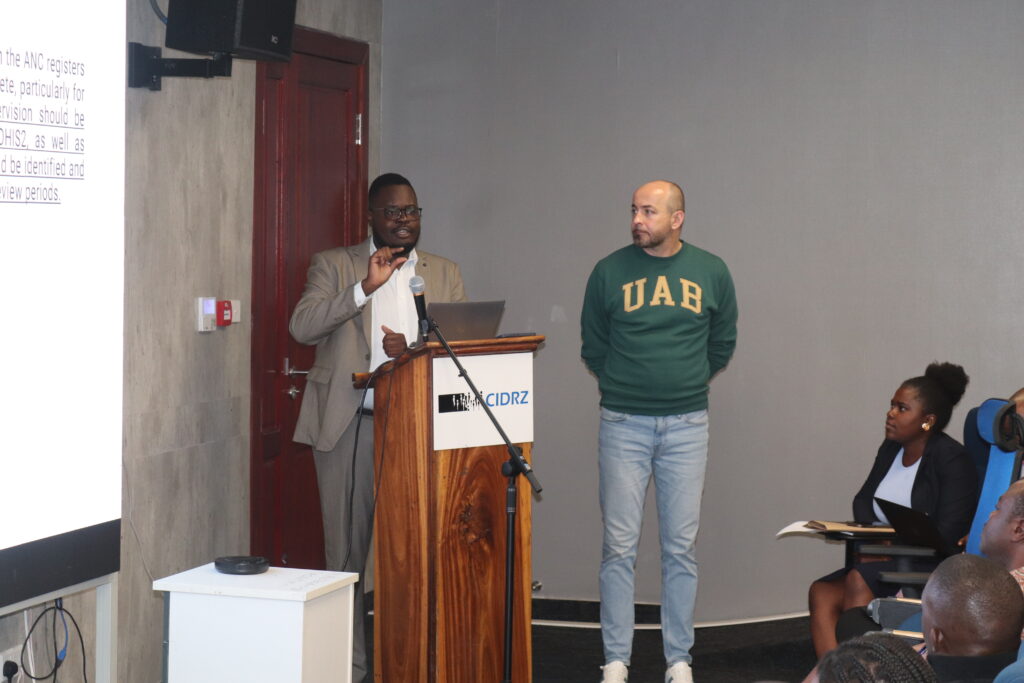
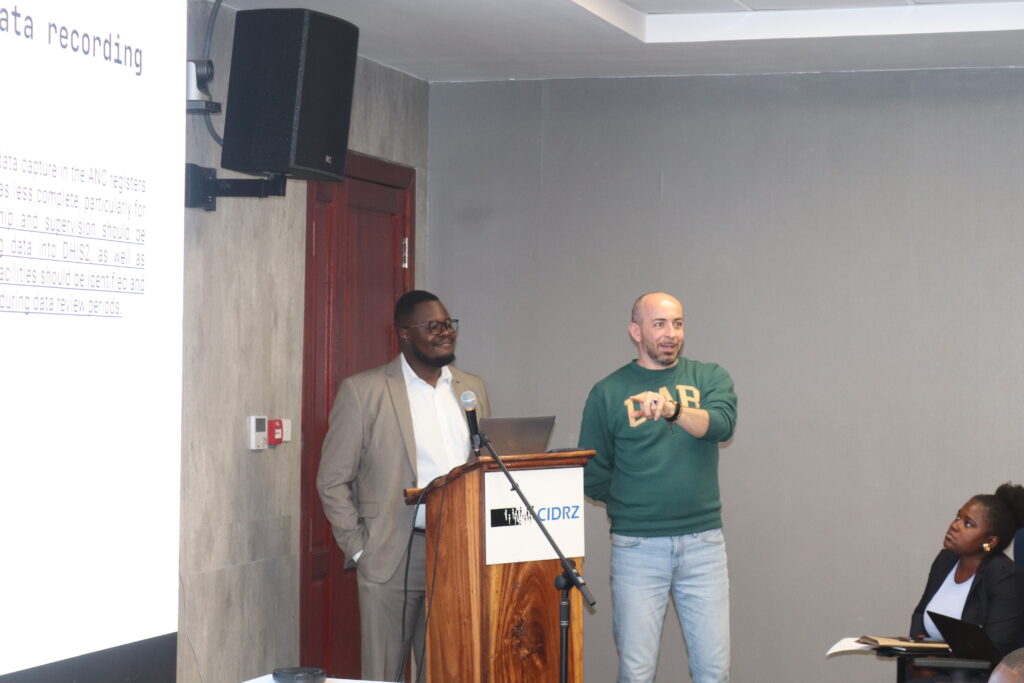
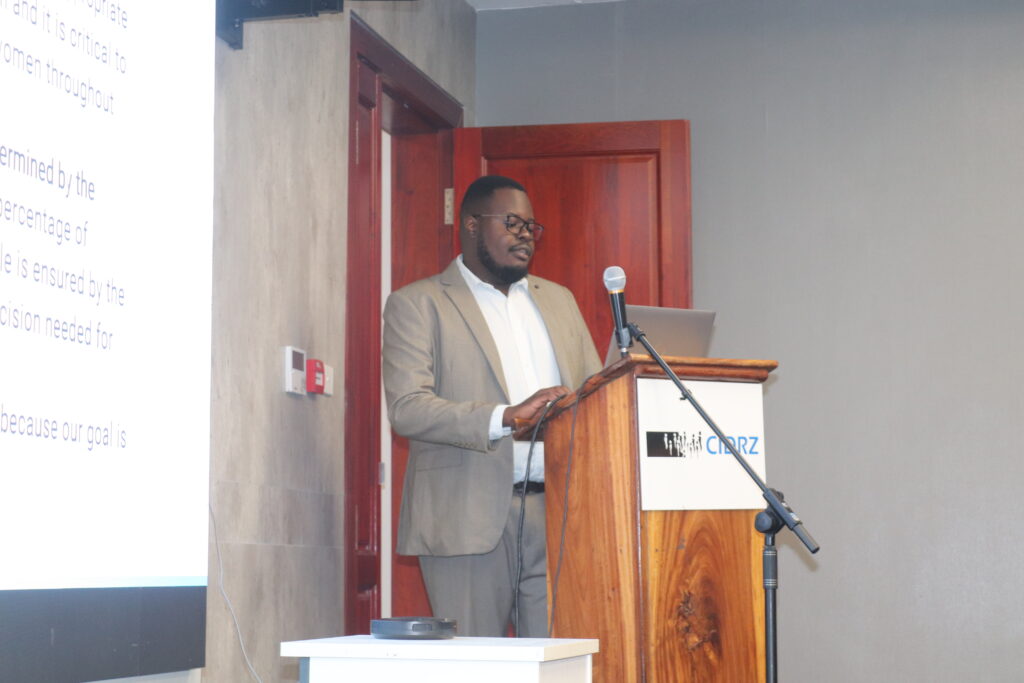
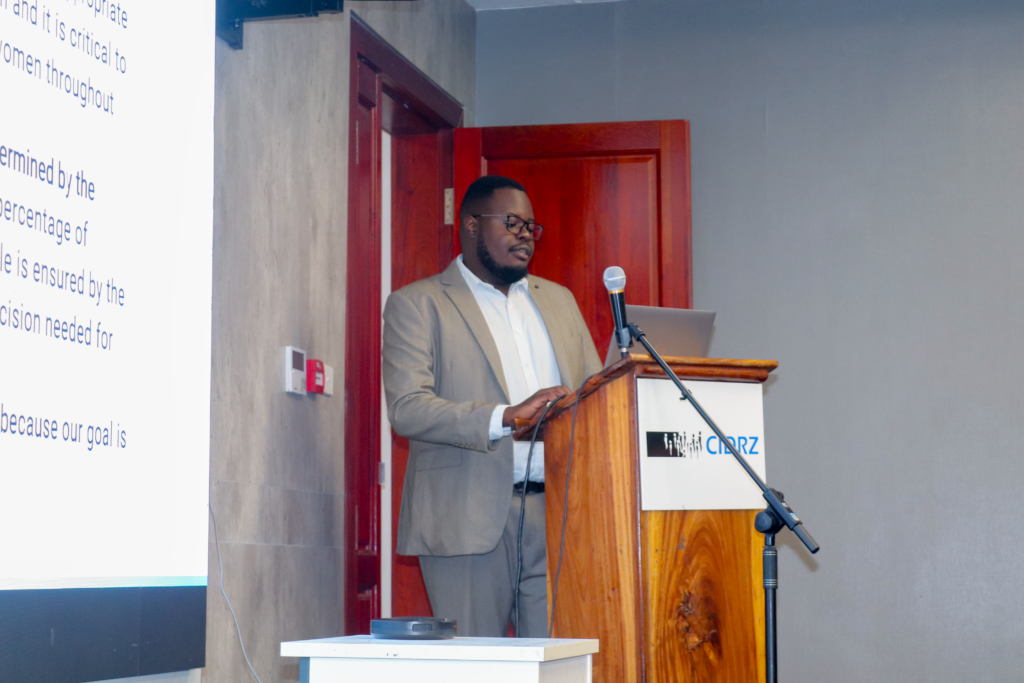
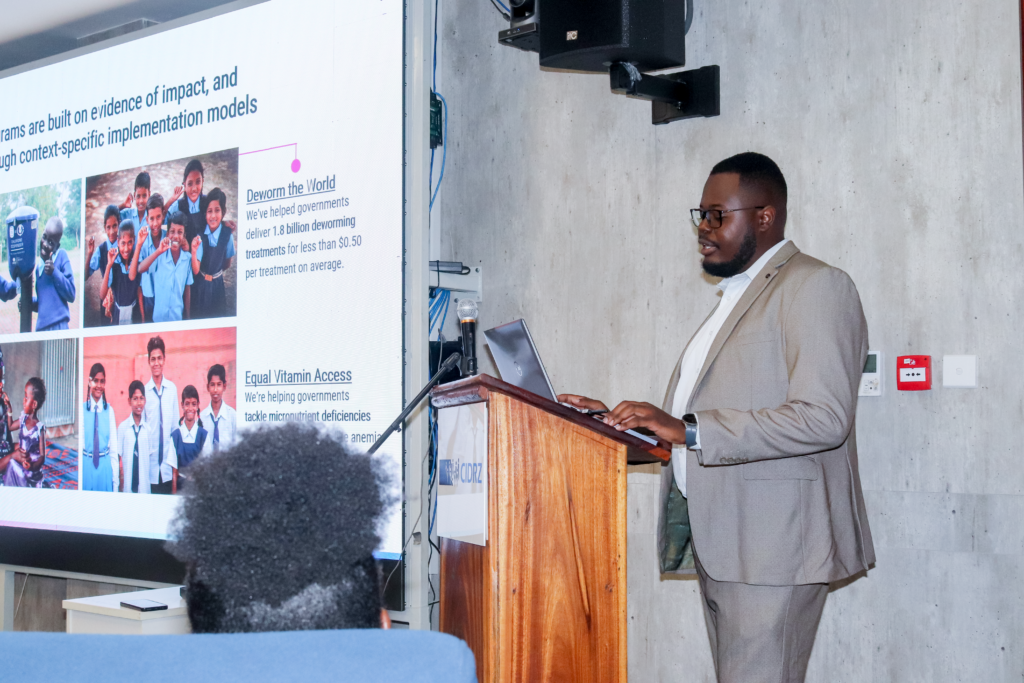
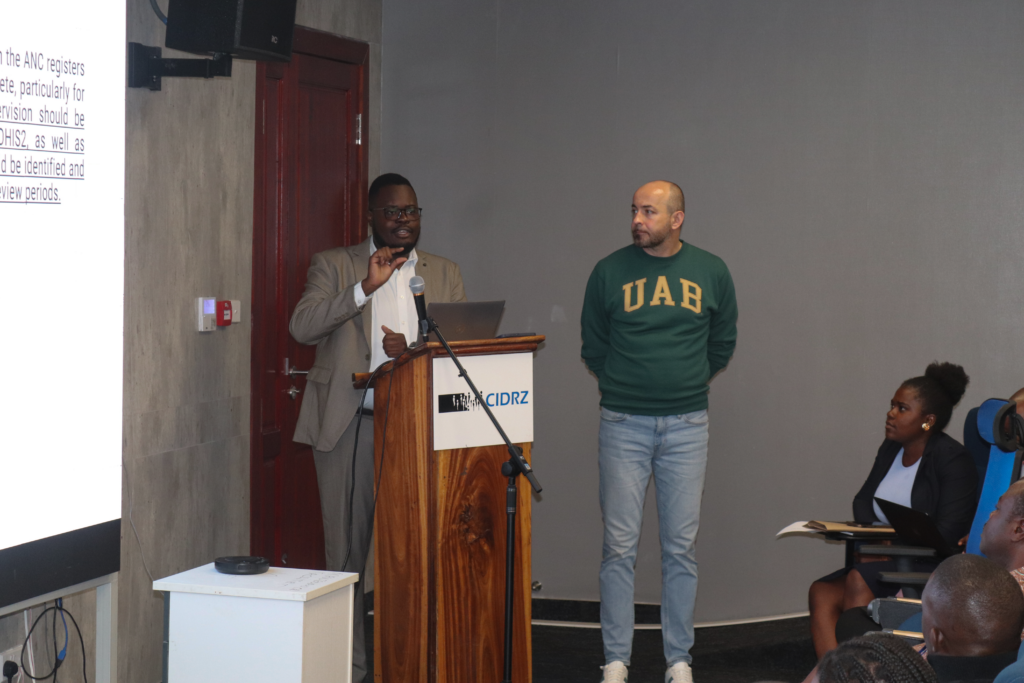
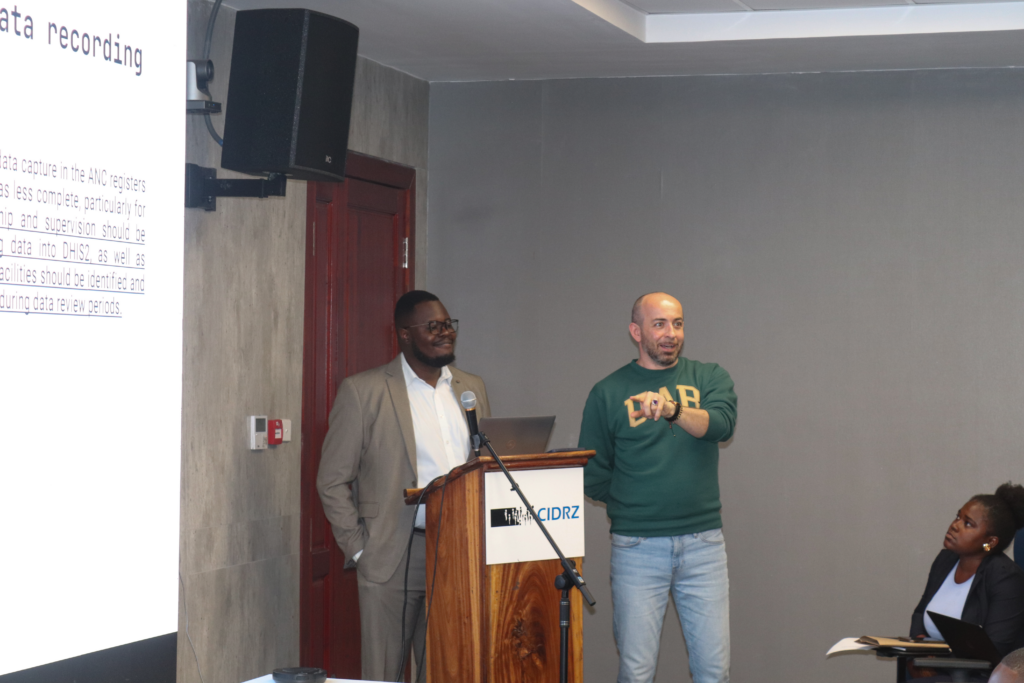
Speaking during the CIDRZ research meetings, Senior Monitoring, Learning and Evaluation Officer at Evidence Action, Mr Owen Chishimba Chibebe said the survey sampled 44 facilities from a frame of 837 trained health facilities. He explained that the objective was to estimate coverage of syphilis screening and treatment services by tracking pregnant women attending first ANC, those tested, those who tested positive, and those treated with benzathine penicillin G.
Mr Chibebe noted that findings showed strong screening performance, with 90 percent of pregnant women tested for syphilis among trained facilities. In addition, 97 percent of facilities had testing commodities in stock at the time of survey, and 89 percent of providers recalled correct testing guidelines.
On treatment coverage, he said 90 percent of syphilis-positive pregnant women received treatment using the alternate ANC approach compared to the 101 percent using the data quality adjustment factor approach, while 94 percent of facilities had benzathine penicillinin stock at the time of survey. All surveyed providers also recalled the correct treatment guidelines.
Mr Chibebe highlighted that screening and treatment rates were high, meaning most pregnant women in trained facilities were receiving essential services. However, he noted gaps in counselling, knowledge of congenital syphilis risks, and treatment timing and knowledge of correct dosages. He recommended strengthening provider training, counselling skills, and supportive supervision to improve service delivery and protect mothers and newborns.