CIDRZ Holds Stakeholder Coordination Meeting to Strengthen HIV Services Across Lusaka Province

CIDRZ Hosts Uganda’s R2D2 TB Network and Kebera Diagnostics Laboratories for Knowledge Exchange
August 21, 2026
CIDRZ Strengthens Laboratory Biosafety and Biosecurity Capacity in Zambia
August 31, 2026
Sustained coordination between health authorities, implementing partners, and communities is critical to ensuring people living with HIV receive quality, continuous care.
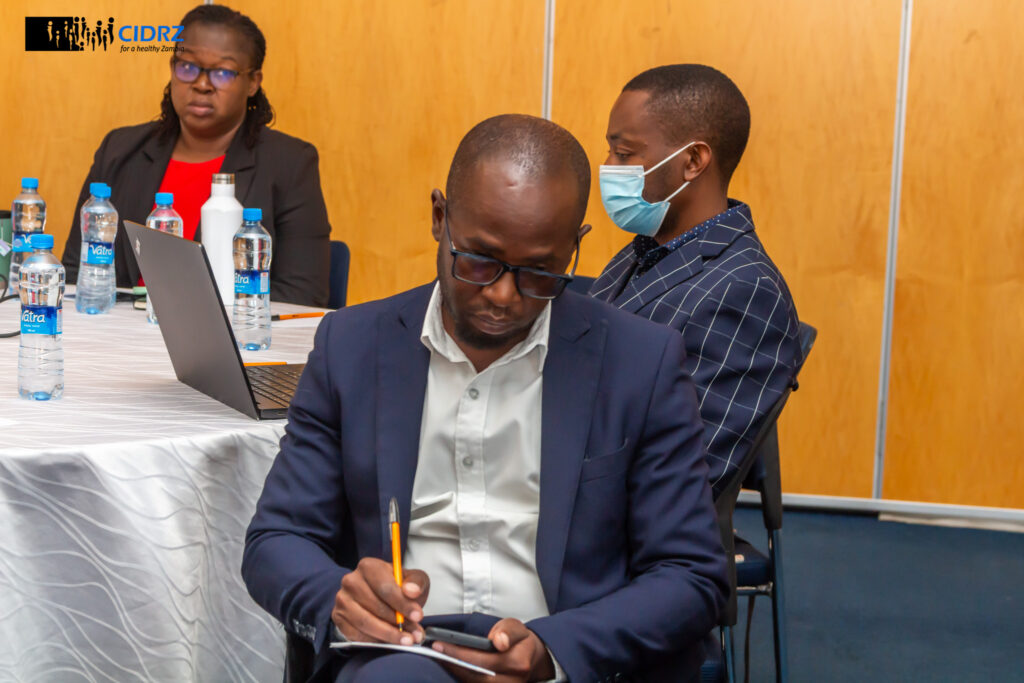
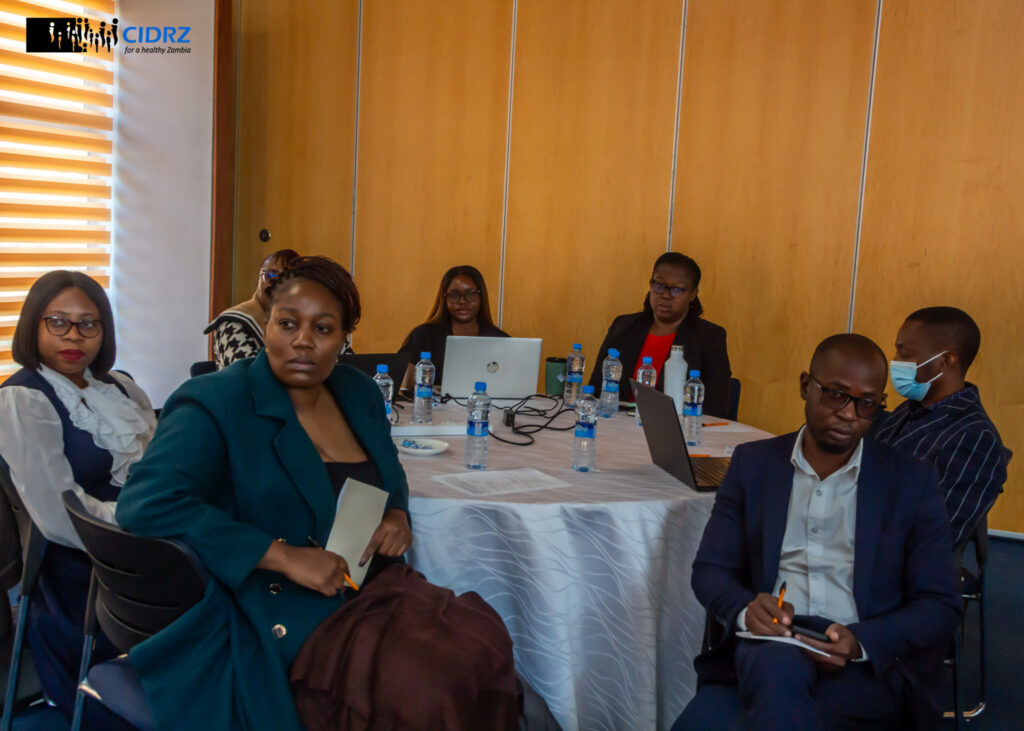
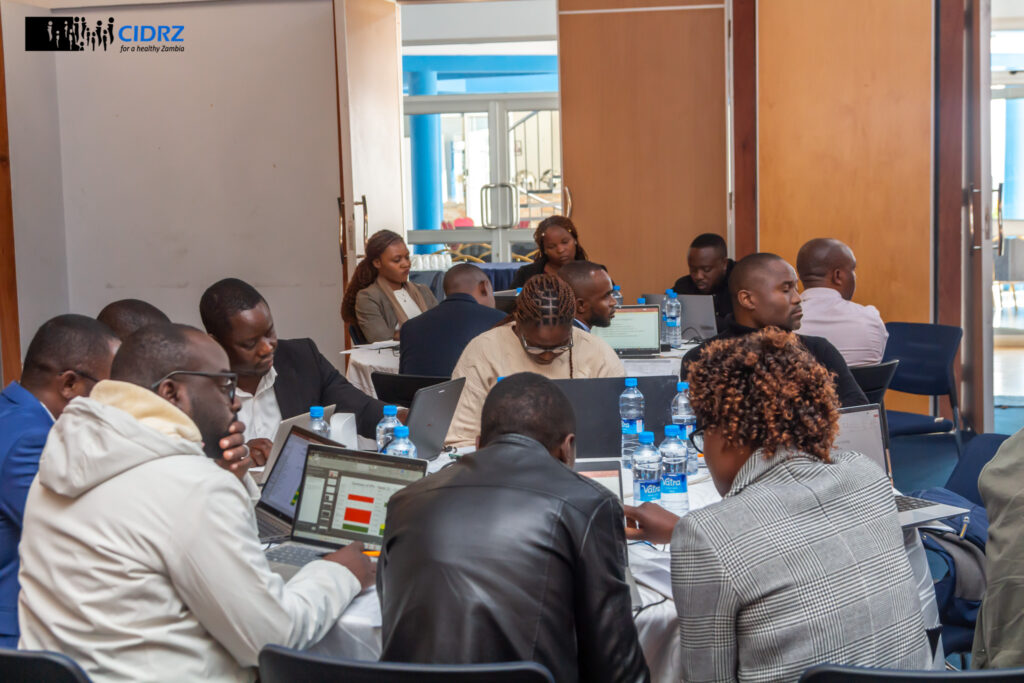
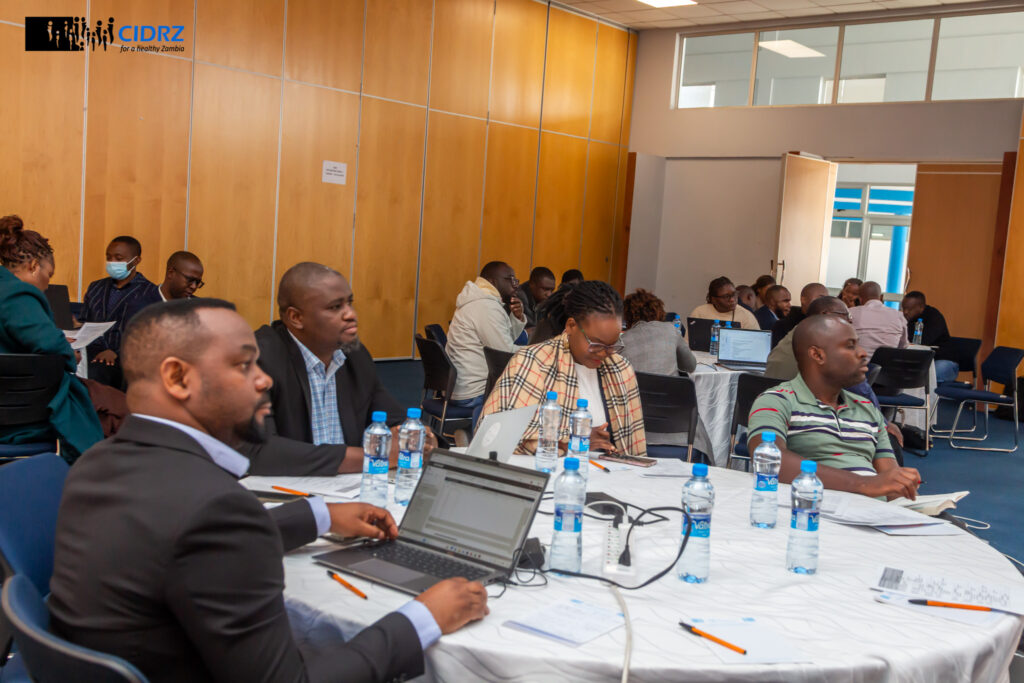
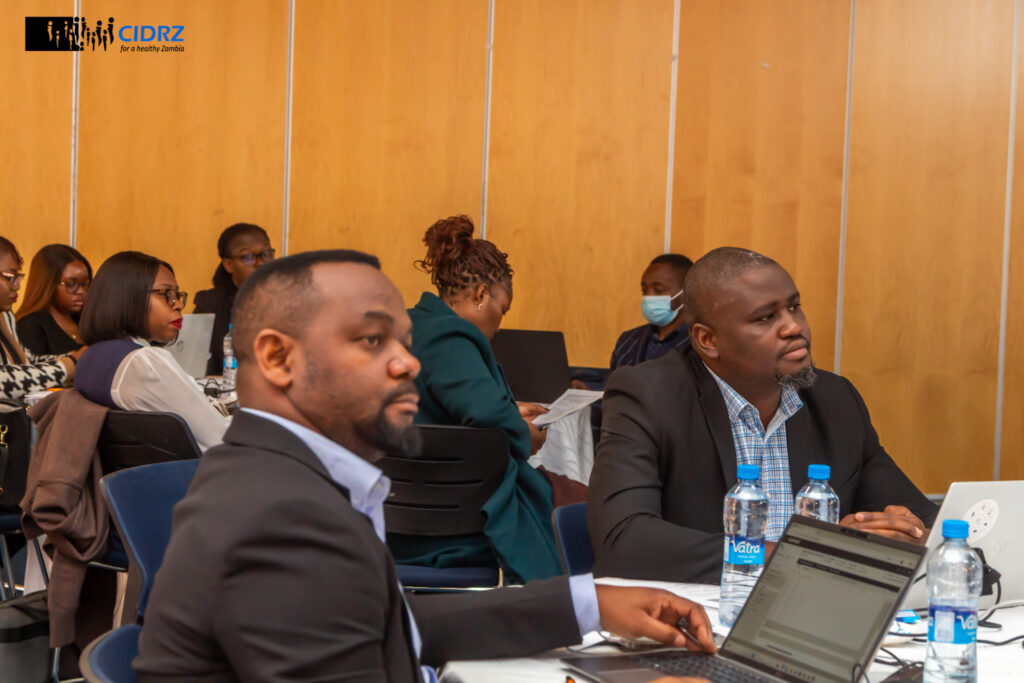
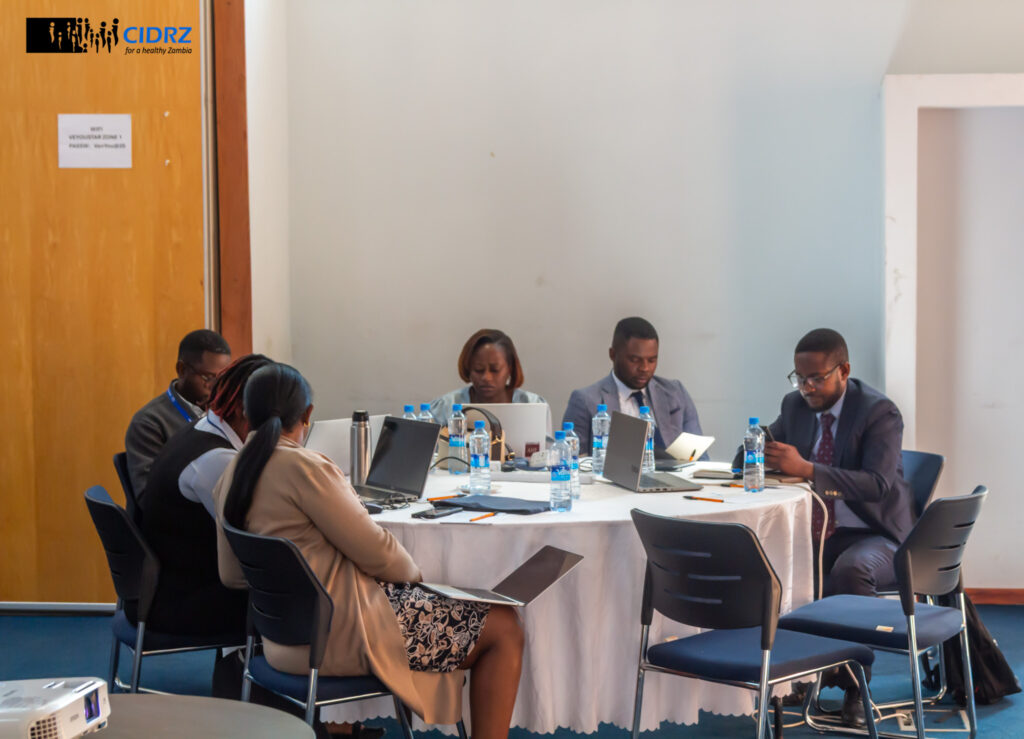
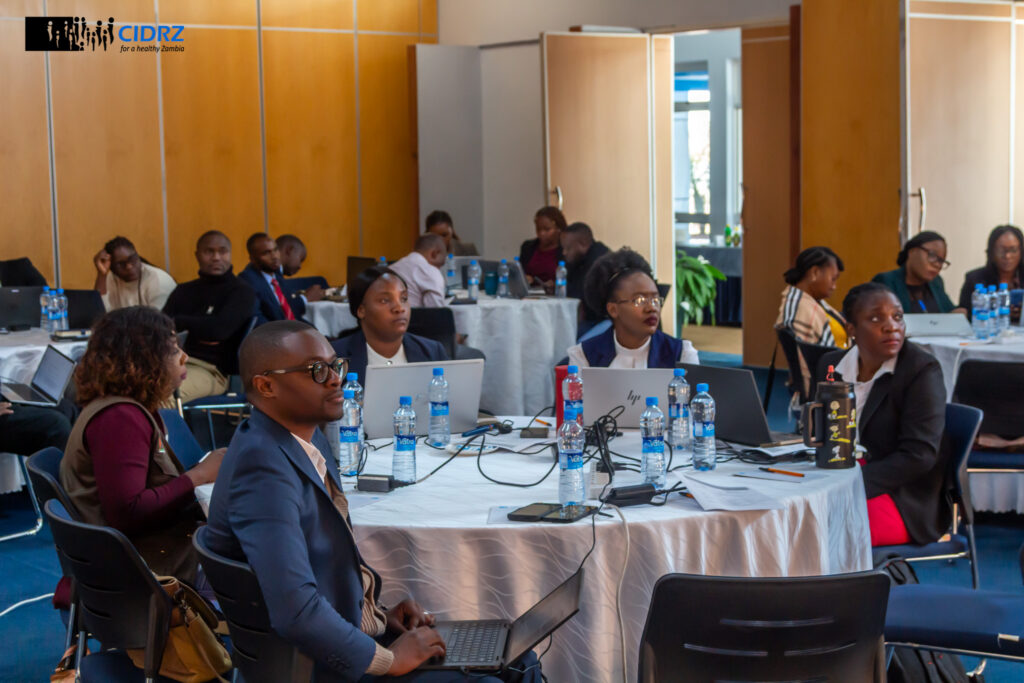
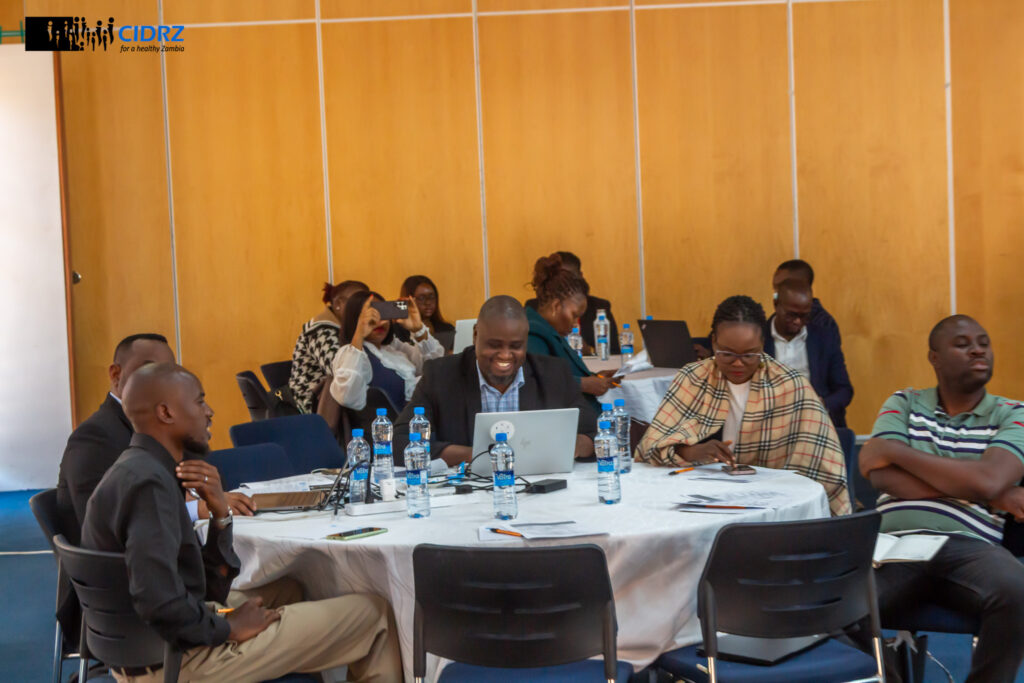
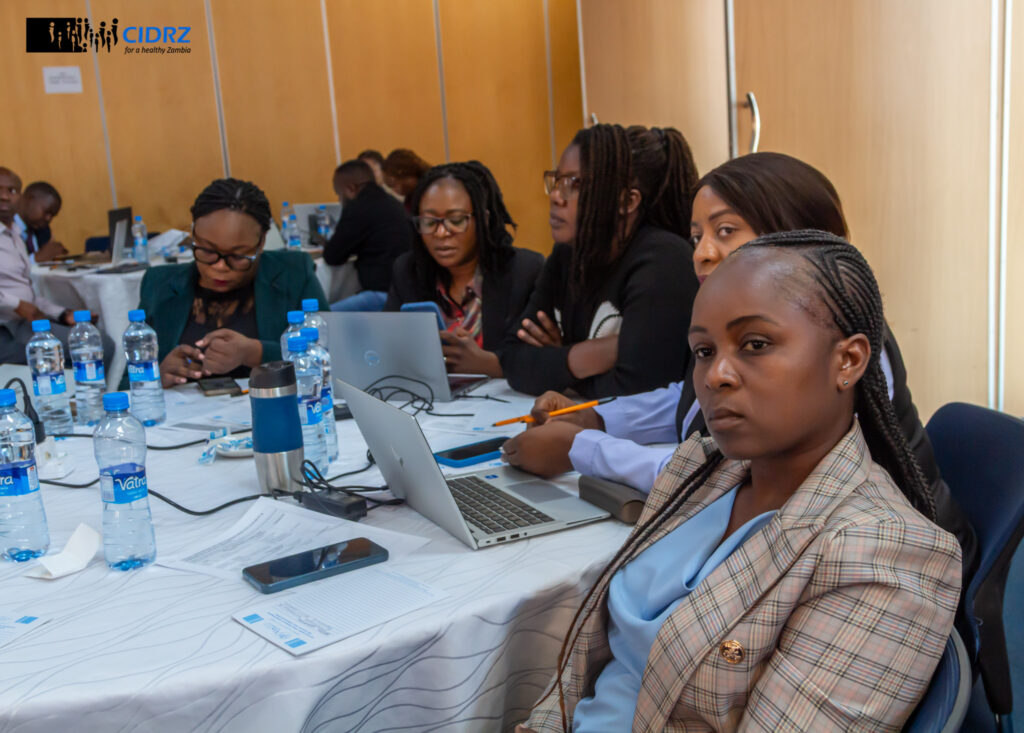
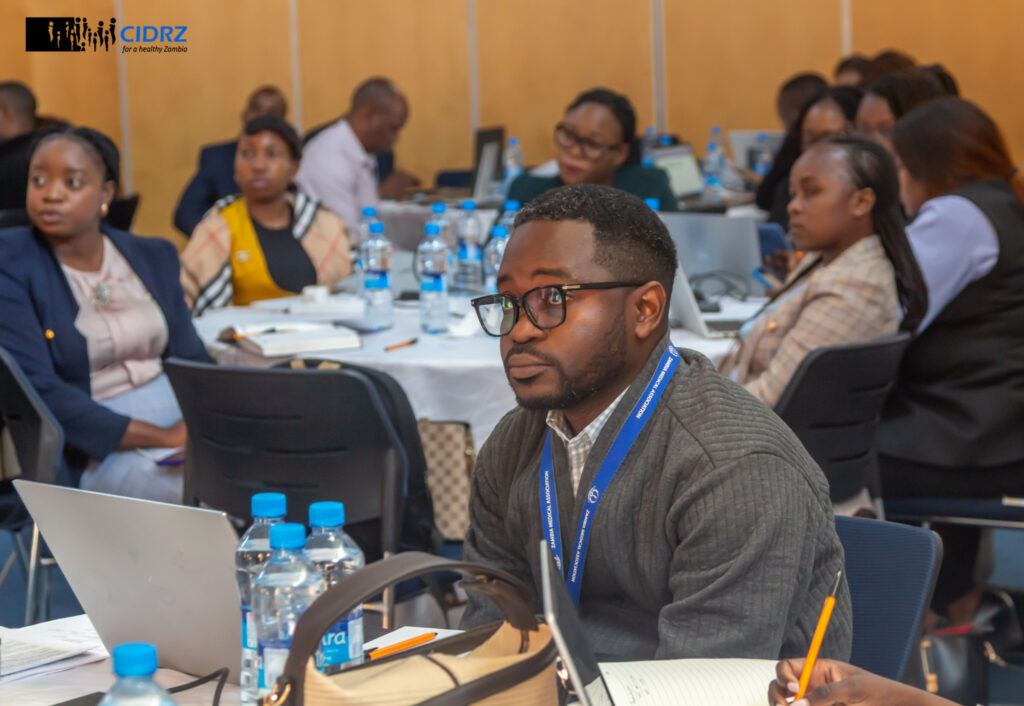
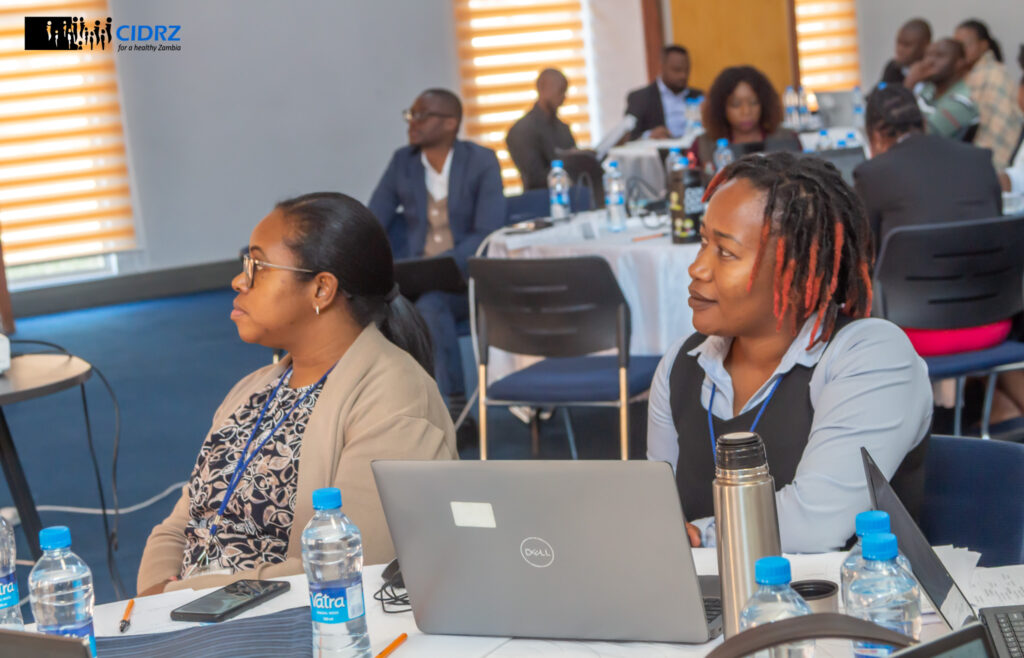
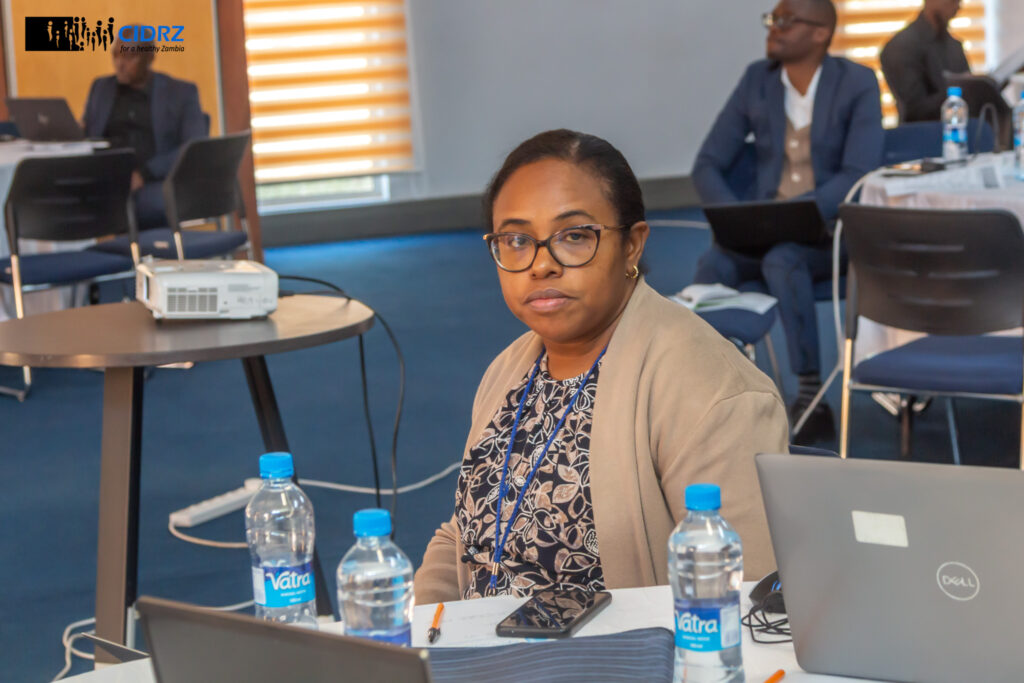
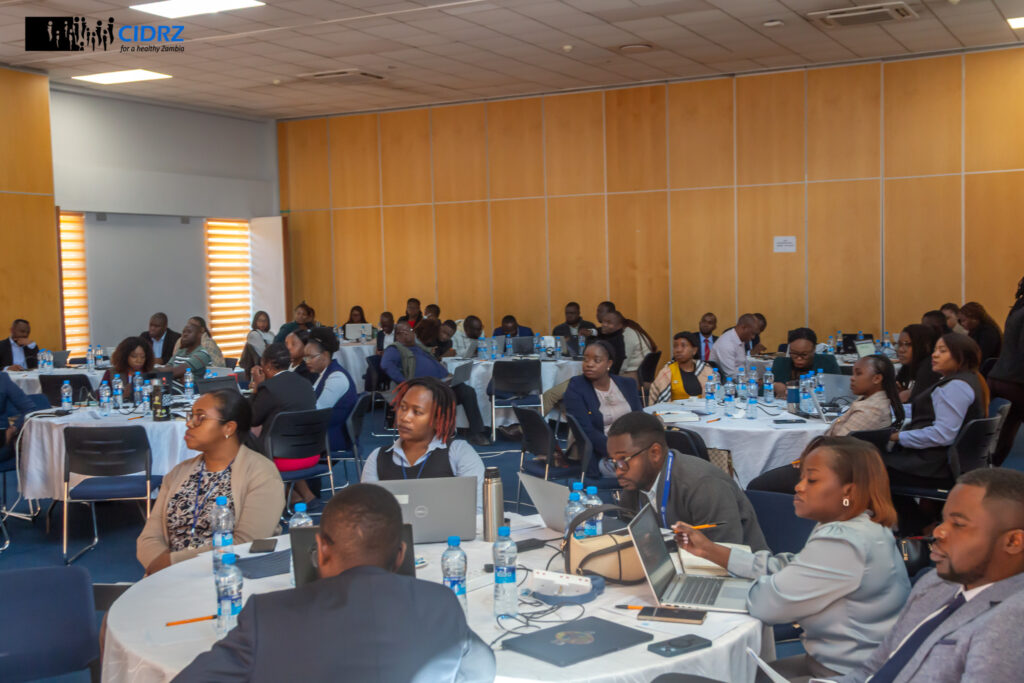
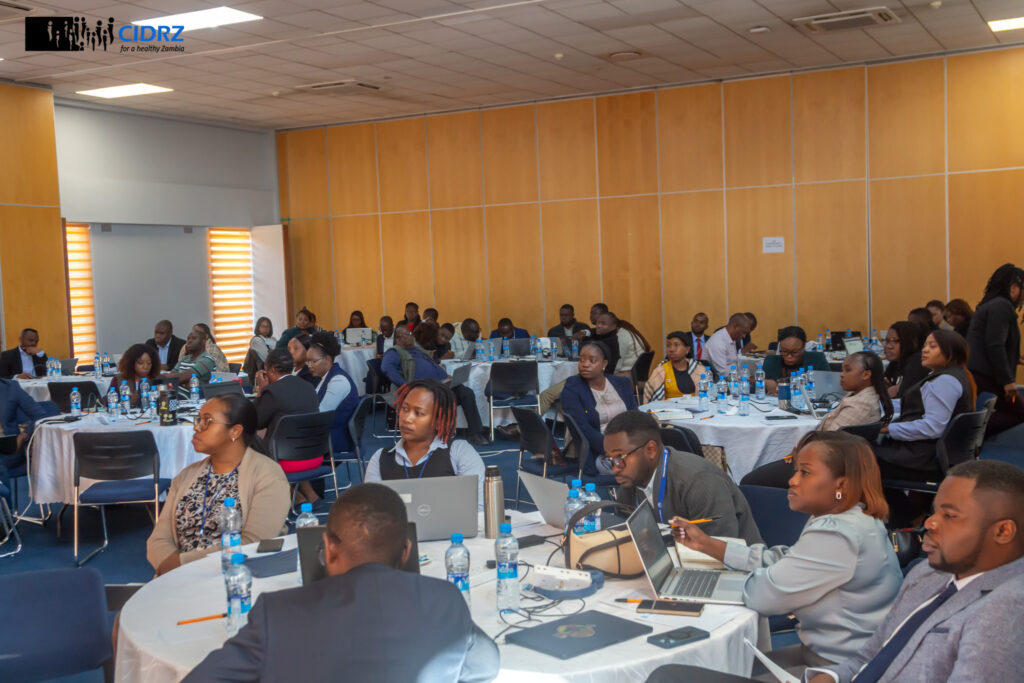
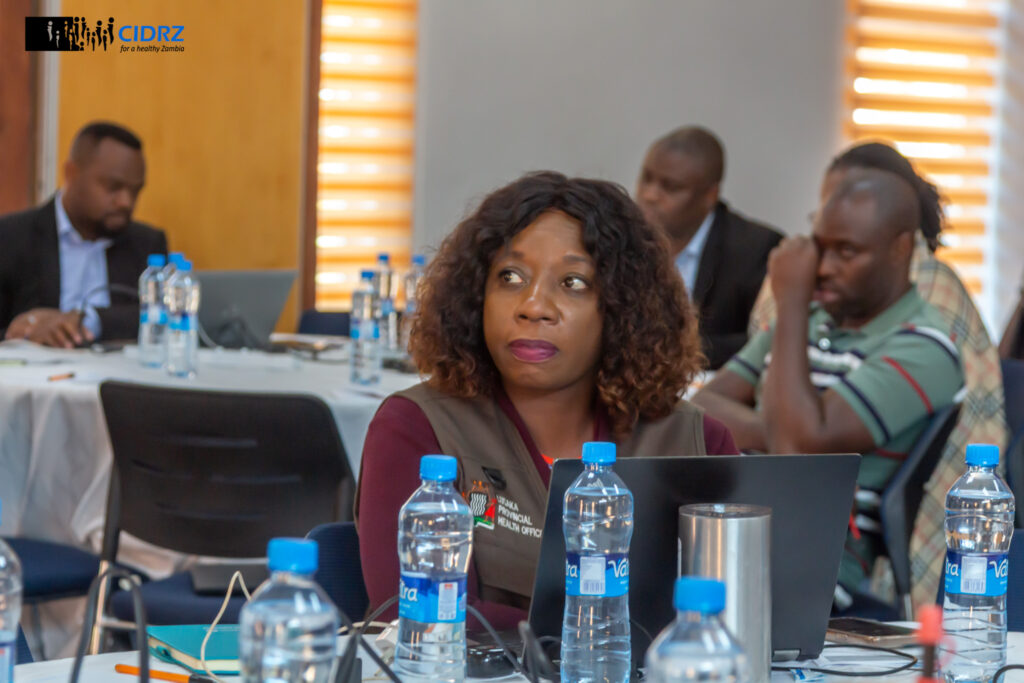
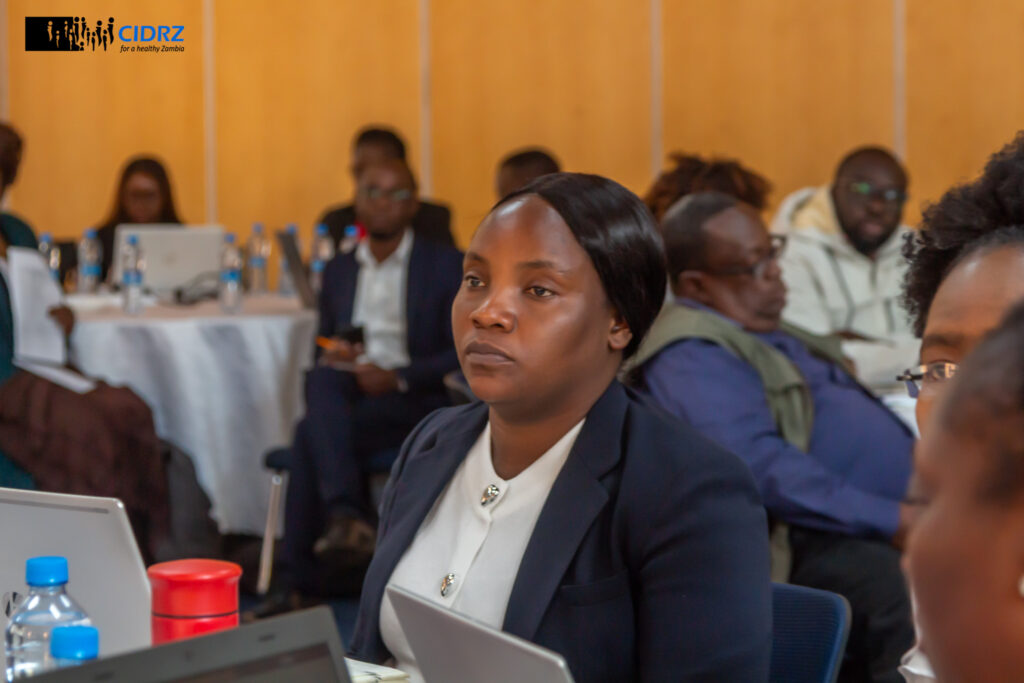
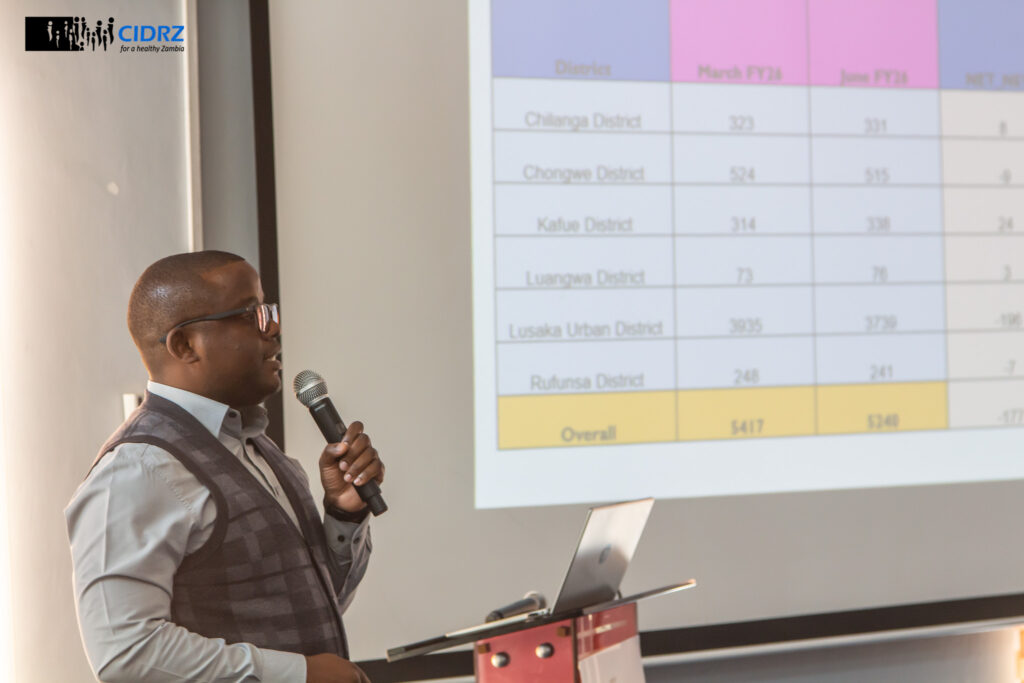
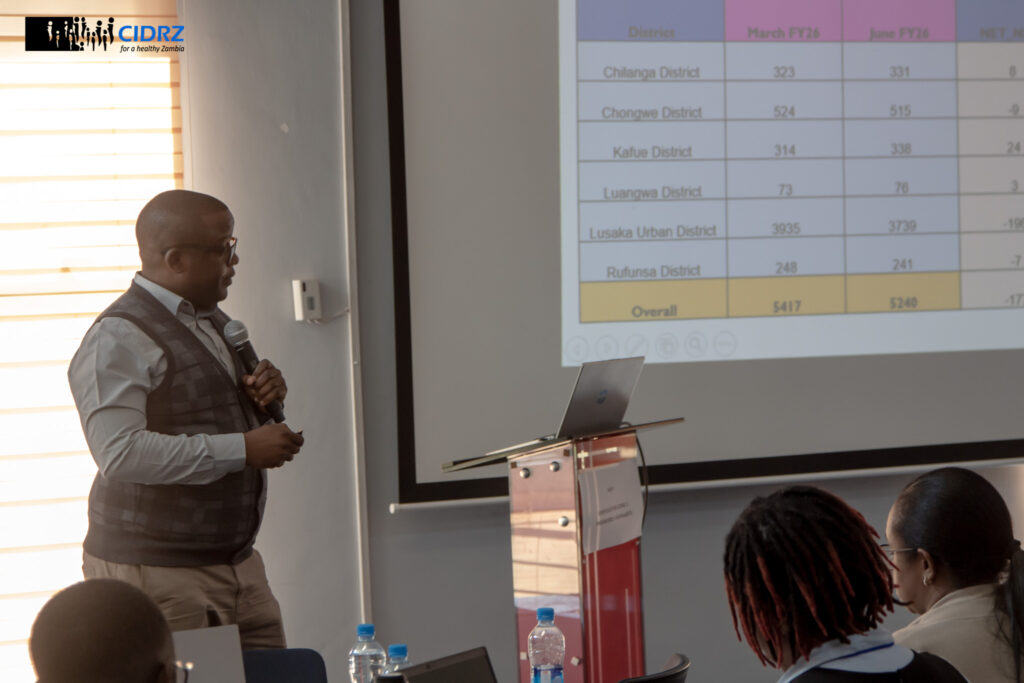
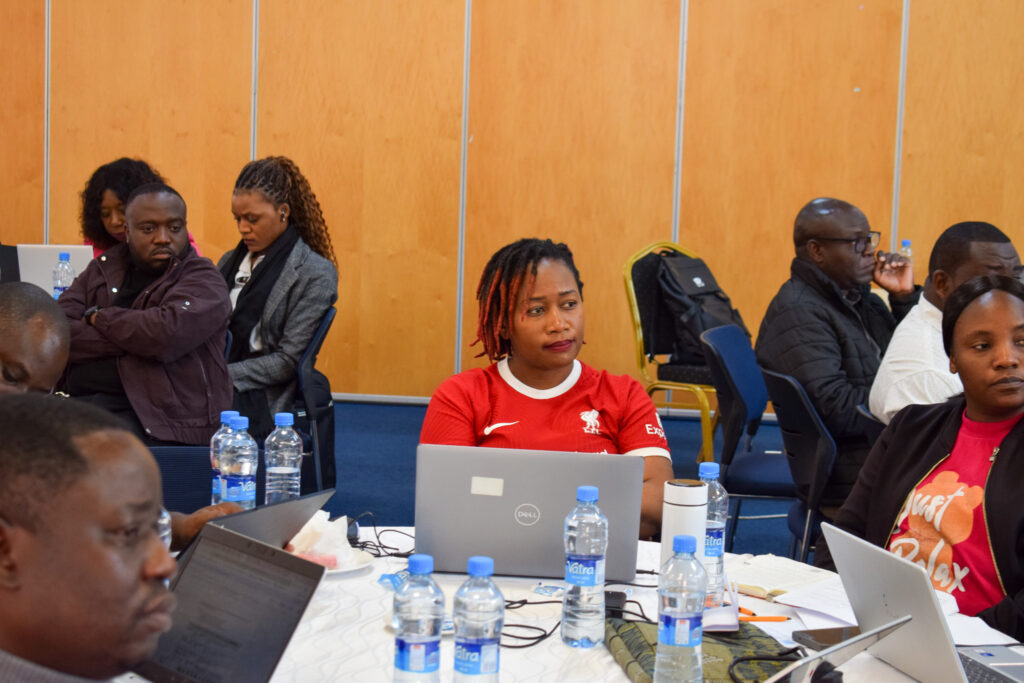
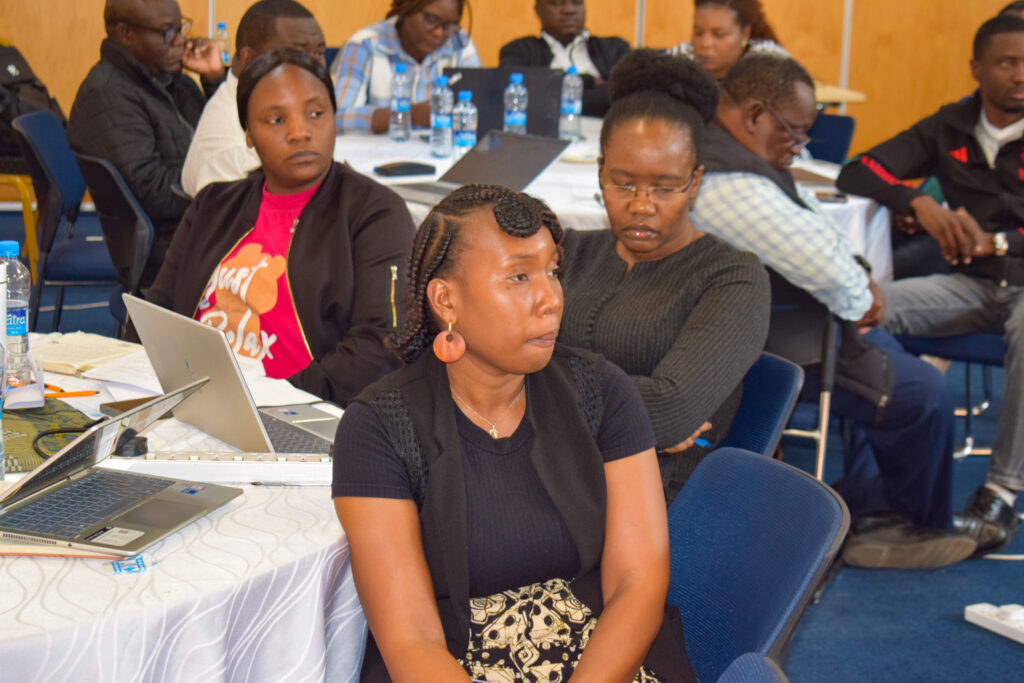
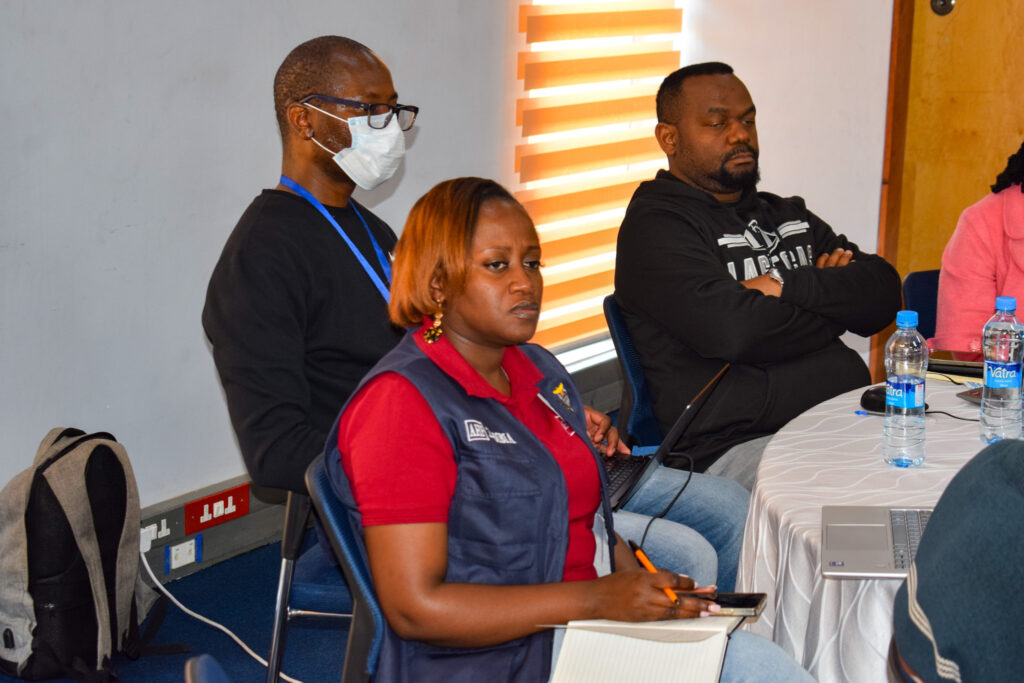
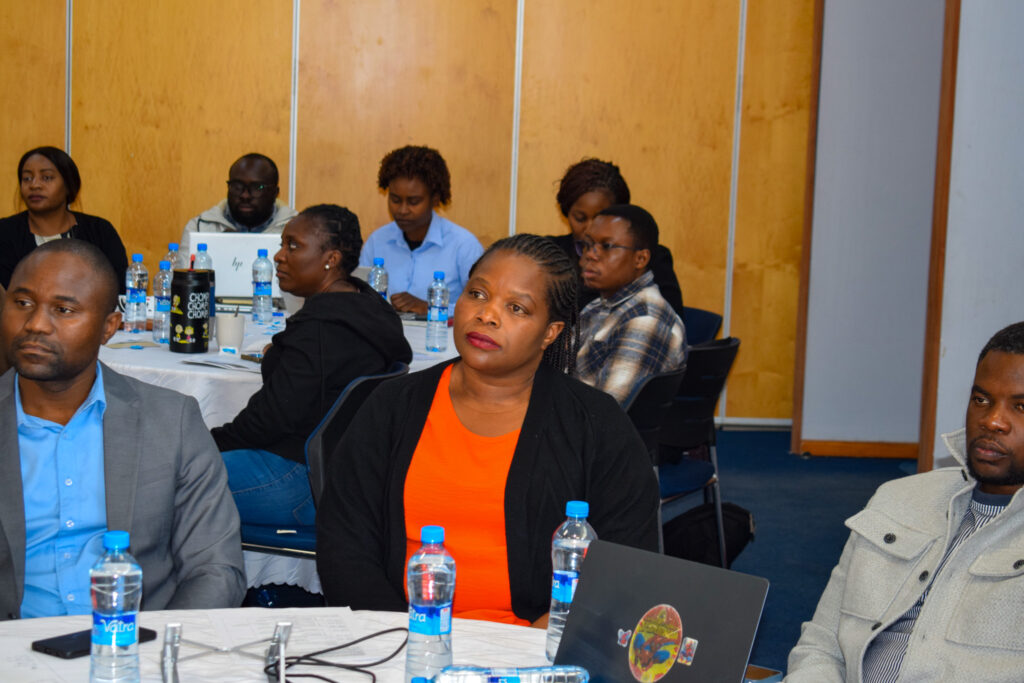
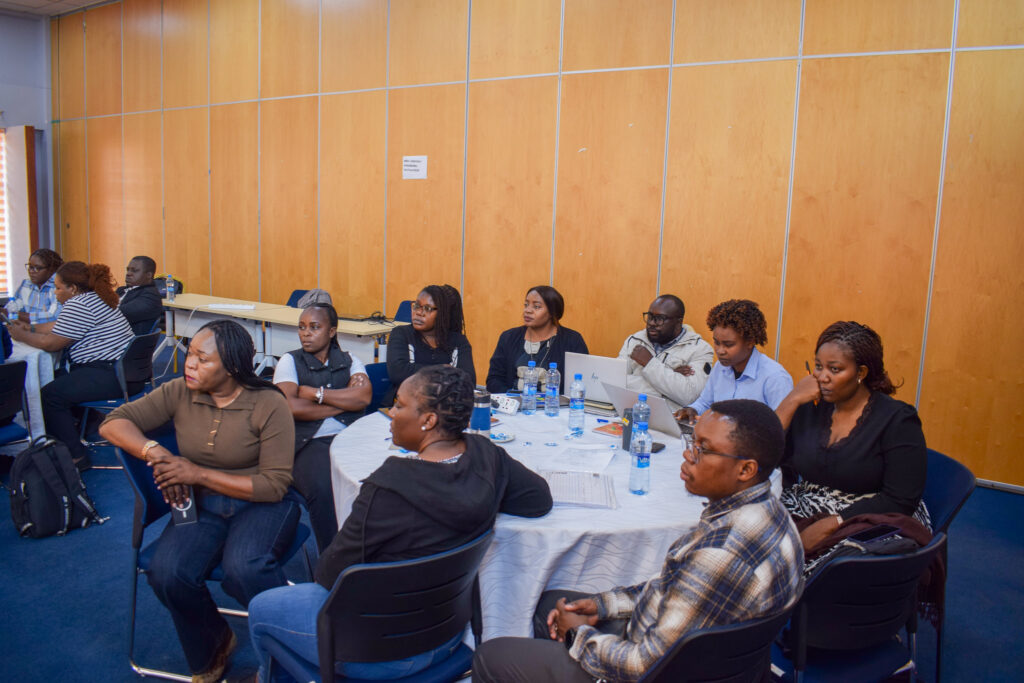
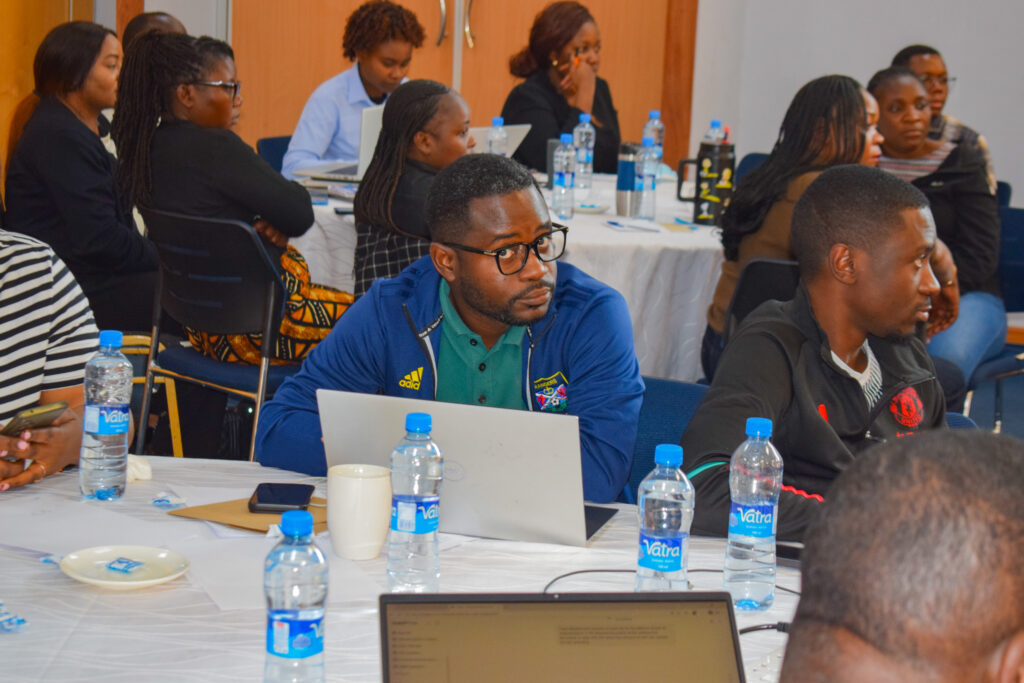
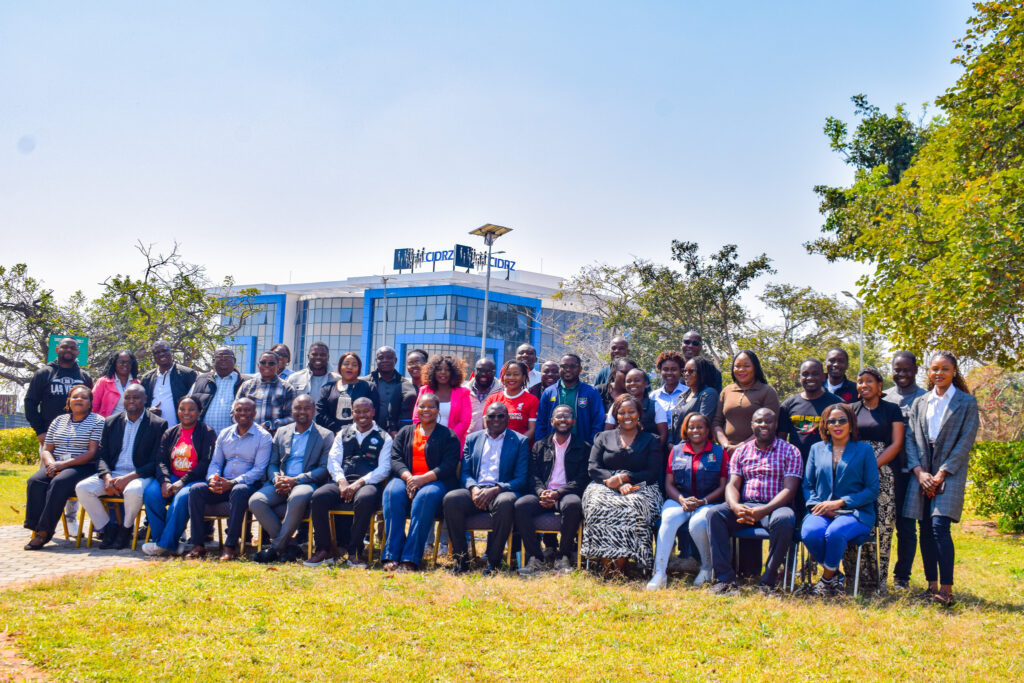
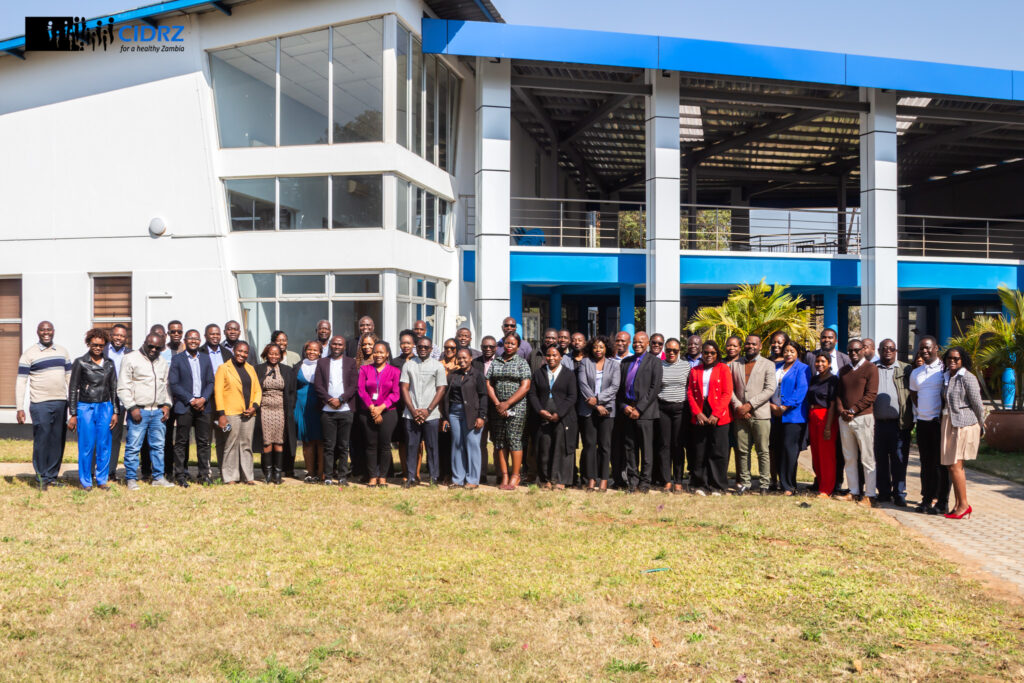
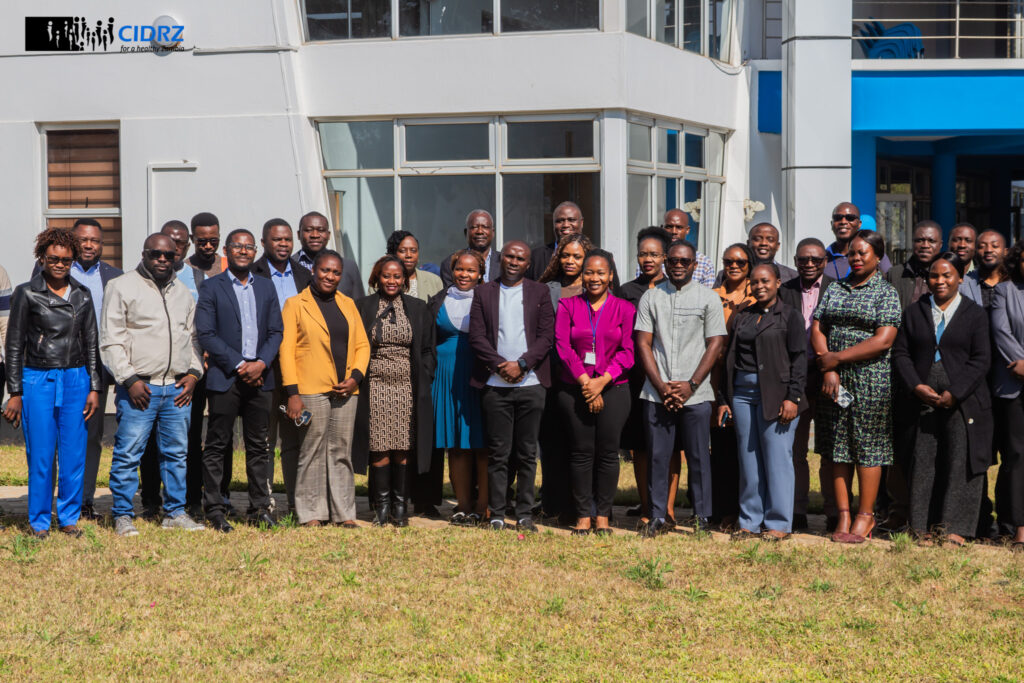
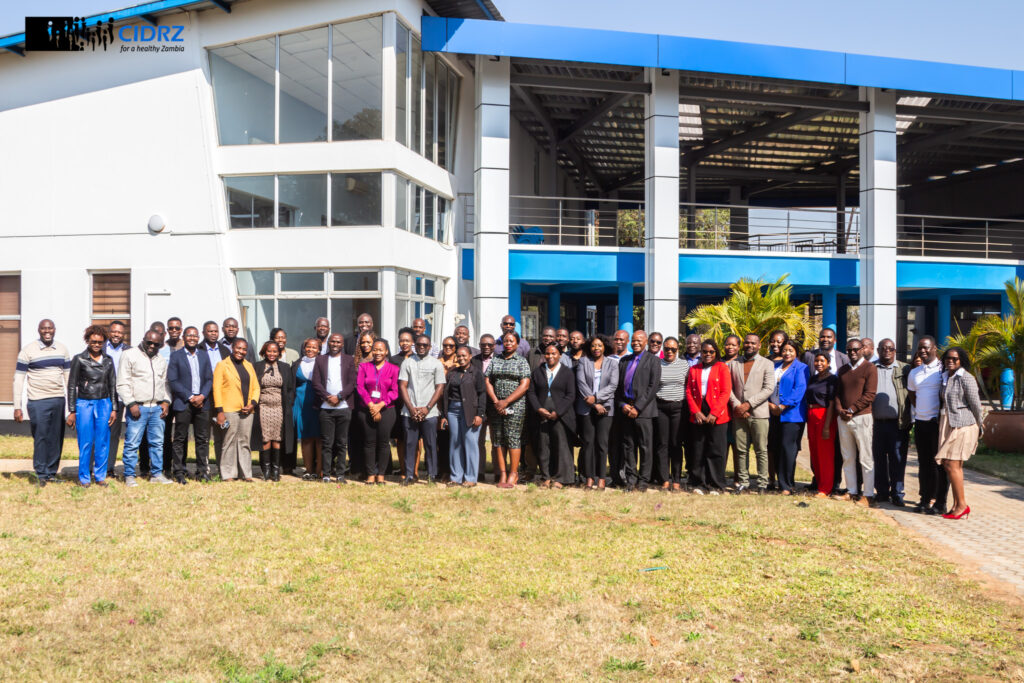
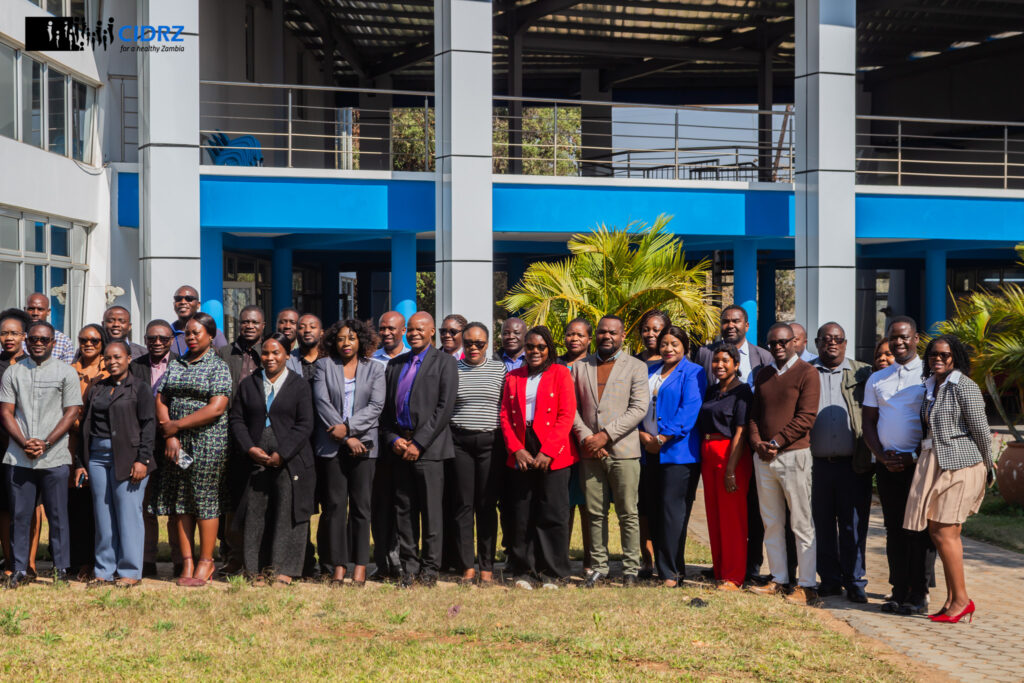
To enhance coordination, the Centre for Infectious Disease Research in Zambia (CIDRZ) and the Lusaka Provincial Health Office (LPHO) hosted an HIV Stakeholder Engagement Meeting with the Ministry of Health (MoH), implementing partners, and key stakeholders.
The meeting provided a platform to review programme achievements, address implementation challenges, and develop strategies to strengthen HIV services.
Discussions focused on health systems strengthening, data quality, programme performance, retention in care, viral load management, HIV prevention, Advanced HIV Disease (AHD) services, and capacity building for facility and community-based health workers.
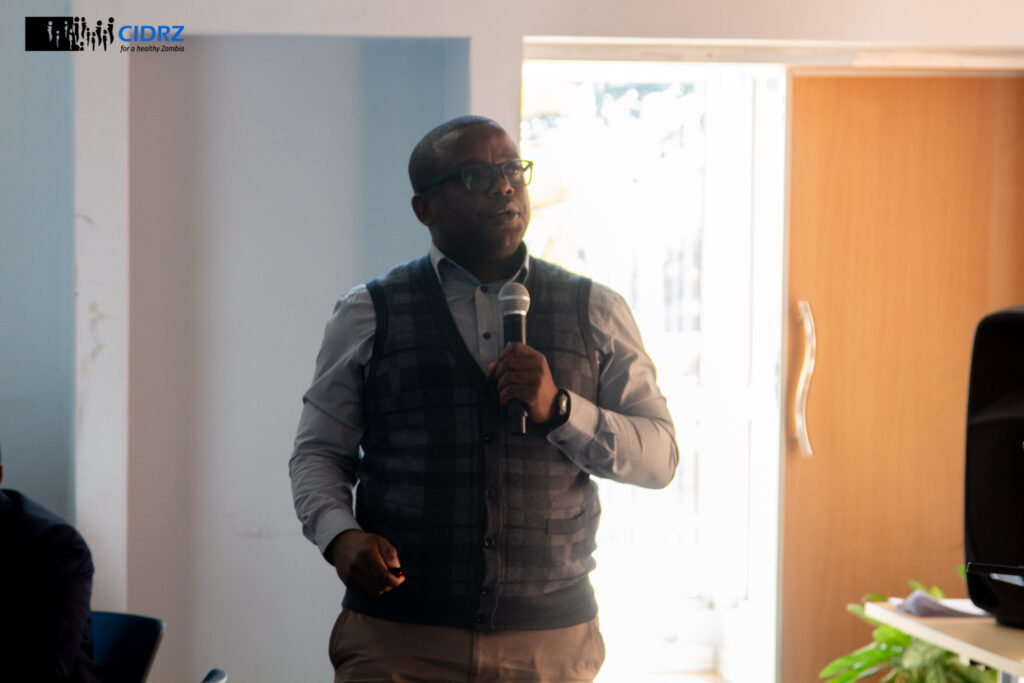
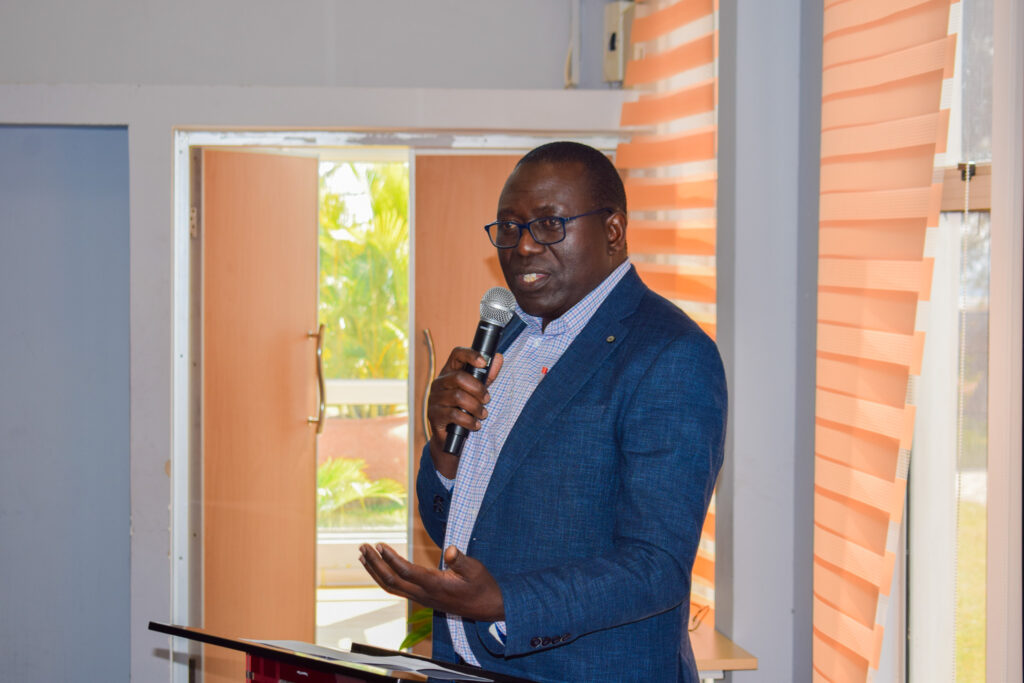
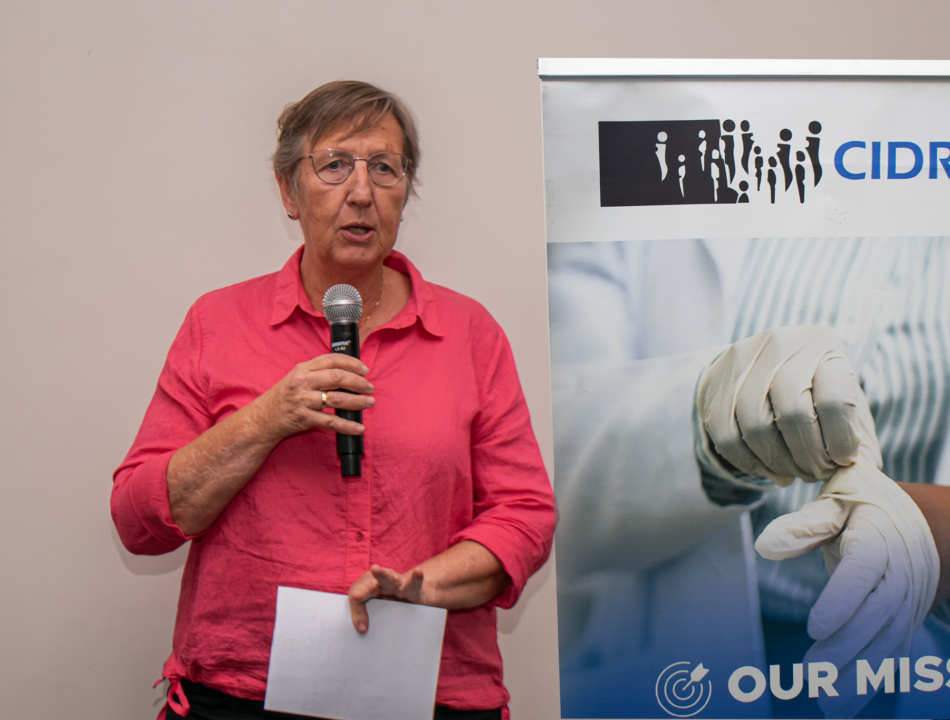
Dr Simulyamana Aspha Choonga, Lusaka Provincial Health Director, provided leadership and emphasized the importance of continued collaboration among stakeholders.
He said that the road ahead requires steady stakeholder coordination and action. “Together, we can accelerate progress, save lives, and more decisively advance the vision of an AIDS-free generation and a TB-free future”.
The meeting underscored that sustainable HIV programmes depend on strong Ministry of Health leadership, coordinated partnerships, a skilled workforce, and effective use of data to improve service delivery and outcomes.
Strengthening collaboration and investing in healthcare and community-based personnel better positions stakeholders to deliver people-centred HIV services and address emerging needs across Lusaka Province.
CIDRZ remains committed to working with the Ministry of Health, CDC, and implementing partners to strengthen health systems and support high-quality, people-centred HIV services across Zambia.