Gavi Field Visit Highlights Innovations to Strengthen Immunisation Services in Zambia

CIDRZ AND ZNPHI Strengthening Cholera Surveillance Through Genomics Training
October 19, 2026Gavi Field Visit Highlights Innovations to Strengthen Immunisation Services in Zambia

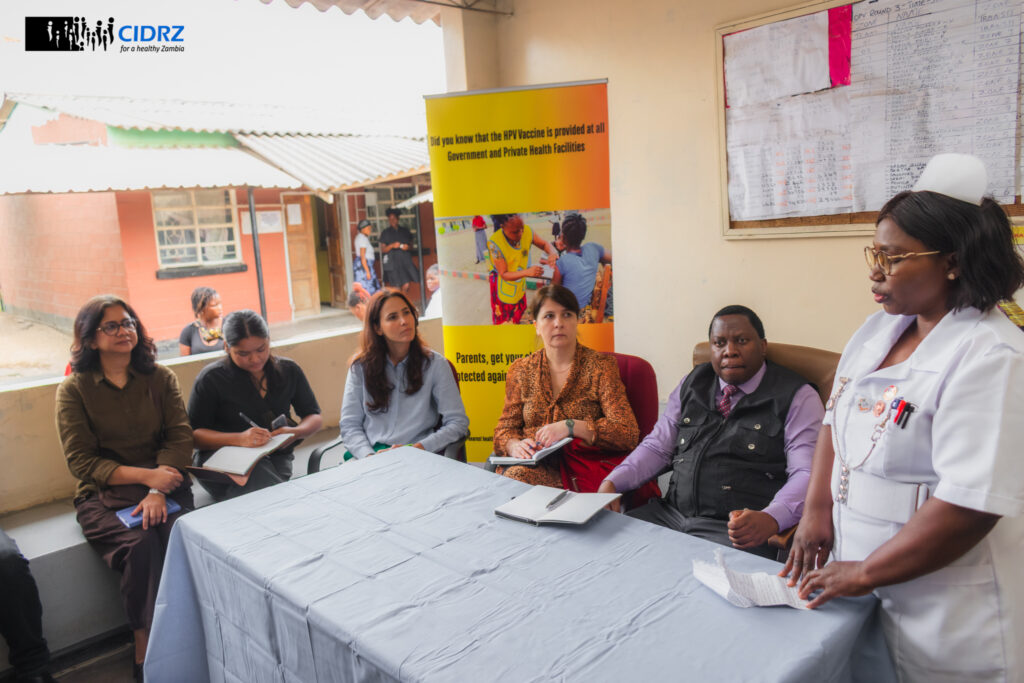
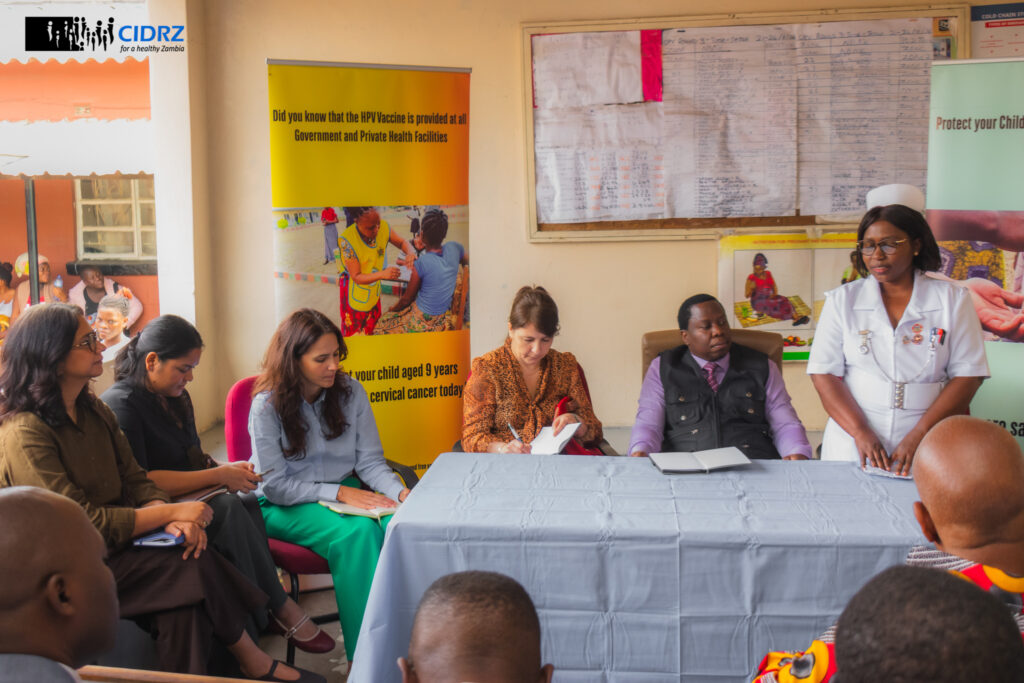
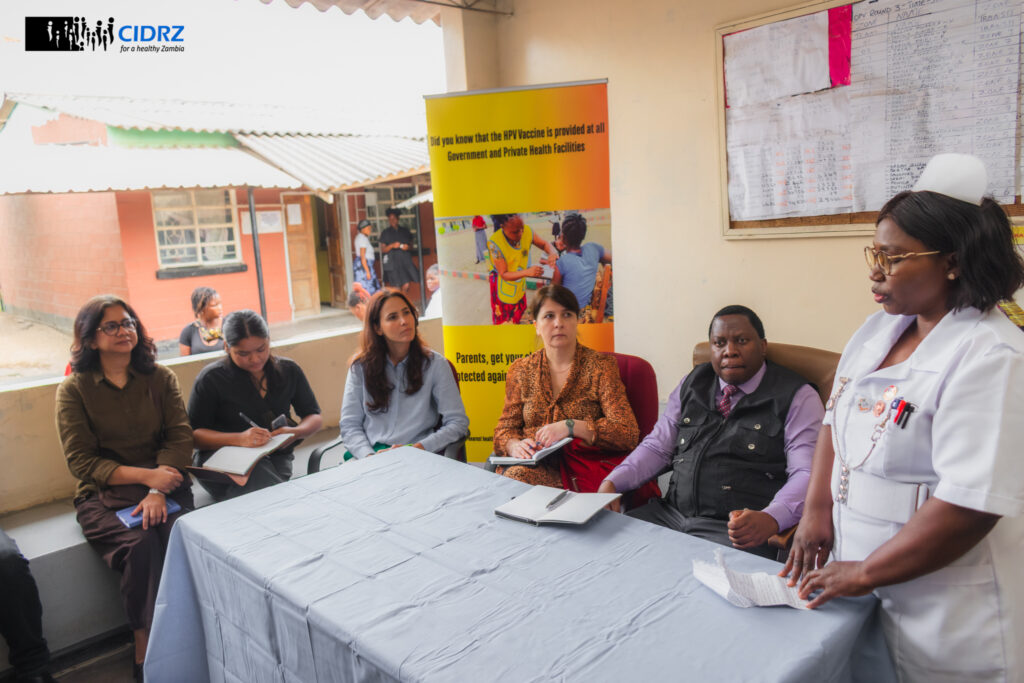
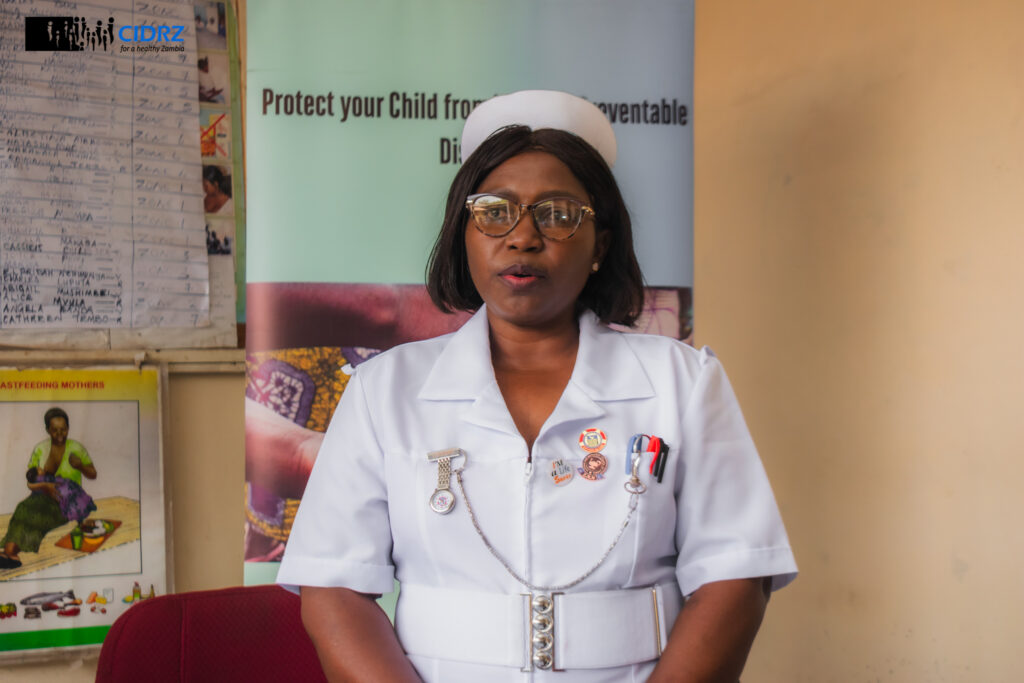
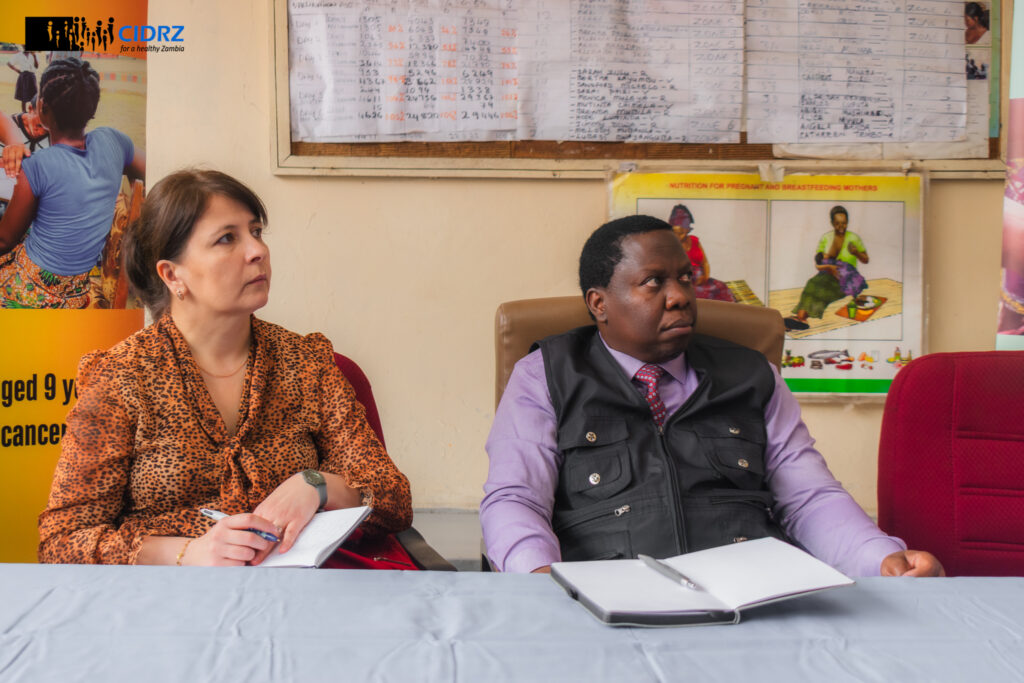
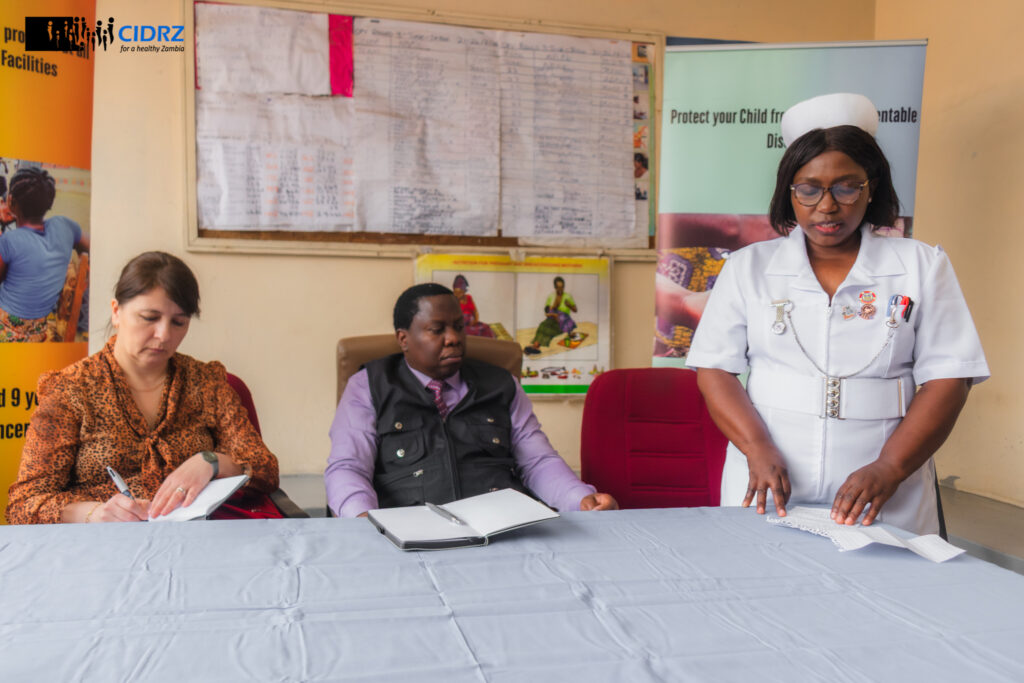
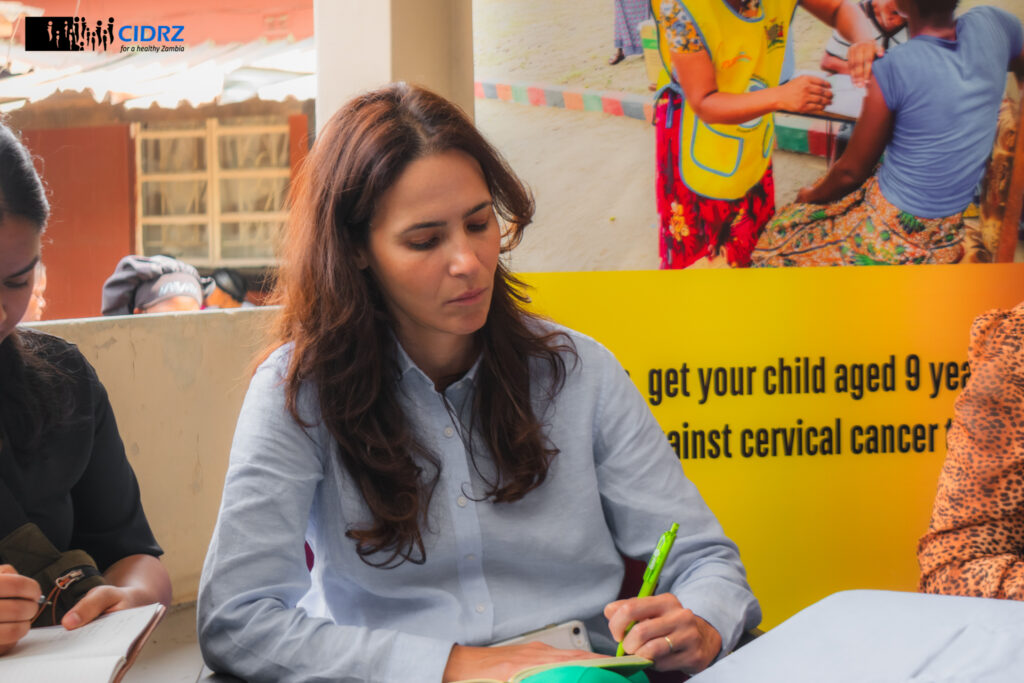
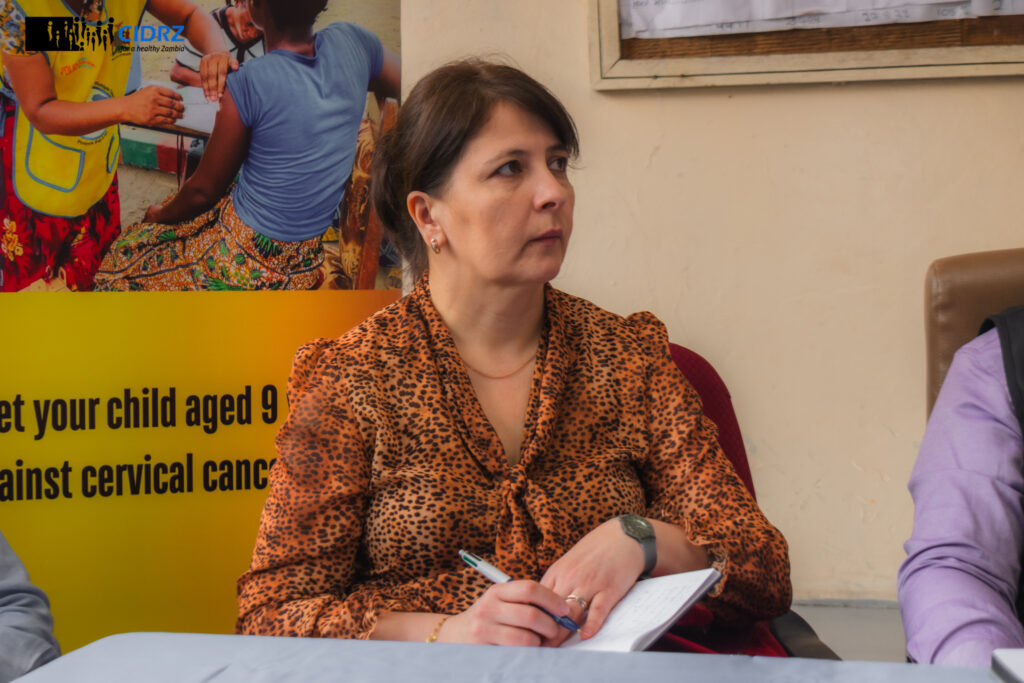
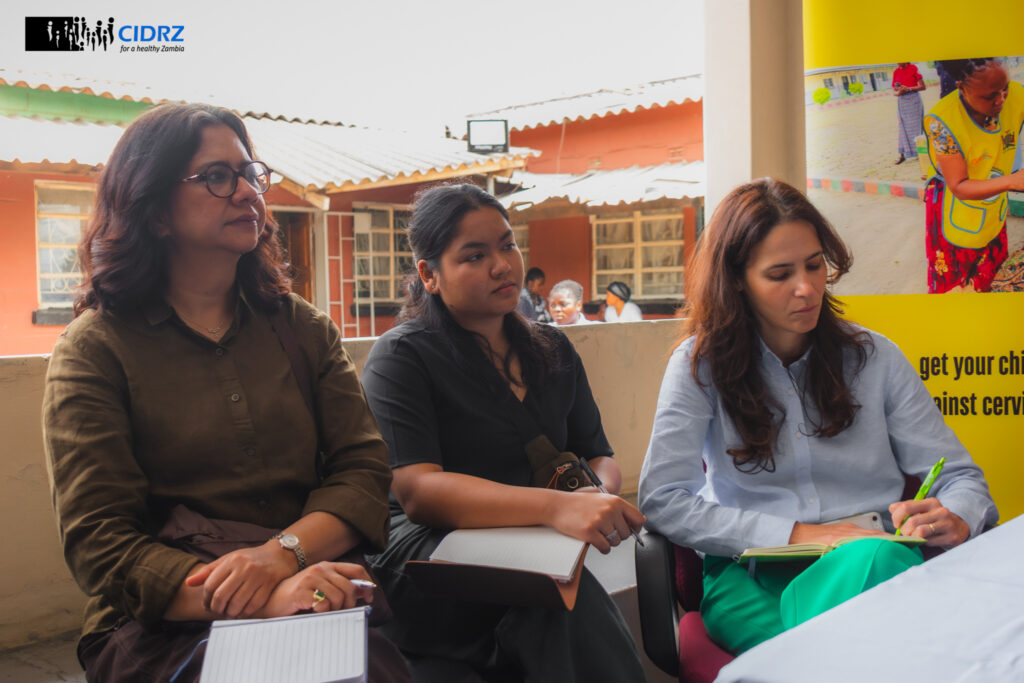
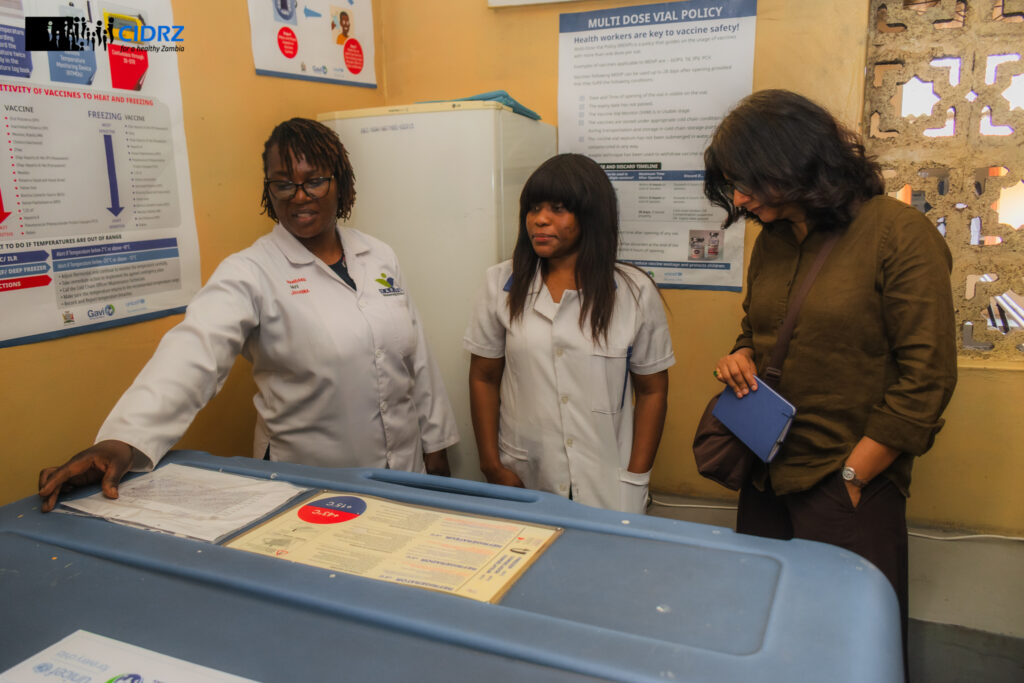
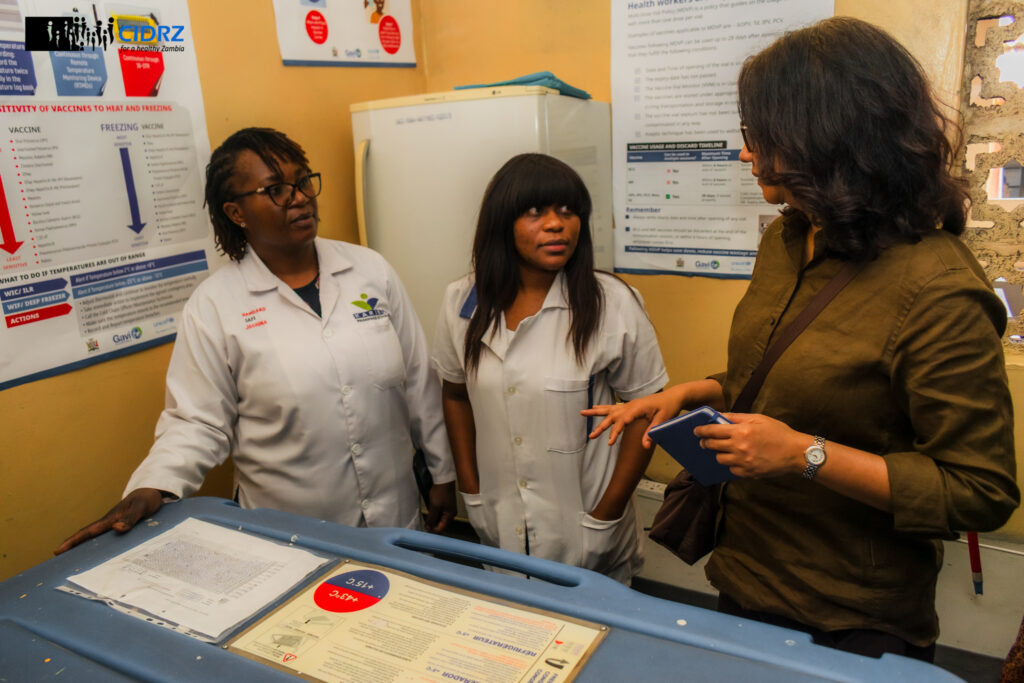
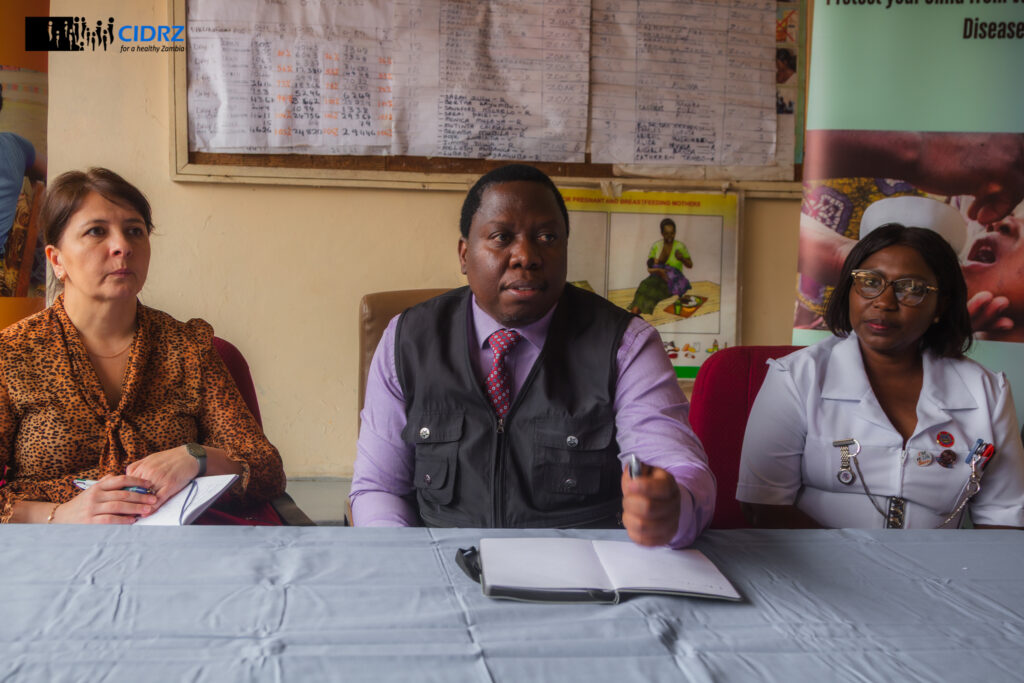
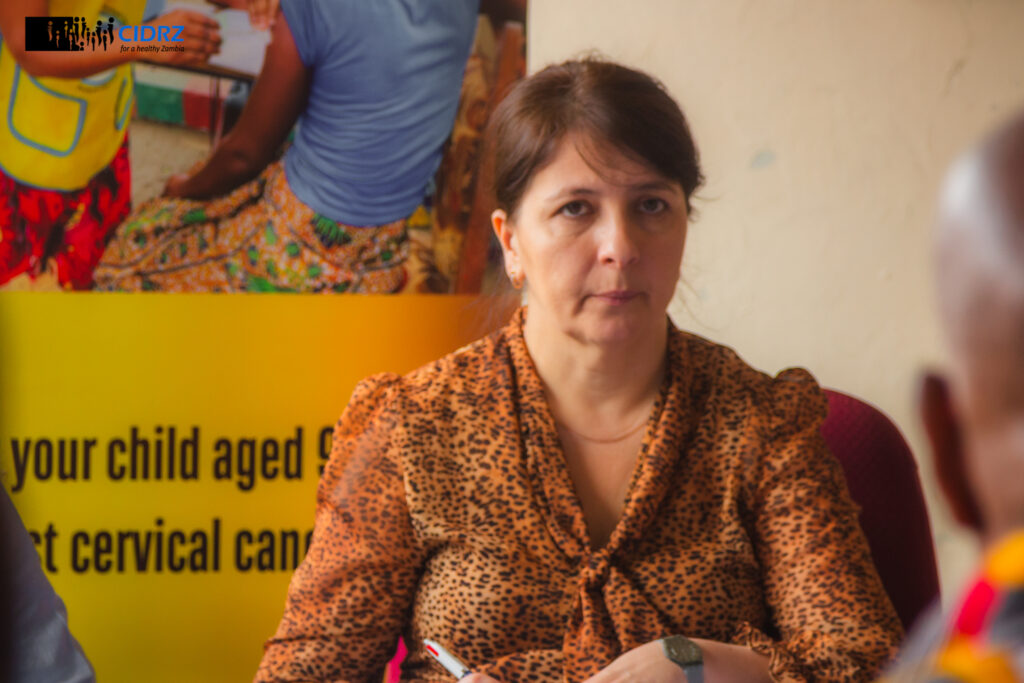
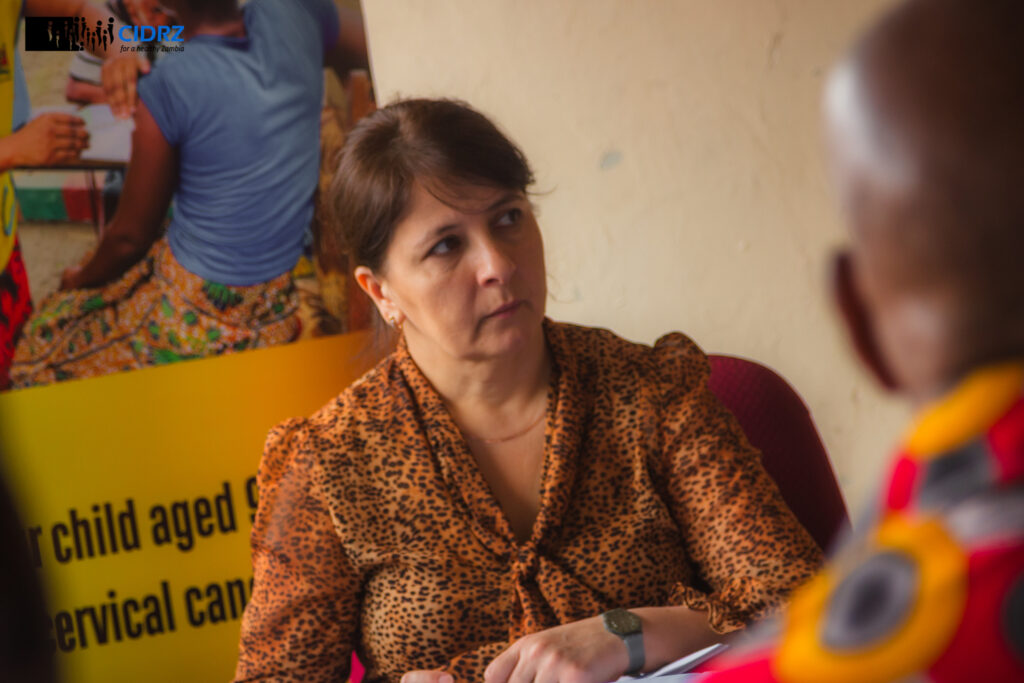
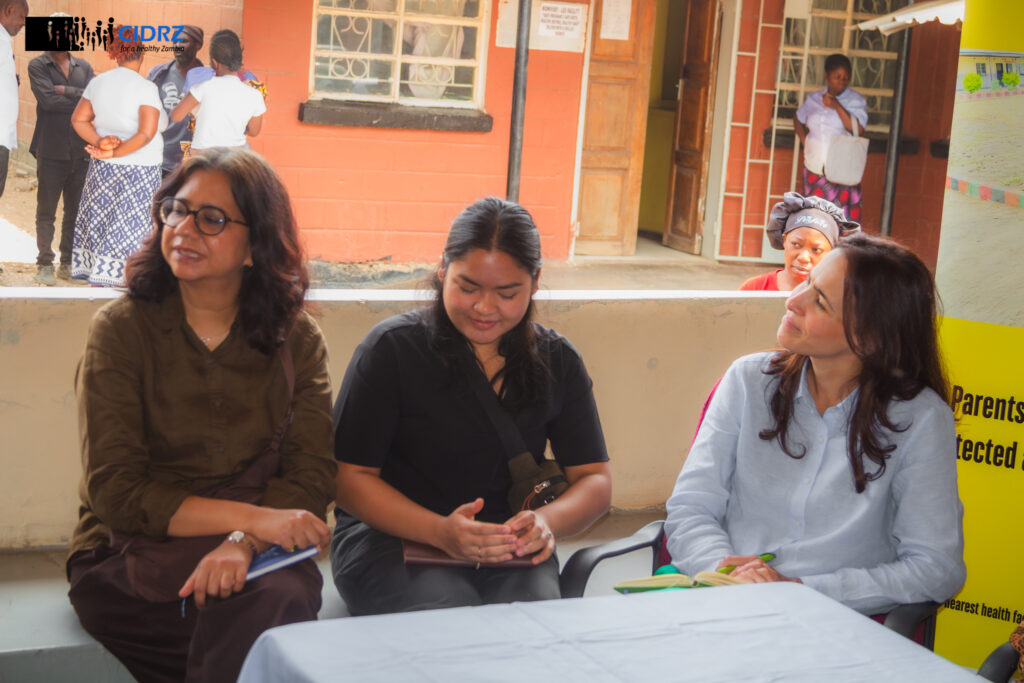
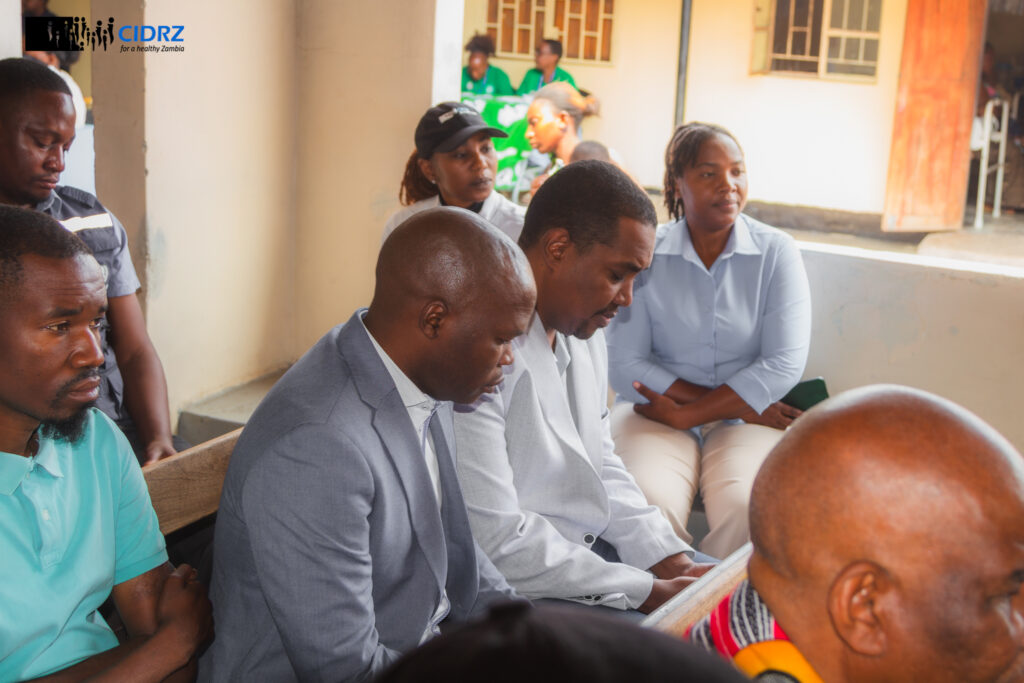
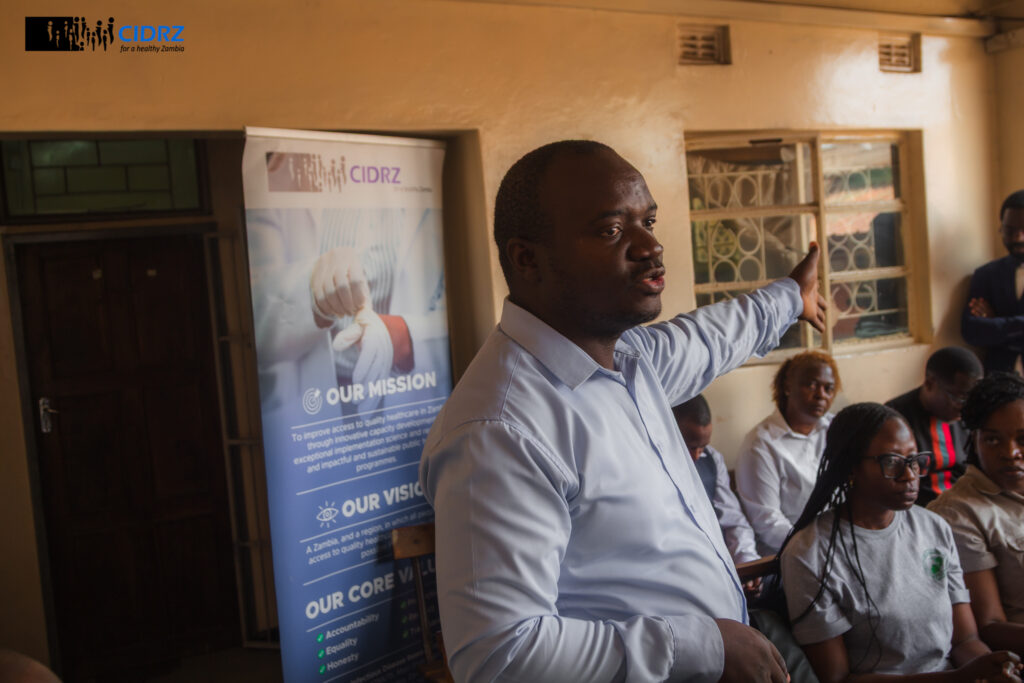
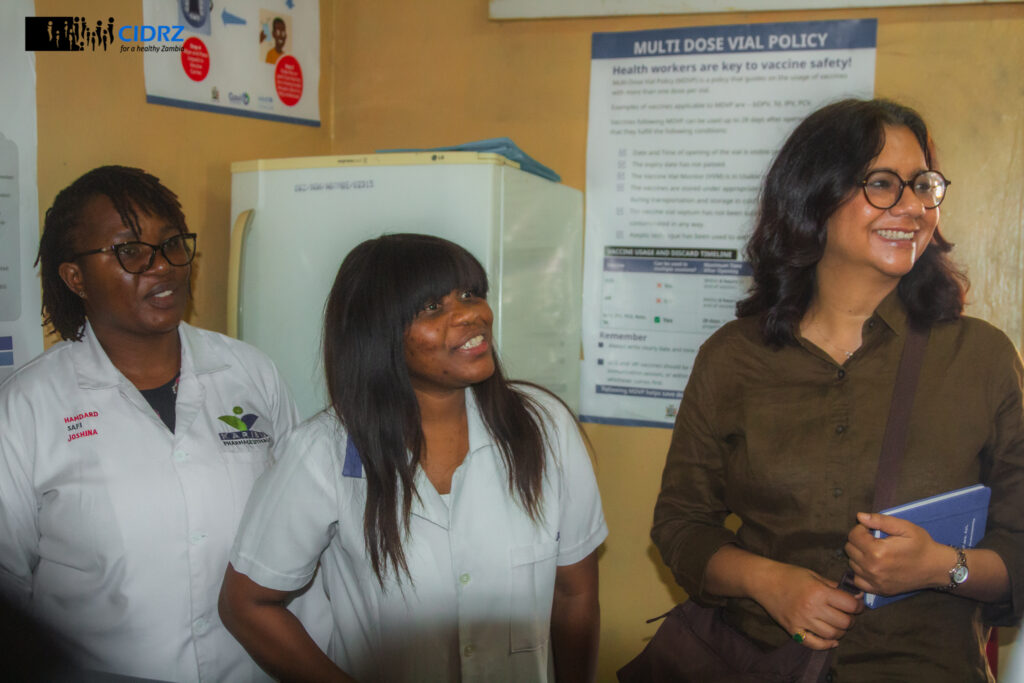
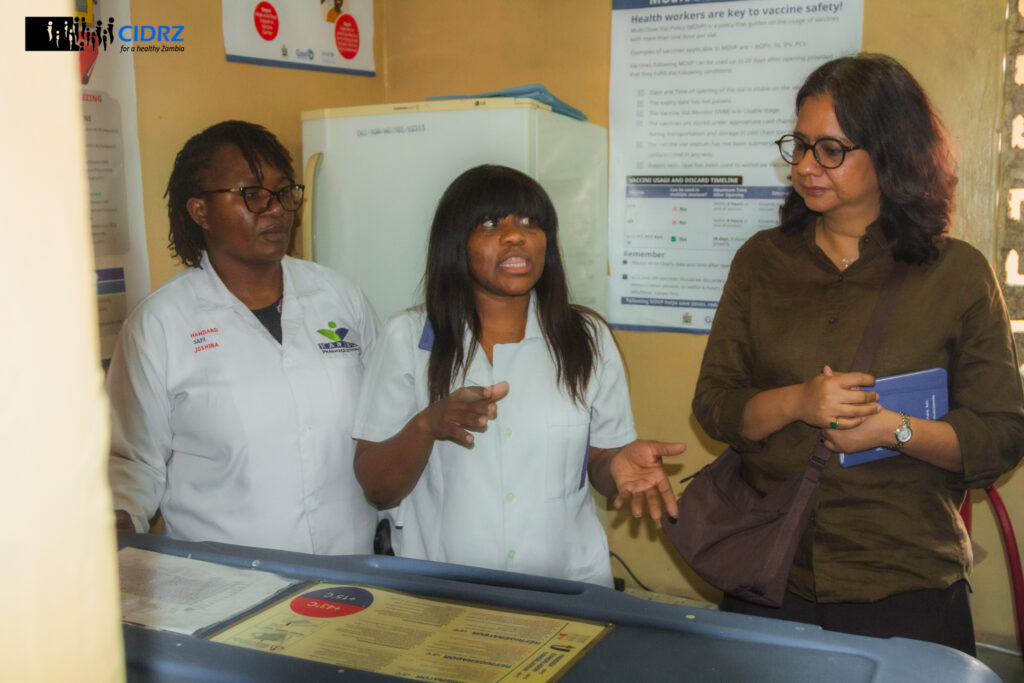
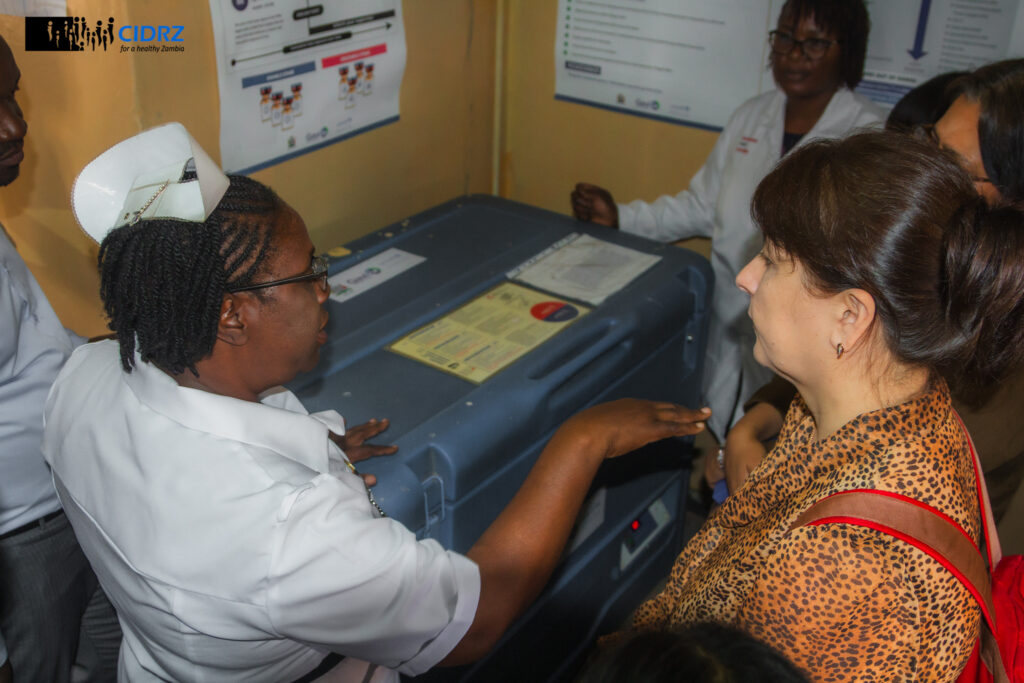
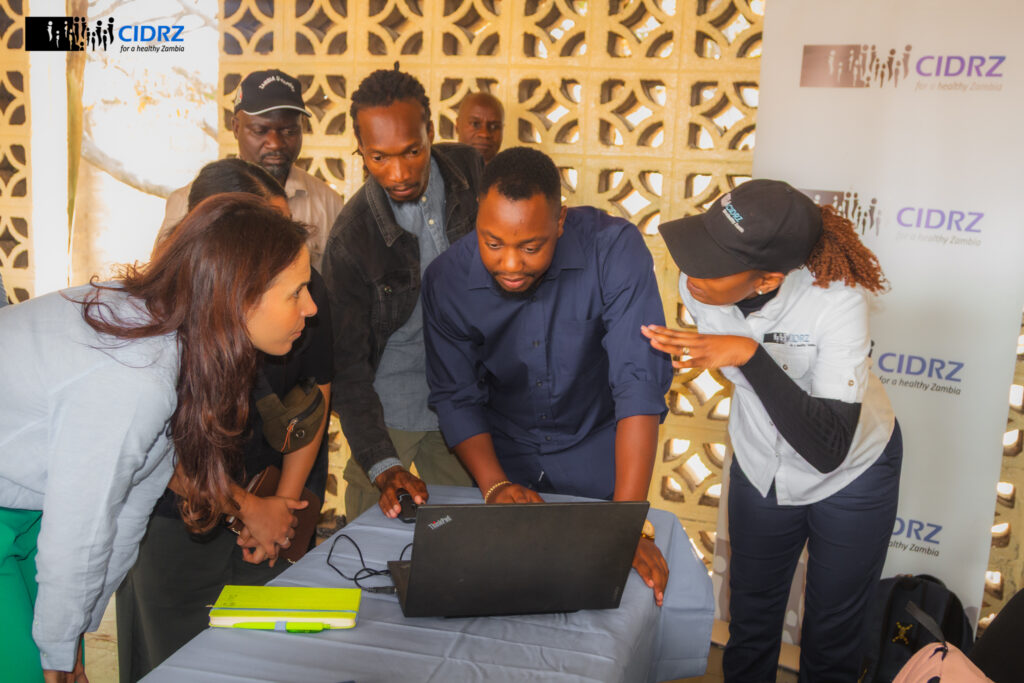
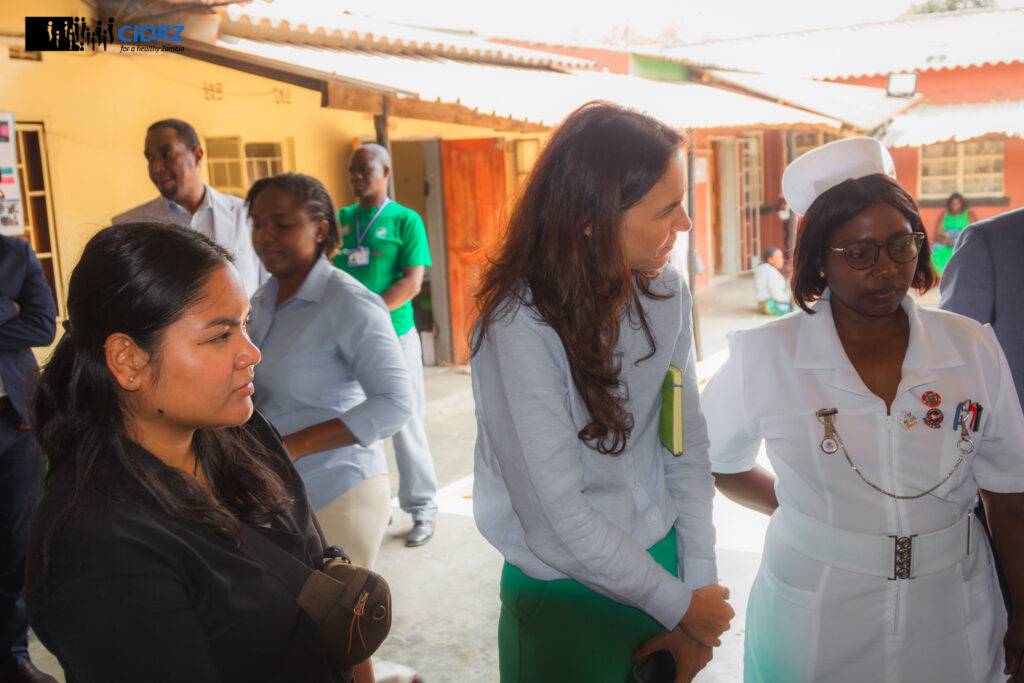
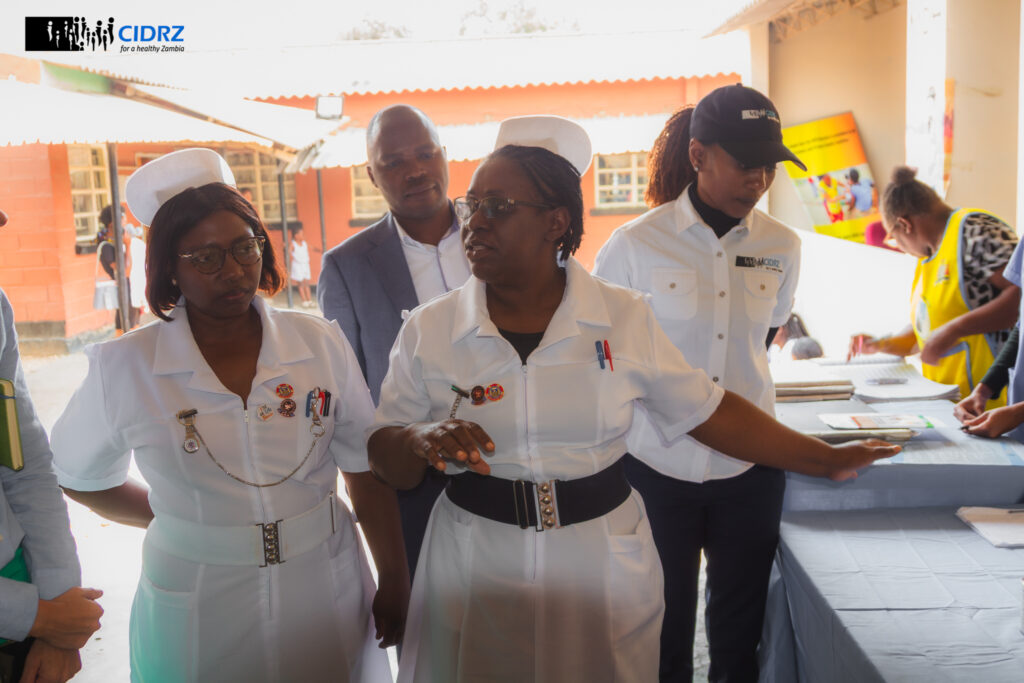
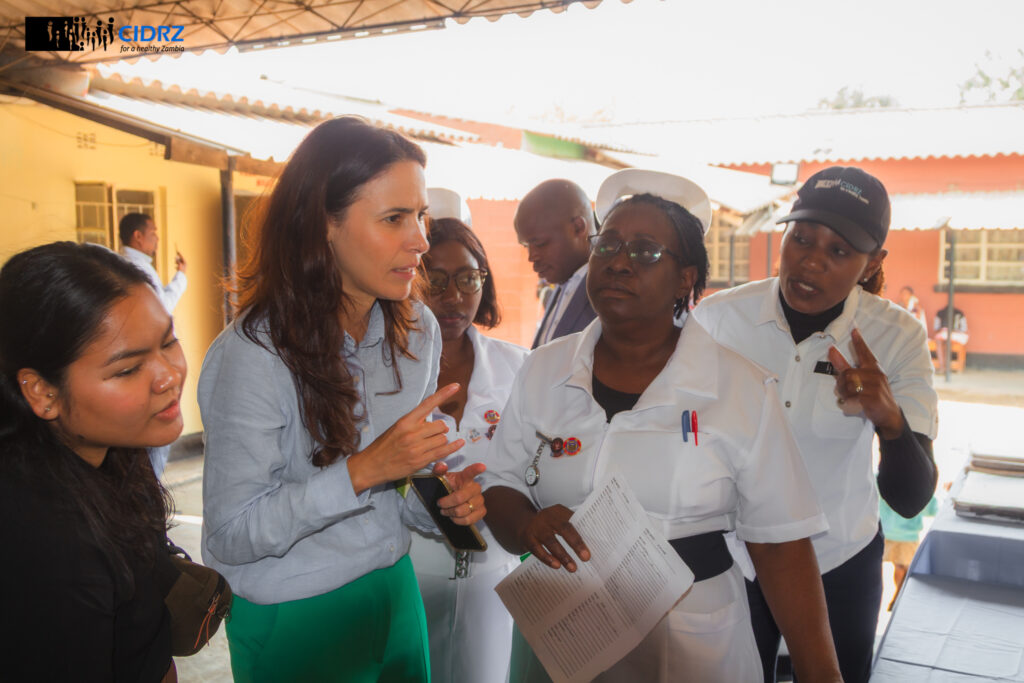
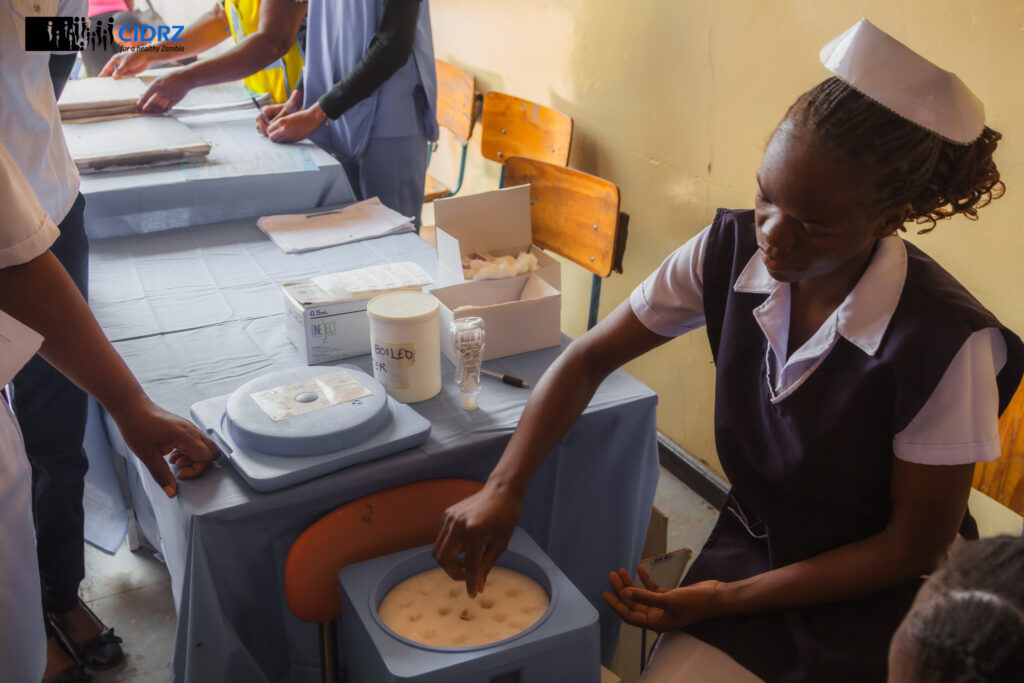
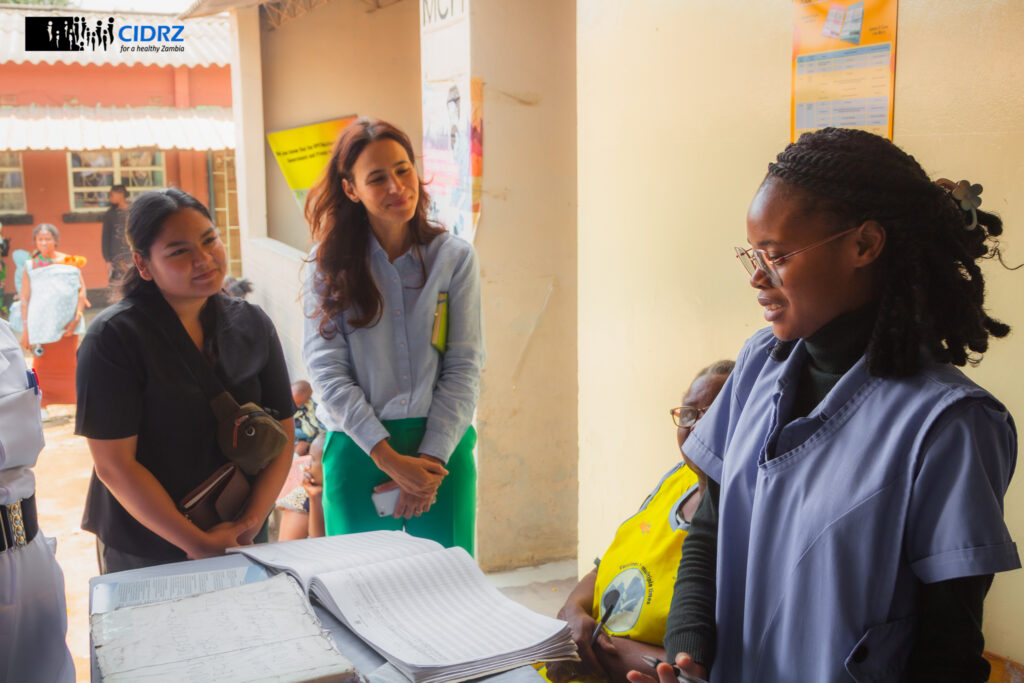
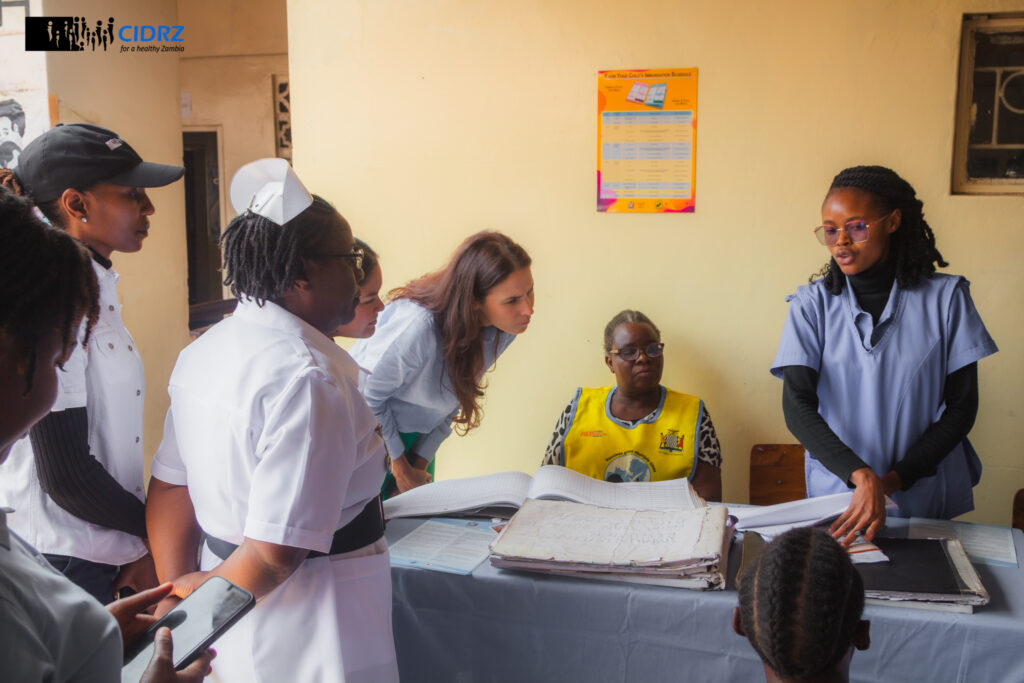
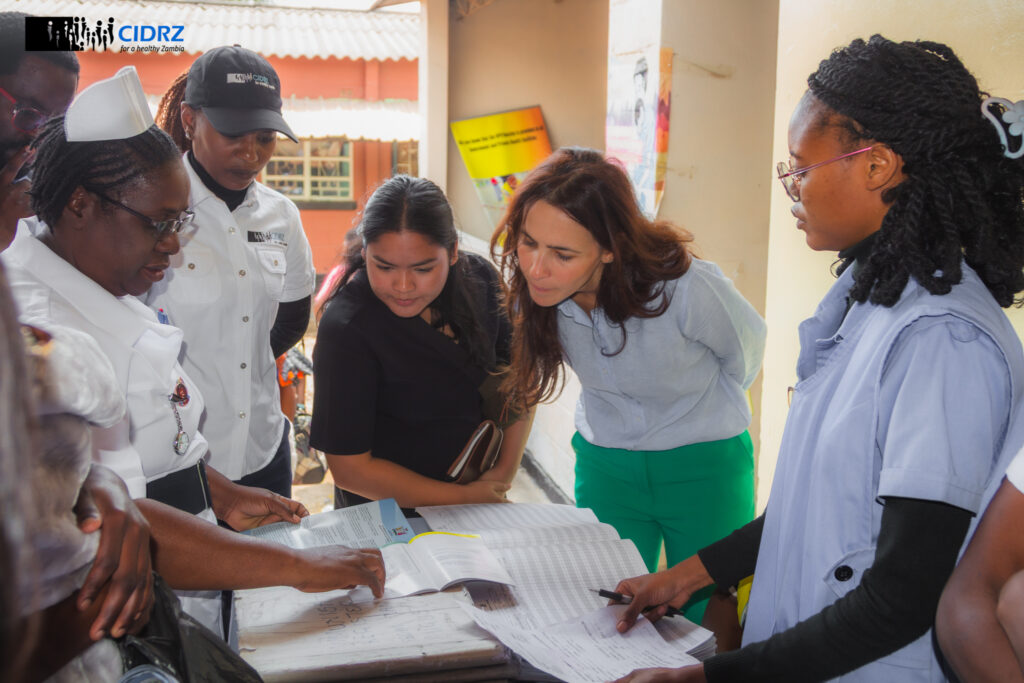
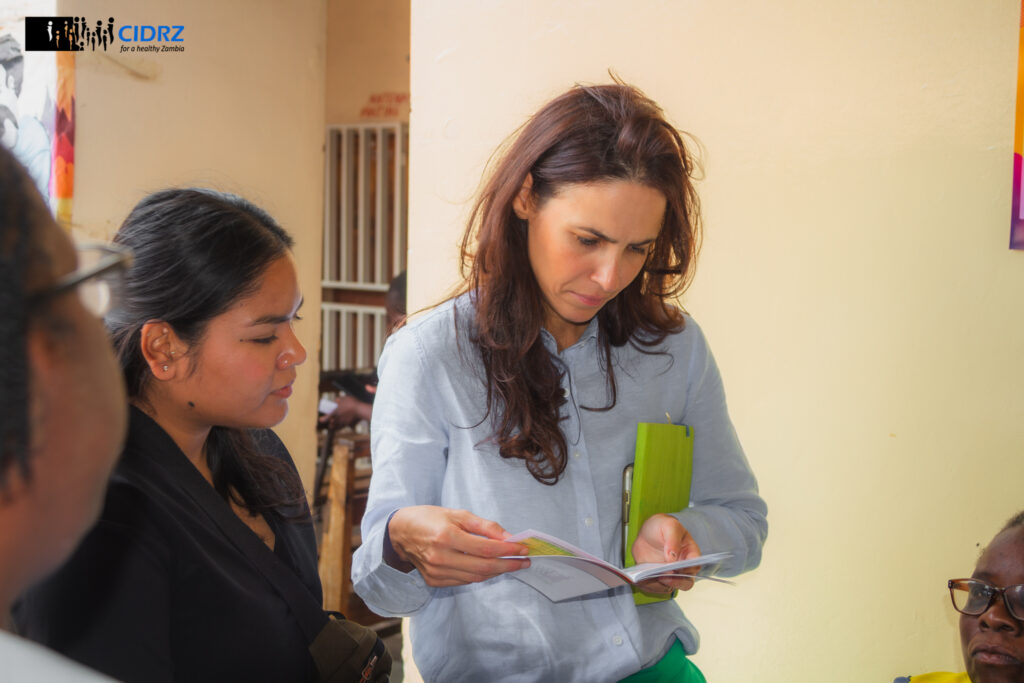
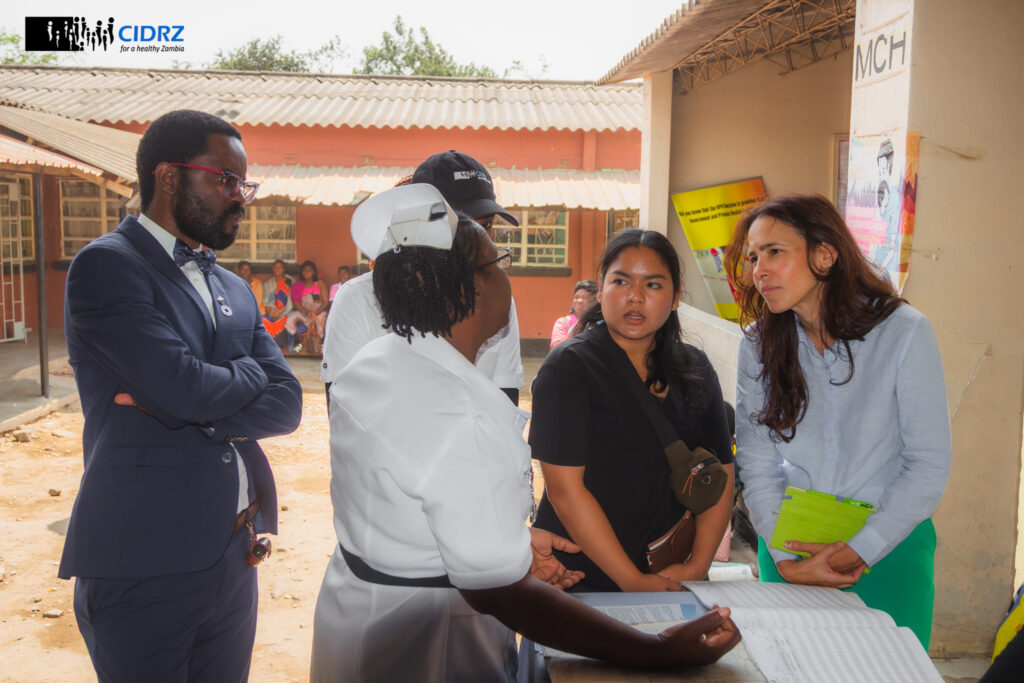
The Gavi delegation, led by Senior Country Manager Jamilya Sherova, joined the national Expanded Programme on Immunisation (EPI) team, led by Dr Jacob Sakala, as they listened to a briefing from the Ngombe Urban Health Centre Medical Superintendent during a visit to observe immunisation service delivery.
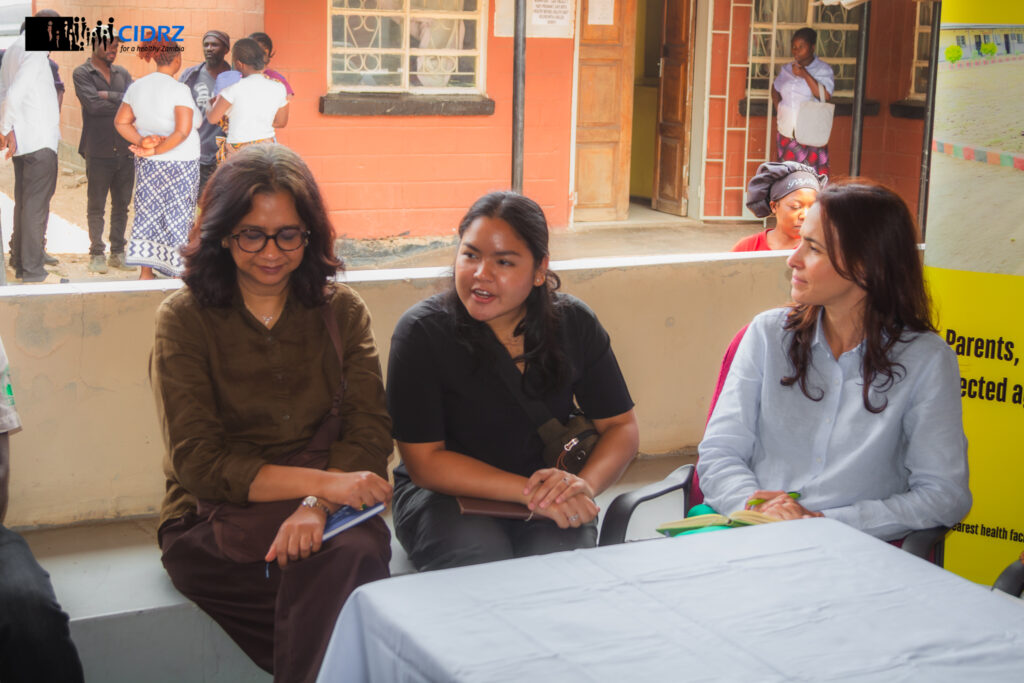
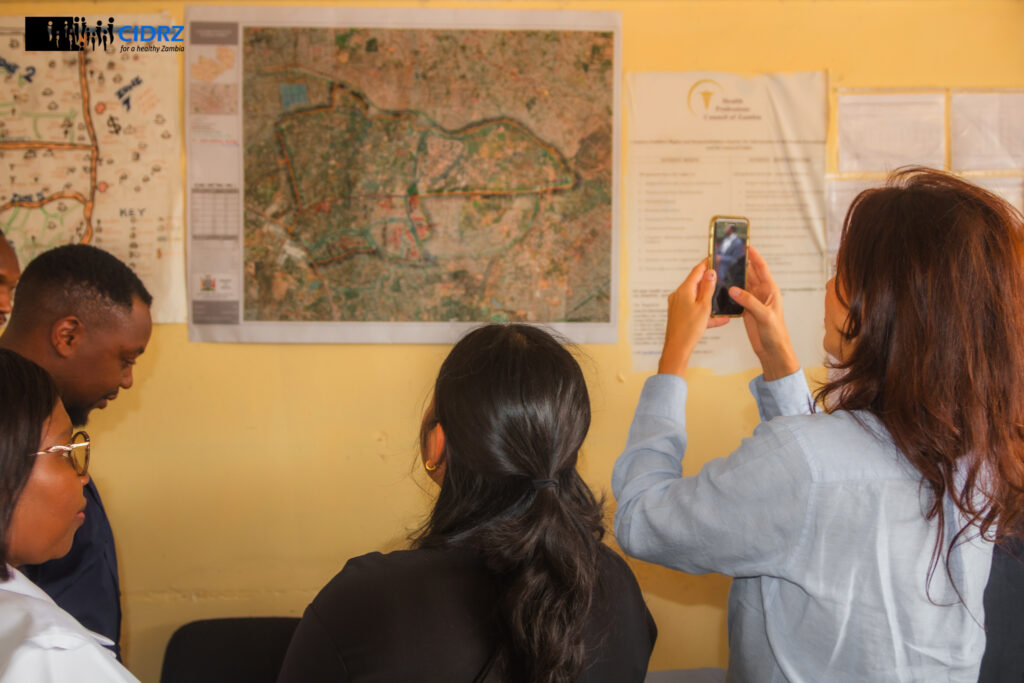
Strengthening immunisation services requires reliable data, effective planning and targeted outreach to ensure that zero dose and under-immunised children are reached with life-saving vaccines. As part of Zambia’s 2026 Gavi Joint Appraisal, representatives from Gavi, the Ministry of Health (MOH) and immunisation partners visited Ngombe Urban Health Centre, to observe how investments in health systems strengthening are supporting the delivery of immunisation services.
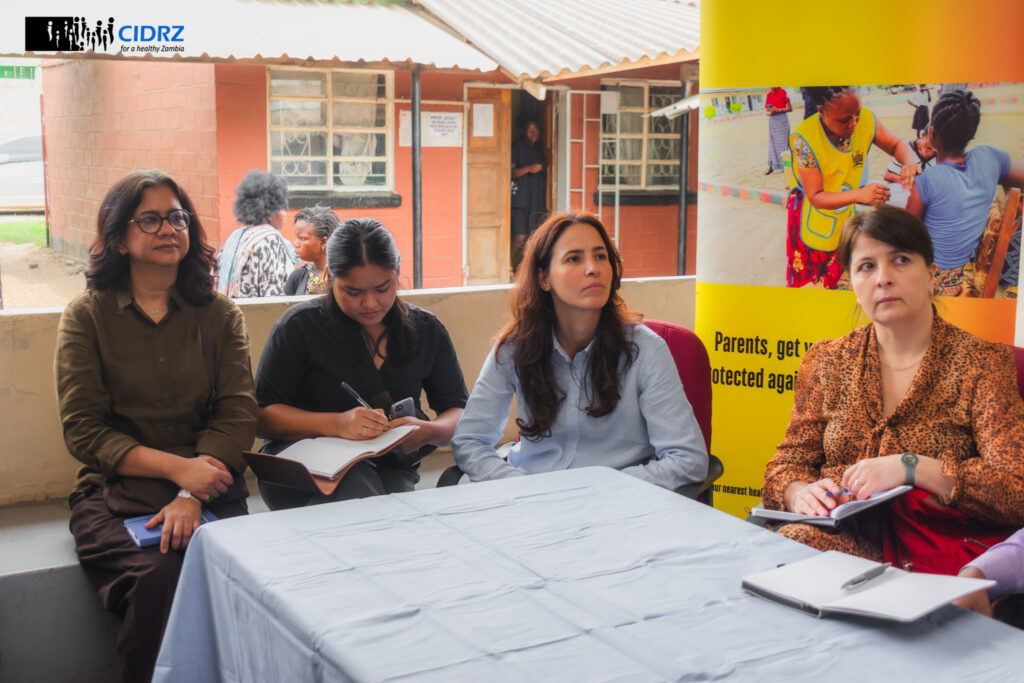
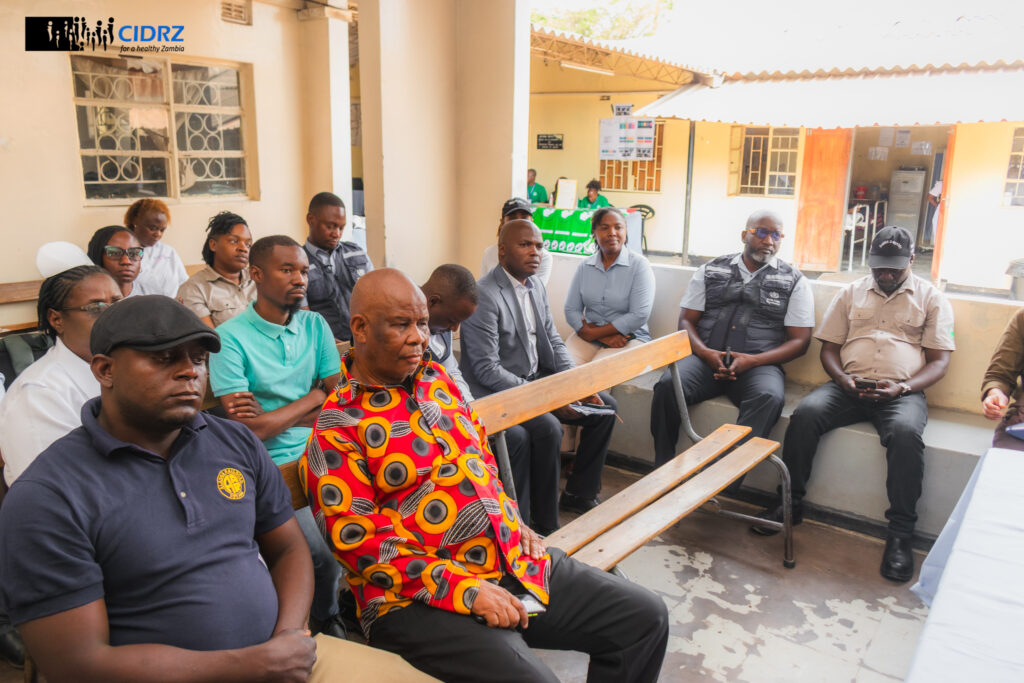
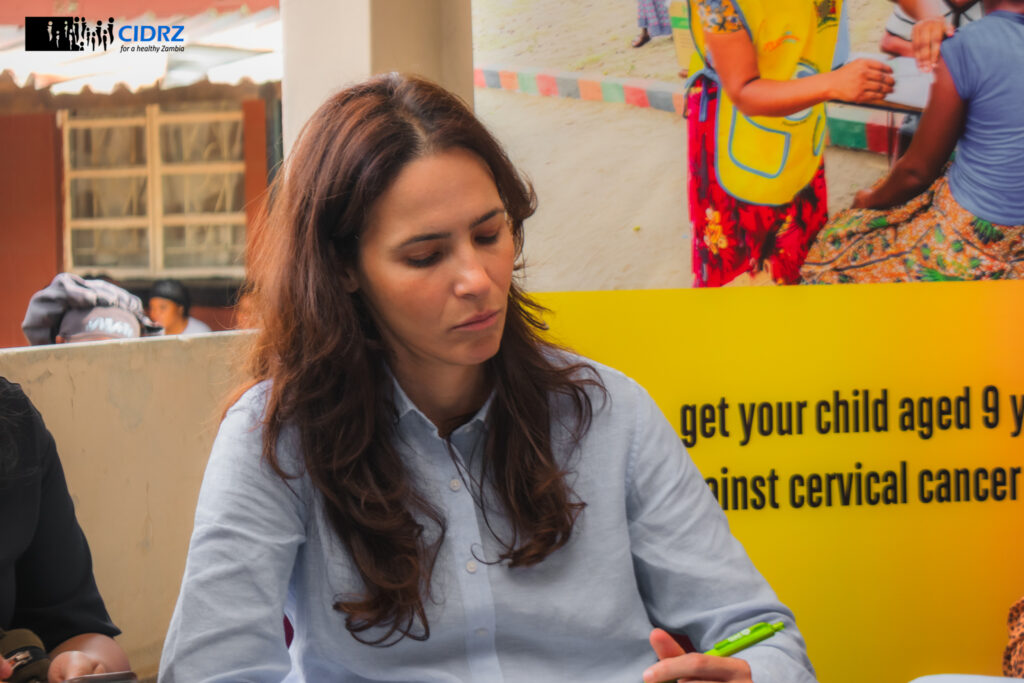
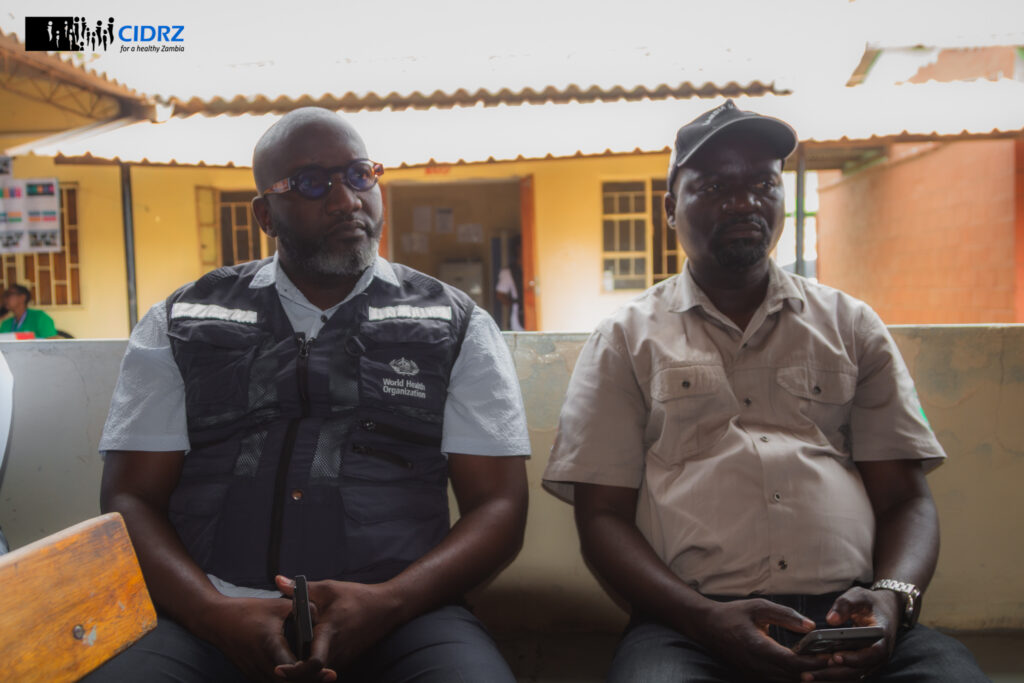
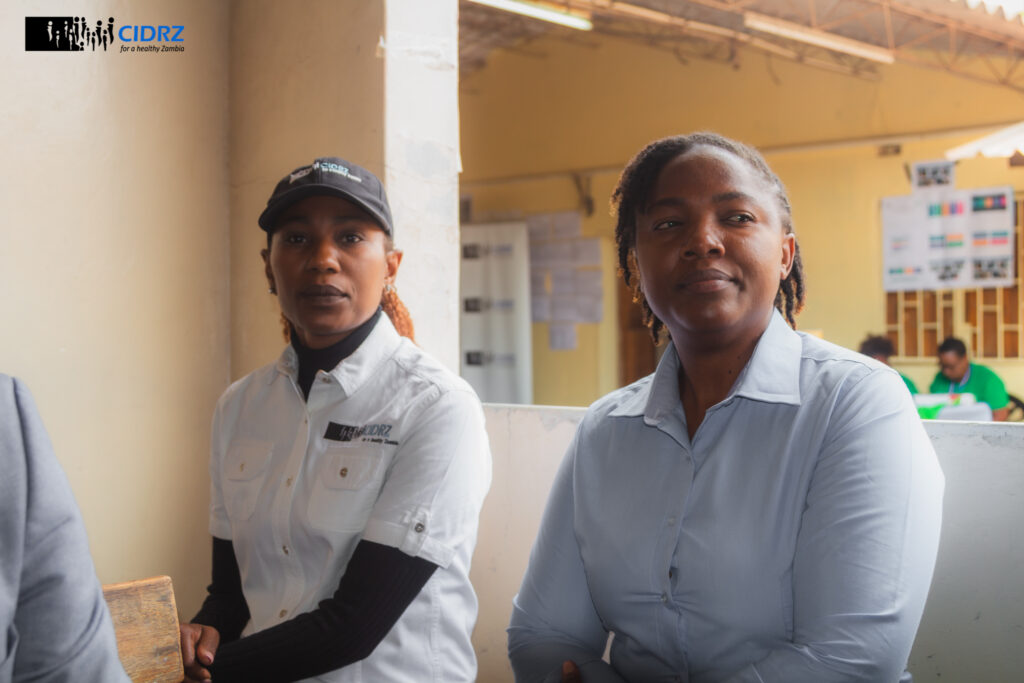
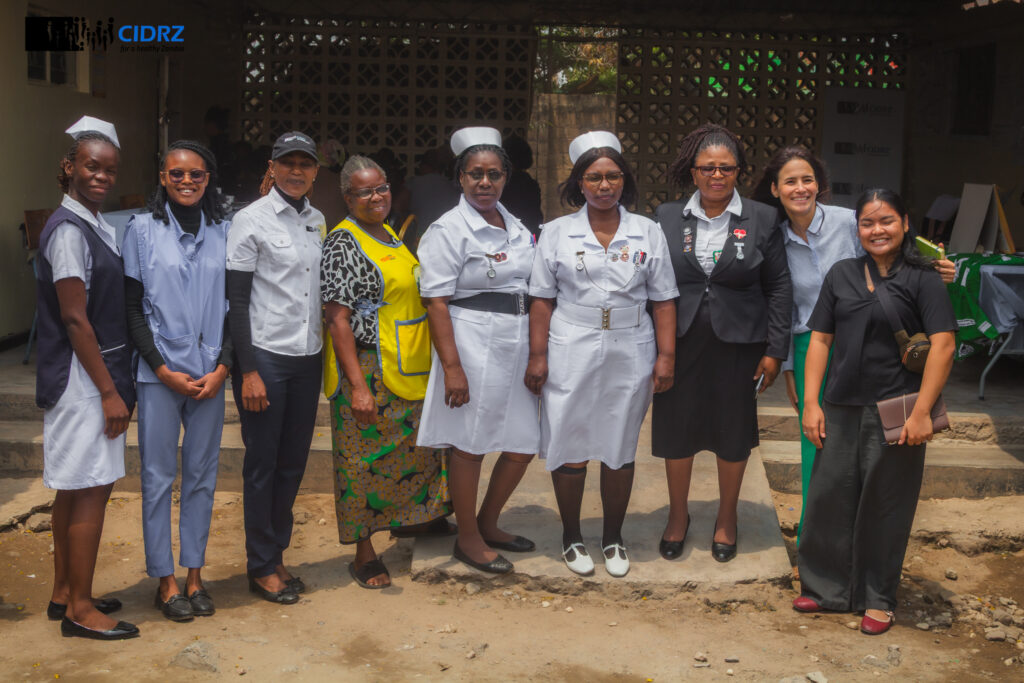
The Gavi delegation, led by Senior Country Manager Jamilya Sherova, joined the national Expanded Programme on Immunisation (EPI) team, led by Dr Jacob Sakala, alongside representatives from Akros, CIDRZ, Churches Health Association of Zambia (CHAZ), UNICEF and World Health Organization (WHO).
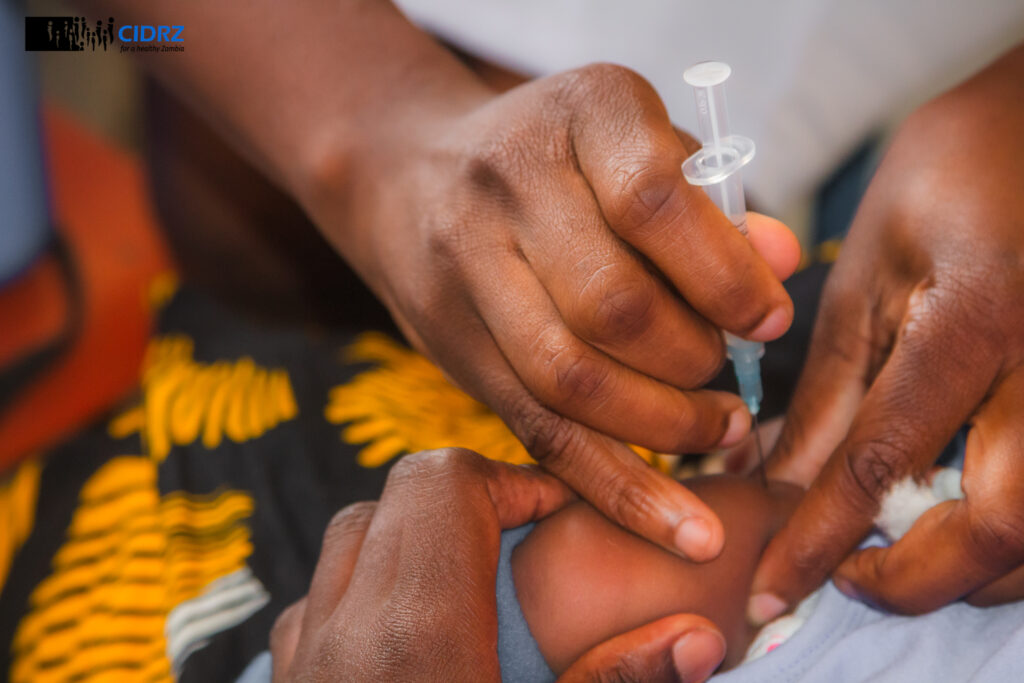
The visit provided an opportunity to demonstrate how investments in digital tools, vaccine supply management, community engagement and service delivery are contributing to efforts to improve immunisation performance and reach zero dose and under-immunised children.
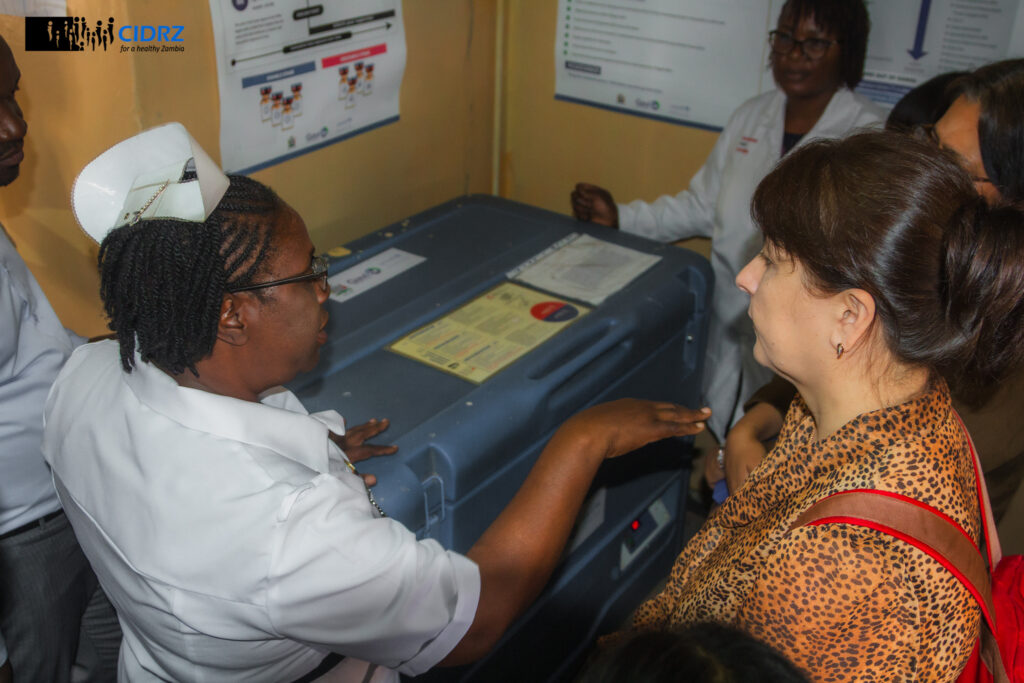
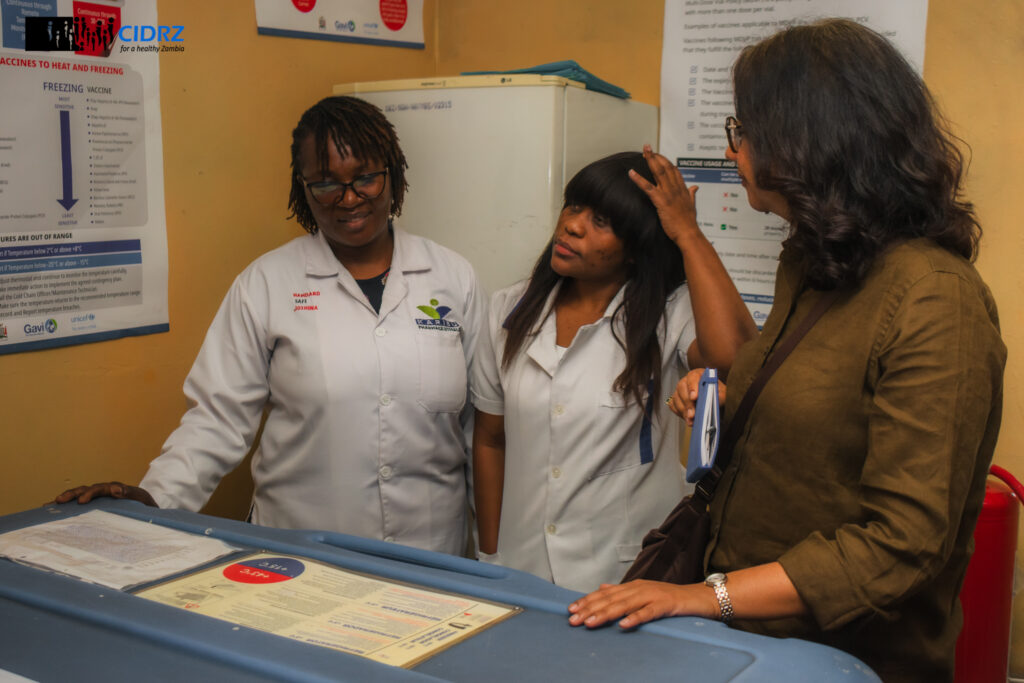
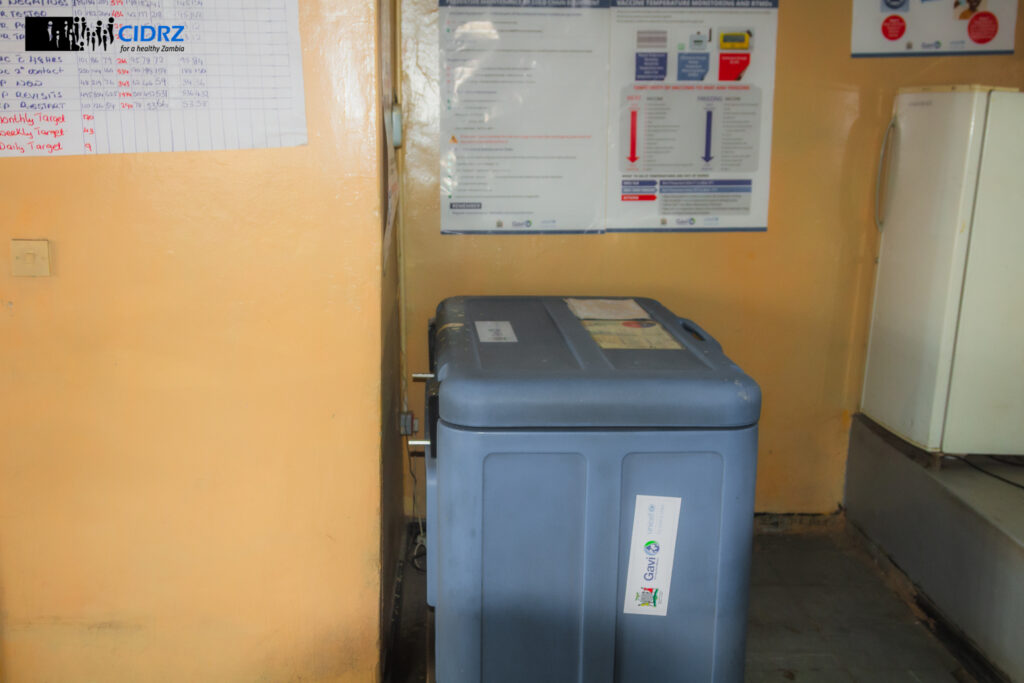
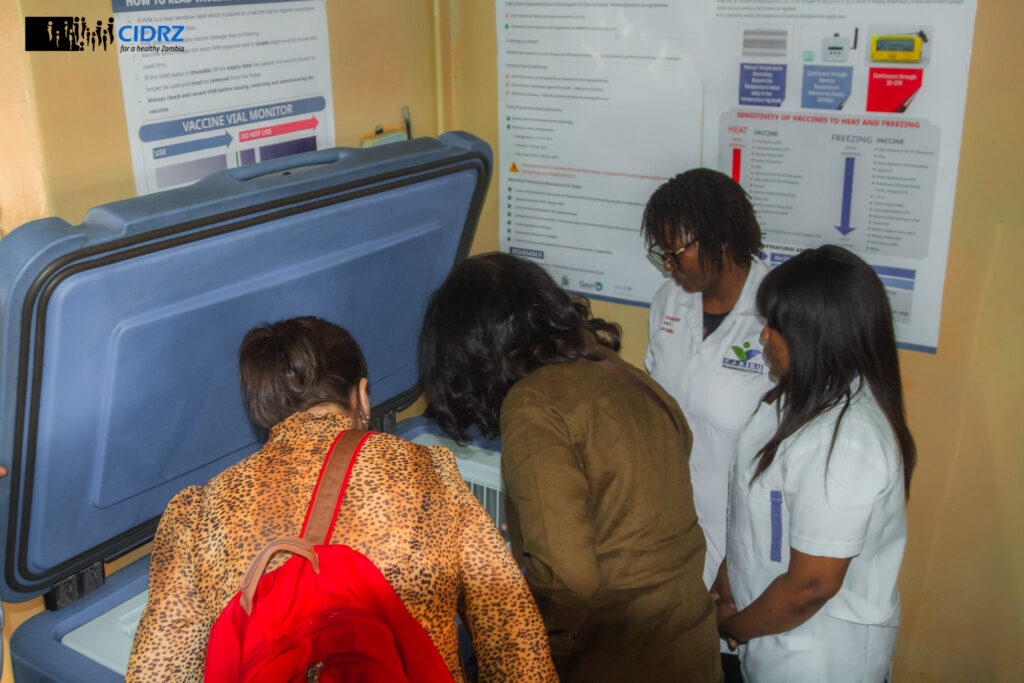
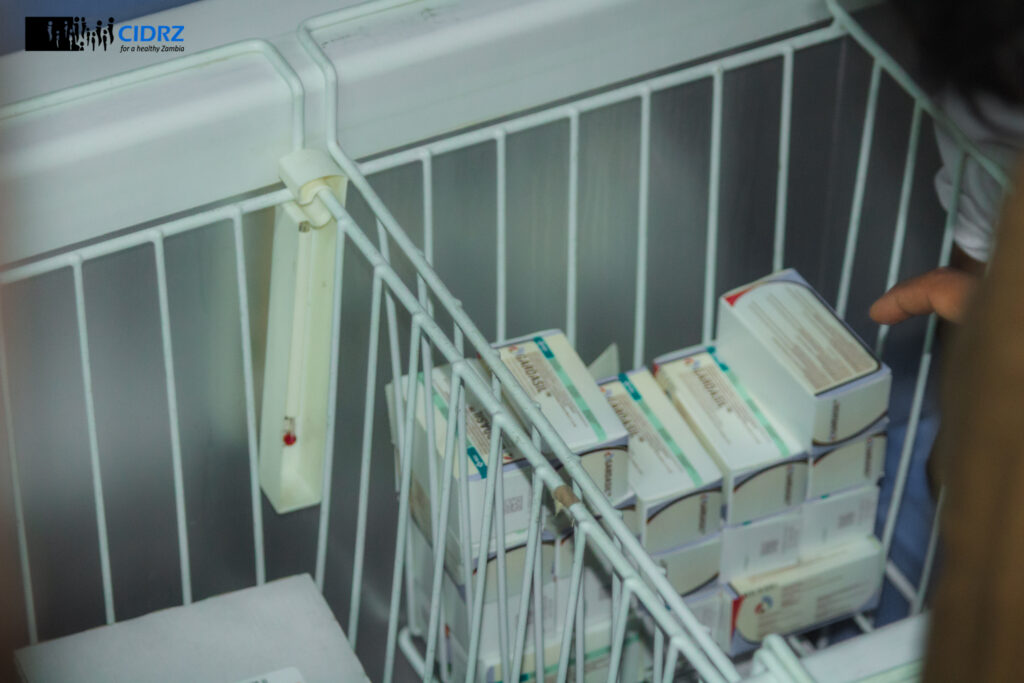
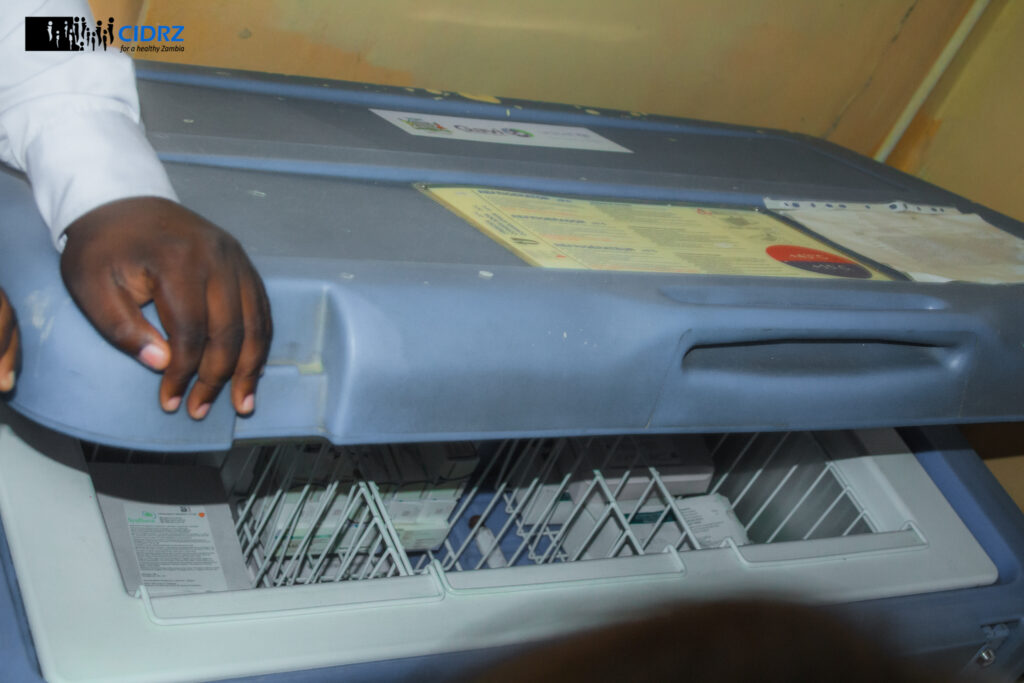
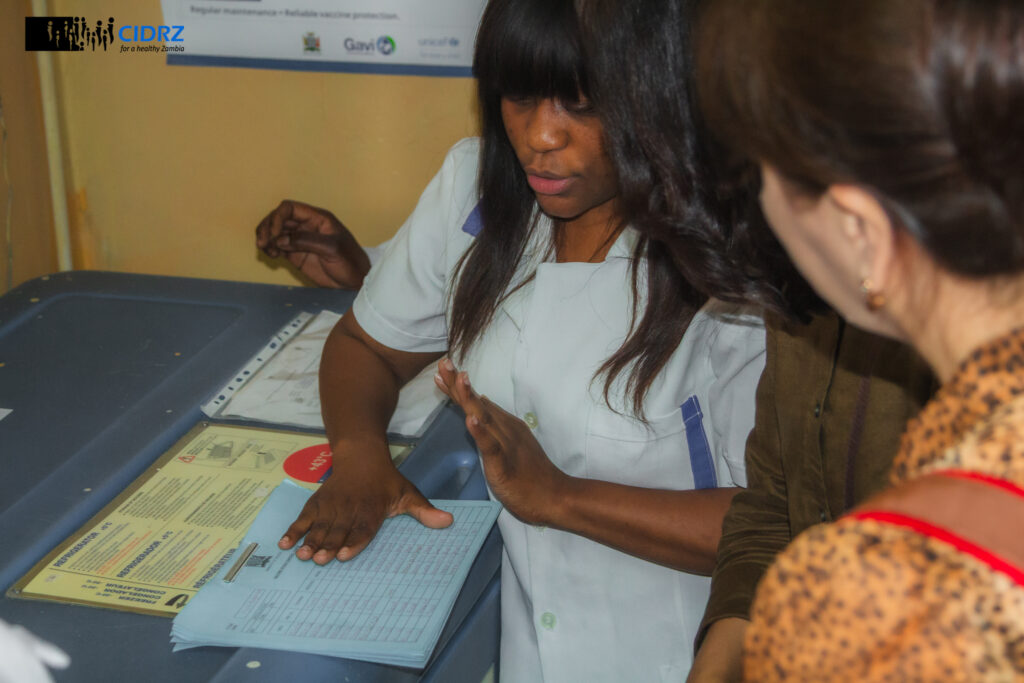
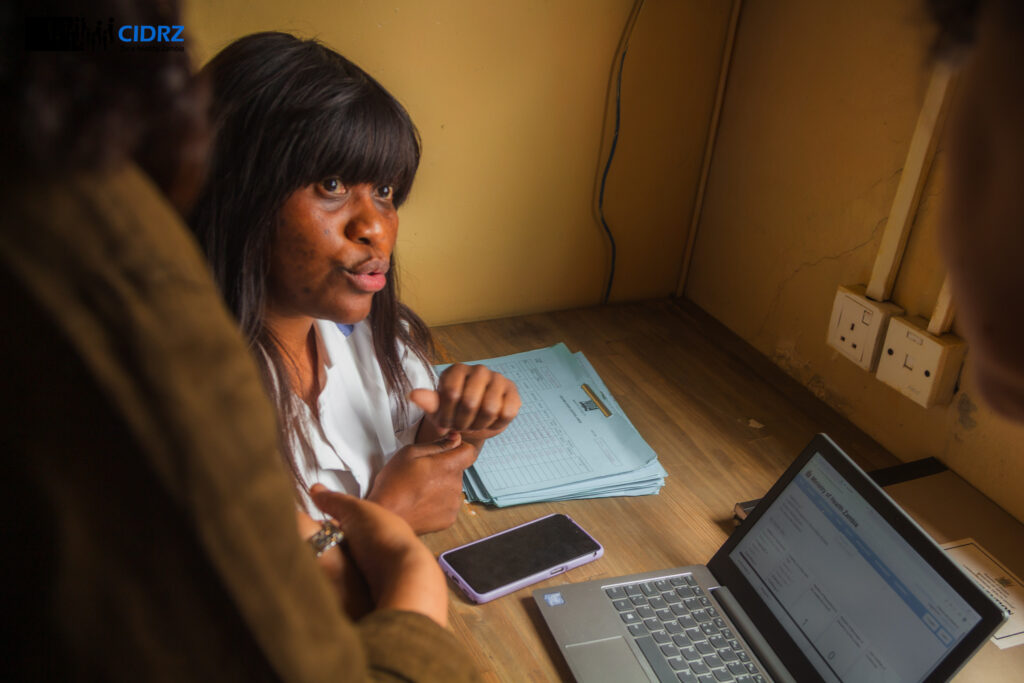
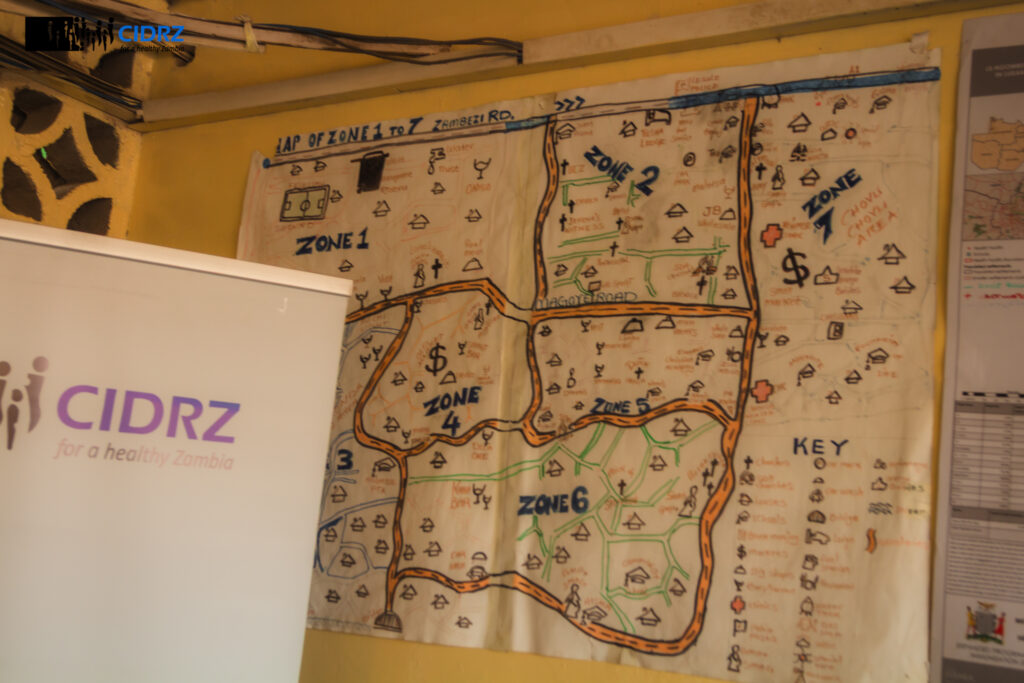
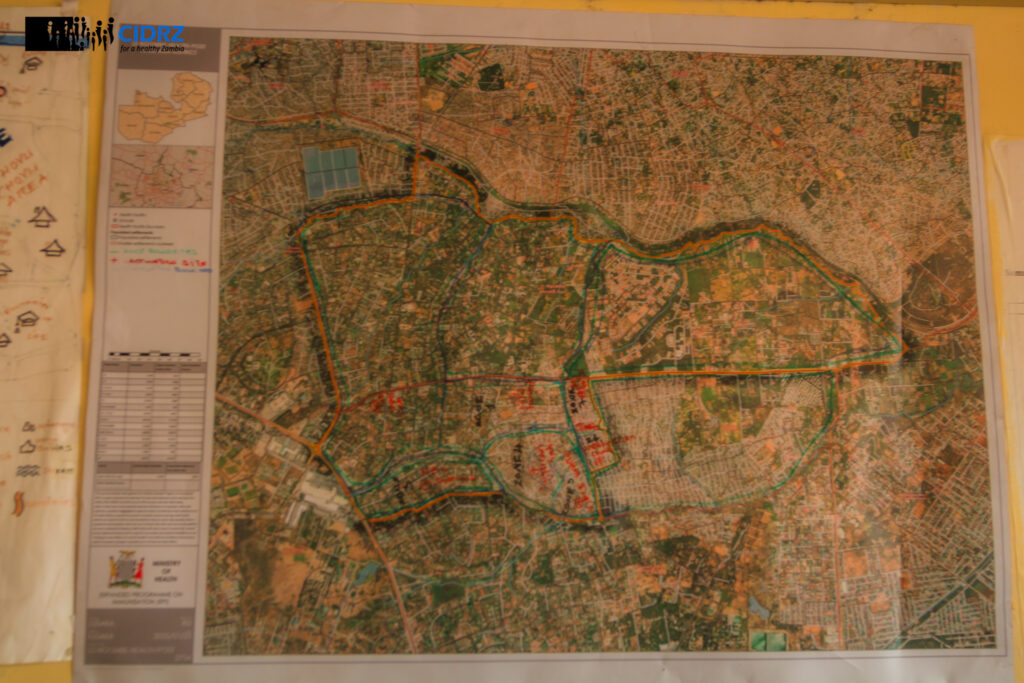
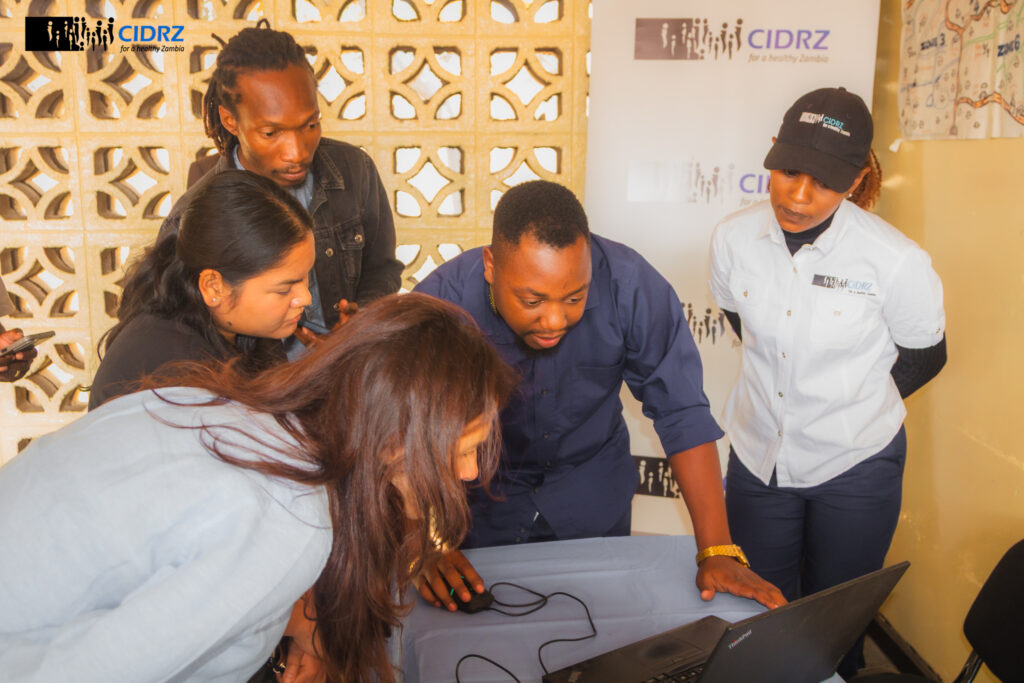
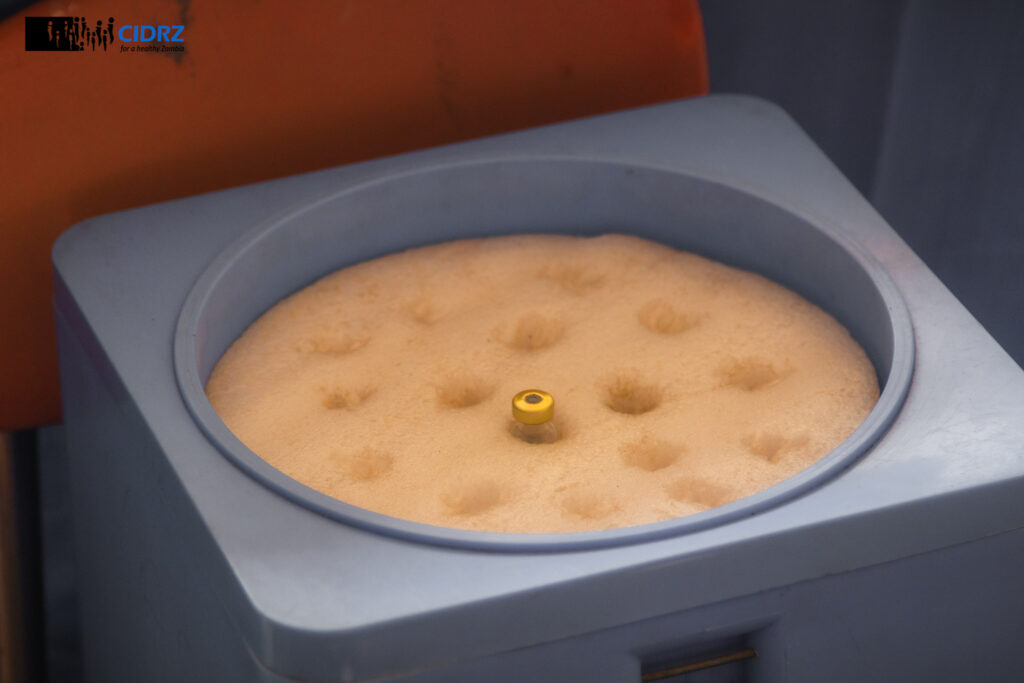
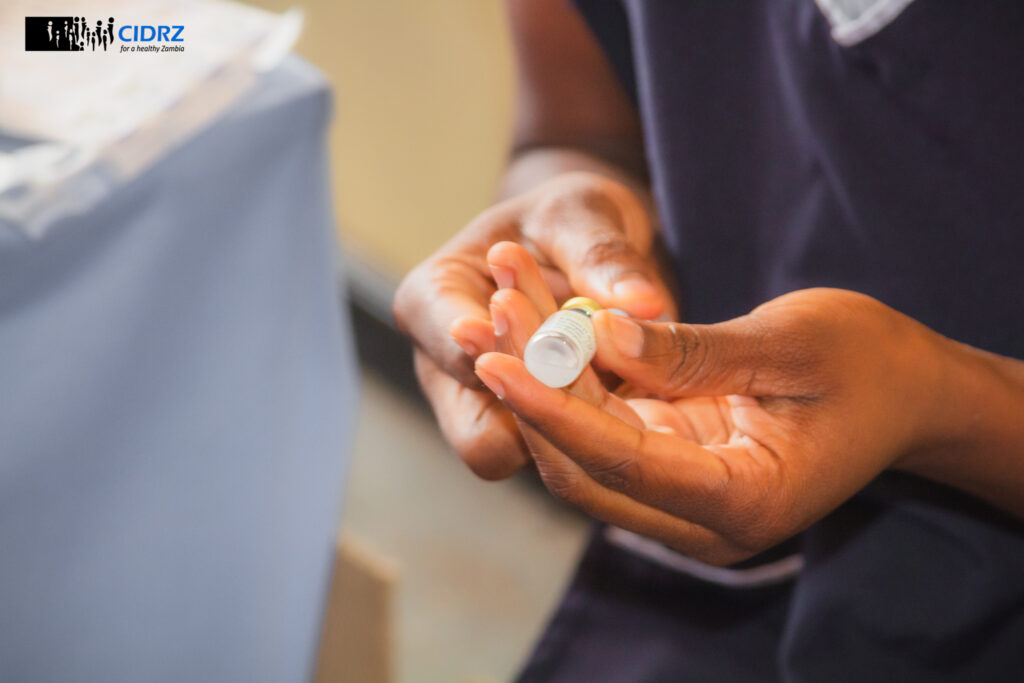
Among the activities showcased were routine vaccination services, the use of electronic GIS microplanning, electronic vaccine stock management through eLMIS, and community mobilisation activities. The delegation also reviewed vaccine storage and immunisation monitoring systems at the facility.
A key area of innovation is the introduction of GIS-based microplanning in 32 districts, supported by CIDRZ in collaboration with the MOH and Akros. This initiative is transforming how immunisation services are planned and monitored by providing detailed geographic information on the location of children, communities and vaccination service delivery points.
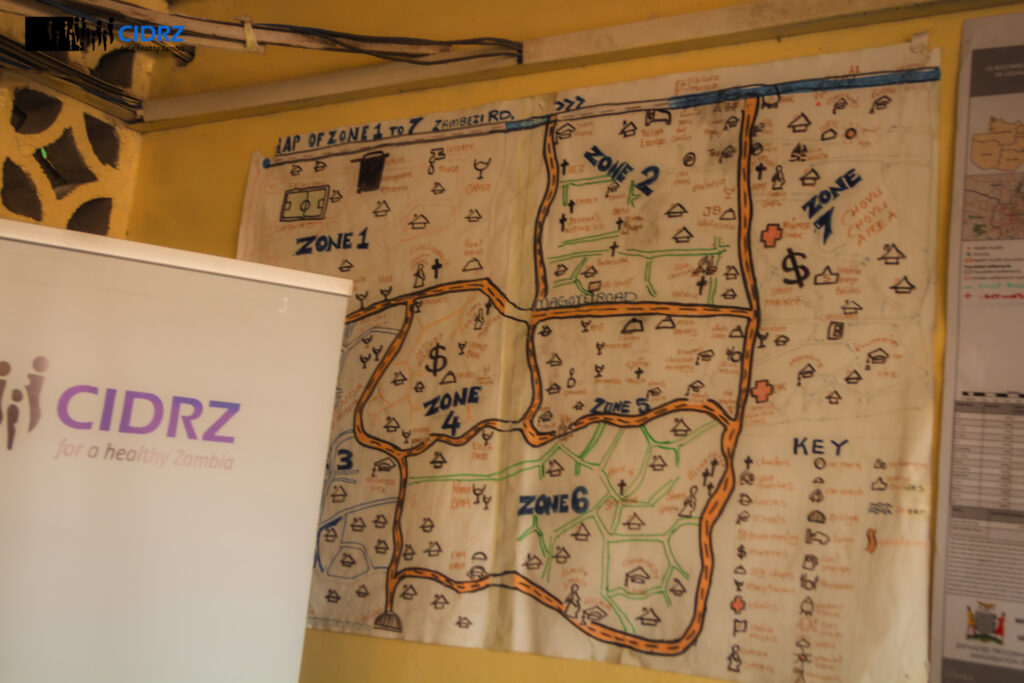
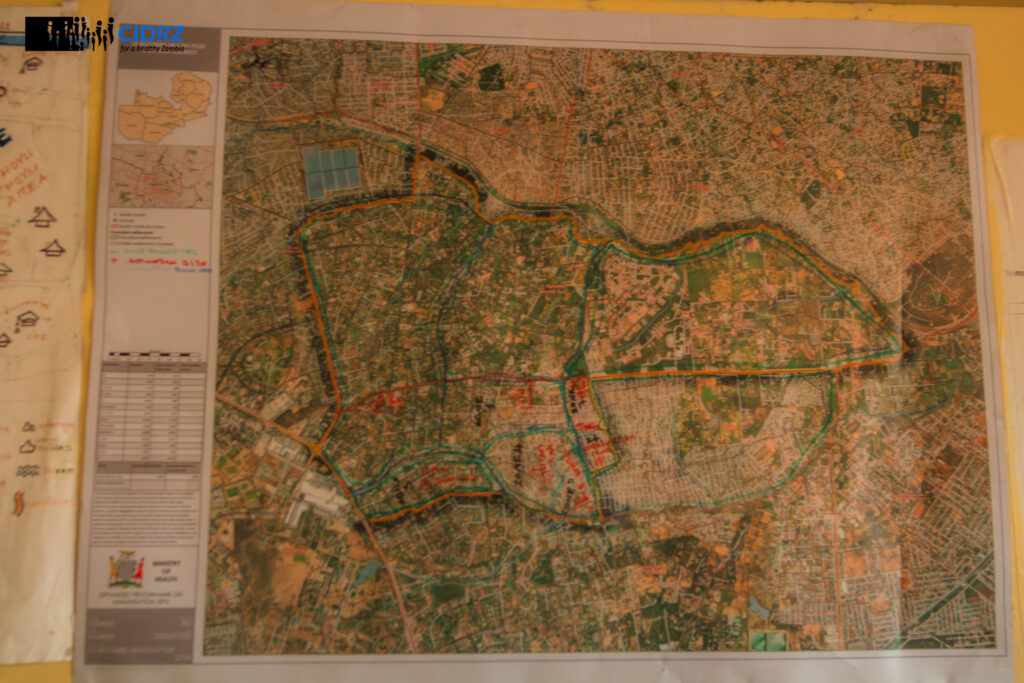
For the first time, health teams can use this information to identify gaps at the vaccination site level, plan more targeted outreach and better reach un-immunised children. Digital reporting tools and performance dashboards further support the monitoring of vaccination activities, helping health teams track implementation, identify challenges and make more informed decisions about where additional support is needed.
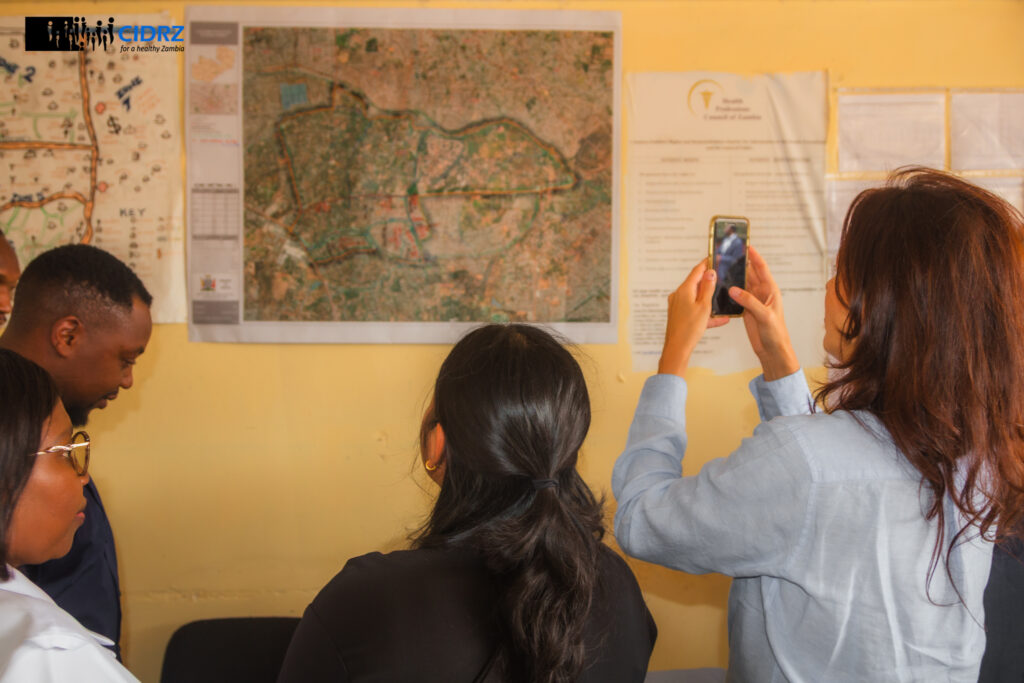
CIDRZ’s broader technical assistance to the national EPI focuses on using data to identify performance gaps and provide targeted mentorship and supportive supervision to districts and health facilities. Through regular performance reviews, remote and in-person technical support, and follow-up on agreed actions, CIDRZ supports districts and health facilities to strengthen immunisation planning, address implementation challenges, and improve overall EPI performance.
The field visit formed part of the annual Joint Appraisal, which brings together the MOH, Gavi and implementing partners to review programme performance, assess progress and identify priorities for strengthening Zambia’s immunisation programme.
This year’s appraisal also provides an important opportunity to inform the transition to Gavi’s 6.0 strategic period, with an emphasis on sustaining immunisation gains, addressing persistent coverage gaps and strengthening the systems needed to deliver equitable vaccination services across Zambia.
Through its collaboration with the MoH and partners, CIDRZ continues to support efforts to strengthen immunisation planning, data use, and district and health facility level implementation to help improve access to vaccination services for children across the country.