Turning the Tide Against Tuberculosis, One Register Entry at a Time.

TB Peers: Champions at the Frontlines of Zambia’s Fight to End Tuberculosis by 2030.
September 2, 2025
CABLA Training Model Strengthens HIV Prevention in Lusaka
September 5, 2025
Zambia faces a significant tuberculosis (TB) burden, ranking among the top 30 high-TB-burden countries globally, according to the World Health Organization (WHO). To address this challenge, the Ministry of Health (MoH), with support from the U.S. government through the Tuberculosis Local Organisations Network (TBLON) Project implemented by the Centre for Infectious Disease Research in Zambia (CIDRZ), has adopted a data-driven approach. Central to this strategy is the use of comprehensive TB registers across all health facilities, which track patients throughout the entire TB care cascade, from symptom onset and diagnosis to treatment and recovery.
At Chainda Urban Clinic, a Nurse Biba Phiri explains that five key registers are used to support this process: the presumptive TB register, TB laboratory register, TB treatment register, TB contact tracing register, and TB appointment register.
These registers provide critical information that allows health practitioners to identify gaps in care and implement targeted interventions. The presumptive TB register captures individuals presenting with TB symptoms, ensuring they are referred for diagnostic testing. Once tested, their results are recorded in the TB laboratory register, which tracks samples, diagnoses, and follow-up tests. The MoH has equipped specific laboratories with GeneXpert machines to enable rapid detection of TB.
For patients diagnosed with TB, the TB treatment register monitors their medication regimen and treatment progress, ensuring successful outcomes. Meanwhile, the TB contact tracing register screens close contacts of TB patients to prevent further transmission. The TB appointment register helps manage patient visits, reducing the number of individuals lost to follow-up. In cases where symptoms persist or diagnoses are unclear, additional bacteriological testing is initiated using advanced diagnostics such as GeneXpert.
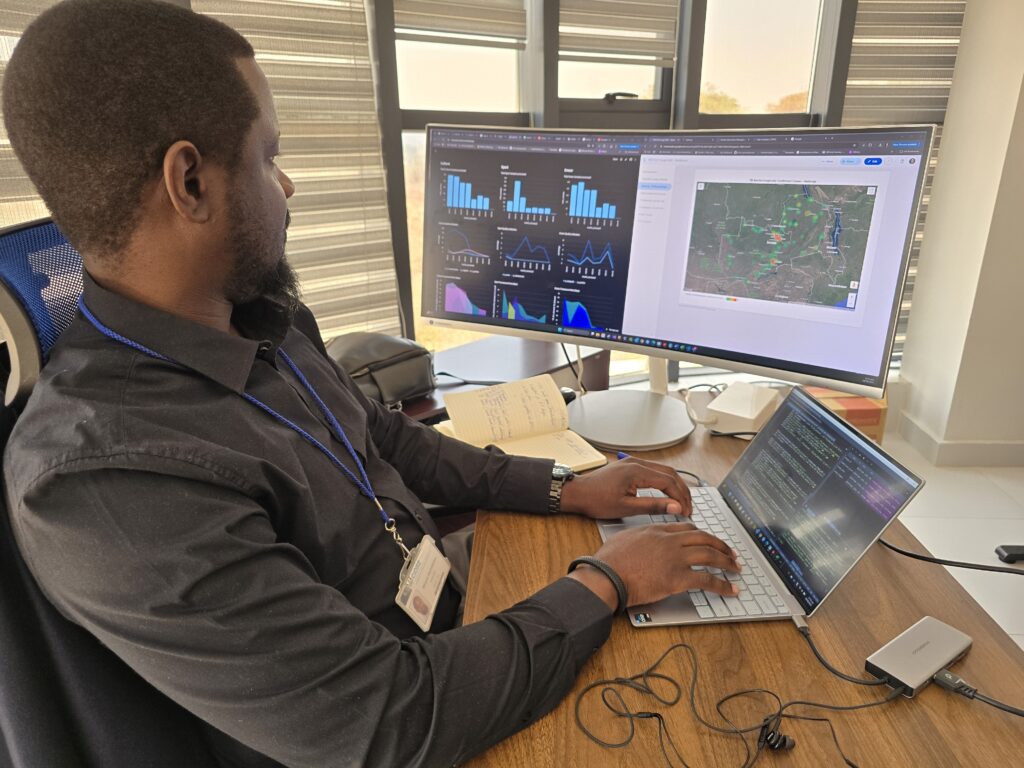
Data from these registers is collected by TBLON Strategic Information officers and entered into a centralised system for analysis. According to Minyoi Maimbolwa, TBLON Strategic Information Advisor, this process allows the project to identify trends in TB prevalence and adjust programming as needed. The collected data also feeds into the national tuberculosis dashboard managed by the MoH National Tuberculosis and Leprosy Programme (NTLP), guiding evidence-based decision-making and informing national TB strategic policy.
The careful documentation and analysis of TB register data play a pivotal role in Zambia’s efforts to end TB by 2030. It enables the identification of high-burden districts, mapping of vulnerable populations, and prioritisation of resources for screening, diagnosis, and treatment. By leveraging accurate and timely data, the Ministry of Health can implement targeted interventions that improve patient outcomes and strengthen the national response to TB, one register entry at a time.