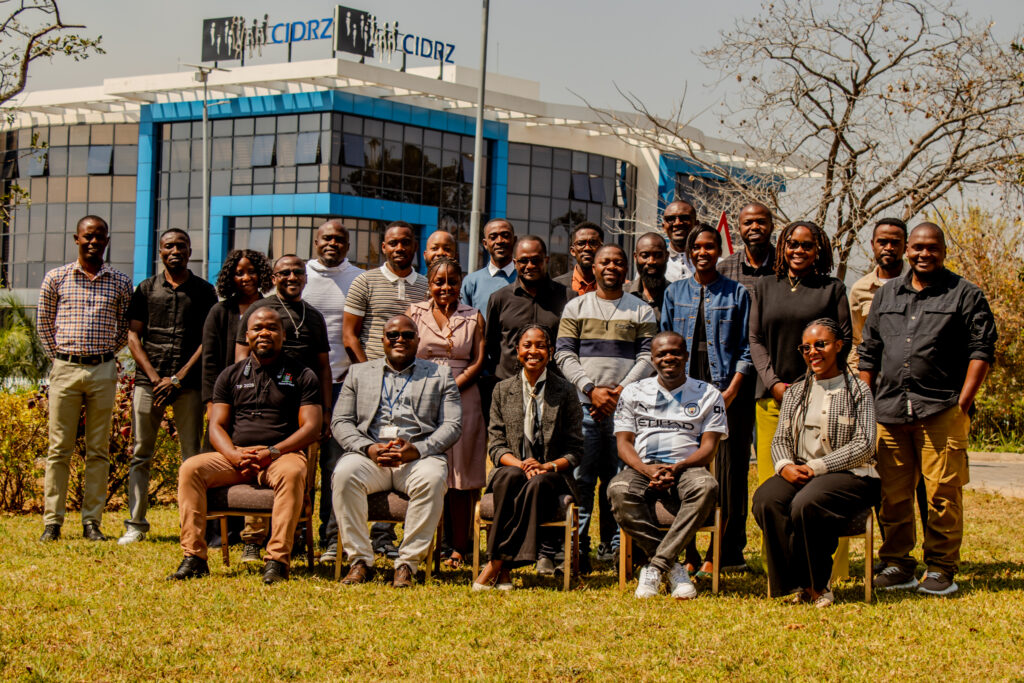
CIDRZ Strengthens Collaboration with the Gates Foundation, Showcasing Data-Driven Innovations in HIV and TB Care.
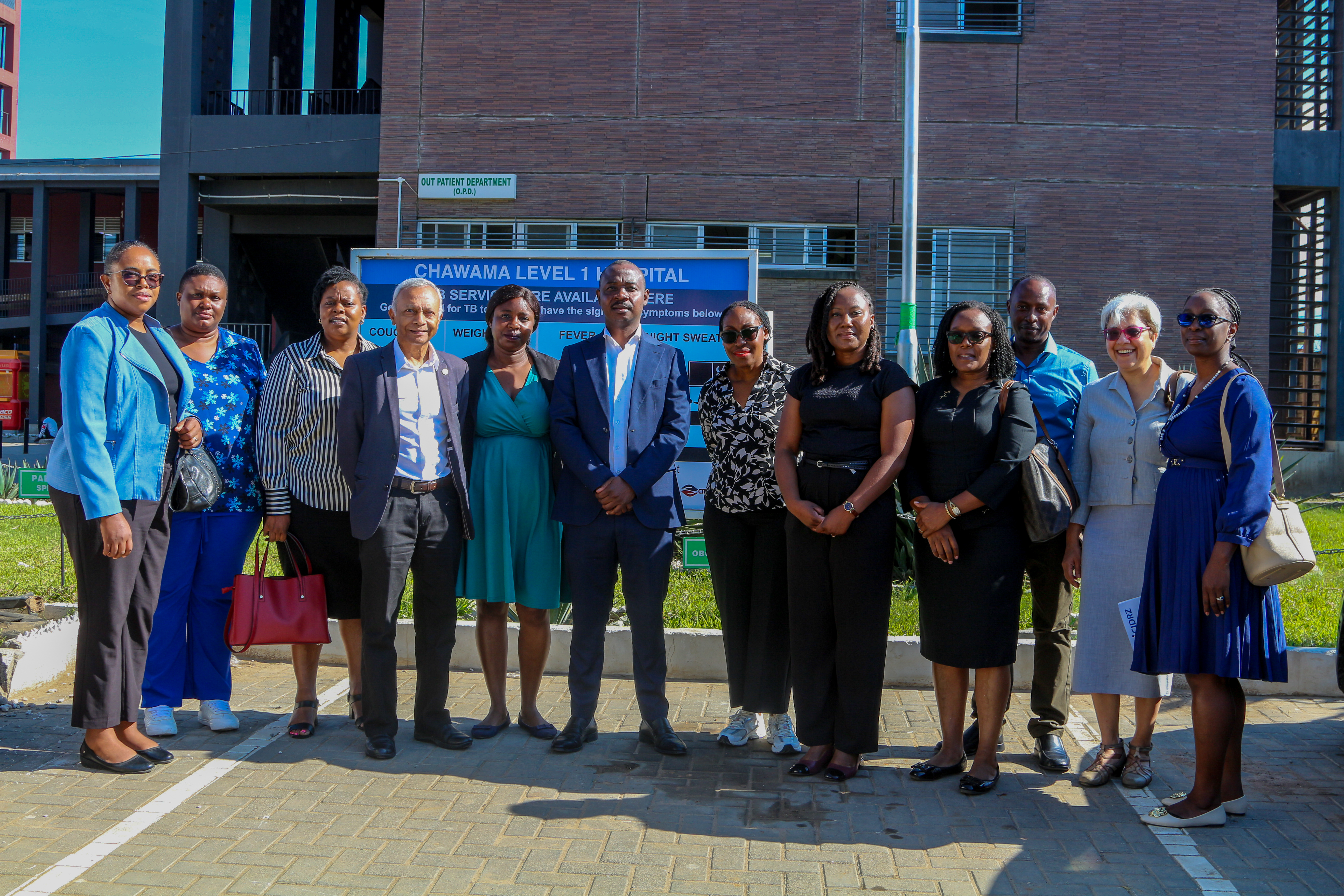
Gates Foundation Delegation Visit Chawama Level 1 Hospital.
March 17, 2026
CIDRZ Hosts First Biannual Community Advisory Board Meeting.
March 20, 2026
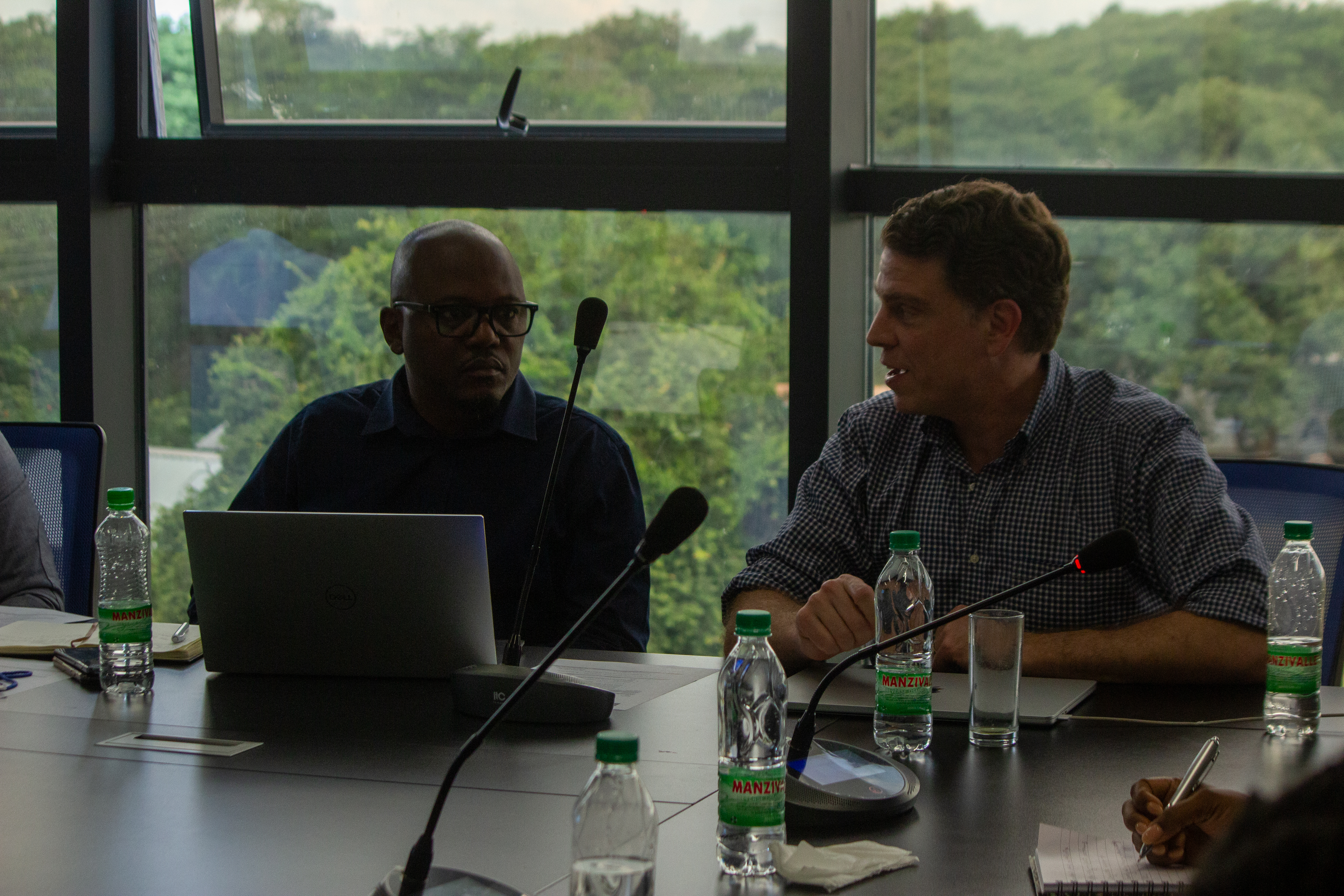
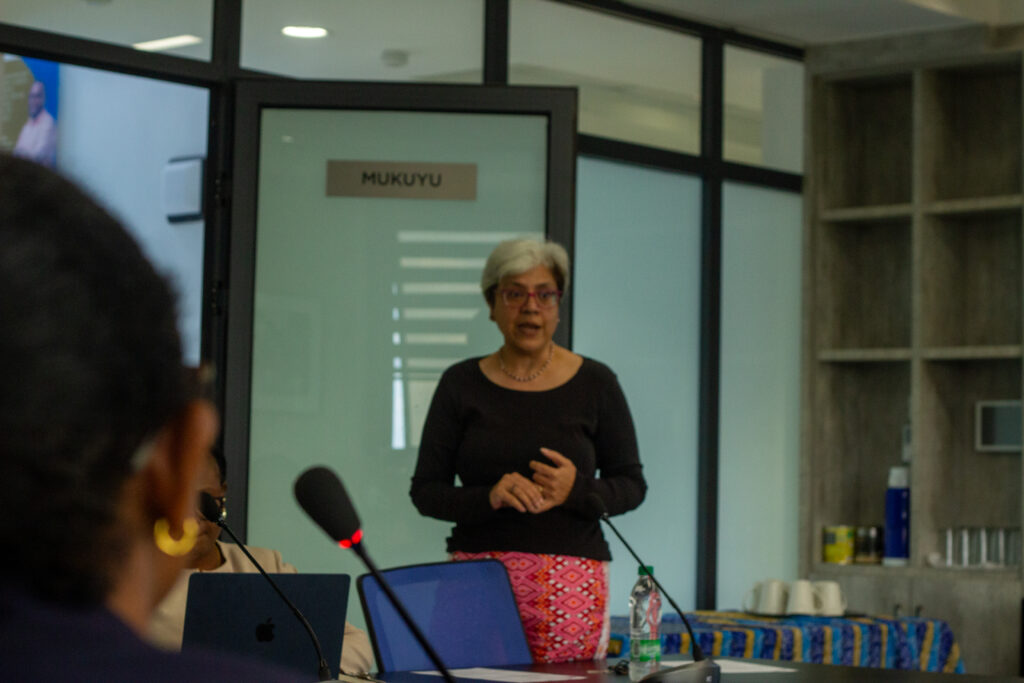
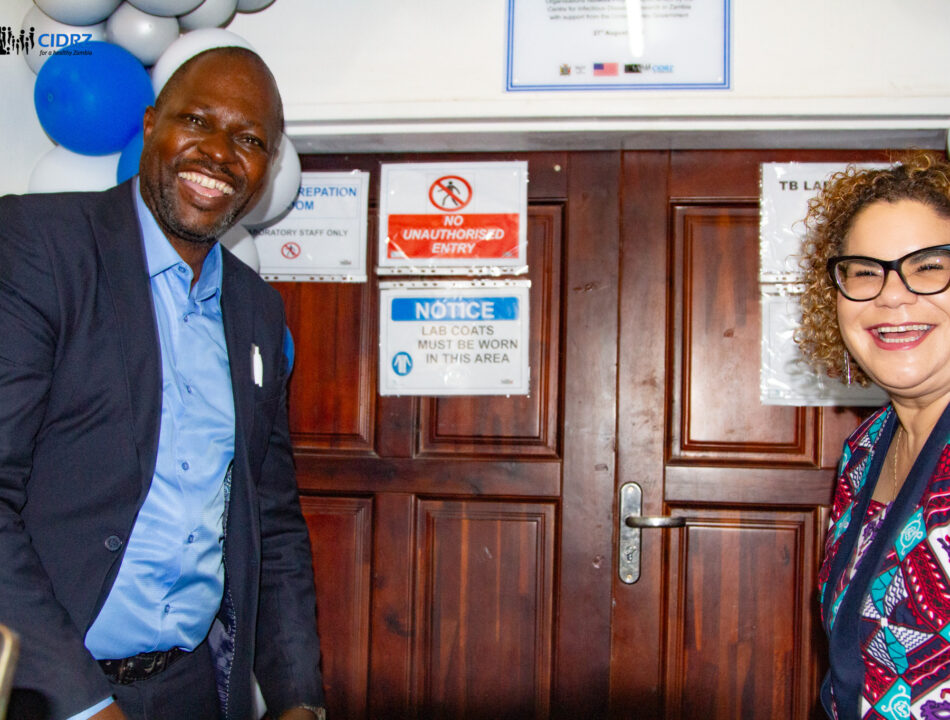
The Centre for Infectious Disease Research in Zambia (CIDRZ) recently hosted a Gates Foundation delegation comprising Dr Tendai Nyagura, Senior Programme Officer for Advanced HIV Disease, and Dr Patrick Odawo, Consultant on HIV/TB, for a focused engagement with the Person-Centred Approaches to Address Viremia (P-CORE) project team.
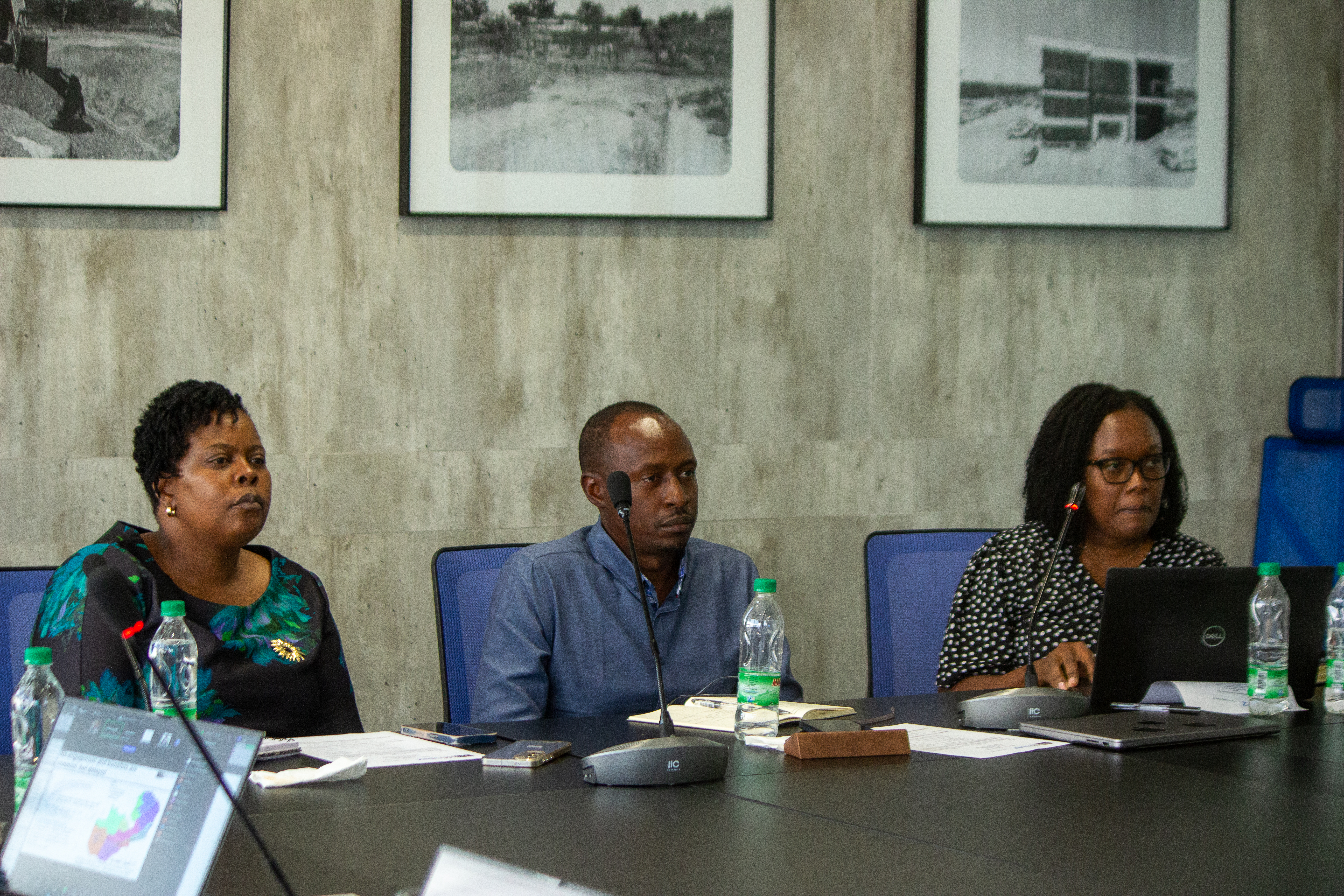
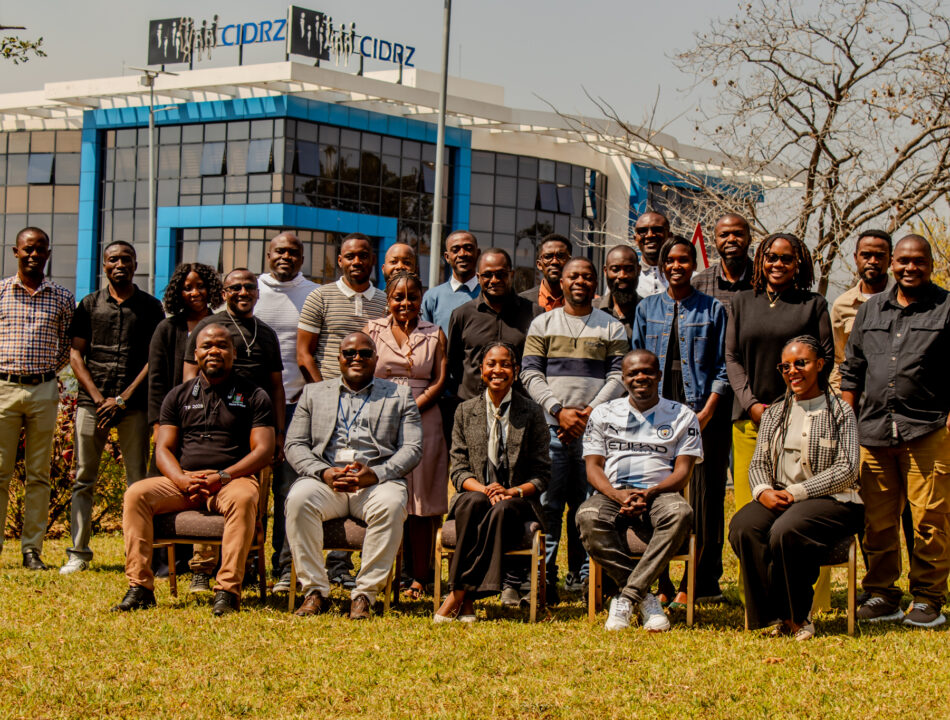
The visit convened a wide range of CIDRZ experts from Implementation Science, Social Science Research Group, Strategic Information, the Tuberculosis Programme, PROUD‑Z, the Business Development Unit, and the African-led HIV Control Working Group.
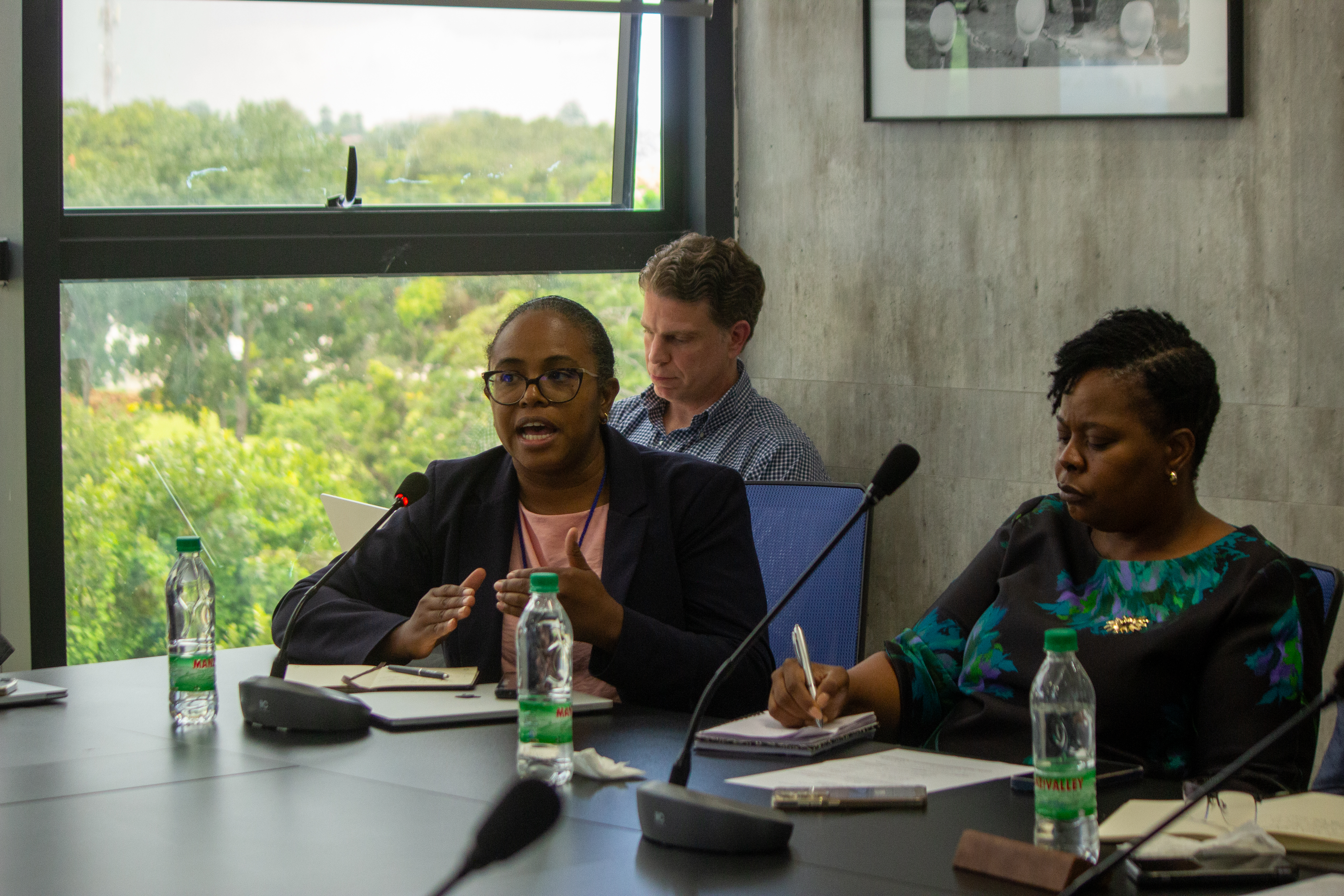
During the engagement, Dr Nyagura emphasised that the project is guided by the Ministry of Health through an advisory board that helps set implementation priorities, while CIDRZ leads day-to-day implementation in close collaboration with the Ministry. “The work aims to address persistent viremia through approaches that prioritise patient engagement and supportive relationships”, she said, and Dr Odawo commended CIDRZ’s ongoing contributions to strengthening Zambia’s health sector.
He remarked that it was encouraging to see the breadth of research and innovation the institution is advancing in support of national health priorities, adding that the Gates Foundation delegation was delighted to participate in discussions showcasing such impactful work.
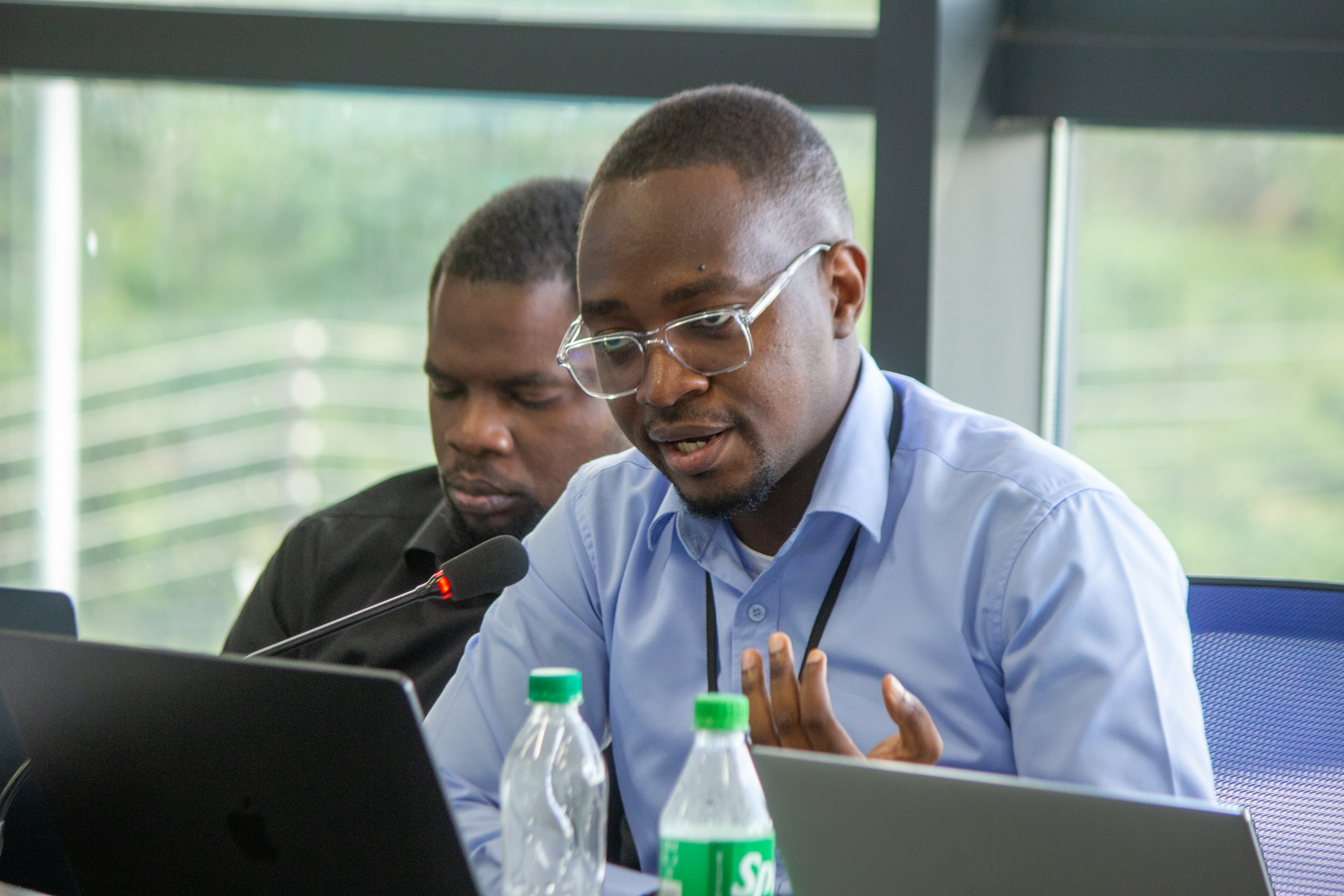
P‑CORE Study Research Manager, Ms Sandra Simbeza, explained how the project applies Human-Centred Design to co-create respectful, sustainable, and tailored care models for individuals experiencing persistent viremia. She noted that the 36-month initiative, implemented in Lusaka and Central Provinces, targets populations most affected by inconsistent care, including adolescents, pregnant and breastfeeding women, and individuals struggling to achieve or maintain viral suppression. She emphasised that the study is led by CIDRZ in close collaboration with the Ministry of Health to address persistent viremia through approaches that prioritise patient engagement and supportive relationships.
Led by Chief Scientific Officer Dr Monde Muyoyeta, CIDRZ leaders used the meeting to highlight the organisation’s broader work to enhance health service delivery nationwide. They discussed sustainability-focused strategies that integrate research, implementation experience, and strong data systems to guide decision-making and improve programme performance.
Throughout the engagement, a central theme emerged: the critical role of responsive, high-quality data systems in shaping effective health interventions. CIDRZ teams demonstrated how adaptive analytics are being used to enhance service delivery, improve outcomes in HIV and TB care, strengthen treatment retention, and support facilities in tailoring interventions to their communities’ needs.
The P‑CORE team further illustrated the impact of person-centred, relationship-driven care approaches, and adoption at local, regional and global settings to strengthen HIV services improve overall quality of care for people living with HIV.
The discussions extended beyond HIV to reflect CIDRZ’s growing contributions to comprehensive health systems strengthening. This includes integrating Non-Communicable Disease services into HIV platforms, expanding workforce capacity, and promoting long-term sustainability of essential health interventions through robust systems and partnerships.
The visit reaffirmed CIDRZ’s commitment to innovation, collaboration, and evidence-driven service delivery. By engaging with the Gates Foundation, the organisation underscored its role as a trusted partner in advancing equitable, high-quality healthcare for all Zambians.