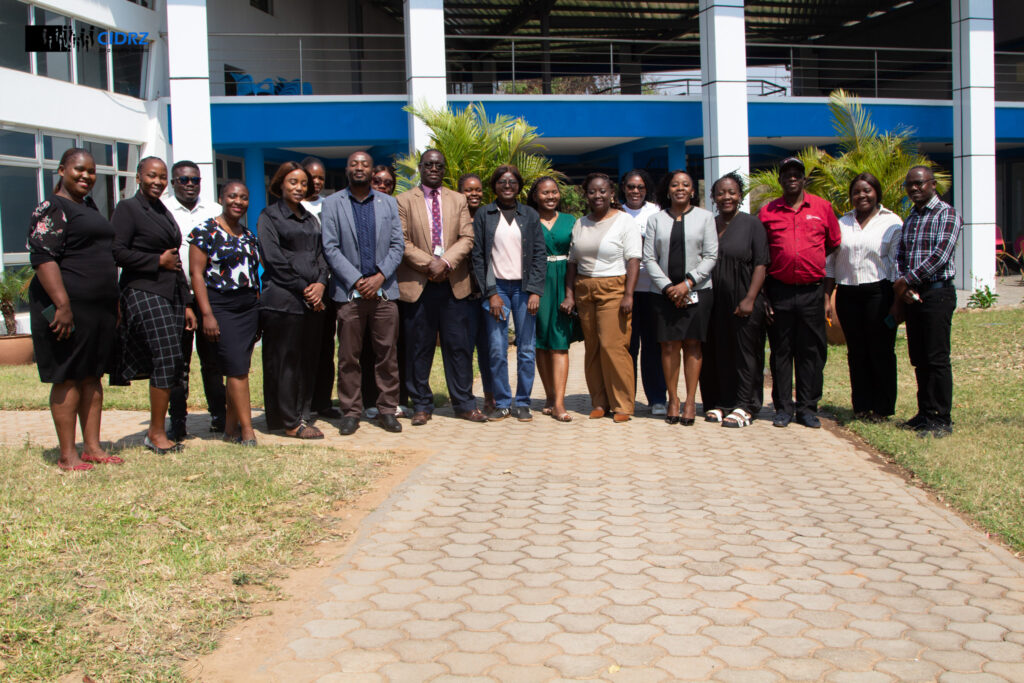
CIDRZ Hosts First Biannual Community Advisory Board Meeting.
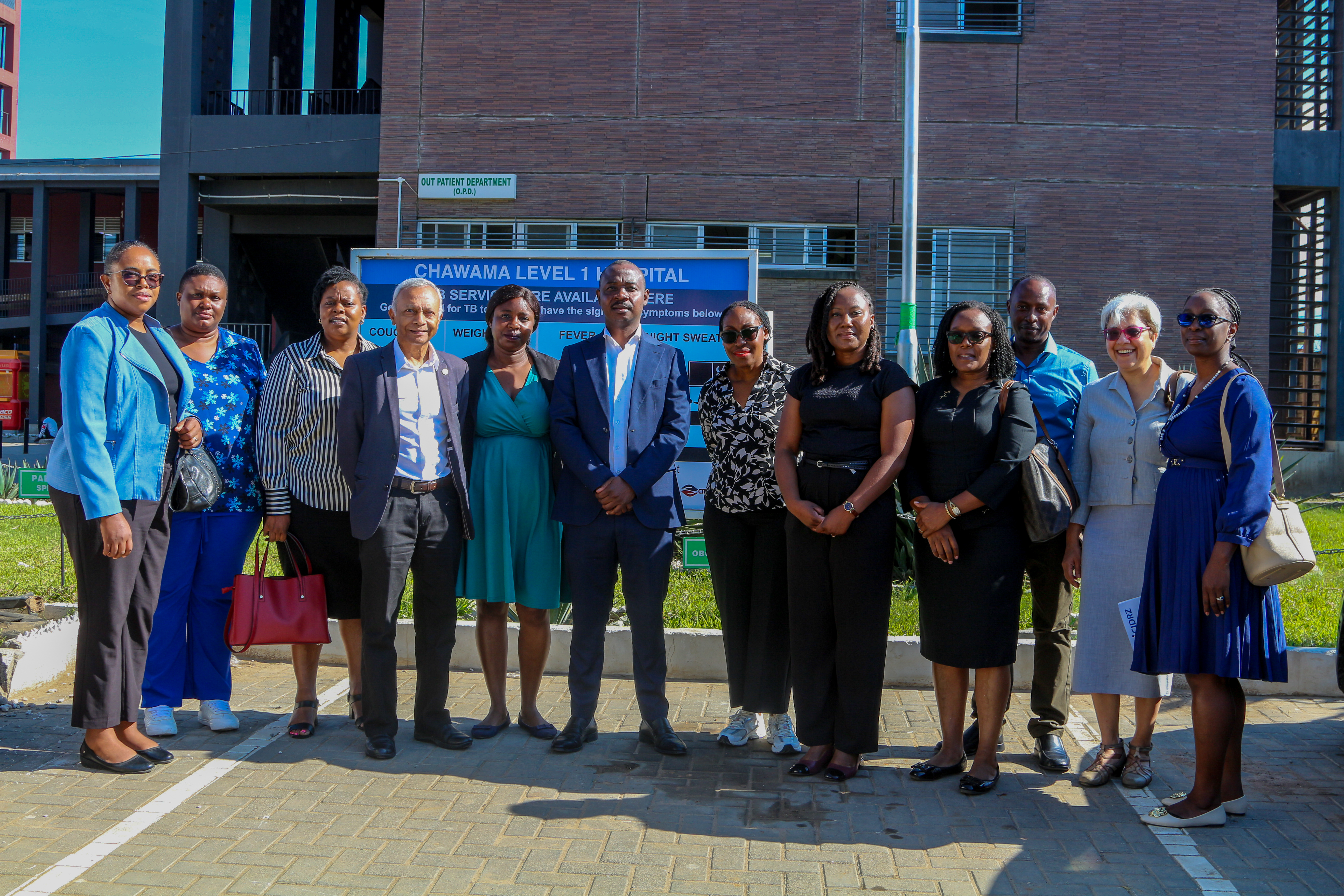
CIDRZ Strengthens Collaboration with the Gates Foundation, Showcasing Data-Driven Innovations in HIV and TB Care.
March 19, 2026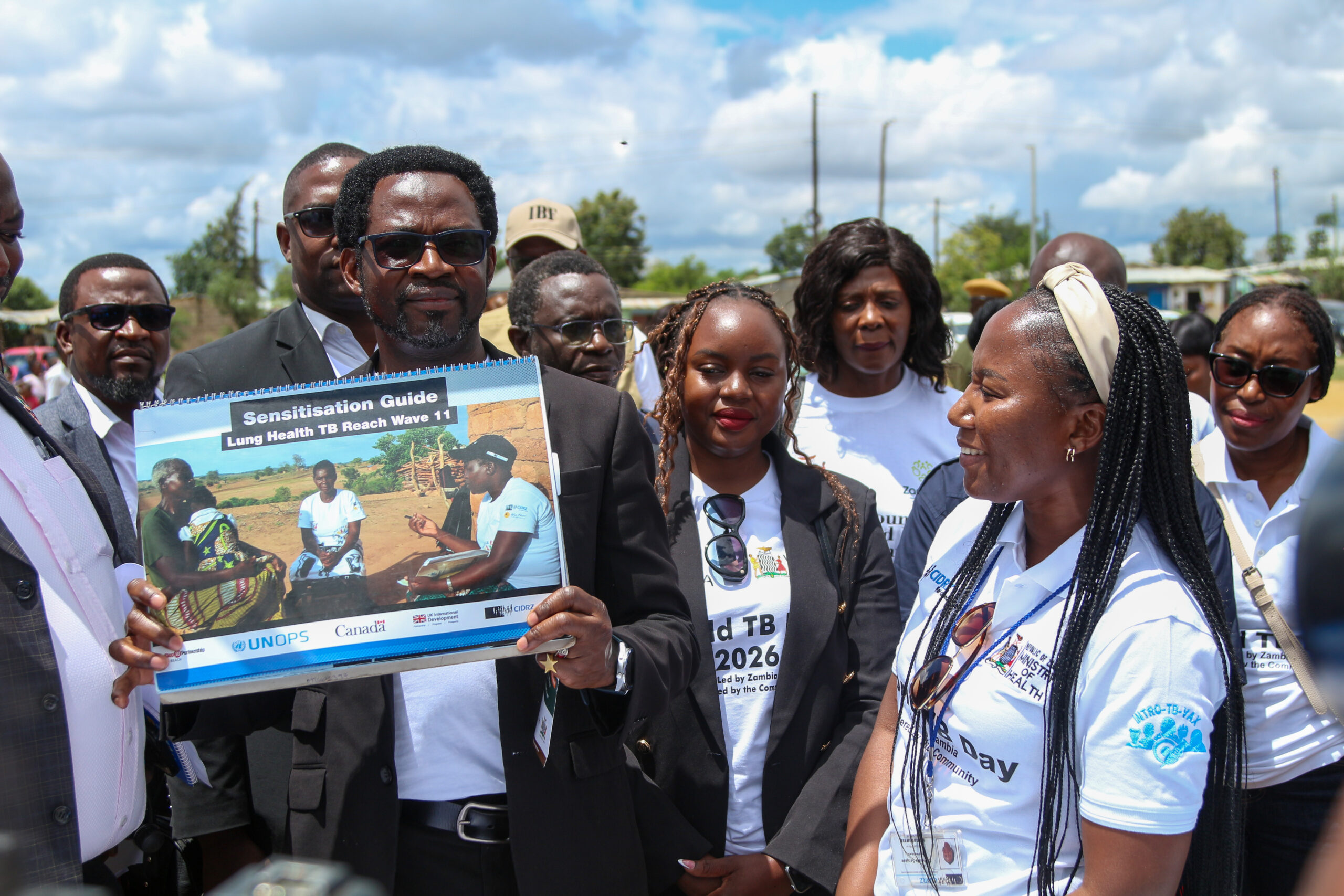
CIDRZ Joins the Rest of The World in Commemorating 2026 World TB Day
March 24, 2026
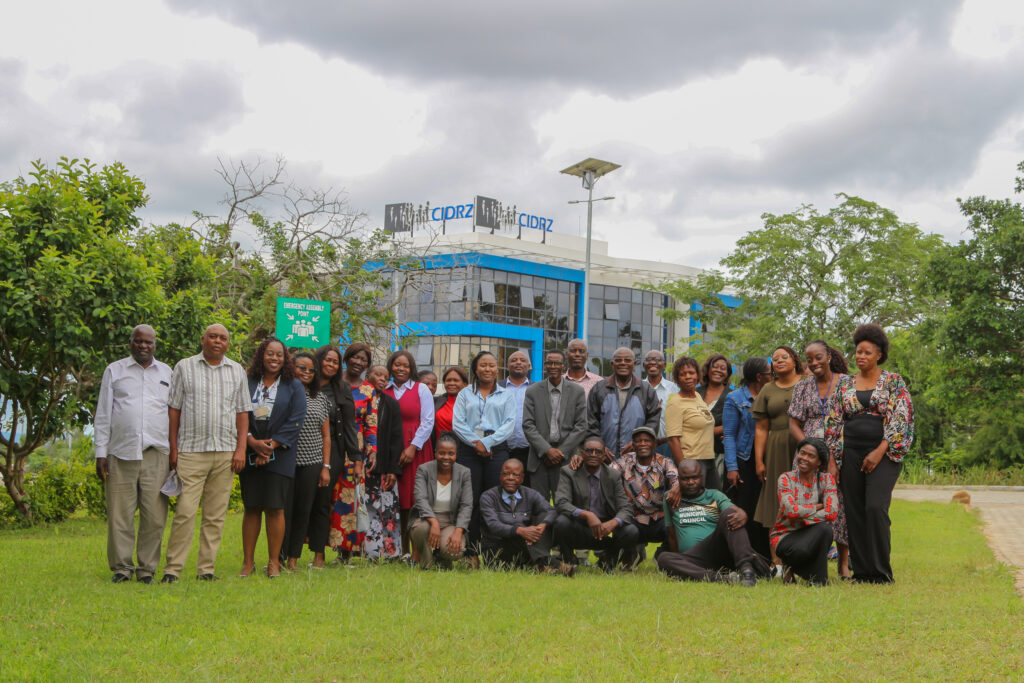
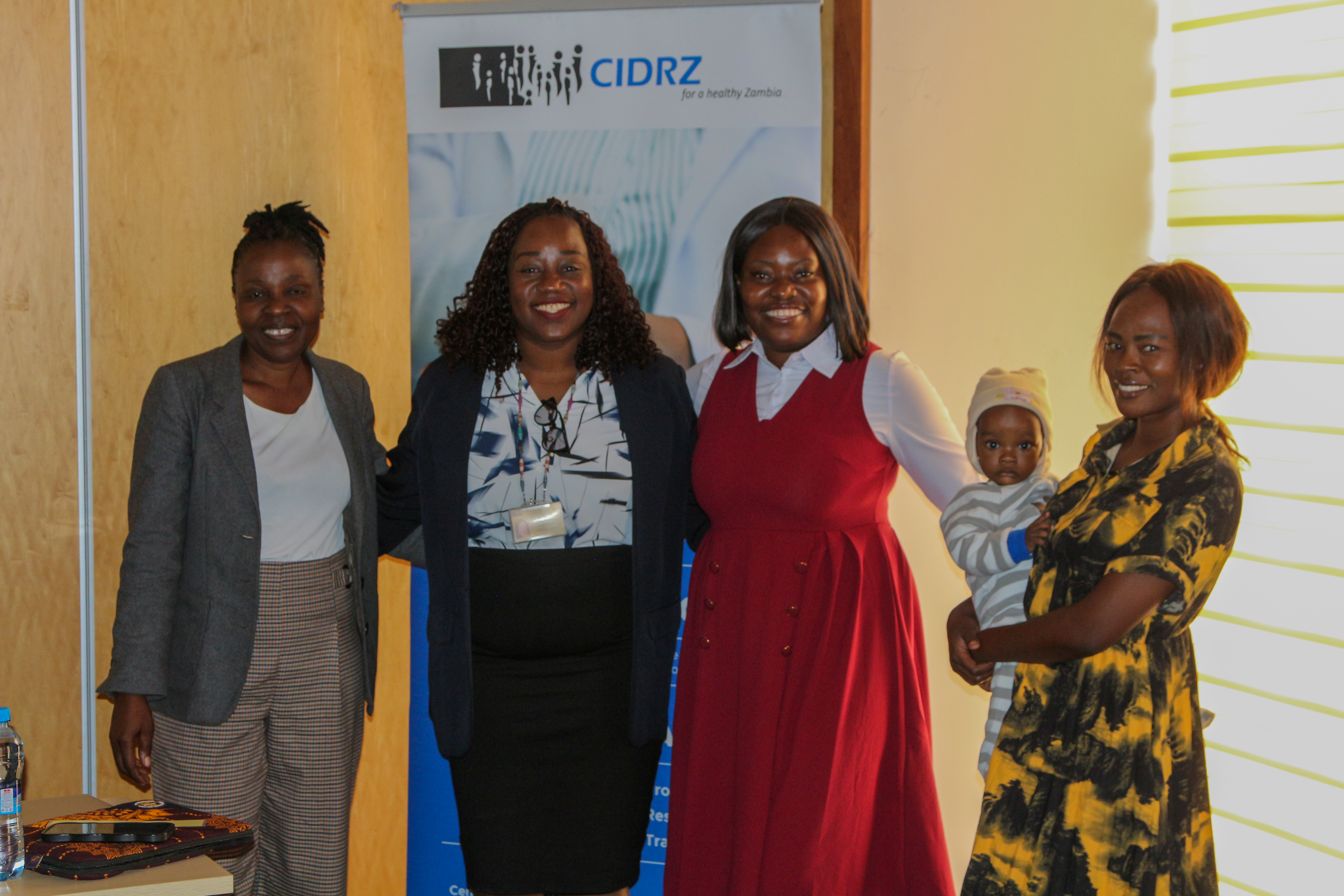
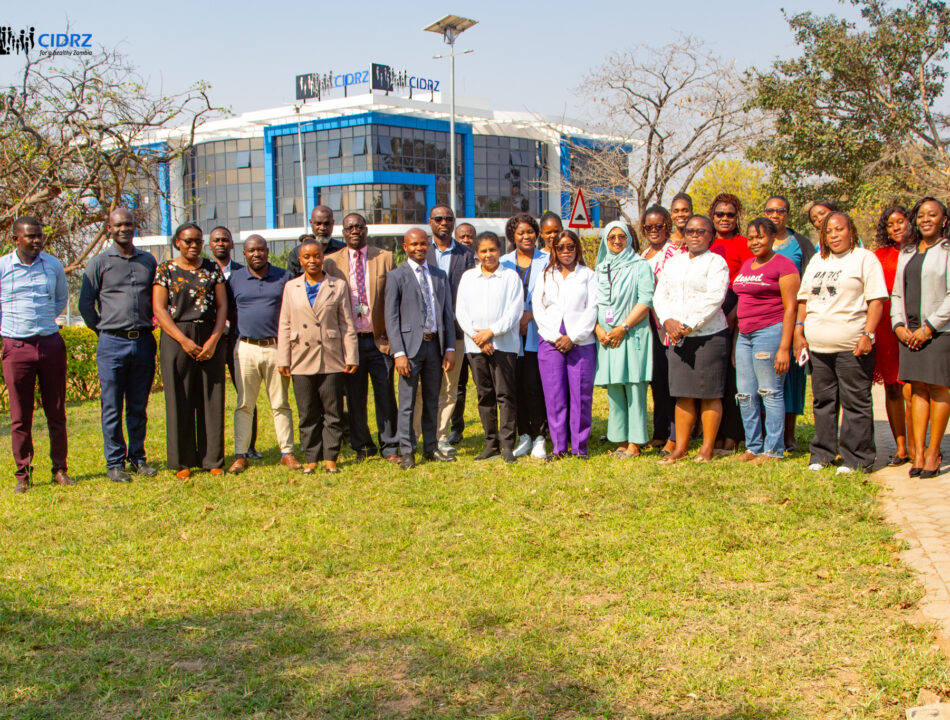
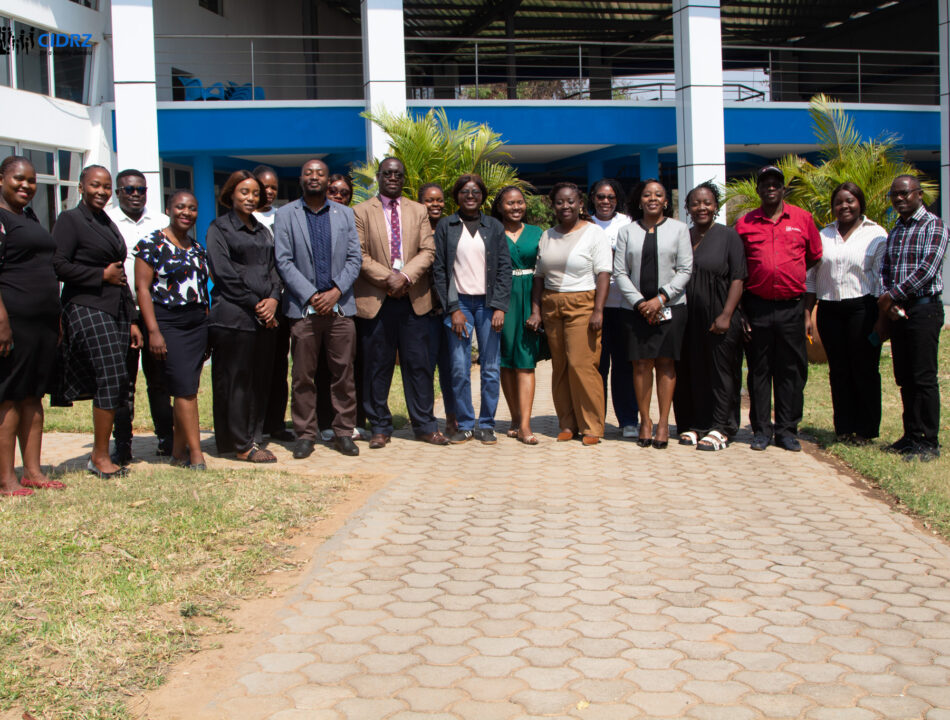
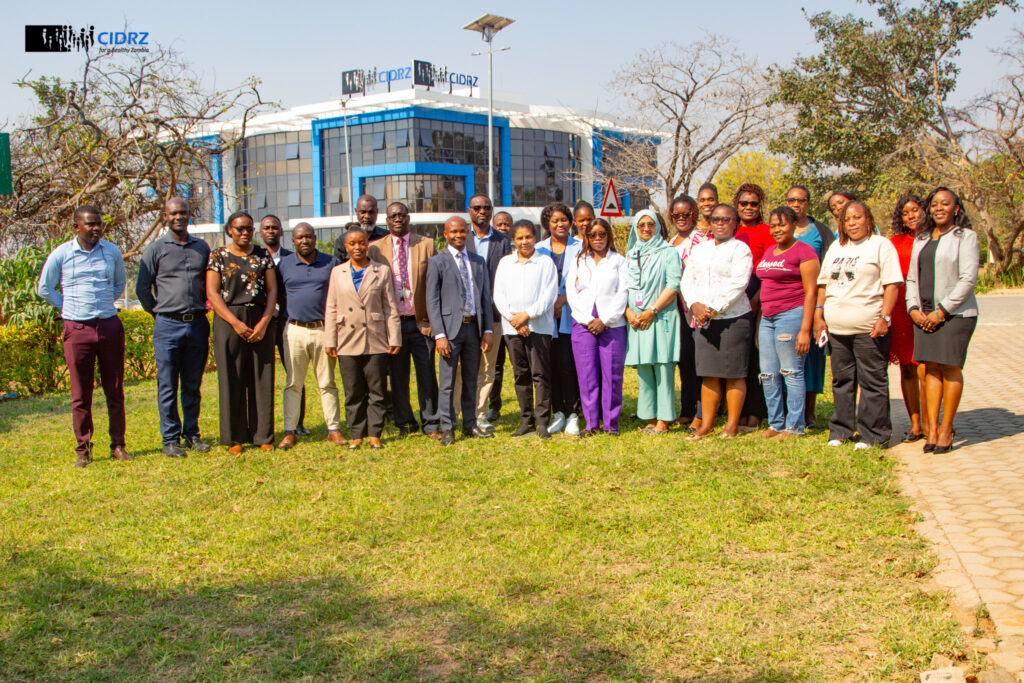
The Centre for Infectious Disease Research in Zambia (CIDRZ) successfully convened its first biannual meeting with its combined General and Youth Community Advisory Boards (CABs).
The two-day gathering, held at VenYou, marked an important milestone in strengthening the partnership between the organisation and the communities it serves.
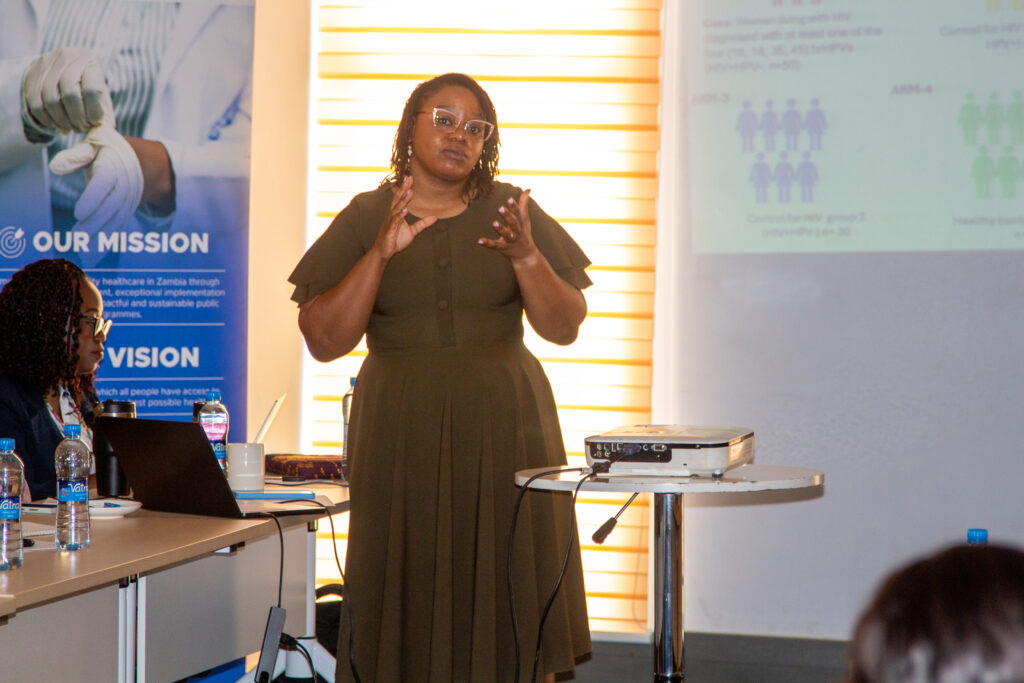
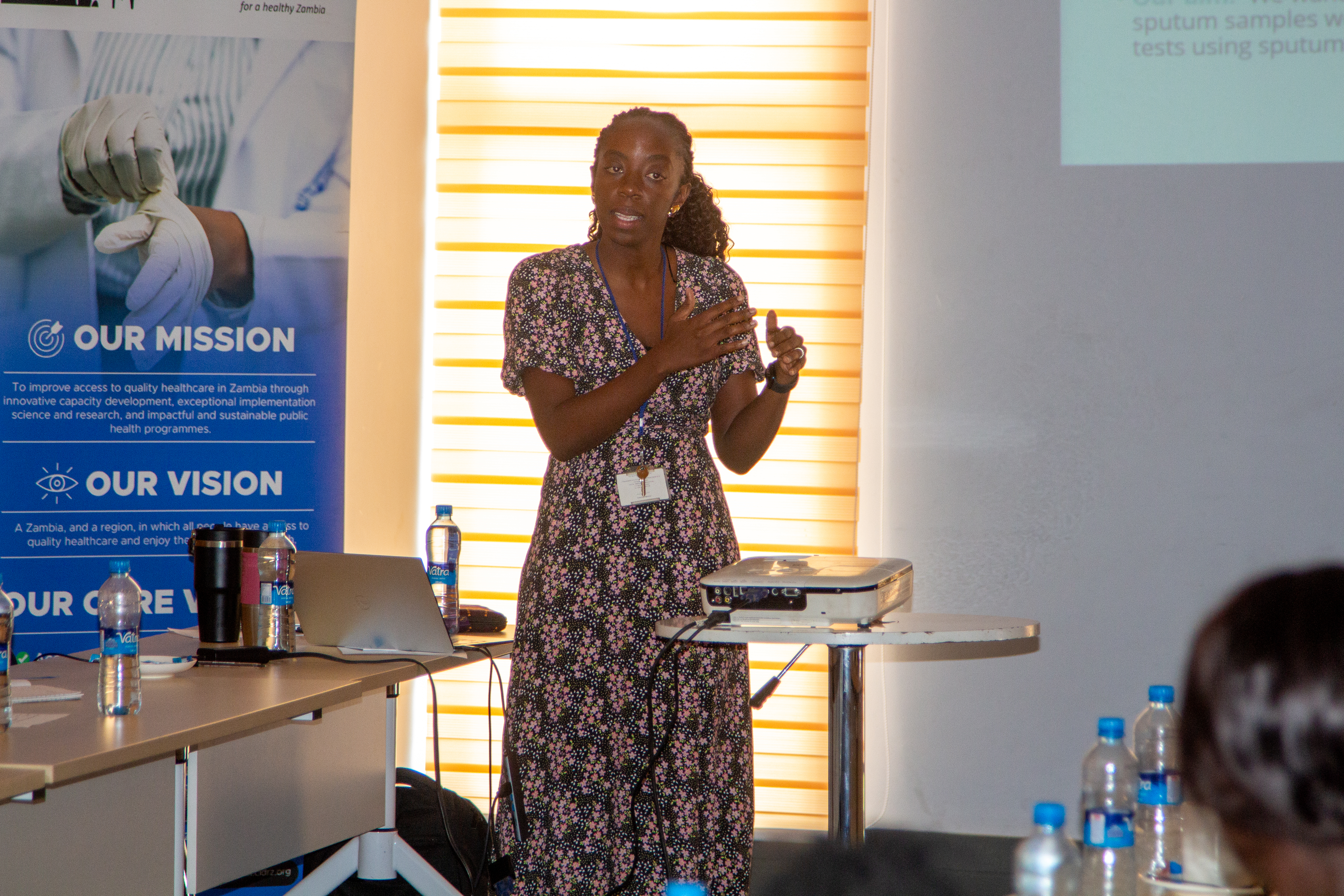
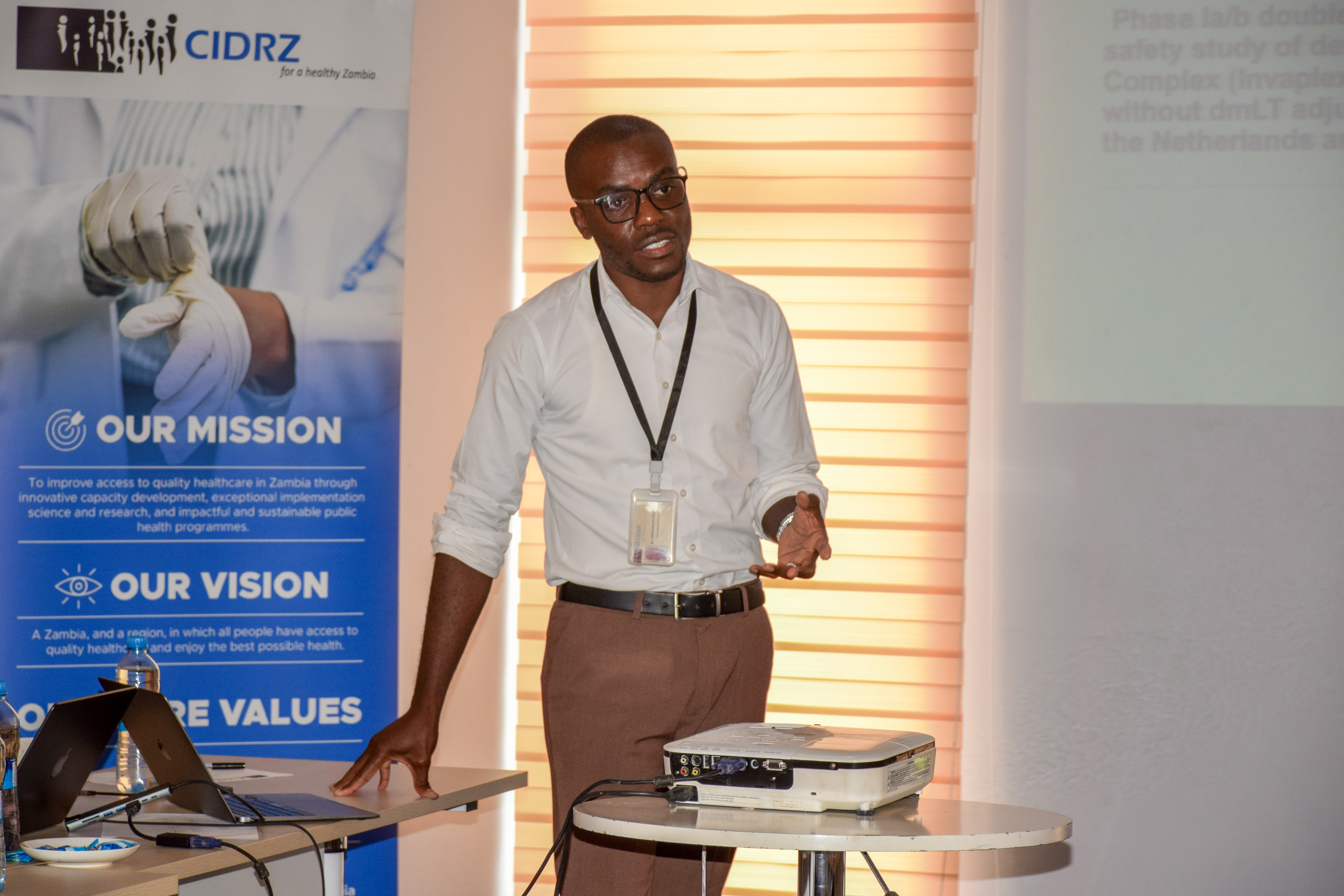
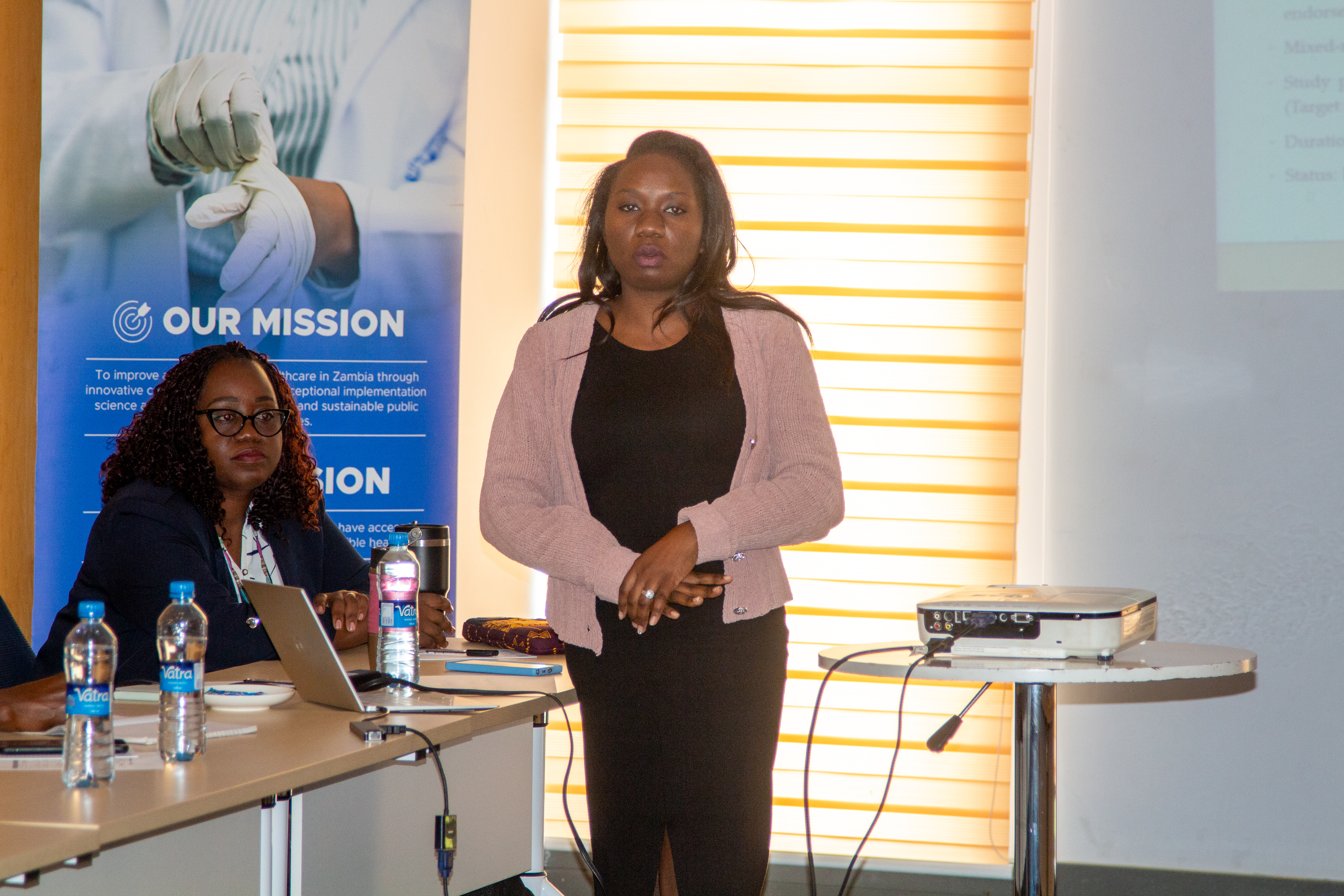
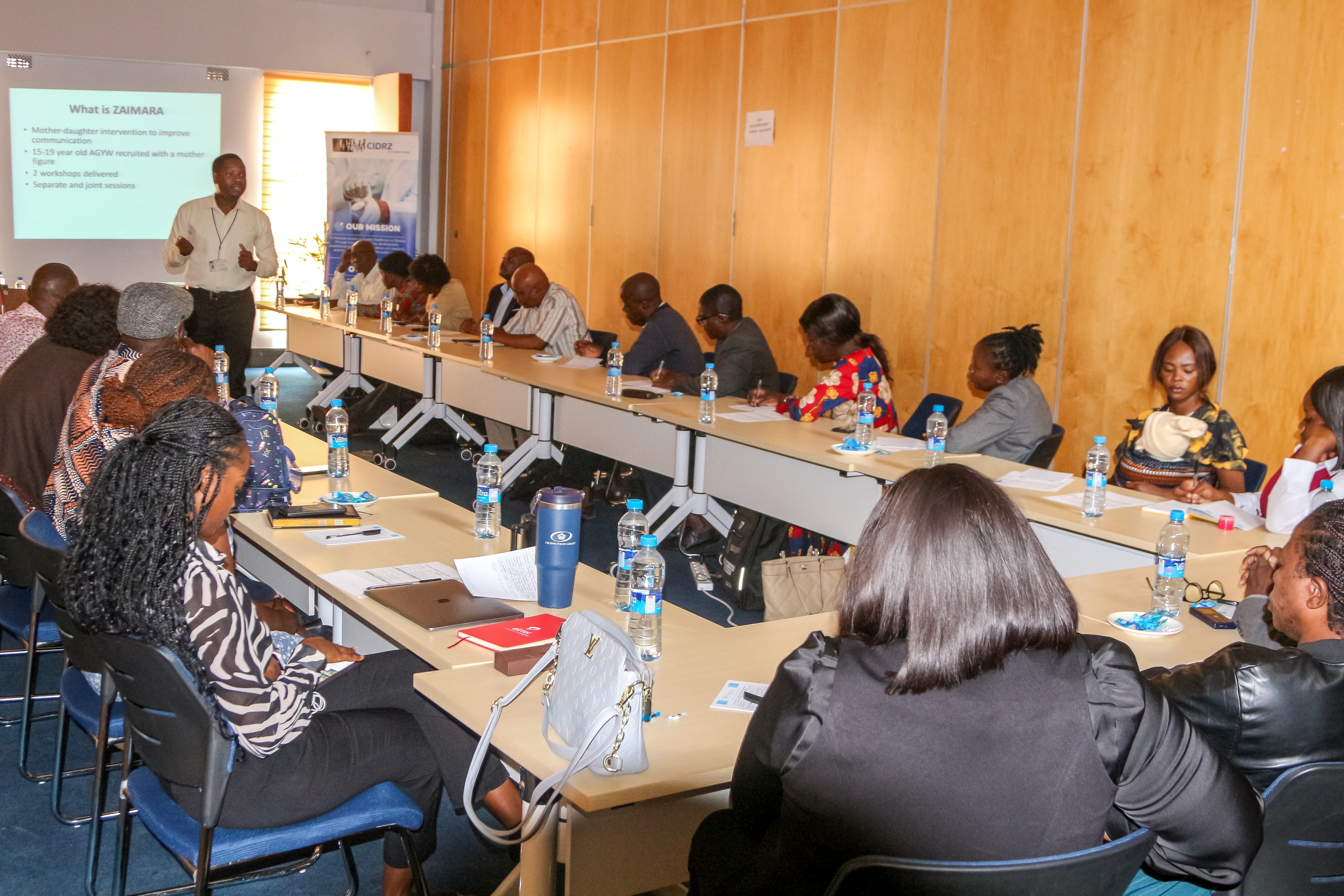
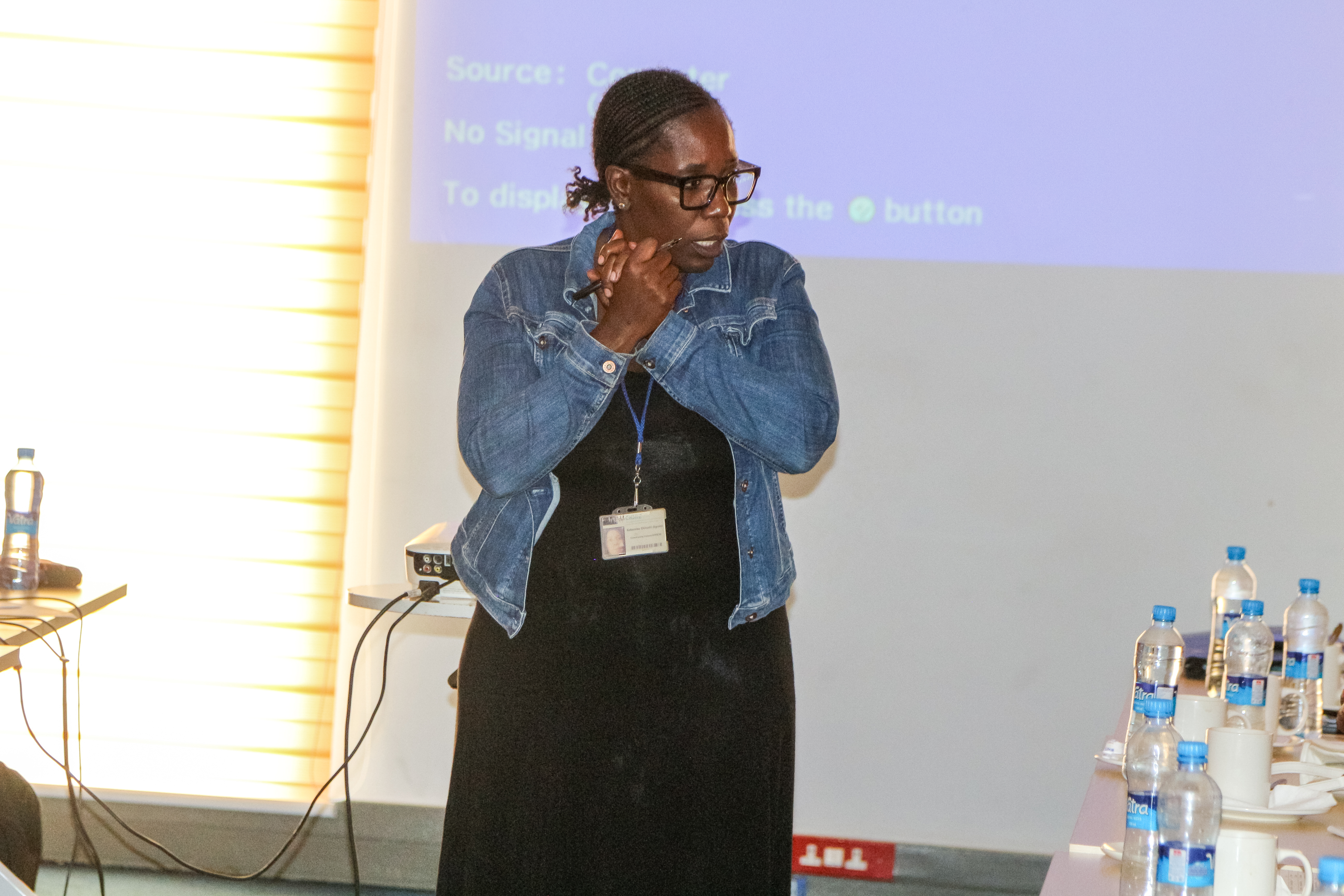
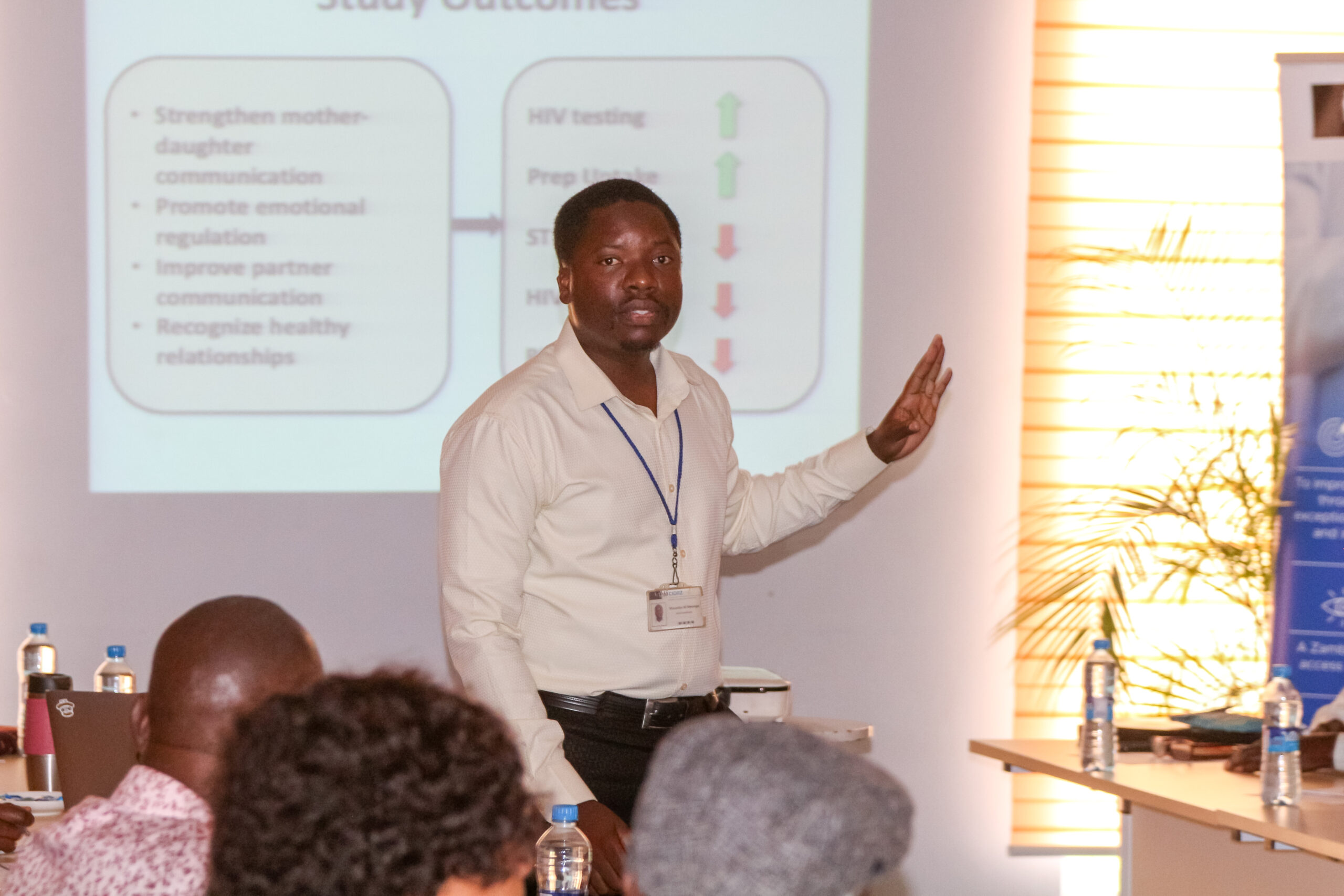
The primary objective of the meeting was to promote transparency and foster collaborative dialogue. To support this goal, Ms Hope Chinganya, Head of the Research Operations Unit and her team facilitated a comprehensive update session during which the lead investigators and study coordinators presented the latest developments on ongoing and upcoming research projects.
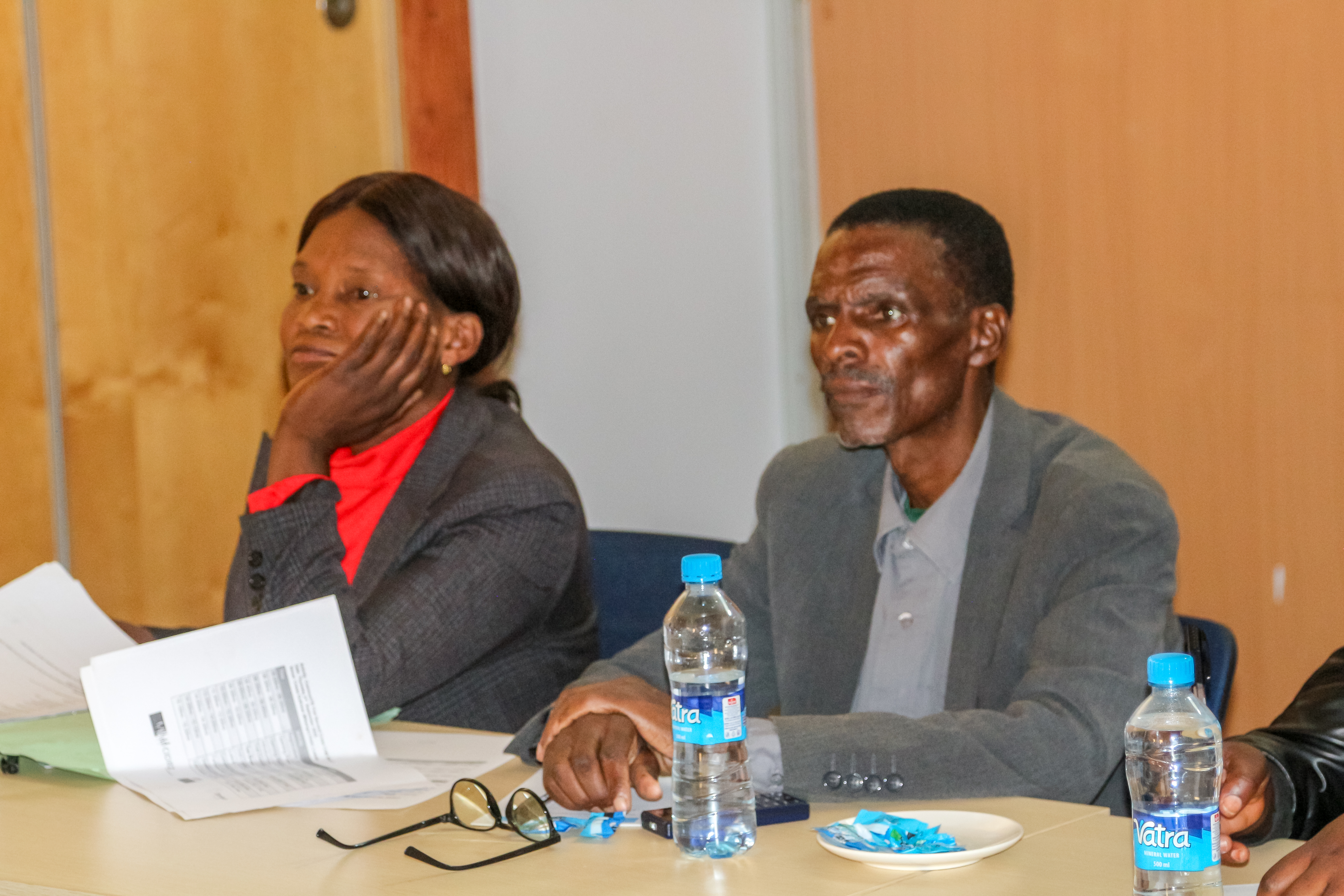
Ms Chinganya, led the proceedings, bringing together a diverse group of CAB members who represent the communities where CIDRZ conducts its vital work. These representatives, hailing from areas including Matero, George, and Chawama, play a crucial role in ensuring that community perspectives are integrated into the research process.
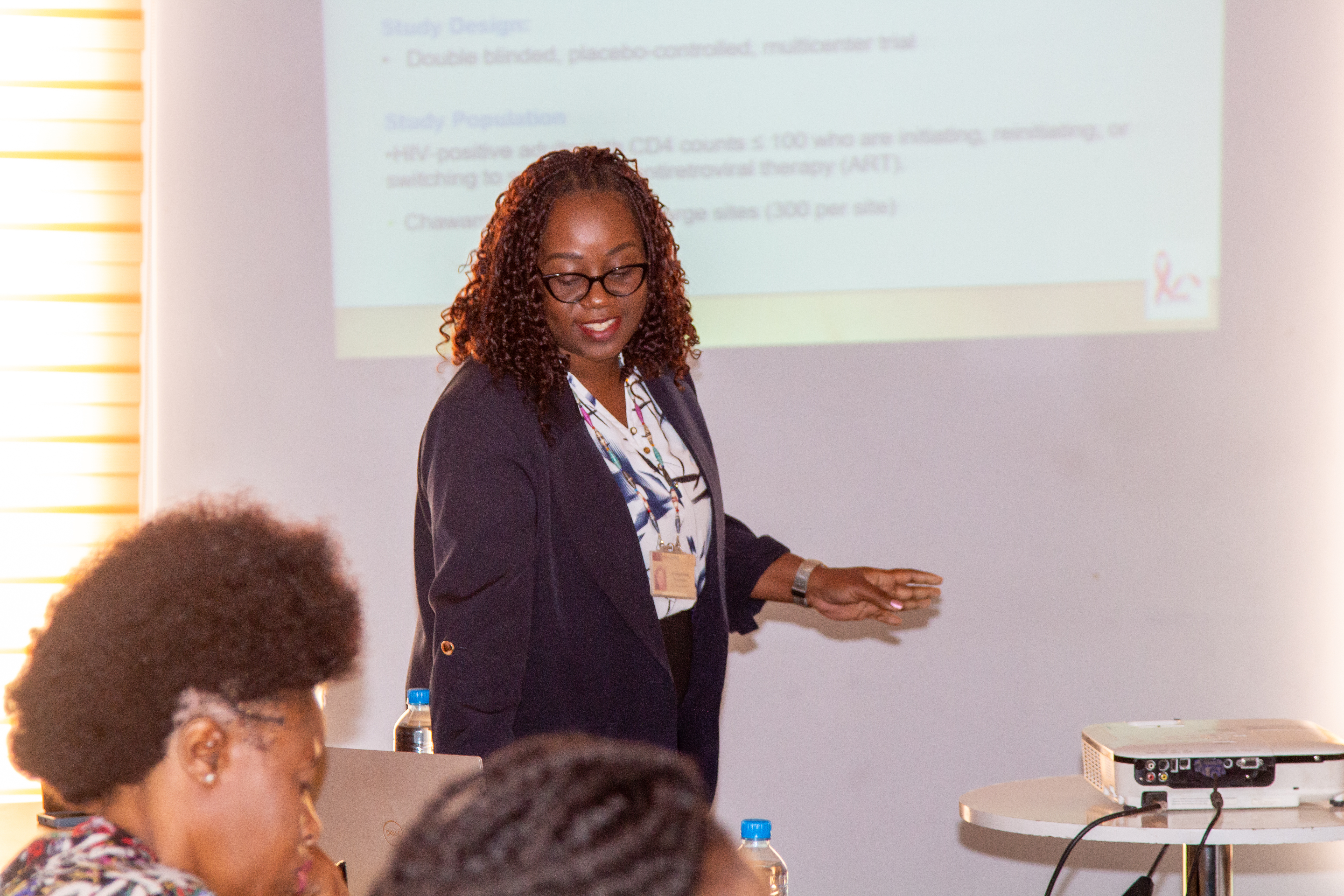
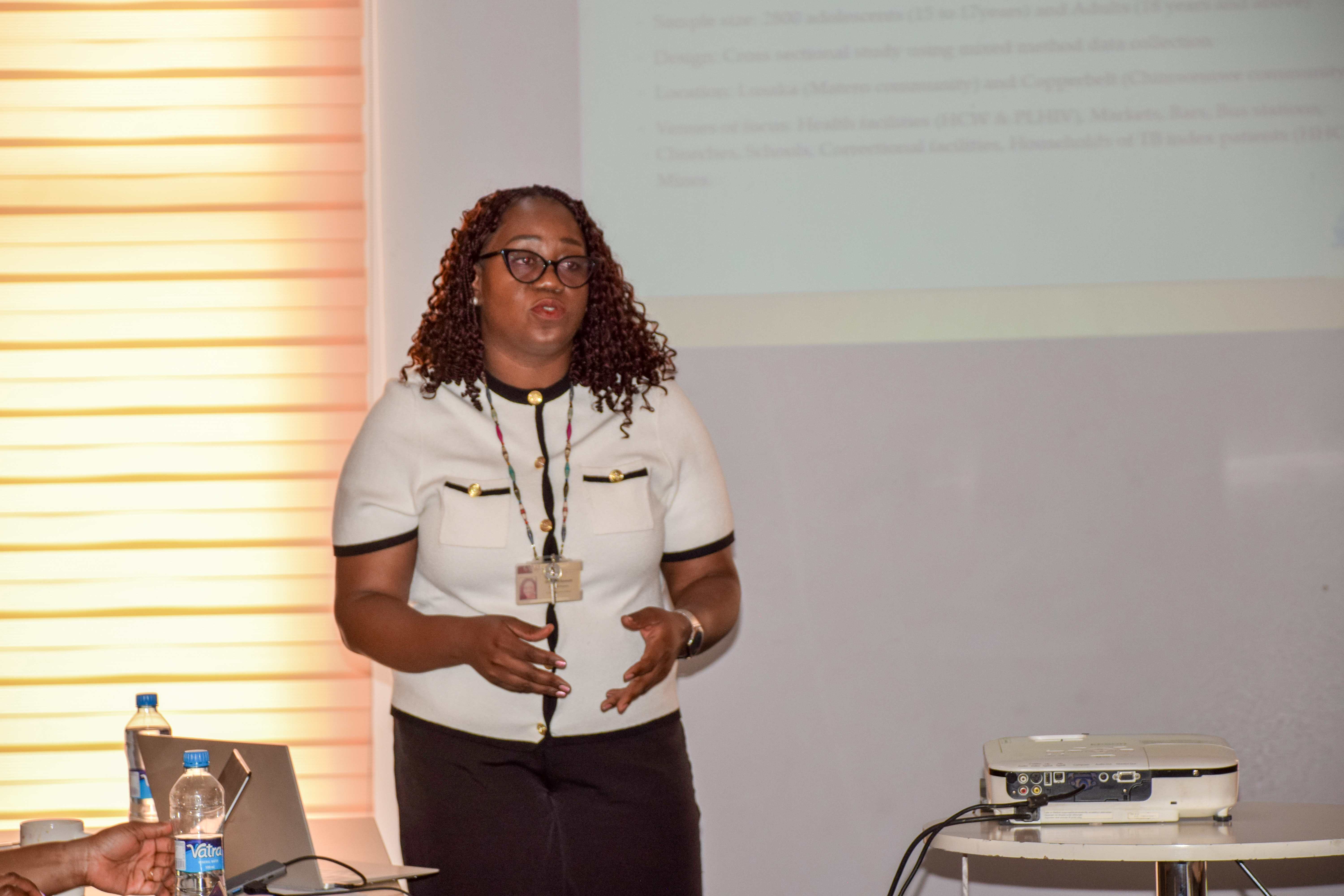
Over the course of the two-day meeting, a diverse range of CIDRZ research teams presented their work. Study coordinators delivered comprehensive overviews of ongoing protocols, highlighting progress, sharing preliminary findings, and outlining the next steps.
The presentations highlighted the breadth of CIDRZ’s research portfolio, with a strong focus on pressing health challenges affecting local populations. Key topics included innovative approaches to Adolescent Health, with specific sessions dedicated to HIV prevention and treatment, integrated Mental Health support, interventions for Substance use (CETA), comprehensive Sexual Reproductive Health services, and advancements in Tuberculosis vaccines.
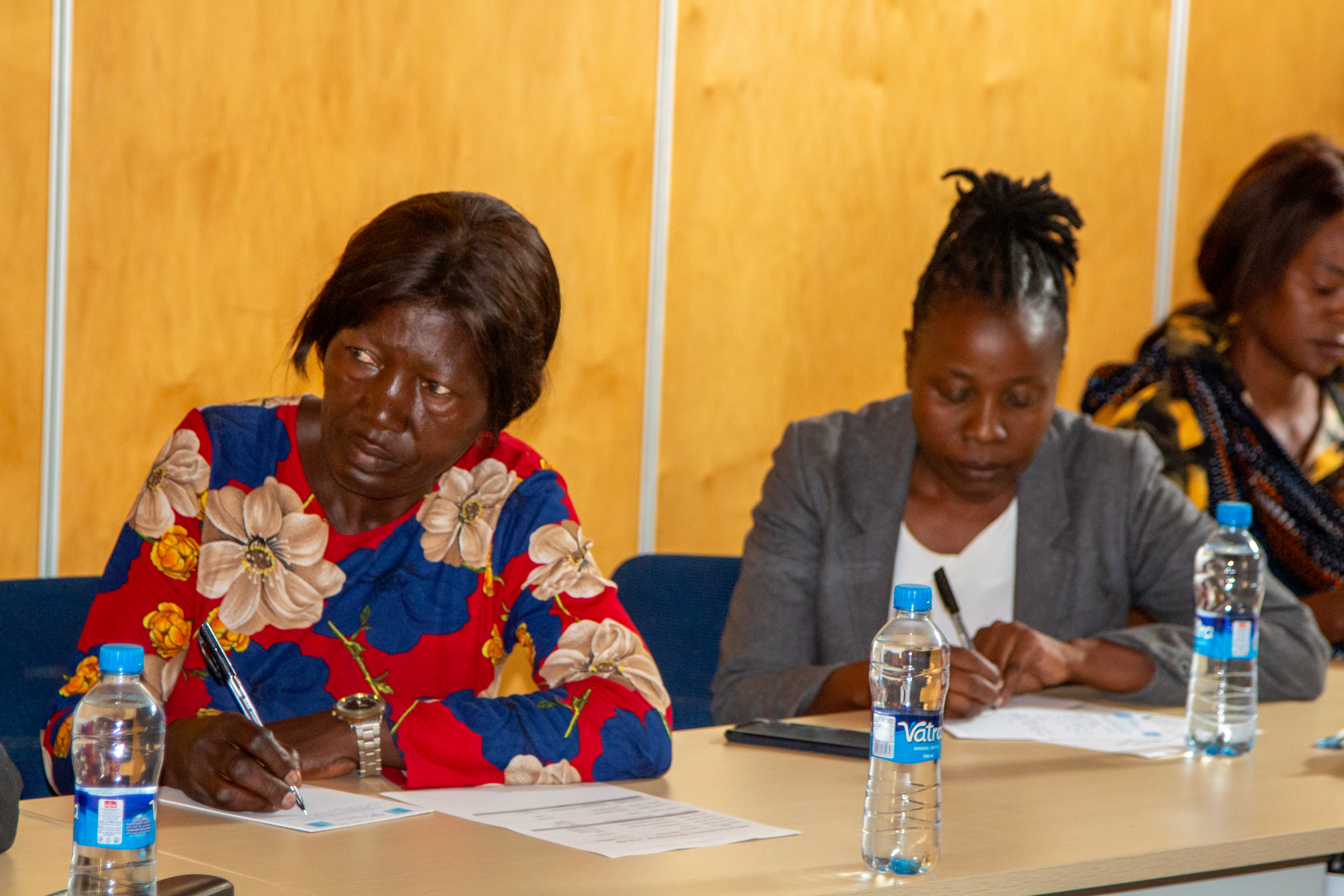
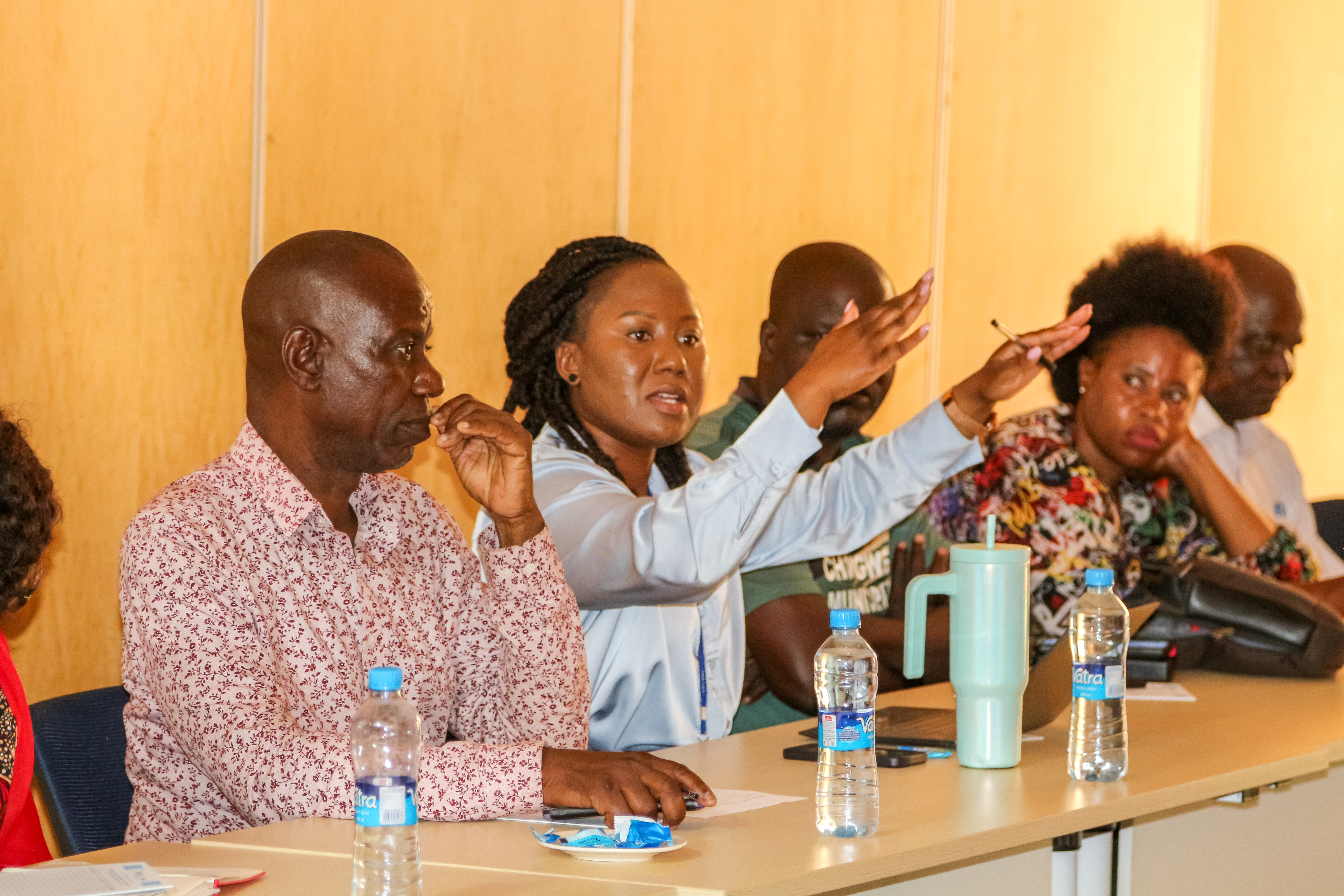
During the meeting, the open forum facilitated dynamic question-and-answer sessions, allowing community members to seek clarification, provide feedback, and explore effective strategies for sharing study information within their respective communities. This collaborative approach reinforces CIDRZ’s commitment to conducting ethical, relevant, and impactful research in partnership with the people of Zambia.