CIDRZ Equips Peer Educators with Skills to Advance Gender Equality, SRHR, and HIV Prevention.

CIDRZ Recognises Workforce Excellence at Labour Day Awards Ceremony.
May 28, 2026
Strengthening Drug-Resistant Tuberculosis Detection Through Reflex MTB/XDR Testing in Zambia.
June 2, 2026CIDRZ Equips Peer Educators with Skills to Advance Gender Equality, SRHR, and HIV Prevention.

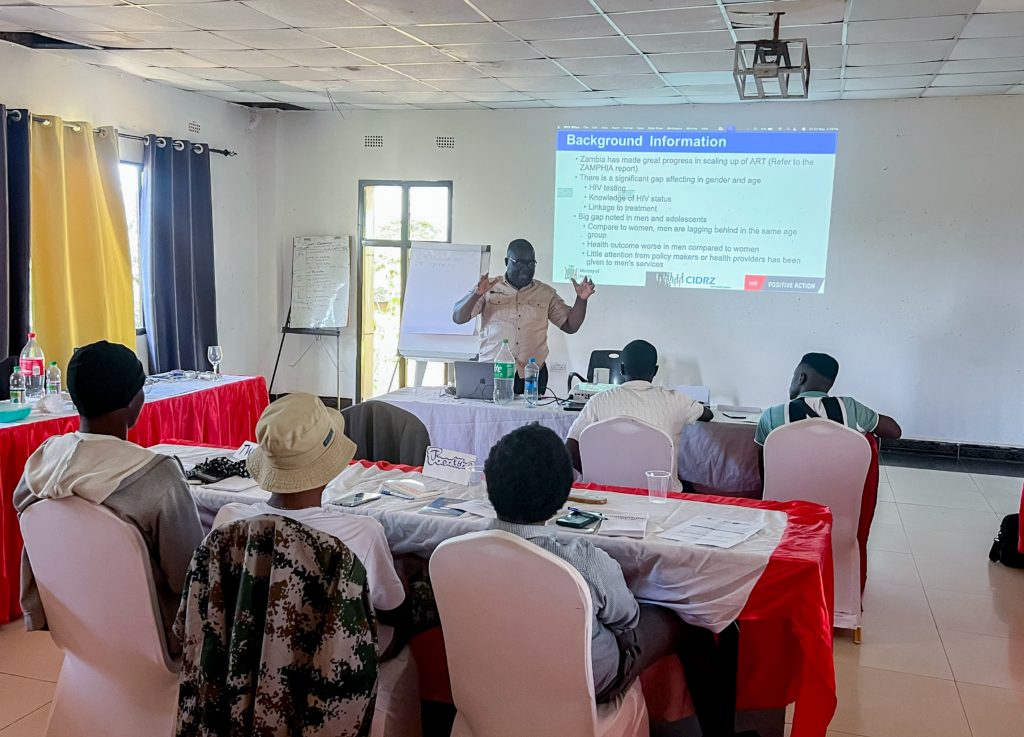
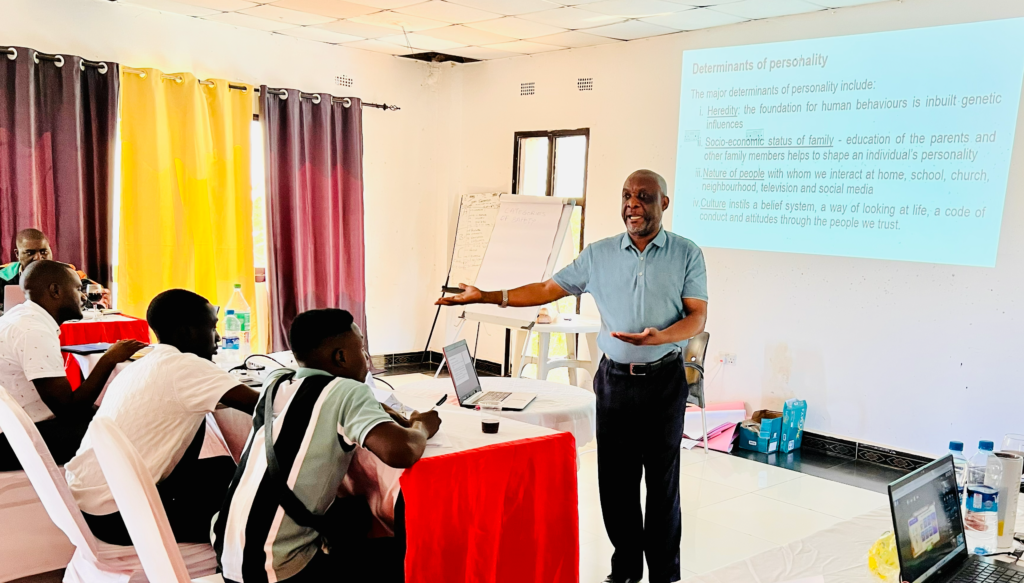
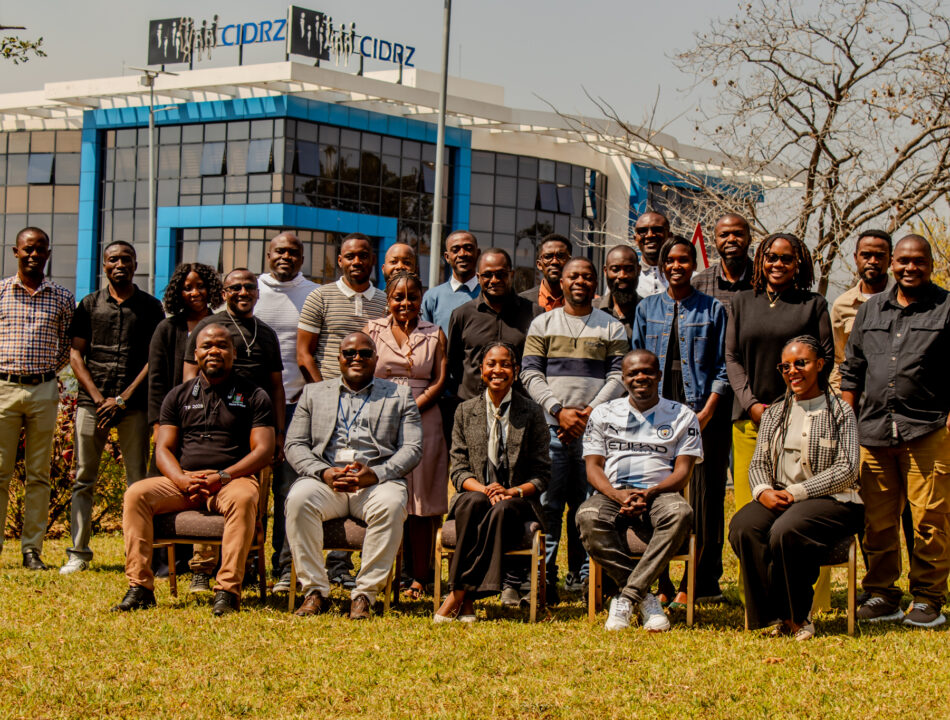
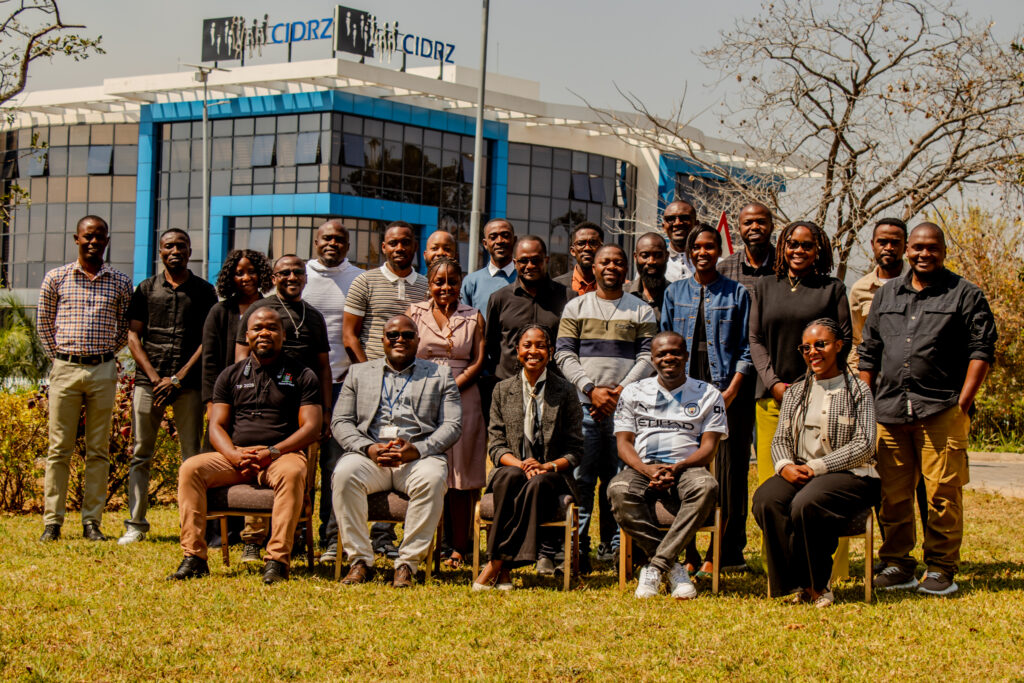
The Centre for Infectious Disease Research in Zambia (CIDRZ), through its ViiV Healthcare-funded Accelerating Access for Boys and Young Men (ABYM) Project, has successfully trained peer educators to champion Gender, Sexual and Reproductive Health and Rights (SRHR) integration and the Coaching Boys Into Men (CBIM) programme.
The training which was Conducted collaboration with the Ministry of Health’s Mental Health and Counselling Services Department, aimed to strengthen participants’ capacity to engage adolescent boys and young men in schools and communities on issues affecting their health and wellbeing.
ViiV ABYM Project Manager, Dr James Zulu, said the training provided participants with practical knowledge and leadership skills to support positive behaviour change among young people.
“The sessions covered SRHR, puberty and reproductive health, gender-transformative approaches, facilitation skills, financial literacy, data management, and safe community engagement,” he said.
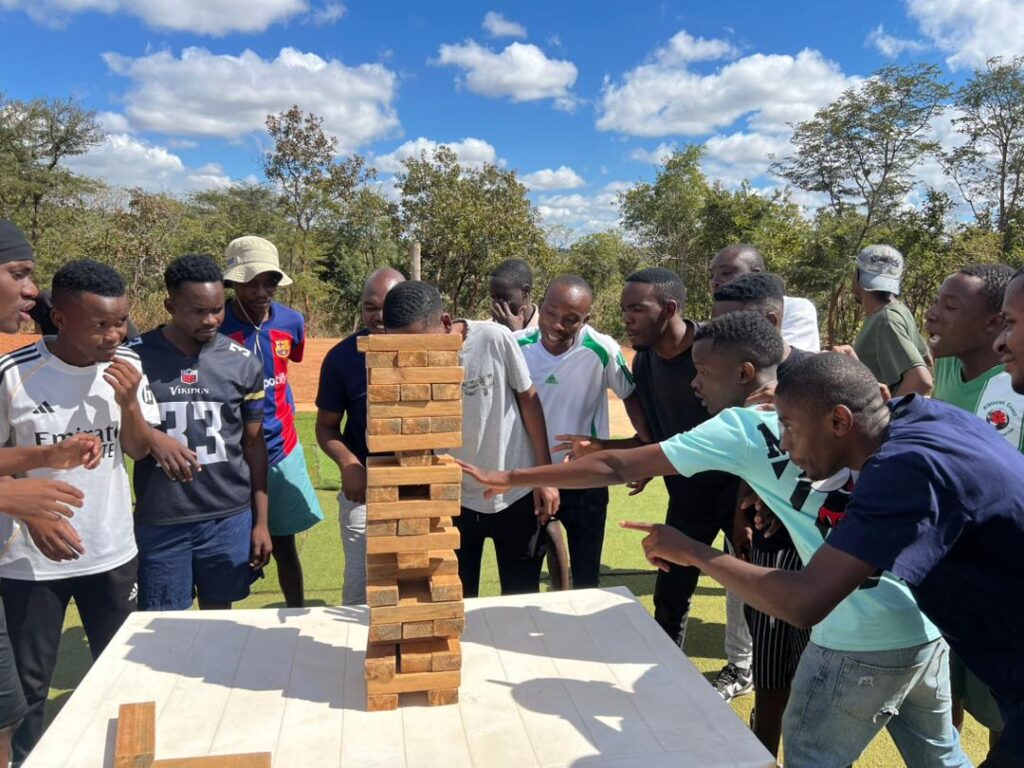
Participants were also introduced to the Coaching Boys Into Men curriculum through interactive role-plays and group discussions designed to strengthen conversations around consent, healthy relationships, communication, respect, and non-violence.
Speaking during the training, Dr Friday Nsalamo from the Ministry of Health underscored the importance of addressing harmful gender norms that contribute to violence, risky sexual behaviour, stigma, and poor health-seeking behaviour among adolescent boys and young men.
“A major focus of the training was helping participants reflect on harmful ideas of masculinity and encouraging healthier, respectful, and responsible behaviours,” he said.
One of the key sessions, The Man Box, explored societal expectations that often pressure boys and young men to appear aggressive, emotionally detached, and dominant.
Facilitators encouraged participants to view adolescent boys and young men not only as beneficiaries of HIV and gender programmes, but also as active partners in creating safer and healthier communities.
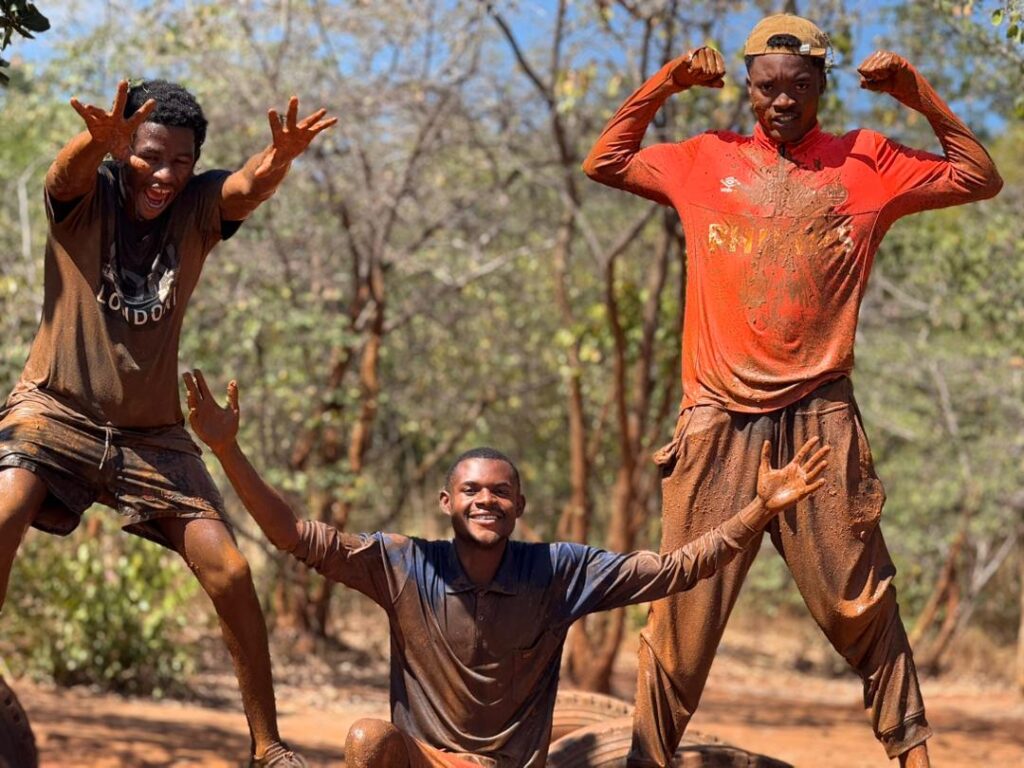
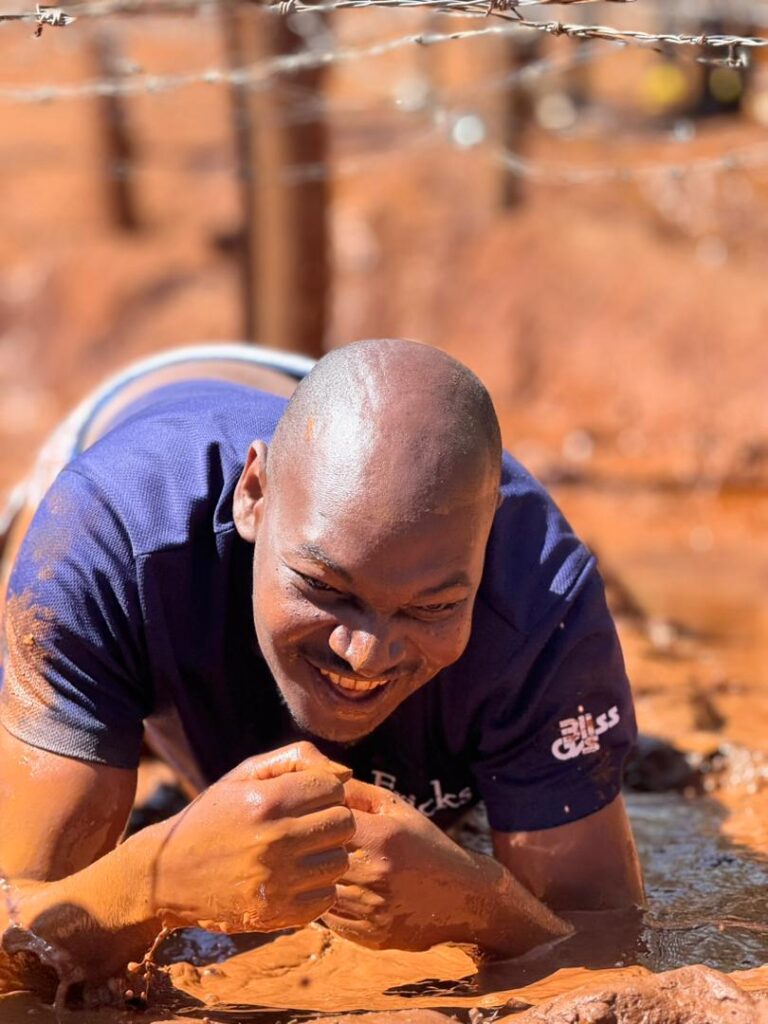
The final day focused on practical implementation skills, including community safety, report writing, project photography and videography, data collection, and quality assurance to strengthen accountability and effective community-based programming.
The training supports the broader goals of the A-Men SHIP Project, which seeks to reduce new HIV infections by improving access to integrated HIV and SRHR services through youth-friendly and male-responsive approaches.
Through the ViiV ABYM Project, CIDRZ continues to empower young leaders with the knowledge, skills, and confidence needed to promote healthy relationships, responsible decision-making, and improved HIV prevention outcomes across Zambia.