Strengthening Drug-Resistant Tuberculosis Detection Through Reflex MTB/XDR Testing in Zambia.
CIDRZ Equips Peer Educators with Skills to Advance Gender Equality, SRHR, and HIV Prevention.
June 1, 2026
CIDRZ Strengthens Zambia’s National TB Response through its Facility and Community Service Delivery Support (FC-SDS) Project.
June 5, 2026
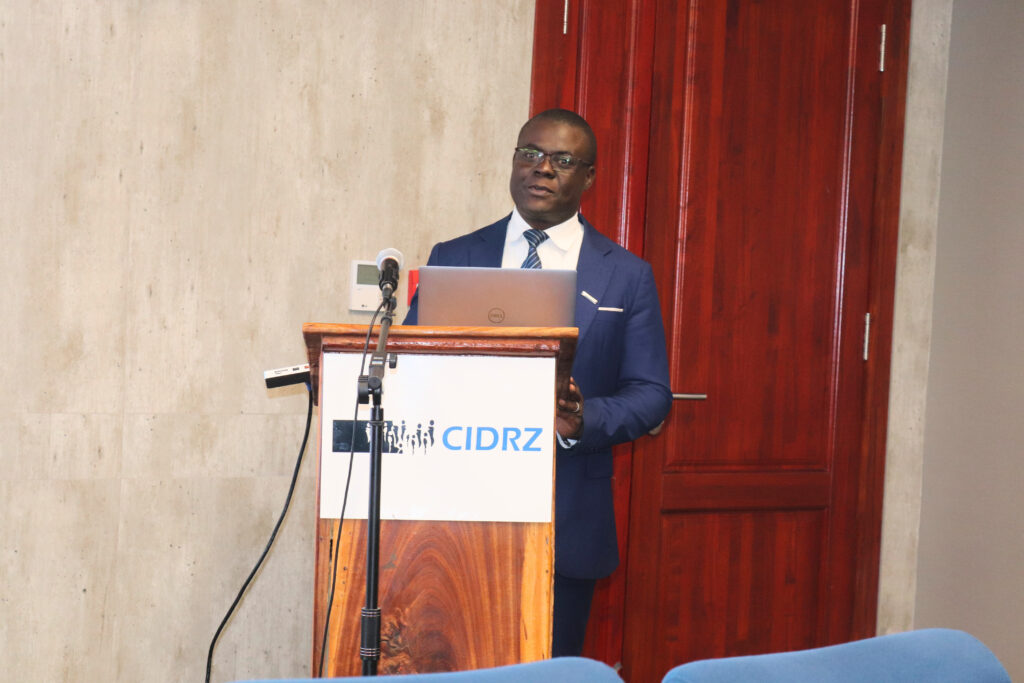
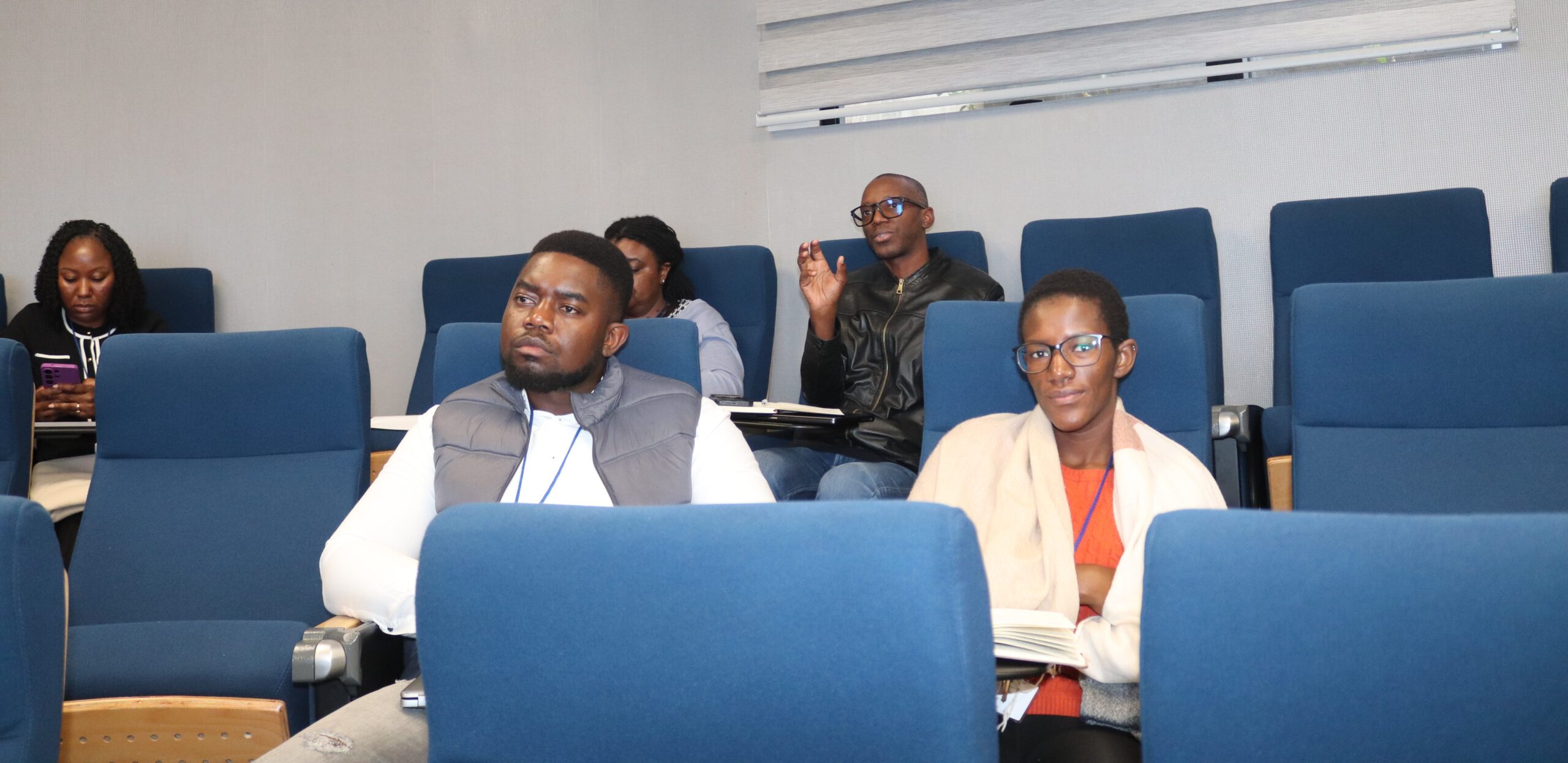
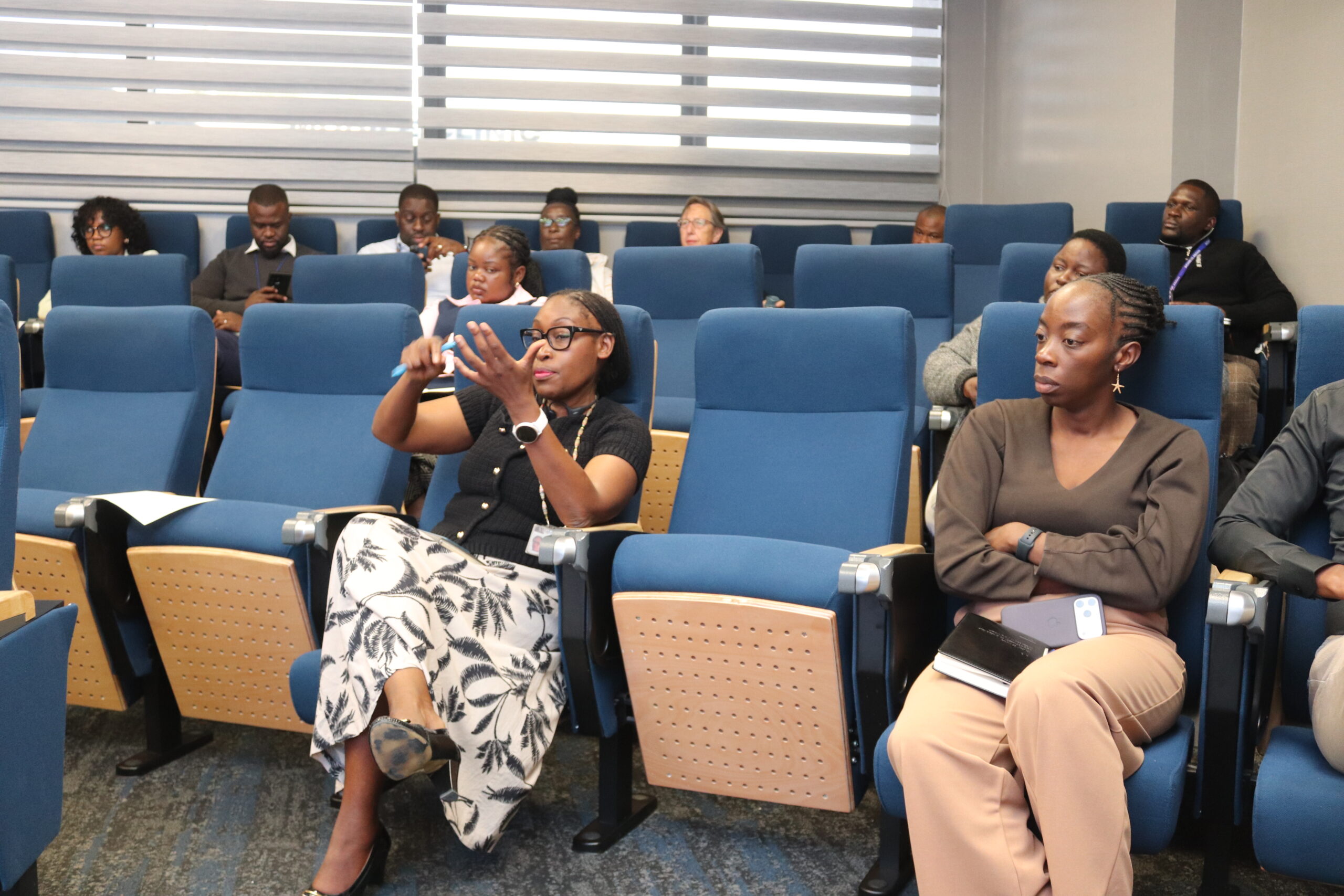
The Centre for Infectious Disease Research in Zambia (CIDRZ) successfully presented findings from a study assessing the feasibility and utility of reflex Xpert MTB/XDR testing during the CIDRZ Research Meeting held at its headquarters in Lusaka. The study was conducted as part of a four-week active Drug Resistant tuberculosis case finding surge implemented across 39 high TB burden facilities in five provinces of Zambia.
The research evaluated how reflex MTB/XDR testing can support rapid detection of resistance to isoniazid, fluoroquinolones, ethionamide and aminoglycosides among bacteriologically confirmed tuberculosis patients, regardless of rifampicin resistance status.
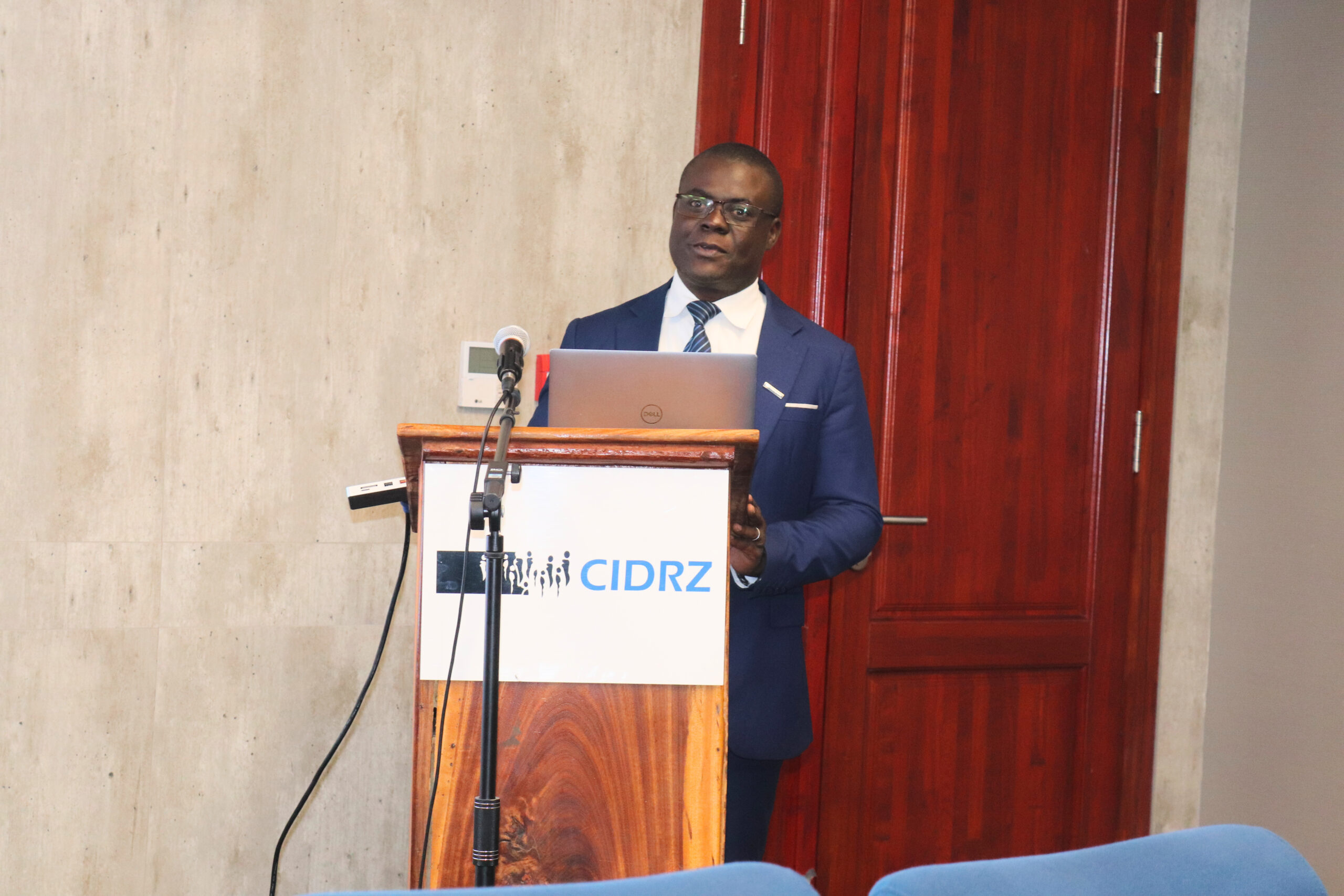
Presenting the findings, Dr. Phallon Mwaba, Deputy Chief of Party for TBLON, said the study analysed programmatic data collected during the May 2025 TB surge and assessed the operational feasibility of integrating reflex MTB/XDR testing into routine diagnostic workflows.
Dr Mwaba noted that the findings revealed that 8.5% of bacteriologically confirmed tuberculosis patients had some form of drug-resistant tuberculosis. Importantly, 37.5% of all drug-resistant TB cases identified were non-rifampicin resistant and would likely have been missed using standard rifampicin-centric diagnostics diagnostic methods like the GeneXpert MTB/Rif ultra.
He further highlighted that mono-resistance accounted for the majority of drug-resistant TB detected, demonstrating the importance of expanding beyond rifampicin-centric testing approaches in order to improve early detection and treatment of different forms of drug-resistant tuberculosis.
The presentation emphasized that reflex MTB/XDR testing proved operationally feasible across primary care, hospital and referral facilities, delivering rapid and actionable results that can support individualized treatment, strengthen drug resistant tuberculosis control efforts and contribute to the elimination of drug-resistant tuberculosis in Zambia.