Finding Strength in Each Other: The Story of Camp Tuli Bonse

Camp Tuli Bonse 2026 Kicks Off with Hope, Friendship and Courage
August 8, 2026
Bringing TB screening closer to where people live, work and socialise
August 11, 2026
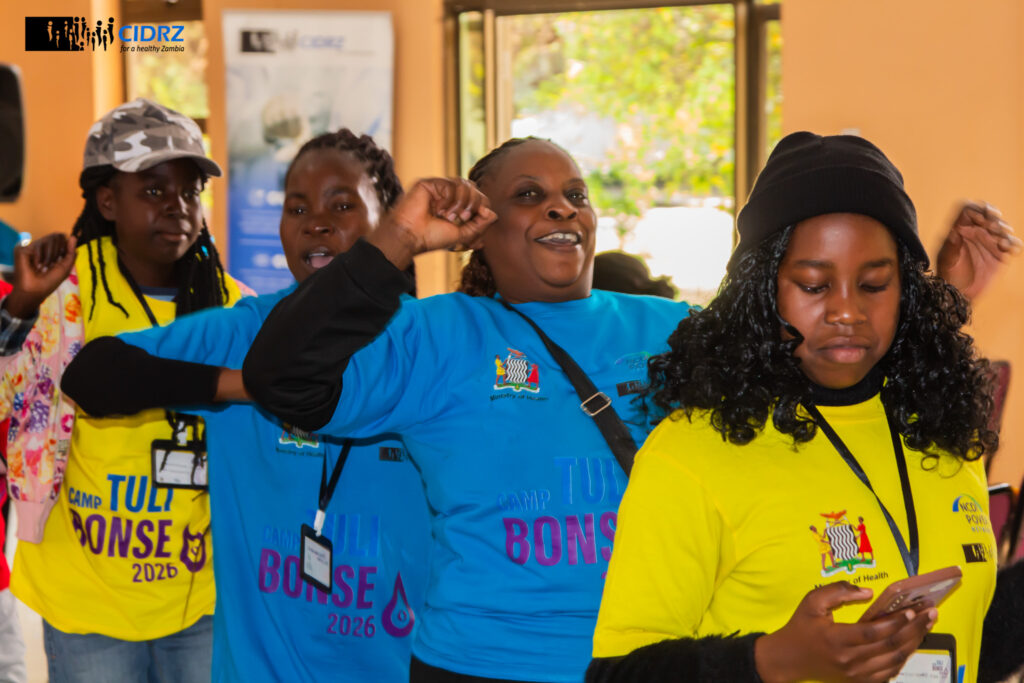
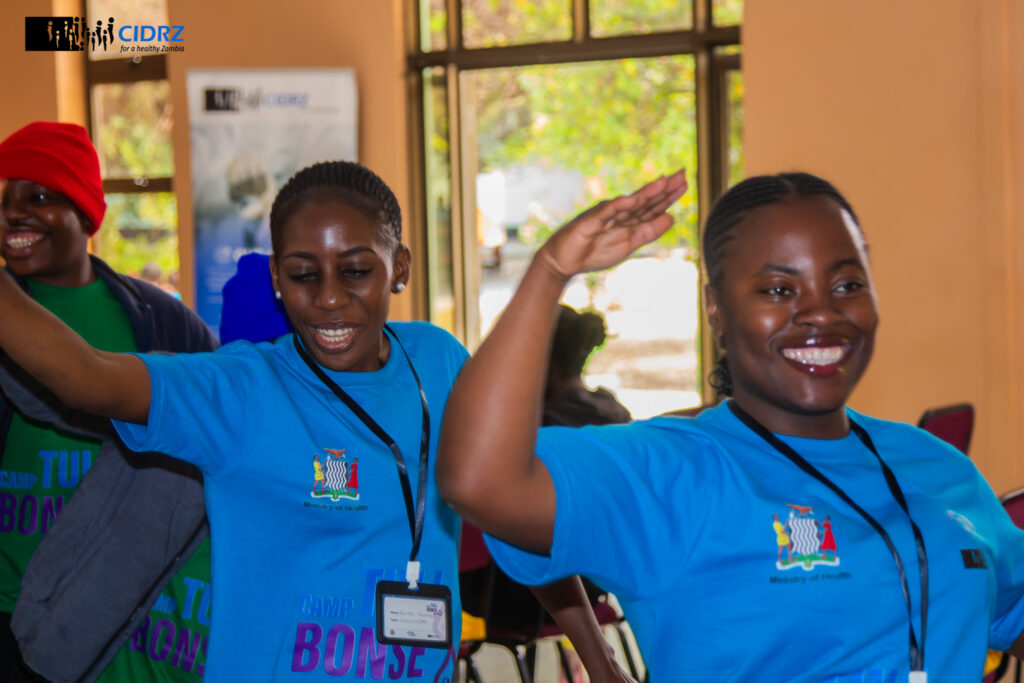
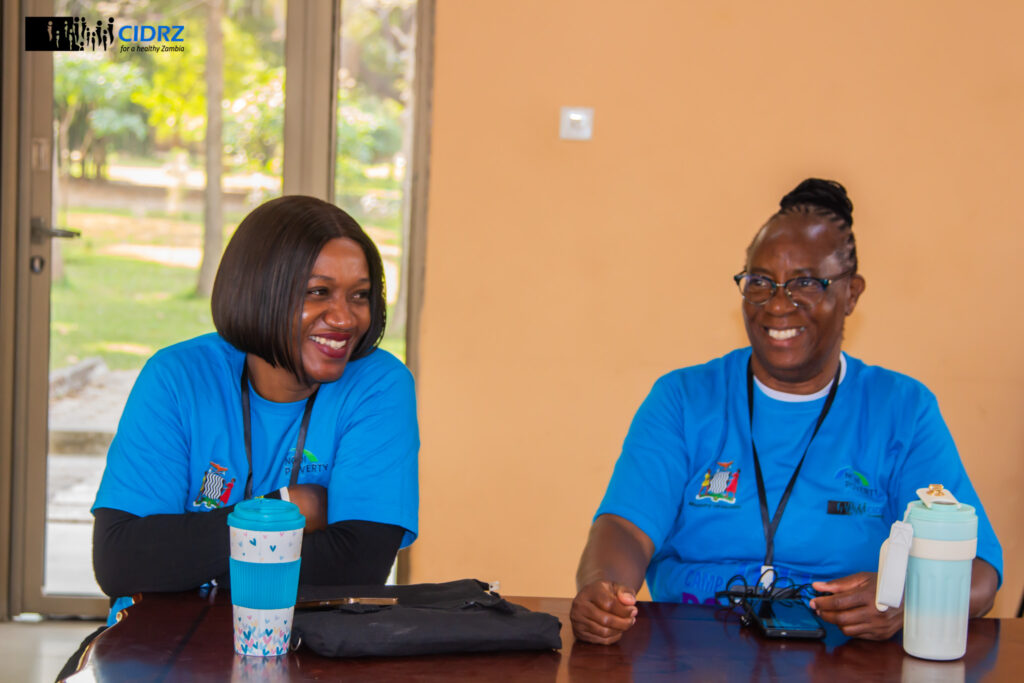
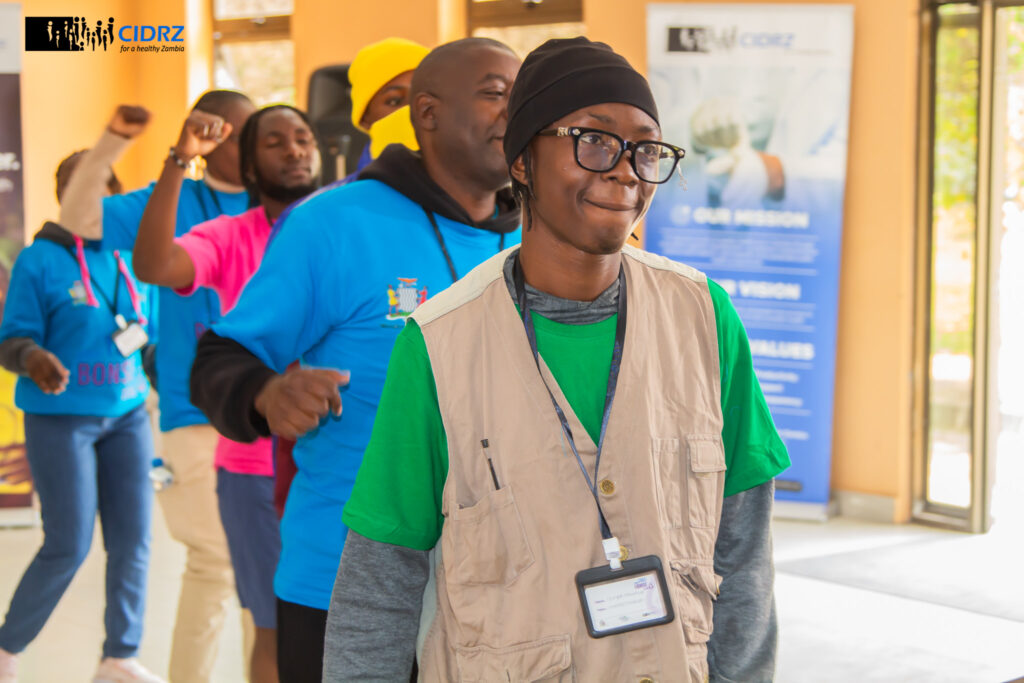
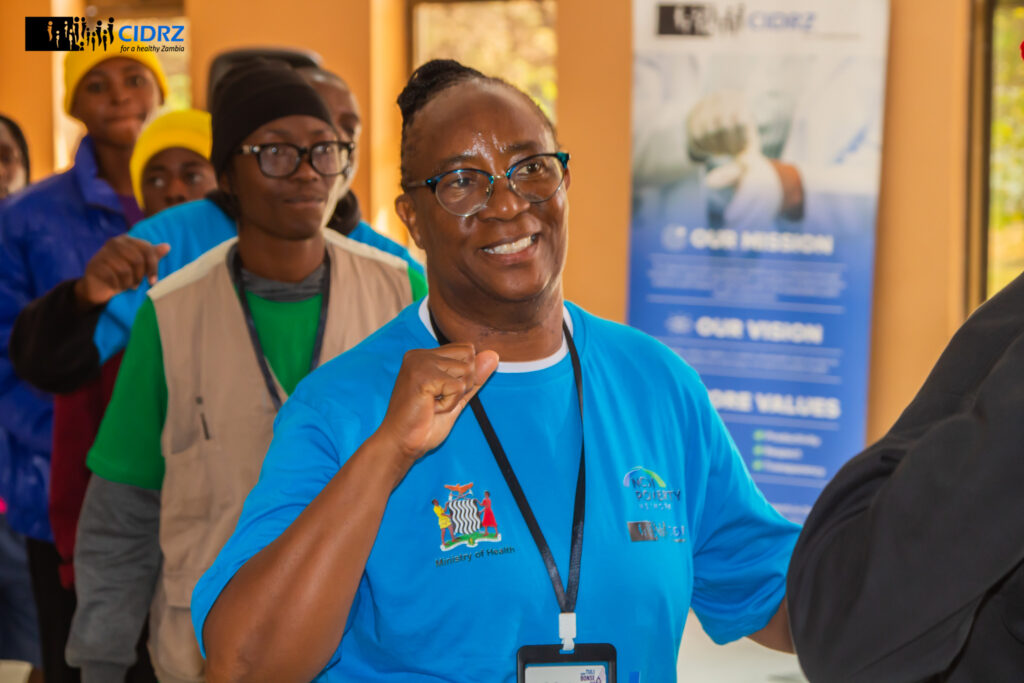
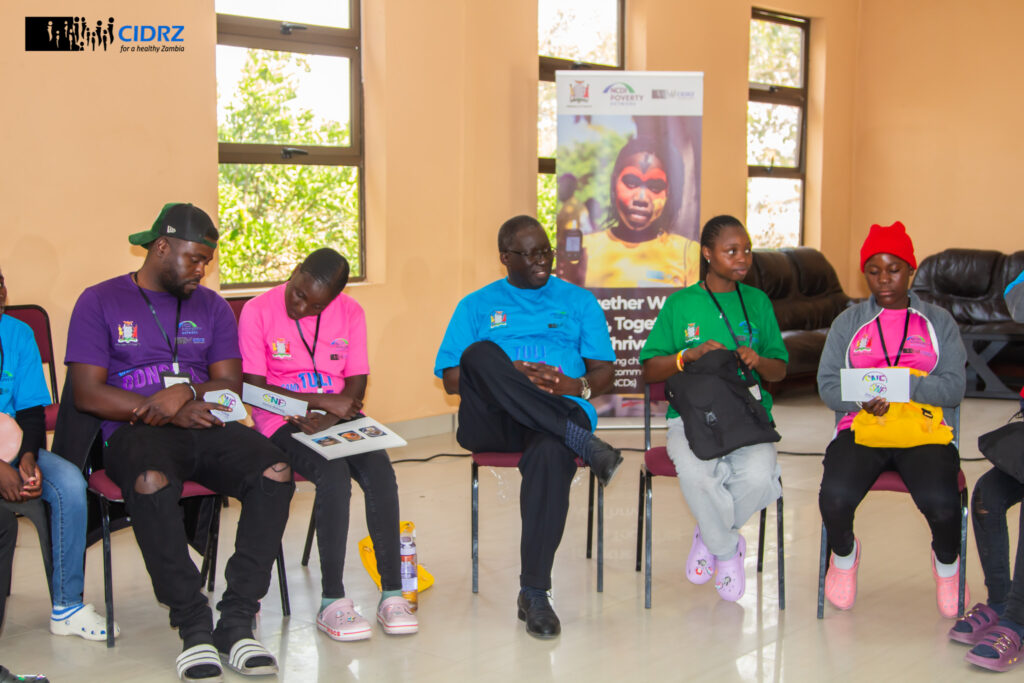
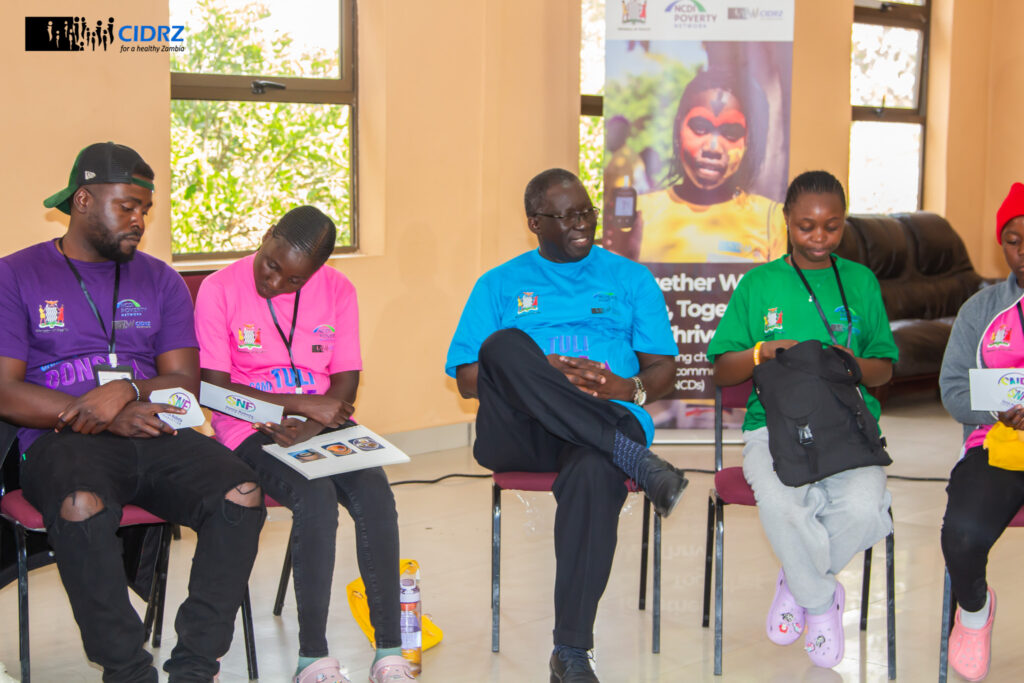
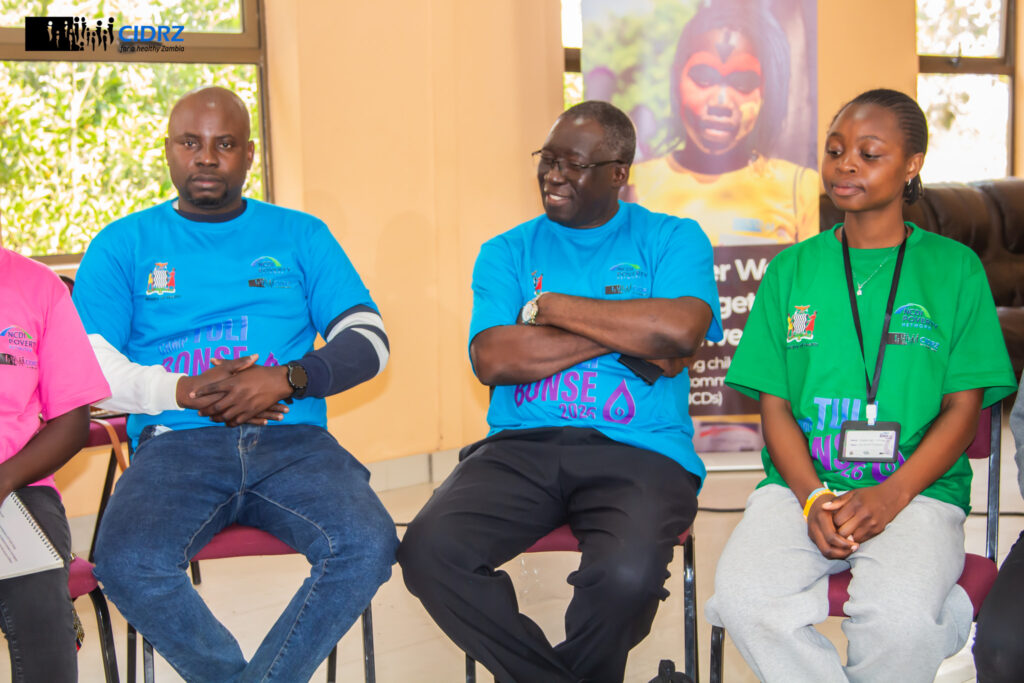
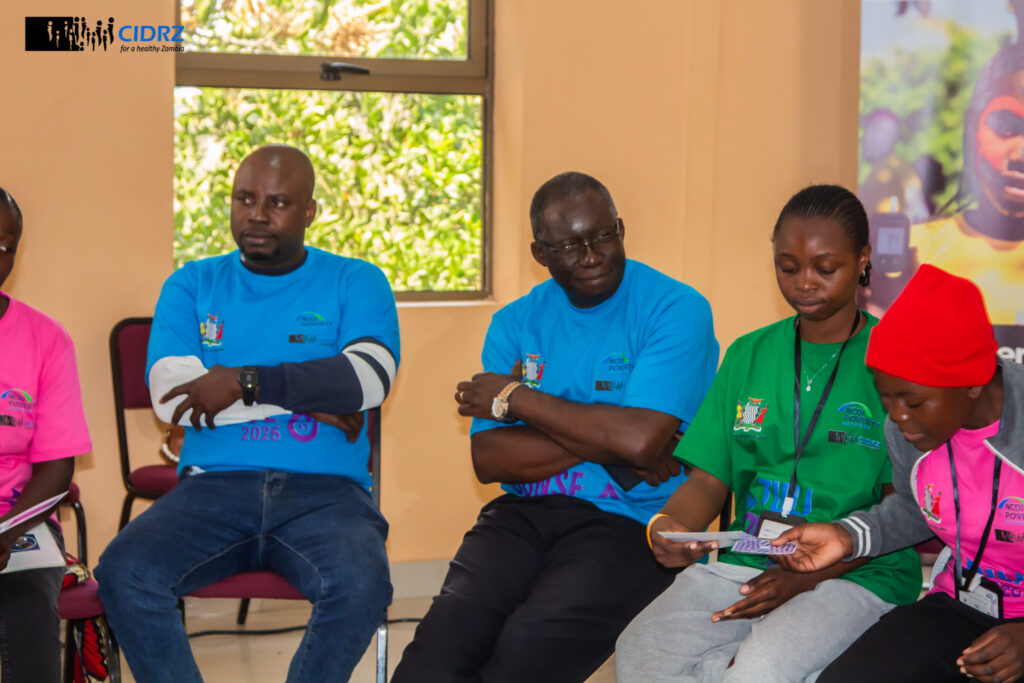
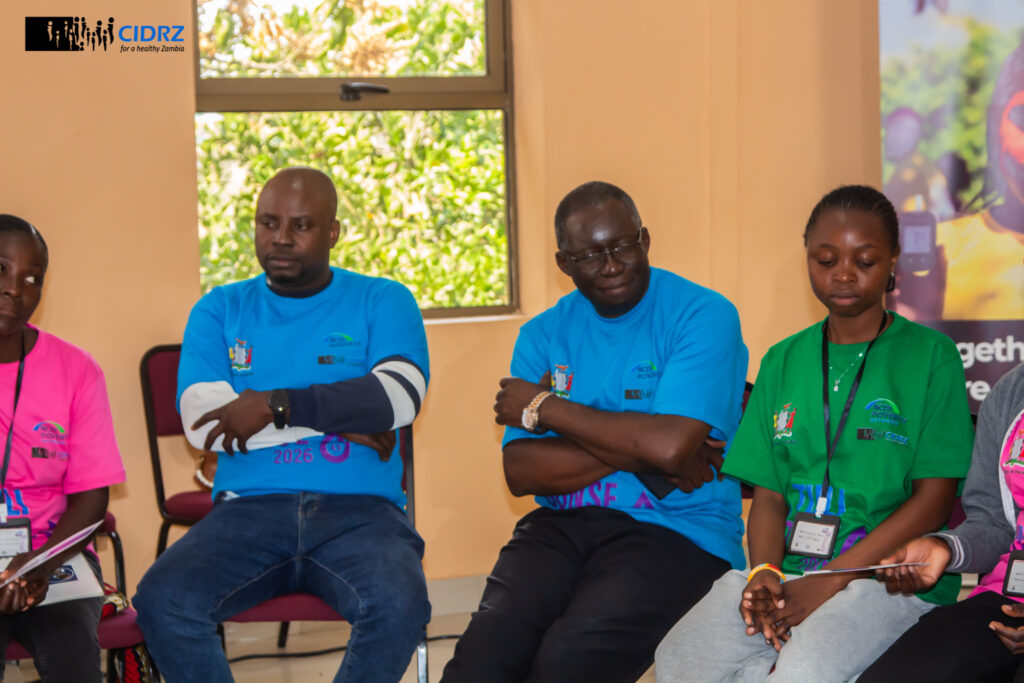
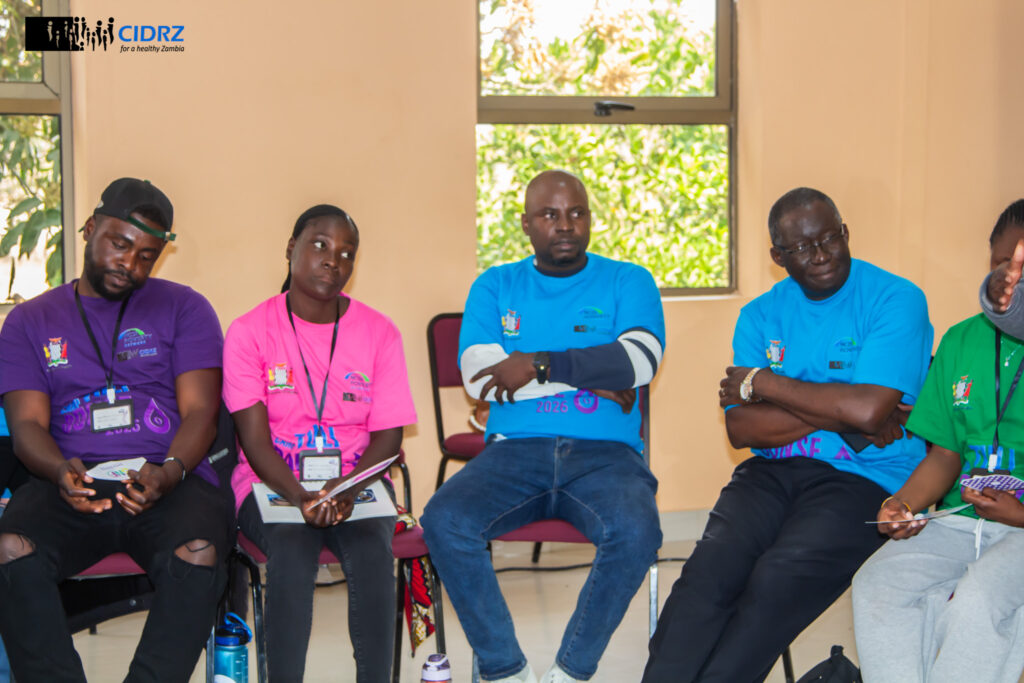
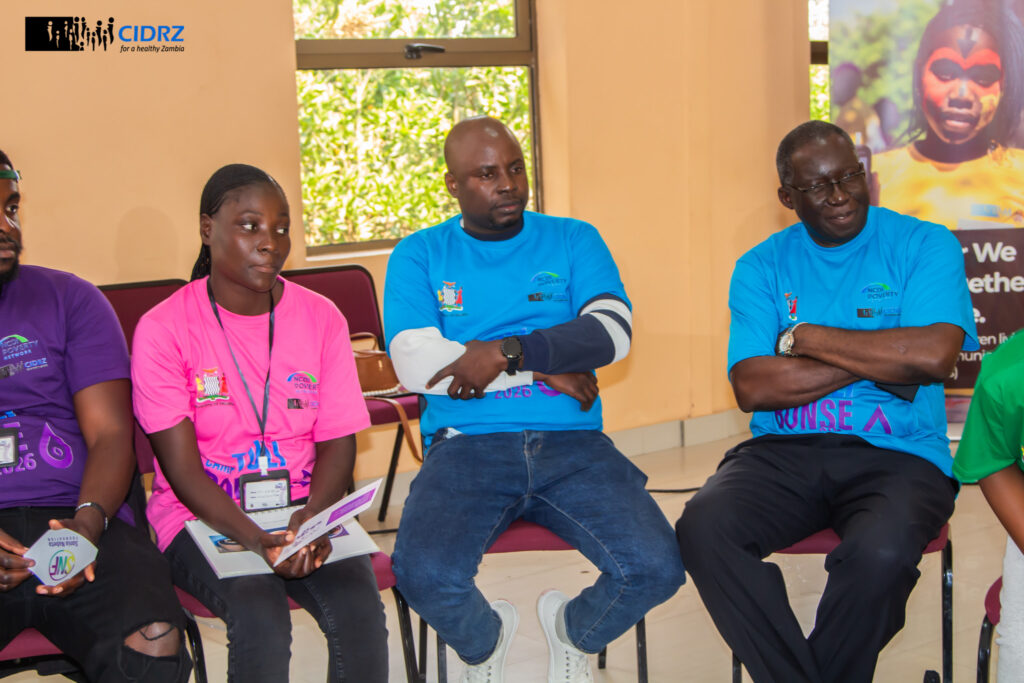
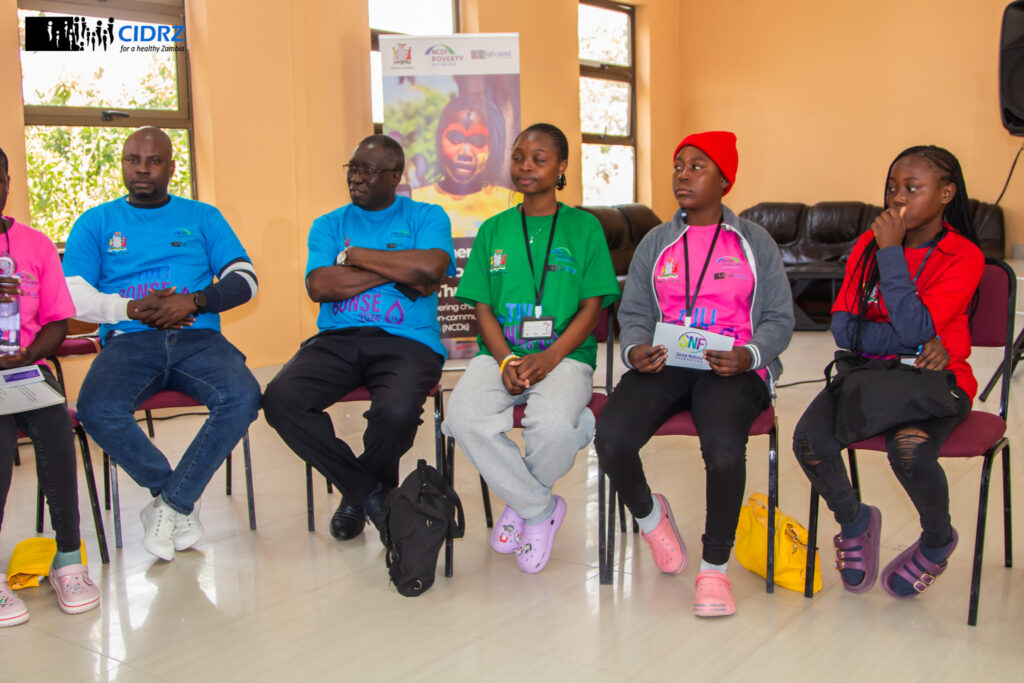
For some young people living with Type 1 Diabetes and Sickle Cell Disease, the journey can feel lonely. But at Camp Tuli Bonse, they are discovering something powerful,they are not alone.
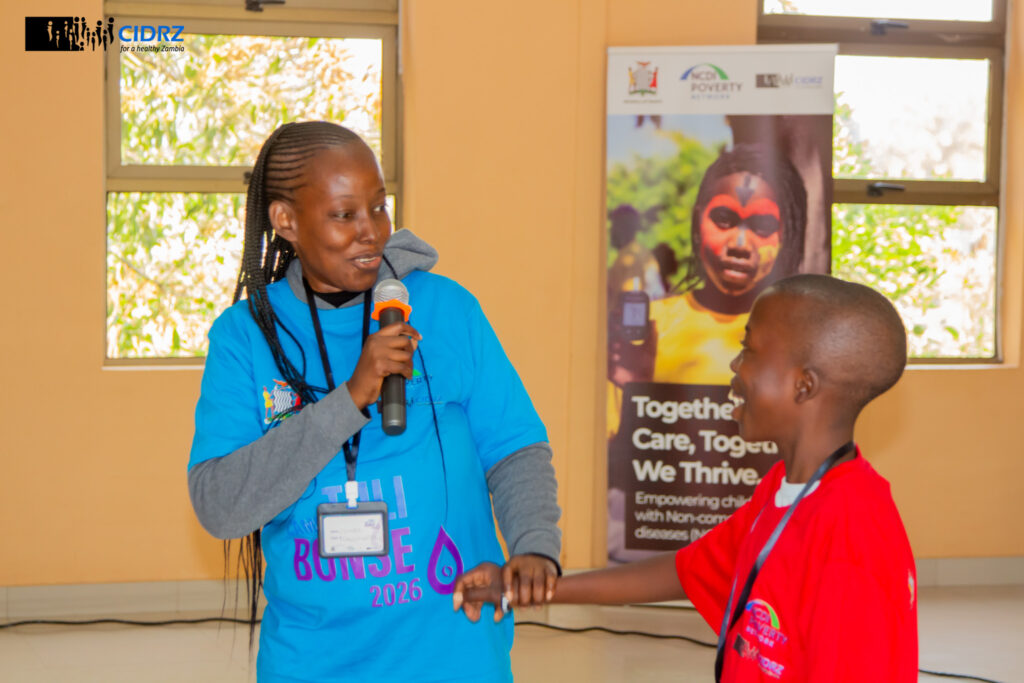
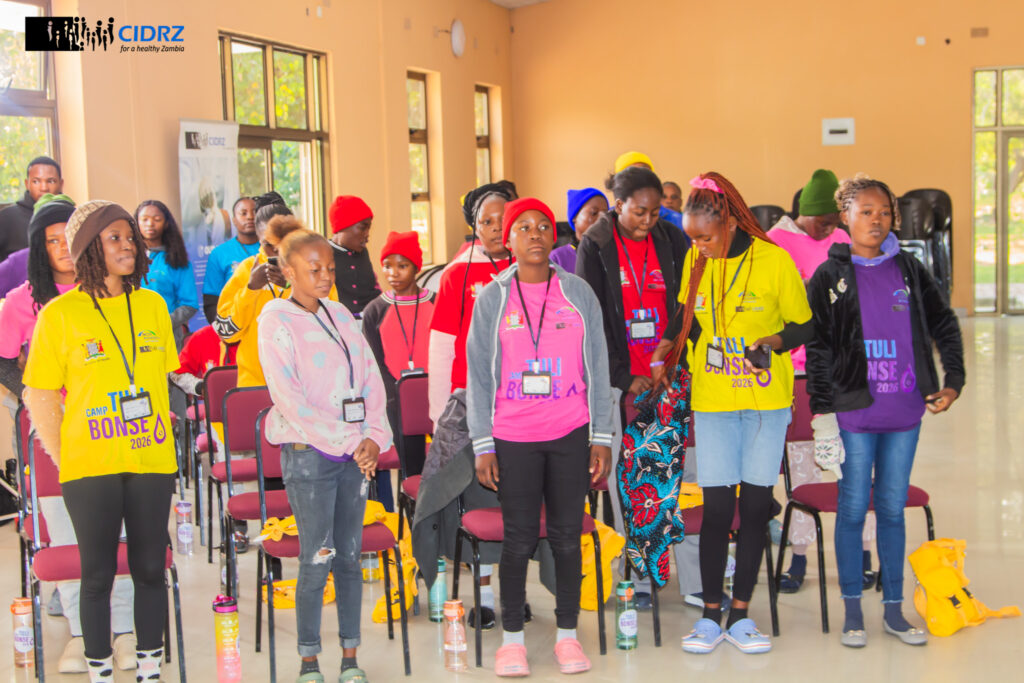
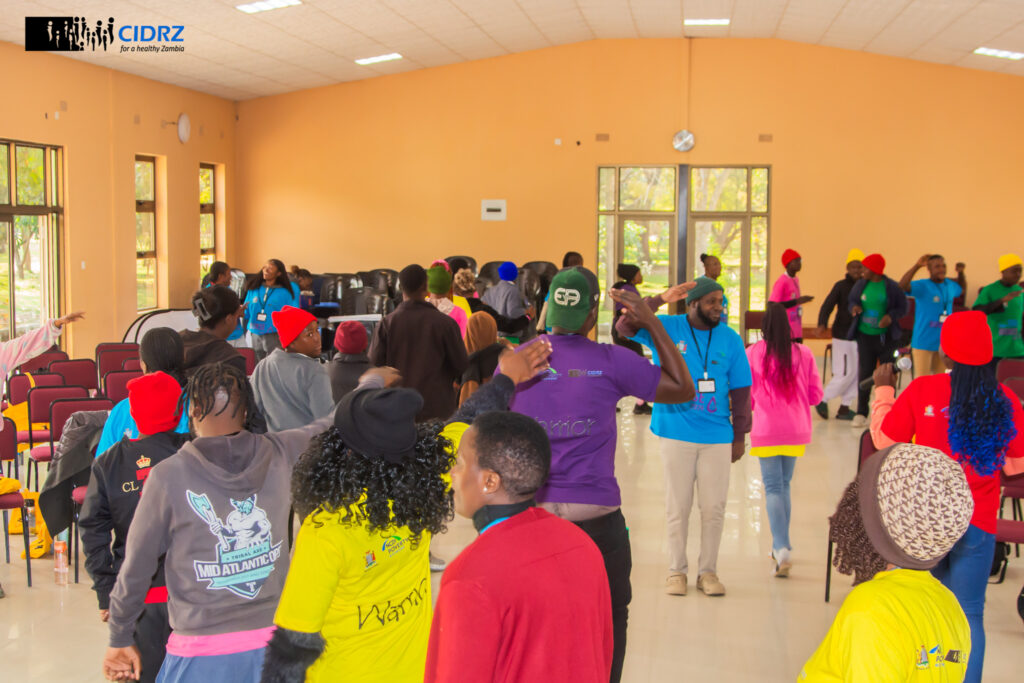
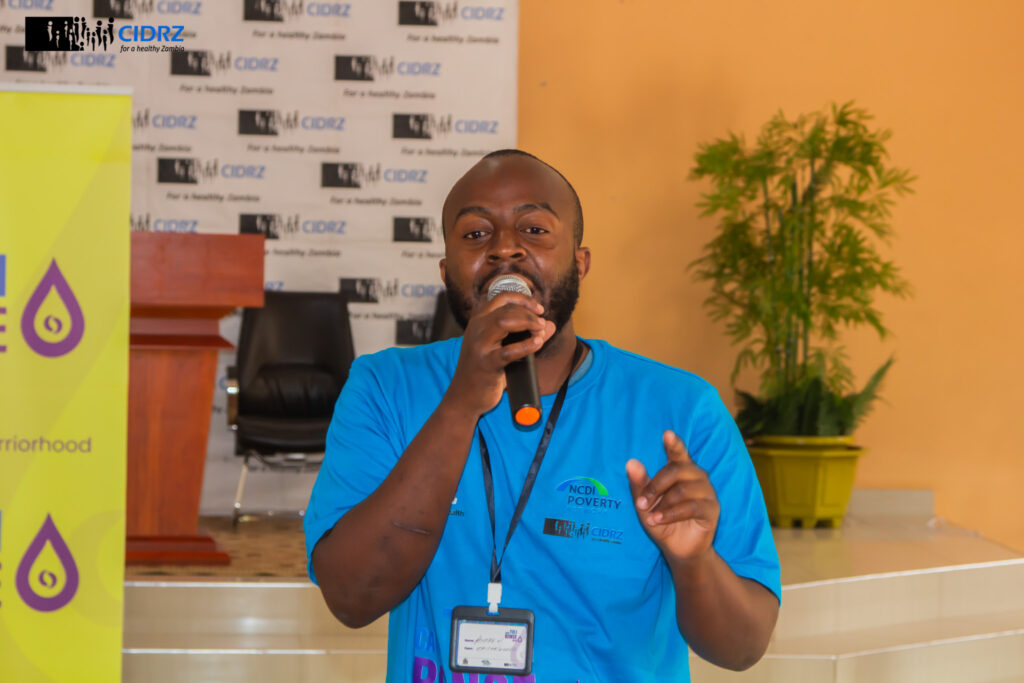
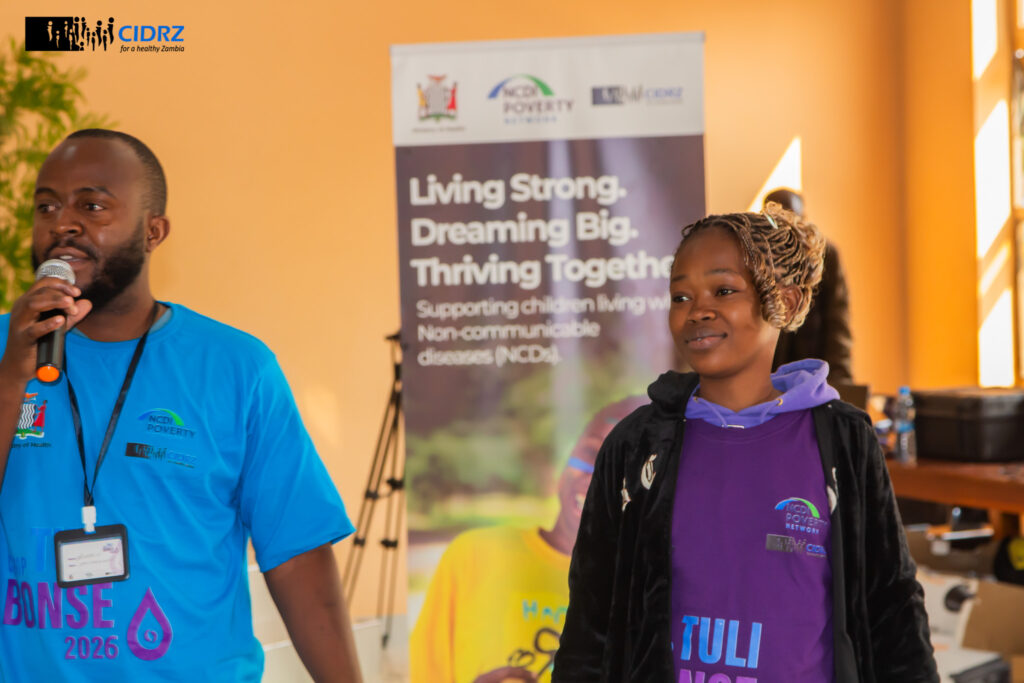
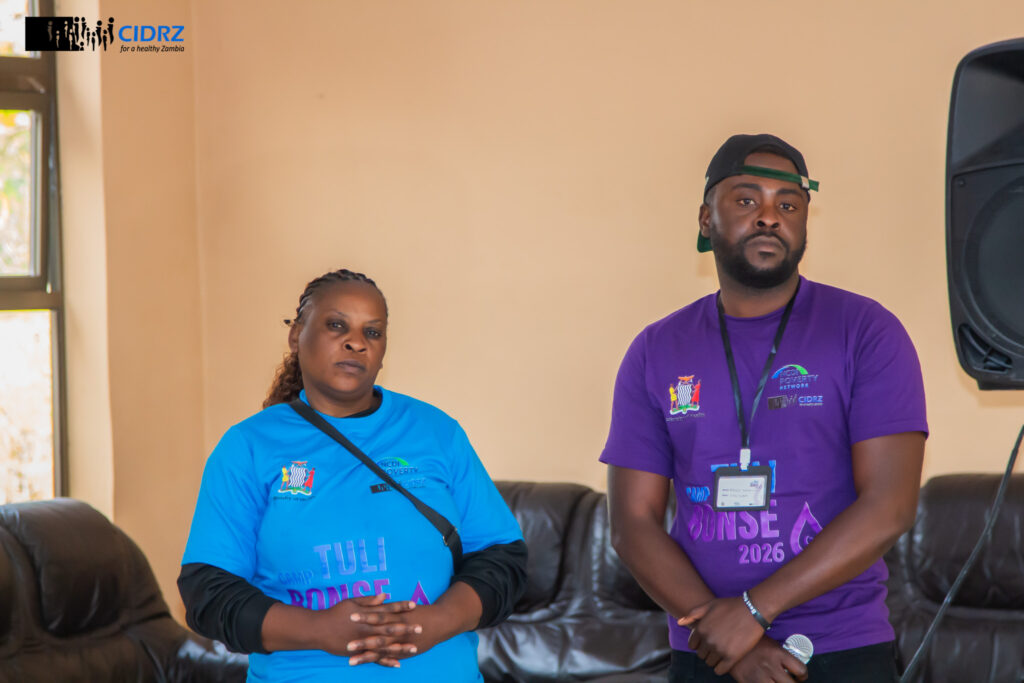
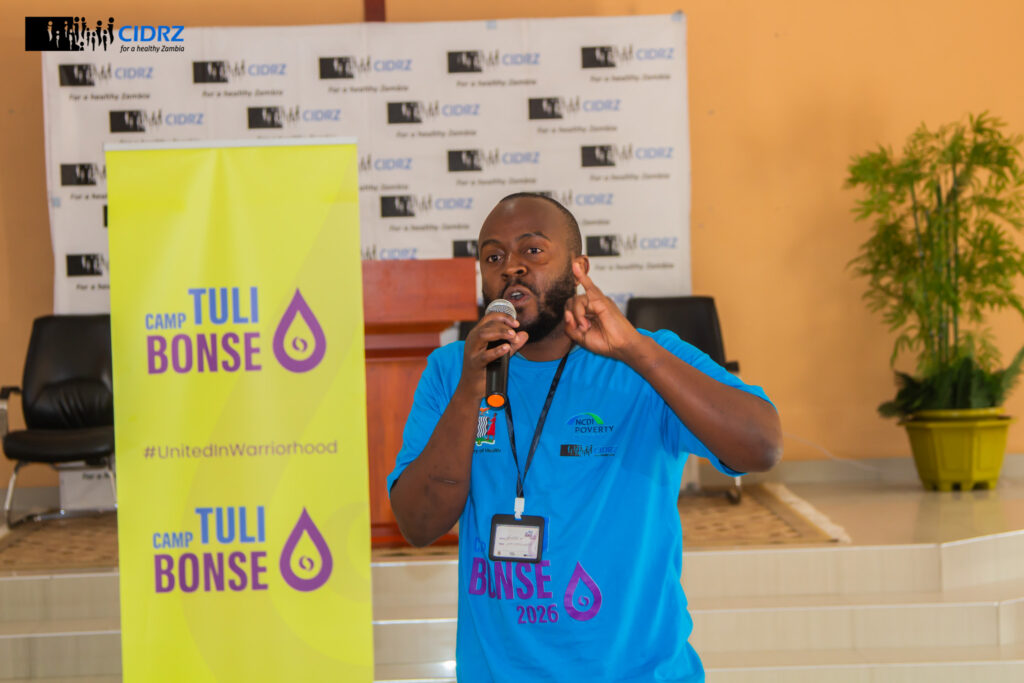
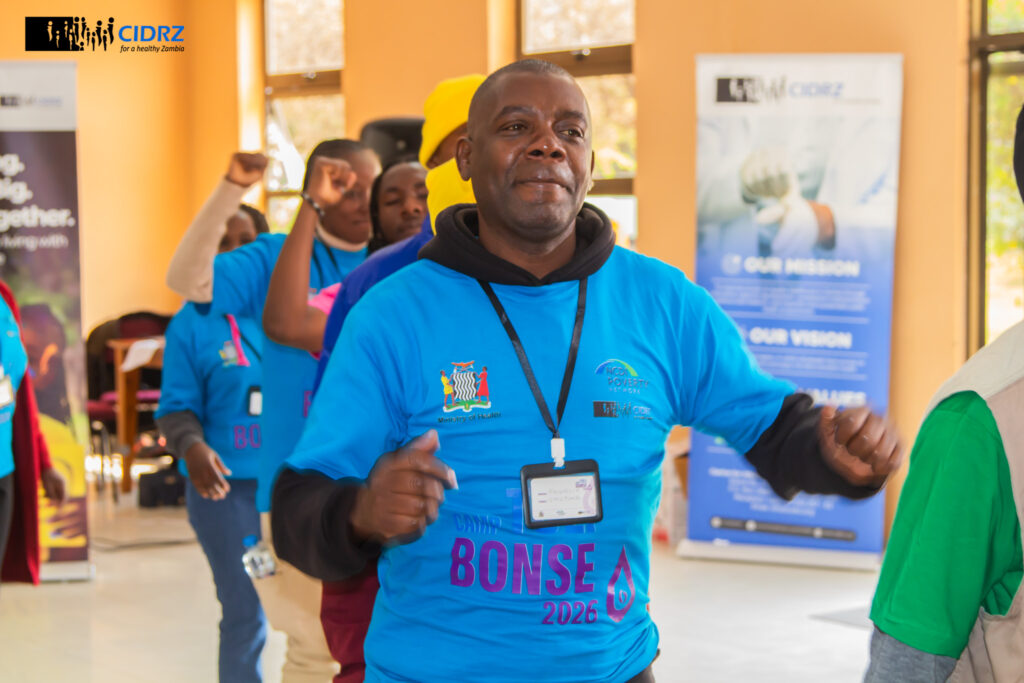
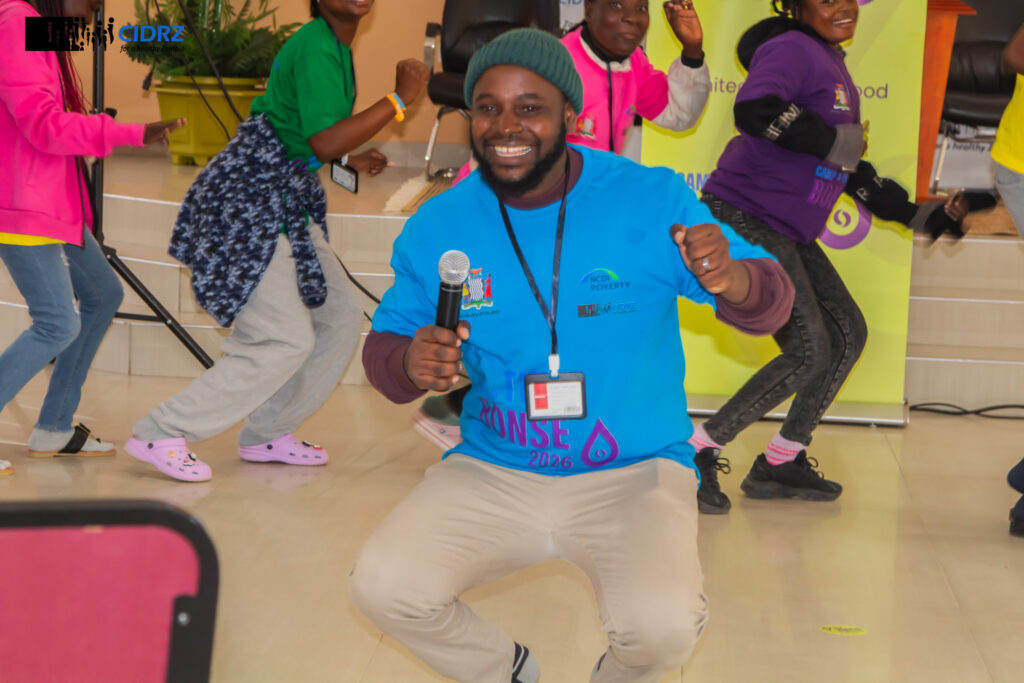
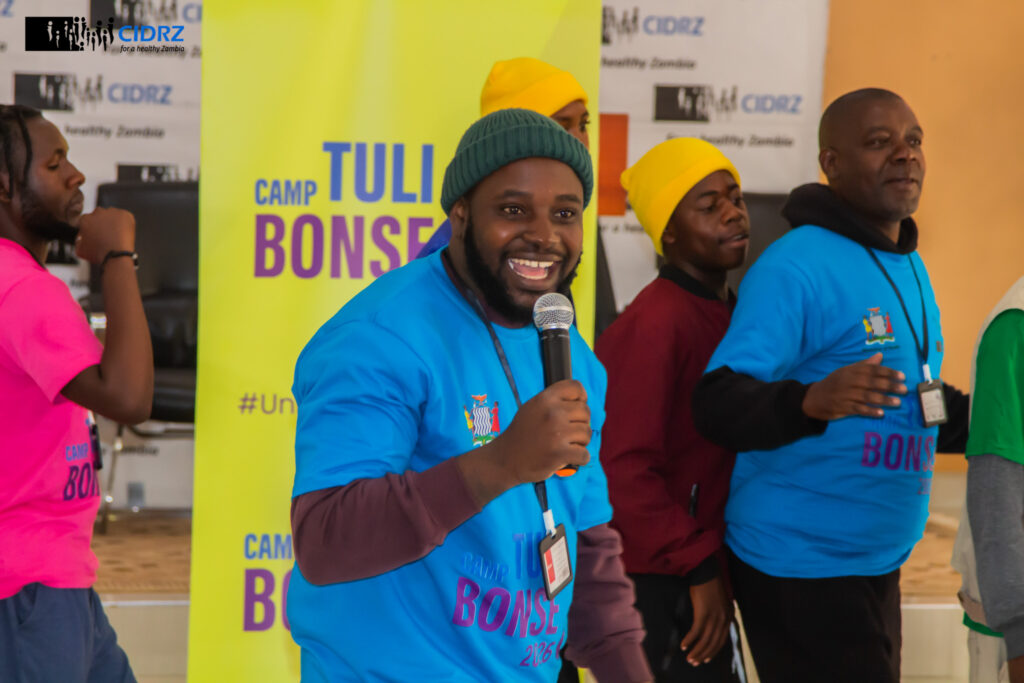
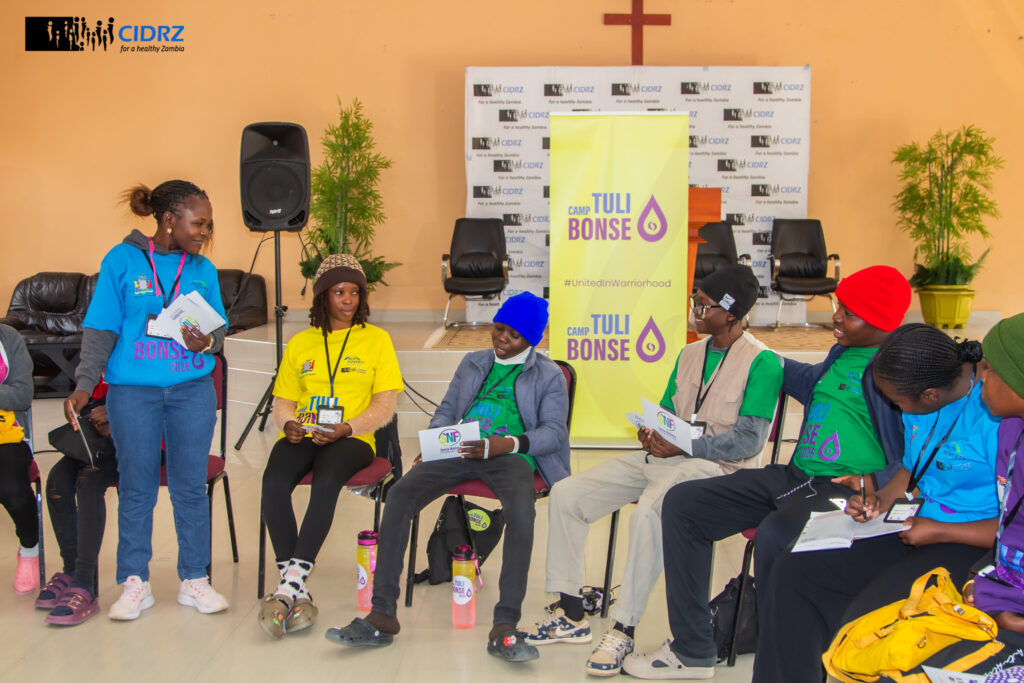
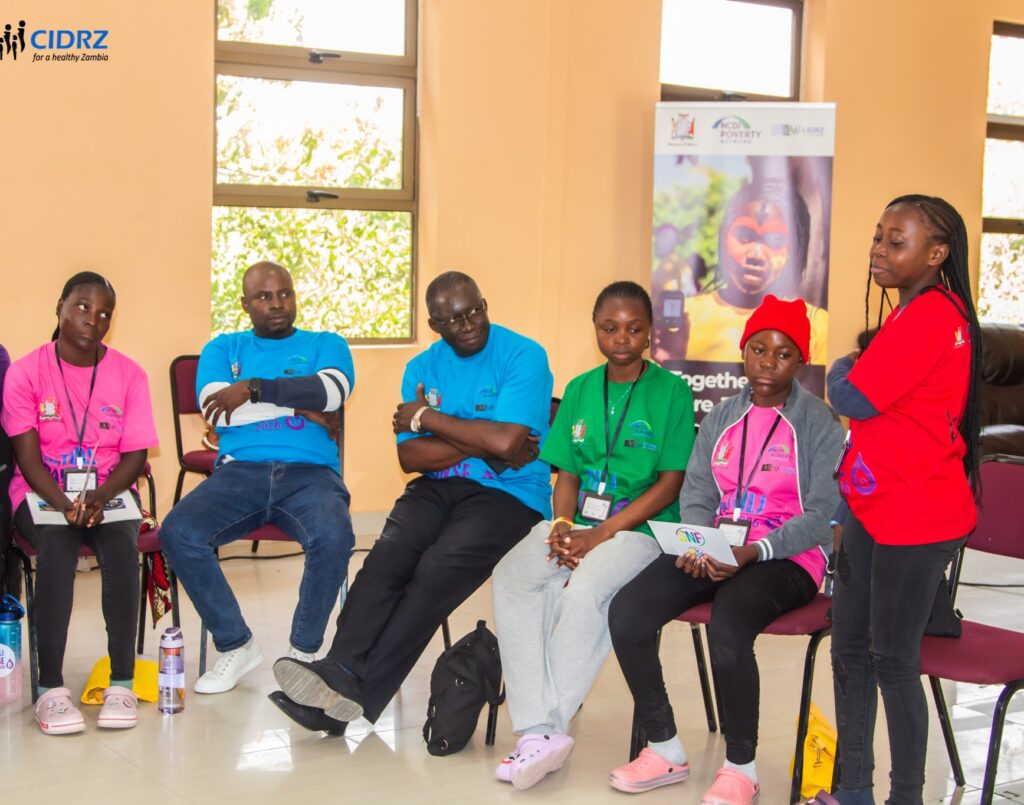
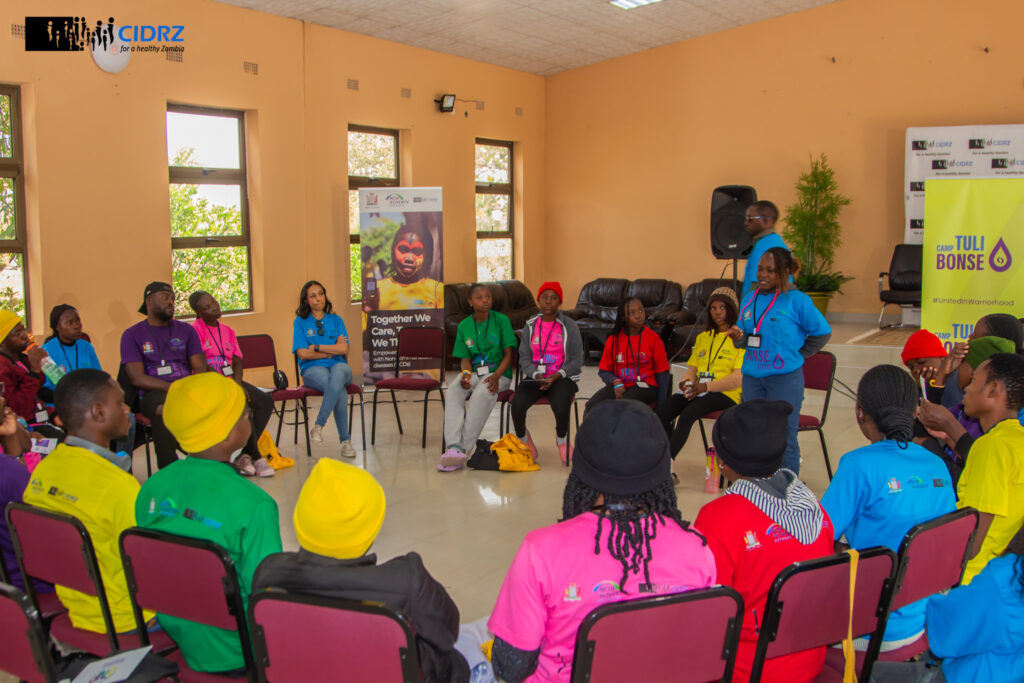
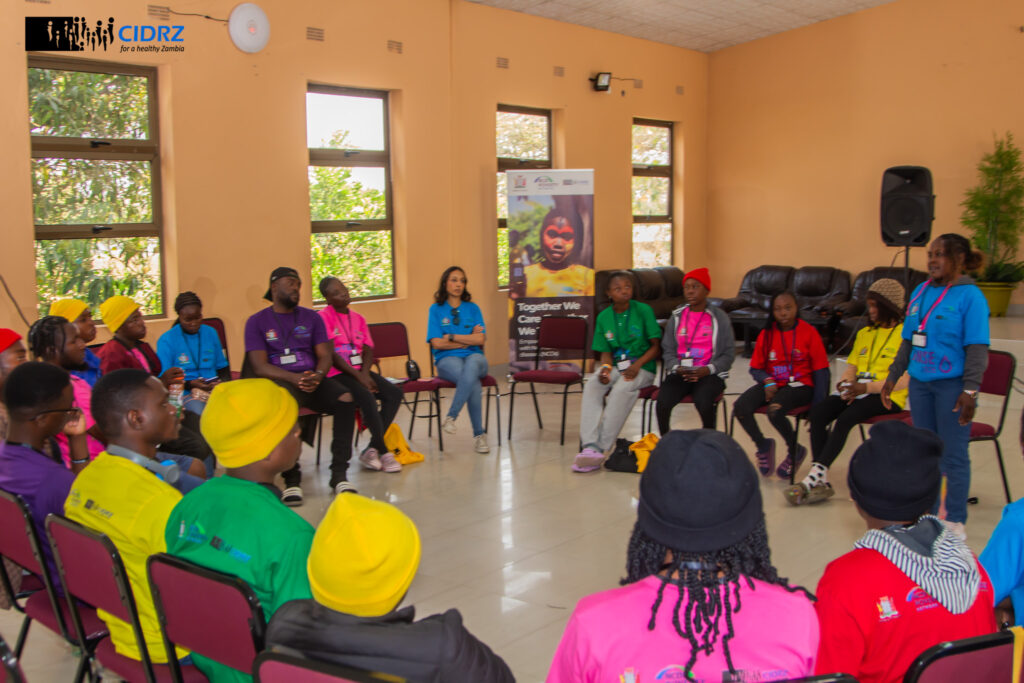
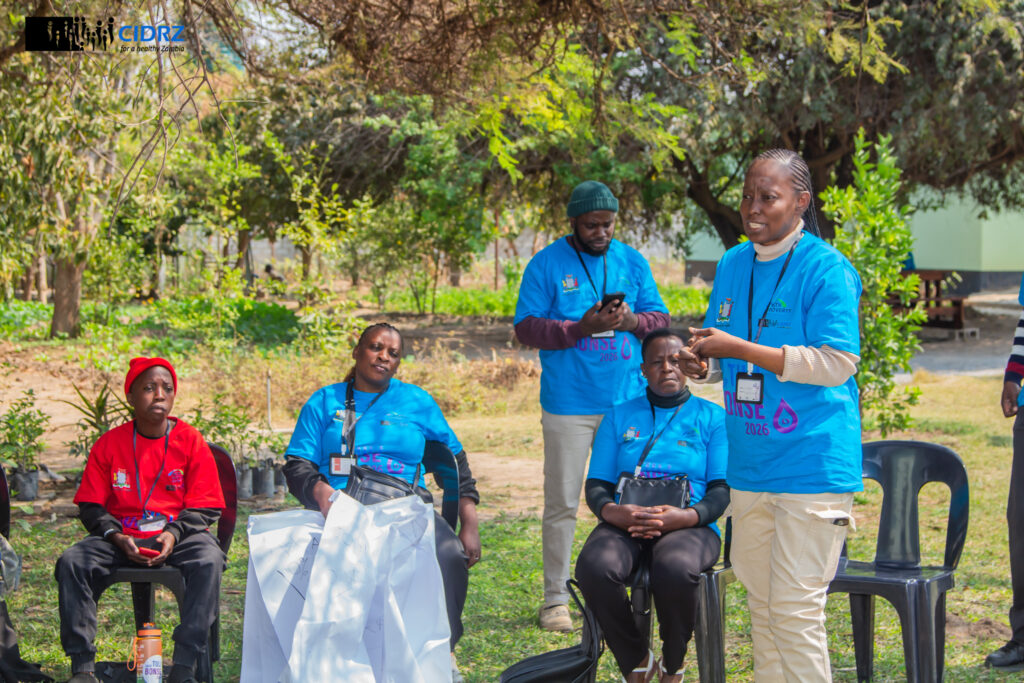
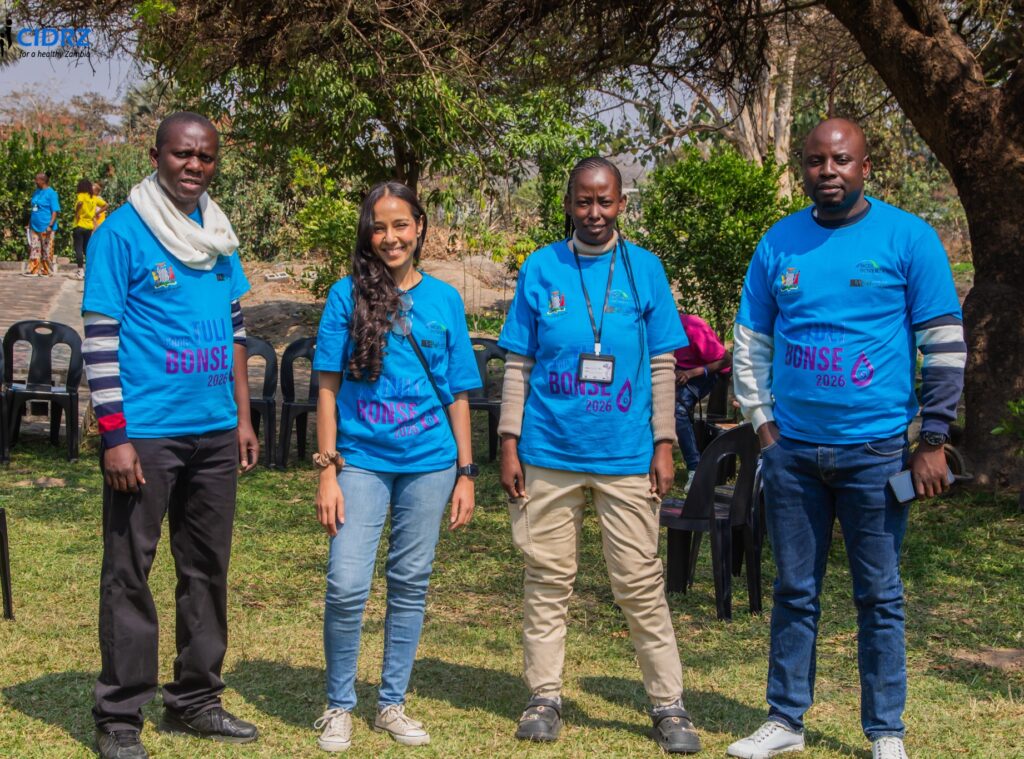
Now in its third year, Camp Tuli Bonse brings young people together to learn, share experiences, build friendships, and support one another.
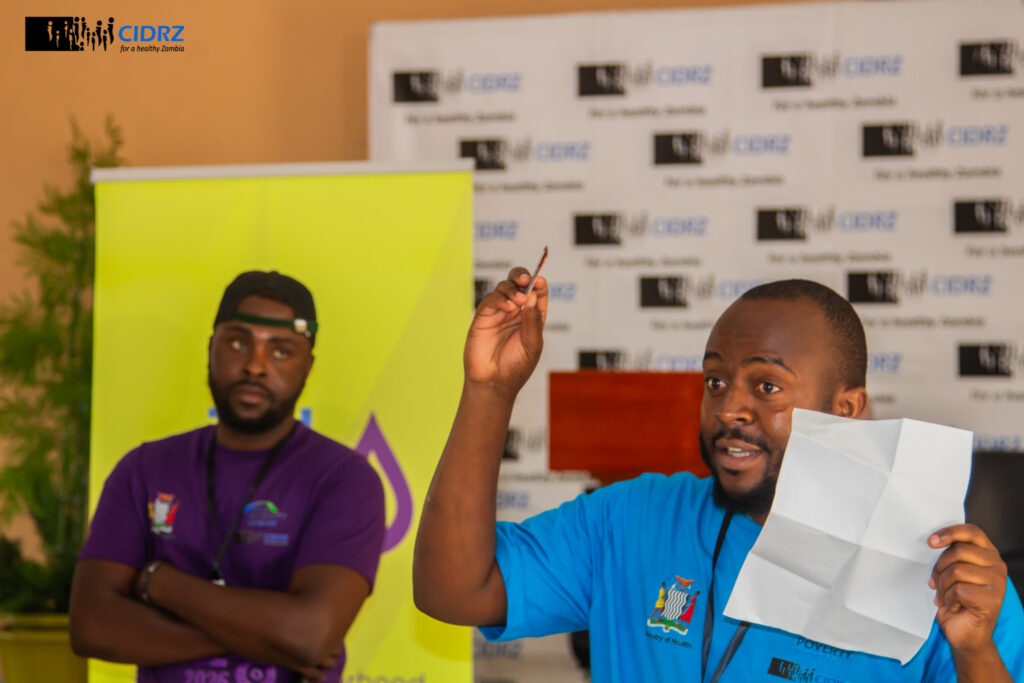
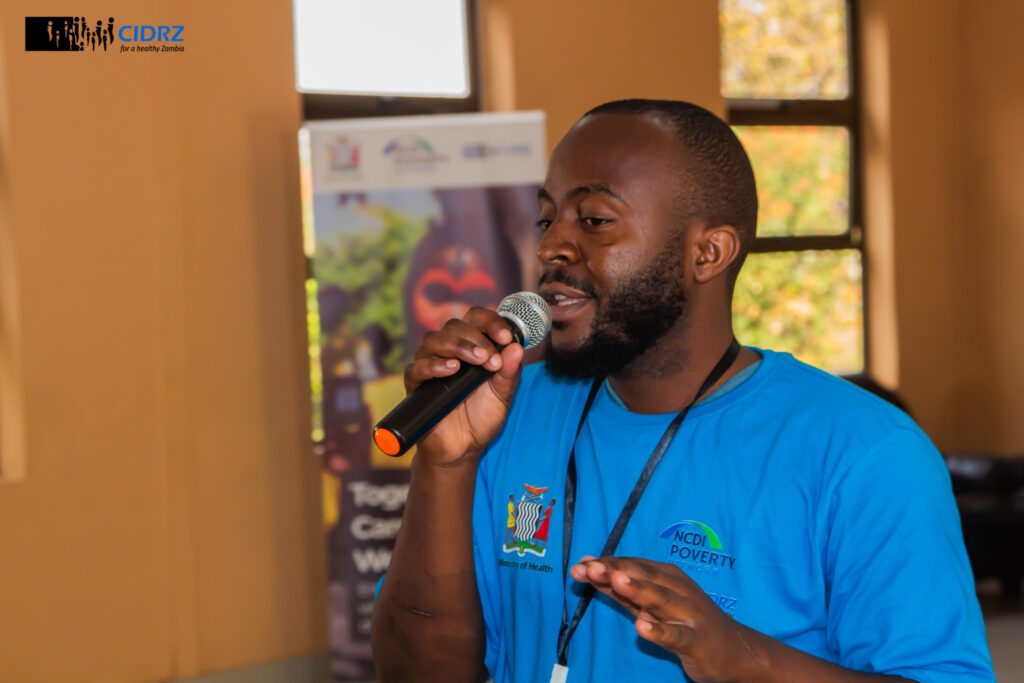
Professor Fastone Goma, Principal Investigator for the CIDRZ PEN-Plus initiative, notes that bringing both groups together has made the camp more meaningful. Beyond learning about their conditions, participants are finding common ground in their experiences.
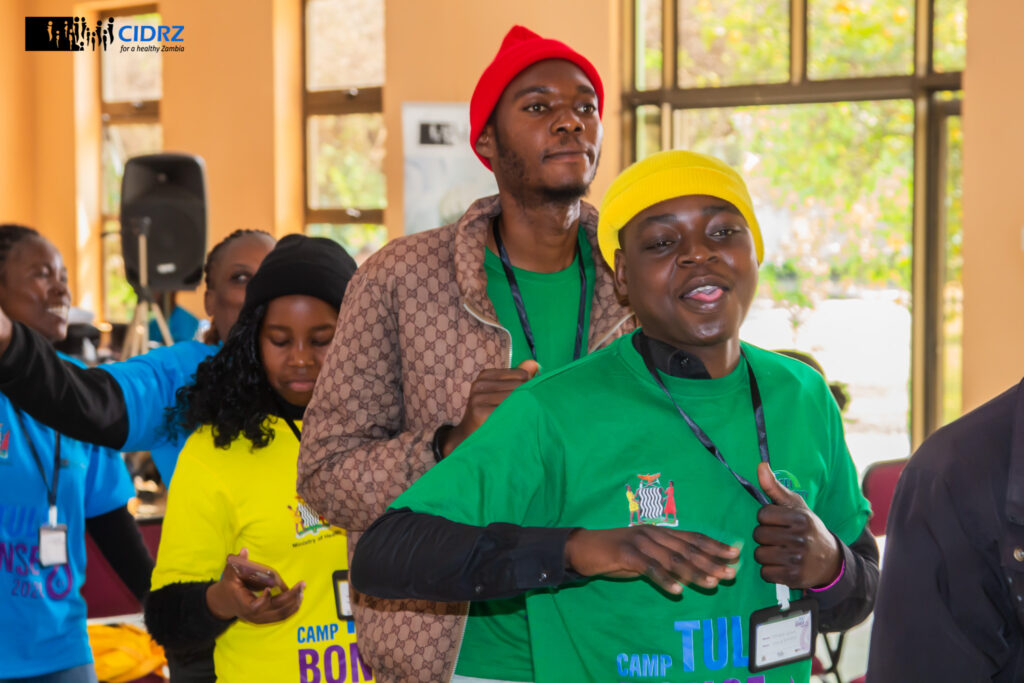
“Combining Type 1 Diabetes and Sickle Cell Disease has been great because the warriors are able to interact and share their experiences. They realise that although they have different conditions, there are many experiences that they share.”
According to Professor Goma, these interactions help young people learn from each other, build confidence, and realise they do not have to navigate their journey alone.
Three years on, Tuli Bonse is proving that sometimes, the greatest strength comes from finding people who simply understand.
That sense of connection is also reflected in the way the camp approaches health and wellbeing. Dr Balvin Mulenga, public health specialist and medical mentor for the PEN-Plus programme, says the interactive lessons continue to emphasise confronting and overcoming self-stigma, an important step in supporting the mental well-being of the warriors.
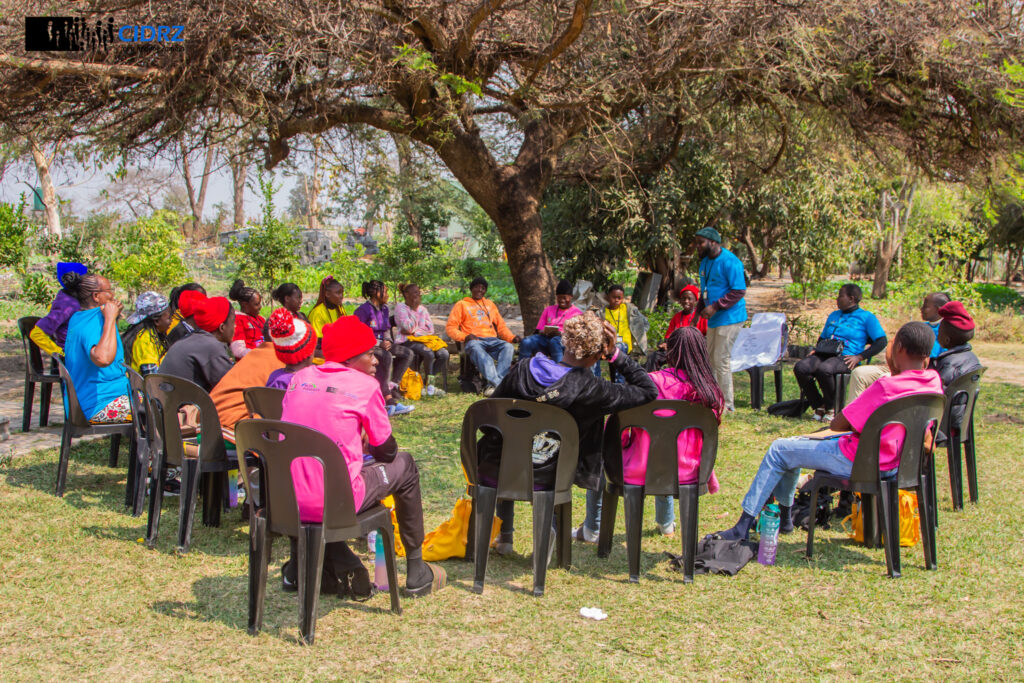
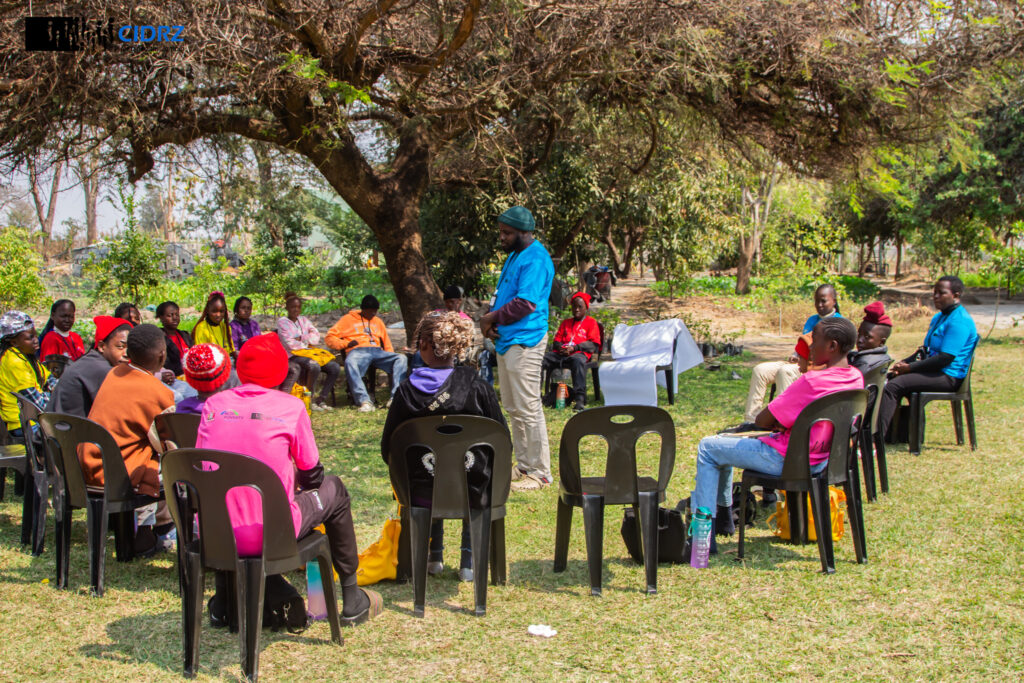
The camp provides an overview of both conditions, with breakout sessions tailored to specific health needs. For Type 1 Diabetes, sessions address insulin, hypoglycemia, hyperglycemia, and Diabetic Ketoacidosis. For Sickle Cell Disease, discussions focus on genetic counselling and developing independence in healthcare management.
Learning at the camp extends beyond medical information.
Through open conversations, the warriors are tackling issues that affect their everyday lives, including self-stigma, mental wellbeing, sexual and reproductive health, peer pressure, hygiene and making informed choices. Discussions also explore HIV, sexually transmitted infections and TB risk behaviours, alongside the dangers of alcohol, tobacco and drug abuse. Through art therapy and emotional release activities, participants are also given a safe space to express their feelings and experiences.
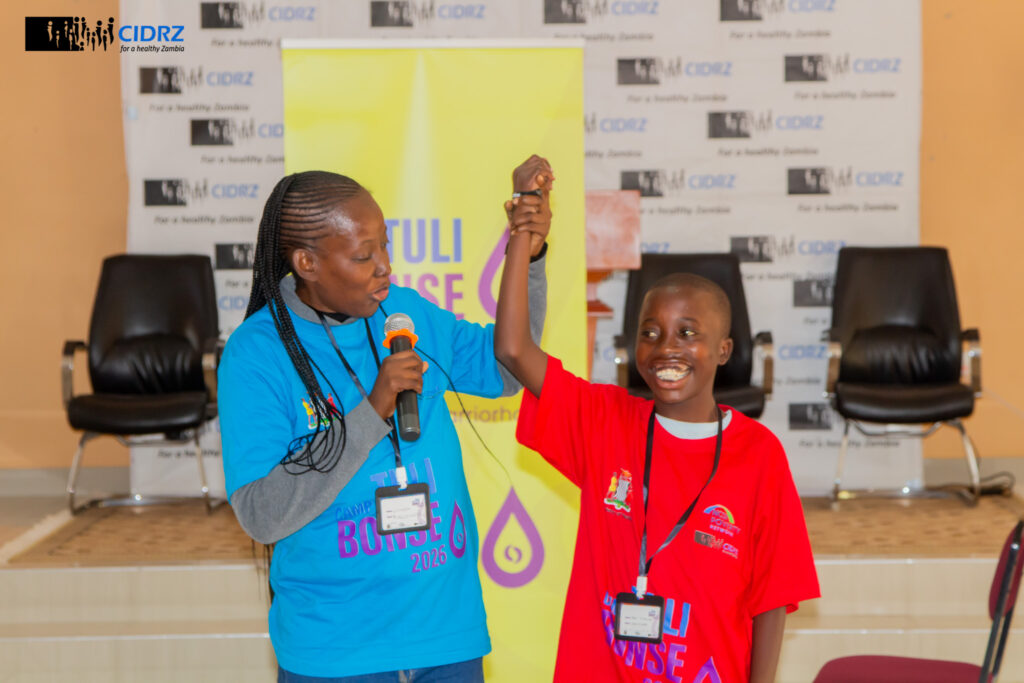
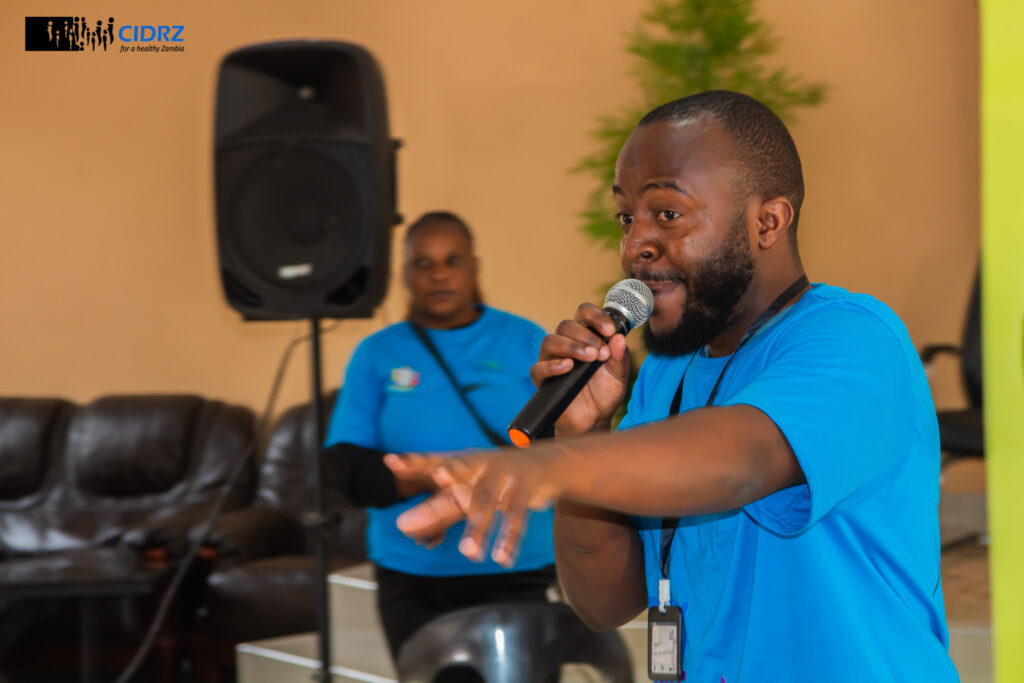
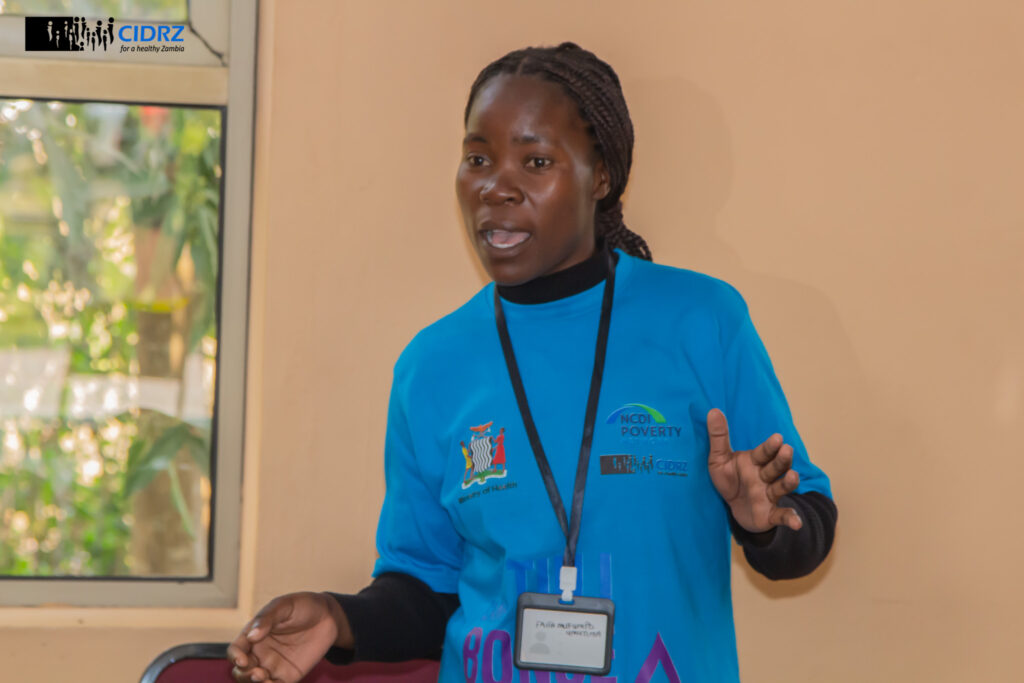
Programme Manager Bupe Sichalwe observes that the participants’ enthusiasm reflects the camp’s significance to them.
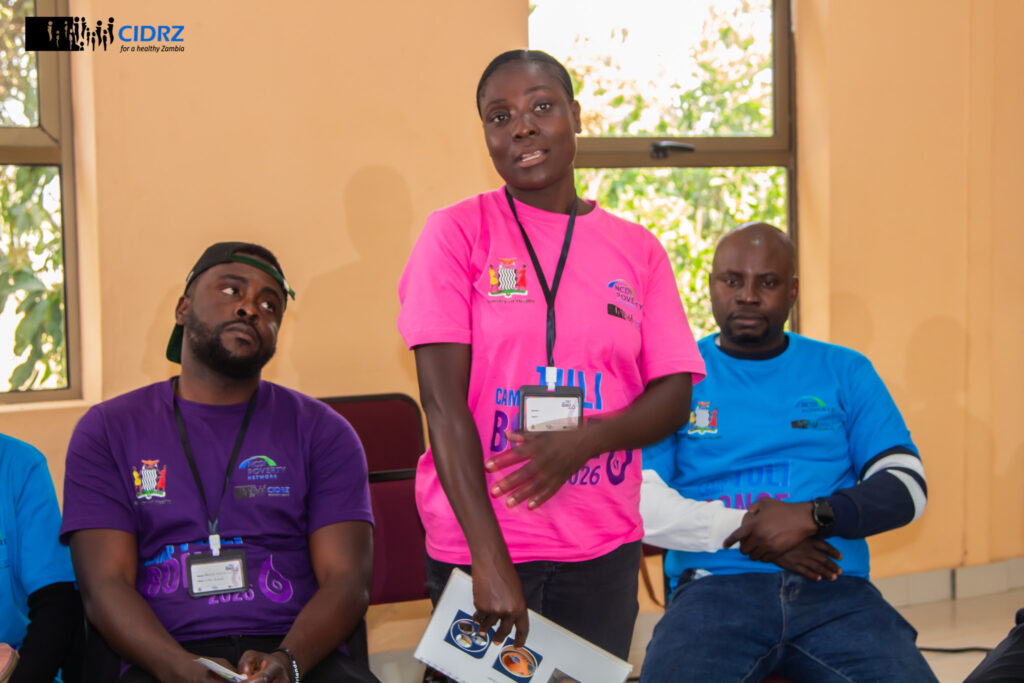
“This is the third time we are holding the camp, and the warriors are eager to learn, share what they know and interact with their friends,” she said.
Nancy Chombela, a Type 1 Diabetes participant from Lusaka, views each camp as an opportunity for personal growth.
“Every time I attend, I learn something new and improve my knowledge of how to manage my condition better,” she said.
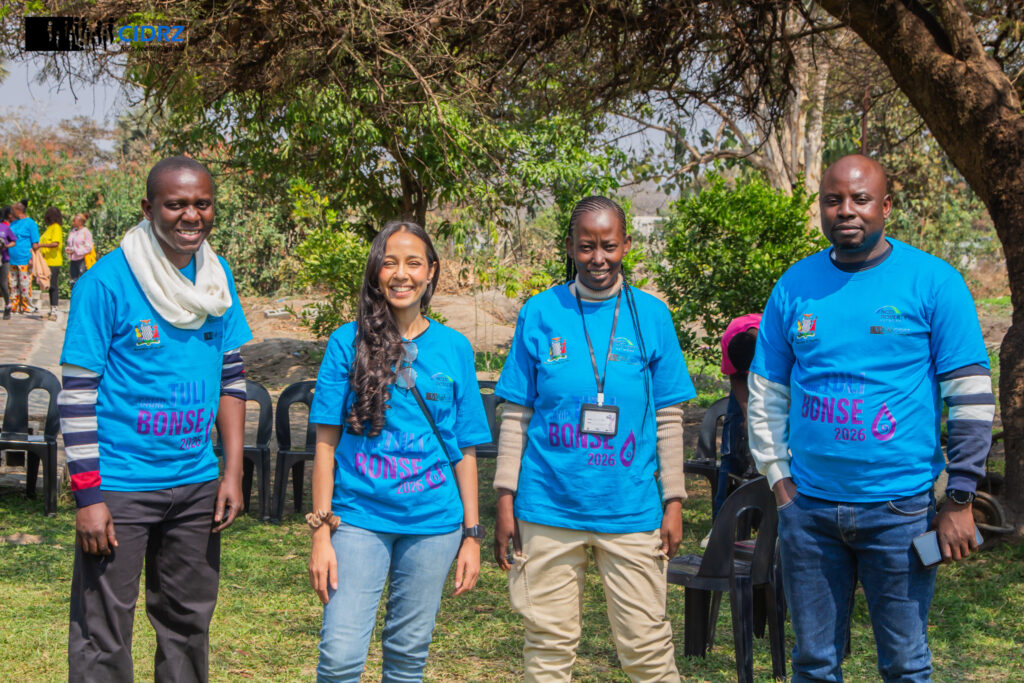
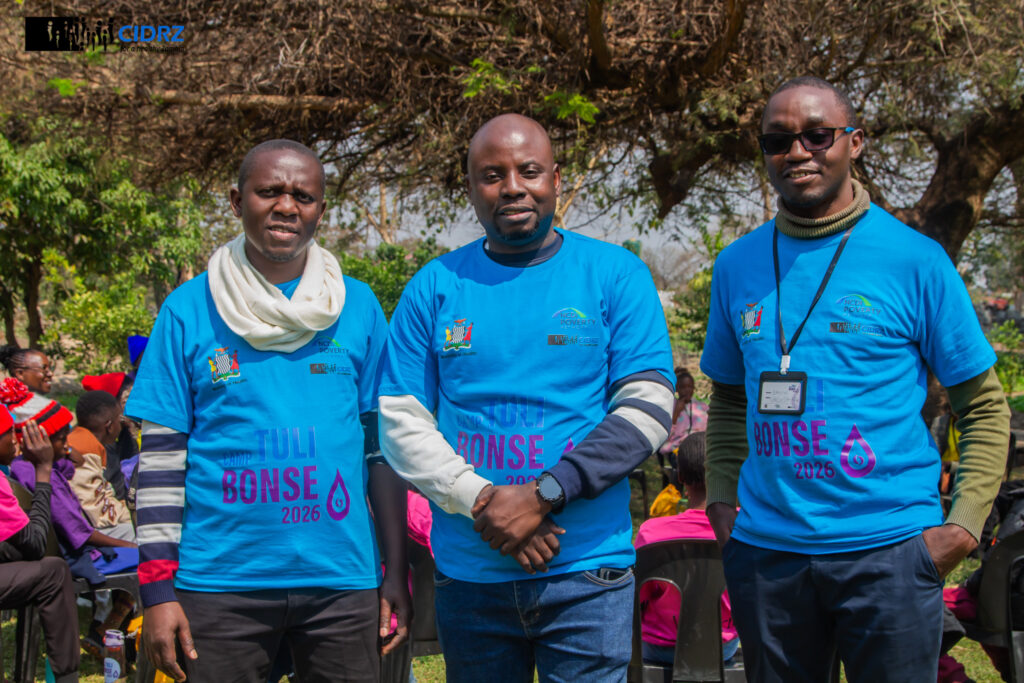
Dyness Matipula, a Sickle Cell Disease participant from Mwachisompola District Hospital, says returning for a second time has reinforced the value of learning together. She feels that the interactive sessions have empowered her to better understand her condition, and she expresses gratitude to CIDRZ and the NCDI Poverty Network for supporting the camp.
Ultimately, Camp Tuli Bonse is more than managing a health condition. It creates a community where young people can speak openly, learn from each other, build confidence, and find reassurance in shared experiences.
For these participants, the most important lesson is simple. They are not alone.