Bringing TB screening closer to where people live, work and socialise

Finding Strength in Each Other: The Story of Camp Tuli Bonse
August 10, 2026
At Camp Tuli Bonse, When Words Fall Short, Art Speaks
August 15, 2026
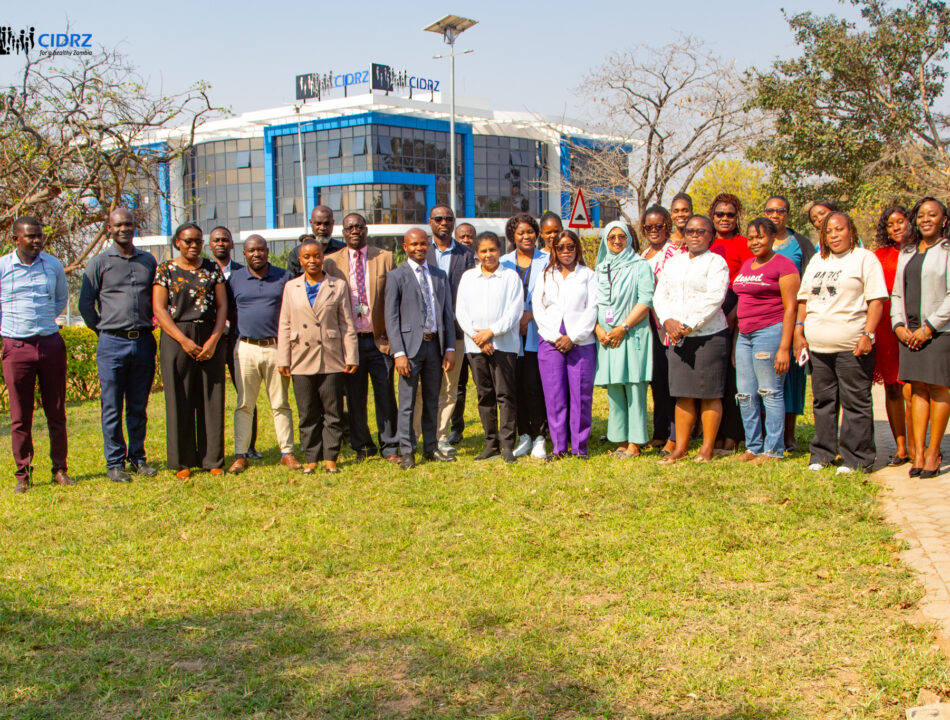
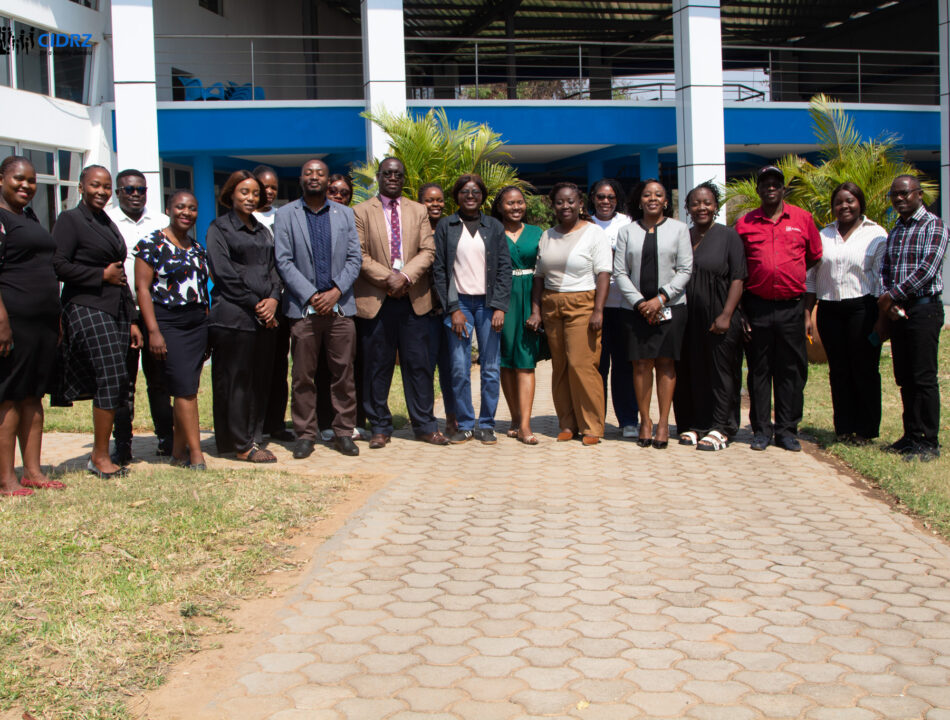
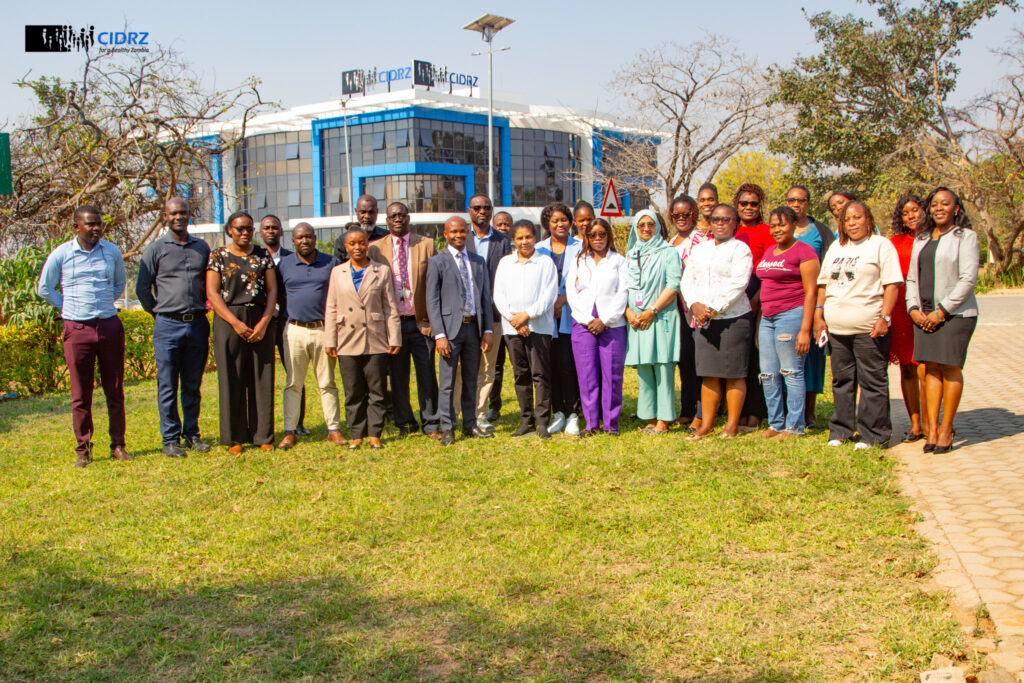
CIDRZ is working alongside the Ministry of Health to strengthen TB detection and treatment in Zambia by bringing services closer to communities and populations at higher risk. From health facilities to communities, we are supporting innovative approaches to detect TB earlier and link people to timely treatment for one of the world’s most serious infectious diseases.
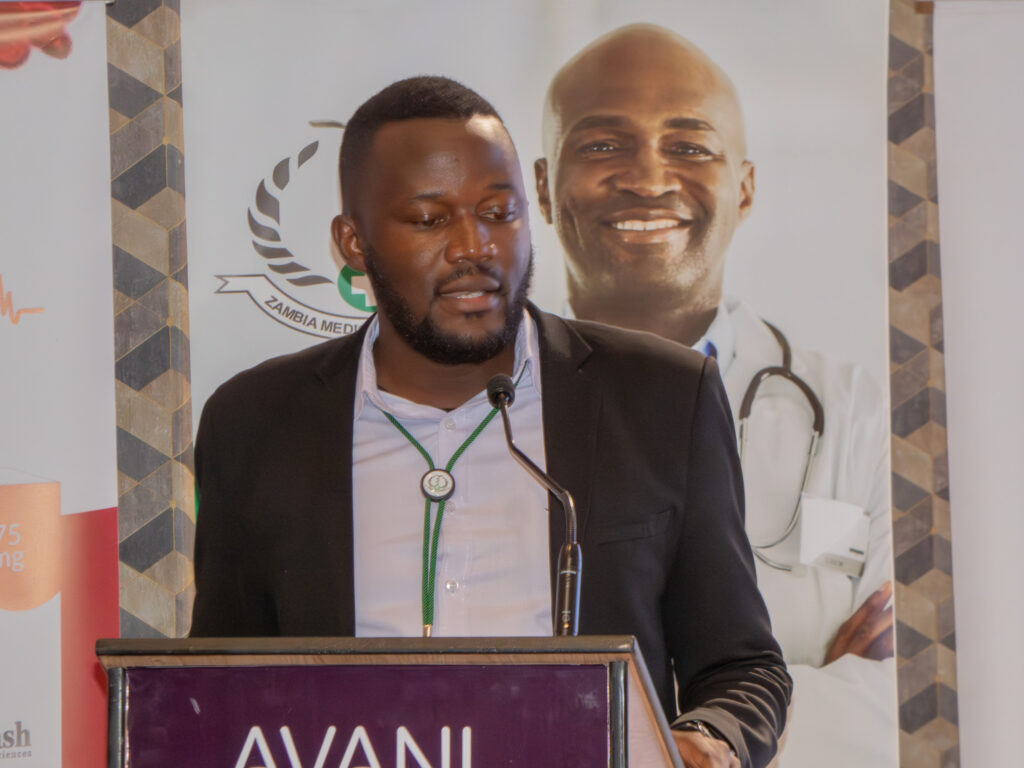
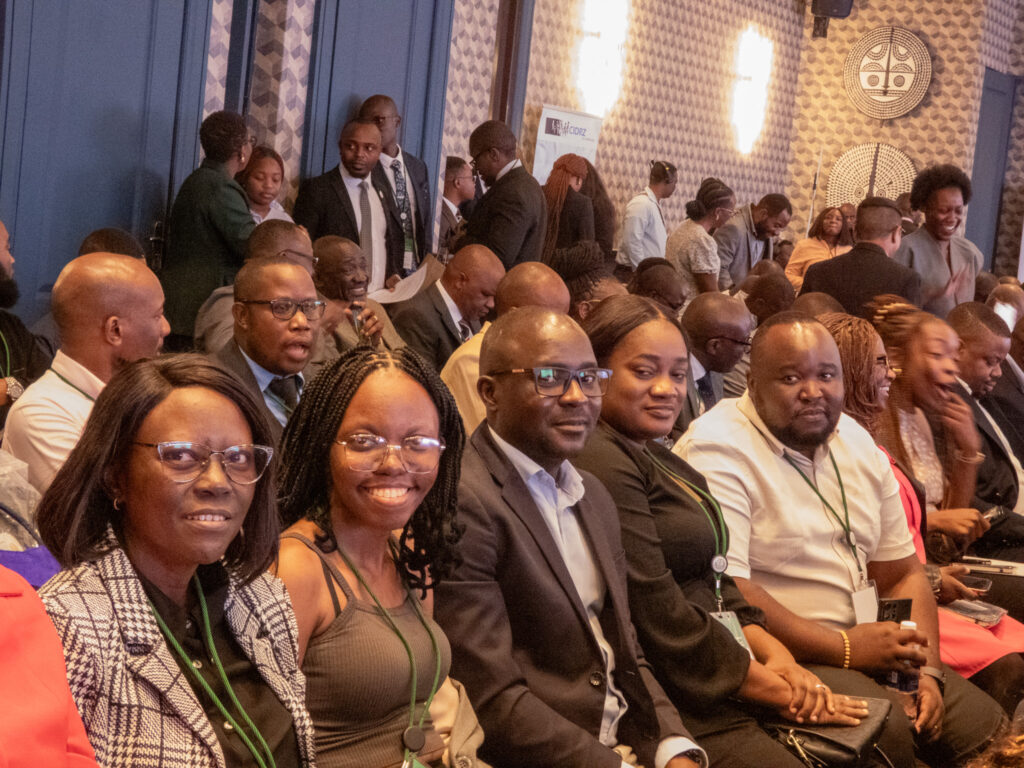
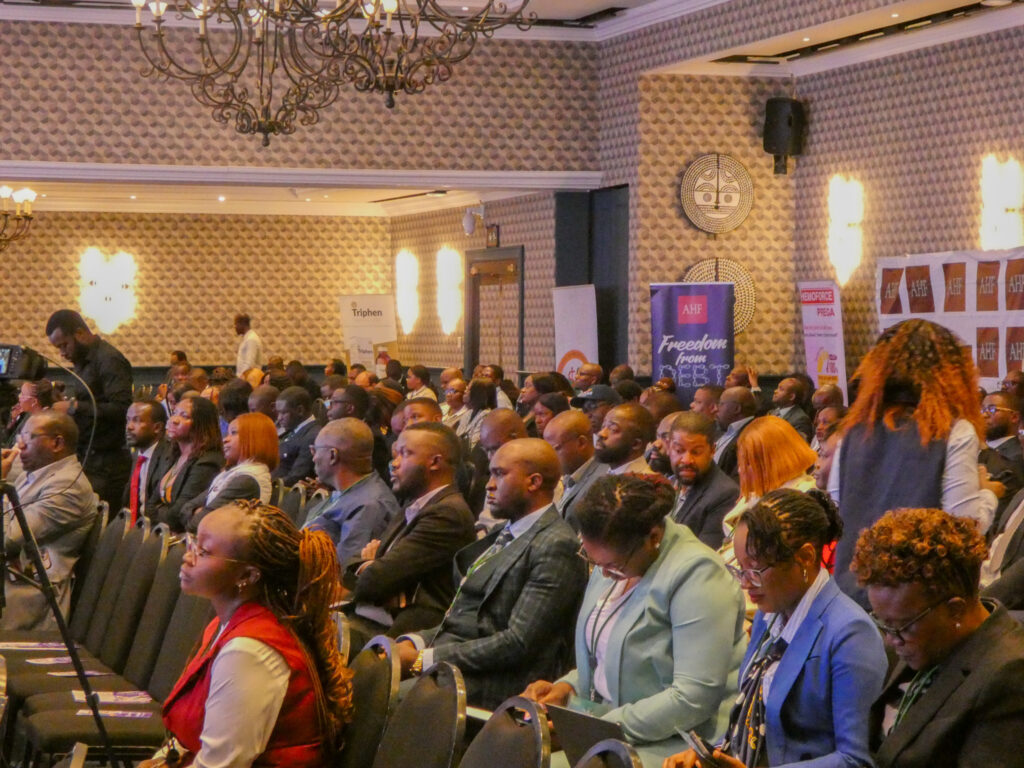
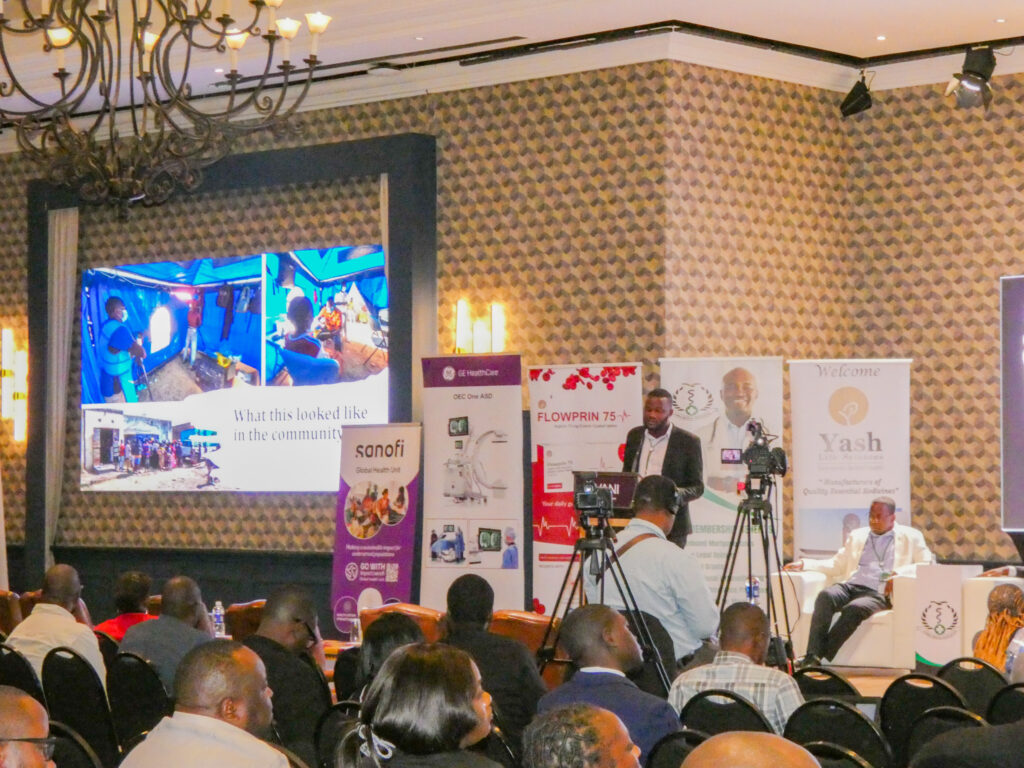
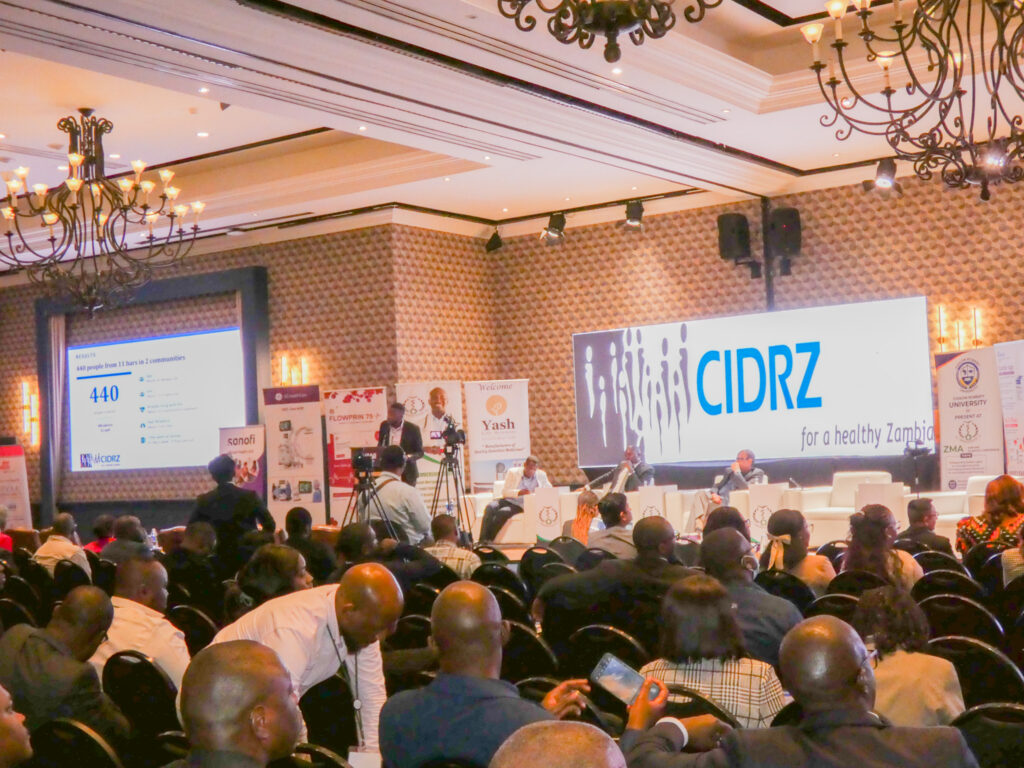
At the recent Zambia Medical Association (ZMA) Scientific Conference and Annual General Meeting, CIDRZ showcased how research and evidence can strengthen TB case finding and support earlier treatment.
CIDRZ’s Dr David Singini presented findings from a pilot study investigating the prevalence of undiagnosed tuberculosis (TB) and HIV at alcohol-serving venues, including bars and taverns, in Lusaka.
The study found that TB and HIV screening at social drinking venues is a viable and effective case-finding strategy, demonstrating a high diagnostic yield compared with traditional community- and facility-based approaches.
These findings are particularly important given the association between unhealthy alcohol use (UAU) and increased risk of TB, highlighting the importance of taking health services closer to populations that may be at higher risk.
Conducted through a collaboration between CIDRZ and the University of California, San Francisco (UCSF), the study demonstrates the value of innovative, community-centred research in addressing persistent public health challenges.
At CIDRZ, we remain committed to generating and translating evidence into approaches that enable earlier diagnosis, stronger linkage to care, and better health outcomes for all.