CIDRZ Highlights Success of Integrated Screening models in combatting Lung Diseases in Kafue.

CIDRZ and CNRS Hosts an Intensive Immunology Training to Boost Africa’s Scientific Capacity
August 11, 2025
CIDRZ, Ministry of Health Intensify Targeted HIV Testing Efforts in Lusaka to Close Case Identification Gaps.
August 13, 2025CIDRZ Highlights Success of Integrated Screening models in combatting Lung Diseases in Kafue.

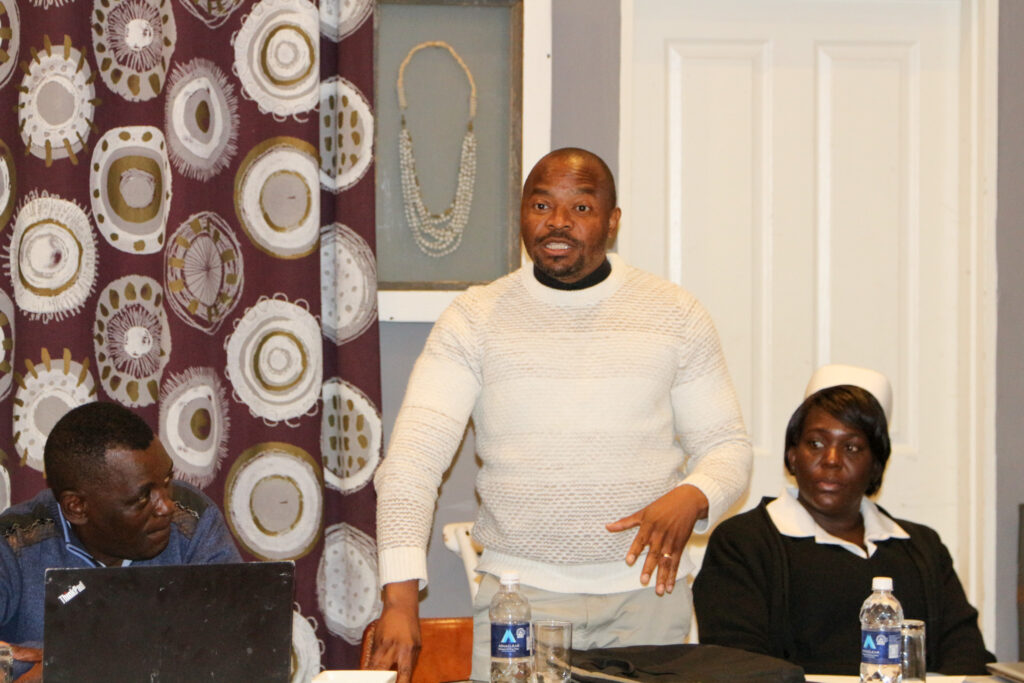
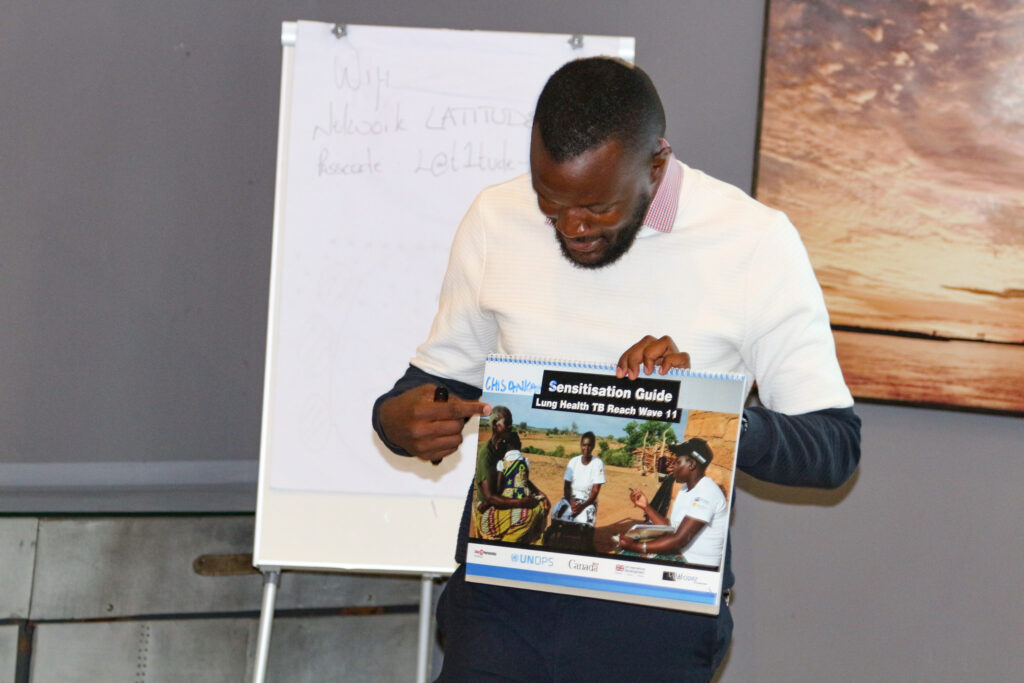
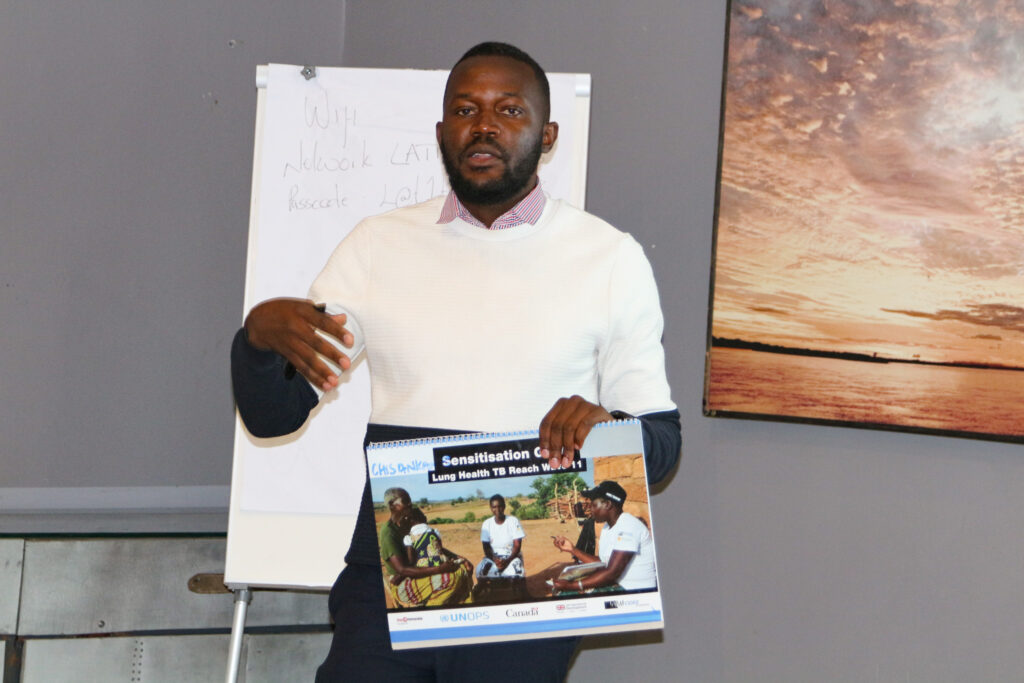
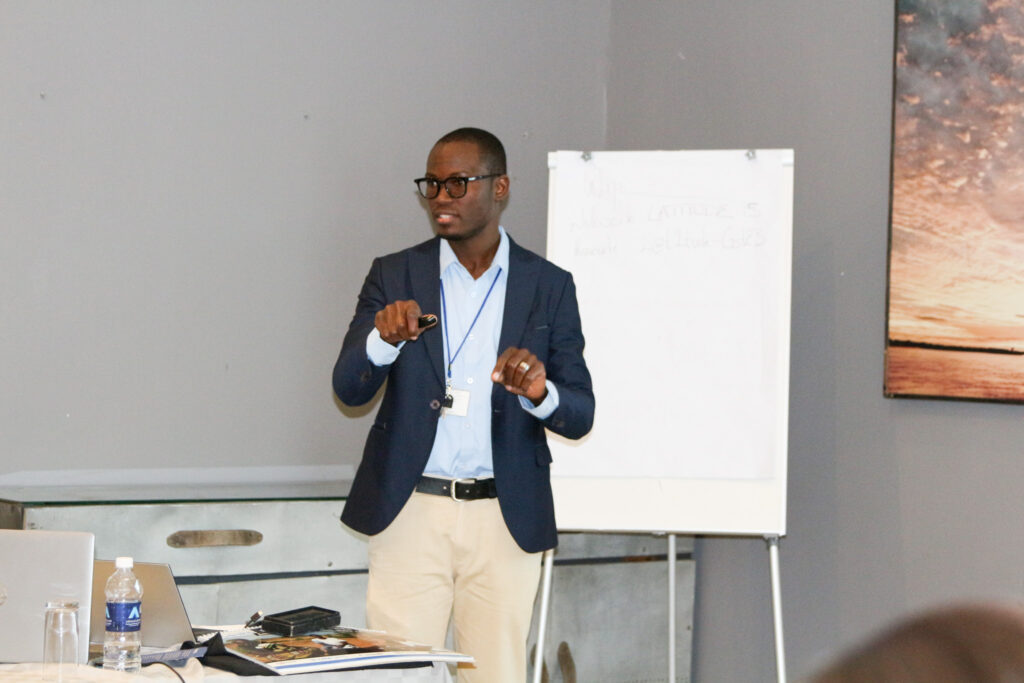
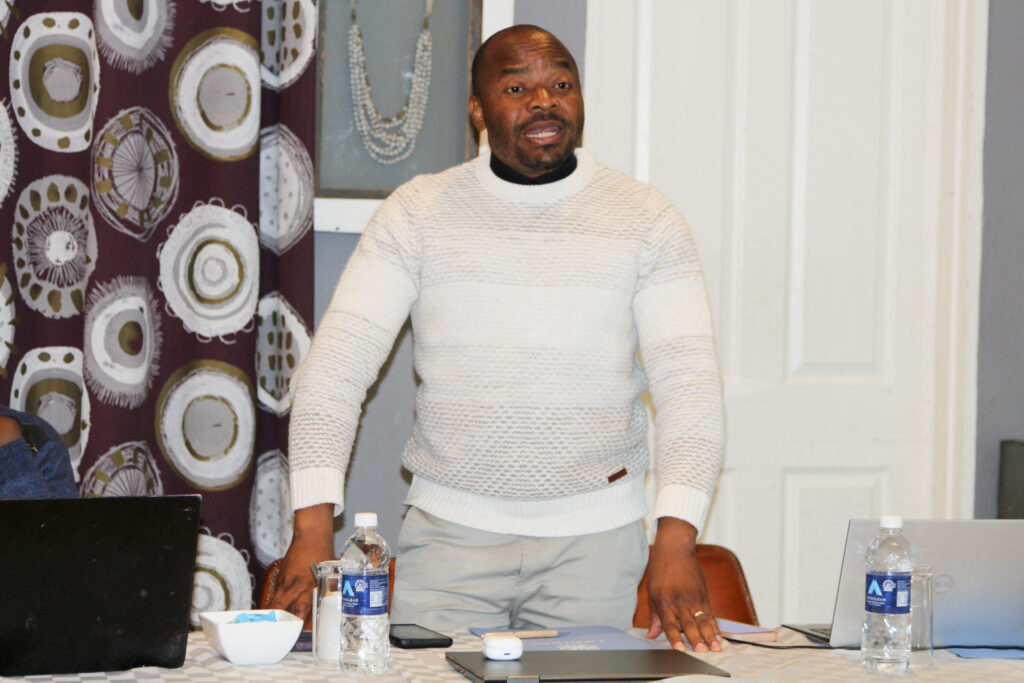
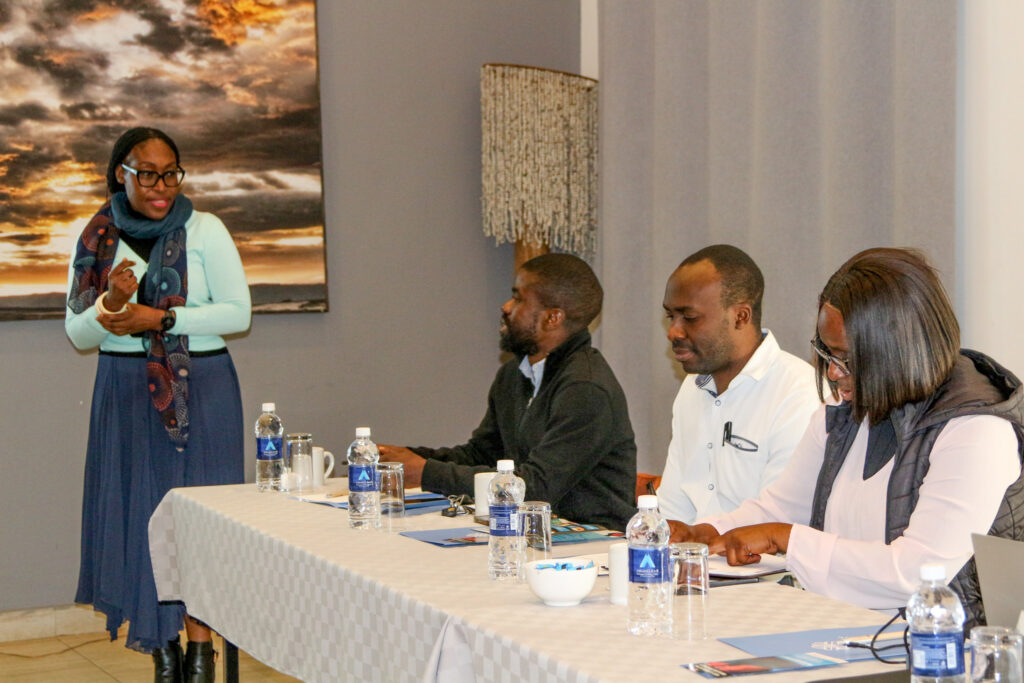
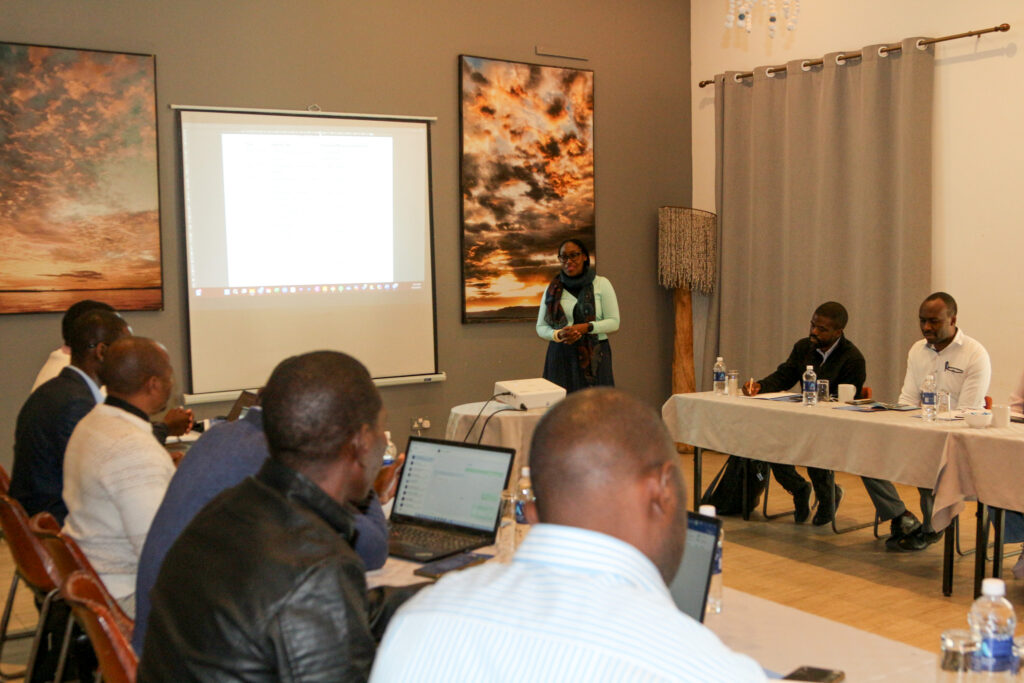
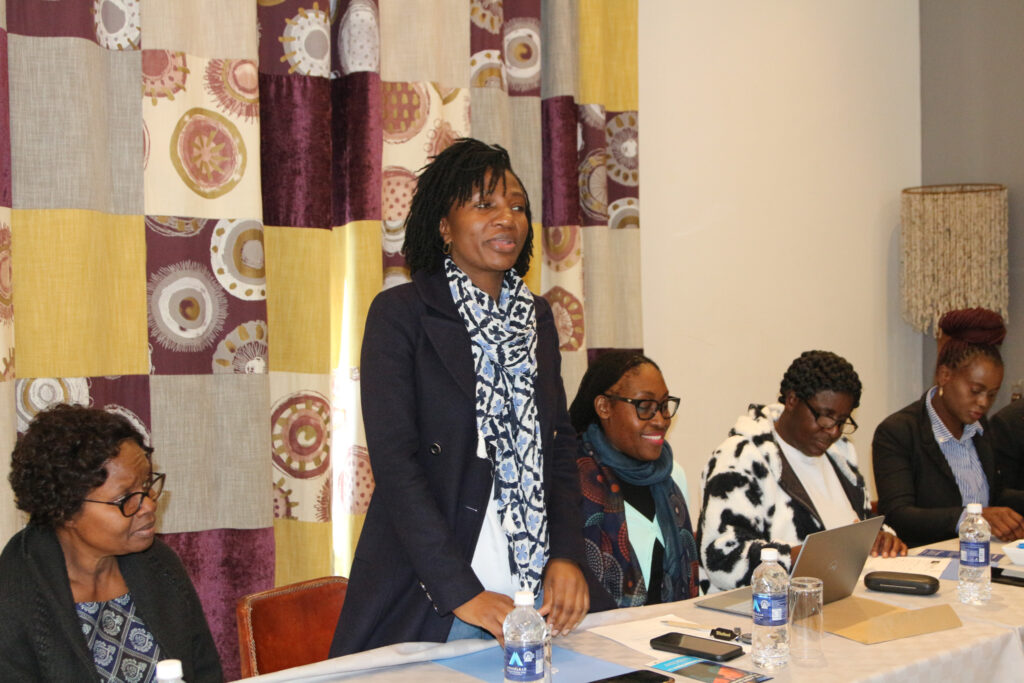
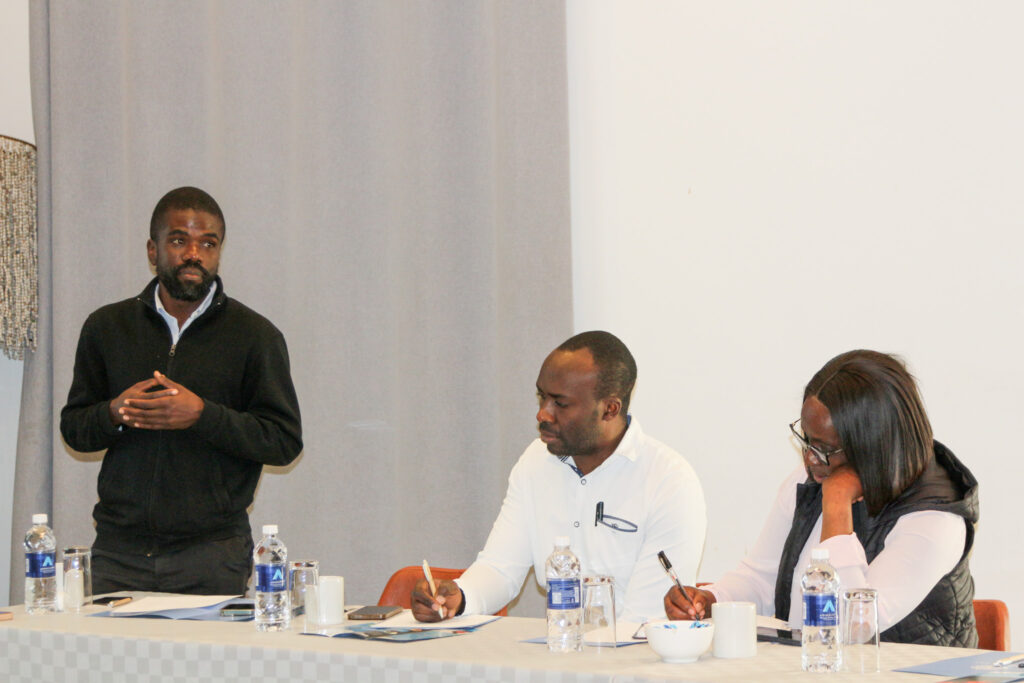
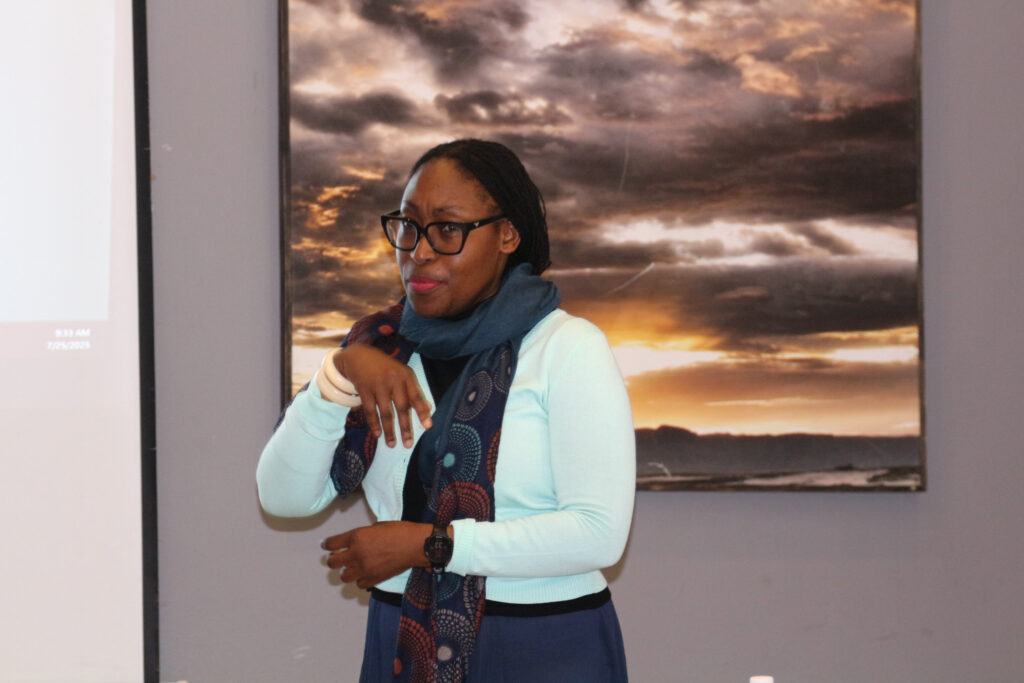
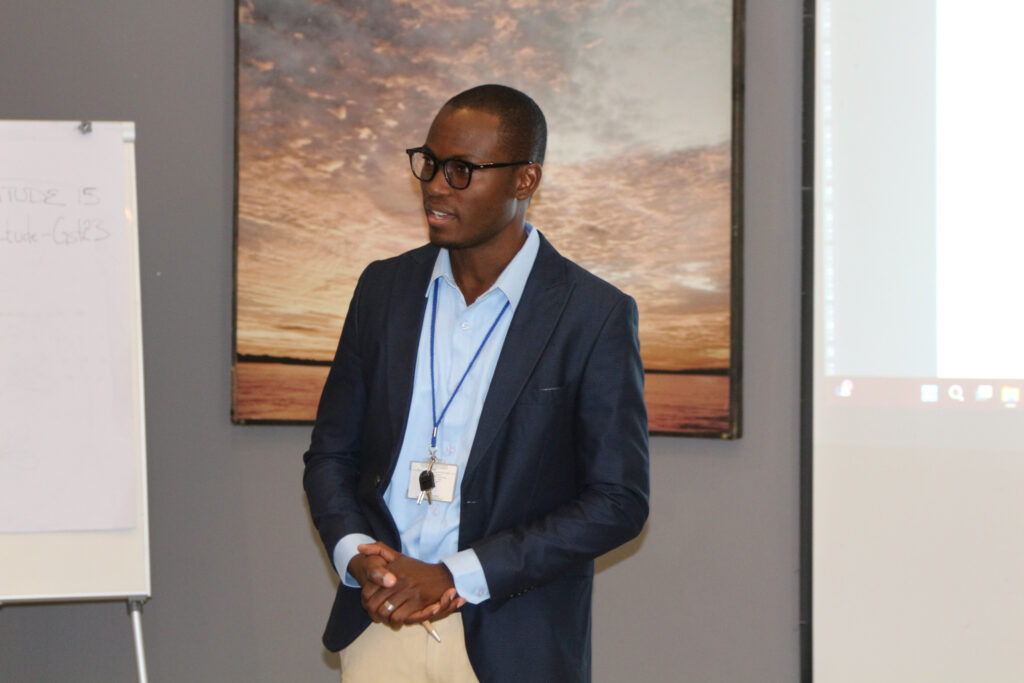
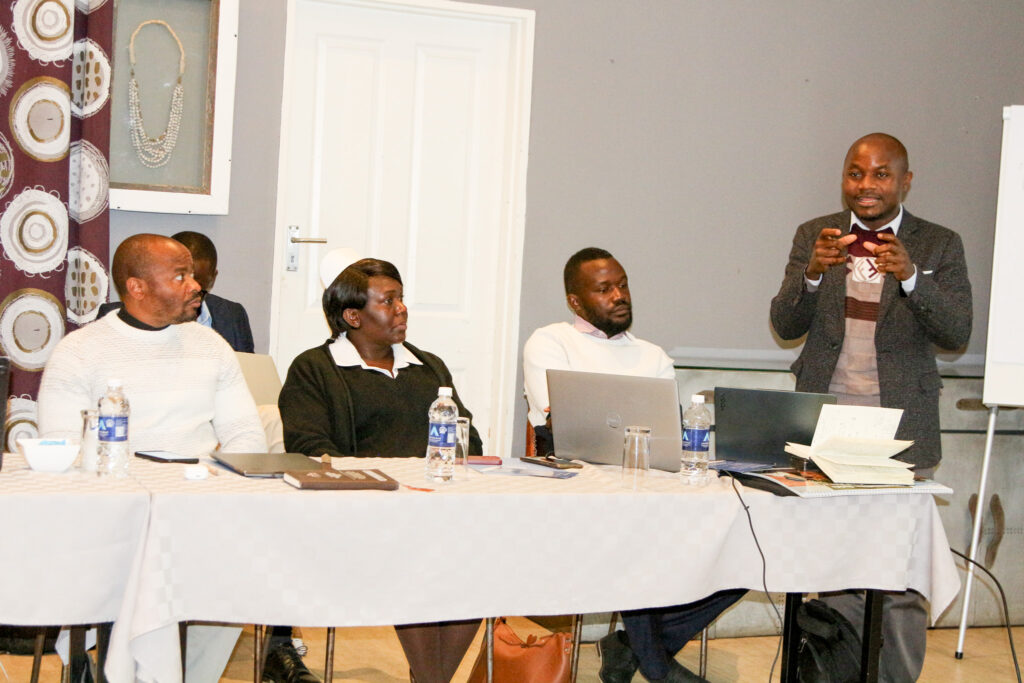
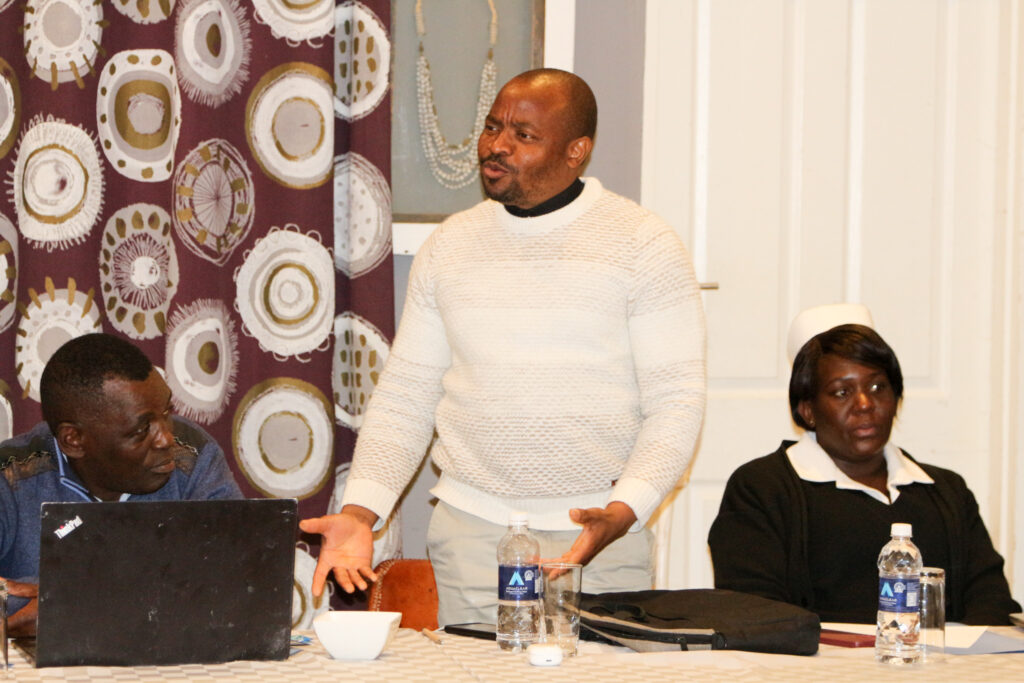
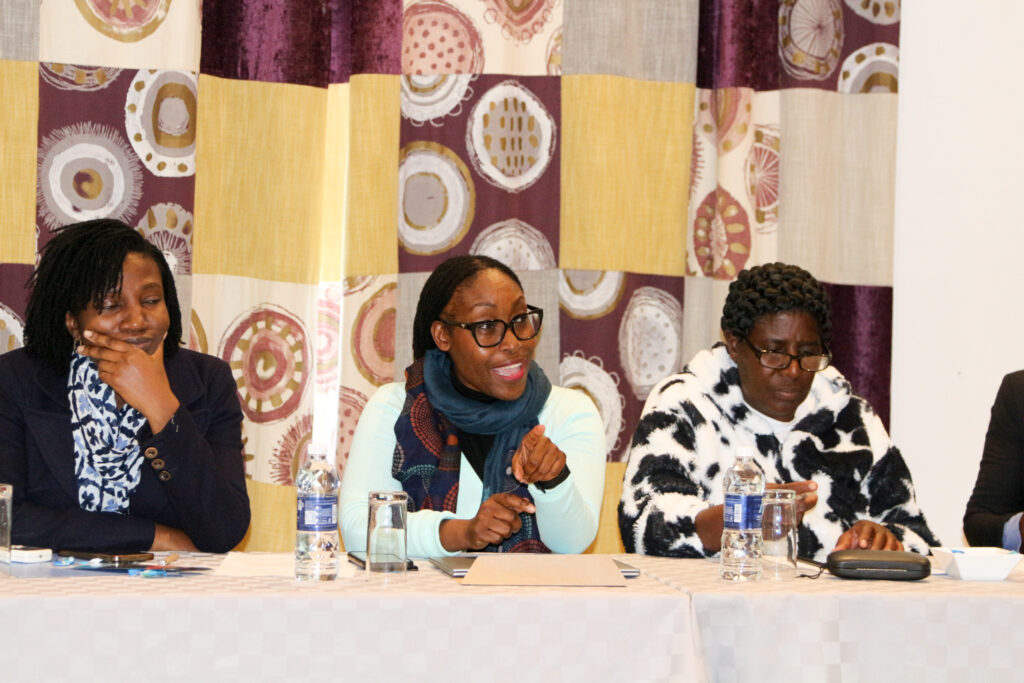
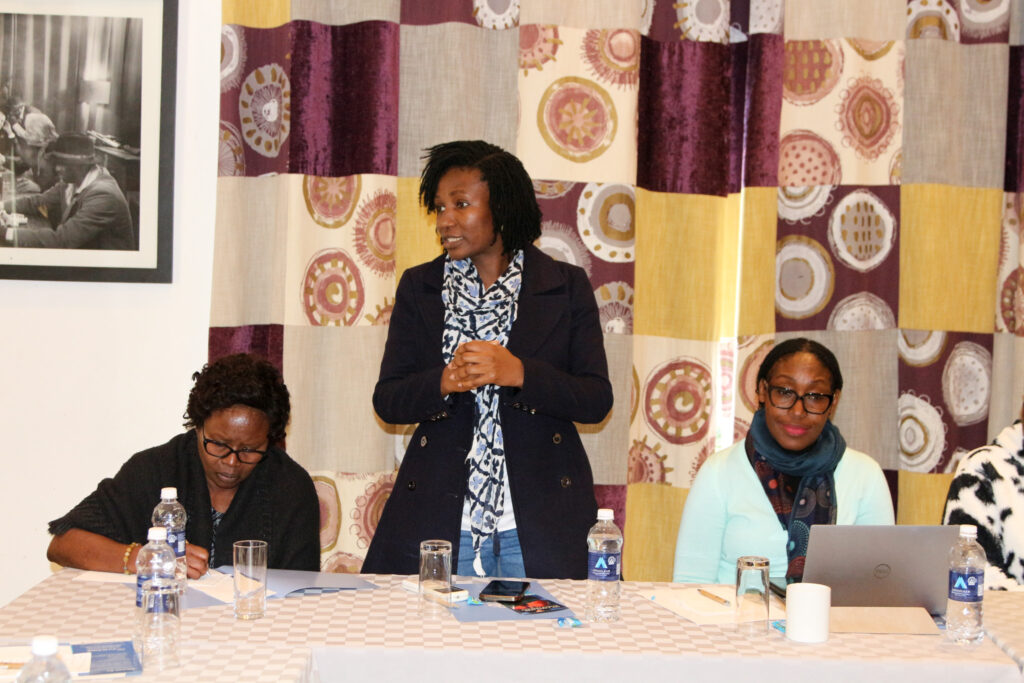
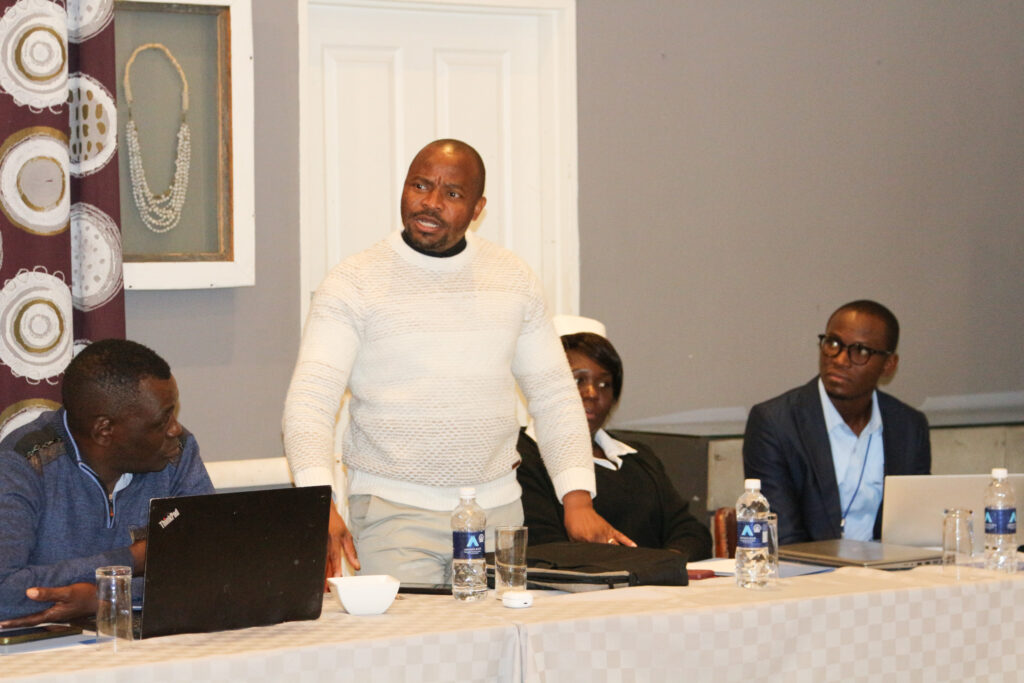
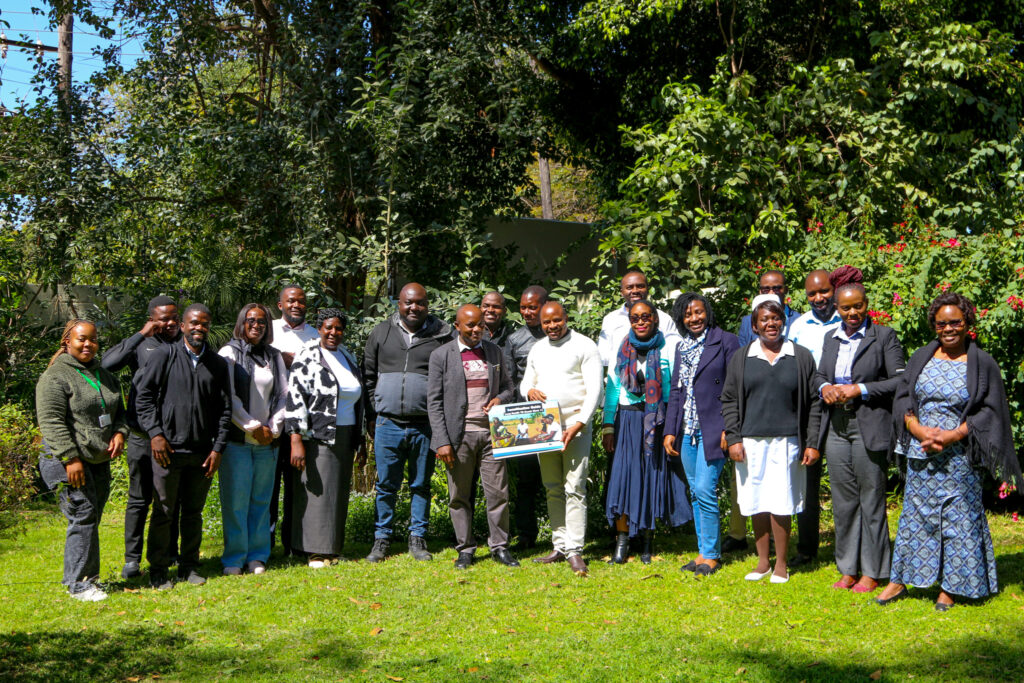
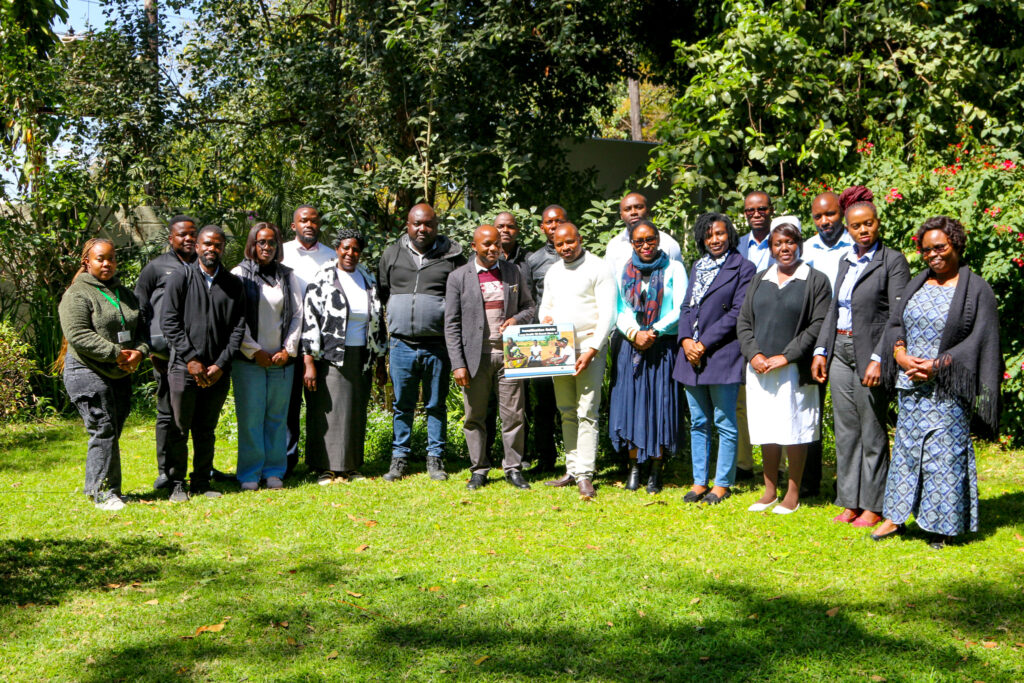
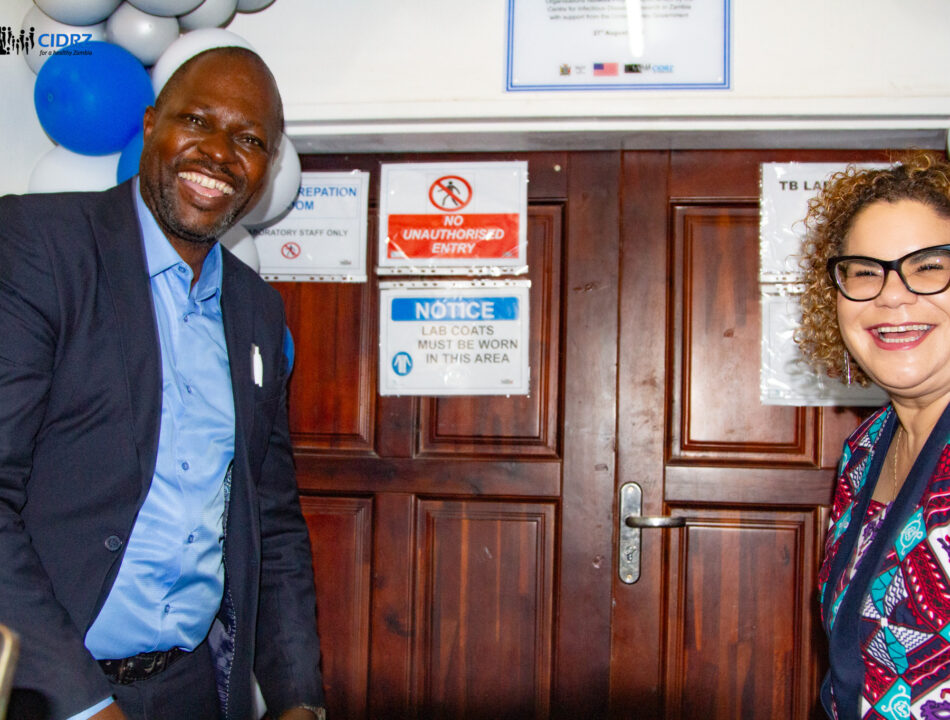
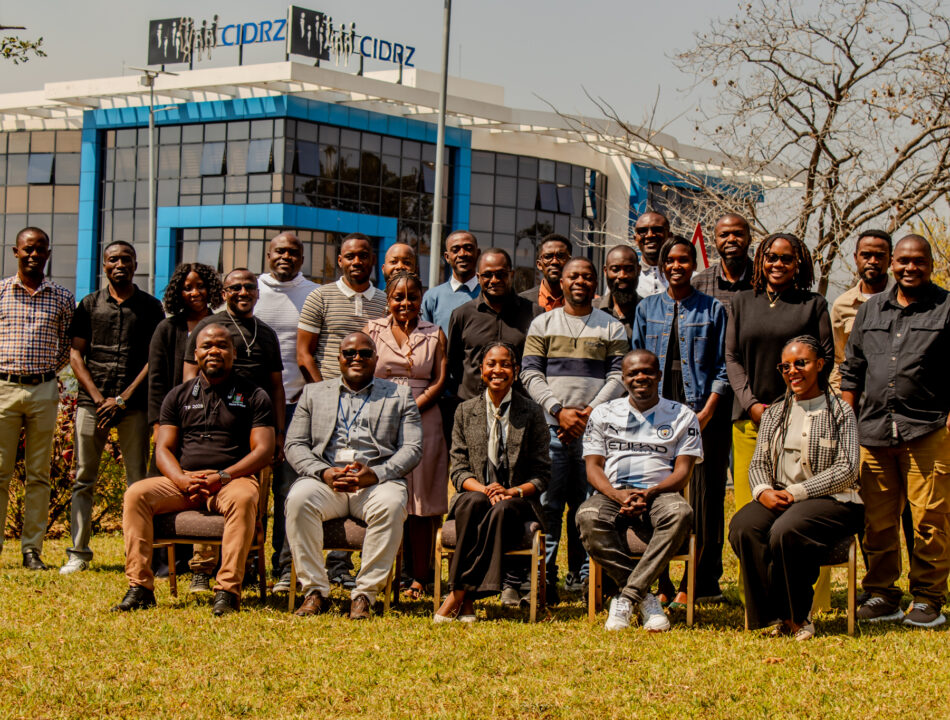
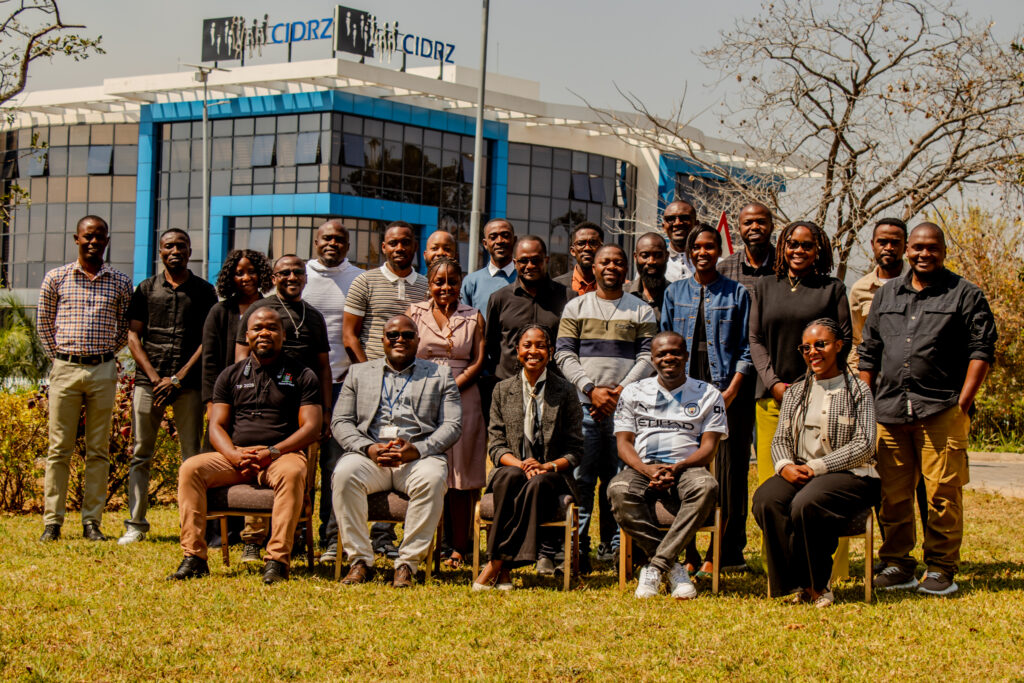
The Centre for Infectious Disease Research in Zambia (CIDRZ), with support from the Stop TB Partnership and in collaboration with the Ministry of Health (MoH) and key stakeholders, recently held a stakeholder meeting in Lusaka to share critical findings and highlight the progress achieved since the launch of the TB REACH Wave 11 Project. The project aims to improve diagnosis and treatment of lung health through integrated screening, diagnosis, and management of tuberculosis (TB) and chronic respiratory diseases at both primary healthcare level and in communities.
Currently implemented across five health facilities in Kafue District, the project brought together representatives from the National TB Programme, Kafue District Health Office, Kafue General Hospital, and private sector partners.
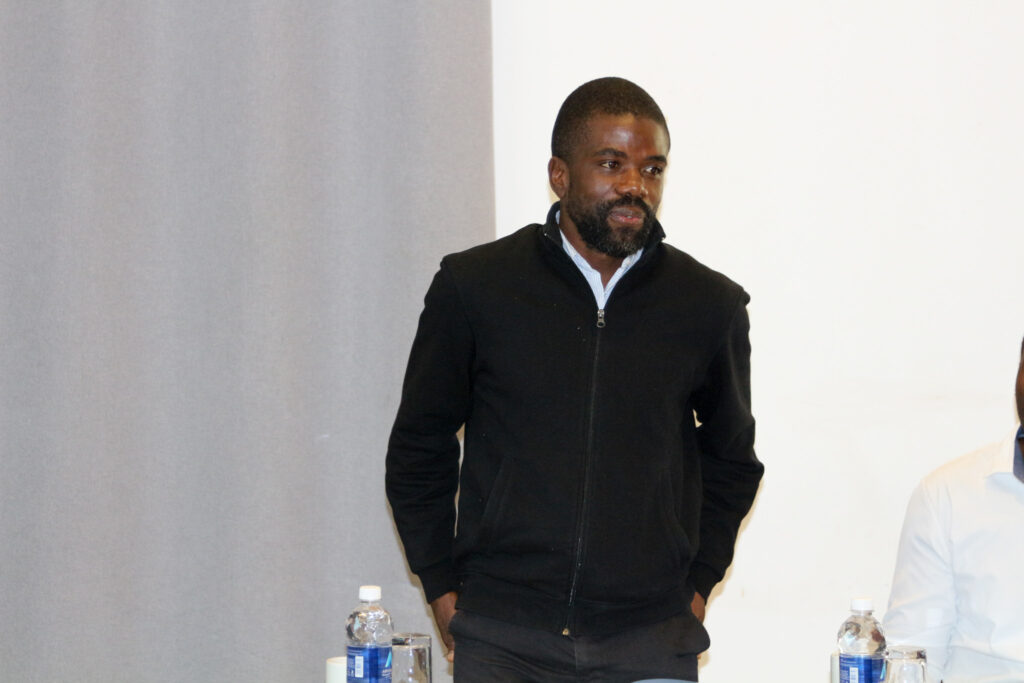
Kafue District Health Director Dr Sydney Hamusonde called for stronger collaboration between industries and the health sector to address the health risks of dust exposure among workers. He praised the Artificial Intelligence (AI)-enabled digital chest X-ray system used in the TB REACH Wave 11 Project for its efficiency and the skill of the staff operating it.
“Some workers in dust generating occupations for example, mine workers, often show X-ray results resembling TB due to dust inhalation, leading to misdiagnosis and unnecessary treatment,” Dr Hamusonde explained. “This integrated lung health screening is a game changer.”
He noted that since the project’s launch, health workers have become more vigilant, with facility teams now better equipped to detect and manage lung conditions.
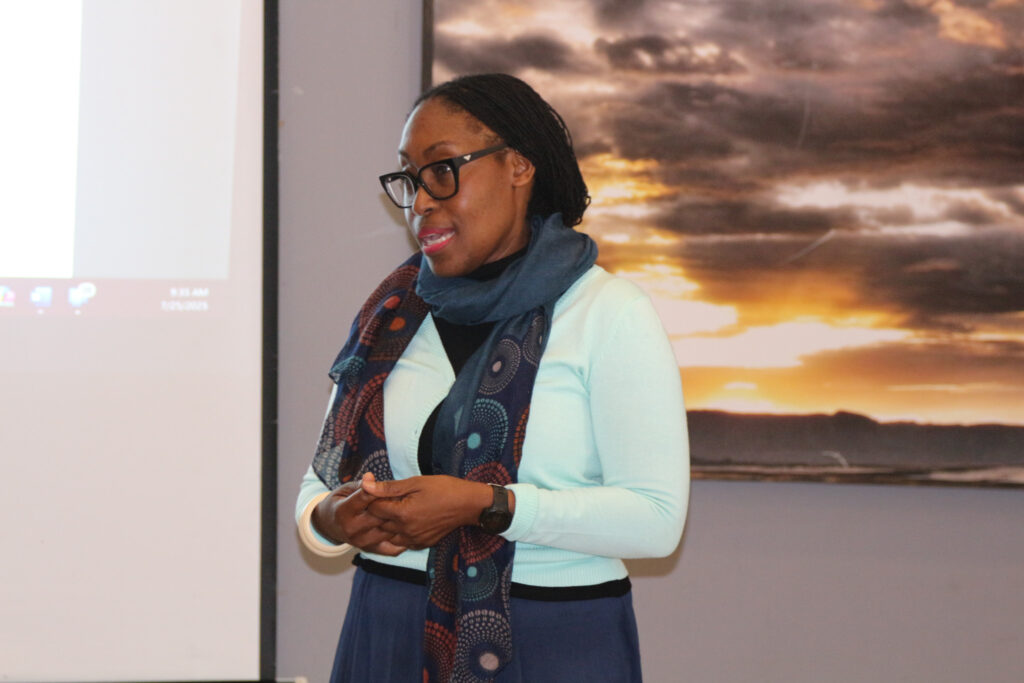
Meanwhile, CIDRZ Chief Scientific Officer and project Principal investigator, Dr Monde Muyoyeta called for sustained partnerships to address the rising burden of non-tuberculous lung diseases linked to occupational and environmental exposures.
“We are seeing an emerging public health threat from respiratory conditions other than Tuberculosis, some resulting from prolonged dust exposure such as Silicosis. Furthermore, respiratory diseases such as chronic obstructive pulmonary disease (COPD), pneumonia and post-TB lung disease (PTLD) are often misdiagnosed as active tuberculosis,” said Dr. Muyoyeta. “Our collaboration with the Ministry of Health and the private sector has shown that targeted interventions can deliver significant diagnostic results.”
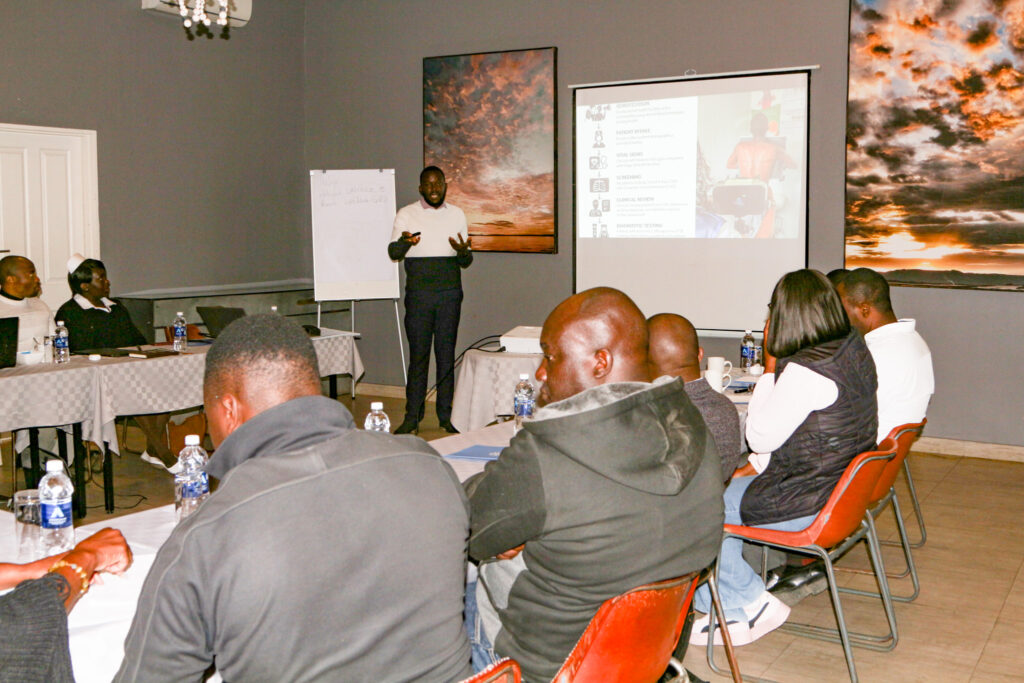
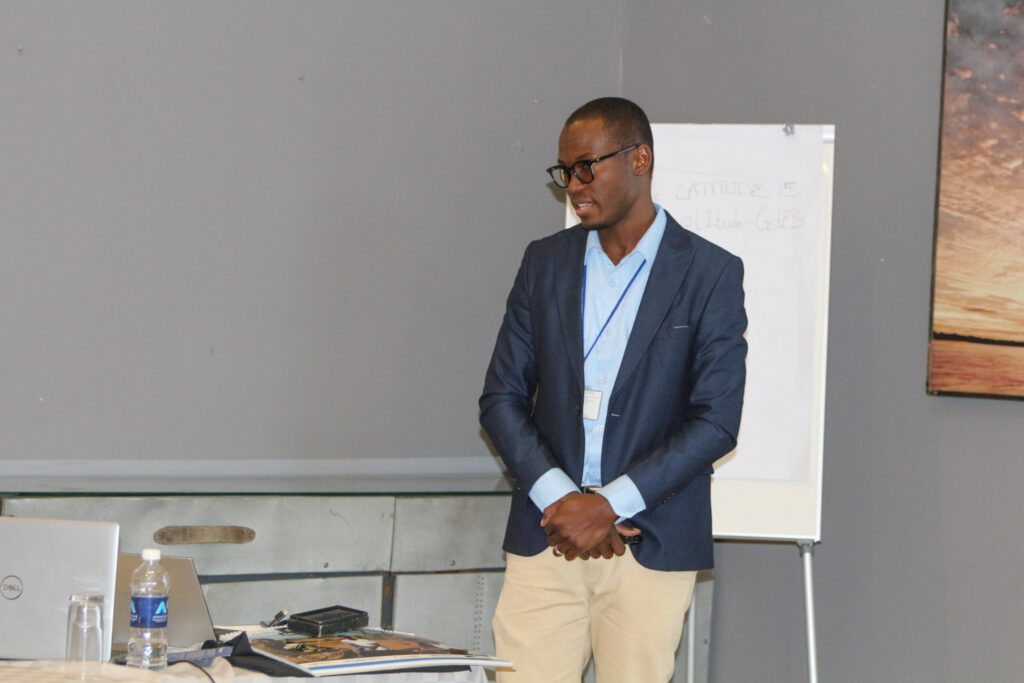
And CIDRZ’s Senior Monitoring and Evaluation Officer, Daniel Siameka, who presented the key findings for the period 4th March to 18th July 2025, highlighting that through the TB REACH Wave 11 Project, a total of 4,249 individuals were screened across five health facilities and workplaces in Kafue District. The screening identified 33 cases of TB, 49 cases of post-TB lung disease (PTLD), 4 cases of chronic obstructive pulmonary disease (COPD), and 122 cases of pneumonia.
“Our data shows that facility-based screening yielded more diagnoses than community screening,” Mr Siameka explained.
He said the TB REACH Wave 11 Project successfully established an integrated Service Delivery (ISD) model at each of the implementing facilities to enhance screening for lung health conditions.
“We have built the capacity of 31 healthcare workers in chest X-ray interpretation and the recognition of non-TB lung diseases, significantly strengthening diagnostic capabilities, particularly for post-TB lung disease (PTLD),” Mr Siameka said.
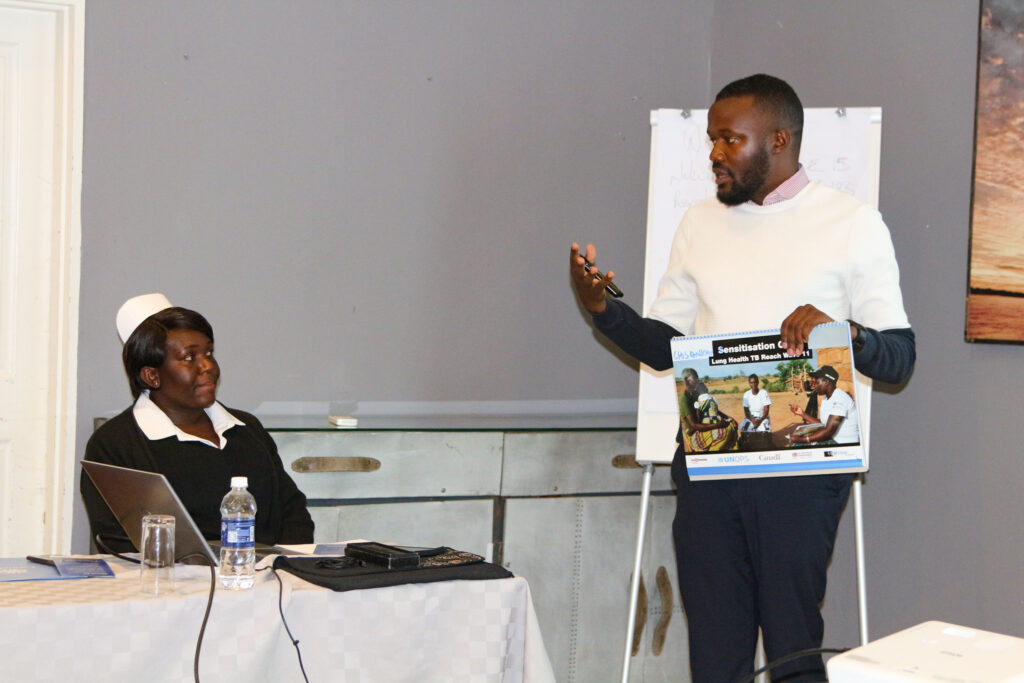
National TB Programme Manager Dr Angel Mubanga commended CIDRZ for the continued collaboration with the Ministry of Health. He challenged the project to ensure that the evidence that is generated from the TB REACH project be translated into policy and comprehensive guidelines to improve service delivery. Further, he implored the project leadership to facilitate the identification of high TB risk groups that would benefit from TB Preventive Treatment (TPT).
And speaking at the same event, Dr Chitalu Chanda, an infectious diseases physician, commended CIDRZ and the TB REACH Project team for their efforts, highlighting the high-quality and thoroughness of patient screening and record keeping, which surpass routine care.
He emphasised the urgent need for rapid adaptation and learning from the project’s outcomes.
“Every project presents an opportunity to enhance our health systems. There is no need to wait 17 years to implement change; the time to act is now. The insights gained from this initiative should guide improvements in how we screen and manage tuberculosis and other lung diseases nationwide,” he said.
The TB REACH Wave 11 Project is being implemented in Kafue District, with sites including Kafue District Hospital, Nangongwe Health Centre, Railway Health Centre, Chisankane, and Kafue Estates.