CABLA Training Model Strengthens HIV Prevention in Lusaka

Turning the Tide Against Tuberculosis, One Register Entry at a Time.
September 3, 2025
LPHO and CIDRZ Trains Lab and Clinical Staff on HIV Drug Resistance for PrEP Monitoring.
September 9, 2025
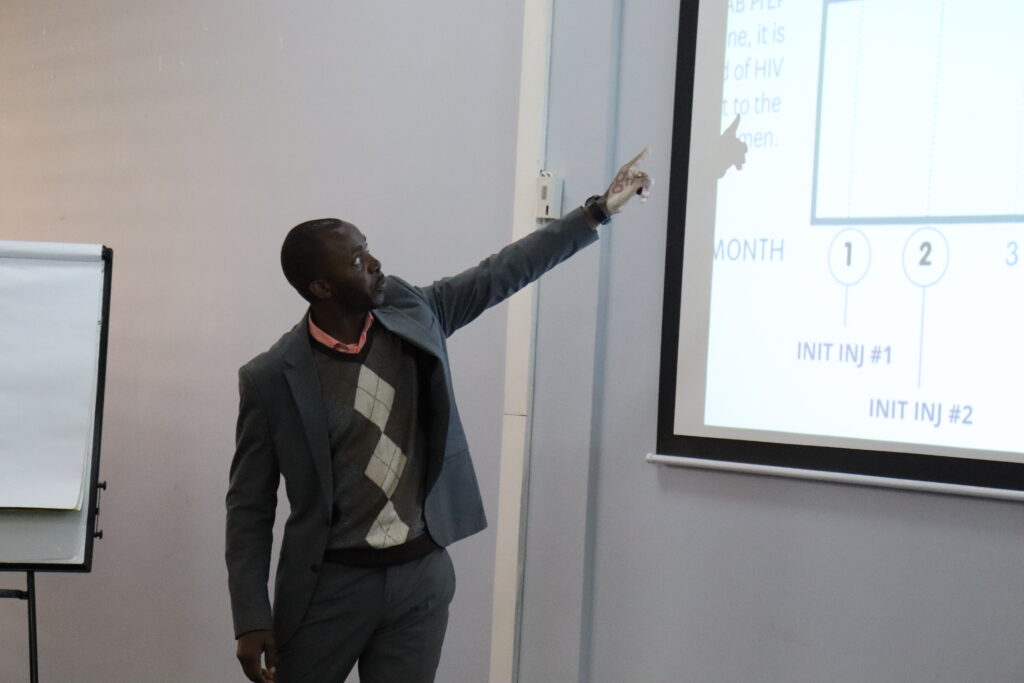
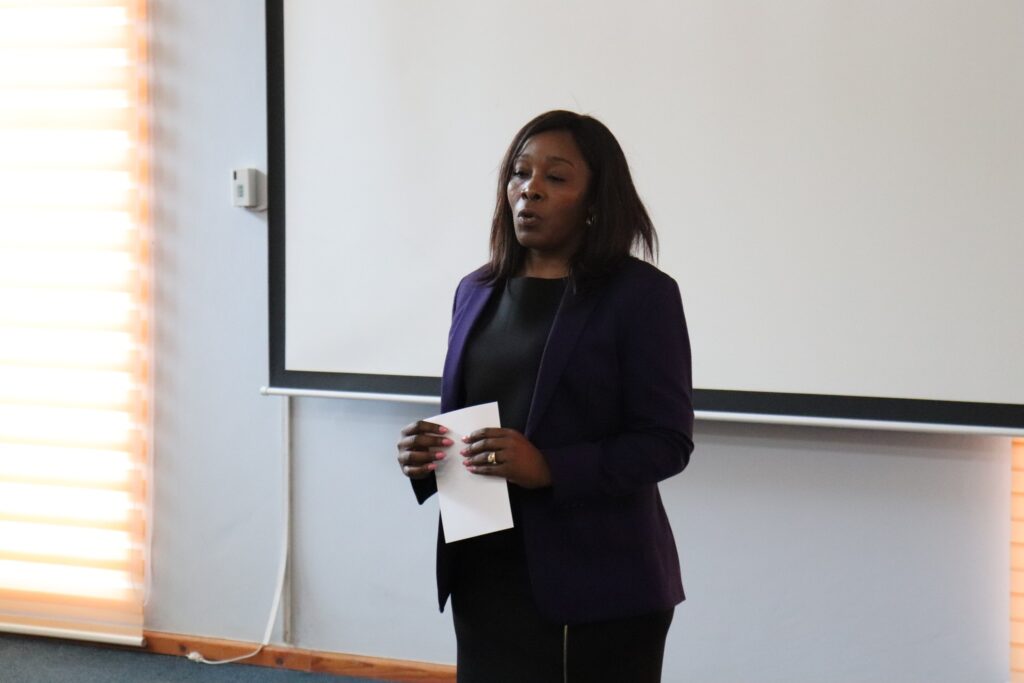
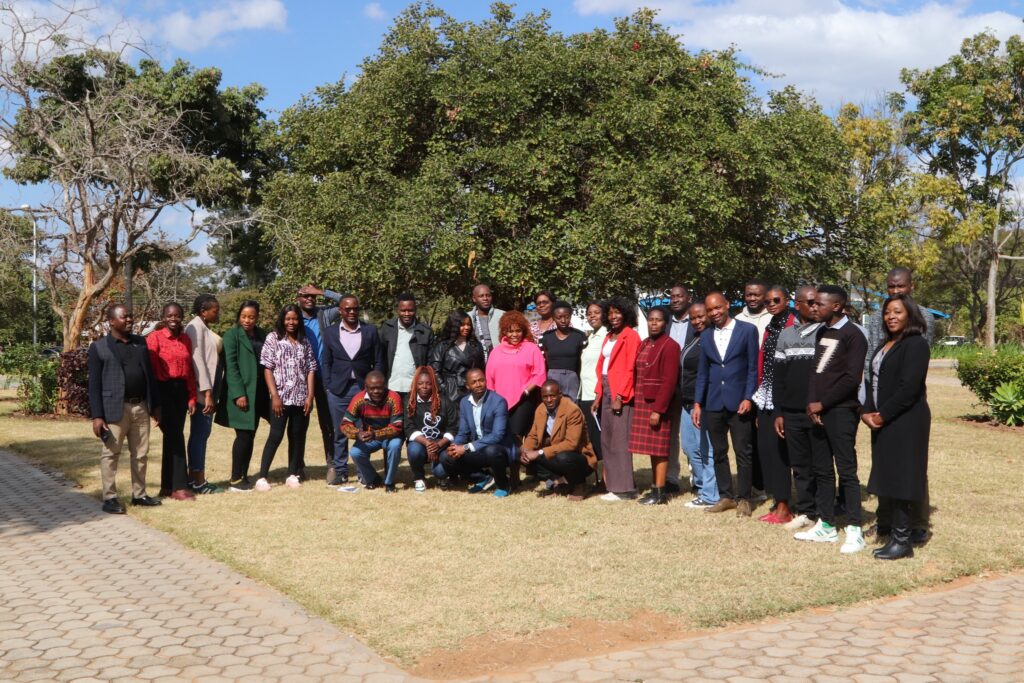
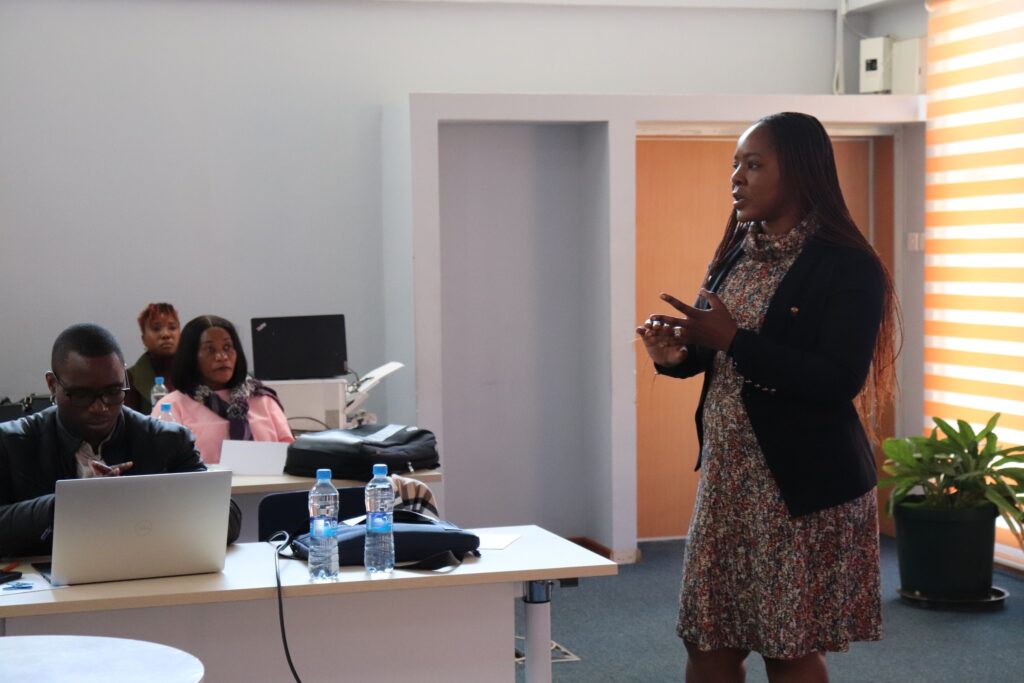
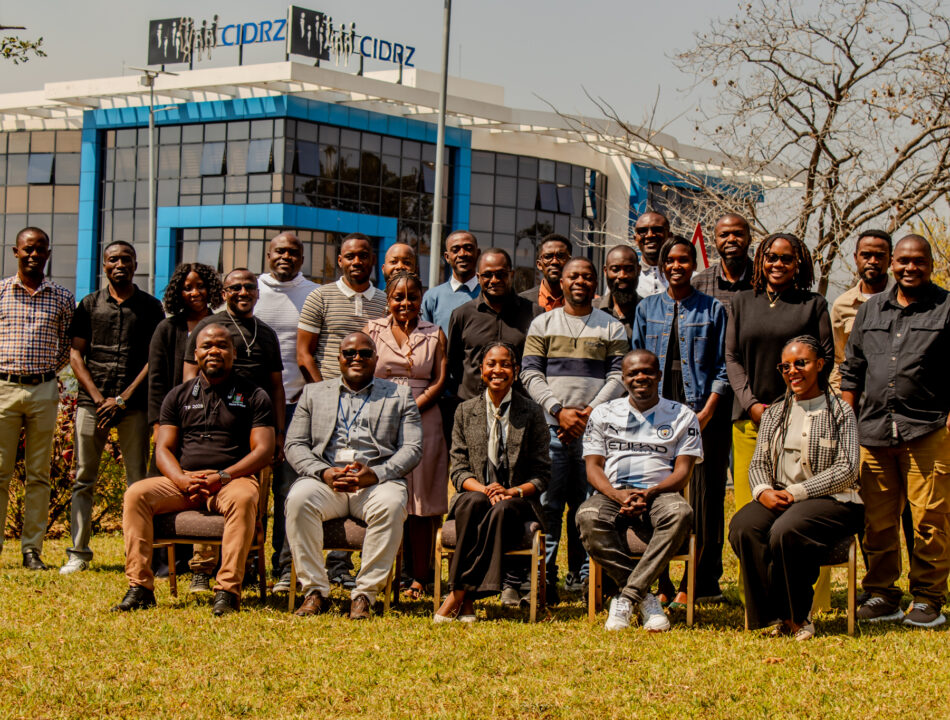
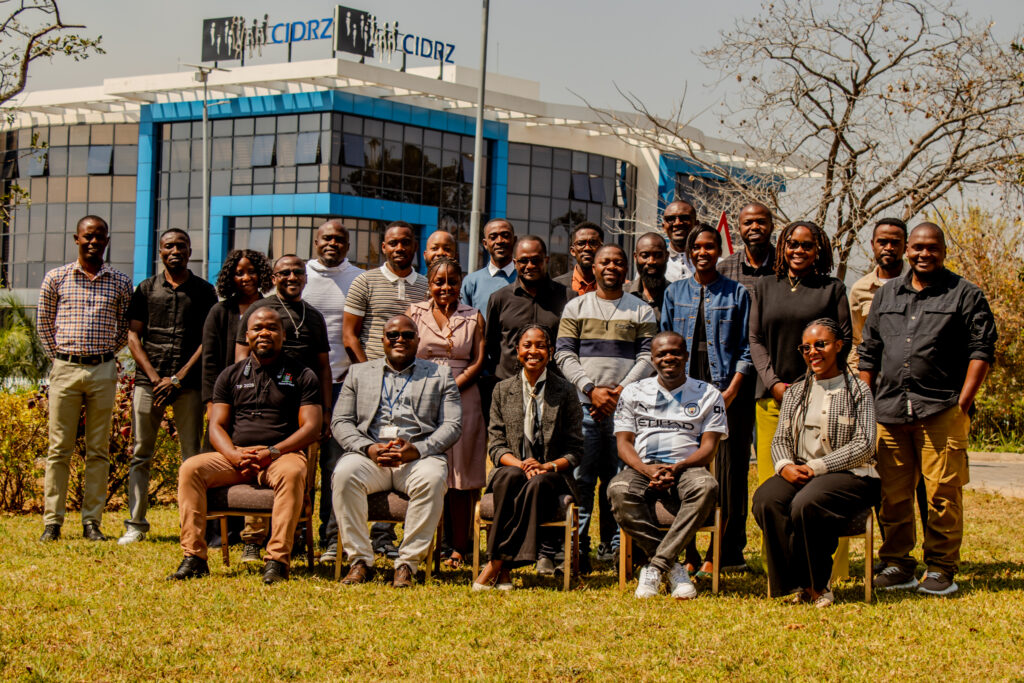
Zambia is advancing HIV prevention efforts by scaling up long-acting injectable cabotegravir (CAB-LA) services through a comprehensive training programme targeting managers and healthcare providers. This training, led by the Ministry of Health (MOH) with support from CIDRZ and partners, focuses on supervisors, clinical staff, nurses, counsellors, and programme managers across facilities supported by the Cooperative Agreement (CoAg) and MOH.
The Training model aims to build a sustainable workforce equipped to deliver, oversee, and expand CAB-LA services effectively in Lusaka Province.
Dr Adamson Ndhlovu, Lead facilitator and Independent Consultant supporting MOH, explained, “This phase builds on previous training rounds for healthcare providers and community liaison officers. The focus has now shifted to supervisors and programme managers who will be responsible for supporting and mentoring frontline staff.”
He emphasised the importance of engaging multiple cadres across the health system, noting that this approach strengthens the foundation for sustained service delivery.
“A pool of trainers and technical leads is being developed to carry the programme forward. It creates a pool of trainers and technical leads who can continue capacity building without starting from scratch. This ensures that CAB-LA delivery remains strong and scalable,” he explained.
Meanwhile, Dr Francis Mwape, lead mentor at Lusaka Provincial Health Office (LPHO), emphasised the need for programme managers and lead mentors to be knowledgeable about CAB-LA implementation to provide quality support to teams on the ground.
And Barbara Miti, HIV Prevention Mentor at CIDRZ, expressed optimism about the scale-up of the initiative, noting that lessons learned during the pilot at Matero Level One Hospital are now helping to improve implementation and close gaps at the newly targeted sites. These facilities include Levy Mwanawasa University Teaching Hospital, Chawama Level One Hospital, Kanyama Level One Hospital, Chipata Level One Hospital, Chilenje Level One Hospital, Kalingalinga Clinic, and Railway Clinic.
Ms Miti explained that CAB-LA offers particular benefits for pregnant and breastfeeding women, adolescents aged 15–24, and women above 24, citing its privacy and convenience as it addresses concerns about stigma and pill burden, making it a game-changer for vulnerable populations.
This multi-level training approach is laying the foundation for broader CAB-LA uptake and sustained HIV prevention gains in Lusaka and beyond.