CIDRZ Supports PHEM Orientation to Strengthen Zambia’s Emergency Preparedness
CIDRZ Shares Results from Novel TB Diagnostic Study with Chawama and Kanyama Hospital Teams.
February 23, 2026
New CIDRZ Study Findings Disseminated on Multi-Month TB Treatment in Zambia.
February 26, 2026
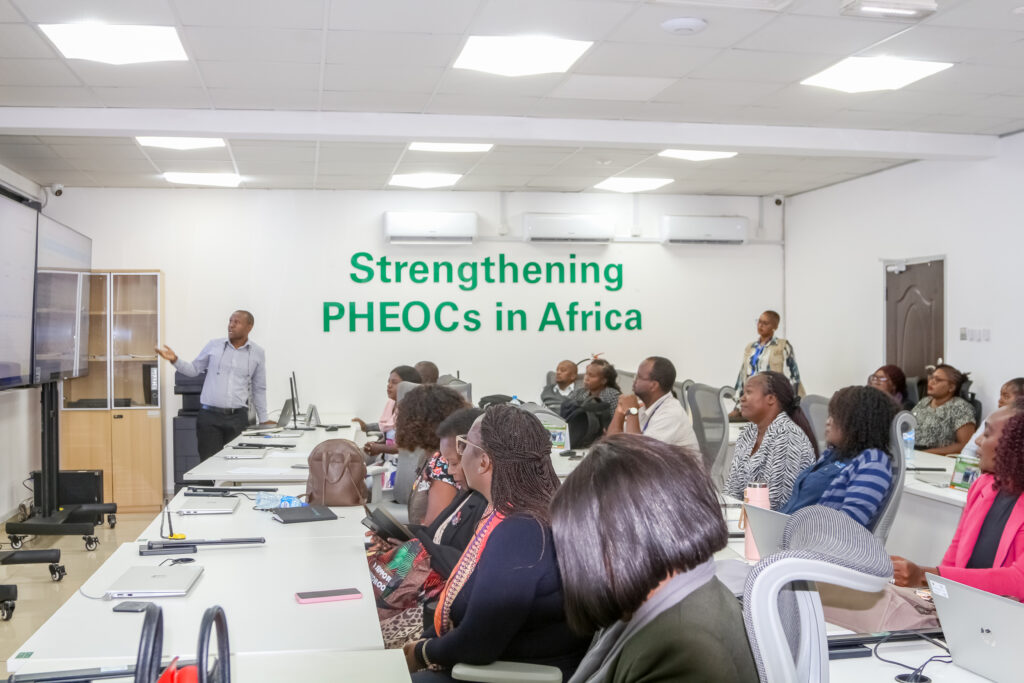
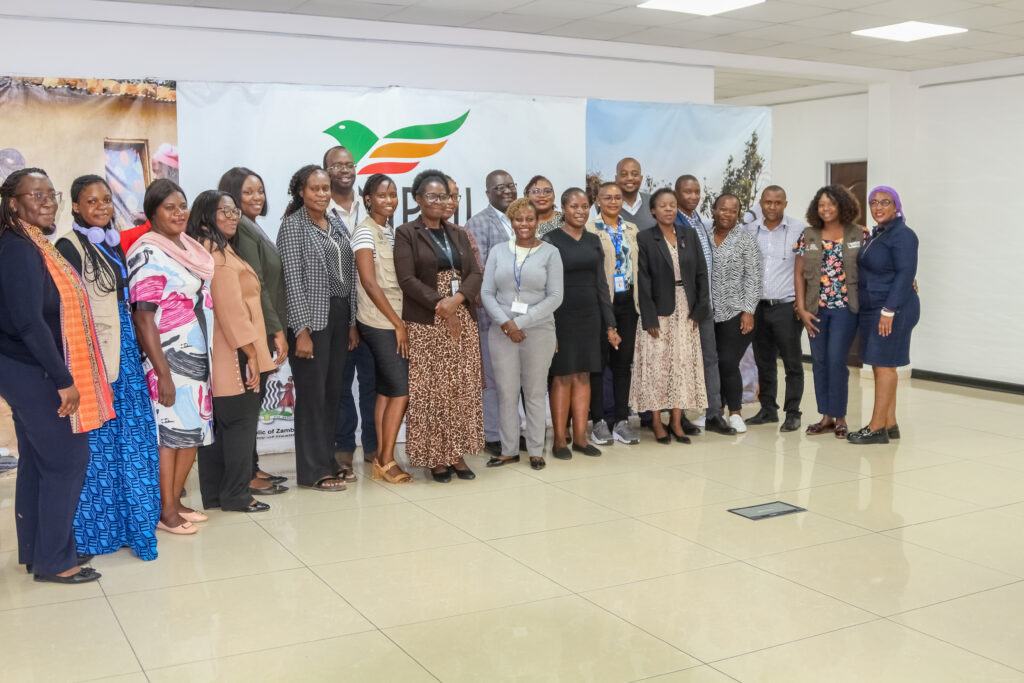
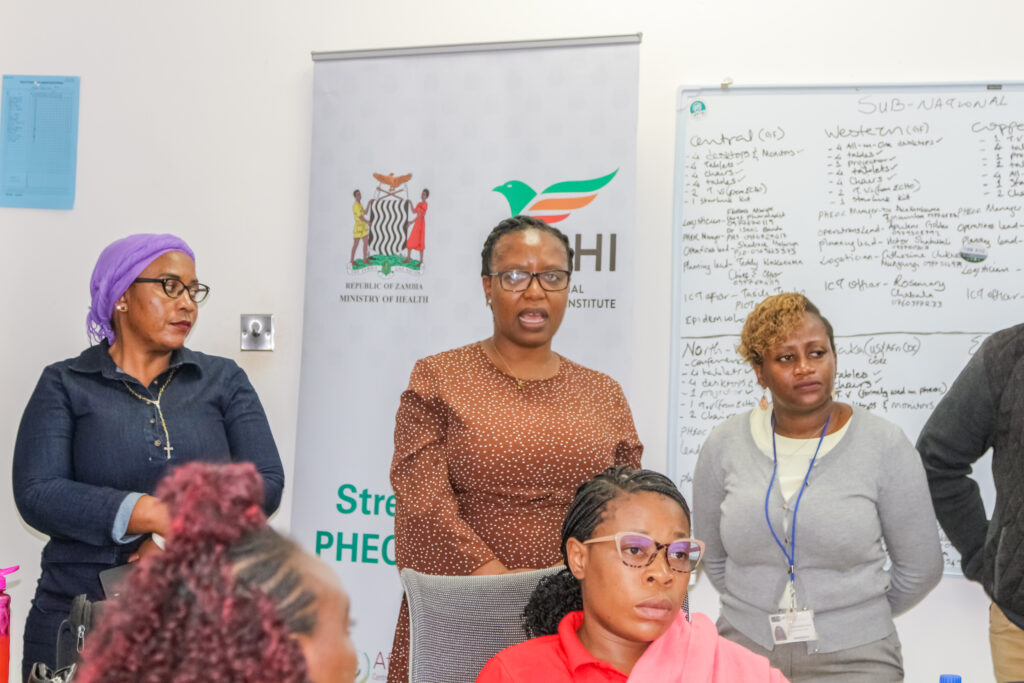
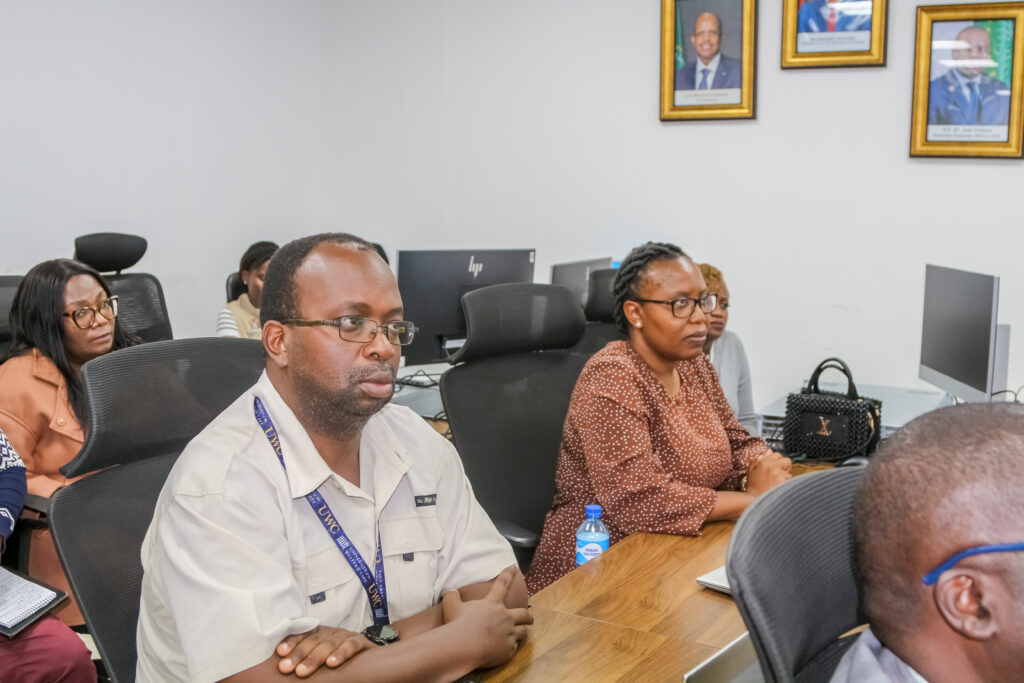
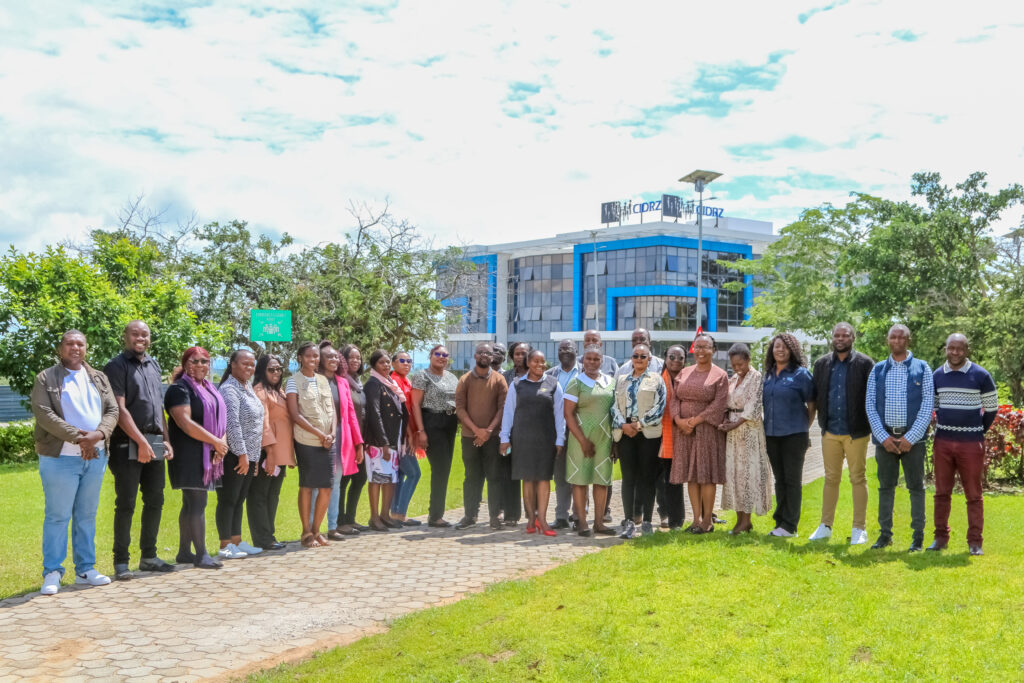
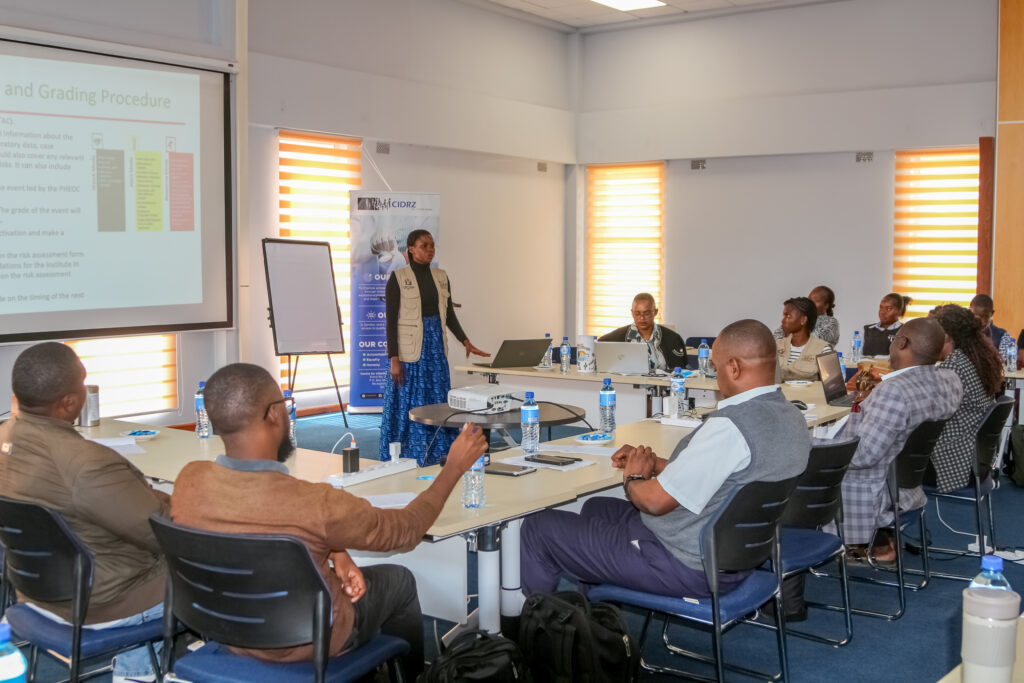
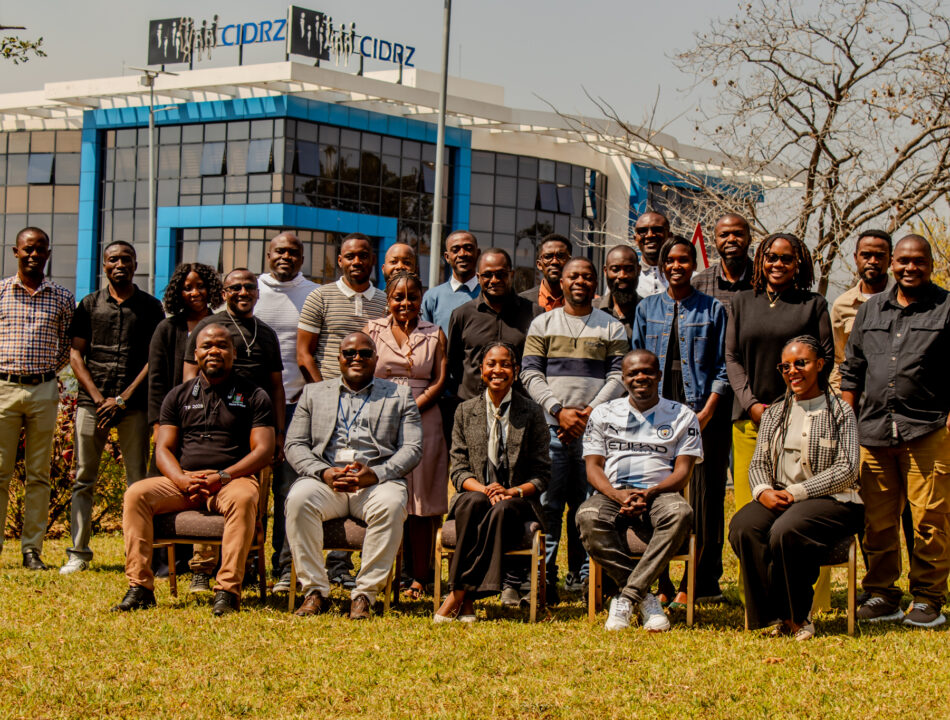
As part of the recent three-day Public Health Emergency Management (PHEM) Orientation, CIDRZ, in collaboration with the Lusaka Provincial Health Office and the Zambia National Public Health Institute (ZNPHI), led participants through training and guided visits to the Public Health Emergency Operations Centers (PHEOCs) at ZNPHI and Africa CDC, strengthening emergency preparedness, coordination, and response among public health professionals.
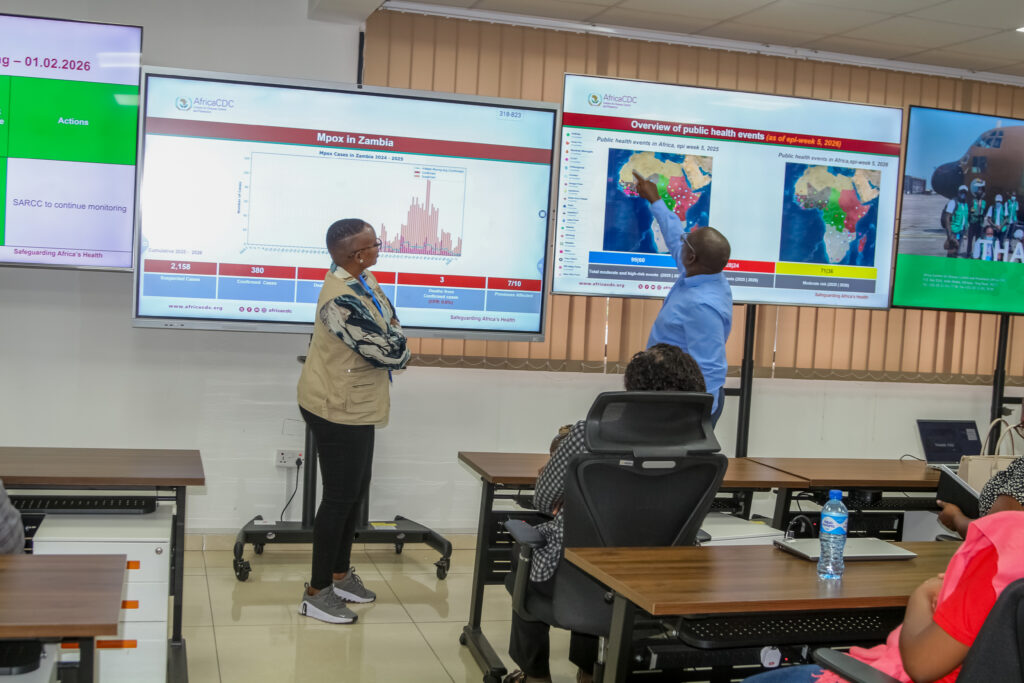
During the site visits, participants conducted comprehensive site visits to observe the operational architecture of PHEOCs and examine how integrated information management systems, dedicated coordination spaces, and real-time data visualization tools enable rapid, evidence-based decision-making during public health emergencies. The facilities represent critical infrastructure for coordinating multi-sectoral emergency responses across regional, national, and sub-national levels.
The tours complemented technical sessions, giving participants first-hand experience of how the centres serve as hubs for coordinating preparedness, surveillance, reporting, and response, strengthening Zambia’s capacity to manage public health emergencies.
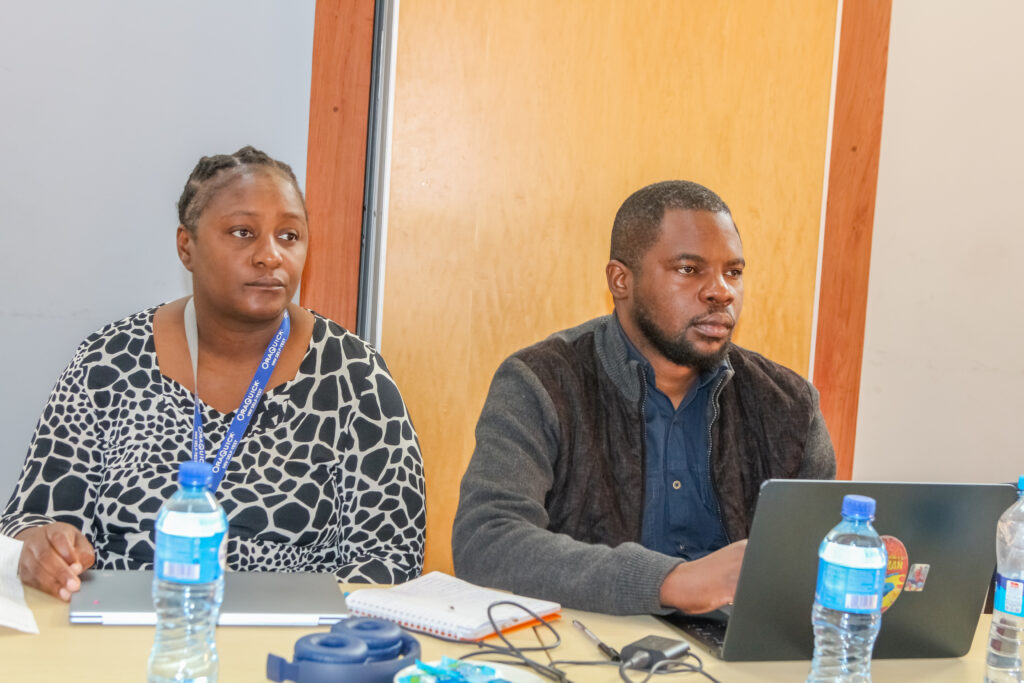
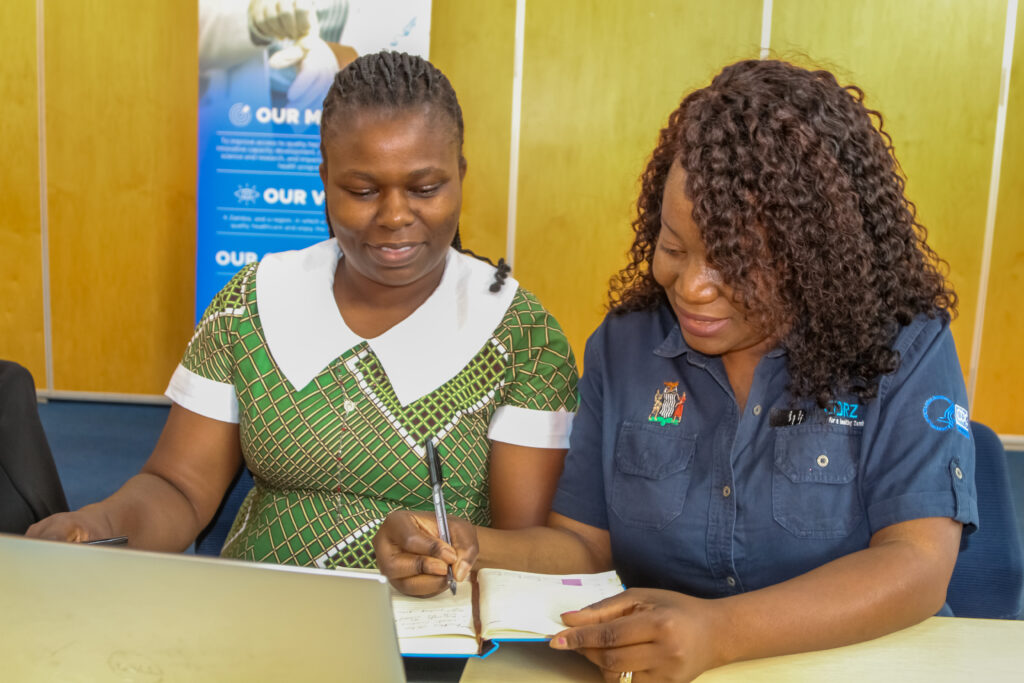
The orientation brought together health workers, emergency response coordinators, and technical partners from the Lusaka Provincial and District Health Offices, as well as the Chawama, Kanyama, George, and Munali sub-districts.
Over the three days, participants explored the PHEM cycle, the International Health Regulations (2005), and core principles of emergency management. Practical sessions covered preparedness, the 7-1-7 framework, incident action planning, and rapid risk assessments to strengthen timely detection, reporting, and coordinated response to public health threats. Field visits to the Public Health Emergency Operations Center (PHEOC), the Africa CDC Regional Office, and ZNPHI were also conducted.
Lusaka Provincial Health Office Chief Environmental Health Officer, Mrs Catheil M. Chiboota, commended the training, highlighting its importance in equipping professionals with skills to prevent, control, and respond promptly to emergencies.
“Lusaka often experiences seasonal outbreaks, and environmental factors like unplanned settlements make the city fertile ground for cholera, typhoid, and other diseases of public health concern. This training equips participants with essential skills to prevent, control, and respond promptly to emergencies,” she said.
Dr Lyapa Sikazwe, Public Health Specialist for Munali Sub-district, described the training as fundamental to public health security, especially at a time when districts are managing ongoing outbreaks.
“Valuable topics covered, including outbreak detection, risk assessment, and response strategies, will directly strengthen our outbreak response capacity and enhance our readiness for future public health emergencies,” he said.
In a statement made as CIDRZ representative, Dr Mwenya Mubanga said, “CIDRZ’s collaboration with the Ministry of Health through this training demonstrates our shared commitment to preparing Zambia for public health threats before they emerge. By building cross-sectoral capacity in emergency preparedness, we are ensuring that prevention drives our approach to protecting Zambian communities.”
CIDRZ continues to support government-led efforts to build resilient public health systems that are ready to respond effectively to emerging and ongoing health threats.