New CIDRZ Study Findings Disseminated on Multi-Month TB Treatment in Zambia.

CIDRZ Supports PHEM Orientation to Strengthen Zambia’s Emergency Preparedness
February 24, 2026
CIDRZ Participates in the WHO/TDR Clinical Research Leadership Fellowship Workshop in Tanzania
February 27, 2026
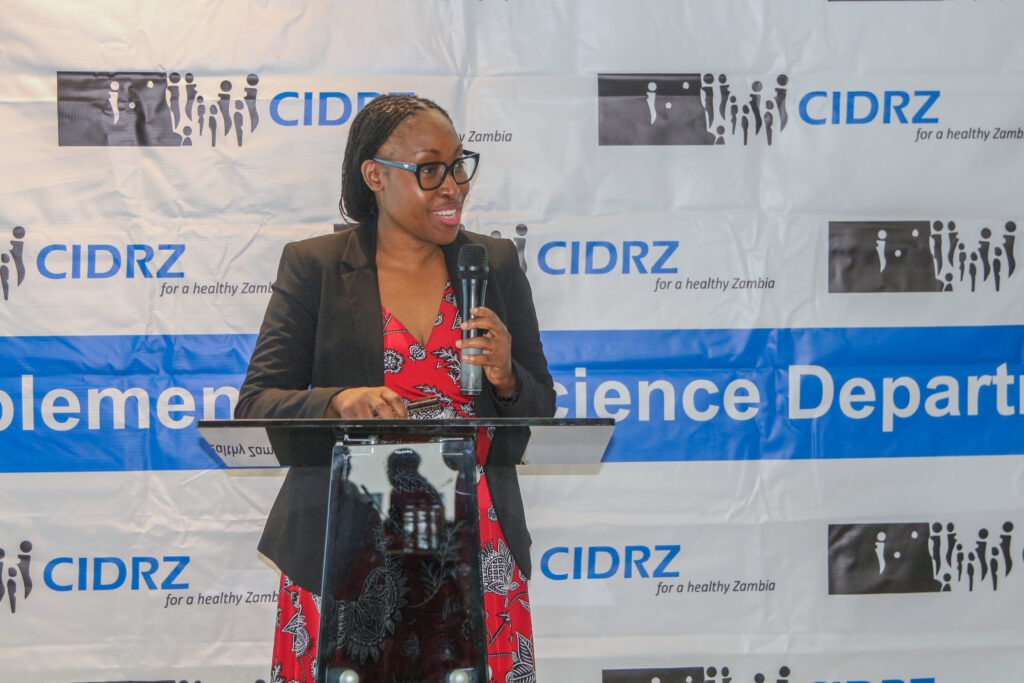
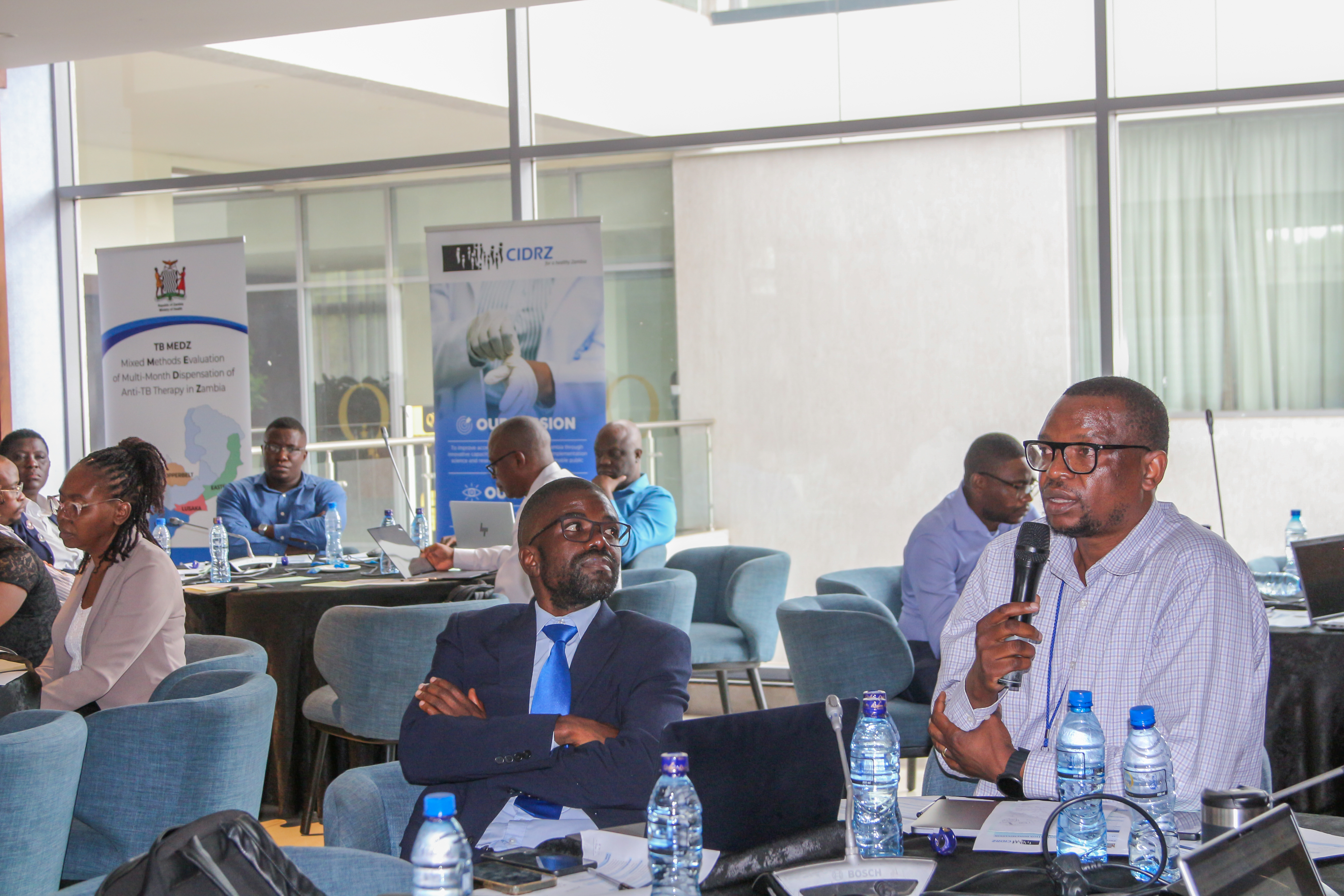
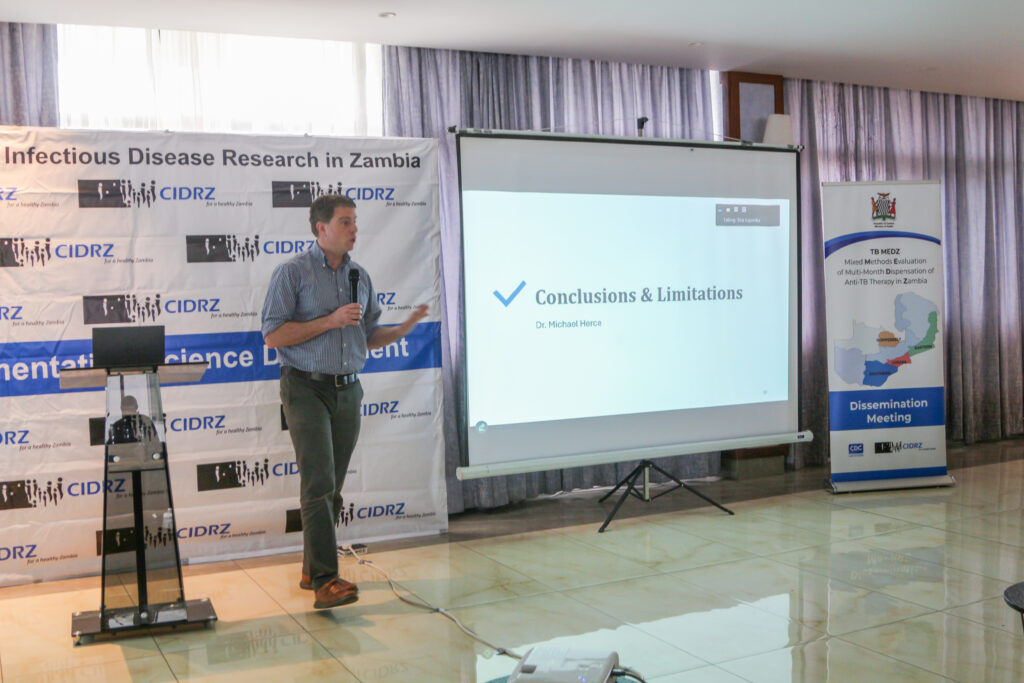
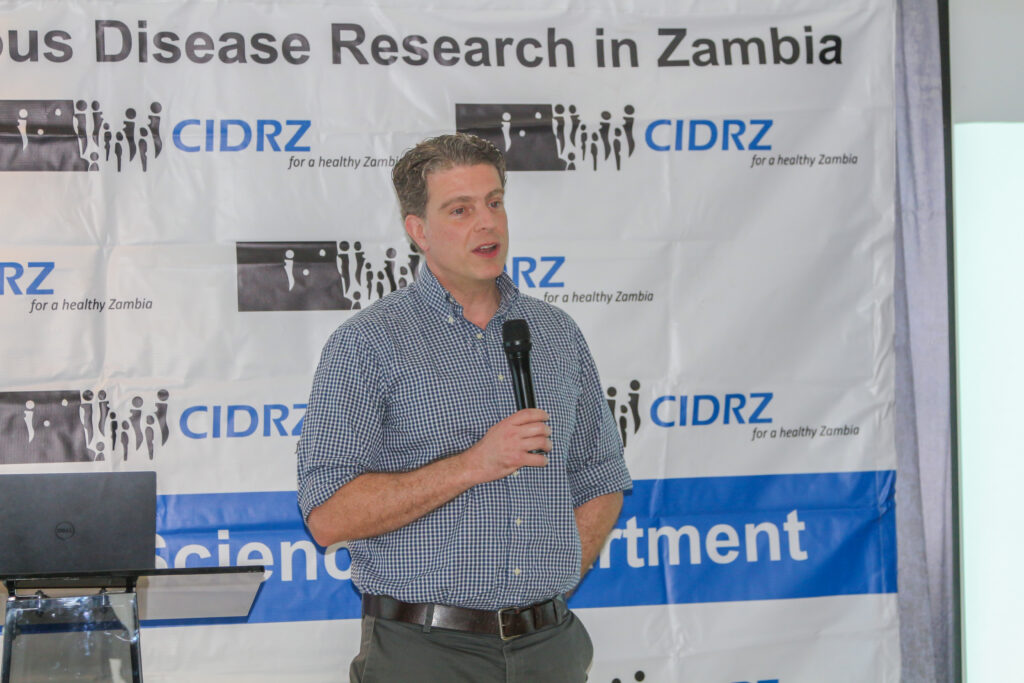
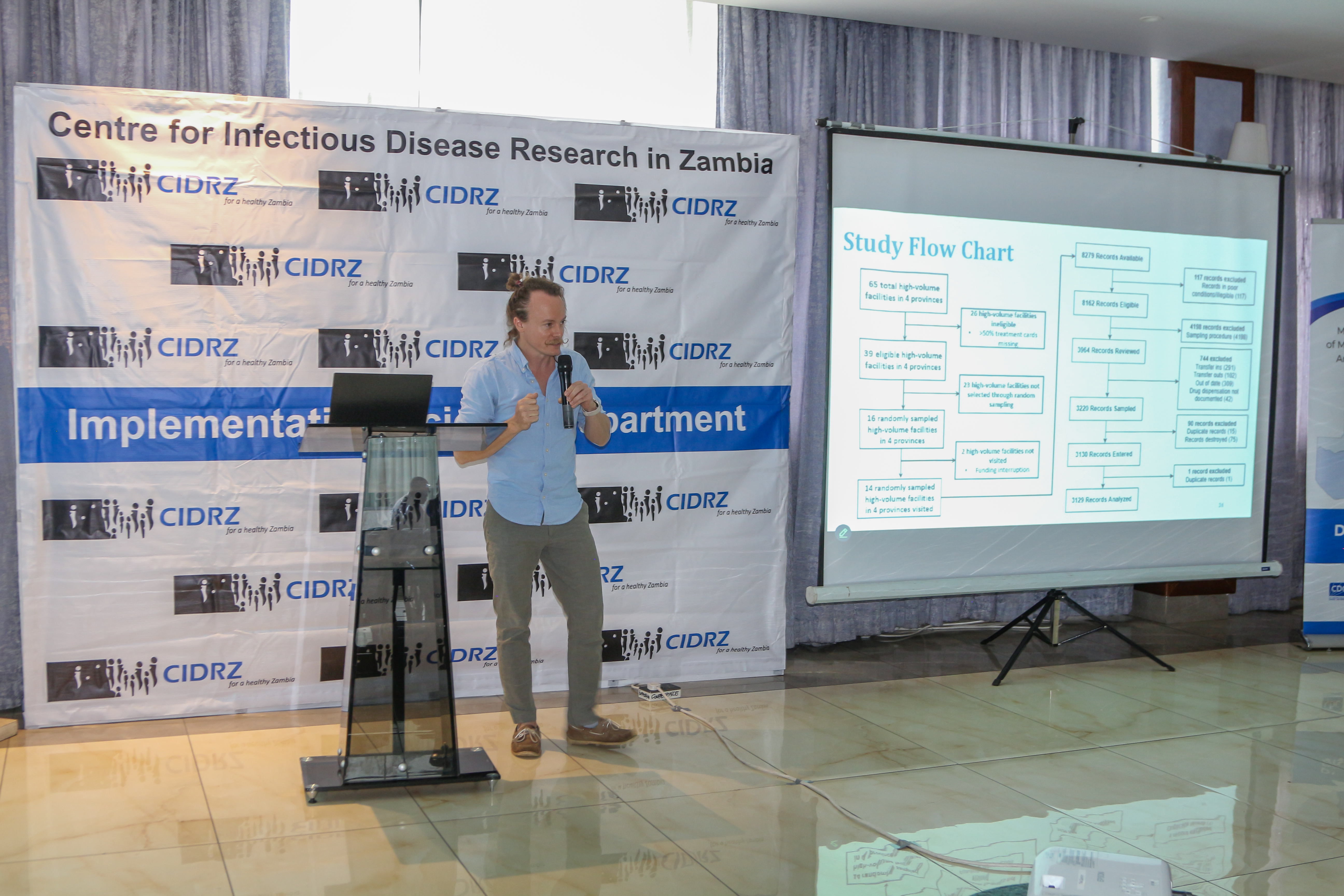
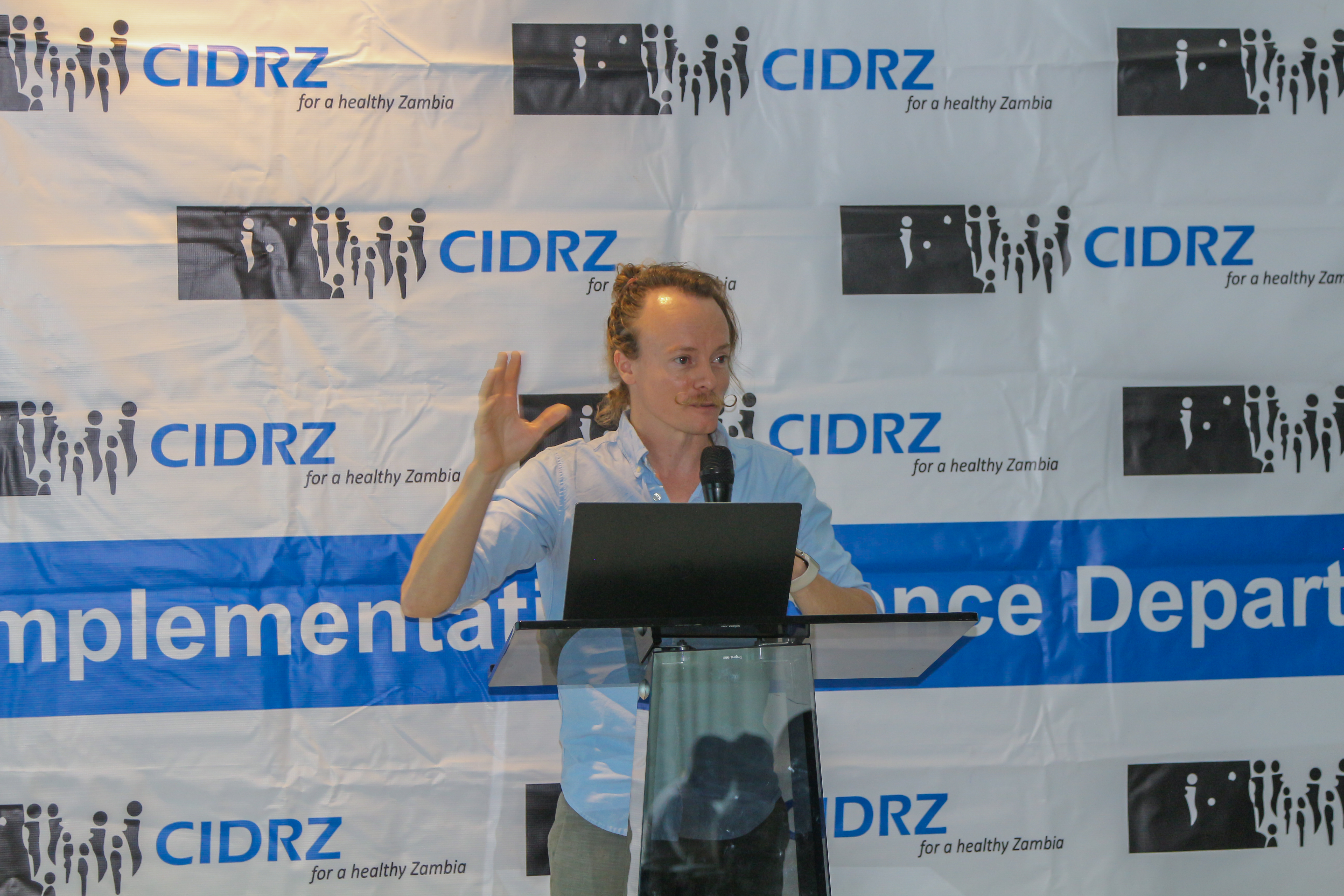
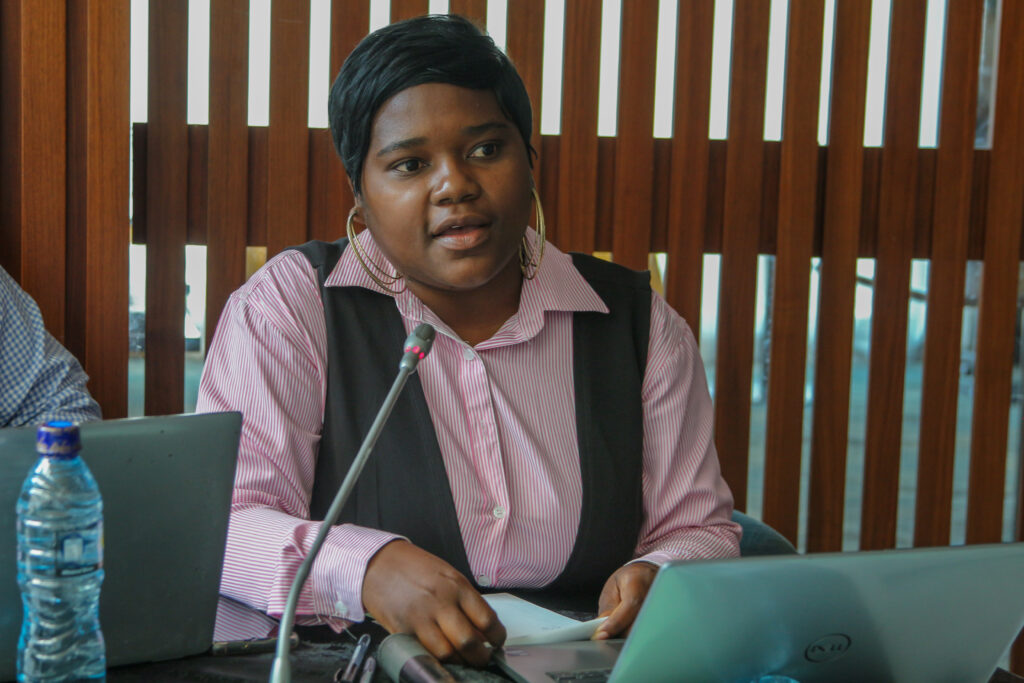
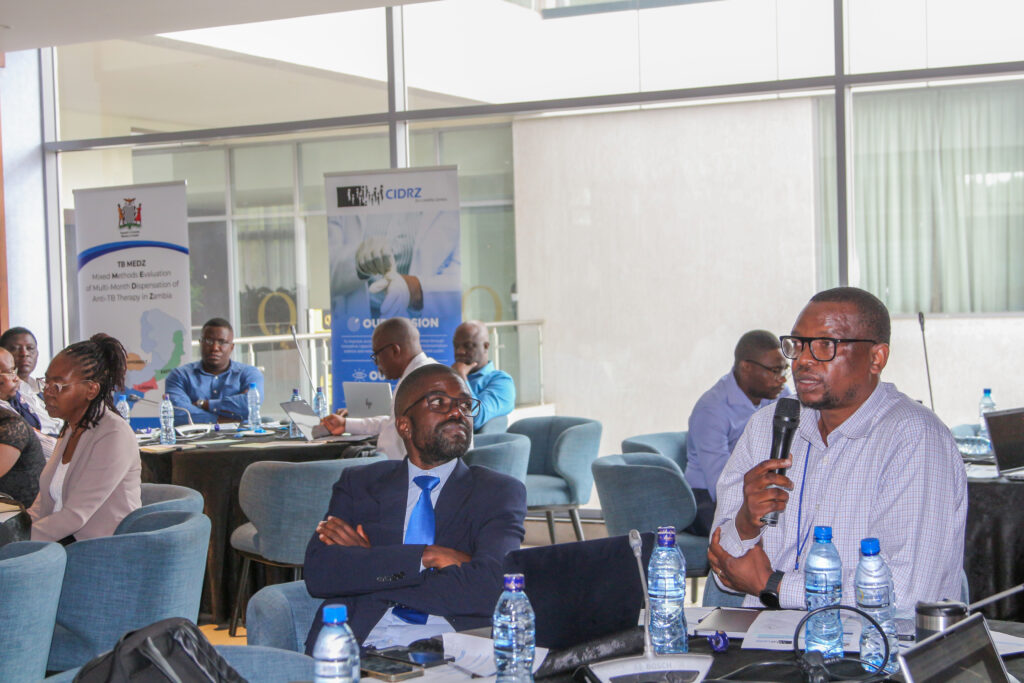
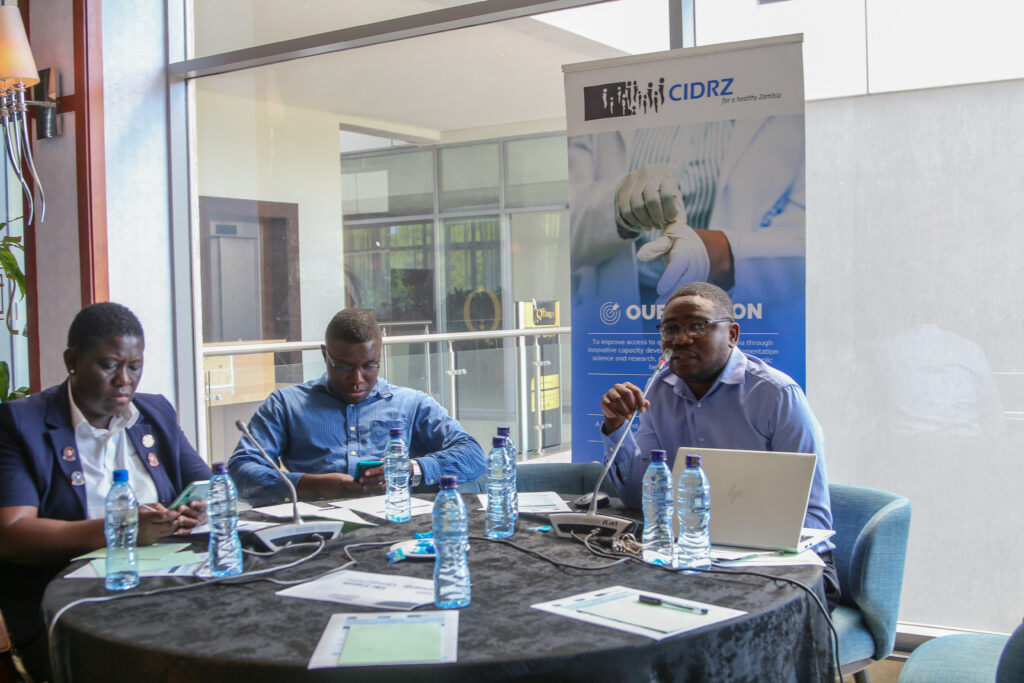
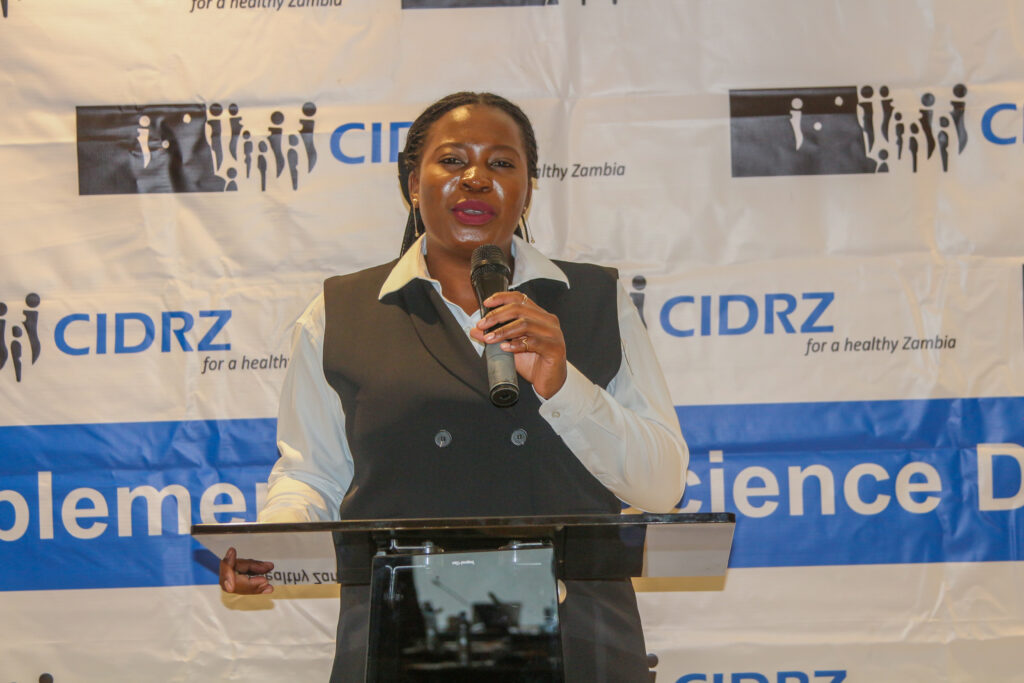
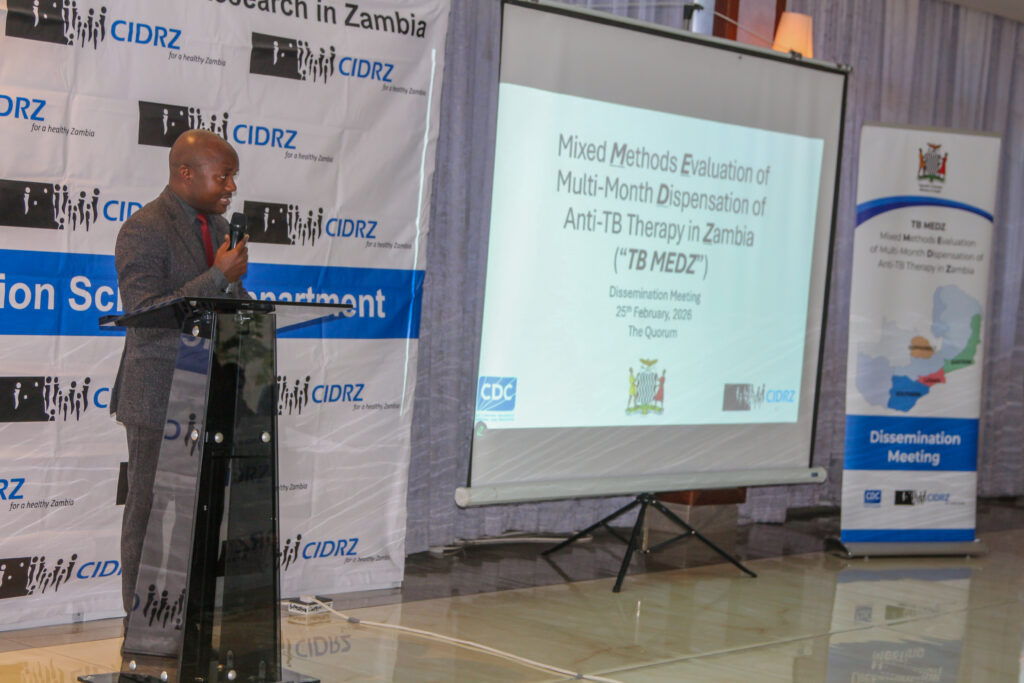
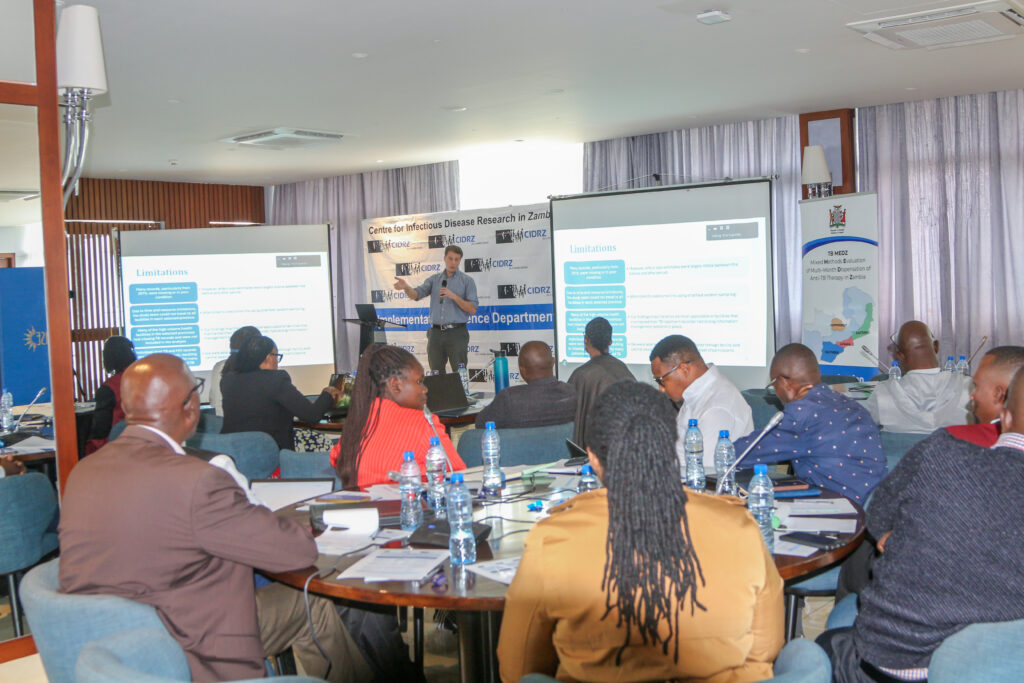
The Centre for Infectious Disease Research in Zambia (CIDRZ), in collaboration with the National Tuberculosis and Leprosy Control Programme (NTLP) under the Ministry of Health (MOH), held a dissemination meeting to share findings from the TB MEDZ Study, a national evaluation of multi-month dispensation (MMD) of anti-TB therapy (ATT).
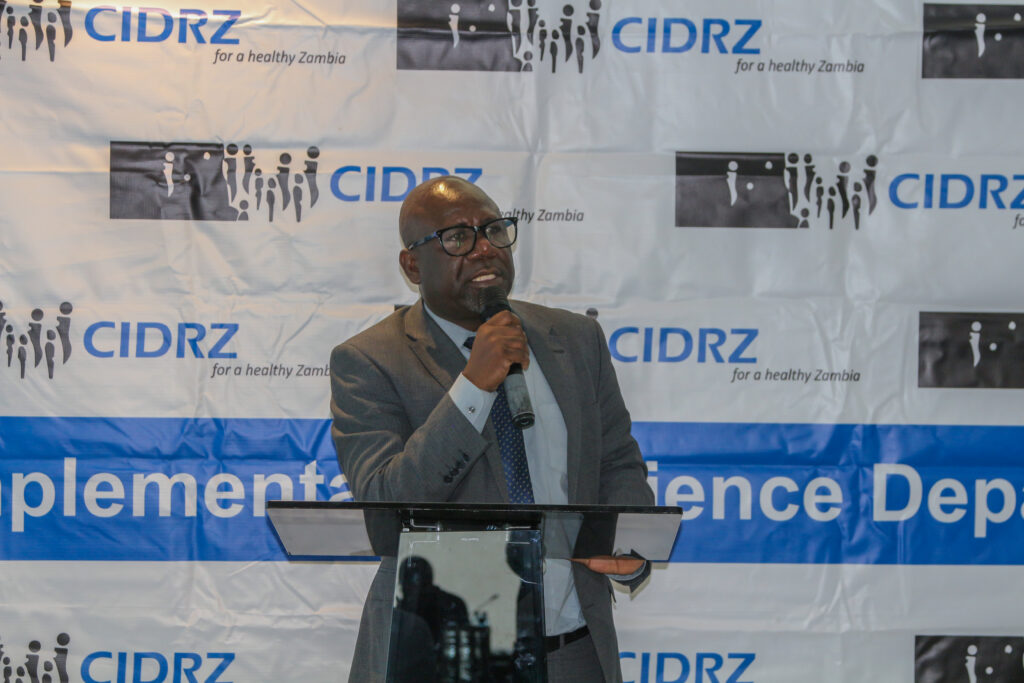
Speaking at the dissemination meeting, Guest of Honour Dr Angel Mwiche, Assistant Director for Reproductive, Maternal and Adolescent Health at the Ministry of Health, representing Director of Public Health Dr Simpungwe Kakungu, acknowledged Zambia’s progress in reducing tuberculosis but stressed that TB remains a major public health challenge.
“Tuberculosis continues to claim between 5,000 and 8,000 lives each year, highlighting that it is not only a medical issue but also a social and economic challenge affecting families, communities, and the nation,” he said.
Dr Mwiche noted that the TB MEDZ Study, which evaluated the implementation of Zambia’s TB service delivery policies during the COVID-19 pandemic, is extremely important to the Ministry.
He highlighted that Zambia remains committed to research-driven and evidence-based policy, adding that the study, conducted in Lusaka, Copperbelt, Southern, and Eastern provinces, provides critical evidence to guide policy decisions and strengthen TB programming across the country.
He further thanked CIDRZ, the National Tuberculosis and Leprosy Control Programme, CDC, and provincial and district health teams for their collaboration and support in conducting the study.
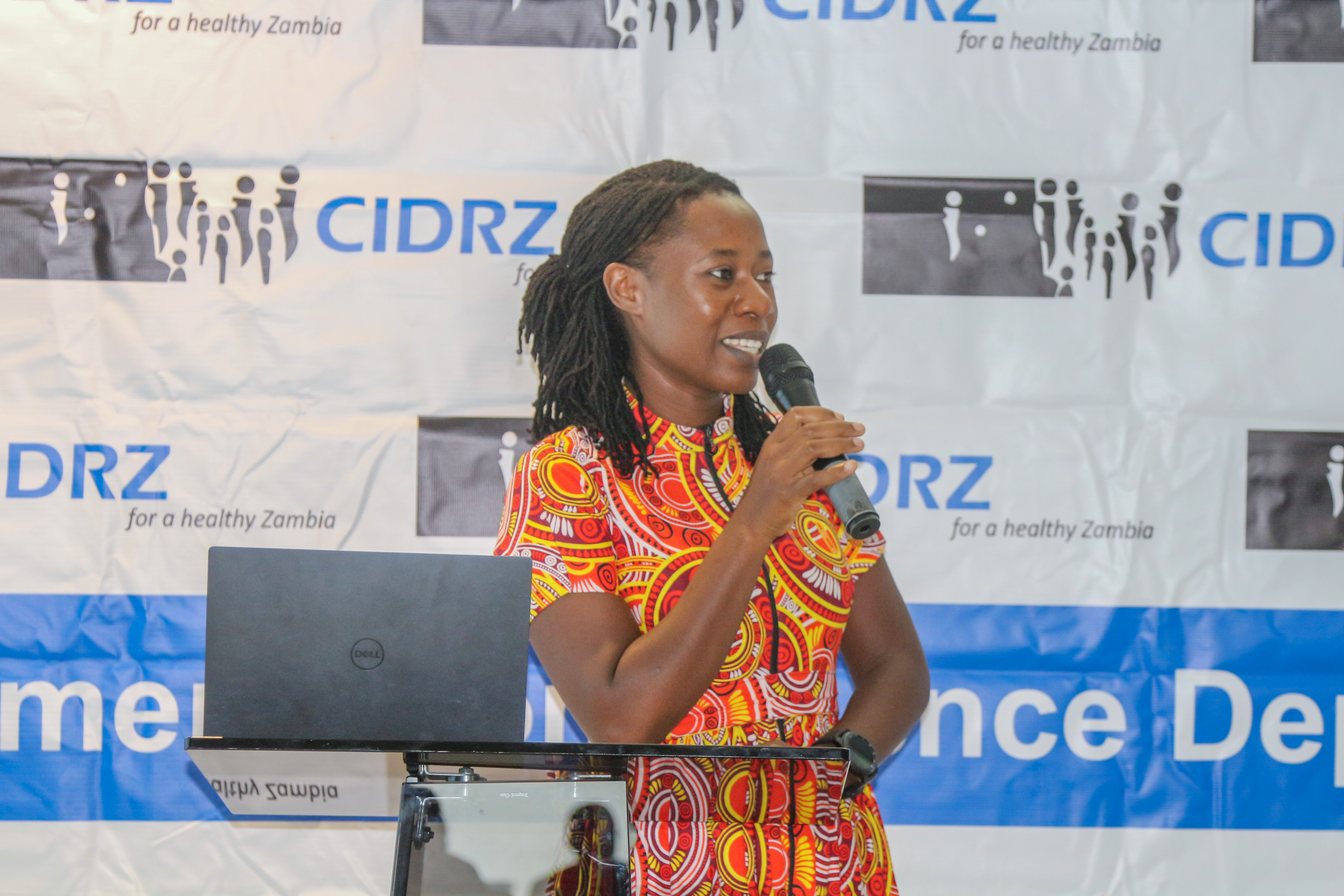
The Chief Scientific Officer at Centre for Infectious Disease Research in Zambia, Dr Monde Muyoyeta, underscored the ongoing challenges faced by TB patients and health systems, adding that TB remains a significant public health problem in Zambia.
“Many patients are required to make multiple visits to health facilities to access treatment, which places a heavy financial and logistical burden on them. Multi-month dispensing helps to reduce these repeated visits and associated costs,” she said.
She added that care for TB patients should not end at six months, as many patients continue to experience disability even after completing treatment, and as programmes, we must consider how to support them beyond treatment completion.
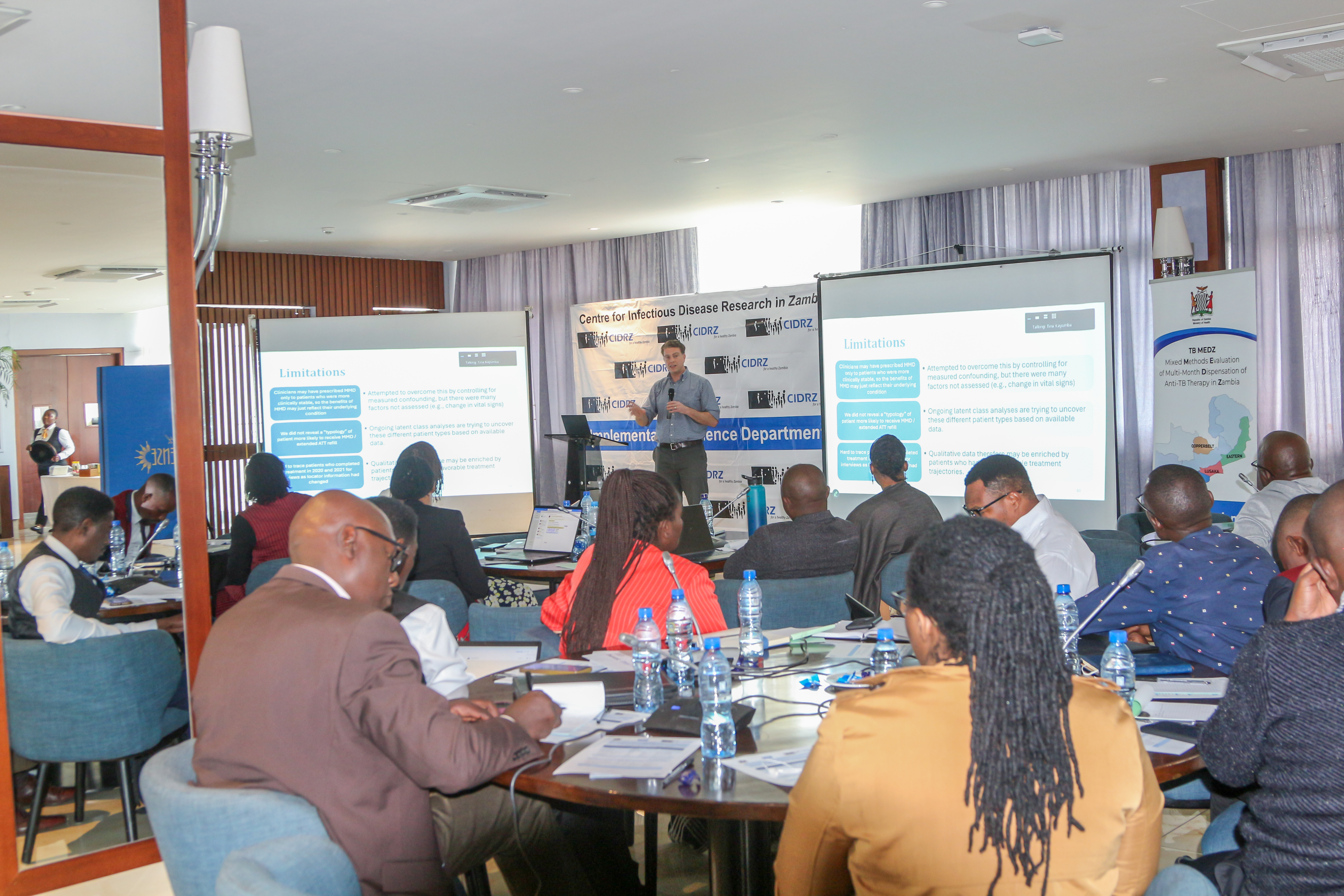
The TB MEDZ Study used a mixed-methods approach, combining routine national TB programme data with insights from patients and healthcare workers across selected provinces. The evaluation assessed treatment outcomes before and after the implementation of multi-month dispensing (MMD) or extended interval prescribing, models designed to reduce the frequency of clinic visits while maintaining quality of care.
Findings from the TB MEDZ study indicate that extending ATT refill duration beyond standard practice was associated with greater treatment success with patients who received MMD doing better. Extended ATT refills enhanced patient-centeredness of TB treatment in various ways, with perceived positive impacts on travel, time at the clinic, and out of pocket costs.
Additionally, the study found that MMD and extended refills were perceived as feasible by health workers and had good adoption accompanied by innovative adaptations to meet patient needs in the various facility settings. Patients also had a strong preference for MMD over other models of ATT prescribing.
The study recommends that based on the existing strong policy foundation for extending the duration of ATT refills and the results from this work, expansion and further formalisation of the intervention streamlined for those in whom it will have the most benefit should be considered by the NTLP.
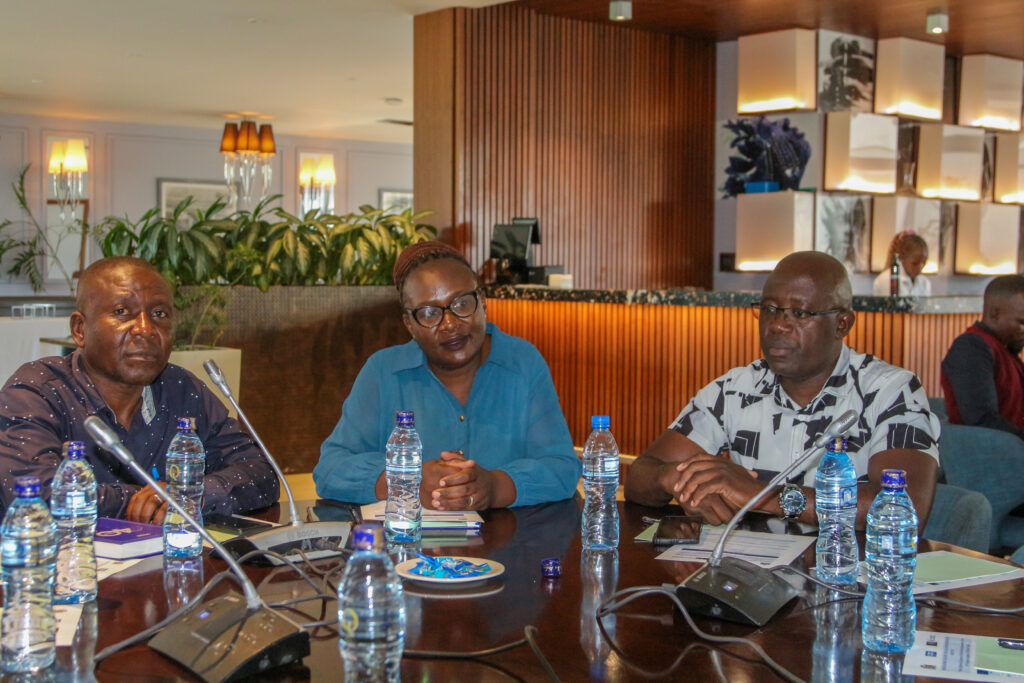
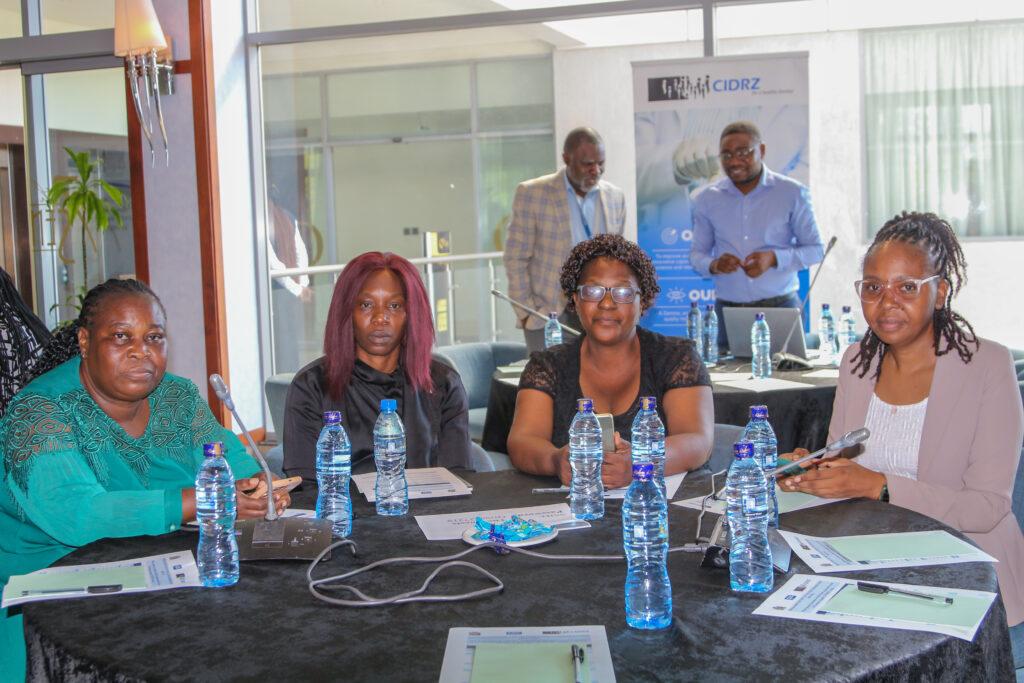
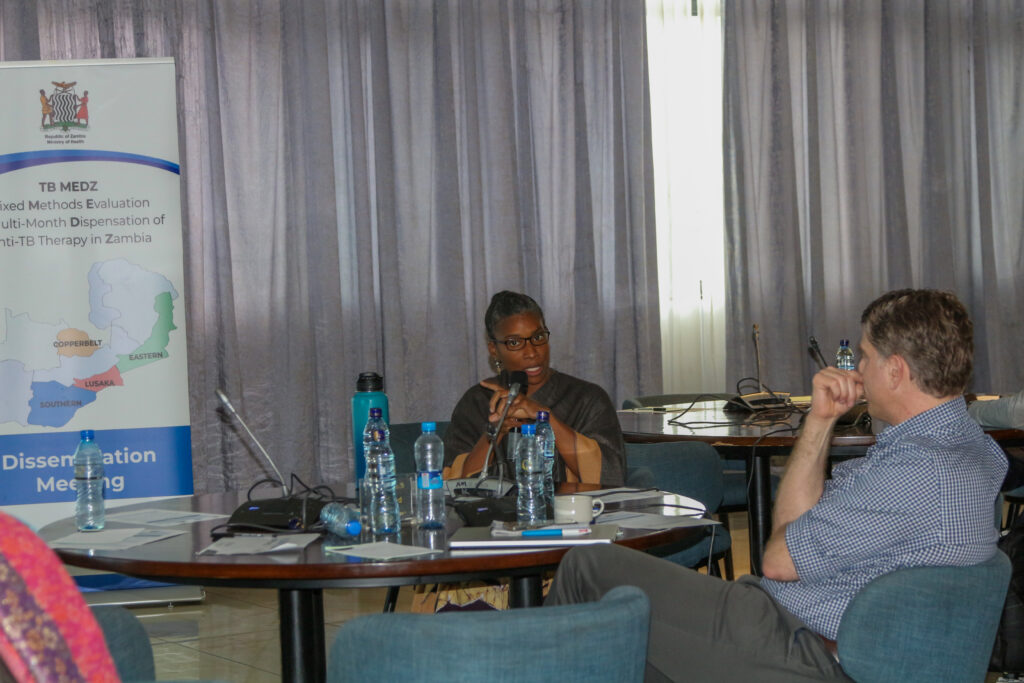
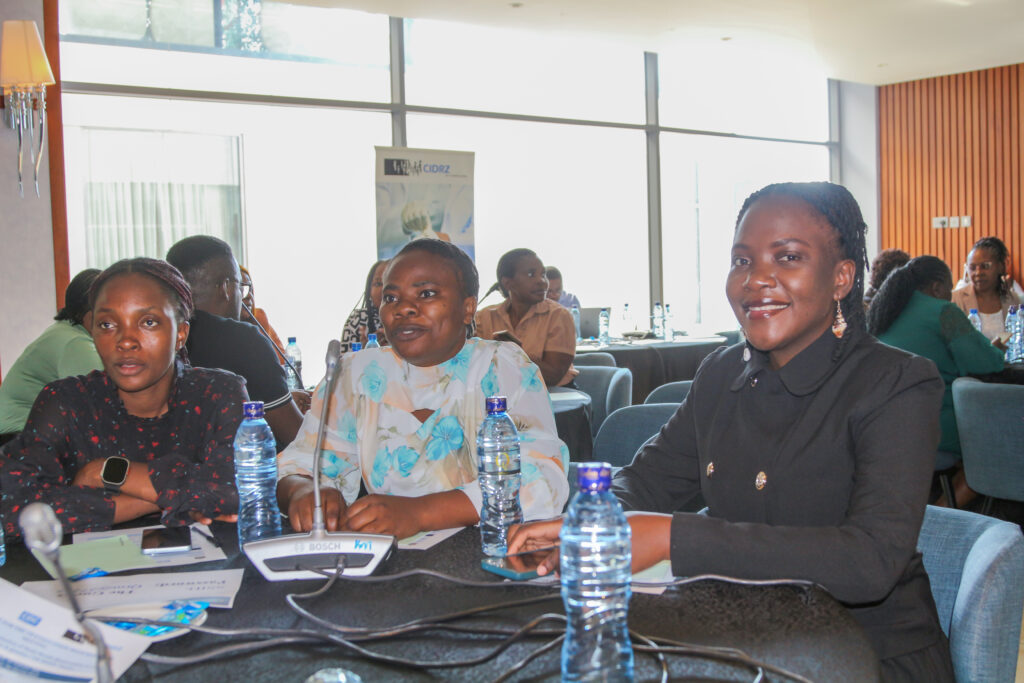
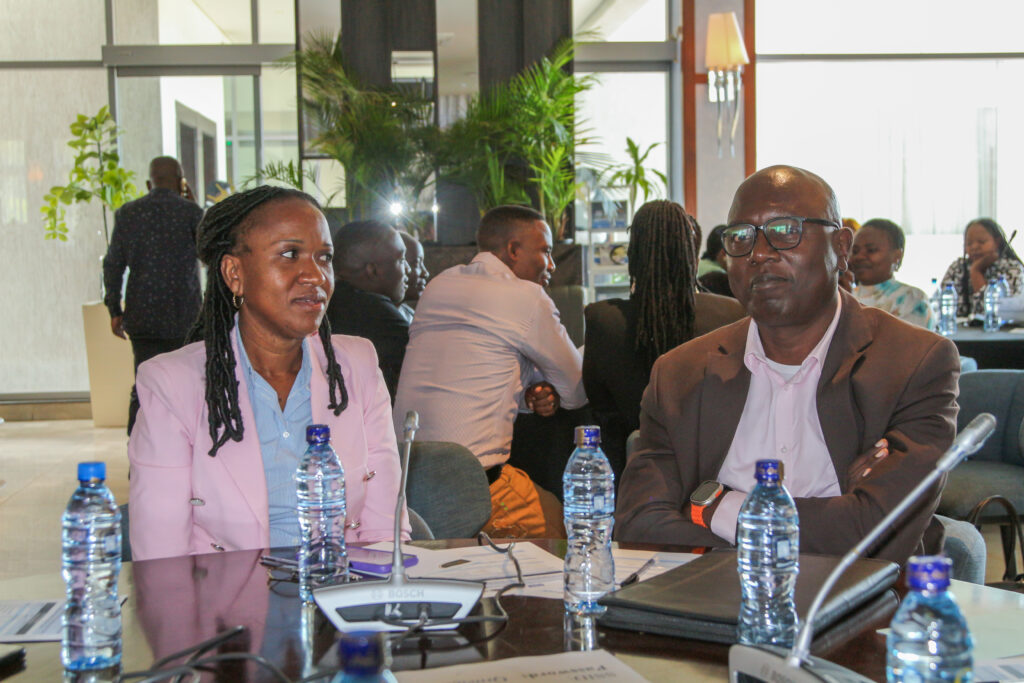
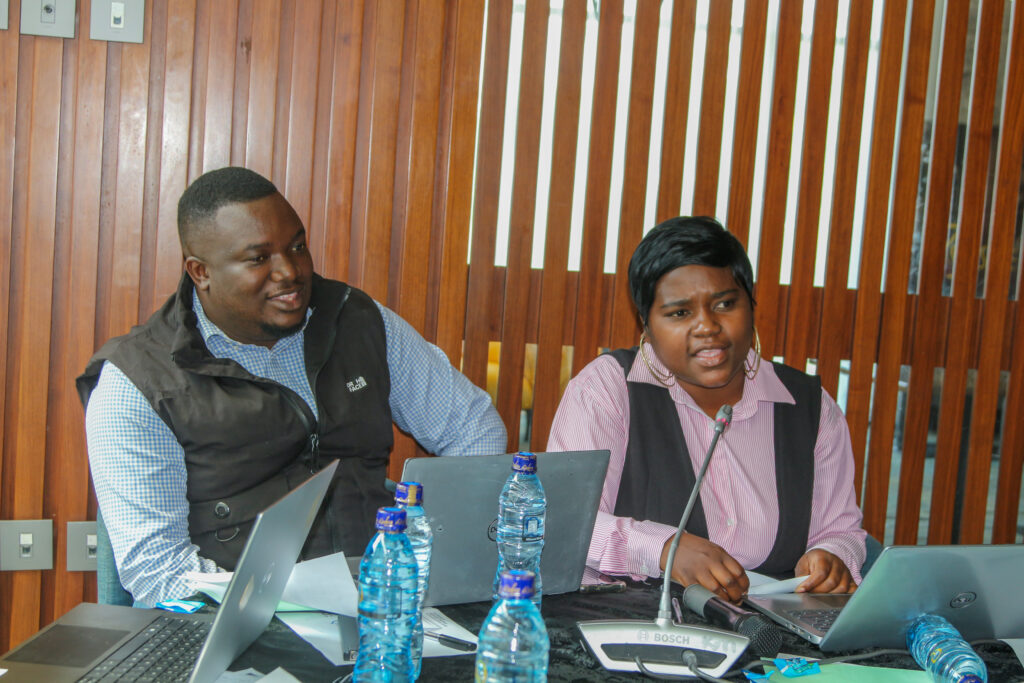
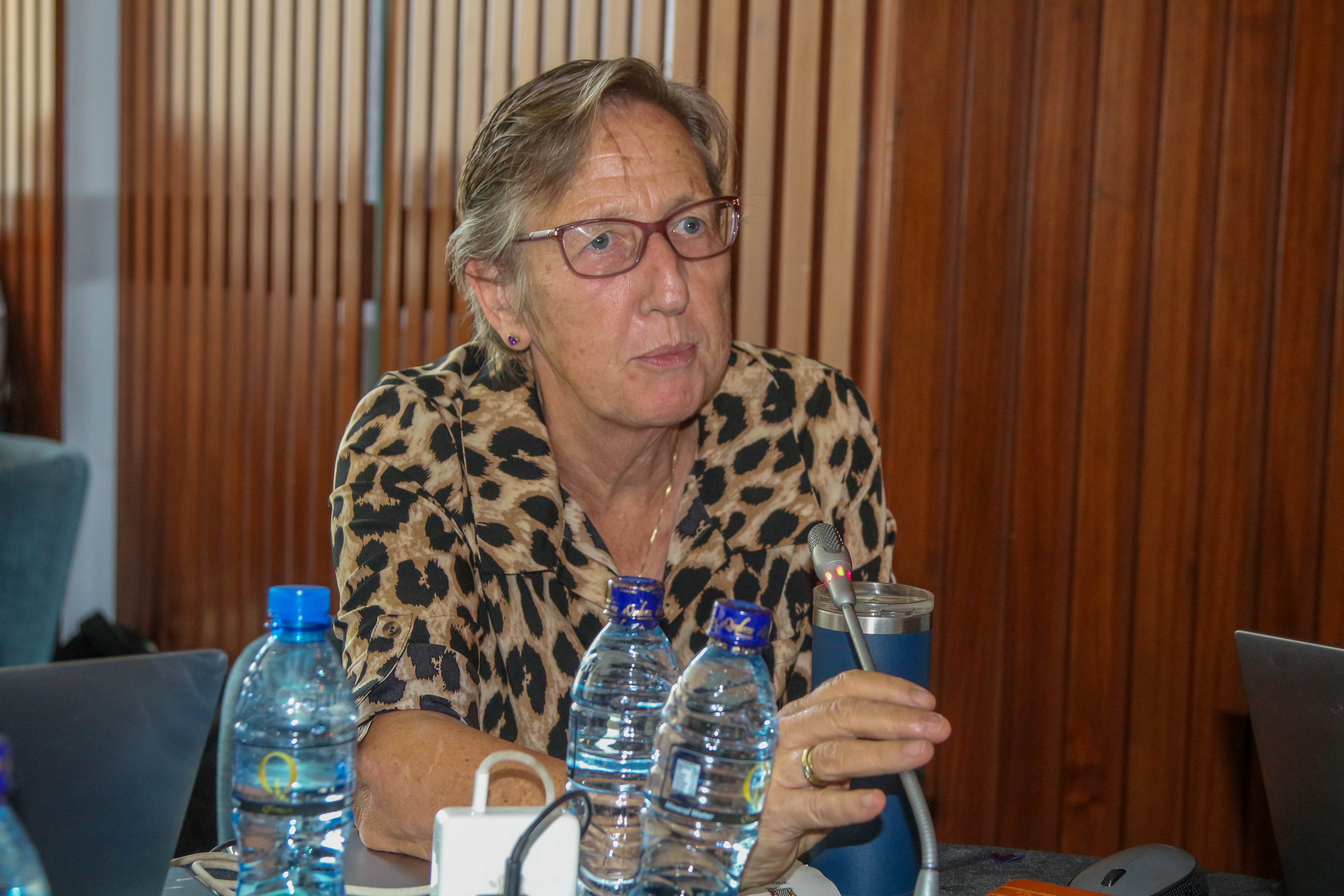
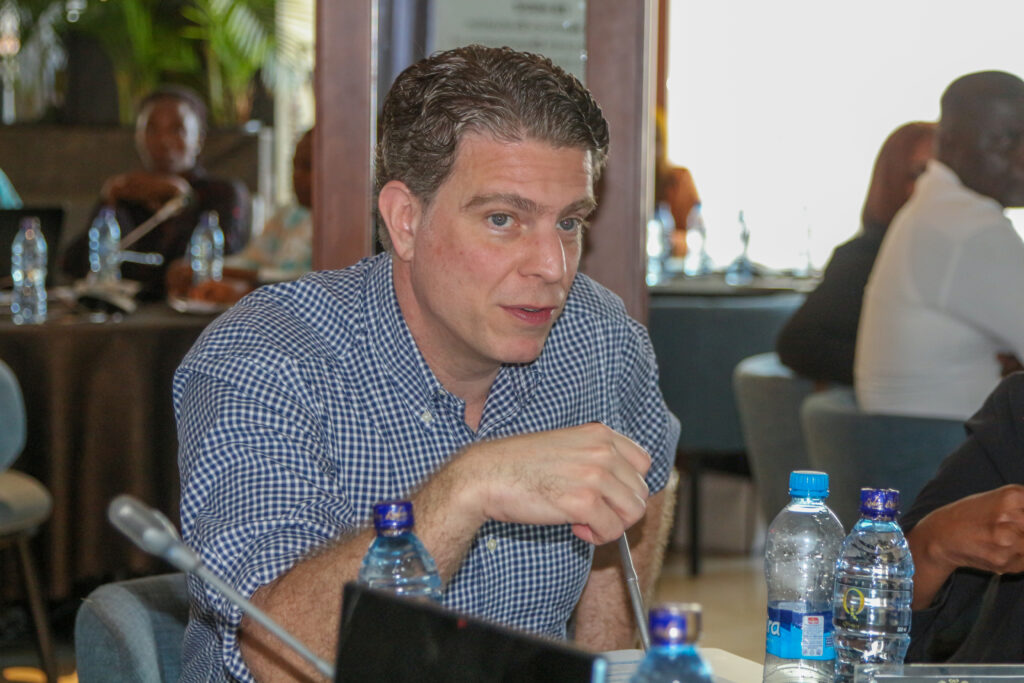
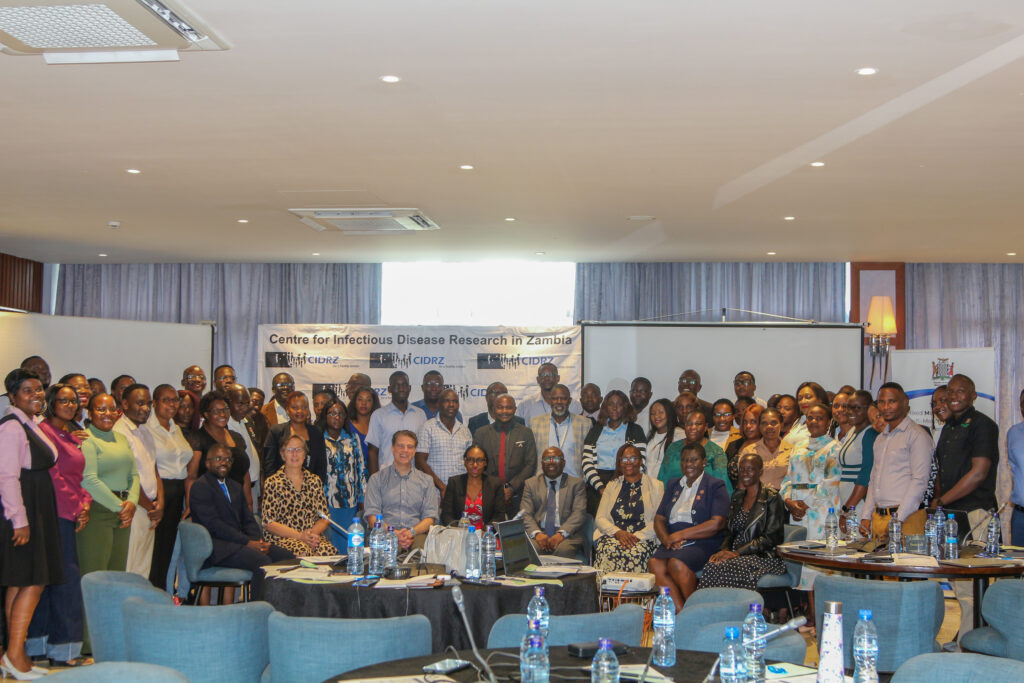
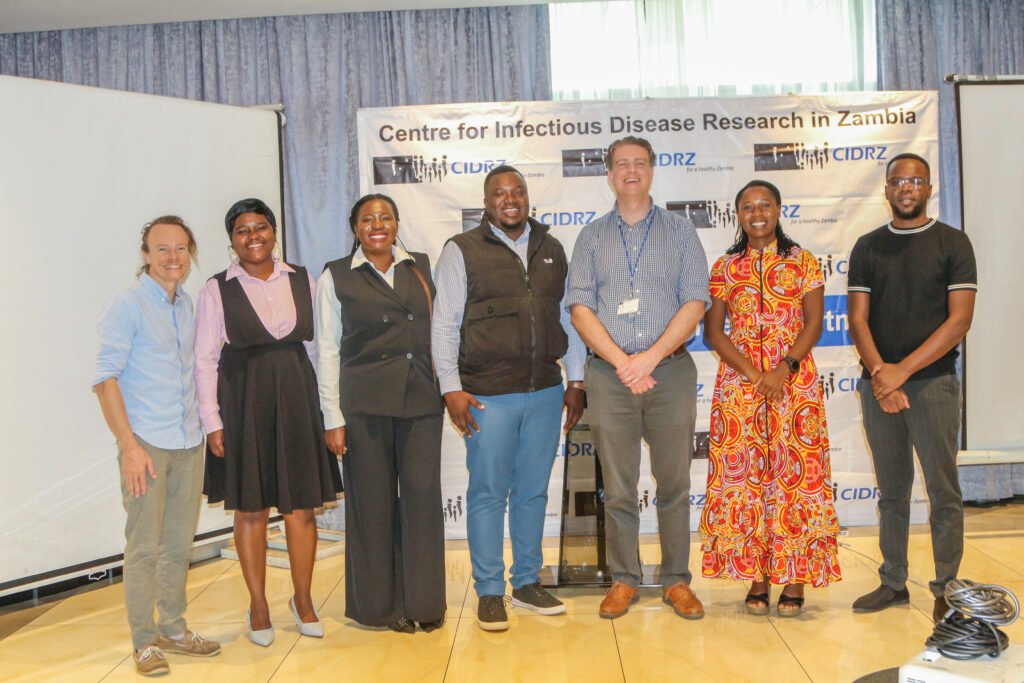
The dissemination meeting was attended by Ministry of Health officials, provincial and district TB coordinators from Lusaka, Copperbelt, Southern, and Eastern provinces, frontline healthcare workers, and representatives from CIDRZ, NTLP, CDC, and supporting partners.